
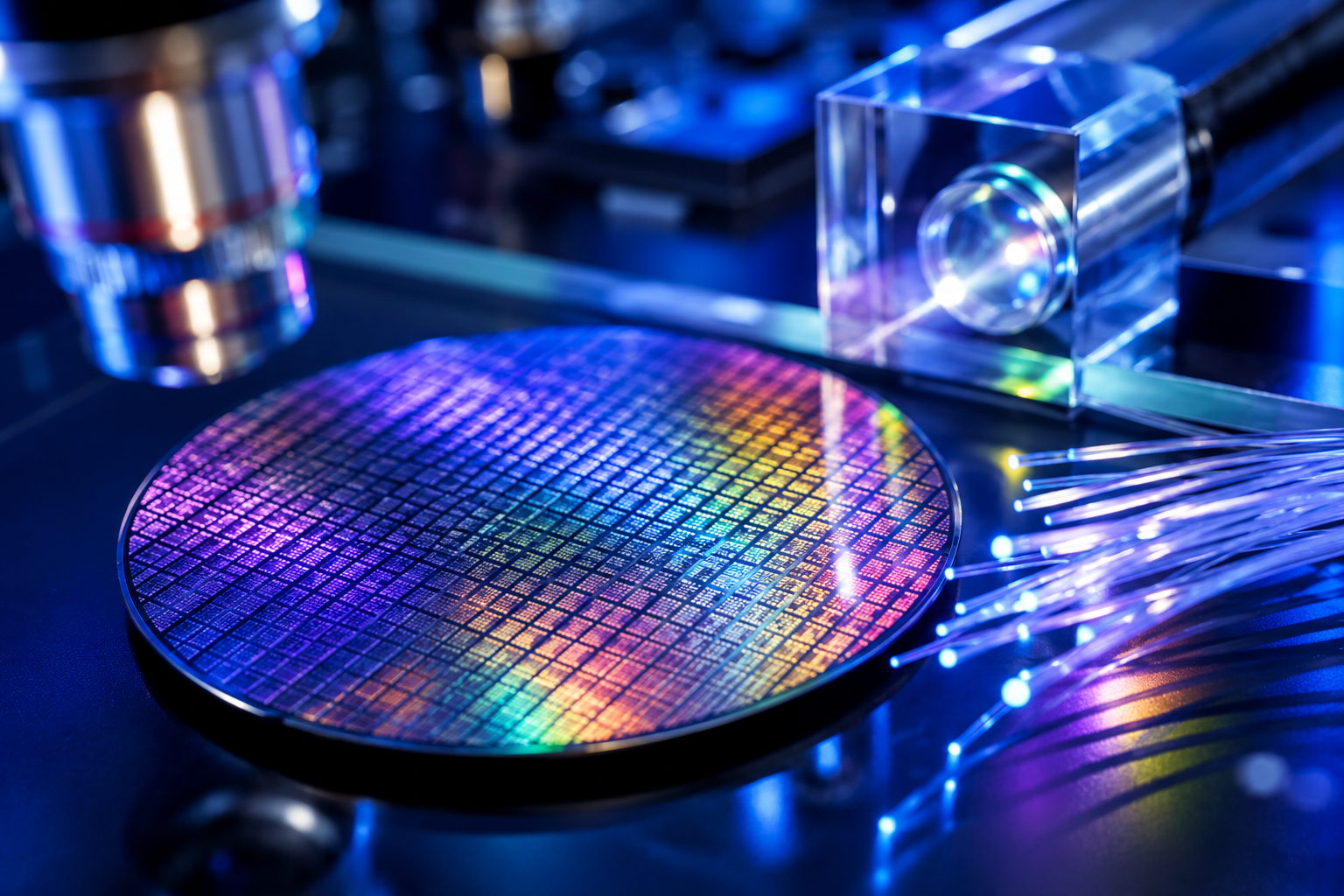
Optoelectronic materials are becoming increasingly important as industries adopt advanced technologies such as LED lighting, OLED displays, laser systems, optical communication, electric vehicles, and semiconductor devices. These materials enable the conversion of electrical energy into light and vice versa, making them essential for next-generation electronic and photonic applications.
According to Stratistics MRC, the Global Optoelectronic Materials Market is accounted for $18.5 billion in 2026 and is expected to reach $48.0 billion by 2034 growing at a CAGR of 12.7% during the forecast period
As demand for high-performance electronic devices continues to rise, the optoelectronic materials market is witnessing rapid innovation.
1. Rising Demand for Advanced Semiconductor Materials
The semiconductor industry remains one of the largest consumers of optoelectronic materials.
Key Applications:
- Photonic chips
- Optical sensors
- Laser diodes
- High-speed communication devices
Growing investments in AI and advanced computing are driving material innovation.
2. OLED Display Technology Expanding Rapidly
OLED adoption continues to increase across consumer electronics.
Growth Drivers:
- Smartphones
- Premium televisions
- Automotive displays
- Wearable devices
Manufacturers are investing in higher-efficiency emissive materials.
3. Increasing Adoption in Electric Vehicles
Electric vehicles require advanced optoelectronic components for safety and efficiency.
Major Applications:
- LED lighting systems
- LiDAR sensors
- Optical communication modules
- Smart display systems
EV production continues to create strong market demand.
4. Photonics Becoming a Strategic Growth Area
Photonics technologies are transforming multiple industries.
Emerging Applications:
- Fiber optic communication
- Medical imaging
- Industrial automation
- Quantum technologies
High-performance optical materials are becoming increasingly valuable.
5. Mini LED & Micro LED Innovation Accelerating
Display manufacturers are shifting toward next-generation display technologies.
Benefits:
- Higher brightness
- Improved energy efficiency
- Longer lifespan
- Better color accuracy
These technologies are expanding beyond premium consumer electronics.
6. Growth of Optical Communication Networks
Global data traffic is increasing demand for optical infrastructure.
Key Drivers:
- 5G deployment
- Data centers
- Cloud computing
- High-speed broadband
Optoelectronic materials are enabling faster and more efficient communication systems.
7. Sustainability Driving Material Innovation
Manufacturers are focusing on environmentally responsible materials.
Industry Priorities:
- Lower energy consumption
- Longer component lifespan
- Eco-friendly manufacturing
- Improved material efficiency
Sustainability is becoming an important competitive differentiator.
8. Expansion of Smart Devices & Wearables
Consumer electronics continue to fuel market growth.
High-Growth Segments:
- AR/VR devices
- Smartwatches
- Medical wearables
- Smart home devices
Compact and efficient optoelectronic materials are supporting next-generation product development.
Market Outlook: Optoelectronic Materials Industry
The optoelectronic materials market is expected to grow steadily due to:
- Semiconductor expansion
- Growth of OLED and Micro LED displays
- Rising EV production
- 5G and optical networking investments
- Increasing adoption of photonics technologies
Continuous innovation in advanced materials will remain central to market growth.
The optoelectronic materials market is evolving alongside major technological advancements in electronics, telecommunications, automotive, and healthcare. Companies developing efficient, durable, and sustainable materials are expected to benefit from growing global demand.
As digital transformation accelerates, optoelectronic materials will remain at the core of future electronic and photonic innovations.