
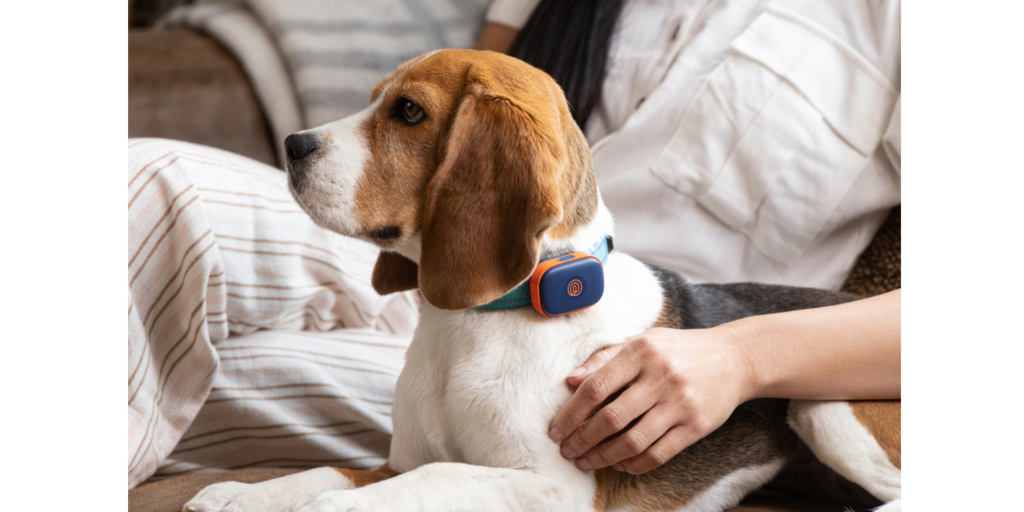
The pet tracking industry is moving beyond simple location monitoring. Modern GPS trackers increasingly combine real-time location, geofencing, activity monitoring, health insights, cellular connectivity, and smart alerts into connected pet-care platforms.
As pet owners become more comfortable with wearable technology, competition is also shifting. Companies are differentiating through tracking accuracy, battery life, subscription models, health analytics, safety features, and the ability to integrate tracking into broader pet-care ecosystems.
Based on product presence, technology focus, market visibility, and relevance to the evolving pet-tracking landscape, the following are 15 companies worth watching in 2026.
1. Tractive
Tractive has established itself as one of the most visible dedicated pet GPS tracking companies, offering connected trackers designed for both dogs and cats.
Its platform combines real-time location tracking, activity monitoring, sleep tracking, and health-related insights. The company’s current products also emphasize escape alerts and global cellular connectivity.
Tractive’s strength is its focus on creating a dedicated pet-tracking ecosystem rather than simply offering a GPS device. Its combination of hardware, mobile software, subscription connectivity, and health data gives it a strong position as pet tracking becomes increasingly integrated with pet wellness.
2. Fi
Fi has built its position around the concept of a smart dog collar, combining GPS tracking with activity and behavioral monitoring.
The company’s approach differs from traditional clip-on trackers by integrating tracking technology directly into the collar ecosystem. This makes the product particularly relevant to owners looking for a more seamless wearable experience.
Fi is worth watching as competition increasingly shifts from basic location tracking toward smart collars capable of combining safety, activity, and behavioral data.
3. Garmin
Garmin brings decades of experience in GPS, outdoor navigation, and connected wearable technologies to the pet-tracking category.
Its tracking solutions are particularly relevant for working dogs, hunting dogs, outdoor activities, and owners who require advanced location capabilities.
Garmin’s advantage is its established GPS expertise and broader ecosystem of navigation products. This gives the company a different competitive position from consumer-focused pet-tracking startups.
Its presence demonstrates how pet tracking is increasingly overlapping with the broader wearables, outdoor technology, and navigation industries.
4. Pawfit
Pawfit focuses specifically on GPS tracking for dogs and cats, with products combining real-time location, activity monitoring, safety zones, voice functionality, and long battery life.
The company’s use of multi-network 4G connectivity is particularly relevant to owners who want tracking beyond the range of a home Wi-Fi network.
Pawfit also emphasizes waterproof hardware and features such as removal alerts and audio identification, positioning the company around practical everyday pet safety.
5. Weenect
Weenect is a major European player in connected pet tracking, offering GPS devices designed for both dogs and cats.
Its products focus on real-time location, activity monitoring, and safety features, with different form factors designed around different types of pets.
The company is particularly relevant to the European pet-tracking market, where GPS collars and connected pet devices have become increasingly established.
Its continued product development reflects the broader trend toward smaller, more capable trackers designed specifically around pet size and behavior.
6. PetPace
PetPace takes a different approach to pet wearables by placing greater emphasis on health monitoring.
Its technology focuses on collecting information related to pet health and behavior, positioning the wearable as more than a simple location tracker.
This creates an important distinction in the competitive landscape.
The future of pet tracking may increasingly involve monitoring not just where a pet is, but also how that pet is behaving and whether changes could indicate a potential health issue.
7. FitBark
FitBark combines pet tracking with activity and wellness monitoring.
Its GPS platform provides real-time location information and can also alert owners when a pet enters or leaves designated safe areas.
The company has developed a recognizable position around pet fitness, activity, and health data, making it relevant to the convergence between GPS tracking and wearable health technology.
As pet owners increasingly treat animals as part of the connected-health ecosystem, this category could become increasingly important.
8. Halo
Halo approaches pet tracking from the perspective of GPS-enabled boundaries and training.
Rather than focusing exclusively on finding a lost pet, its technology combines location capabilities with virtual boundaries and training-oriented features.
This positions Halo within a broader category of connected pet-management systems.
The company’s model illustrates how GPS technology can become part of everyday pet behavior management rather than being used only as an emergency tracking tool.
9. SpotOn
SpotOn is another company focused heavily on GPS-enabled virtual fencing.
Its technology is designed to allow owners to establish virtual boundaries without relying entirely on traditional physical fencing.
This creates opportunities in large properties, rural environments, and outdoor applications where conventional fencing may be impractical.
SpotOn is therefore an interesting player in the intersection of GPS tracking, pet safety, and smart containment.
10. Kippy
Kippy is a European pet-tracking brand offering connected GPS devices for monitoring pet location and activity.
The company’s positioning around GPS connectivity and activity tracking reflects the increasing demand for smaller connected devices designed specifically for companion animals.
Kippy is particularly relevant to the European ecosystem, where several specialized pet technology companies are competing with larger international brands.
11. Invoxia
Invoxia has developed connected tracking technology that extends beyond traditional pet-specific products.
Its pet-focused devices combine location monitoring with connected-device capabilities, while the company’s broader expertise spans GPS and IoT tracking.
This gives Invoxia an interesting position as the pet-tracking market increasingly converges with the wider Internet of Things (IoT) ecosystem.
The company represents the broader technology trend of applying connected tracking infrastructure to increasingly specialized use cases.
12. Tracki
Tracki focuses on compact GPS tracking devices that can be used across multiple applications, including pets.
Its advantage is flexibility: rather than building exclusively around a smart collar ecosystem, compact trackers can be attached to different types of collars or belongings.
This approach appeals to users looking for a relatively simple GPS tracking solution.
Tracki illustrates an important segment of the market where general-purpose GPS hardware competes with specialized pet wearables.
13. Petfon
Petfon has developed GPS-based pet tracking products with an emphasis on location monitoring and pet safety.
The company is notable for its approach to tracking without relying exclusively on the same subscription-oriented model used by some cellular GPS services.
This makes alternative connectivity models an important competitive factor within the industry.
As consumers compare subscription costs, connectivity, range, and tracking performance, different hardware and communication architectures could continue to coexist.
14. PitPat
PitPat is an emerging pet technology brand with a strong emphasis on activity and health monitoring alongside connected pet products.
Its positioning reflects a broader shift in the market toward pet fitness and wellness data, rather than GPS tracking alone.
The company’s development is worth watching as pet wearables increasingly borrow concepts from human fitness trackers, including activity measurement, behavioral insights, and long-term health monitoring.
15. TabCat
TabCat focuses specifically on cat tracking and uses a lightweight tracking approach designed around the needs of smaller pets.
This is an important niche because conventional GPS devices can be relatively large or heavy for cats.
The growth of specialized cat-tracking products highlights an important development in the market: manufacturers are increasingly designing devices around species, size, behavior, and lifestyle, rather than treating dogs and cats as the same tracking use case.
How the Competitive Landscape Is Changing
The pet GPS tracker industry is becoming increasingly diverse.
Early products largely focused on one question:
Where is my pet?
Modern products are attempting to answer several more:
- Is my pet inside a safe area?
- How active has my pet been?
- How much has it slept?
- Has its behavior changed?
- Is it moving unusually?
- Can I locate it immediately?
- Can I receive an alert before it gets lost?
This evolution is expanding the competitive landscape from GPS tracking companies into a broader pet technology ecosystem.
What Will Separate the Leaders?
The next phase of competition is unlikely to be determined by GPS functionality alone.
Most major players can provide some form of location tracking. The more important differentiators will increasingly include:
Tracking Performance
Accurate and responsive location data remains the foundation.
Battery Life
Longer operating periods improve the everyday user experience.
Health Intelligence
Turning activity and behavioral data into useful insights could create greater customer value.
Connectivity
Reliable cellular coverage can determine how useful a tracker is outside the home.
User Experience
Mobile applications, alerts, maps, and setup processes can strongly influence customer retention.
Ecosystem Development
Companies that successfully connect tracking with wellness, training, veterinary care, and other pet services could create stronger long-term platforms.
The Future of Pet GPS Tracking
The pet GPS tracker industry is moving toward a broader concept of connected pet care.
Location tracking will remain the core function, but increasingly sophisticated hardware and software are expanding what these devices can do.
The next generation of products is likely to combine GPS, cellular connectivity, activity monitoring, health analytics, AI, and behavioral insights into increasingly compact wearable devices.
For companies operating in the sector, the opportunity is therefore larger than selling a GPS tracker.
It is about building a connected digital layer around the health, safety, and daily life of pets.
Frequently Asked Questions
What are pet GPS trackers used for?
Pet GPS trackers allow owners to monitor the location of their pets and, depending on the product, receive escape alerts, create virtual safe zones, monitor activity, and access health-related information.
Which companies are leading the pet GPS tracker industry?
Companies such as Tractive, Fi, Garmin, Pawfit, Weenect, PetPace, FitBark, Halo, SpotOn, and other specialized tracking brands are active across different segments of the industry.
What is the difference between a GPS tracker and a microchip?
A GPS tracker can actively provide location information, while a microchip is primarily an identification technology that generally requires a scanner to retrieve the owner’s information.
What is the biggest trend in pet tracking?
One of the most important trends is the convergence of location tracking with health, activity, and behavioral monitoring, turning basic GPS devices into broader pet-wellness platforms.