
The global 5G rollout is accelerating – and at the center of this transformation lies one critical component: the 5G chipset. These chipsets power smartphones, connected vehicles, IoT devices, industrial automation systems, and next-generation network infrastructure.
According to Stratistics MRC, the Global 5g Chipsets Market is accounted for $55.40 billion in 2025 and is expected to reach $183.93 billion by 2032 growing at a CAGR of 18.7% during the forecast period.
As demand for ultra-low latency, high-speed connectivity, and edge intelligence grows, 5G chipset manufacturers are racing to deliver more efficient, powerful, and integrated solutions.
Here are the top 5G chipset market leaders to watch in 2026 shaping the future of wireless connectivity.
1. Qualcomm

Market Position: Dominant in mobile 5G chipsets
Strength: End-to-end modem-to-antenna solutions
Qualcomm remains the global leader in 5G modem chipsets, particularly in smartphones. Its Snapdragon 5G platforms power flagship and mid-range devices worldwide.
Why they lead:
- Advanced 5G modem-RF systems
- mmWave + sub-6 GHz integration
- Strong relationships with smartphone OEMs
- Expansion into automotive and IoT
Qualcomm’s aggressive innovation roadmap keeps it ahead in performance, power efficiency, and global carrier compatibility.
2. MediaTek

Market Position: Fast-growing challenger
Strength: Cost-efficient 5G SoCs for mass-market devices
MediaTek has rapidly expanded its 5G footprint, especially in mid-tier and affordable smartphones. Its Dimensity series competes directly with premium-tier chipsets at aggressive pricing.
Why they matter:
- Strong presence in Asia-Pacific markets
- Competitive pricing strategy
- Integrated AI + 5G processing
- Expanding partnerships with global OEMs
MediaTek’s scale and affordability are accelerating 5G penetration in emerging markets.
3. Samsung Electronics
Market Position: Integrated device + chipset player
Strength: Vertical integration advantage
Samsung designs and manufactures its Exynos 5G chipsets while also being a leading smartphone and network equipment manufacturer.
Key advantages:
- In-house semiconductor manufacturing
- Strong R&D in advanced process nodes
- Network infrastructure + device ecosystem
Its ability to control the full supply chain gives Samsung strategic leverage in the 5G race.
4. Intel
Market Position: Infrastructure and enterprise focus
Strength: 5G for data centers and edge computing
While Intel stepped back from smartphone modems, it has repositioned itself in 5G infrastructure, network virtualization, and edge computing.
Why Intel remains relevant:
- 5G base station solutions
- Cloud-native network platforms
- Edge AI integration
- Enterprise-grade networking chips
As private 5G networks expand, Intel’s enterprise footprint becomes increasingly important.
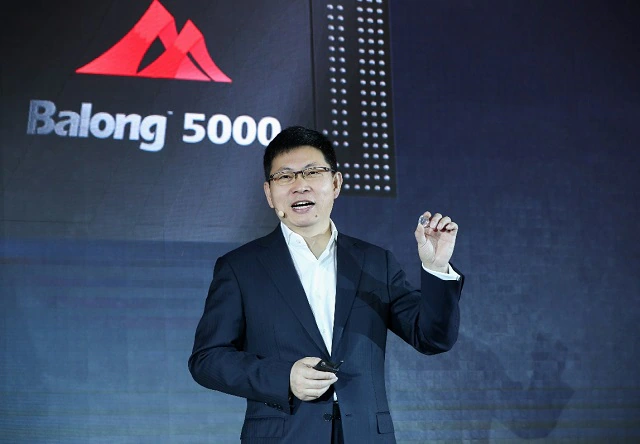
5. Huawei (HiSilicon)
Market Position: Strong in domestic market
Strength: Integrated telecom ecosystem
Huawei, through its HiSilicon division, continues to develop competitive 5G chipsets, particularly for its own devices and telecom infrastructure.
Competitive edge:
- Deep telecom network expertise
- Vertical integration
- Strong domestic market support
Despite geopolitical challenges, Huawei remains a key force in global 5G infrastructure.
Why 5G Chipsets Are Strategic in 2026
The importance of 5G chipsets extends beyond smartphones. Key growth drivers include:
- Expansion of IoT ecosystems
- Growth of autonomous vehicles
- Smart manufacturing and Industry 4.0
- Private 5G enterprise networks
- AR/VR and immersive applications
With governments investing heavily in digital infrastructure and telecom operators expanding standalone 5G networks, chipset demand is projected to grow significantly.
Competitive Landscape: What to Expect Next
The 5G chipset market is entering a new phase characterized by:
- Integration of AI accelerators within 5G SoCs
- Focus on energy-efficient designs
- Expansion into automotive 5G
- Increased competition in mmWave technology
- Emergence of 6G research investments
Companies that combine performance, power efficiency, and cost optimization will dominate the next growth cycle.
The race to lead the 5G chipset market is far from over. As connectivity becomes foundational to digital transformation, chipset manufacturers will define the speed, efficiency, and intelligence of future networks.
For investors, enterprises, and technology stakeholders, monitoring these market leaders provides critical insight into where the next wave of connectivity innovation is heading.
📊 For deeper insights into market size, growth forecasts, competitive analysis, and regional trends, explore the 5G Chipset Market Report.