
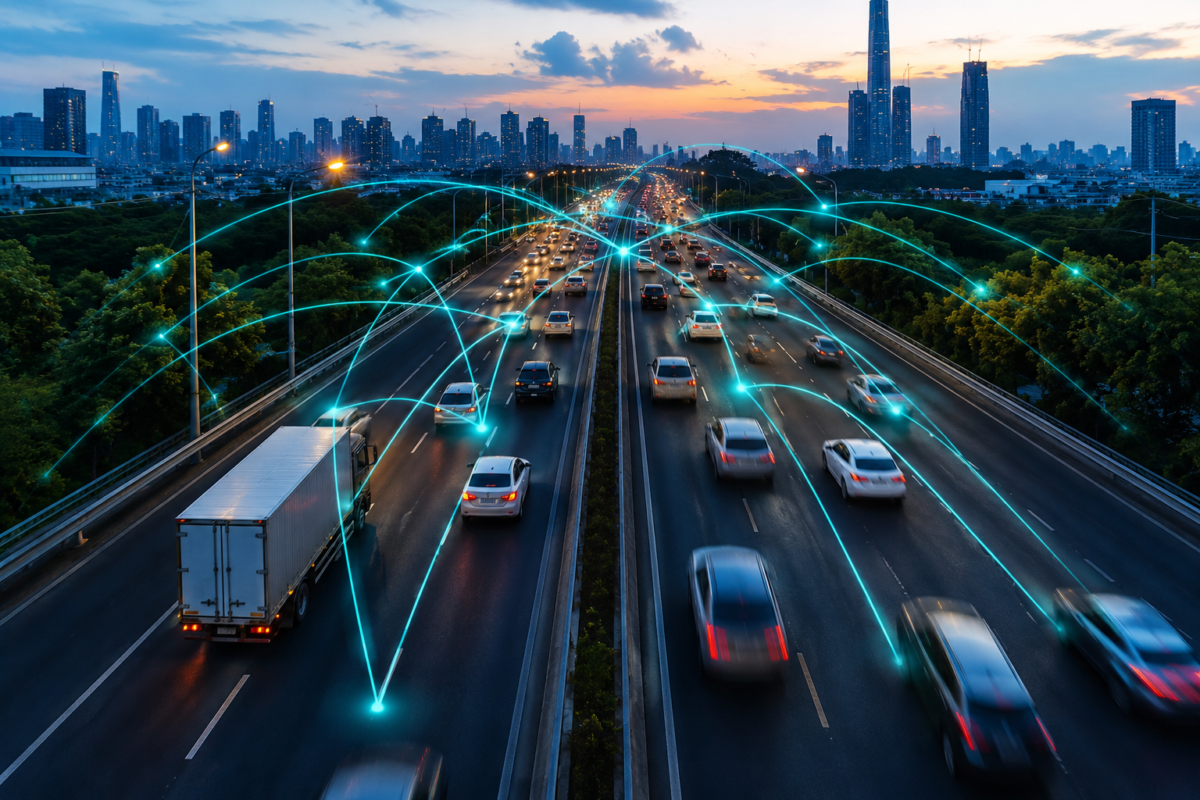
As mobile data consumption, 5G deployments, and connected devices continue to grow, telecom operators are increasingly adopting intelligent traffic steering solutions to optimize network performance and improve user experiences. These systems use AI, machine learning, and real-time analytics to dynamically direct network traffic across available resources.
Here are the major trends shaping the Intelligent Traffic Steering market in 2026.
1. AI-Powered Network Optimization Becoming Mainstream
Artificial intelligence is transforming traffic management across telecom networks.
Key Benefits:
- Real-time traffic routing
- Predictive congestion management
- Improved network utilization
- Automated performance optimization
AI-driven traffic steering enables operators to deliver better service quality while reducing operational complexity.
2. Rapid Expansion of 5G Networks
The global rollout of 5G is creating new requirements for intelligent traffic management.
Key Drivers:
- Increased mobile data traffic
- Ultra-low latency applications
- Network slicing requirements
- Massive IoT deployments
Traffic steering platforms are becoming critical for maximizing 5G network efficiency.
3. Growing Adoption of Multi-Access Networks
Modern networks increasingly combine multiple access technologies.
Common Integrations:
- 5G and LTE
- Wi-Fi offloading
- Fixed wireless access
- Private cellular networks
Intelligent steering solutions help dynamically route traffic to the most efficient network path.
4. Network Automation Driving Investment
Telecom operators are accelerating automation initiatives.
Emerging Capabilities:
- Self-optimizing networks (SON)
- Automated traffic balancing
- Dynamic policy enforcement
- Real-time resource allocation
Automation helps reduce operational costs while improving network performance.
5. Edge Computing Influencing Traffic Routing
The growth of edge computing is reshaping network architectures.
Applications:
- Low-latency services
- Autonomous systems
- Industrial IoT
- Real-time video processing
Traffic steering platforms are increasingly optimized for edge-based workloads.
6. Rising Demand for Enhanced User Experience
Customer experience remains a top priority for telecom providers.
Focus Areas:
- Reduced network congestion
- Faster application performance
- Seamless connectivity
- Consistent service quality
Intelligent traffic steering directly contributes to improved subscriber satisfaction.
7. Increased Adoption of Cloud-Native Networks
Telecom operators are modernizing infrastructure through cloud-native technologies.
Key Benefits:
- Greater scalability
- Flexible network management
- Faster service deployment
- Improved resource utilization
Traffic steering solutions are evolving to support hybrid and cloud-native environments.
8. Growth of IoT and Connected Devices
Connected devices continue to place increasing demands on network resources.
Key Drivers:
- Smart cities
- Connected vehicles
- Industrial automation
- Consumer IoT ecosystems
Efficient traffic management is essential for supporting large-scale device connectivity.
Market Outlook: Intelligent Traffic Steering Industry
The Intelligent Traffic Steering market is expected to experience strong growth due to:
- Global 5G expansion
- AI-powered network management
- Increasing mobile data consumption
- Growth of cloud-native telecom infrastructure
- Rising demand for network automation
The market will play a crucial role in supporting next-generation telecommunications networks.
Intelligent traffic steering is becoming a core technology for modern telecom operators. As networks become more complex and data-intensive, AI-powered traffic management solutions will help improve efficiency, reduce congestion, and enhance user experiences.
With 5G, edge computing, and IoT adoption accelerating worldwide, intelligent traffic steering is expected to remain a critical area of investment throughout the decade.