
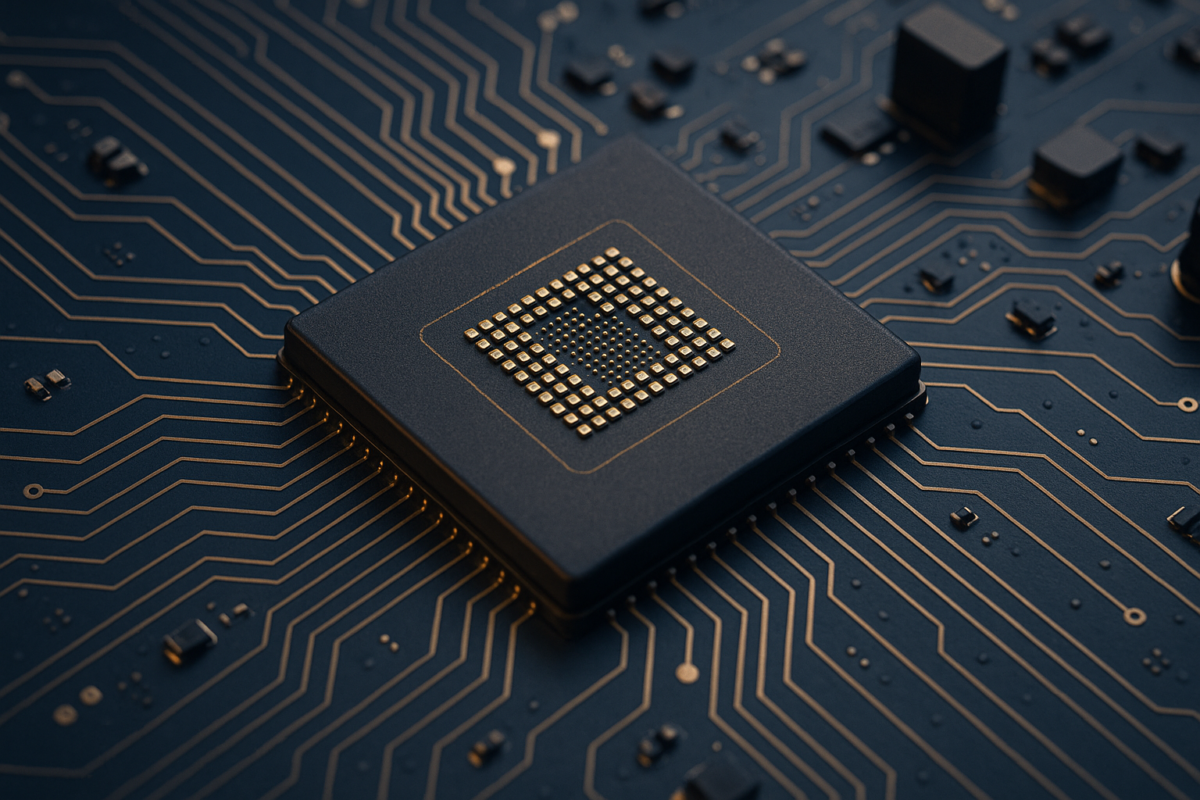
Next-generation mobile processors are redefining the global microprocessors landscape by delivering desktop-class performance within ultra-efficient power envelopes. Once limited to smartphones, modern chipsets now power advanced artificial intelligence workloads, automotive systems, extended-reality platforms, wearable devices, and edge-computing environments. Their rapid evolution highlights a fundamental shift in microprocessor design, from general-purpose processors toward tightly integrated, application-optimized computing systems.
According to Stratistics MRC, the Global Microprocessors Market is valued at USD 103.21 billion in 2024 and is expected to reach USD 138.59 billion by 2030, growing at a compound annual growth rate (CAGR) of 7.7% during the forecast period. This steady expansion reflects the growing reliance across industries on increasingly powerful, energy-efficient computing platforms first pioneered within mobile hardware design.
The Rise of Mobile-Derived Computing Architectures
Modern mobile processors now combine multiple computing elements on a single silicon platform. These platforms integrate central processing units (CPUs), graphics processors (GPUs), neural processing units (NPUs), advanced image signal processors, and connectivity modems into fully optimized system-on-chip designs. The result is highly scalable performance capable of supporting on-device artificial intelligence, complex graphics rendering, real-time voice translation, and immersive multimedia, all without the energy costs traditionally associated with bulkier computing systems.
Research analysts increasingly note that mobile processors now serve as reference architectures for high-efficiency computing across several non-mobile sectors, including industrial IoT, robotics, healthcare monitoring, and vehicular automation.
Next-generation mobile chips have demonstrated that application-specific silicon integration delivers superior energy efficiency and scalable performance across modern digital systems.
Artificial Intelligence and On-Device Processing Expansion
Mobile processors have become essential drivers of edge artificial intelligence deployments. Dedicated neural accelerators embedded directly into chip architectures allow AI models to operate locally, performing language translation, facial recognition, environment sensing, and generative AI inference without reliance on cloud computing infrastructure. Localized processing improves response times, enhances data privacy, and reduces network congestion, making edge-based AI increasingly feasible for cordless devices, wearables, autonomous drones, and smart cameras.
This shift toward decentralized AI computing directly contributes to increased global demand for microprocessors optimized for intelligent, low-latency, power-efficient workloads.
Gaming, Graphics, and Immersive Digital Platforms
Next-generation mobile GPUs now provide console-level graphics capabilities optimized for gaming, augmented reality (AR), and virtual reality (VR) platforms. These processors support real-time ray tracing, variable refresh technologies, and multi-display workloads, creating expansive new gaming ecosystems on mobile devices and lightweight head-mounted displays.
High-performance mobile graphics units have also enabled cloud-gaming clients and metaverse experiences, further strengthening the linkage between mobile chipset performance advances and total microprocessor market growth.
Integration into Automotive and Industrial Systems
Increasing adoption of mobile-based processors inside connected vehicles continues to expand microprocessor revenue across the transportation sector. Digital dashboards, advanced driver assistance systems (ADAS), in-cab AI assistants, and real-time telemetry rely on power-efficient processors originally derived from smartphone computing platforms.
Industrial automation has similarly benefited from mobile silicon efficiencies, particularly within robotics control systems, manufacturing sensors, and portable field equipment where energy efficiency and heat reduction directly impact device durability.
Market Growth Drivers
Strong global demand for AI-enabled consumer electronics remains a primary driver of microprocessor market expansion. Smartphones, tablets, wearables, XR headsets, and AI personal assistants continuously increase processing requirements at the device level. Every feature upgrade generates higher silicon consumption and increasing average processor complexity.
The continued evolution of integrated chip architectures presents opportunities for manufacturers to design heterogeneous processor configurations that combine AI, graphics, communication, and security functionality into single chips. This design strategy enables broad application scaling while reducing component footprints across industries.
Market Restraints and Competitive Risks
High manufacturing costs linked to sub-5-nanometer semiconductor fabrication remain a constraint across the value chain. Advanced foundry capacity requires substantial capital investment, influencing chip pricing and profit margins.
Additional risks stem from global semiconductor supply chain volatility, caused by geopolitical tensions and geographic concentration of fabrication plants. These factors contribute to potential production bottlenecks and extended component lead times.
Regional Industry Trends
The Asia Pacific region leads global microprocessor production and consumption, benefiting from expansive smartphone manufacturing ecosystems, rapidly expanding semiconductor fabrication investments, and strong government industrial incentives.
North America continues to serve as the core innovation hub for microprocessor architecture and AI accelerator research, hosting many of the world’s top chip developers driving advanced computing design.