

Conversational customer engagement has rapidly evolved into a core business strategy as companies shift from static support channels to real-time, AI-driven interactions across messaging apps, websites, voice platforms, and social media. Brands now rely on conversational software to automate lead qualification, manage omnichannel support workflows, personalize marketing campaigns, and convert high-intent users at scale.
Modern conversational platforms combine natural language processing, artificial intelligence, marketing automation, analytics, and CRM integrations into unified engagement ecosystems. These solutions enable companies to maintain continuous digital conversations with customers while gathering behavioral intelligence that strengthens conversion optimization and service performance.
Several enterprise platforms now stand out for their technological depth, global reach, and sustained innovation that continue to shape how conversational engagement is deployed across industries.
HubSpot Conversational Marketing

HubSpot has expanded beyond CRM into a fully integrated conversational marketing hub that unifies chatbots, email automation, website messaging, customer segmentation, and CRM workflows within a single platform. Businesses use HubSpot’s conversational tools for lead routing, qualification messaging, and automated nurture flows that integrate seamlessly with sales pipelines.
Its strong appeal lies in providing mid-to-enterprise teams with plug-and-play conversational automation without the complexity of custom development. HubSpot’s ecosystem allows brands to scale one-to-one engagement strategies while using analytics and CRM data to maintain consistent personalization across marketing and support touchpoints.
Intercom
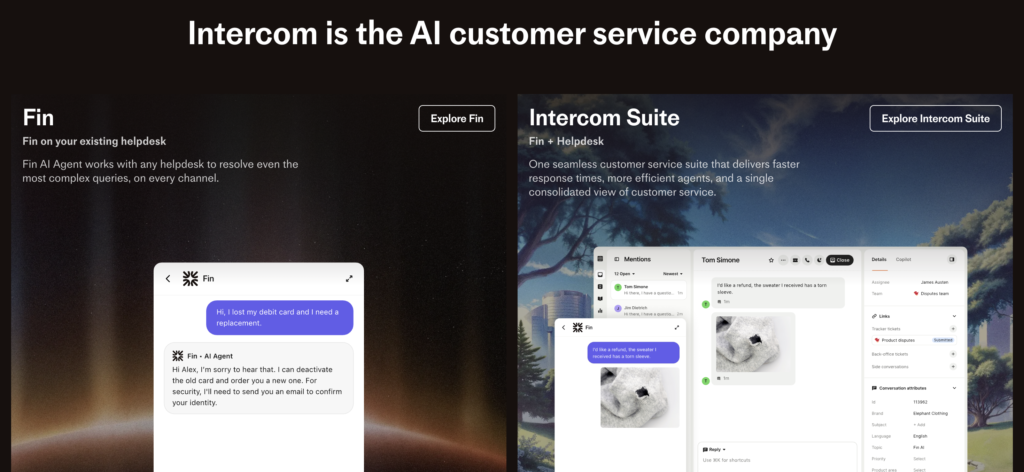
Intercom is a leading conversational engagement platform widely used in SaaS, fintech, and digital commerce operations. It leverages advanced automation flows alongside AI-based virtual agents and real-time customer messaging to deliver contextual support journeys.
Intercom enables brands to combine human chat agents with automated response systems in a single interface, optimizing customer support load distribution while improving speed of query resolution. Its data-driven optimization tools provide companies with conversation funnel maps and engagement behavior metrics that continuously refine messaging effectiveness.
Drift

Drift pioneered the “conversational sales” model by placing live chat and automated lead engagement directly into enterprise B2B sales conversion workflows. The company’s conversational AI bots handle inbound traffic qualification, meeting scheduling, intent scoring, and routing directly into account-based sales funnels.
One of Drift’s distinct advantages is its focus on revenue acceleration rather than only customer support. Organizations deploy Drift for reducing sales cycle timelines by capturing high-intent prospects at the moment of website engagement and connecting them instantly with human sales teams or automated scheduling tools.
LivePerson
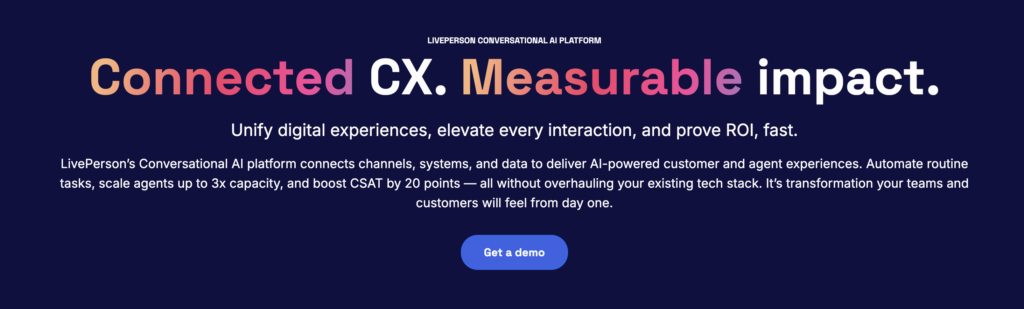
LivePerson offers one of the most advanced enterprise conversational AI ecosystems for messaging-based customer engagement. The platform integrates AI engines, NLP capabilities, messaging orchestration tools, and large-scale deployment management for businesses handling millions of customer interactions annually.
Used heavily by telecommunications carriers, financial institutions, airlines, and large retailers, LivePerson enables automation at scale without sacrificing personalization. Its continuous learning AI systems refine conversation patterns over time using sentiment, intent detection, and dialog efficiency metrics.
Twilio Conversations
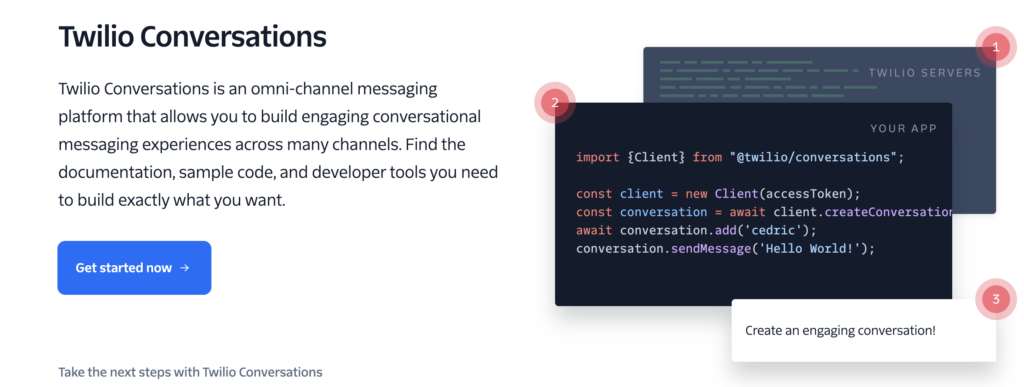
Twilio functions as the communication backbone for thousands of conversational platforms worldwide. Through APIs for SMS, WhatsApp, voice, video, and in-app chat integration, Twilio allows brands to build customized conversational engagement systems that operate across global channels.
Its Conversations platform enables developers to unify messaging workflows across touchpoints while integrating AI engines, marketing automation tools, and CRM datasets. Twilio’s strength lies in flexibility, making it the foundational layer for companies developing bespoke conversational experiences rather than using fixed out-of-the-box solutions.
What Differentiates Leading Conversational Platforms
Across the fastest-growing engagement platforms, dominating technologies include real-time messaging orchestration, AI-powered conversation routing, omnichannel unification, and CRM synchronization. These capabilities ensure conversational interactions remain personalized, consistent, and scalable across millions of users while supporting extended cross-functional workflows between marketing, sales, and support divisions.
Platforms that maintain deep API ecosystems and AI integration layers demonstrate the most adaptability to evolving business use cases such as conversational commerce, appointment booking automation, post-purchase support automation, and voice-to-chat workflows.
Future Outlook
Conversational engagement is rapidly transitioning from basic chatbot implementations into fully integrated AI-orchestrated customer experience platforms. The continued refinement of natural language models, voice AI systems, real-time personalization engines, and predictive conversation analytics positions conversational marketing as a core pillar of digital business strategy.
Platforms that maintain scalable AI infrastructure, strong omnichannel integrations, and deep CRM interoperability will continue leading the industry as businesses globally prioritize direct, conversational relationships over static engagement formats.