
Agricultural Antibacterials Market
Agricultural Antibacterials Market Forecasts to 2032 - Global Analysis By Type (Antibiotics, Amides, Dithiocarbamates, Copper-Based Antibacterials and Other Types), Crop Type (Cereals & Grains, Oilseeds & Pulses, Fruits & Vegetables, Commercial Crops and Other Crop Types), Formulation, Application and By Geography

|
Years Covered |
2024-2032 |
|
Estimated Year Value (2025) |
US $13.9 BN |
|
Projected Year Value (2032) |
US $20.7 BN |
|
CAGR (2025-2032) |
5.8% |
|
Regions Covered |
North America, Europe, Asia Pacific, South America, and Middle East & Africa |
|
Countries Covered |
US, Canada, Mexico, Germany, UK, Italy, France, Spain, Japan, China, India, Australia, New Zealand, South Korea, Rest of Asia Pacific, South America, Argentina, Brazil, Chile, Middle East & Africa, Saudi Arabia, UAE, Qatar, and South Africa |
|
Largest Market |
North America |
|
Highest Growing Market |
Asia Pacific |
According to Stratistics MRC, the Global Agricultural Antibacterials Market is accounted for $13.9 billion in 2025 and is expected to reach $20.7 billion by 2032 growing at a CAGR of 5.8% during the forecast period. Specialized medicines called agricultural antibacterials are used to stop, manage, and eradicate bacterial infections in crops and agricultural settings. These compounds are essential for maintaining plant health, increasing crop productivity, and guaranteeing food security. They are used in a variety of ways, including as soil amendments, foliar sprays, and seed treatments, to help reduce bacterial infections that have a major negative influence on agricultural sustainability and production.
According to the Food and Agriculture Organization (FAO), to feed the projected global population of 9.7 billion by 2050, the world needs to increase food production by 70% by 2050.

Market Dynamics:
Driver:
Increasing crop diseases
The rising incidence of crop diseases caused by bacterial pathogens, exacerbated by climate change and monoculture farming practices, is driving demand for agricultural antibacterials. Farmers are increasingly reliant on these solutions to mitigate yield losses and ensure food security. Additionally, the emergence of antibiotic-resistant bacterial strains has necessitated advanced formulations, further propelling market growth. Governments and agribusinesses are prioritizing sustainable crop protection, fostering innovation in antibacterial products to address evolving agricultural challenges.
Restraint:
High development costs
The development of agricultural antibacterials involves substantial R&D investments, prolonged testing phases, and compliance with stringent safety standards, which deter smaller players. Costs escalate due to the need for eco-friendly formulations and resistance management strategies. These financial barriers limit market entry and innovation, particularly in developing regions. Furthermore, pricing pressures from generic alternatives and farmer budget constraints amplify profitability challenges for manufacturers.
Opportunity:
Integration with precision agriculture
Advancements in precision agriculture, such as IoT-enabled sensors and data analytics, present opportunities for optimized antibacterial application. Targeted delivery systems minimize waste, enhance efficacy, and reduce environmental impact. Collaborations between agri-tech firms and antibacterial manufacturers are fostering smart solutions like variable-rate technology and drone-based spraying. This synergy aligns with global sustainability goals, attracting investments and driving adoption in tech-savvy farming communities.
Threat:
Stringent regulatory approvals
Strict regulations governing antibacterial use in agriculture, particularly in North America and Europe, delay product launches and increase compliance costs. Concerns over antimicrobial resistance and environmental contamination have led to rigorous toxicity and residue testing requirements. Divergent regulatory frameworks across regions further complicate market entry, discouraging global expansion. Non-compliance risks, including penalties and product recalls, amplify operational challenges for manufacturers.
Covid-19 Impact:
The pandemic disrupted supply chains, delaying raw material procurement and antibacterial production. Labor shortages and lockdowns hindered farm operations, reducing immediate demand. However, heightened focus on food security post-pandemic accelerated investments in crop protection solutions. Regulatory approvals faced delays, but the crisis underscored the need for resilient agricultural systems, boosting R&D in sustainable antibacterials. However, the market rebounded in 2021–2022, driven by pent-up demand and government stimulus for agritech innovations.
The soil treatment segment is expected to be the largest during the forecast period
The soil treatment segment is expected to account for the largest market share during the forecast period due to its critical role in preventing soil-borne pathogens and enhancing crop health. Rising adoption of integrated pest management and organic farming practices has amplified demand for soil-applied antibacterials. Innovations in slow-release formulations and bio-based products further drive growth. Large-scale farming operations prioritize soil treatment to sustain long-term productivity, particularly in cash crops like cereals and vegetables, solidifying its market dominance.
The liquid segment is expected to have the highest CAGR during the forecast period
Over the forecast period, the liquid segment is predicted to witness the highest growth rate owing to its ease of application, rapid absorption, and compatibility with modern irrigation and spraying systems. Liquid antibacterials offer uniform coverage and higher efficacy in diverse climatic conditions, appealing to farmers seeking immediate disease control. Advancements in nano-formulations and foliar sprays enhance their adoption in precision agriculture. Emerging markets, with expanding horticulture and floriculture sectors, are key contributors to this segment’s accelerated growth.
Region with largest share:
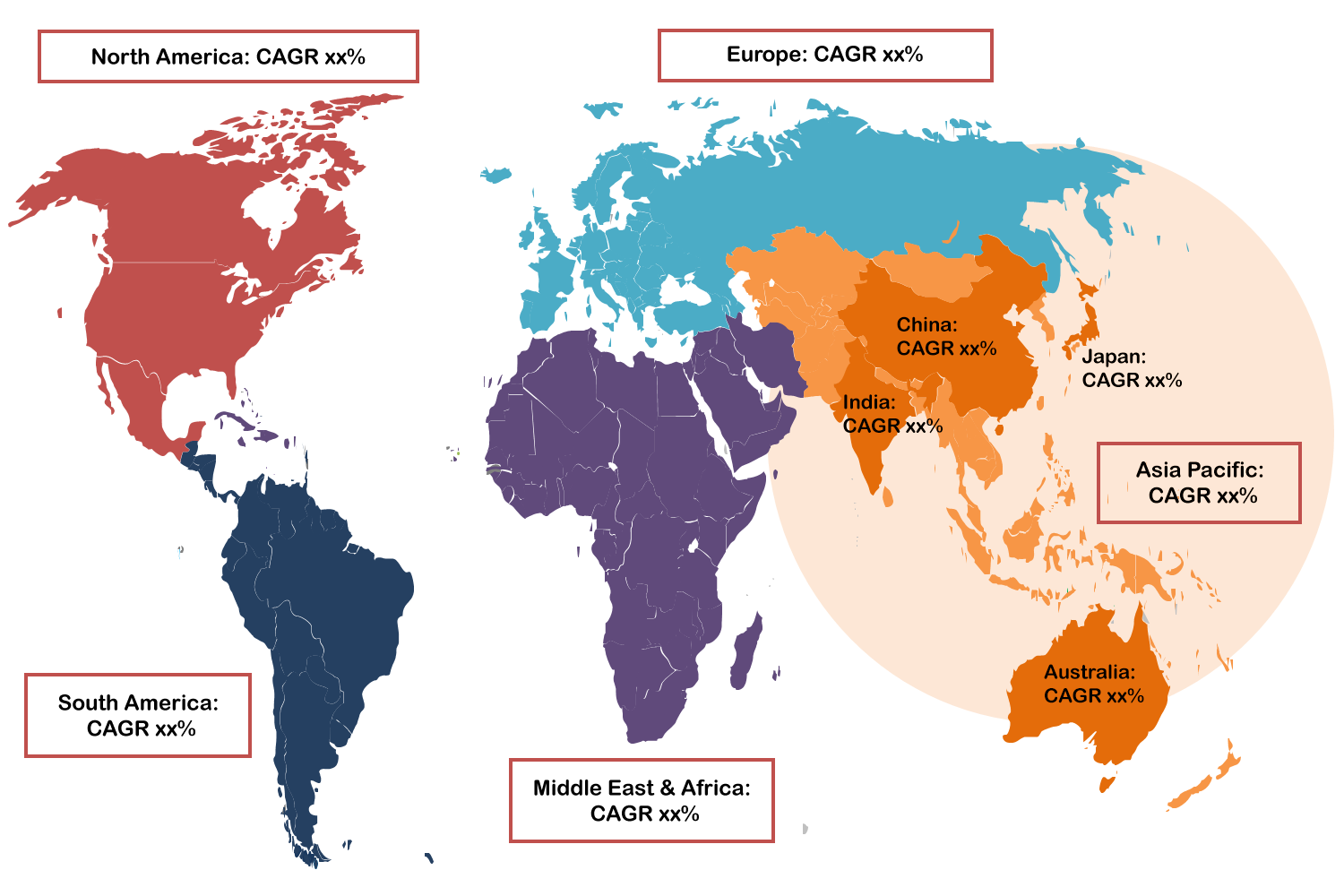
During the forecast period, the North America region is expected to hold the largest market share supported by advanced farming technologies, high R&D investments, and stringent food safety regulations. The U.S. and Canada prioritize sustainable agriculture, driving demand for eco-friendly antibacterials. Strong presence of key players, coupled with government subsidies for precision farming tools, reinforces regional growth. Additionally, rising incidences of bacterial blight in crops like apples and potatoes further propel market expansion in this region.
Region with highest CAGR:
Over the forecast period, the Asia Pacific region is anticipated to exhibit the highest CAGR fueled by increasing food demand, population growth, and government initiatives to modernize agriculture. Countries like China and India are adopting antibacterial solutions to combat crop losses in rice, wheat, and vegetables. Expanding contract farming and rising awareness of sustainable practices boost market penetration. Favorable policies and investments in agritech startups further catalyze growth, positioning the region as a high-potential market.
Key players in the market
Some of the key players in Agricultural Antibacterials Market include Bayer AG, Corteva Agriscience, Syngenta, Nufarm, BASF SE, Indigo Agriculture, Hindustan Antibiotics Limited, FMC Corporation, Sumitomo Chemical, UPL Limited, Adama Agricultural Solutions, Marrone Bio Innovations, Koppert Biological Systems, Certis USA and Isagro S.p.A.
Key Developments:
In December 2024, Syngenta Crop Protection has reached a new milestone in its collaboration with AI-informed crop health company Enko® to discover novel weed control molecules, advancing efforts to bring much-needed innovation in herbicide technology to farmers. The collaboration targets a new Mode of Action (MoA), which is the way the herbicide controls susceptible plants. The discovery of new leads targeting this MoA was made using Enko’s ENKOMPASS™ platform, which reduces time and cost compared to conventional agricultural R&D approaches.
In November 2024, Corteva Inc. announced collaboration with bp on the companies’ shared intent to form a crop-based biofuel feedstock joint venture (JV). The JV envisaged by Corteva and bp would produce and deliver crop-based biofuel feedstocks to help meet the anticipated growth in demand for ‘sustainable aviation fuel’ (SAF).
In April 2024, Bayer announced that it has signed an agreement with UK-based Company AlphaBio Control to secure an exclusive license for a new biological insecticide. The new product will be the first available for arable crops, including oilseed rape and cereals. Targeted for initial launch in 2028 pending further development and registration, this new insecticide was discovered by AlphaBio, with whom Bayer distributes FLiPPER® an award-winning bioinsecticide-acaricide.
Types Covered:
• Antibiotics
• Amides
• Dithiocarbamates
• Copper-Based Antibacterials
• Other Types
Crops Types Covered:
• Cereals & Grains
• Oilseeds & Pulses
• Fruits & Vegetables
• Commercial Crops
• Other Crops Types
Formulations Covered:
• Liquid
• Wettable Powder
• Soluble Powder
• Water-Dispersible Granules
Applications Covered:
• Foliar Spray
• Seed Treatment
• Soil Treatment
• Post-Harvest Treatment
Regions Covered:
• North America
o US
o Canada
o Mexico
• Europe
o Germany
o UK
o Italy
o France
o Spain
o Rest of Europe
• Asia Pacific
o Japan
o China
o India
o Australia
o New Zealand
o South Korea
o Rest of Asia Pacific
• South America
o Argentina
o Brazil
o Chile
o Rest of South America
• Middle East & Africa
o Saudi Arabia
o UAE
o Qatar
o South Africa
o Rest of Middle East & Africa
What our report offers:
- Market share assessments for the regional and country-level segments
- Strategic recommendations for the new entrants
- Covers Market data for the years 2024, 2025, 2026, 2028, and 2032
- Market Trends (Drivers, Constraints, Opportunities, Threats, Challenges, Investment Opportunities, and recommendations)
- Strategic recommendations in key business segments based on the market estimations
- Competitive landscaping mapping the key common trends
- Company profiling with detailed strategies, financials, and recent developments
- Supply chain trends mapping the latest technological advancements
Free Customization Offerings:
All the customers of this report will be entitled to receive one of the following free customization options:
• Company Profiling
o Comprehensive profiling of additional market players (up to 3)
o SWOT Analysis of key players (up to 3)
• Regional Segmentation
o Market estimations, Forecasts and CAGR of any prominent country as per the client's interest (Note: Depends on feasibility check)
• Competitive Benchmarking
o Benchmarking of key players based on product portfolio, geographical presence, and strategic alliances
Table of Contents
1 Executive Summary
2 Preface
2.1 Abstract
2.2 Stake Holders
2.3 Research Scope
2.4 Research Methodology
2.4.1 Data Mining
2.4.2 Data Analysis
2.4.3 Data Validation
2.4.4 Research Approach
2.5 Research Sources
2.5.1 Primary Research Sources
2.5.2 Secondary Research Sources
2.5.3 Assumptions
3 Market Trend Analysis
3.1 Introduction
3.2 Drivers
3.3 Restraints
3.4 Opportunities
3.5 Threats
3.6 Application Analysis
3.7 Emerging Markets
3.8 Impact of Covid-19
4 Porters Five Force Analysis
4.1 Bargaining power of suppliers
4.2 Bargaining power of buyers
4.3 Threat of substitutes
4.4 Threat of new entrants
4.5 Competitive rivalry
5 Global Agricultural Antibacterials Market, By Type
5.1 Introduction
5.2 Antibiotics
5.3 Amides
5.4 Dithiocarbamates
5.5 Copper-Based Antibacterials
5.6 Other Types
6 Global Agricultural Antibacterials Market, By Crop Type
6.1 Introduction
6.2 Cereals & Grains
6.3 Oilseeds & Pulses
6.4 Fruits & Vegetables
6.5 Commercial Crops
6.6 Other Crops Types
7 Global Agricultural Antibacterials Market, By Formulation
7.1 Introduction
7.2 Liquid
7.3 Wettable Powder
7.4 Soluble Powder
7.5 Water-Dispersible Granules
8 Global Agricultural Antibacterials Market, By Application
8.1 Introduction
8.2 Foliar Spray
8.3 Seed Treatment
8.4 Soil Treatment
8.5 Post-Harvest Treatment
9 Global Agricultural Antibacterials Market, By Geography
9.1 Introduction
9.2 North America
9.2.1 US
9.2.2 Canada
9.2.3 Mexico
9.3 Europe
9.3.1 Germany
9.3.2 UK
9.3.3 Italy
9.3.4 France
9.3.5 Spain
9.3.6 Rest of Europe
9.4 Asia Pacific
9.4.1 Japan
9.4.2 China
9.4.3 India
9.4.4 Australia
9.4.5 New Zealand
9.4.6 South Korea
9.4.7 Rest of Asia Pacific
9.5 South America
9.5.1 Argentina
9.5.2 Brazil
9.5.3 Chile
9.5.4 Rest of South America
9.6 Middle East & Africa
9.6.1 Saudi Arabia
9.6.2 UAE
9.6.3 Qatar
9.6.4 South Africa
9.6.5 Rest of Middle East & Africa
10 Key Developments
10.1 Agreements, Partnerships, Collaborations and Joint Ventures
10.2 Acquisitions & Mergers
10.3 New Product Launch
10.4 Expansions
10.5 Other Key Strategies
11 Company Profiling
11.1 Bayer AG
11.2 Corteva Agriscience
11.3 Syngenta
11.4 Nufarm
11.5 BASF SE
11.6 Indigo Agriculture
11.7 Hindustan Antibiotics Limited
11.8 FMC Corporation
11.9 Sumitomo Chemical
11.10 UPL Limited
11.11 Adama Agricultural Solutions
11.12 Marrone Bio Innovations
11.13 Koppert Biological Systems
11.14 Certis USA
11.15 Isagro S.p.A.
List of Tables
1 Global Agricultural Antibacterials Market Outlook, By Region (2024-2032) ($MN)
2 Global Agricultural Antibacterials Market Outlook, By Type (2024-2032) ($MN)
3 Global Agricultural Antibacterials Market Outlook, By Antibiotics (2024-2032) ($MN)
4 Global Agricultural Antibacterials Market Outlook, By Amides (2024-2032) ($MN)
5 Global Agricultural Antibacterials Market Outlook, By Dithiocarbamates (2024-2032) ($MN)
6 Global Agricultural Antibacterials Market Outlook, By Copper-Based Antibacterials (2024-2032) ($MN)
7 Global Agricultural Antibacterials Market Outlook, By Other Types (2024-2032) ($MN)
8 Global Agricultural Antibacterials Market Outlook, By Crop Type (2024-2032) ($MN)
9 Global Agricultural Antibacterials Market Outlook, By Cereals & Grains (2024-2032) ($MN)
10 Global Agricultural Antibacterials Market Outlook, By Oilseeds & Pulses (2024-2032) ($MN)
11 Global Agricultural Antibacterials Market Outlook, By Fruits & Vegetables (2024-2032) ($MN)
12 Global Agricultural Antibacterials Market Outlook, By Commercial Crops (2024-2032) ($MN)
13 Global Agricultural Antibacterials Market Outlook, By Other Crops Types (2024-2032) ($MN)
14 Global Agricultural Antibacterials Market Outlook, By Formulation (2024-2032) ($MN)
15 Global Agricultural Antibacterials Market Outlook, By Liquid (2024-2032) ($MN)
16 Global Agricultural Antibacterials Market Outlook, By Wettable Powder (2024-2032) ($MN)
17 Global Agricultural Antibacterials Market Outlook, By Soluble Powder (2024-2032) ($MN)
18 Global Agricultural Antibacterials Market Outlook, By Water-Dispersible Granules (2024-2032) ($MN)
19 Global Agricultural Antibacterials Market Outlook, By Application (2024-2032) ($MN)
20 Global Agricultural Antibacterials Market Outlook, By Foliar Spray (2024-2032) ($MN)
21 Global Agricultural Antibacterials Market Outlook, By Seed Treatment (2024-2032) ($MN)
22 Global Agricultural Antibacterials Market Outlook, By Soil Treatment (2024-2032) ($MN)
23 Global Agricultural Antibacterials Market Outlook, By Post-Harvest Treatment (2024-2032) ($MN)
Note: Tables for North America, Europe, APAC, South America, and Middle East & Africa Regions are also represented in the same manner as above.
List of Figures
RESEARCH METHODOLOGY

We at ‘Stratistics’ opt for an extensive research approach which involves data mining, data validation, and data analysis. The various research sources include in-house repository, secondary research, competitor’s sources, social media research, client internal data, and primary research.
Our team of analysts prefers the most reliable and authenticated data sources in order to perform the comprehensive literature search. With access to most of the authenticated data bases our team highly considers the best mix of information through various sources to obtain extensive and accurate analysis.
Each report takes an average time of a month and a team of 4 industry analysts. The time may vary depending on the scope and data availability of the desired market report. The various parameters used in the market assessment are standardized in order to enhance the data accuracy.
Data Mining
The data is collected from several authenticated, reliable, paid and unpaid sources and is filtered depending on the scope & objective of the research. Our reports repository acts as an added advantage in this procedure. Data gathering from the raw material suppliers, distributors and the manufacturers is performed on a regular basis, this helps in the comprehensive understanding of the products value chain. Apart from the above mentioned sources the data is also collected from the industry consultants to ensure the objective of the study is in the right direction.
Market trends such as technological advancements, regulatory affairs, market dynamics (Drivers, Restraints, Opportunities and Challenges) are obtained from scientific journals, market related national & international associations and organizations.
Data Analysis
From the data that is collected depending on the scope & objective of the research the data is subjected for the analysis. The critical steps that we follow for the data analysis include:
- Product Lifecycle Analysis
- Competitor analysis
- Risk analysis
- Porters Analysis
- PESTEL Analysis
- SWOT Analysis
The data engineering is performed by the core industry experts considering both the Marketing Mix Modeling and the Demand Forecasting. The marketing mix modeling makes use of multiple-regression techniques to predict the optimal mix of marketing variables. Regression factor is based on a number of variables and how they relate to an outcome such as sales or profits.
Data Validation
The data validation is performed by the exhaustive primary research from the expert interviews. This includes telephonic interviews, focus groups, face to face interviews, and questionnaires to validate our research from all aspects. The industry experts we approach come from the leading firms, involved in the supply chain ranging from the suppliers, distributors to the manufacturers and consumers so as to ensure an unbiased analysis.
We are in touch with more than 15,000 industry experts with the right mix of consultants, CEO's, presidents, vice presidents, managers, experts from both supply side and demand side, executives and so on.
The data validation involves the primary research from the industry experts belonging to:
- Leading Companies
- Suppliers & Distributors
- Manufacturers
- Consumers
- Industry/Strategic Consultants
Apart from the data validation the primary research also helps in performing the fill gap research, i.e. providing solutions for the unmet needs of the research which helps in enhancing the reports quality.
For more details about research methodology, kindly write to us at info@strategymrc.com
Frequently Asked Questions
In case of any queries regarding this report, you can contact the customer service by filing the “Inquiry Before Buy” form available on the right hand side. You may also contact us through email: info@strategymrc.com or phone: +1-301-202-5929
Yes, the samples are available for all the published reports. You can request them by filling the “Request Sample” option available in this page.
Yes, you can request a sample with your specific requirements. All the customized samples will be provided as per the requirement with the real data masked.
All our reports are available in Digital PDF format. In case if you require them in any other formats, such as PPT, Excel etc you can submit a request through “Inquiry Before Buy” form available on the right hand side. You may also contact us through email: info@strategymrc.com or phone: +1-301-202-5929
We offer a free 15% customization with every purchase. This requirement can be fulfilled for both pre and post sale. You may send your customization requirements through email at info@strategymrc.com or call us on +1-301-202-5929.
We have 3 different licensing options available in electronic format.
- Single User Licence: Allows one person, typically the buyer, to have access to the ordered product. The ordered product cannot be distributed to anyone else.
- 2-5 User Licence: Allows the ordered product to be shared among a maximum of 5 people within your organisation.
- Corporate License: Allows the product to be shared among all employees of your organisation regardless of their geographical location.
All our reports are typically be emailed to you as an attachment.
To order any available report you need to register on our website. The payment can be made either through CCAvenue or PayPal payments gateways which accept all international cards.
We extend our support to 6 months post sale. A post sale customization is also provided to cover your unmet needs in the report.
Request Customization
We offer complimentary customization of up to 15% with every purchase. To share your customization requirements, feel free to email us at info@strategymrc.com or call us on +1-301-202-5929. .
Please Note: Customization within the 15% threshold is entirely free of charge. If your request exceeds this limit, we will conduct a feasibility assessment. Following that, a detailed quote and timeline will be provided.
WHY CHOOSE US ?

Assured Quality
Best in class reports with high standard of research integrity

24X7 Research Support
Continuous support to ensure the best customer experience.

Free Customization
Adding more values to your product of interest.

Safe & Secure Access
Providing a secured environment for all online transactions.

Trusted by 600+ Brands
Serving the most reputed brands across the world.
