
Ai In Pathology Diagnostic Automation Market
AI in Pathology - Diagnostic Automation Market Forecasts to 2032 - Global Analysis by Component (Software, Hardware and Services), Deployment Mode (On-premise, Cloud-based and Hybrid), Technology, Application, End User and Geography

According to Stratistics MRC, the Global AI in Pathology – Diagnostic Automation Market is accounted for $869.7 million in 2025 and is expected to reach $3264.8 million by 2032 growing at a CAGR of 20.8% during the forecast period. AI in Pathology—Diagnostic Automation uses artificial intelligence to analyze pathology images, streamline workflows, and support diagnostic decisions. It automates repetitive tasks like slide screening and image quantification, improving accuracy and efficiency. By integrating machine learning with digital pathology tools, it helps pathologists detect diseases faster and with greater precision, ultimately enhancing patient outcomes and enabling more scalable, data-driven diagnostics in modern healthcare.
According to The Guardian, a University of Cambridge AI algorithm analysed 4,000+ duodenal biopsy images and diagnosed coeliac disease almost instantly, compared to the 5–10 minutes a human pathologist takes per case.
Market Dynamics:
Driver:
Increasing adoption of digital pathology
Healthcare institutions are increasingly investing in whole slide imaging scanners and digital infrastructure to enhance diagnostic accuracy and workflow efficiency. This transformation enables pathologists to analyze tissue samples remotely, facilitating telepathology consultations and second opinions across geographical boundaries. Furthermore, digital pathology creates the essential foundation for AI algorithm deployment, as machine learning models require digitized histopathological images for training and validation. The integration of AI with digital pathology platforms significantly reduces diagnostic review time while improving consistency in pathological assessments.
Restraint:
Lack of standardized data
The absence of standardized data protocols poses a significant challenge to AI implementation in pathology diagnostics. Variability in tissue preparation, staining procedures, and imaging parameters across different laboratories creates inconsistencies that can compromise AI model performance. Additionally, the lack of uniform annotation standards for pathological images hinders the development of robust training datasets required for accurate AI algorithms. Moreover, the scarcity of high-quality, annotated datasets limits the effectiveness of deep learning models and their applicability across diverse patient populations and disease types.
Opportunity:
Integration with multi-omics data and precision medicine
The convergence of AI pathology with multi-omics data presents unprecedented opportunities for personalized healthcare delivery. By combining histopathological image analysis with genomic, proteomic, and metabolomic information, AI systems can provide comprehensive disease characterization and treatment recommendations. This integration enables the identification of novel biomarkers and therapeutic targets, particularly valuable in oncology applications where precision medicine approaches are increasingly adopted. Furthermore, the growing emphasis on personalized medicine creates substantial market opportunities for AI solutions that can seamlessly integrate diverse data types to support clinical decision-making processes.
Threat:
Data bias and generalizability issues
Data bias represents a critical threat to the widespread adoption of AI in pathology diagnostics, as algorithms trained on non-representative datasets may produce unreliable results across different patient populations. Geographic, demographic, and institutional variations in disease presentation can lead to AI models that perform well in specific settings but fail when deployed in diverse clinical environments. Additionally, the lack of diversity in training datasets can perpetuate existing healthcare disparities and limit the global applicability of AI solutions. Moreover, the ""black box"" nature of many AI algorithms raises concerns about transparency and explainability, making it difficult for pathologists to understand and trust AI-generated recommendations. These generalizability challenges can undermine confidence in AI systems and slow their clinical adoption.
Covid-19 Impact:
The COVID-19 pandemic accelerated the adoption of digital pathology and AI technologies as healthcare systems sought to maintain diagnostic services while minimizing physical contact. Remote work requirements necessitated the implementation of telepathology solutions, enabling pathologists to review cases from home and collaborate virtually with colleagues. Furthermore, the pandemic highlighted the critical shortage of pathologists and the need for automated diagnostic tools to handle increased workloads efficiently. The crisis also drove investments in cloud-based pathology platforms and AI-powered diagnostic systems to ensure continuity of care during lockdowns and social distancing measures.
The software segment is expected to be the largest during the forecast period
The software segment is expected to account for the largest market share during the forecast period due to the fundamental role of AI algorithms and analytical platforms in pathology automation. Software solutions encompass image analysis algorithms, machine learning models, and diagnostic decision support systems that form the core of AI-powered pathology workflows. The increasing demand for automated image interpretation, pattern recognition, and diagnostic assistance drives substantial investment in software development. Additionally, continuous algorithm improvements and the development of specialized applications for various pathological conditions contribute to the segment's dominant market position.
The cloud-based segment is expected to have the highest CAGR during the forecast period
Over the forecast period, the cloud-based segment is predicted to witness the highest growth rate, driven by the need for scalable, accessible, and cost-effective AI pathology solutions. Cloud platforms enable healthcare institutions to access sophisticated AI algorithms without substantial upfront infrastructure investments, making advanced diagnostic tools available to smaller laboratories and resource-constrained settings. Furthermore, cloud-based systems facilitate seamless collaboration between pathologists, enable remote consultations, and support the sharing of large histopathological datasets required for AI model training. Additionally, cloud platforms support continuous algorithm updates and improvements, ensuring that users have access to the latest AI capabilities without manual software installations.
Region with largest share:
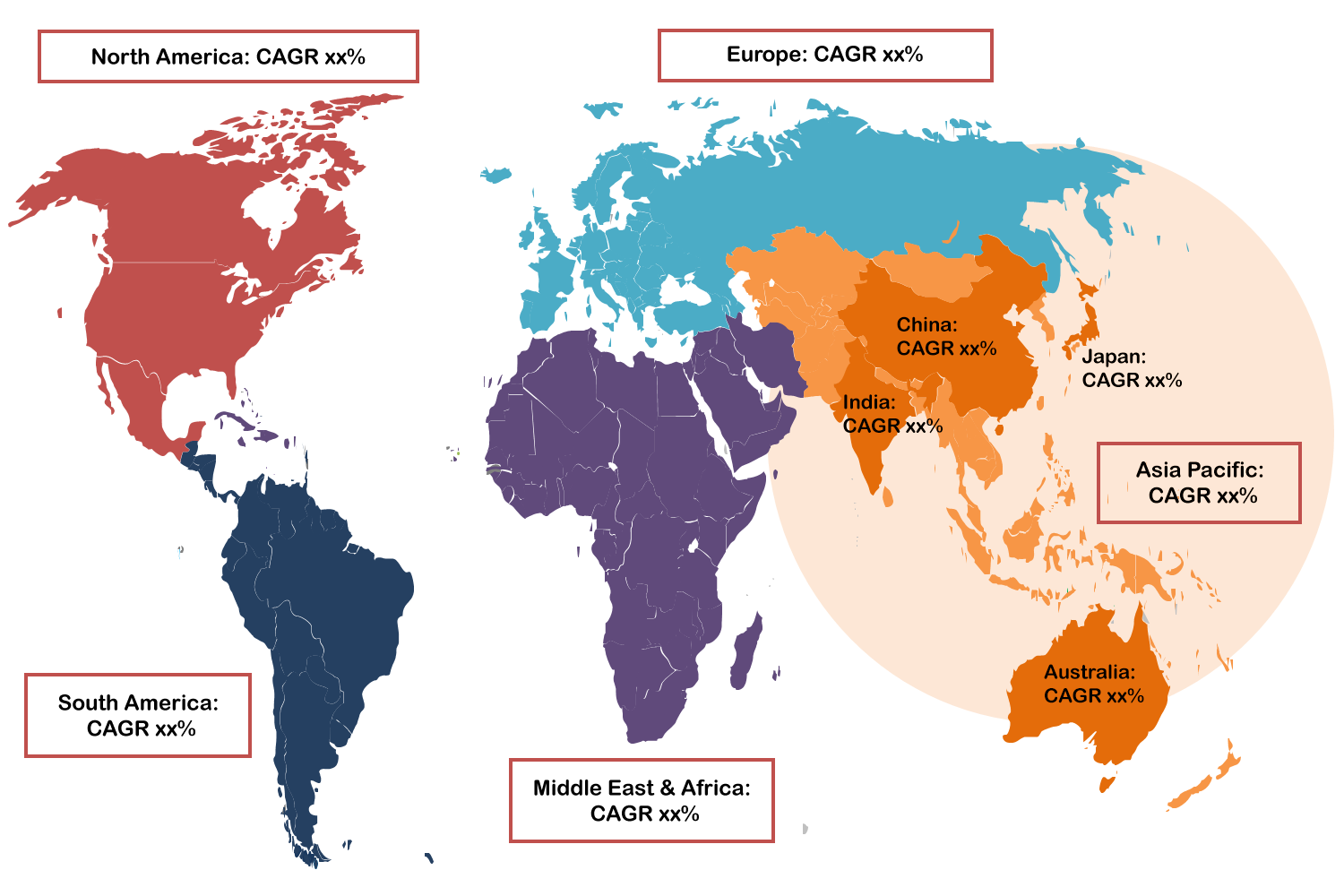
During the forecast period, the North America region is expected to hold the largest market share owing to the region's advanced healthcare infrastructure, substantial research and development investments, and favorable regulatory environment for AI medical devices. The region benefits from strong government initiatives, including funding programs from organizations like ARPA-H that promote AI implementation in clinical diagnostics. Additionally, the presence of leading technology companies and established partnerships between healthcare providers and AI developers accelerate market growth. The high adoption rate of digital pathology systems and the availability of skilled professionals further strengthen North America's market position.
Region with highest CAGR:
Over the forecast period, the Asia Pacific region is anticipated to exhibit the highest CAGR, driven by increasing healthcare expenditure, expanding digital infrastructure, and rising awareness of AI applications in medical diagnostics. Countries like China, Japan, and India are investing heavily in healthcare modernization initiatives that include AI pathology solutions to address growing disease burdens and pathologist shortages. Furthermore, the region's large patient population provides extensive datasets for AI model training and validation, creating opportunities for localized algorithm development. Government support for digital health initiatives and favorable policies for AI adoption in healthcare accelerate market expansion.
Key players in the market
Some of the key players in AI in Pathology – Diagnostic Automation Market include PathAI, Inc., Paige.AI, Inc., Aiforia Technologies Plc, Akoya Biosciences, Inc., Deep Bio, Inc., Ibex Medical Analytics Ltd., Proscia Inc., Indica Labs, Inc., Inspirata, Inc., Mindpeak GmbH, Tribun Health, OptraSCAN, Inc., aetherAI Co., Ltd., DoMore Diagnostics AS, Hologic, Inc., Roche Tissue Diagnostics, Google (Alphabet Inc.) and Microsoft.
Key Developments:
In June 2025, PathAI, a global leader in artificial intelligence (AI) and digital pathology solutions announced that it has received 510(k) clearance from the U.S. Food and Drug Administration (FDA) for AISight® Dx*—its digital pathology image management system—for use in primary diagnosis in clinical settings. Building on the initial 510(k) clearance for AISight Dx(Novo) in 2022, this latest milestone underscores the platform’s continuous innovation and PathAI’s commitment to delivering enhanced capabilities as the product evolves.
In March 2025, Aiforia Technologies, a pioneer in AI-driven diagnostics in pathology, has announced a new partnership with PathPresenter. This collaboration aims to broaden the reach and adoption of Aiforia’s AI-powered image analysis solutions by utilizing PathPresenter's comprehensive pathology workflow platform. By combining their distinct expertise in digital pathology, the companies aim to provide pathologists with enhanced diagnostic capabilities and streamlined end-to-end workflow management solutions.
In March 2025, Proscia®, a software company leading pathology’s transition to digital and AI, has secured $50M in funding, bringing its total raised to $130M. This investment follows Proscia’s record-breaking growth in 2024. Proscia now counts 16 of the top 20 pharmaceutical companies among its users and is on track for 22,000+ patients to be diagnosed on its Concentriq® software platform each day.
Components Covered:
• Software
• Hardware
• Services
Deployment Modes:
• On-premise
• Cloud-based
• Hybrid
Technologies Covered:
• Machine Learning (ML) & Deep Learning (DL)
• Natural Language Processing (NLP)
• Computer Vision
• Other AI Technologies
Applications Covered:
• Disease Diagnosis & Prognosis
• Drug Discovery & Development
• Clinical Workflow Optimization
• Research & Academic Applications
End Users Covered:
• Hospitals & Healthcare Institutions
• Diagnostic Laboratories
• Pharmaceutical & Biotechnology Companies
• Academic & Research Institutes
• Contract Research Organizations (CROs)
Regions Covered:
• North America
o US
o Canada
o Mexico
• Europe
o Germany
o UK
o Italy
o France
o Spain
o Rest of Europe
• Asia Pacific
o Japan
o China
o India
o Australia
o New Zealand
o South Korea
o Rest of Asia Pacific
• South America
o Argentina
o Brazil
o Chile
o Rest of South America
• Middle East & Africa
o Saudi Arabia
o UAE
o Qatar
o South Africa
o Rest of Middle East & Africa
What our report offers:
- Market share assessments for the regional and country-level segments
- Strategic recommendations for the new entrants
- Covers Market data for the years 2024, 2025, 2026, 2028, and 2032
- Market Trends (Drivers, Constraints, Opportunities, Threats, Challenges, Investment Opportunities, and recommendations)
- Strategic recommendations in key business segments based on the market estimations
- Competitive landscaping mapping the key common trends
- Company profiling with detailed strategies, financials, and recent developments
- Supply chain trends mapping the latest technological advancements
Free Customization Offerings:
All the customers of this report will be entitled to receive one of the following free customization options:
• Company Profiling
o Comprehensive profiling of additional market players (up to 3)
o SWOT Analysis of key players (up to 3)
• Regional Segmentation
o Market estimations, Forecasts and CAGR of any prominent country as per the client's interest (Note: Depends on feasibility check)
• Competitive Benchmarking
o Benchmarking of key players based on product portfolio, geographical presence, and strategic alliances
Table of Contents
1 Executive Summary
2 Preface
2.1 Abstract
2.2 Stake Holders
2.3 Research Scope
2.4 Research Methodology
2.4.1 Data Mining
2.4.2 Data Analysis
2.4.3 Data Validation
2.4.4 Research Approach
2.5 Research Sources
2.5.1 Primary Research Sources
2.5.2 Secondary Research Sources
2.5.3 Assumptions
3 Market Trend Analysis
3.1 Introduction
3.2 Drivers
3.3 Restraints
3.4 Opportunities
3.5 Threats
3.6 Technology Analysis
3.7 Application Analysis
3.8 End User Analysis
3.9 Emerging Markets
3.10 Impact of Covid-19
4 Porters Five Force Analysis
4.1 Bargaining power of suppliers
4.2 Bargaining power of buyers
4.3 Threat of substitutes
4.4 Threat of new entrants
4.5 Competitive rivalry
5 Global AI in Pathology – Diagnostic Automation Market, By Component
5.1 Introduction
5.2 Software
5.2.1 AI-Powered Image Analysis & Quantification Software
5.2.2 Diagnostic Decision Support & Reporting Software
5.2.3 Digital Pathology Workflow Management Software
5.3 Hardware
5.3.1 Whole Slide Scanners
5.3.2 Advanced Digital Microscopes (AI-enabled)
5.3.3 High-Performance Computing & Data Storage Infrastructure
5.4 Services
5.4.1 Implementation & Integration Services
5.4.2 Maintenance & Support Services
5.4.3 Consulting & Training Services
5.4.4 Data Annotation & Curation Services
6 Global AI in Pathology – Diagnostic Automation Market, By Deployment Mode
6.1 Introduction
6.2 On-premise
6.3 Cloud-based
6.4 Hybrid
7 Global AI in Pathology – Diagnostic Automation Market, By Technology
7.1 Introduction
7.2 Machine Learning (ML) & Deep Learning (DL)
7.2.1 Convolutional Neural Networks (CNNs)
7.2.2 Generative Adversarial Networks (GANs)
7.2.3 Recurrent Neural Networks (RNNs)
7.2.4 Other Deep Learning Architectures
7.3 Natural Language Processing (NLP)
7.4 Computer Vision
7.5 Other AI Technologies
8 Global AI in Pathology – Diagnostic Automation Market, By Application
8.1 Introduction
8.2 Disease Diagnosis & Prognosis
8.2.1 Cancer Diagnosis
8.2.2 Infectious Disease Diagnosis
8.2.3 Neuropathology
8.2.4 Renal Pathology
8.2.5 Gastrointestinal Pathology
8.2.6 Other Disease Diagnosis
8.2.7 Prognosis Prediction & Recurrence Risk Assessment
8.3 Drug Discovery & Development
8.3.1 Target Identification & Validation
8.3.2 Compound Screening & Efficacy Assessment
8.3.3 Biomarker Discovery & Quantification
8.3.4 Toxicology & Safety Pathology Studies
8.3.5 Clinical Trial Patient Stratification
8.4 Clinical Workflow Optimization
8.4.1 Automated Slide Triage & Prioritization
8.4.2 Automated Quality Control & Assurance
8.4.3 Automated Reporting & Annotation Assistance
8.4.4 Case Management & Archiving Efficiency
8.5 Research & Academic Applications
8.5.1 Basic & Translational Research
8.5.2 Pathology Education & Training Tools
9 Global AI in Pathology – Diagnostic Automation Market, By End User
9.1 Introduction
9.2 Hospitals & Healthcare Institutions
9.3 Diagnostic Laboratories
9.4 Pharmaceutical & Biotechnology Companies
9.5 Academic & Research Institutes
9.6 Contract Research Organizations (CROs)
10 Global AI in Pathology – Diagnostic Automation Market, By Geography
10.1 Introduction
10.2 North America
10.2.1 US
10.2.2 Canada
10.2.3 Mexico
10.3 Europe
10.3.1 Germany
10.3.2 UK
10.3.3 Italy
10.3.4 France
10.3.5 Spain
10.3.6 Rest of Europe
10.4 Asia Pacific
10.4.1 Japan
10.4.2 China
10.4.3 India
10.4.4 Australia
10.4.5 New Zealand
10.4.6 South Korea
10.4.7 Rest of Asia Pacific
10.5 South America
10.5.1 Argentina
10.5.2 Brazil
10.5.3 Chile
10.5.4 Rest of South America
10.6 Middle East & Africa
10.6.1 Saudi Arabia
10.6.2 UAE
10.6.3 Qatar
10.6.4 South Africa
10.6.5 Rest of Middle East & Africa
11 Key Developments
11.1 Agreements, Partnerships, Collaborations and Joint Ventures
11.2 Acquisitions & Mergers
11.3 New Product Launch
11.4 Expansions
11.5 Other Key Strategies
12 Company Profiling
12.1 PathAI, Inc.
12.2 Paige.AI, Inc.
12.3 Aiforia Technologies Plc
12.4 Akoya Biosciences, Inc.
12.5 Deep Bio, Inc.
12.6 Ibex Medical Analytics Ltd.
12.7 Proscia Inc.
12.8 Indica Labs, Inc.
12.9 Inspirata, Inc.
12.10 Mindpeak GmbH
12.11 Tribun Health
12.12 OptraSCAN, Inc.
12.13 aetherAI Co., Ltd.
12.14 DoMore Diagnostics AS
12.15 Hologic, Inc.
12.16 Roche Tissue Diagnostics
12.17 Google (Alphabet Inc.)
12.18 Microsoft
List of Tables
1 Global AI in Pathology – Diagnostic Automation Market Outlook, By Region (2024-2032) ($MN)
2 Global AI in Pathology – Diagnostic Automation Market Outlook, By Component (2024-2032) ($MN)
3 Global AI in Pathology – Diagnostic Automation Market Outlook, By Software (2024-2032) ($MN)
4 Global AI in Pathology – Diagnostic Automation Market Outlook, By AI-Powered Image Analysis & Quantification Software (2024-2032) ($MN)
5 Global AI in Pathology – Diagnostic Automation Market Outlook, By Diagnostic Decision Support & Reporting Software (2024-2032) ($MN)
6 Global AI in Pathology – Diagnostic Automation Market Outlook, By Digital Pathology Workflow Management Software (2024-2032) ($MN)
7 Global AI in Pathology – Diagnostic Automation Market Outlook, By Hardware (2024-2032) ($MN)
8 Global AI in Pathology – Diagnostic Automation Market Outlook, By Whole Slide Scanners (2024-2032) ($MN)
9 Global AI in Pathology – Diagnostic Automation Market Outlook, By Advanced Digital Microscopes (AI-enabled) (2024-2032) ($MN)
10 Global AI in Pathology – Diagnostic Automation Market Outlook, By High-Performance Computing & Data Storage Infrastructure (2024-2032) ($MN)
11 Global AI in Pathology – Diagnostic Automation Market Outlook, By Services (2024-2032) ($MN)
12 Global AI in Pathology – Diagnostic Automation Market Outlook, By Implementation & Integration Services (2024-2032) ($MN)
13 Global AI in Pathology – Diagnostic Automation Market Outlook, By Maintenance & Support Services (2024-2032) ($MN)
14 Global AI in Pathology – Diagnostic Automation Market Outlook, By Consulting & Training Services (2024-2032) ($MN)
15 Global AI in Pathology – Diagnostic Automation Market Outlook, By Data Annotation & Curation Services (2024-2032) ($MN)
16 Global AI in Pathology – Diagnostic Automation Market Outlook, By Deployment Mode (2024-2032) ($MN)
17 Global AI in Pathology – Diagnostic Automation Market Outlook, By On-premise (2024-2032) ($MN)
18 Global AI in Pathology – Diagnostic Automation Market Outlook, By Cloud-based (2024-2032) ($MN)
19 Global AI in Pathology – Diagnostic Automation Market Outlook, By Hybrid (2024-2032) ($MN)
20 Global AI in Pathology – Diagnostic Automation Market Outlook, By Technology (2024-2032) ($MN)
21 Global AI in Pathology – Diagnostic Automation Market Outlook, By Machine Learning (ML) & Deep Learning (DL) (2024-2032) ($MN)
22 Global AI in Pathology – Diagnostic Automation Market Outlook, By Convolutional Neural Networks (CNNs) (2024-2032) ($MN)
23 Global AI in Pathology – Diagnostic Automation Market Outlook, By Generative Adversarial Networks (GANs) (2024-2032) ($MN)
24 Global AI in Pathology – Diagnostic Automation Market Outlook, By Recurrent Neural Networks (RNNs) (2024-2032) ($MN)
25 Global AI in Pathology – Diagnostic Automation Market Outlook, By Other Deep Learning Architectures (2024-2032) ($MN)
26 Global AI in Pathology – Diagnostic Automation Market Outlook, By Natural Language Processing (NLP) (2024-2032) ($MN)
27 Global AI in Pathology – Diagnostic Automation Market Outlook, By Computer Vision (2024-2032) ($MN)
28 Global AI in Pathology – Diagnostic Automation Market Outlook, By Other AI Technologies (2024-2032) ($MN)
29 Global AI in Pathology – Diagnostic Automation Market Outlook, By Application (2024-2032) ($MN)
30 Global AI in Pathology – Diagnostic Automation Market Outlook, By Disease Diagnosis & Prognosis (2024-2032) ($MN)
31 Global AI in Pathology – Diagnostic Automation Market Outlook, By Cancer Diagnosis (2024-2032) ($MN)
32 Global AI in Pathology – Diagnostic Automation Market Outlook, By Infectious Disease Diagnosis (2024-2032) ($MN)
33 Global AI in Pathology – Diagnostic Automation Market Outlook, By Neuropathology (2024-2032) ($MN)
34 Global AI in Pathology – Diagnostic Automation Market Outlook, By Renal Pathology (2024-2032) ($MN)
35 Global AI in Pathology – Diagnostic Automation Market Outlook, By Gastrointestinal Pathology (2024-2032) ($MN)
36 Global AI in Pathology – Diagnostic Automation Market Outlook, By Other Disease Diagnosis (2024-2032) ($MN)
37 Global AI in Pathology – Diagnostic Automation Market Outlook, By Prognosis Prediction & Recurrence Risk Assessment (2024-2032) ($MN)
38 Global AI in Pathology – Diagnostic Automation Market Outlook, By Drug Discovery & Development (2024-2032) ($MN)
39 Global AI in Pathology – Diagnostic Automation Market Outlook, By Target Identification & Validation (2024-2032) ($MN)
40 Global AI in Pathology – Diagnostic Automation Market Outlook, By Compound Screening & Efficacy Assessment (2024-2032) ($MN)
41 Global AI in Pathology – Diagnostic Automation Market Outlook, By Biomarker Discovery & Quantification (2024-2032) ($MN)
42 Global AI in Pathology – Diagnostic Automation Market Outlook, By Toxicology & Safety Pathology Studies (2024-2032) ($MN)
43 Global AI in Pathology – Diagnostic Automation Market Outlook, By Clinical Trial Patient Stratification (2024-2032) ($MN)
44 Global AI in Pathology – Diagnostic Automation Market Outlook, By Clinical Workflow Optimization (2024-2032) ($MN)
45 Global AI in Pathology – Diagnostic Automation Market Outlook, By Automated Slide Triage & Prioritization (2024-2032) ($MN)
46 Global AI in Pathology – Diagnostic Automation Market Outlook, By Automated Quality Control & Assurance (2024-2032) ($MN)
47 Global AI in Pathology – Diagnostic Automation Market Outlook, By Automated Reporting & Annotation Assistance (2024-2032) ($MN)
48 Global AI in Pathology – Diagnostic Automation Market Outlook, By Case Management & Archiving Efficiency (2024-2032) ($MN)
49 Global AI in Pathology – Diagnostic Automation Market Outlook, By Research & Academic Applications (2024-2032) ($MN)
50 Global AI in Pathology – Diagnostic Automation Market Outlook, By Basic & Translational Research (2024-2032) ($MN)
51 Global AI in Pathology – Diagnostic Automation Market Outlook, By Pathology Education & Training Tools (2024-2032) ($MN)
52 Global AI in Pathology – Diagnostic Automation Market Outlook, By End User (2024-2032) ($MN)
53 Global AI in Pathology – Diagnostic Automation Market Outlook, By Hospitals & Healthcare Institutions (2024-2032) ($MN)
54 Global AI in Pathology – Diagnostic Automation Market Outlook, By Diagnostic Laboratories (2024-2032) ($MN)
55 Global AI in Pathology – Diagnostic Automation Market Outlook, By Pharmaceutical & Biotechnology Companies (2024-2032) ($MN)
56 Global AI in Pathology – Diagnostic Automation Market Outlook, By Academic & Research Institutes (2024-2032) ($MN)
57 Global AI in Pathology – Diagnostic Automation Market Outlook, By Contract Research Organizations (CROs) (2024-2032) ($MN)
Note: Tables for North America, Europe, APAC, South America, and Middle East & Africa Regions are also represented in the same manner as above.
List of Figures
RESEARCH METHODOLOGY

We at ‘Stratistics’ opt for an extensive research approach which involves data mining, data validation, and data analysis. The various research sources include in-house repository, secondary research, competitor’s sources, social media research, client internal data, and primary research.
Our team of analysts prefers the most reliable and authenticated data sources in order to perform the comprehensive literature search. With access to most of the authenticated data bases our team highly considers the best mix of information through various sources to obtain extensive and accurate analysis.
Each report takes an average time of a month and a team of 4 industry analysts. The time may vary depending on the scope and data availability of the desired market report. The various parameters used in the market assessment are standardized in order to enhance the data accuracy.
Data Mining
The data is collected from several authenticated, reliable, paid and unpaid sources and is filtered depending on the scope & objective of the research. Our reports repository acts as an added advantage in this procedure. Data gathering from the raw material suppliers, distributors and the manufacturers is performed on a regular basis, this helps in the comprehensive understanding of the products value chain. Apart from the above mentioned sources the data is also collected from the industry consultants to ensure the objective of the study is in the right direction.
Market trends such as technological advancements, regulatory affairs, market dynamics (Drivers, Restraints, Opportunities and Challenges) are obtained from scientific journals, market related national & international associations and organizations.
Data Analysis
From the data that is collected depending on the scope & objective of the research the data is subjected for the analysis. The critical steps that we follow for the data analysis include:
- Product Lifecycle Analysis
- Competitor analysis
- Risk analysis
- Porters Analysis
- PESTEL Analysis
- SWOT Analysis
The data engineering is performed by the core industry experts considering both the Marketing Mix Modeling and the Demand Forecasting. The marketing mix modeling makes use of multiple-regression techniques to predict the optimal mix of marketing variables. Regression factor is based on a number of variables and how they relate to an outcome such as sales or profits.
Data Validation
The data validation is performed by the exhaustive primary research from the expert interviews. This includes telephonic interviews, focus groups, face to face interviews, and questionnaires to validate our research from all aspects. The industry experts we approach come from the leading firms, involved in the supply chain ranging from the suppliers, distributors to the manufacturers and consumers so as to ensure an unbiased analysis.
We are in touch with more than 15,000 industry experts with the right mix of consultants, CEO's, presidents, vice presidents, managers, experts from both supply side and demand side, executives and so on.
The data validation involves the primary research from the industry experts belonging to:
- Leading Companies
- Suppliers & Distributors
- Manufacturers
- Consumers
- Industry/Strategic Consultants
Apart from the data validation the primary research also helps in performing the fill gap research, i.e. providing solutions for the unmet needs of the research which helps in enhancing the reports quality.
For more details about research methodology, kindly write to us at info@strategymrc.com
Frequently Asked Questions
In case of any queries regarding this report, you can contact the customer service by filing the “Inquiry Before Buy” form available on the right hand side. You may also contact us through email: info@strategymrc.com or phone: +1-301-202-5929
Yes, the samples are available for all the published reports. You can request them by filling the “Request Sample” option available in this page.
Yes, you can request a sample with your specific requirements. All the customized samples will be provided as per the requirement with the real data masked.
All our reports are available in Digital PDF format. In case if you require them in any other formats, such as PPT, Excel etc you can submit a request through “Inquiry Before Buy” form available on the right hand side. You may also contact us through email: info@strategymrc.com or phone: +1-301-202-5929
We offer a free 15% customization with every purchase. This requirement can be fulfilled for both pre and post sale. You may send your customization requirements through email at info@strategymrc.com or call us on +1-301-202-5929.
We have 3 different licensing options available in electronic format.
- Single User Licence: Allows one person, typically the buyer, to have access to the ordered product. The ordered product cannot be distributed to anyone else.
- 2-5 User Licence: Allows the ordered product to be shared among a maximum of 5 people within your organisation.
- Corporate License: Allows the product to be shared among all employees of your organisation regardless of their geographical location.
All our reports are typically be emailed to you as an attachment.
To order any available report you need to register on our website. The payment can be made either through CCAvenue or PayPal payments gateways which accept all international cards.
We extend our support to 6 months post sale. A post sale customization is also provided to cover your unmet needs in the report.
Request Customization
We offer complimentary customization of up to 15% with every purchase. To share your customization requirements, feel free to email us at info@strategymrc.com or call us on +1-301-202-5929. .
Please Note: Customization within the 15% threshold is entirely free of charge. If your request exceeds this limit, we will conduct a feasibility assessment. Following that, a detailed quote and timeline will be provided.
WHY CHOOSE US ?

Assured Quality
Best in class reports with high standard of research integrity

24X7 Research Support
Continuous support to ensure the best customer experience.

Free Customization
Adding more values to your product of interest.

Safe & Secure Access
Providing a secured environment for all online transactions.

Trusted by 600+ Brands
Serving the most reputed brands across the world.
