
Ai Powered Postoperative Recovery Monitoring Systems Market
AI-Powered Postoperative Recovery Monitoring Systems Market Forecasts to 2034 - Global Analysis By Component (AI-Powered Monitoring Software, Wearable & Connected Monitoring Devices, Integrated Monitoring Platforms and Services), Monitoring Type, AI Technology, Deployment Mode, Application, End User and By Geography

Market Dynamics:
Driver:
Growing demand for coordinated monitoring across postoperative care settings
Healthcare providers increasingly seek tools that maintain visibility into patient recovery after transfer from surgical units or discharge from hospital. AI-powered platforms can organize physiological measurements, symptom reports, and activity information into accessible clinical summaries. Demand is expected to strengthen where organizations connect inpatient observation with structured follow-up services. Integration with clinical records can further encourage adoption, particularly where teams need consistent reporting and clearly assigned review responsibilities. Commercial interest will depend on useful information and practical coordination within existing care pathways.
Restraint:
Fragmented clinical information and demanding workflow integration
Introducing postoperative monitoring platforms requires careful evaluation of device compatibility, data quality, and clinical responsibilities. Information collected from wearables, patient questionnaires, and hospital systems may differ in frequency, completeness, and format. Providers must establish how notifications are reviewed and which teams respond to changes. Equipment costs, software integration, training, and ongoing support add further expenses. These requirements can prolong implementation, particularly where organizations have limited digital infrastructure or insufficient staffing to manage additional information alongside routine postoperative care.
Opportunity:
Expansion of personalized recovery pathways and home-based follow-up
Connected recovery programs offer opportunities for platforms that adapt monitoring schedules and information displays to different procedures and patient needs. Partnerships among surgical providers, home healthcare organizations, and technology suppliers can support coordinated follow-up after discharge. Additional prospects include rehabilitation tracking, structured symptom collection, and integration with patient communication services. Solutions demonstrating practical value may attract organizations seeking more consistent recovery oversight. Commercial progress will depend on patient participation, suitable clinical evaluation, and clearly defined processes for reviewing findings and arranging further assessment.
Threat:
Unreliable predictions and excessive monitoring notifications
AI-powered recovery systems face threats from incomplete information, inconsistent device use, and differences between development datasets and clinical populations. Excessive notifications can burden care teams, while missed or misleading signals may weaken confidence in analytical outputs. Competition from established monitoring systems and conventional follow-up services also creates commercial pressure. Vendors must demonstrate dependable performance and communicate limitations clearly. Sustained adoption will depend on appropriate validation, manageable notification volumes, patient usability, and evidence that analytical functions support established clinical decision-making processes.
Covid-19 Impact:
The COVID-19 pandemic changed surgical activity, staffing availability, and follow-up arrangements, affecting monitoring investments unevenly. Interest in remote communication and home-based observation increased, while interruptions to elective procedures influenced the timing of postoperative technology deployment. Immediate operational priorities could delay integration projects despite interest in digital recovery pathways. Subsequent recovery created opportunities to reassess discharge processes and connected monitoring infrastructure. Continued adoption depended on patient accessibility, implementation capacity, reliable technical support, and demonstrated usefulness within routine clinical review and follow-up services.
The AI-powered monitoring software segment is expected to be the largest during the forecast period
The AI-powered monitoring software segment is expected to account for the largest market share during the forecast period. These platforms provide the analytical environment for combining physiological measurements, symptom reports, and recovery histories into accessible outputs. Their potential to connect multiple devices and clinical systems supports deployment across different surgical pathways. Recurring licensing, maintenance, and software updates contribute to commercial potential. Demand is expected to favor configurable products that integrate with existing records and clearly present information requiring professional review.
The cloud-based segment is expected to have the highest CAGR during the forecast period
Over the forecast period, the cloud-based segment is projected to register the highest CAGR. Healthcare organizations are exploring deployment models that support access to recovery information across hospitals, outpatient facilities, and home monitoring teams. Centralized updates and flexible subscriptions could support expansion across multiple care pathways. Growth will depend on reliable connectivity, appropriate data governance, and compatibility with connected devices. Vendors demonstrating straightforward implementation and dependable support are expected to attract interest from providers seeking coordinated management of postoperative monitoring services.
Region with largest share:
North America is expected to hold the largest market share during the forecast period. The regional outlook reflects opportunities for collaboration among health systems, connected-device suppliers, and clinical software developers. Integration of recovery monitoring with established digital records and virtual care services is expected to support commercialization. Partnerships with surgical networks may further encourage evaluation. Nevertheless, purchasing decisions will remain sensitive to staffing requirements, implementation costs, patient accessibility, clinical evidence, and demonstrated usefulness within routine postoperative assessment and follow-up activities.
Region with highest CAGR:
Asia Pacific is projected to register the highest CAGR during the forecast period. Investment in digital healthcare and connected monitoring creates opportunities for postoperative recovery platforms. Collaborations among hospitals, technology companies, and home healthcare providers could strengthen implementation capabilities. Flexible configurations may broaden adoption across organizations with differing infrastructure and purchasing capacity. Regional growth will depend on country-specific investment priorities, clinical expertise, patient connectivity, and the ability of vendors to provide localized workflows, appropriate training, and reliable technical support across diverse care environments.
Key players in the market
Some of the key players in AI-Powered Postoperative Recovery Monitoring Systems Market include Koninklijke Philips N.V., GE HealthCare Technologies Inc., Medtronic plc, Masimo Corporation, BioIntelliSense, Inc., VitalConnect, Inc., Vivalink, Inc., Biobeat Technologies Ltd., Current Health Ltd., Huma Therapeutics Limited, Biofourmis, Isansys Lifecare Ltd., Sensium Healthcare Ltd., SmartCardia SA, ZOLL Medical Corporation, FluidAI Medical, Crely Healthcare Pvt. Ltd., and Blue Spark Technologies, Inc.
Key Developments:
In May 2026, FluidAI Medical entered a strategic collaboration with Qaelon Medical to develop a connected surgical data ecosystem. The initiative links intraoperative leak-detection capabilities with postoperative monitoring, supporting development of more coordinated information pathways across surgery and recovery. Qaelon 2025
In September 2025, Vivalink announced the commercial release of a new adhesive for its wearable ECG sensor. The development supports ambulatory cardiac monitoring and clinical research, addressing a practical component of wearable monitoring used across extended observation programs.
In February 2025, BioIntelliSense announced a partnership with Hicuity Health to provide managed continuous patient monitoring. The collaboration combines BioButton wearables and BioDashboard clinical intelligence with virtual monitoring services, supporting hospital, hospital-at-home, and post-discharge care programs.
Components Covered:
• AI-Powered Monitoring Software
• Wearable & Connected Monitoring Devices
• Integrated Monitoring Platforms
• Services
Monitoring Types Covered:
• Continuous Physiological Monitoring
• Intermittent Remote Monitoring
• Symptom & Patient-Reported Outcome Monitoring
• Mobility & Rehabilitation Monitoring
• Other Monitoring Types
AI Technologies Covered:
• Machine Learning
• Deep Learning
• Natural Language Processing (NLP)
• Computer Vision
• Other AI Technologies
Deployment Modes Covered:
• Cloud-Based
• On-Premises
• Hybrid
Applications Covered:
• Postoperative Complication Detection
• Surgical Site Infection Monitoring
• Pain Management & Recovery Assessment
• Vital Signs & Clinical Deterioration Monitoring
• Rehabilitation & Functional Recovery Tracking
• Hospital Readmission Risk Prediction
• Other Applications
End Users Covered:
• Hospitals
• Ambulatory Surgical Centers
• Specialty Clinics
• Home Healthcare Providers
• Rehabilitation Centers
• Other End Users
Regions Covered:
• North America
o United States
o Canada
o Mexico
• Europe
o United Kingdom
o Germany
o France
o Italy
o Spain
o Netherlands
o Belgium
o Sweden
o Switzerland
o Poland
o Rest of Europe
• Asia Pacific
o China
o Japan
o India
o South Korea
o Australia
o Indonesia
o Thailand
o Malaysia
o Singapore
o Vietnam
o Rest of Asia Pacific
• South America
o Brazil
o Argentina
o Colombia
o Chile
o Peru
o Rest of South America
• Rest of the World (RoW)
o Middle East
Saudi Arabia
United Arab Emirates
Qatar
Israel
Rest of Middle East
o Africa
South Africa
Egypt
Morocco
Rest of Africa
What our report offers:
- Market share assessments for the regional and country-level segments
- Strategic recommendations for the new entrants
- Covers Market data for the years 2023, 2024, 2025, 2026, 2027, 2028, 2030, 2032 and 2034
- Market Trends (Drivers, Constraints, Opportunities, Threats, Challenges, Investment Opportunities, and recommendations)
- Strategic recommendations in key business segments based on the market estimations
- Competitive landscaping mapping the key common trends
- Company profiling with detailed strategies, financials, and recent developments
- Supply chain trends mapping the latest technological advancements
Complimentary Customization Options:
- Every purchase of this report includes ONE complimentary customization option, allowing clients to tailor the research to their specific business requirements at no additional cost..
1. Company Profiling & Competitive Intelligence
• Detailed profiling of up to 3 additional market players
• SWOT analysis of up to 3 key market participants
• Analysis of competitive positioning, product portfolios and strategic developments
2. Country-Level Market Analysis
• Market size estimates, forecasts and CAGR analysis for one additional country of the client's choice
• Country-specific market trends, growth drivers, opportunities and challenges
• Regional market insights tailored to the client's geographical interests
• Subject to data availability and feasibility assessment
3. Competitive Benchmarking
• Comparative benchmarking of up to 5 key market players
• Evaluation based on product portfolios, geographical presence, technological capabilities and strategic partnerships
• Competitive positioning matrix highlighting key strengths and market differentiation
4. Additional Market Segmentation
• Market size estimates and forecasts for one additional subsegment relevant to the client's requirements
• Analysis of growth opportunities, demand patterns and emerging trends within the selected subsegment
• Subject to data availability and feasibility assessment
5. Market Trends & Strategic Insights
• Analysis of up to 3 emerging market trends relevant to the client's business interests
• Assessment of key growth opportunities, technological developments and potential market disruptions
• Strategic insights to support market entry, expansion or investment decisions
Customization Terms
• Clients may select one of the above complimentary customization options per report purchase.
• Complimentary customization is subject to data availability, research feasibility and scope confirmation.
• Requests exceeding the complimentary scope may be accommodated through paid customization.
• Delivery timelines for customized content will be confirmed upon assessment of the requirements.
Need something more specific?
- Our research team can also provide tailored research solutions to address your unique business requirements. Contact us to discuss additional customization opportunities.
Table of Contents
1 Executive Summary1.1 Market Snapshot and Key Highlights
1.2 Growth Drivers, Challenges, and Opportunities
1.3 Competitive Landscape Overview
1.4 Strategic Insights and Recommendations
2 Research Framework
2.1 Study Objectives and Scope
2.2 Stakeholder Analysis
2.3 Research Assumptions and Limitations
2.4 Research Methodology
2.4.1 Data Collection (Primary and Secondary)
2.4.2 Data Modeling and Estimation Techniques
2.4.3 Data Validation and Triangulation
2.4.4 Analytical and Forecasting Approach
3 Market Dynamics and Trend Analysis
3.1 Market Definition and Structure
3.2 Key Market Drivers
3.3 Market Restraints and Challenges
3.4 Growth Opportunities and Investment Hotspots
3.5 Industry Threats and Risk Assessment
3.6 Technology and Innovation Landscape
3.7 Emerging and High-Growth Markets
3.8 Regulatory and Policy Environment
3.9 Impact of COVID-19 and Recovery Outlook
4 Competitive and Strategic Assessment
4.1 Porter's Five Forces Analysis
4.1.1 Supplier Bargaining Power
4.1.2 Buyer Bargaining Power
4.1.3 Threat of Substitutes
4.1.4 Threat of New Entrants
4.1.5 Competitive Rivalry
4.2 Market Share Analysis of Key Players
4.3 Product Benchmarking and Performance Comparison
5 Global AI-Powered Postoperative Recovery Monitoring Systems Market, By Component
5.1 AI-Powered Monitoring Software
5.2 Wearable & Connected Monitoring Devices
5.3 Integrated Monitoring Platforms
5.4 Services
6 Global AI-Powered Postoperative Recovery Monitoring Systems Market, By Monitoring Type
6.1 Continuous Physiological Monitoring
6.2 Intermittent Remote Monitoring
6.3 Symptom & Patient-Reported Outcome Monitoring
6.4 Mobility & Rehabilitation Monitoring
6.5 Other Monitoring Types
7 Global AI-Powered Postoperative Recovery Monitoring Systems Market, By AI Technology
7.1 Machine Learning
7.2 Deep Learning
7.3 Natural Language Processing (NLP)
7.4 Computer Vision
7.5 Other AI Technologies
8 Global AI-Powered Postoperative Recovery Monitoring Systems Market, By Deployment Mode
8.1 Cloud-Based
8.2 On-Premises
8.3 Hybrid
9 Global AI-Powered Postoperative Recovery Monitoring Systems Market, By Application
9.1 Postoperative Complication Detection
9.2 Surgical Site Infection Monitoring
9.3 Pain Management & Recovery Assessment
9.4 Vital Signs & Clinical Deterioration Monitoring
9.5 Rehabilitation & Functional Recovery Tracking
9.6 Hospital Readmission Risk Prediction
9.7 Other Applications
10 Global AI-Powered Postoperative Recovery Monitoring Systems Market, By End User
10.1 Hospitals
10.2 Ambulatory Surgical Centers
10.3 Specialty Clinics
10.4 Home Healthcare Providers
10.5 Rehabilitation Centers
10.6 Other End Users
11 Global AI-Powered Postoperative Recovery Monitoring Systems Market, By Geography
11.1 North America
11.1.1 United States
11.1.2 Canada
11.1.3 Mexico
11.2 Europe
11.2.1 United Kingdom
11.2.2 Germany
11.2.3 France
11.2.4 Italy
11.2.5 Spain
11.2.6 Netherlands
11.2.7 Belgium
11.2.8 Sweden
11.2.9 Switzerland
11.2.10 Poland
11.2.11 Rest of Europe
11.3 Asia Pacific
11.3.1 China
11.3.2 Japan
11.3.3 India
11.3.4 South Korea
11.3.5 Australia
11.3.6 Indonesia
11.3.7 Thailand
11.3.8 Malaysia
11.3.9 Singapore
11.3.10 Vietnam
11.3.11 Rest of Asia Pacific
11.4 South America
11.4.1 Brazil
11.4.2 Argentina
11.4.3 Colombia
11.4.4 Chile
11.4.5 Peru
11.4.6 Rest of South America
11.5 Rest of the World (RoW)
11.5.1 Middle East
11.5.1.1 Saudi Arabia
11.5.1.2 United Arab Emirates
11.5.1.3 Qatar
11.5.1.4 Israel
11.5.1.5 Rest of Middle East
11.5.2 Africa
11.5.2.1 South Africa
11.5.2.2 Egypt
11.5.2.3 Morocco
11.5.2.4 Rest of Africa
12 Strategic Market Intelligence
12.1 Industry Value Network and Supply Chain Assessment
12.2 White-Space and Opportunity Mapping
12.3 Product Evolution and Market Life Cycle Analysis
12.4 Channel, Distributor, and Go-to-Market Assessment
13 Industry Developments and Strategic Initiatives
13.1 Mergers and Acquisitions
13.2 Partnerships, Alliances, and Joint Ventures
13.3 New Product Launches and Certifications
13.4 Capacity Expansion and Investments
13.5 Other Strategic Initiatives
14 Company Profiles
14.1 Koninklijke Philips N.V.
14.2 GE HealthCare Technologies Inc.
14.3 Medtronic plc
14.4 Masimo Corporation
14.5 BioIntelliSense, Inc.
14.6 VitalConnect, Inc.
14.7 Vivalink, Inc.
14.8 Biobeat Technologies Ltd.
14.9 Current Health Ltd.
14.10 Huma Therapeutics Limited
14.11 Biofourmis
14.12 Isansys Lifecare Ltd.
14.13 Sensium Healthcare Ltd.
14.14 SmartCardia SA
14.15 ZOLL Medical Corporation
14.16 FluidAI Medical
14.17 Crely Healthcare Pvt. Ltd.
14.18 Blue Spark Technologies, Inc.
List of Tables
1 Global AI-Powered Postoperative Recovery Monitoring Systems Market Outlook, By Region (2023-2034) ($MN)
2 Global AI-Powered Postoperative Recovery Monitoring Systems Market Outlook, By Component (2023-2034) ($MN)
3 Global AI-Powered Postoperative Recovery Monitoring Systems Market Outlook, By AI-Powered Monitoring Software (2023-2034) ($MN)
4 Global AI-Powered Postoperative Recovery Monitoring Systems Market Outlook, By Wearable & Connected Monitoring Devices (2023-2034) ($MN)
5 Global AI-Powered Postoperative Recovery Monitoring Systems Market Outlook, By Integrated Monitoring Platforms (2023-2034) ($MN)
6 Global AI-Powered Postoperative Recovery Monitoring Systems Market Outlook, By Services (2023-2034) ($MN)
7 Global AI-Powered Postoperative Recovery Monitoring Systems Market Outlook, By Monitoring Type (2023-2034) ($MN)
8 Global AI-Powered Postoperative Recovery Monitoring Systems Market Outlook, By Continuous Physiological Monitoring (2023-2034) ($MN)
9 Global AI-Powered Postoperative Recovery Monitoring Systems Market Outlook, By Intermittent Remote Monitoring (2023-2034) ($MN)
10 Global AI-Powered Postoperative Recovery Monitoring Systems Market Outlook, By Symptom & Patient-Reported Outcome Monitoring (2023-2034) ($MN)
11 Global AI-Powered Postoperative Recovery Monitoring Systems Market Outlook, By Mobility & Rehabilitation Monitoring (2023-2034) ($MN)
12 Global AI-Powered Postoperative Recovery Monitoring Systems Market Outlook, By Other Monitoring Types (2023-2034) ($MN)
13 Global AI-Powered Postoperative Recovery Monitoring Systems Market Outlook, By AI Technology (2023-2034) ($MN)
14 Global AI-Powered Postoperative Recovery Monitoring Systems Market Outlook, By Machine Learning (2023-2034) ($MN)
15 Global AI-Powered Postoperative Recovery Monitoring Systems Market Outlook, By Deep Learning (2023-2034) ($MN)
16 Global AI-Powered Postoperative Recovery Monitoring Systems Market Outlook, By Natural Language Processing (NLP) (2023-2034) ($MN)
17 Global AI-Powered Postoperative Recovery Monitoring Systems Market Outlook, By Computer Vision (2023-2034) ($MN)
18 Global AI-Powered Postoperative Recovery Monitoring Systems Market Outlook, By Other AI Technologies (2023-2034) ($MN)
19 Global AI-Powered Postoperative Recovery Monitoring Systems Market Outlook, By Deployment Mode (2023-2034) ($MN)
20 Global AI-Powered Postoperative Recovery Monitoring Systems Market Outlook, By Cloud-Based (2023-2034) ($MN)
21 Global AI-Powered Postoperative Recovery Monitoring Systems Market Outlook, By On-Premises (2023-2034) ($MN)
22 Global AI-Powered Postoperative Recovery Monitoring Systems Market Outlook, By Hybrid (2023-2034) ($MN)
23 Global AI-Powered Postoperative Recovery Monitoring Systems Market Outlook, By Application (2023-2034) ($MN)
24 Global AI-Powered Postoperative Recovery Monitoring Systems Market Outlook, By Postoperative Complication Detection (2023-2034) ($MN)
25 Global AI-Powered Postoperative Recovery Monitoring Systems Market Outlook, By Surgical Site Infection Monitoring (2023-2034) ($MN)
26 Global AI-Powered Postoperative Recovery Monitoring Systems Market Outlook, By Pain Management & Recovery Assessment (2023-2034) ($MN)
27 Global AI-Powered Postoperative Recovery Monitoring Systems Market Outlook, By Vital Signs & Clinical Deterioration Monitoring (2023-2034) ($MN)
28 Global AI-Powered Postoperative Recovery Monitoring Systems Market Outlook, By Rehabilitation & Functional Recovery Tracking (2023-2034) ($MN)
29 Global AI-Powered Postoperative Recovery Monitoring Systems Market Outlook, By Hospital Readmission Risk Prediction (2023-2034) ($MN)
30 Global AI-Powered Postoperative Recovery Monitoring Systems Market Outlook, By Other Applications (2023-2034) ($MN)
31 Global AI-Powered Postoperative Recovery Monitoring Systems Market Outlook, By End User (2023-2034) ($MN)
32 Global AI-Powered Postoperative Recovery Monitoring Systems Market Outlook, By Hospitals (2023-2034) ($MN)
33 Global AI-Powered Postoperative Recovery Monitoring Systems Market Outlook, By Ambulatory Surgical Centers (2023-2034) ($MN)
34 Global AI-Powered Postoperative Recovery Monitoring Systems Market Outlook, By Specialty Clinics (2023-2034) ($MN)
35 Global AI-Powered Postoperative Recovery Monitoring Systems Market Outlook, By Home Healthcare Providers (2023-2034) ($MN)
36 Global AI-Powered Postoperative Recovery Monitoring Systems Market Outlook, By Rehabilitation Centers (2023-2034) ($MN)
37 Global AI-Powered Postoperative Recovery Monitoring Systems Market Outlook, By Other End Users (2023-2034) ($MN)
Note: Tables for North America, Europe, APAC, South America, and Rest of the World (RoW) Regions are also represented in the same manner as above.
List of Figures
RESEARCH METHODOLOGY
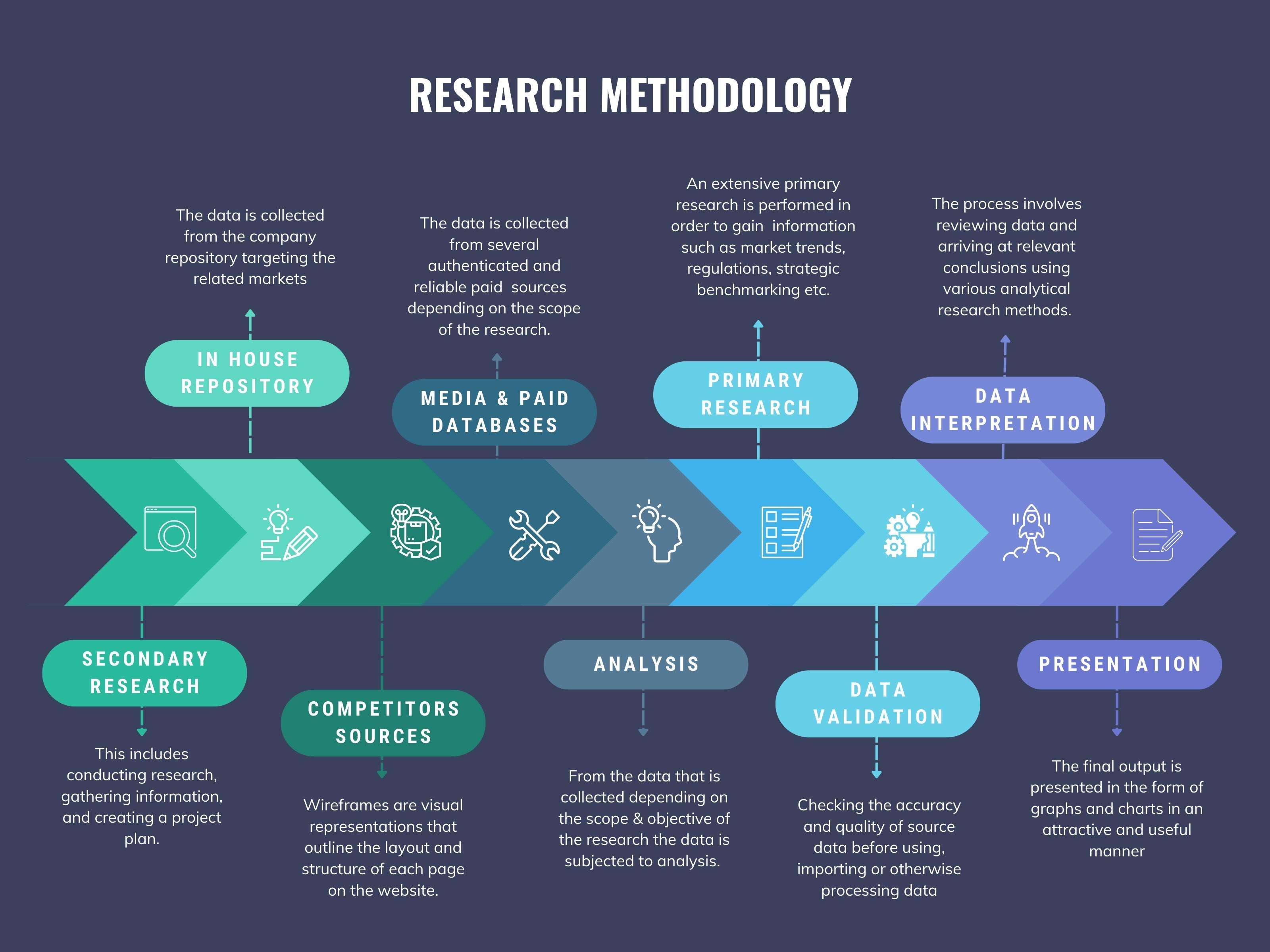
We at ‘Stratistics’ opt for an extensive research approach which involves data mining, data validation, and data analysis. The various research sources include in-house repository, secondary research, competitor’s sources, social media research, client internal data, and primary research.
Our team of analysts prefers the most reliable and authenticated data sources in order to perform the comprehensive literature search. With access to most of the authenticated data bases our team highly considers the best mix of information through various sources to obtain extensive and accurate analysis.
Each report takes an average time of a month and a team of 4 industry analysts. The time may vary depending on the scope and data availability of the desired market report. The various parameters used in the market assessment are standardized in order to enhance the data accuracy.
Data Mining
The data is collected from several authenticated, reliable, paid and unpaid sources and is filtered depending on the scope & objective of the research. Our reports repository acts as an added advantage in this procedure. Data gathering from the raw material suppliers, distributors and the manufacturers is performed on a regular basis, this helps in the comprehensive understanding of the products value chain. Apart from the above mentioned sources the data is also collected from the industry consultants to ensure the objective of the study is in the right direction.
Market trends such as technological advancements, regulatory affairs, market dynamics (Drivers, Restraints, Opportunities and Challenges) are obtained from scientific journals, market related national & international associations and organizations.
Data Analysis
From the data that is collected depending on the scope & objective of the research the data is subjected for the analysis. The critical steps that we follow for the data analysis include:
- Product Lifecycle Analysis
- Competitor analysis
- Risk analysis
- Porters Analysis
- PESTEL Analysis
- SWOT Analysis
The data engineering is performed by the core industry experts considering both the Marketing Mix Modeling and the Demand Forecasting. The marketing mix modeling makes use of multiple-regression techniques to predict the optimal mix of marketing variables. Regression factor is based on a number of variables and how they relate to an outcome such as sales or profits.
Data Validation
The data validation is performed by the exhaustive primary research from the expert interviews. This includes telephonic interviews, focus groups, face to face interviews, and questionnaires to validate our research from all aspects. The industry experts we approach come from the leading firms, involved in the supply chain ranging from the suppliers, distributors to the manufacturers and consumers so as to ensure an unbiased analysis.
We are in touch with more than 15,000 industry experts with the right mix of consultants, CEO's, presidents, vice presidents, managers, experts from both supply side and demand side, executives and so on.
The data validation involves the primary research from the industry experts belonging to:
- Leading Companies
- Suppliers & Distributors
- Manufacturers
- Consumers
- Industry/Strategic Consultants
Apart from the data validation the primary research also helps in performing the fill gap research, i.e. providing solutions for the unmet needs of the research which helps in enhancing the reports quality.
For more details about research methodology, kindly write to us at info@strategymrc.com
Frequently Asked Questions
In case of any queries regarding this report, you can contact the customer service by filing the “Inquiry Before Buy” form available on the right hand side. You may also contact us through email: info@strategymrc.com or phone: +1-301-202-5929
Yes, the samples are available for all the published reports. You can request them by filling the “Request Sample” option available in this page.
Yes, you can request a sample with your specific requirements. All the customized samples will be provided as per the requirement with the real data masked.
All our reports are available in Digital PDF format. In case if you require them in any other formats, such as PPT, Excel etc you can submit a request through “Inquiry Before Buy” form available on the right hand side. You may also contact us through email: info@strategymrc.com or phone: +1-301-202-5929
We offer a free 15% customization with every purchase. This requirement can be fulfilled for both pre and post sale. You may send your customization requirements through email at info@strategymrc.com or call us on +1-301-202-5929.
We have 3 different licensing options available in electronic format.
- Single User Licence: Allows one person, typically the buyer, to have access to the ordered product. The ordered product cannot be distributed to anyone else.
- 2-5 User Licence: Allows the ordered product to be shared among a maximum of 5 people within your organisation.
- Corporate License: Allows the product to be shared among all employees of your organisation regardless of their geographical location.
All our reports are typically be emailed to you as an attachment.
To order any available report you need to register on our website. The payment can be made either through CCAvenue or PayPal payments gateways which accept all international cards.
We extend our support to 6 months post sale. A post sale customization is also provided to cover your unmet needs in the report.
Request Customization
We offer complimentary customization of up to 15% with every purchase. To share your customization requirements, feel free to email us at info@strategymrc.com or call us on +1-301-202-5929. .
Please Note: Customization within the 15% threshold is entirely free of charge. If your request exceeds this limit, we will conduct a feasibility assessment. Following that, a detailed quote and timeline will be provided.
WHY CHOOSE US ?

Assured Quality
Best in class reports with high standard of research integrity

24X7 Research Support
Continuous support to ensure the best customer experience.

Free Customization
Adding more values to your product of interest.

Safe & Secure Access
Providing a secured environment for all online transactions.

Trusted by 600+ Brands
Serving the most reputed brands across the world.