
Aircraft Radar Systems Market
Aircraft Radar Systems Market Forecasts to 2034 – Global Analysis By Component (Antennas & Radar Arrays, Transmitters & Receivers, Signal Processing Units, Radar Control & Display Units, Power Supply & Distribution Units, Radar Software and Other Components), Radar Type, Technology, Application, Aircraft Type and By Geography

Market Dynamics:
Driver:
Increasing demand for advanced airborne surveillance systems
Growing defense modernization programs and increasing requirements for airborne surveillance are driving demand for aircraft radar systems. Military organizations are investing in advanced radar technologies to improve target detection, situational awareness, and operational effectiveness. Modern fighter aircraft, surveillance platforms, and unmanned aerial vehicles require reliable radar capabilities for complex missions. Additionally, expanding commercial aviation operations are strengthening demand for weather detection and hazard avoidance systems. Advancements in electronically scanned arrays, digital signal processing, and multifunction radar technologies are further supporting adoption across military and civilian aircraft platforms.
Restraint:
High development and integration costs
High development costs and complex integration requirements represent significant restraints on the Aircraft Radar Systems Market. Advanced radar systems require specialized semiconductor components, sophisticated antenna arrays, signal processors, and extensive testing procedures. Integration with existing aircraft avionics and mission systems can increase installation expenses and technical complexity. Manufacturers must also meet stringent aviation certification, reliability, and electromagnetic compatibility requirements. Additionally, maintenance costs, lengthy procurement cycles, and budget limitations may restrict adoption among smaller aircraft operators and cost-sensitive defense organizations, particularly in developing aviation markets.
Opportunity:
Advancements in AESA and software-defined radar technologies
Technological advancements in active electronically scanned array radar and software-defined systems are creating growth opportunities for the Aircraft Radar Systems Market. AESA technologies enable faster beam steering, improved target tracking, and enhanced operational flexibility compared with conventional radar systems. Software-defined architectures support adaptable radar functions and facilitate system upgrades. Increasing development of unmanned aircraft, next-generation fighter platforms, and advanced surveillance aircraft is encouraging investments in compact multifunction radar solutions. Furthermore, improvements in semiconductor technologies and digital processing capabilities are supporting the development of lightweight, energy-efficient airborne radar systems.
Threat:
Competition from alternative sensing technologies
The increasing adoption of alternative sensing technologies presents a competitive threat to the Aircraft Radar Systems Market. Electro-optical sensors, infrared search and track systems, and integrated electronic surveillance technologies provide complementary detection capabilities across aviation applications. Aircraft manufacturers may prioritize multisensor architectures based on operational requirements, weight limitations, and procurement budgets. Additionally, rapid technological advancements can increase system obsolescence risks and require frequent upgrades. Supply chain disruptions, restrictions on advanced electronic components, and cybersecurity vulnerabilities may also create challenges for radar manufacturers and aircraft operators.
Covid-19 Impact:
The COVID-19 pandemic affected the Aircraft Radar Systems Market through disruptions in aircraft manufacturing, international supply chains, and commercial aviation activities. Reduced passenger traffic and delayed aircraft deliveries temporarily weakened demand for certain commercial radar systems. Manufacturing restrictions and shortages of electronic components also affected production schedules. However, military radar modernization and defense procurement programs continued supporting market activity. During the recovery period, increasing aircraft production, fleet modernization, and investments in advanced avionics strengthened demand. Continued technological innovation and expanding defense requirements are supporting long-term market development.
The antennas & radar arrays segment is expected to be the largest during the forecast period
The antennas & radar arrays segment is expected to account for the largest market share during the forecast period, supported by their essential role in transmitting and receiving radar signals. Advanced antenna systems enable accurate target detection, weather monitoring, and surveillance operations. Increasing adoption of electronically scanned arrays in military and commercial aircraft is strengthening demand for sophisticated radar antenna technologies. Improvements in beam steering, signal sensitivity, and multifunction capabilities are encouraging modernization. Additionally, investments in next-generation fighter aircraft and airborne surveillance platforms are supporting segment growth.
The active electronically scanned array (AESA) radar segment is expected to have the highest CAGR during the forecast period
Over the forecast period, the active electronically scanned array (AESA) radar segment is anticipated to witness the highest growth rate due to increasing demand for advanced multifunction radar capabilities. AESA systems utilize numerous transmit and receive modules to enable rapid electronic beam steering and simultaneous tracking of multiple targets. Their improved reliability, detection performance, and operational flexibility make them suitable for modern military aircraft. Growing fighter aircraft modernization programs, expanding surveillance requirements, and advancements in semiconductor technologies are supporting adoption across next-generation airborne radar platforms.
Region with largest share:
During the forecast period, North America is expected to hold the largest market share, supported by substantial defense expenditure, established aerospace manufacturing infrastructure, and increasing investments in advanced radar technologies. The United States maintains extensive military aviation capabilities and continues modernizing fighter aircraft, surveillance platforms, and unmanned systems. Strong demand for airborne early warning, weather radar, and multifunction surveillance technologies supports regional growth. Additionally, the presence of major aerospace and defense manufacturers, advanced research facilities, and established procurement programs strengthens North America's market position.
Region with highest CAGR:
Over the forecast period, Asia Pacific is anticipated to exhibit the highest CAGR due to increasing defense modernization, expanding aviation activities, and growing investments in advanced airborne surveillance technologies. China, India, Japan, and South Korea are strengthening military aircraft capabilities and developing indigenous radar systems. Rising geopolitical security concerns and increasing procurement of fighter aircraft and surveillance platforms are supporting regional demand. Additionally, expanding commercial aviation fleets, aerospace manufacturing investments, and technological collaborations are encouraging adoption of advanced radar systems across the region.
Key players in the market
Some of the key players in the Aircraft Radar Systems Market include RTX Corporation, Northrop Grumman Corporation, Lockheed Martin Corporation, Honeywell International Inc., Thales Group, Leonardo S.p.A., Saab AB, BAE Systems plc, HENSOLDT AG, Israel Aerospace Industries Ltd., Elbit Systems Ltd., L3Harris Technologies, Inc., Mitsubishi Electric Corporation, Indra Sistemas, S.A., ASELSAN A.Ş., Hanwha Systems Co., Ltd., Garmin Ltd., and Terma A/S.
Key Developments:
In October 2026, RTX Corporation's Collins Aerospace announced the deployment of its Tower MicroELITE surveillance solution at San Bernardino International Airport in California. The FAA-approved system provides enhanced aircraft tracking and situational awareness for air traffic controllers. This development supports aviation surveillance modernization, although the solution is ground-based rather than an onboard aircraft radar system.
In May 2026, RTX Corporation's Collins Aerospace announced a $26.5 million investment to expand its Largo, Florida manufacturing facility. The expansion supports production of Condor Mk3 and ASR-XM surveillance radars for the FAA's Radar System Replacement Program. The initiative strengthens radar manufacturing capacity and aviation surveillance infrastructure, although these are ground-based systems.
In January 2026, RTX Corporation announced that Collins Aerospace had secured a $438 million contract from the Federal Aviation Administration to deliver next-generation cooperative and non-cooperative surveillance radar systems. The project involves Condor Mk3 and ASR-XM radars to improve aircraft tracking and airspace safety. This development concerns ground-based air traffic surveillance rather than airborne radar equipment.
Components Covered:
• Antennas & Radar Arrays
• Transmitters & Receivers
• Signal Processing Units
• Radar Control & Display Units
• Power Supply & Distribution Units
• Radar Software
• Other Components
Radar Types Covered:
• Weather Radar
• Surveillance Radar
• Fire Control Radar
• Synthetic Aperture Radar (SAR)
• Ground Moving Target Indication (GMTI) Radar
• Terrain Following & Terrain Avoidance Radar
• Other Radar Types
Technologies Covered:
• Mechanically Scanned Array Radar
• Passive Electronically Scanned Array (PESA) Radar
• Active Electronically Scanned Array (AESA) Radar
• Digital Beamforming Radar
• Software-Defined Radar
• Other Technologies
Applications Covered:
• Weather Detection & Hazard Avoidance
• Airborne Surveillance & Reconnaissance
• Target Detection & Tracking
• Weapon Guidance & Fire Control
• Navigation & Terrain Mapping
• Maritime Patrol & Search and Rescue
• Other Applications
Aircraft Types Covered:
• Commercial Aircraft
• Military Aircraft
• Business & General Aviation Aircraft
• Rotorcraft
• Unmanned Aerial Vehicles (UAVs)
• Other Aircraft Types
Regions Covered:
• North America
o United States
o Canada
o Mexico
• Europe
o United Kingdom
o Germany
o France
o Italy
o Spain
o Netherlands
o Belgium
o Sweden
o Switzerland
o Poland
o Rest of Europe
• Asia Pacific
o China
o Japan
o India
o South Korea
o Australia
o Indonesia
o Thailand
o Malaysia
o Singapore
o Vietnam
o Rest of Asia Pacific
• South America
o Brazil
o Argentina
o Colombia
o Chile
o Peru
o Rest of South America
• Rest of the World (RoW)
o Middle East
Saudi Arabia
United Arab Emirates
Qatar
Israel
Rest of Middle East
o Africa
South Africa
Egypt
Morocco
Rest of Africa
What our report offers:
- Market share assessments for the regional and country-level segments
- Strategic recommendations for the new entrants
- Covers Market data for the years 2023, 2024, 2025, 2026, 2027, 2028, 2030, 2032 and 2034
- Market Trends (Drivers, Constraints, Opportunities, Threats, Challenges, Investment Opportunities, and recommendations)
- Strategic recommendations in key business segments based on the market estimations
- Competitive landscaping mapping the key common trends
- Company profiling with detailed strategies, financials, and recent developments
- Supply chain trends mapping the latest technological advancements
Free Customization Offerings:
All the customers of this report will be entitled to receive one of the following free customization options:
• Company Profiling
o Comprehensive profiling of additional market players (up to 3)
o SWOT Analysis of key players (up to 3)
• Regional Segmentation
o Market estimations, Forecasts and CAGR of any prominent country as per the client's interest (Note: Depends on feasibility check)
• Competitive Benchmarking
o Benchmarking of key players based on product portfolio, geographical presence, and strategic alliances
Table of Contents
1 Executive Summary1.1 Market Snapshot and Key Highlights
1.2 Growth Drivers, Challenges, and Opportunities
1.3 Competitive Landscape Overview
1.4 Strategic Insights and Recommendations
2 Research Framework
2.1 Study Objectives and Scope
2.2 Stakeholder Analysis
2.3 Research Assumptions and Limitations
2.4 Research Methodology
2.4.1 Data Collection (Primary and Secondary)
2.4.2 Data Modeling and Estimation Techniques
2.4.3 Data Validation and Triangulation
2.4.4 Analytical and Forecasting Approach
3 Market Dynamics and Trend Analysis
3.1 Market Definition and Structure
3.2 Key Market Drivers
3.3 Market Restraints and Challenges
3.4 Growth Opportunities and Investment Hotspots
3.5 Industry Threats and Risk Assessment
3.6 Technology and Innovation Landscape
3.7 Emerging and High-Growth Markets
3.8 Regulatory and Policy Environment
3.9 Impact of COVID-19 and Recovery Outlook
4 Competitive and Strategic Assessment
4.1 Porter's Five Forces Analysis
4.1.1 Supplier Bargaining Power
4.1.2 Buyer Bargaining Power
4.1.3 Threat of Substitutes
4.1.4 Threat of New Entrants
4.1.5 Competitive Rivalry
4.2 Market Share Analysis of Key Players
4.3 Product Benchmarking and Performance Comparison
5 Global Aircraft Radar Systems Market, By Component
5.1 Antennas & Radar Arrays
5.1.1 Mechanically Scanned Antennas
5.1.2 Electronically Scanned Arrays
5.2 Transmitters & Receivers
5.2.1 Radar Transmitters
5.2.2 Radar Receivers
5.2.3 Transmit/Receive Modules
5.3 Signal Processing Units
5.4 Radar Control & Display Units
5.5 Power Supply & Distribution Units
5.6 Radar Software
5.7 Other Components
6 Global Aircraft Radar Systems Market, By Radar Type
6.1 Weather Radar
6.2 Surveillance Radar
6.2.1 Airborne Early Warning & Control Radar
6.2.2 Maritime Surveillance Radar
6.2.3 Ground Surveillance Radar
6.3 Fire Control Radar
6.4 Synthetic Aperture Radar (SAR)
6.5 Ground Moving Target Indication (GMTI) Radar
6.6 Terrain Following & Terrain Avoidance Radar
6.7 Other Radar Types
7 Global Aircraft Radar Systems Market, By Technology
7.1 Mechanically Scanned Array Radar
7.2 Passive Electronically Scanned Array (PESA) Radar
7.3 Active Electronically Scanned Array (AESA) Radar
7.4 Digital Beamforming Radar
7.5 Software-Defined Radar
7.6 Other Technologies
8 Global Aircraft Radar Systems Market, By Application
8.1 Weather Detection & Hazard Avoidance
8.1.1 Turbulence & Storm Detection
8.1.2 Windshear Detection
8.2 Airborne Surveillance & Reconnaissance
8.2.1 Airborne Early Warning
8.2.2 Intelligence, Surveillance & Reconnaissance (ISR)
8.3 Target Detection & Tracking
8.4 Weapon Guidance & Fire Control
8.5 Navigation & Terrain Mapping
8.6 Maritime Patrol & Search and Rescue
8.7 Other Applications
9 Global Aircraft Radar Systems Market, By Aircraft Type
9.1 Commercial Aircraft
9.1.1 Narrow-Body Aircraft
9.1.2 Wide-Body Aircraft
9.1.3 Regional Aircraft
9.2 Military Aircraft
9.2.1 Fighter Aircraft
9.2.2 Military Transport Aircraft
9.2.3 Special Mission & Surveillance Aircraft
9.3 Business & General Aviation Aircraft
9.4 Rotorcraft
9.5 Unmanned Aerial Vehicles (UAVs)
9.6 Other Aircraft Types
10 Global Aircraft Radar Systems Market, By Geography
10.1 North America
10.1.1 United States
10.1.2 Canada
10.1.3 Mexico
10.2 Europe
10.2.1 United Kingdom
10.2.2 Germany
10.2.3 France
10.2.4 Italy
10.2.5 Spain
10.2.6 Netherlands
10.2.7 Belgium
10.2.8 Sweden
10.2.9 Switzerland
10.2.10 Poland
10.2.11 Rest of Europe
10.3 Asia Pacific
10.3.1 China
10.3.2 Japan
10.3.3 India
10.3.4 South Korea
10.3.5 Australia
10.3.6 Indonesia
10.3.7 Thailand
10.3.8 Malaysia
10.3.9 Singapore
10.3.10 Vietnam
10.3.11 Rest of Asia Pacific
10.4 South America
10.4.1 Brazil
10.4.2 Argentina
10.4.3 Colombia
10.4.4 Chile
10.4.5 Peru
10.4.6 Rest of South America
10.5 Rest of the World (RoW)
10.5.1 Middle East
10.5.1.1 Saudi Arabia
10.5.1.2 United Arab Emirates
10.5.1.3 Qatar
10.5.1.4 Israel
10.5.1.5 Rest of Middle East
10.5.2 Africa
10.5.2.1 South Africa
10.5.2.2 Egypt
10.5.2.3 Morocco
10.5.2.4 Rest of Africa
11 Strategic Market Intelligence
11.1 Industry Value Network and Supply Chain Assessment
11.2 White-Space and Opportunity Mapping
11.3 Product Evolution and Market Life Cycle Analysis
11.4 Channel, Distributor, and Go-to-Market Assessment
12 Industry Developments and Strategic Initiatives
12.1 Mergers and Acquisitions
12.2 Partnerships, Alliances, and Joint Ventures
12.3 New Product Launches and Certifications
12.4 Capacity Expansion and Investments
12.5 Other Strategic Initiatives
13 Company Profiles
13.1 RTX Corporation
13.2 Northrop Grumman Corporation
13.3 Lockheed Martin Corporation
13.4 Honeywell International Inc.
13.5 Thales Group
13.6 Leonardo S.p.A.
13.7 Saab AB
13.8 BAE Systems plc
13.9 HENSOLDT AG
13.10 Israel Aerospace Industries Ltd.
13.11 Elbit Systems Ltd.
13.12 L3Harris Technologies, Inc.
13.13 Mitsubishi Electric Corporation
13.14 Indra Sistemas, S.A.
13.15 ASELSAN A.Ş.
13.16 Hanwha Systems Co., Ltd.
13.17 Garmin Ltd.
13.18 Terma A/S
List of Tables
1 Global Aircraft Radar Systems Market Outlook, By Region (2023-2034) ($MN)
2 Global Aircraft Radar Systems Market Outlook, By Component (2023-2034) ($MN)
3 Global Aircraft Radar Systems Market Outlook, By Antennas & Radar Arrays (2023-2034) ($MN)
4 Global Aircraft Radar Systems Market Outlook, By Mechanically Scanned Antennas (2023-2034) ($MN)
5 Global Aircraft Radar Systems Market Outlook, By Electronically Scanned Arrays (2023-2034) ($MN)
6 Global Aircraft Radar Systems Market Outlook, By Transmitters & Receivers (2023-2034) ($MN)
7 Global Aircraft Radar Systems Market Outlook, By Radar Transmitters (2023-2034) ($MN)
8 Global Aircraft Radar Systems Market Outlook, By Radar Receivers (2023-2034) ($MN)
9 Global Aircraft Radar Systems Market Outlook, By Transmit/Receive Modules (2023-2034) ($MN)
10 Global Aircraft Radar Systems Market Outlook, By Signal Processing Units (2023-2034) ($MN)
11 Global Aircraft Radar Systems Market Outlook, By Radar Control & Display Units (2023-2034) ($MN)
12 Global Aircraft Radar Systems Market Outlook, By Power Supply & Distribution Units (2023-2034) ($MN)
13 Global Aircraft Radar Systems Market Outlook, By Radar Software (2023-2034) ($MN)
14 Global Aircraft Radar Systems Market Outlook, By Other Components (2023-2034) ($MN)
15 Global Aircraft Radar Systems Market Outlook, By Radar Type (2023-2034) ($MN)
16 Global Aircraft Radar Systems Market Outlook, By Weather Radar (2023-2034) ($MN)
17 Global Aircraft Radar Systems Market Outlook, By Surveillance Radar (2023-2034) ($MN)
18 Global Aircraft Radar Systems Market Outlook, By Airborne Early Warning & Control Radar (2023-2034) ($MN)
19 Global Aircraft Radar Systems Market Outlook, By Maritime Surveillance Radar (2023-2034) ($MN)
20 Global Aircraft Radar Systems Market Outlook, By Ground Surveillance Radar (2023-2034) ($MN)
21 Global Aircraft Radar Systems Market Outlook, By Fire Control Radar (2023-2034) ($MN)
22 Global Aircraft Radar Systems Market Outlook, By Synthetic Aperture Radar (SAR) (2023-2034) ($MN)
23 Global Aircraft Radar Systems Market Outlook, By Ground Moving Target Indication (GMTI) Radar (2023-2034) ($MN)
24 Global Aircraft Radar Systems Market Outlook, By Terrain Following & Terrain Avoidance Radar (2023-2034) ($MN)
25 Global Aircraft Radar Systems Market Outlook, By Other Radar Types (2023-2034) ($MN)
26 Global Aircraft Radar Systems Market Outlook, By Technology (2023-2034) ($MN)
27 Global Aircraft Radar Systems Market Outlook, By Mechanically Scanned Array Radar (2023-2034) ($MN)
28 Global Aircraft Radar Systems Market Outlook, By Passive Electronically Scanned Array (PESA) Radar (2023-2034) ($MN)
29 Global Aircraft Radar Systems Market Outlook, By Active Electronically Scanned Array (AESA) Radar (2023-2034) ($MN)
30 Global Aircraft Radar Systems Market Outlook, By Digital Beamforming Radar (2023-2034) ($MN)
31 Global Aircraft Radar Systems Market Outlook, By Software-Defined Radar (2023-2034) ($MN)
32 Global Aircraft Radar Systems Market Outlook, By Other Technologies (2023-2034) ($MN)
33 Global Aircraft Radar Systems Market Outlook, By Application (2023-2034) ($MN)
34 Global Aircraft Radar Systems Market Outlook, By Weather Detection & Hazard Avoidance (2023-2034) ($MN)
35 Global Aircraft Radar Systems Market Outlook, By Turbulence & Storm Detection (2023-2034) ($MN)
36 Global Aircraft Radar Systems Market Outlook, By Windshear Detection (2023-2034) ($MN)
37 Global Aircraft Radar Systems Market Outlook, By Airborne Surveillance & Reconnaissance (2023-2034) ($MN)
38 Global Aircraft Radar Systems Market Outlook, By Airborne Early Warning (2023-2034) ($MN)
39 Global Aircraft Radar Systems Market Outlook, By Intelligence, Surveillance & Reconnaissance (ISR) (2023-2034) ($MN)
40 Global Aircraft Radar Systems Market Outlook, By Target Detection & Tracking (2023-2034) ($MN)
41 Global Aircraft Radar Systems Market Outlook, By Weapon Guidance & Fire Control (2023-2034) ($MN)
42 Global Aircraft Radar Systems Market Outlook, By Navigation & Terrain Mapping (2023-2034) ($MN)
43 Global Aircraft Radar Systems Market Outlook, By Maritime Patrol & Search and Rescue (2023-2034) ($MN)
44 Global Aircraft Radar Systems Market Outlook, By Other Applications (2023-2034) ($MN)
45 Global Aircraft Radar Systems Market Outlook, By Aircraft Type (2023-2034) ($MN)
46 Global Aircraft Radar Systems Market Outlook, By Commercial Aircraft (2023-2034) ($MN)
47 Global Aircraft Radar Systems Market Outlook, By Narrow-Body Aircraft (2023-2034) ($MN)
48 Global Aircraft Radar Systems Market Outlook, By Wide-Body Aircraft (2023-2034) ($MN)
49 Global Aircraft Radar Systems Market Outlook, By Regional Aircraft (2023-2034) ($MN)
50 Global Aircraft Radar Systems Market Outlook, By Military Aircraft (2023-2034) ($MN)
51 Global Aircraft Radar Systems Market Outlook, By Fighter Aircraft (2023-2034) ($MN)
52 Global Aircraft Radar Systems Market Outlook, By Military Transport Aircraft (2023-2034) ($MN)
53 Global Aircraft Radar Systems Market Outlook, By Special Mission & Surveillance Aircraft (2023-2034) ($MN)
54 Global Aircraft Radar Systems Market Outlook, By Business & General Aviation Aircraft (2023-2034) ($MN)
55 Global Aircraft Radar Systems Market Outlook, By Rotorcraft (2023-2034) ($MN)
56 Global Aircraft Radar Systems Market Outlook, By Unmanned Aerial Vehicles (UAVs) (2023-2034) ($MN)
57 Global Aircraft Radar Systems Market Outlook, By Other Aircraft Types (2023-2034) ($MN)
Note: Tables for North America, Europe, APAC, South America, and Rest of the World (RoW) Regions are also represented in the same manner as above.
List of Figures
RESEARCH METHODOLOGY
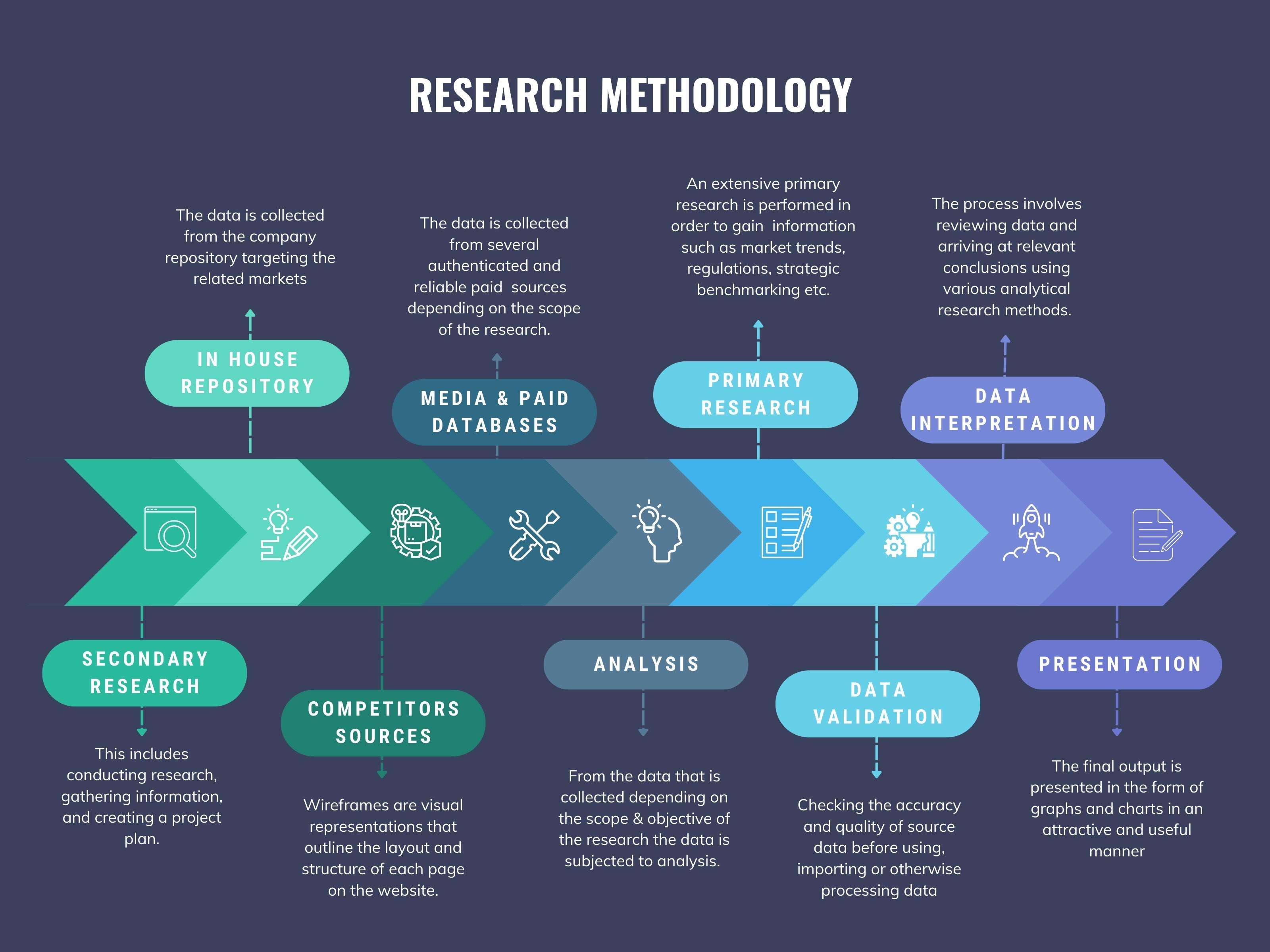
We at ‘Stratistics’ opt for an extensive research approach which involves data mining, data validation, and data analysis. The various research sources include in-house repository, secondary research, competitor’s sources, social media research, client internal data, and primary research.
Our team of analysts prefers the most reliable and authenticated data sources in order to perform the comprehensive literature search. With access to most of the authenticated data bases our team highly considers the best mix of information through various sources to obtain extensive and accurate analysis.
Each report takes an average time of a month and a team of 4 industry analysts. The time may vary depending on the scope and data availability of the desired market report. The various parameters used in the market assessment are standardized in order to enhance the data accuracy.
Data Mining
The data is collected from several authenticated, reliable, paid and unpaid sources and is filtered depending on the scope & objective of the research. Our reports repository acts as an added advantage in this procedure. Data gathering from the raw material suppliers, distributors and the manufacturers is performed on a regular basis, this helps in the comprehensive understanding of the products value chain. Apart from the above mentioned sources the data is also collected from the industry consultants to ensure the objective of the study is in the right direction.
Market trends such as technological advancements, regulatory affairs, market dynamics (Drivers, Restraints, Opportunities and Challenges) are obtained from scientific journals, market related national & international associations and organizations.
Data Analysis
From the data that is collected depending on the scope & objective of the research the data is subjected for the analysis. The critical steps that we follow for the data analysis include:
- Product Lifecycle Analysis
- Competitor analysis
- Risk analysis
- Porters Analysis
- PESTEL Analysis
- SWOT Analysis
The data engineering is performed by the core industry experts considering both the Marketing Mix Modeling and the Demand Forecasting. The marketing mix modeling makes use of multiple-regression techniques to predict the optimal mix of marketing variables. Regression factor is based on a number of variables and how they relate to an outcome such as sales or profits.
Data Validation
The data validation is performed by the exhaustive primary research from the expert interviews. This includes telephonic interviews, focus groups, face to face interviews, and questionnaires to validate our research from all aspects. The industry experts we approach come from the leading firms, involved in the supply chain ranging from the suppliers, distributors to the manufacturers and consumers so as to ensure an unbiased analysis.
We are in touch with more than 15,000 industry experts with the right mix of consultants, CEO's, presidents, vice presidents, managers, experts from both supply side and demand side, executives and so on.
The data validation involves the primary research from the industry experts belonging to:
- Leading Companies
- Suppliers & Distributors
- Manufacturers
- Consumers
- Industry/Strategic Consultants
Apart from the data validation the primary research also helps in performing the fill gap research, i.e. providing solutions for the unmet needs of the research which helps in enhancing the reports quality.
For more details about research methodology, kindly write to us at info@strategymrc.com
Frequently Asked Questions
In case of any queries regarding this report, you can contact the customer service by filing the “Inquiry Before Buy” form available on the right hand side. You may also contact us through email: info@strategymrc.com or phone: +1-301-202-5929
Yes, the samples are available for all the published reports. You can request them by filling the “Request Sample” option available in this page.
Yes, you can request a sample with your specific requirements. All the customized samples will be provided as per the requirement with the real data masked.
All our reports are available in Digital PDF format. In case if you require them in any other formats, such as PPT, Excel etc you can submit a request through “Inquiry Before Buy” form available on the right hand side. You may also contact us through email: info@strategymrc.com or phone: +1-301-202-5929
We offer a free 15% customization with every purchase. This requirement can be fulfilled for both pre and post sale. You may send your customization requirements through email at info@strategymrc.com or call us on +1-301-202-5929.
We have 3 different licensing options available in electronic format.
- Single User Licence: Allows one person, typically the buyer, to have access to the ordered product. The ordered product cannot be distributed to anyone else.
- 2-5 User Licence: Allows the ordered product to be shared among a maximum of 5 people within your organisation.
- Corporate License: Allows the product to be shared among all employees of your organisation regardless of their geographical location.
All our reports are typically be emailed to you as an attachment.
To order any available report you need to register on our website. The payment can be made either through CCAvenue or PayPal payments gateways which accept all international cards.
We extend our support to 6 months post sale. A post sale customization is also provided to cover your unmet needs in the report.
Request Customization
We offer complimentary customization of up to 15% with every purchase. To share your customization requirements, feel free to email us at info@strategymrc.com or call us on +1-301-202-5929. .
Please Note: Customization within the 15% threshold is entirely free of charge. If your request exceeds this limit, we will conduct a feasibility assessment. Following that, a detailed quote and timeline will be provided.
WHY CHOOSE US ?

Assured Quality
Best in class reports with high standard of research integrity

24X7 Research Support
Continuous support to ensure the best customer experience.

Free Customization
Adding more values to your product of interest.

Safe & Secure Access
Providing a secured environment for all online transactions.

Trusted by 600+ Brands
Serving the most reputed brands across the world.