
Anti Malarial Drugs Market
Anti-Malarial Drugs Market Forecasts to 2030 - Global Analysis By Drug Type (Chloroquine, Quinine, Artemisinin-Based Combination Therapies (ACTs), Mefloquine, Primaquine and Other Drug Types), Drug Class, Malaria Type, Mode of Administration, Distribution Channel, End User and By Geography

|
Years Covered |
2022-2030 |
|
Estimated Year Value (2024) |
US $1044.1 MN |
|
Projected Year Value (2030) |
US $1439.6 MN |
|
CAGR (2024 - 2030) |
5.5% |
|
Regions Covered |
North America, Europe, Asia Pacific, South America, and Middle East & Africa |
|
Countries Covered |
US, Canada, Mexico, Germany, UK, Italy, France, Spain, Japan, China, India, Australia, New Zealand, South Korea, Rest of Asia Pacific, South America, Argentina, Brazil, Chile, Middle East & Africa, Saudi Arabia, UAE, Qatar, and South Africa |
|
Largest Market |
North America |
|
Highest Growing Market |
Asia Pacific |
According to Stratistics MRC, the Global Anti-Malarial Drugs Market is accounted for $1044.1 million in 2024 and is expected to reach $1439.6 million by 2030 growing at a CAGR of 5.5% during the forecast period. Anti-Malarial Drugs are medications used to prevent or treat malaria, a parasitic infection caused by Plasmodium species. These drugs target the parasite at various stages of its lifecycle in the human body. Common anti-malarials include chloroquine, quinine, and artemisinin-based combination therapies (ACTs). They work by inhibiting parasite growth, replication, or survival within red blood cells. Anti-Malarial Drugs are crucial in malaria-endemic regions, where the disease poses a significant public health threat. They are also used for prophylaxis in travelers visiting high-risk areas.
According to the latest World Malaria Report, released in December 2021, there were an estimated 241 million cases of malaria and 627,000 resulting deaths worldwide in 2020. This represents about 14 million more cases in 2020 compared to 2019, and 69,000 more deaths.

Market Dynamics:
Driver:
Increasing healthcare expenditure
The increasing healthcare expenditure in the market is driven by rising malaria incidences and the growing demand for effective treatments. Governments and organizations are allocating more funds to combat malaria, focusing on improving access to these drugs in endemic regions. Enhanced research and development efforts, along with the need for innovative solutions, contribute to expanding the market, ensuring better healthcare infrastructure and more effective treatments worldwide.
Restraint:
Accessibility and affordability
Limited accessibility and affordability of Anti-Malarial Drugs can have severe negative effects on the market. In regions with economic challenges, high drug costs and inadequate healthcare infrastructure hinder timely treatment, leading to increased malaria-related mortality. Inconsistent access also fosters drug resistance, complicating treatment effectiveness. This disparity exacerbates public health crises, particularly in low-income and remote areas, preventing progress in controlling malaria and impeding overall market growth.
Opportunity:
High prevalence of malaria
The high prevalence of malaria significantly impacts the market, driving demand for effective treatments. Regions with a high burden of malaria, especially in sub-Saharan Africa and Southeast Asia, experience constant need for these drugs. The increasing number of cases prompts governments and health organizations to invest in drug accessibility, research, and distribution. This demand, coupled with rising resistance to existing treatments, further fuels market growth.
Threat:
Limited awareness and education
Limited awareness and education about malaria and its treatment can negatively impact the market. Lack of knowledge leads to improper use of drugs, contributing to resistance and reduced effectiveness. Inadequate understanding of prevention methods results in delayed treatment and higher transmission rates. This lack of education, especially in rural or remote areas, hinders demand for necessary drugs, slowing efforts to control malaria and impeding market growth.
Covid-19 Impact:
The COVID-19 pandemic disrupted the market by diverting resources and attention away from malaria control efforts. Supply chain interruptions, healthcare system strain, and limited access to drugs in malaria-endemic regions resulted in delays in treatment. Additionally, the pandemic sparked debates over the efficacy of certain Anti-Malarial Drugs for COVID-19, creating confusion and affecting their availability for malaria patients. This negatively impacted overall malaria treatment and market stability.
The quinine segment is expected to be the largest market share during the forecast period
The quinine segment is expected to account for the largest market share during the forecast period. Quinine remains a crucial anti-malarial drug in the market, particularly in severe cases of malaria. It is derived from the bark of the cinchona tree and has been used for centuries. Despite the emergence of newer drugs, quinine is still widely prescribed, especially in regions with drug resistance. Its affordability and effectiveness make it an essential treatment, especially when first-line therapies fail or in areas with limited access to advanced medications.
The hospitals segment is expected to have the highest CAGR during the forecast period
Over the forecast period, the hospitals segment is predicted to witness the highest growth rate. They are key distribution points for anti-malarial medications, offering both inpatient and outpatient care. Hospitals contribute to market growth by ensuring proper diagnosis and administering effective drug regimens, including quinine and newer therapies. Their role is critical in malaria-endemic regions, where they help manage outbreaks, educate patients, and improve overall treatment access.
Region with largest share:
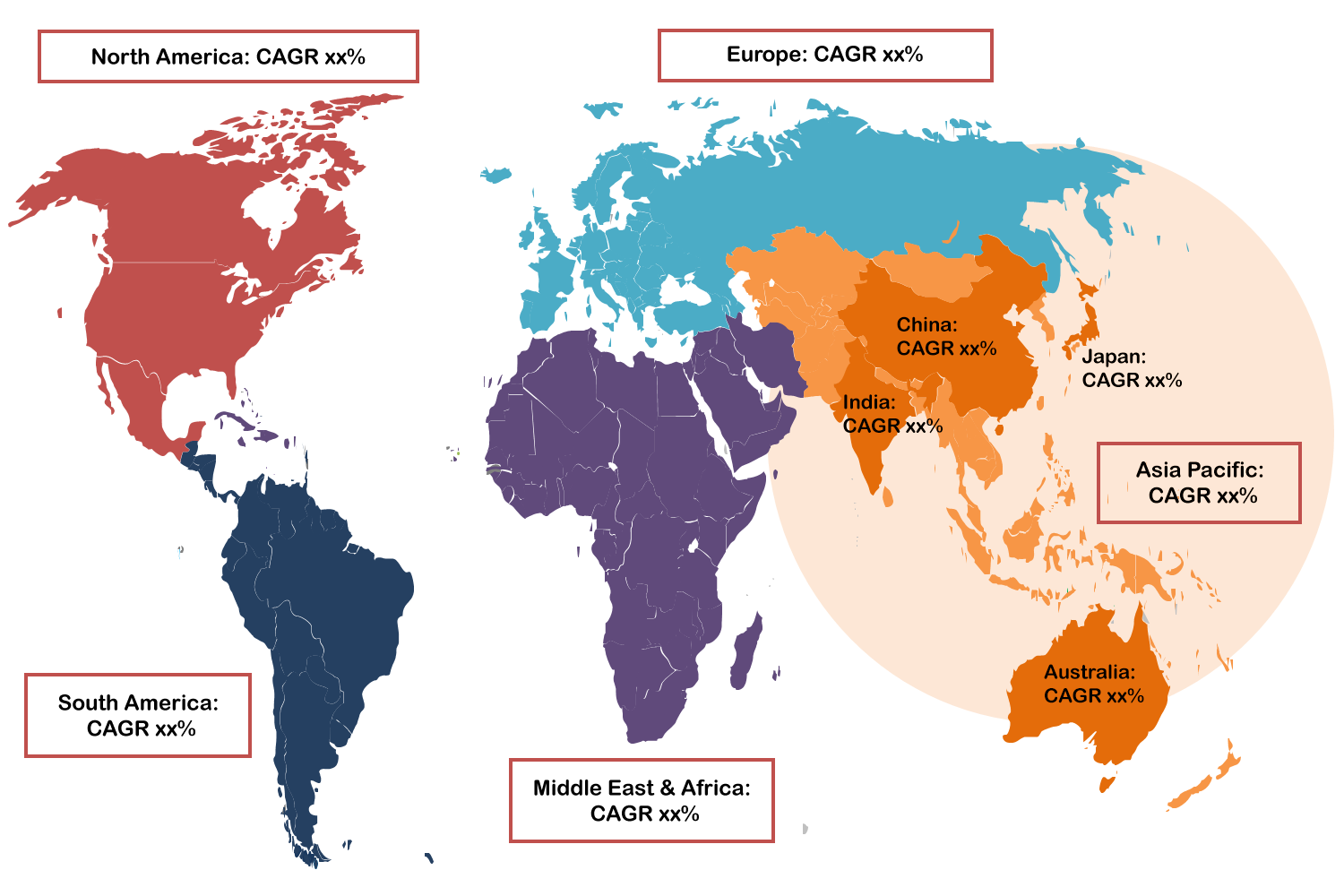
During the forecast period, the North America region is expected to hold the largest market share due to the region's low malaria prevalence. However, it remains significant for travelers, military personnel, and healthcare professionals managing imported cases. North American pharmaceutical companies contribute to the global market by producing Anti-Malarial Drugs, and research focuses on drug resistance and innovative treatments. Governments also support malaria eradication initiatives in endemic countries, indirectly affecting the regional market dynamics.
Region with highest CAGR:
Over the forecast period, the Asia Pacific region is anticipated to exhibit the highest CAGR. Countries such as India, China, and Indonesia report a substantial number of malaria cases annually, necessitating effective anti-malarial treatments. Ongoing initiatives to develop new drug combinations and formulations are contributing to market expansion. Additionally, These countries are major contributors to the market due to their large populations and high malaria incidence rates.
Key players in the market
Some of the key players in Anti-Malarial Drugs market include Novartis, Sanofi, GlaxoSmithKline, Bayer, Cipla, Mylan, Merck & Co., Lupin Pharmaceuticals, Teva Pharmaceutical Industries, Sumitomo Dainippon Pharma, Aurobindo Pharma, Dr. Reddy's Laboratories, Hetero Healthcare, Bharat Biotech, Takeda Pharmaceutical Company and Bausch Health.
Key Developments:
In December 2024, Aurobindo Pharma Ltd said its step-down subsidiary CuraTeQ Biologics s.r.o. has received marketing authorisation from the UK’s Medicines and Healthcare products Regulatory Agency (MHRA) for Bevqolva, its biosimilar version of bevacizumab..
In April 2024, Novartis and Medicines for Malaria Venture (MMV) announced positive data from their phase II/III CALINA study, demonstrating that a novel formulation of Coartem® (artemether-lumefantrine) developed for babies weighing less than 5kg with malaria has the required pharmacokinetic profile and good efficacy and safety.
Drug Types Covered:
• Chloroquine
• Quinine
• Artemisinin-Based Combination Therapies (ACTs)
• Mefloquine
• Primaquine
• Other Drug Types
Drug Classes Covered:
• Artemisinin
• Antifolate Drugs
• Cinchona Alkaloids
• Atovaquone-Proguanil
Malaria Types Covered:
• Plasmodium Falciparum
• Plasmodium Vivax
• Plasmodium Malaria
• Plasmodium Ovale
Mode of Administrations Covered:
• Oral
• Injectable/Intravenous
• Topical
Distribution Channels Covered:
• Government & NGO Programs
• Retail Pharmacies
• Online Pharmacies
End Users Covered:
• Hospitals
• Clinics and Health Centers
• Home Care Settings
• Other End Users
Regions Covered:
• North America
o US
o Canada
o Mexico
• Europe
o Germany
o UK
o Italy
o France
o Spain
o Rest of Europe
• Asia Pacific
o Japan
o China
o India
o Australia
o New Zealand
o South Korea
o Rest of Asia Pacific
• South America
o Argentina
o Brazil
o Chile
o Rest of South America
• Middle East & Africa
o Saudi Arabia
o UAE
o Qatar
o South Africa
o Rest of Middle East & Africa
What our report offers:
- Market share assessments for the regional and country-level segments
- Strategic recommendations for the new entrants
- Covers Market data for the years 2022, 2023, 2024, 2026, and 2030
- Market Trends (Drivers, Constraints, Opportunities, Threats, Challenges, Investment Opportunities, and recommendations)
- Strategic recommendations in key business segments based on the market estimations
- Competitive landscaping mapping the key common trends
- Company profiling with detailed strategies, financials, and recent developments
- Supply chain trends mapping the latest technological advancements
Free Customization Offerings:
All the customers of this report will be entitled to receive one of the following free customization options:
• Company Profiling
o Comprehensive profiling of additional market players (up to 3)
o SWOT Analysis of key players (up to 3)
• Regional Segmentation
o Market estimations, Forecasts and CAGR of any prominent country as per the client's interest (Note: Depends on feasibility check)
• Competitive Benchmarking
o Benchmarking of key players based on product portfolio, geographical presence, and strategic alliances
Table of Contents
1 Executive Summary
2 Preface
2.1 Abstract
2.2 Stake Holders
2.3 Research Scope
2.4 Research Methodology
2.4.1 Data Mining
2.4.2 Data Analysis
2.4.3 Data Validation
2.4.4 Research Approach
2.5 Research Sources
2.5.1 Primary Research Sources
2.5.2 Secondary Research Sources
2.5.3 Assumptions
3 Market Trend Analysis
3.1 Introduction
3.2 Drivers
3.3 Restraints
3.4 Opportunities
3.5 Threats
3.6 End User Analysis
3.7 Emerging Markets
3.8 Impact of Covid-19
4 Porters Five Force Analysis
4.1 Bargaining power of suppliers
4.2 Bargaining power of buyers
4.3 Threat of substitutes
4.4 Threat of new entrants
4.5 Competitive rivalry
5 Global Anti-malarial Drugs Market, By Drug Type
5.1 Introduction
5.2 Chloroquine
5.3 Quinine
5.4 Artemisinin-Based Combination Therapies (ACTs)
5.5 Mefloquine
5.6 Primaquine
5.7 Other Drug Types
6 Global Anti-malarial Drugs Market, By Drug Class
6.1 Introduction
6.2 Artemisinin
6.3 Antifolate Drugs
6.4 Cinchona Alkaloids
6.5 Atovaquone-Proguanil
7 Global Anti-malarial Drugs Market, By Malaria Type
7.1 Introduction
7.2 Plasmodium Falciparum
7.3 Plasmodium Vivax
7.4 Plasmodium Malaria
7.5 Plasmodium Ovale
8 Global Anti-malarial Drugs Market, By Mode of Administration
8.1 Introduction
8.2 Oral
8.3 Injectable/Intravenous
8.4 Topical
9 Global Anti-malarial Drugs Market, By Distribution Channel
9.1 Introduction
9.2 Government & NGO Programs
9.3 Retail Pharmacies
9.4 Online Pharmacies
10 Global Anti-malarial Drugs Market, By End User
10.1 Introduction
10.2 Hospitals
10.3 Clinics and Health Centers
10.4 Home Care Settings
10.5 Other End Users
11 Global Anti-malarial Drugs Market, By Geography
11.1 Introduction
11.2 North America
11.2.1 US
11.2.2 Canada
11.2.3 Mexico
11.3 Europe
11.3.1 Germany
11.3.2 UK
11.3.3 Italy
11.3.4 France
11.3.5 Spain
11.3.6 Rest of Europe
11.4 Asia Pacific
11.4.1 Japan
11.4.2 China
11.4.3 India
11.4.4 Australia
11.4.5 New Zealand
11.4.6 South Korea
11.4.7 Rest of Asia Pacific
11.5 South America
11.5.1 Argentina
11.5.2 Brazil
11.5.3 Chile
11.5.4 Rest of South America
11.6 Middle East & Africa
11.6.1 Saudi Arabia
11.6.2 UAE
11.6.3 Qatar
11.6.4 South Africa
11.6.5 Rest of Middle East & Africa
12 Key Developments
12.1 Agreements, Partnerships, Collaborations and Joint Ventures
12.2 Acquisitions & Mergers
12.3 New Product Launch
12.4 Expansions
12.5 Other Key Strategies
13 Company Profiling
13.1 Novartis
13.2 Sanofi
13.3 GlaxoSmithKline
13.4 Bayer
13.5 Cipla
13.6 Mylan
13.7 Merck & Co.
13.8 Lupin Pharmaceuticals
13.9 Teva Pharmaceutical Industries
13.10 Sumitomo Dainippon Pharma
13.13 Aurobindo Pharma
13.12 Dr. Reddy's Laboratories
13.13 Hetero Healthcare
13.14 Bharat Biotech
13.15 Takeda Pharmaceutical Company
13.16 Bausch Health
List of Tables
1 Global Anti-malarial Drugs Market Outlook, By Region (2022-2030) ($MN)
2 Global Anti-malarial Drugs Market Outlook, By Drug Type (2022-2030) ($MN)
3 Global Anti-malarial Drugs Market Outlook, By Chloroquine (2022-2030) ($MN)
4 Global Anti-malarial Drugs Market Outlook, By Quinine (2022-2030) ($MN)
5 Global Anti-malarial Drugs Market Outlook, By Artemisinin-Based Combination Therapies (ACTs) (2022-2030) ($MN)
6 Global Anti-malarial Drugs Market Outlook, By Mefloquine (2022-2030) ($MN)
7 Global Anti-malarial Drugs Market Outlook, By Primaquine (2022-2030) ($MN)
8 Global Anti-malarial Drugs Market Outlook, By Other Drug Types (2022-2030) ($MN)
9 Global Anti-malarial Drugs Market Outlook, By Drug Class (2022-2030) ($MN)
10 Global Anti-malarial Drugs Market Outlook, By Artemisinin (2022-2030) ($MN)
11 Global Anti-malarial Drugs Market Outlook, By Antifolate Drugs (2022-2030) ($MN)
12 Global Anti-malarial Drugs Market Outlook, By Cinchona Alkaloids (2022-2030) ($MN)
13 Global Anti-malarial Drugs Market Outlook, By Atovaquone-Proguanil (2022-2030) ($MN)
14 Global Anti-malarial Drugs Market Outlook, By Malaria Type (2022-2030) ($MN)
15 Global Anti-malarial Drugs Market Outlook, By Plasmodium Falciparum (2022-2030) ($MN)
16 Global Anti-malarial Drugs Market Outlook, By Plasmodium Vivax (2022-2030) ($MN)
17 Global Anti-malarial Drugs Market Outlook, By Plasmodium Malaria (2022-2030) ($MN)
18 Global Anti-malarial Drugs Market Outlook, By Plasmodium Ovale (2022-2030) ($MN)
19 Global Anti-malarial Drugs Market Outlook, By Mode of Administration (2022-2030) ($MN)
20 Global Anti-malarial Drugs Market Outlook, By Oral (2022-2030) ($MN)
21 Global Anti-malarial Drugs Market Outlook, By Injectable/Intravenous (2022-2030) ($MN)
22 Global Anti-malarial Drugs Market Outlook, By Topical (2022-2030) ($MN)
23 Global Anti-malarial Drugs Market Outlook, By Distribution Channel (2022-2030) ($MN)
24 Global Anti-malarial Drugs Market Outlook, By Government & NGO Programs (2022-2030) ($MN)
25 Global Anti-malarial Drugs Market Outlook, By Retail Pharmacies (2022-2030) ($MN)
26 Global Anti-malarial Drugs Market Outlook, By Online Pharmacies (2022-2030) ($MN)
27 Global Anti-malarial Drugs Market Outlook, By End User (2022-2030) ($MN)
28 Global Anti-malarial Drugs Market Outlook, By Hospitals (2022-2030) ($MN)
29 Global Anti-malarial Drugs Market Outlook, By Clinics and Health Centers (2022-2030) ($MN)
30 Global Anti-malarial Drugs Market Outlook, By Home Care Settings (2022-2030) ($MN)
31 Global Anti-malarial Drugs Market Outlook, By Other End Users (2022-2030) ($MN)
Note: Tables for North America, Europe, APAC, South America, and Middle East & Africa Regions are also represented in the same manner as above.
List of Figures
RESEARCH METHODOLOGY

We at ‘Stratistics’ opt for an extensive research approach which involves data mining, data validation, and data analysis. The various research sources include in-house repository, secondary research, competitor’s sources, social media research, client internal data, and primary research.
Our team of analysts prefers the most reliable and authenticated data sources in order to perform the comprehensive literature search. With access to most of the authenticated data bases our team highly considers the best mix of information through various sources to obtain extensive and accurate analysis.
Each report takes an average time of a month and a team of 4 industry analysts. The time may vary depending on the scope and data availability of the desired market report. The various parameters used in the market assessment are standardized in order to enhance the data accuracy.
Data Mining
The data is collected from several authenticated, reliable, paid and unpaid sources and is filtered depending on the scope & objective of the research. Our reports repository acts as an added advantage in this procedure. Data gathering from the raw material suppliers, distributors and the manufacturers is performed on a regular basis, this helps in the comprehensive understanding of the products value chain. Apart from the above mentioned sources the data is also collected from the industry consultants to ensure the objective of the study is in the right direction.
Market trends such as technological advancements, regulatory affairs, market dynamics (Drivers, Restraints, Opportunities and Challenges) are obtained from scientific journals, market related national & international associations and organizations.
Data Analysis
From the data that is collected depending on the scope & objective of the research the data is subjected for the analysis. The critical steps that we follow for the data analysis include:
- Product Lifecycle Analysis
- Competitor analysis
- Risk analysis
- Porters Analysis
- PESTEL Analysis
- SWOT Analysis
The data engineering is performed by the core industry experts considering both the Marketing Mix Modeling and the Demand Forecasting. The marketing mix modeling makes use of multiple-regression techniques to predict the optimal mix of marketing variables. Regression factor is based on a number of variables and how they relate to an outcome such as sales or profits.
Data Validation
The data validation is performed by the exhaustive primary research from the expert interviews. This includes telephonic interviews, focus groups, face to face interviews, and questionnaires to validate our research from all aspects. The industry experts we approach come from the leading firms, involved in the supply chain ranging from the suppliers, distributors to the manufacturers and consumers so as to ensure an unbiased analysis.
We are in touch with more than 15,000 industry experts with the right mix of consultants, CEO's, presidents, vice presidents, managers, experts from both supply side and demand side, executives and so on.
The data validation involves the primary research from the industry experts belonging to:
- Leading Companies
- Suppliers & Distributors
- Manufacturers
- Consumers
- Industry/Strategic Consultants
Apart from the data validation the primary research also helps in performing the fill gap research, i.e. providing solutions for the unmet needs of the research which helps in enhancing the reports quality.
For more details about research methodology, kindly write to us at info@strategymrc.com
Frequently Asked Questions
In case of any queries regarding this report, you can contact the customer service by filing the “Inquiry Before Buy” form available on the right hand side. You may also contact us through email: info@strategymrc.com or phone: +1-301-202-5929
Yes, the samples are available for all the published reports. You can request them by filling the “Request Sample” option available in this page.
Yes, you can request a sample with your specific requirements. All the customized samples will be provided as per the requirement with the real data masked.
All our reports are available in Digital PDF format. In case if you require them in any other formats, such as PPT, Excel etc you can submit a request through “Inquiry Before Buy” form available on the right hand side. You may also contact us through email: info@strategymrc.com or phone: +1-301-202-5929
We offer a free 15% customization with every purchase. This requirement can be fulfilled for both pre and post sale. You may send your customization requirements through email at info@strategymrc.com or call us on +1-301-202-5929.
We have 3 different licensing options available in electronic format.
- Single User Licence: Allows one person, typically the buyer, to have access to the ordered product. The ordered product cannot be distributed to anyone else.
- 2-5 User Licence: Allows the ordered product to be shared among a maximum of 5 people within your organisation.
- Corporate License: Allows the product to be shared among all employees of your organisation regardless of their geographical location.
All our reports are typically be emailed to you as an attachment.
To order any available report you need to register on our website. The payment can be made either through CCAvenue or PayPal payments gateways which accept all international cards.
We extend our support to 6 months post sale. A post sale customization is also provided to cover your unmet needs in the report.
Request Customization
We offer complimentary customization of up to 15% with every purchase. To share your customization requirements, feel free to email us at info@strategymrc.com or call us on +1-301-202-5929. .
Please Note: Customization within the 15% threshold is entirely free of charge. If your request exceeds this limit, we will conduct a feasibility assessment. Following that, a detailed quote and timeline will be provided.
WHY CHOOSE US ?

Assured Quality
Best in class reports with high standard of research integrity

24X7 Research Support
Continuous support to ensure the best customer experience.

Free Customization
Adding more values to your product of interest.

Safe & Secure Access
Providing a secured environment for all online transactions.

Trusted by 600+ Brands
Serving the most reputed brands across the world.
