
Automotive Augmented Reality Market
Automotive Augmented Reality Market Forecasts to 2032 – Global Analysis By Vehicle Type (Passenger Cars, Commercial Vehicles, Two-Wheelers & Powersports and Off-Highway & Construction Equipment), Component, Level of Autonomous Driving, Technology, Application, End User and By Geography

According to Stratistics MRC, the Global Automotive Augmented Reality Market is accounted for $944.2 million in 2025 and is expected to reach $2989.8 million by 2032 growing at a CAGR of 17.9% during the forecast period. Automotive Augmented Reality is an advanced technology that overlays digital information, such as navigation cues, hazard warnings, and vehicle diagnostics, onto a driver’s real-world view, often through head-up displays or AR-enabled windshields. It enhances driver awareness by merging computer-generated visuals with the physical driving environment in real time. The technology improves safety, comfort, and navigation precision by minimizing distraction. Automotive augmented reality systems rely on sensors, cameras, and artificial intelligence for accurate contextual information delivery.
According to the European Automobile Manufacturers' Association (ACEA), the push for enhanced driver safety and the rise of electric vehicles with advanced digital interfaces are accelerating the adoption of AR head-up displays in new car models.
Market Dynamics:
Driver:
Increasing consumer preference for connected cars
Automotive augmented reality is strongly propelled by the rising consumer demand for connected cars equipped with advanced digital interfaces. As drivers seek seamless infotainment, navigation, and real-time traffic updates, AR solutions provide intuitive overlays that enhance situational awareness. The integration of AR with connected ecosystems allows for synchronized data exchange between vehicles, mobile devices, and infrastructure, further enriching the driving experience. This preference is stimulating OEMs and technology providers to adopt AR-based innovations across premium and mass-market vehicle segments worldwide.
Restraint:
Limited consumer awareness in developing regions
The adoption of automotive augmented reality faces a major hurdle in developing regions due to limited consumer awareness and affordability constraints. While AR systems are increasingly prevalent in advanced economies, many emerging markets still prioritize cost-effective vehicle solutions over technology upgrades. Lack of knowledge about AR’s practical benefits, such as safety enhancement and reduced driver fatigue, hampers demand penetration. Additionally, insufficient marketing initiatives and limited distribution networks restrict exposure to AR-enabled systems, slowing overall market expansion in cost-sensitive geographies.
Opportunity:
Expansion into electric and autonomous vehicles
The ongoing transition toward electric and autonomous vehicles presents vast opportunities for automotive augmented reality solutions. AR interfaces are increasingly being used to project critical EV data such as battery range, charging status, and route optimization directly into the driver’s line of sight. For autonomous platforms, AR-based displays enhance passenger trust by showcasing real-time driving decisions and environmental mapping. This integration creates a more transparent, interactive experience, positioning AR as a crucial enabler in the new mobility landscape shaped by electrification and autonomy.
Threat:
Data security and cybersecurity-related challenges
As AR systems in vehicles rely on vast amounts of real-time data, concerns regarding cybersecurity and data privacy remain pressing threats. Unauthorized access to AR-enabled displays can potentially compromise driver safety, manipulate navigational guidance, or leak sensitive personal information. Increasing connectivity in cars broadens the attack surface, making AR platforms vulnerable to hacking attempts and system disruptions. To maintain consumer trust, manufacturers must invest in robust encryption, secure software updates, and strict compliance with international cybersecurity regulations, adding cost and complexity to adoption.
Covid-19 Impact:
The COVID-19 pandemic initially disrupted the automotive augmented reality market due to manufacturing halts, semiconductor shortages, and weakened consumer demand. However, post-pandemic recovery has accelerated adoption as digital transformation became a core focus for automakers. Social distancing reinforced the need for contactless vehicle interaction, fueling interest in AR-driven heads-up displays and advanced driver assistance features. Furthermore, the shift toward e-commerce vehicle sales encouraged immersive AR-based virtual showrooms, enabling buyers to experience car features remotely. Consequently, the pandemic reshaped AR deployment as a resilience-oriented strategy.
The passenger cars segment is expected to be the largest during the forecast period
The passenger cars segment is expected to account for the largest market share during the forecast period. This dominance stems from the rising consumer appetite for advanced driver-assistance systems (ADAS), infotainment, and real-time navigation in personal vehicles. Automakers are actively equipping premium sedans and SUVs with AR-enabled heads-up displays to enhance safety and user experience. Additionally, the growing trend of digitalization in mid-range passenger vehicles ensures wider AR adoption, cementing passenger cars as the leading segment in market expansion.
The hardware segment is expected to have the highest CAGR during the forecast period
Over the forecast period, the hardware segment is predicted to witness the highest growth rate, impelled by continuous advancements in heads-up display systems, AR projectors, sensors, and onboard computing modules. Hardware remains the backbone of AR integration, ensuring real-time data processing and seamless projection of digital overlays. Rising partnerships between automakers and technology firms are driving innovations in compact, energy-efficient AR hardware solutions. Consequently, hardware is poised to register unmatched momentum compared to software and services.
Region with largest share:
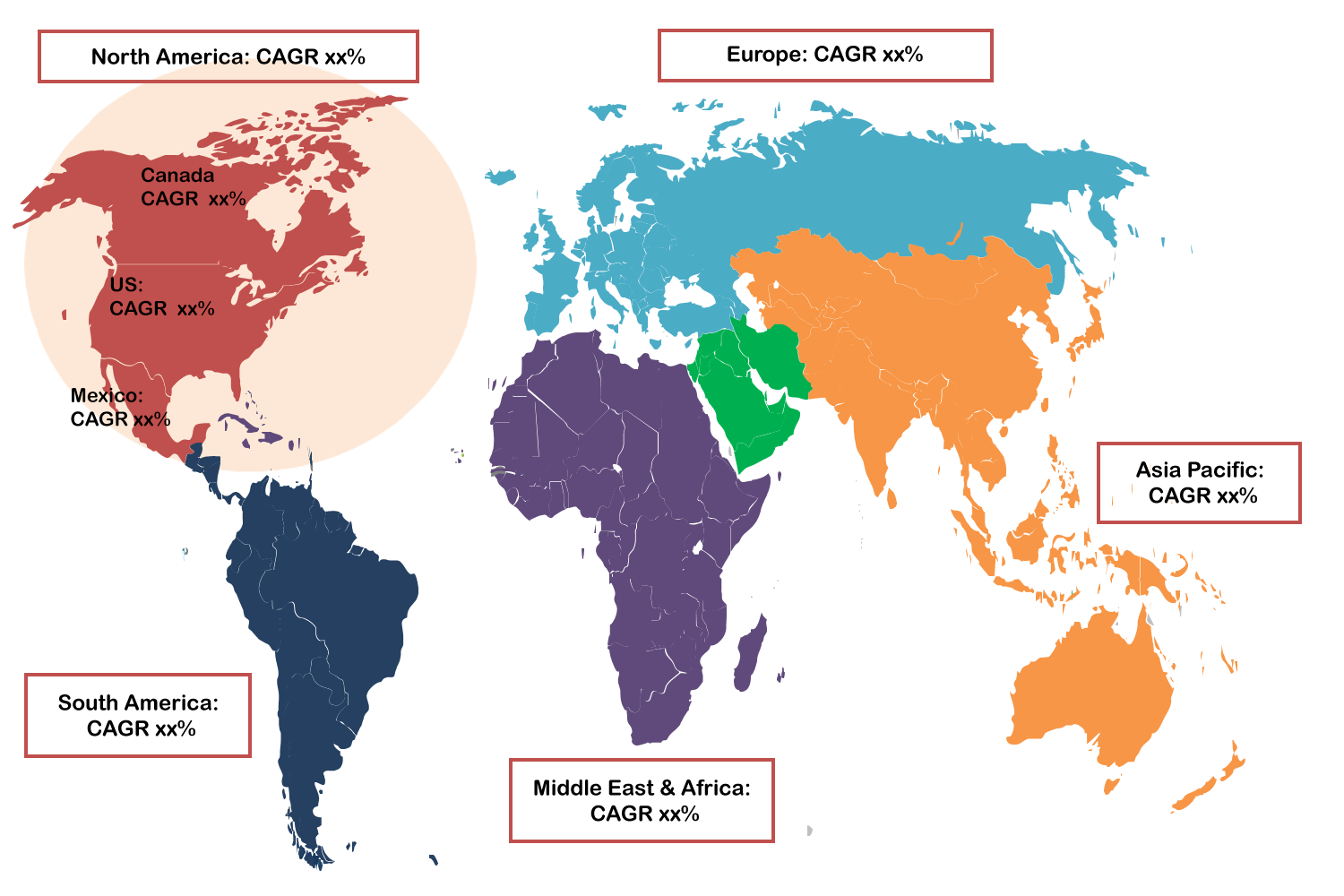
During the forecast period, the Asia Pacific region is expected to hold the largest market share, driven by the rapid expansion of the automotive industry in China, Japan, and South Korea, alongside growing investments in smart mobility technologies. Rising consumer demand for digitally enhanced driving experiences and strong government backing for vehicle innovation further fuel adoption. Additionally, the presence of leading AR hardware suppliers and automakers in the region reinforces Asia Pacific’s leadership, positioning it as the primary revenue contributor.
Region with highest CAGR:
Over the forecast period, the North America region is anticipated to exhibit the highest CAGR attributed to, early technology adoption, robust automotive R&D ecosystems, and strong consumer demand for premium safety features. Leading automakers and tech giants in the U.S. are accelerating the integration of AR-based navigation, driver assistance, and immersive infotainment systems. Moreover, high disposable incomes and regulatory encouragement for ADAS adoption strengthen market penetration, ensuring North America emerges as the fastest-growing region.
Key players in the market
Some of the key players in Automotive Augmented Reality Market include Continental AG, Visteon Corporation, Panasonic Corporation, Robert Bosch GmbH, Denso Corporation, HARMAN International Industries, LG Electronics / LG Display, WayRay AG, Valeo S.A., Nippon Seiki Co., Ltd., Pioneer Corporation, Garmin Ltd., Yazaki Corporation, Texas Instruments, MicroVision, Inc., FICOSA International S.A., CY Vision, Envisics Ltd., and Gestigon.
Key Developments:
In January 2025, Continental AG introduced its next-generation AR Head-Up Display (AR-HUD) powered by advanced waveguide technology, unveiled at CES in Las Vegas. The compact, windshield-integrated system projects intuitive, real-time driving information directly into the driver’s field of vision.
In May 2025, Visteon Corporation introduced its ""SmartAR Cluster,"" a modular digital cockpit solution integrating real-time augmented overlays for speed, navigation, and ADAS warnings, aimed at mass-market hybrid vehicles worldwide.
In May 2025, LG Display launched an Ultra-HD Transparent OLED AR display panel designed for next-generation automotive HUDs, enabling unobstructed windshield projections of contextual driving information and entertainment features.
In March 2025, WayRay AG debuted the ""Deep Reality AR"" embedded system, offering large-scale holographic projections for heads-up displays, with advanced gesture controls and night-mode optimization for luxury vehicles.
Vehicle Types Covered:
• Passenger Cars
• Commercial Vehicles
• Two-Wheelers & Powersports
• Off-Highway & Construction Equipment
Components Covered:
• Hardware
• Software
• Services
Level of Autonomous Drivings Covered:
• Driver Assistance (Level 2)
• Partial Automation (Level 2)
• Conditional Automation (Level 3)
• High Automation (Level 4)
• Full Automation (Level 5)
Technologies Covered:
• Sensor Technology
• Display Technology
Applications Covered:
• Navigation & Route Guidance
• Driver Assistance & Safety Alerts
• Infotainment & Passenger Experience
• Maintenance & Diagnostics
• Training & Simulation
End Users Covered:
• OEMs (Automobile Manufacturers)
• Tier-1 Suppliers & System Integrators
• Fleet Operators & Logistics Companies
• Aftermarket Retailers & Installers
Regions Covered:
• North America
o US
o Canada
o Mexico
• Europe
o Germany
o UK
o Italy
o France
o Spain
o Rest of Europe
• Asia Pacific
o Japan
o China
o India
o Australia
o New Zealand
o South Korea
o Rest of Asia Pacific
• South America
o Argentina
o Brazil
o Chile
o Rest of South America
• Middle East & Africa
o Saudi Arabia
o UAE
o Qatar
o South Africa
o Rest of Middle East & Africa
What our report offers:
- Market share assessments for the regional and country-level segments
- Strategic recommendations for the new entrants
- Covers Market data for the years 2024, 2025, 2026, 2028, and 2032
- Market Trends (Drivers, Constraints, Opportunities, Threats, Challenges, Investment Opportunities, and recommendations)
- Strategic recommendations in key business segments based on the market estimations
- Competitive landscaping mapping the key common trends
- Company profiling with detailed strategies, financials, and recent developments
- Supply chain trends mapping the latest technological advancements
Free Customization Offerings:
All the customers of this report will be entitled to receive one of the following free customization options:
• Company Profiling
o Comprehensive profiling of additional market players (up to 3)
o SWOT Analysis of key players (up to 3)
• Regional Segmentation
o Market estimations, Forecasts and CAGR of any prominent country as per the client's interest (Note: Depends on feasibility check)
• Competitive Benchmarking
o Benchmarking of key players based on product portfolio, geographical presence, and strategic alliances
Table of Contents
1 Executive Summary
2 Preface
2.1 Abstract
2.2 Stake Holders
2.3 Research Scope
2.4 Research Methodology
2.4.1 Data Mining
2.4.2 Data Analysis
2.4.3 Data Validation
2.4.4 Research Approach
2.5 Research Sources
2.5.1 Primary Research Sources
2.5.2 Secondary Research Sources
2.5.3 Assumptions
3 Market Trend Analysis
3.1 Introduction
3.2 Drivers
3.3 Restraints
3.4 Opportunities
3.5 Threats
3.6 Technology Analysis
3.7 Application Analysis
3.8 End User Analysis
3.9 Emerging Markets
3.10 Impact of Covid-19
4 Porters Five Force Analysis
4.1 Bargaining power of suppliers
4.2 Bargaining power of buyers
4.3 Threat of substitutes
4.4 Threat of new entrants
4.5 Competitive rivalry
5 Global Automotive Augmented Reality Market, By Vehicle Type
5.1 Introduction
5.2 Passenger Cars
5.3 Commercial Vehicles
5.4 Two-Wheelers & Powersports
5.5 Off-Highway & Construction Equipment
6 Global Automotive Augmented Reality Market, By Component
6.1 Introduction
6.2 Hardware
6.3 Software
6.4 Services
7 Global Automotive Augmented Reality Market, By Level of Autonomous Driving
7.1 Introduction
7.2 Driver Assistance (Level 1)
7.3 Partial Automation (Level 2)
7.4 Conditional Automation (Level 3)
7.5 High Automation (Level 4)
7.6 Full Automation (Level 5)
8 Global Automotive Augmented Reality Market, By Technology
8.1 Introduction
8.2 Sensor Technology
8.2.1 Camera-Based AR Systems
8.2.2 LiDAR-Based AR Systems
8.2.3 Radar-Based AR Systems
8.2.4 Ultrasonic Sensors
8.2.5 Sensor Fusion
8.3 Display Technology
8.3.1 Head-Up Display (HUD)
8.3.2 Augmented Reality Windshield Displays
8.3.3 Head-Mounted/Helmet Displays
8.3.4 Projection-based & Holographic Displays
8.3.5 Mobile Device-based AR
9 Global Automotive Augmented Reality Market, By Application
9.1 Introduction
9.2 Navigation & Route Guidance
9.3 Driver Assistance & Safety Alerts
9.4 Infotainment & Passenger Experience
9.5 Maintenance & Diagnostics
9.6 Training & Simulation
10 Global Automotive Augmented Reality Market, By End User
10.1 Introduction
10.2 OEMs (Automobile Manufacturers)
10.3 Tier-1 Suppliers & System Integrators
10.4 Fleet Operators & Logistics Companies
10.5 Aftermarket Retailers & Installers
11 Global Automotive Augmented Reality Market, By Geography
11.1 Introduction
11.2 North America
11.2.1 US
11.2.2 Canada
11.2.3 Mexico
11.3 Europe
11.3.1 Germany
11.3.2 UK
11.3.3 Italy
11.3.4 France
11.3.5 Spain
11.3.11 Rest of Europe
11.4 Asia Pacific
11.4.1 Japan
11.4.2 China
11.4.3 India
11.4.4 Australia
11.4.5 New Zealand
11.4.11 South Korea
11.4.7 Rest of Asia Pacific
11.5 South America
11.5.1 Argentina
11.5.2 Brazil
11.5.3 Chile
11.5.4 Rest of South America
11.1 Middle East & Africa
11.11.1 Saudi Arabia
11.11.2 UAE
11.11.3 Qatar
11.11.4 South Africa
11.11.5 Rest of Middle East & Africa
12 Key Developments
12.1 Agreements, Partnerships, Collaborations and Joint Ventures
12.2 Acquisitions & Mergers
12.3 New Product Launch
12.4 Expansions
12.5 Other Key Strategies
13 Company Profiling
13.1 Continental AG
13.2 Visteon Corporation
13.3 Panasonic Corporation
13.4 Robert Bosch GmbH
13.5 Denso Corporation
13.6 HARMAN International Industries
13.7 LG Electronics / LG Display
13.13 WayRay AG
13.9 Valeo S.A.
13.10 Nippon Seiki Co., Ltd.
13.11 Pioneer Corporation
13.12 Garmin Ltd.
13.13 Yazaki Corporation
13.14 Texas Instruments
13.15 MicroVision, Inc.
13.16 FICOSA International S.A.
13.17 CY Vision
13.18 Envisics Ltd.
13.19 Gestigon
List of Tables
1 Global Automotive Augmented Reality Market Outlook, By Region (2024-2032) ($MN)
2 Global Automotive Augmented Reality Market Outlook, By Vehicle Type (2024-2032) ($MN)
3 Global Automotive Augmented Reality Market Outlook, By Passenger Cars (2024-2032) ($MN)
4 Global Automotive Augmented Reality Market Outlook, By Commercial Vehicles (2024-2032) ($MN)
5 Global Automotive Augmented Reality Market Outlook, By Two-Wheelers & Powersports (2024-2032) ($MN)
6 Global Automotive Augmented Reality Market Outlook, By Off-Highway & Construction Equipment (2024-2032) ($MN)
7 Global Automotive Augmented Reality Market Outlook, By Component (2024-2032) ($MN)
8 Global Automotive Augmented Reality Market Outlook, By Hardware (2024-2032) ($MN)
9 Global Automotive Augmented Reality Market Outlook, By Software (2024-2032) ($MN)
10 Global Automotive Augmented Reality Market Outlook, By Services (2024-2032) ($MN)
11 Global Automotive Augmented Reality Market Outlook, By Level of Autonomous Driving (2024-2032) ($MN)
12 Global Automotive Augmented Reality Market Outlook, By Driver Assistance (Level 2) (2024-2032) ($MN)
13 Global Automotive Augmented Reality Market Outlook, By Partial Automation (Level 2) (2024-2032) ($MN)
14 Global Automotive Augmented Reality Market Outlook, By Conditional Automation (Level 3) (2024-2032) ($MN)
15 Global Automotive Augmented Reality Market Outlook, By High Automation (Level 4) (2024-2032) ($MN)
16 Global Automotive Augmented Reality Market Outlook, By Full Automation (Level 5) (2024-2032) ($MN)
17 Global Automotive Augmented Reality Market Outlook, By Technology (2024-2032) ($MN)
18 Global Automotive Augmented Reality Market Outlook, By Sensor Technology (2024-2032) ($MN)
19 Global Automotive Augmented Reality Market Outlook, By Camera-Based AR Systems (2024-2032) ($MN)
20 Global Automotive Augmented Reality Market Outlook, By LiDAR-Based AR Systems (2024-2032) ($MN)
21 Global Automotive Augmented Reality Market Outlook, By Radar-Based AR Systems (2024-2032) ($MN)
22 Global Automotive Augmented Reality Market Outlook, By Ultrasonic Sensors (2024-2032) ($MN)
23 Global Automotive Augmented Reality Market Outlook, By Sensor Fusion (2024-2032) ($MN)
24 Global Automotive Augmented Reality Market Outlook, By Display Technology (2024-2032) ($MN)
25 Global Automotive Augmented Reality Market Outlook, By Head-Up Display (HUD) (2024-2032) ($MN)
26 Global Automotive Augmented Reality Market Outlook, By Augmented Reality Windshield Displays (2024-2032) ($MN)
27 Global Automotive Augmented Reality Market Outlook, By Head-Mounted/Helmet Displays (2024-2032) ($MN)
28 Global Automotive Augmented Reality Market Outlook, By Projection-based & Holographic Displays (2024-2032) ($MN)
29 Global Automotive Augmented Reality Market Outlook, By Mobile Device-based AR (2024-2032) ($MN)
30 Global Automotive Augmented Reality Market Outlook, By Application (2024-2032) ($MN)
31 Global Automotive Augmented Reality Market Outlook, By Navigation & Route Guidance (2024-2032) ($MN)
32 Global Automotive Augmented Reality Market Outlook, By Driver Assistance & Safety Alerts (2024-2032) ($MN)
33 Global Automotive Augmented Reality Market Outlook, By Infotainment & Passenger Experience (2024-2032) ($MN)
34 Global Automotive Augmented Reality Market Outlook, By Maintenance & Diagnostics (2024-2032) ($MN)
35 Global Automotive Augmented Reality Market Outlook, By Training & Simulation (2024-2032) ($MN)
36 Global Automotive Augmented Reality Market Outlook, By End User (2024-2032) ($MN)
37 Global Automotive Augmented Reality Market Outlook, By OEMs (Automobile Manufacturers) (2024-2032) ($MN)
38 Global Automotive Augmented Reality Market Outlook, By Tier-1 Suppliers & System Integrators (2024-2032) ($MN)
39 Global Automotive Augmented Reality Market Outlook, By Fleet Operators & Logistics Companies (2024-2032) ($MN)
40 Global Automotive Augmented Reality Market Outlook, By Aftermarket Retailers & Installers (2024-2032) ($MN)
Note: Tables for North America, Europe, APAC, South America, and Middle East & Africa Regions are also represented in the same manner as above.
List of Figures
RESEARCH METHODOLOGY

We at ‘Stratistics’ opt for an extensive research approach which involves data mining, data validation, and data analysis. The various research sources include in-house repository, secondary research, competitor’s sources, social media research, client internal data, and primary research.
Our team of analysts prefers the most reliable and authenticated data sources in order to perform the comprehensive literature search. With access to most of the authenticated data bases our team highly considers the best mix of information through various sources to obtain extensive and accurate analysis.
Each report takes an average time of a month and a team of 4 industry analysts. The time may vary depending on the scope and data availability of the desired market report. The various parameters used in the market assessment are standardized in order to enhance the data accuracy.
Data Mining
The data is collected from several authenticated, reliable, paid and unpaid sources and is filtered depending on the scope & objective of the research. Our reports repository acts as an added advantage in this procedure. Data gathering from the raw material suppliers, distributors and the manufacturers is performed on a regular basis, this helps in the comprehensive understanding of the products value chain. Apart from the above mentioned sources the data is also collected from the industry consultants to ensure the objective of the study is in the right direction.
Market trends such as technological advancements, regulatory affairs, market dynamics (Drivers, Restraints, Opportunities and Challenges) are obtained from scientific journals, market related national & international associations and organizations.
Data Analysis
From the data that is collected depending on the scope & objective of the research the data is subjected for the analysis. The critical steps that we follow for the data analysis include:
- Product Lifecycle Analysis
- Competitor analysis
- Risk analysis
- Porters Analysis
- PESTEL Analysis
- SWOT Analysis
The data engineering is performed by the core industry experts considering both the Marketing Mix Modeling and the Demand Forecasting. The marketing mix modeling makes use of multiple-regression techniques to predict the optimal mix of marketing variables. Regression factor is based on a number of variables and how they relate to an outcome such as sales or profits.
Data Validation
The data validation is performed by the exhaustive primary research from the expert interviews. This includes telephonic interviews, focus groups, face to face interviews, and questionnaires to validate our research from all aspects. The industry experts we approach come from the leading firms, involved in the supply chain ranging from the suppliers, distributors to the manufacturers and consumers so as to ensure an unbiased analysis.
We are in touch with more than 15,000 industry experts with the right mix of consultants, CEO's, presidents, vice presidents, managers, experts from both supply side and demand side, executives and so on.
The data validation involves the primary research from the industry experts belonging to:
- Leading Companies
- Suppliers & Distributors
- Manufacturers
- Consumers
- Industry/Strategic Consultants
Apart from the data validation the primary research also helps in performing the fill gap research, i.e. providing solutions for the unmet needs of the research which helps in enhancing the reports quality.
For more details about research methodology, kindly write to us at info@strategymrc.com
Frequently Asked Questions
In case of any queries regarding this report, you can contact the customer service by filing the “Inquiry Before Buy” form available on the right hand side. You may also contact us through email: info@strategymrc.com or phone: +1-301-202-5929
Yes, the samples are available for all the published reports. You can request them by filling the “Request Sample” option available in this page.
Yes, you can request a sample with your specific requirements. All the customized samples will be provided as per the requirement with the real data masked.
All our reports are available in Digital PDF format. In case if you require them in any other formats, such as PPT, Excel etc you can submit a request through “Inquiry Before Buy” form available on the right hand side. You may also contact us through email: info@strategymrc.com or phone: +1-301-202-5929
We offer a free 15% customization with every purchase. This requirement can be fulfilled for both pre and post sale. You may send your customization requirements through email at info@strategymrc.com or call us on +1-301-202-5929.
We have 3 different licensing options available in electronic format.
- Single User Licence: Allows one person, typically the buyer, to have access to the ordered product. The ordered product cannot be distributed to anyone else.
- 2-5 User Licence: Allows the ordered product to be shared among a maximum of 5 people within your organisation.
- Corporate License: Allows the product to be shared among all employees of your organisation regardless of their geographical location.
All our reports are typically be emailed to you as an attachment.
To order any available report you need to register on our website. The payment can be made either through CCAvenue or PayPal payments gateways which accept all international cards.
We extend our support to 6 months post sale. A post sale customization is also provided to cover your unmet needs in the report.
Request Customization
We offer complimentary customization of up to 15% with every purchase. To share your customization requirements, feel free to email us at info@strategymrc.com or call us on +1-301-202-5929. .
Please Note: Customization within the 15% threshold is entirely free of charge. If your request exceeds this limit, we will conduct a feasibility assessment. Following that, a detailed quote and timeline will be provided.
WHY CHOOSE US ?

Assured Quality
Best in class reports with high standard of research integrity

24X7 Research Support
Continuous support to ensure the best customer experience.

Free Customization
Adding more values to your product of interest.

Safe & Secure Access
Providing a secured environment for all online transactions.

Trusted by 600+ Brands
Serving the most reputed brands across the world.
