
Automotive Gesture Recognition Market
Automotive Gesture Recognition Market Forecasts to 2034 – Global Analysis By Sensing Technology (Camera-Based Recognition, Infrared and Time-of-Flight Sensing, Radar-Based Gesture Sensing, and Touchless Multimodal Sensing), Gesture Type, Vehicle Application, and By Geography

Market Dynamics:
Driver:
Cabin sensing creates opportunities for additional interaction
Vehicles already equipped with interior cameras or depth sensing may be able to support selected gestures without introducing a completely separate sensing installation. This creates an incentive to explore simple commands that fit naturally into a particular cabin layout. Passengers can also use touchless interaction where a screen or control is inconvenient to reach. Demand is strongest when the function solves a clear access or usability problem. Manufacturers have less reason to adopt a large gesture vocabulary that occupants must memorize, so practical interaction design and reliable intent detection matter as much as the underlying recognition accuracy.
Restraint:
Recognizing a movement is easier than interpreting its intent
An occupant may point, adjust clothing or speak with their hands without intending to operate the vehicle. Distinguishing these actions from commands becomes harder with multiple people, changing seating positions and partial occlusion. Lighting variations and reflective surfaces can add difficulty for optical systems, while radar-based recognition faces its own classification challenges. A high demonstration success rate may therefore fail to capture the inconvenience of unwanted activations. Manufacturers must invest in context rules, cancellation behavior and user feedback, adding development work before gesture interaction can be accepted as a dependable everyday feature.
Opportunity:
Small, context-aware gesture sets can support accessible cabins
Opportunities are strongest in a limited set of intuitive interactions whose meaning is clear in the current context. A passenger-facing media function or an adjustable comfort zone can benefit from proximity and gesture input without requiring the driver to navigate a complicated menu. Combining gesture recognition with voice or touch can also give occupants a choice suited to their abilities and circumstances. Local processing offers a route to responsive operation without depending on a network connection. Suppliers that package sensing, interaction guidance and usable software tools can help automakers create consistent experiences across different seating arrangements.
Threat:
Unconvincing user experience can lead to feature removal
Gesture control competes with familiar buttons, responsive touchscreens and improving voice interfaces. If occupants find it unreliable, tiring or difficult to discover, the feature can remain unused despite technically capable sensing hardware. False activation may damage trust more quickly than occasional missed commands. Automakers under cost pressure could then omit gesture software or stop promoting it as a differentiator. The commercial threat is consequently behavioral as well as technological: suppliers must show that people repeatedly choose the interaction in real driving and passenger situations, while respecting limits on attention, privacy and unnecessary complexity.
Covid-19 Impact:
The pandemic increased attention to shared touch surfaces, giving touchless interfaces additional visibility in vehicle concepts and mobility services. That interest did not by itself establish gesture control as a mainstream automotive feature. Interior sensing programs still faced limited access to test vehicles and fewer opportunities for in-person usability studies with varied occupants. Developers could refine algorithms remotely, but practical evaluation of reach, lighting and unintended movements required representative cabin conditions. Subsequent demand depended on sustained convenience and reliable interaction, rather than solely on concerns about contact with a shared screen or switch.
The Camera-Based Recognition segment is expected to be the largest during the forecast period
Camera-Based Recognition is expected to hold the largest share because image-based systems can use established cabin imaging hardware and a substantial software development ecosystem. Cameras provide detailed observations of hands and occupants, supporting the interpretation of different movements within a defined interaction area. Their expected position also reflects the possibility of sharing hardware with other interior functions. This does not remove challenges involving occlusion, illumination or privacy. Manufacturers will prefer implementations that limit processing demands and avoid adding complexity to safety-related sensing, while delivering a small set of gestures that users can understand and invoke consistently.
The Touchless Multimodal Sensing segment is expected to have the highest CAGR during the forecast period
Touchless Multimodal Sensing is anticipated to experience the highest growth as manufacturers combine complementary observations to improve interaction reliability. Depth, image, proximity or radar information can help determine who is acting and whether a movement belongs to an intended command. Linking these observations with voice or interface state can further reduce ambiguity. Growth will depend on achieving useful improvements without excessive hardware and software cost. The appeal is a more coherent cabin interface rather than a proliferation of independent input methods, making integration quality and consistent feedback central to the expansion of this segment.
Region with largest share:
Europe is expected to account for the largest share through its premium-vehicle development base and established interest in sophisticated cabin interfaces. Vehicle manufacturers and interior-system suppliers can work together on sensing placement, materials and interaction behavior early in platform design. This supports carefully integrated features rather than stand-alone recognition demonstrations. The anticipated lead should be understood as a qualitative outlook, since gesture functions vary considerably in scope and availability. Adoption will remain selective where physical controls or voice provide a clearer user benefit, while passenger-oriented applications offer additional room for useful experimentation.
Region with highest CAGR:
Asia Pacific is anticipated to register the highest growth as connected and electric-vehicle developers introduce varied cabin layouts and pursue distinctive digital experiences. The region’s electronics ecosystem can support compact sensing modules and local processing hardware, while large vehicle programs provide opportunities to refine cost. Demand should be strongest where gesture interaction complements existing interior sensing and serves clearly defined comfort or entertainment tasks. Growth is not assured by the number of screens or sensors alone. Manufacturers must establish that the selected interactions remain understandable across languages, user preferences and different passenger arrangements.
Key players in the market
Some of the key players in the Automotive Gesture Recognition Market include AUMOVIO SE, Robert Bosch GmbH, Valeo SE, Aptiv PLC, Magna International Inc., DENSO Corporation, Panasonic Automotive Systems Co., Ltd., HARMAN International Industries, Inc., Forvia SE, Marelli Holdings Co., Ltd., Visteon Corporation, Cerence Inc., Immersion Corporation, Synaptics Incorporated, and TactoTek Oy.
Key Developments:
In June 2026, Arm published a developer demonstration of touchless infotainment using gesture recognition on an Ethos-U neural processing platform. The example showed a route to local inference for cabin commands. It was a technical prototype and software-development resource, rather than evidence of a production vehicle installation.
In October 2025, Sony announced the IMX775 RGB-IR image sensor for in-cabin applications. This development in the parent automotive imaging market broadened the component options for observing occupants under different lighting conditions, providing relevant enabling technology for cabin interaction developers without announcing a dedicated gesture-control vehicle program.
In May 2025, Infineon and pmd technologies highlighted their collaboration on REAL3 time-of-flight sensing for automotive interiors. The supported use cases included gesture recognition alongside occupant and driver-related applications. The announcement emphasized shared depth-sensing capabilities rather than identifying a new automaker’s production launch of a gesture-controlled interface.
Sensing Technologies Covered:
• Camera-Based Recognition
• Infrared and Time-of-Flight Sensing
• Radar-Based Gesture Sensing
• Touchless Multimodal Sensing
Gesture Types Covered:
• Hand and Finger Gestures
• Arm and Body Gestures
• Air-Writing and Proximity Gestures
Vehicle Applications Covered:
• Infotainment and Media Control
• HVAC and Comfort Control
• Navigation and Communication
• Driver Monitoring and Safety
Regions Covered:
• North America
o United States
o Canada
o Mexico
• Europe
o United Kingdom
o Germany
o France
o Italy
o Spain
o Netherlands
o Belgium
o Sweden
o Switzerland
o Poland
o Rest of Europe
• Asia Pacific
o China
o Japan
o India
o South Korea
o Australia
o Indonesia
o Thailand
o Malaysia
o Singapore
o Vietnam
o Rest of Asia Pacific
• South America
o Brazil
o Argentina
o Colombia
o Chile
o Peru
o Rest of South America
• Rest of the World (RoW)
o Middle East
▪ Saudi Arabia
▪ United Arab Emirates
▪ Qatar
▪ Israel
▪ Rest of Middle East
o Africa
▪ South Africa
▪ Egypt
▪ Morocco
▪ Rest of Africa
What our report offers:
- Market share assessments for the regional and country-level segments
- Strategic recommendations for the new entrants
- Covers Market data for the years 2023, 2024, 2025, 2026, 2027, 2028, 2030, 2032 and 2034
- Market Trends (Drivers, Constraints, Opportunities, Threats, Challenges, Investment Opportunities, and recommendations)
- Strategic recommendations in key business segments based on the market estimations
- Competitive landscaping mapping the key common trends
- Company profiling with detailed strategies, financials, and recent developments
- Supply chain trends mapping the latest technological advancements
Free Customization Offerings:
All the customers of this report will be entitled to receive one of the following free customization options:
• Company Profiling
o Comprehensive profiling of additional market players (up to 3)
o SWOT Analysis of key players (up to 3)
• Regional Segmentation
o Market estimations, Forecasts and CAGR of any prominent country as per the client's interest (Note: Depends on feasibility check)
• Competitive Benchmarking
o Benchmarking of key players based on product portfolio, geographical presence, and strategic alliances
Table of Contents
1 Executive Summary1.1 Market Snapshot and Key Highlights
1.2 Growth Drivers, Challenges, and Opportunities
1.3 Competitive Landscape Overview
1.4 Strategic Insights and Recommendations
2 Research Framework
2.1 Study Objectives and Scope
2.2 Stakeholder Analysis
2.3 Research Assumptions and Limitations
2.4 Research Methodology
2.4.1 Data Collection (Primary and Secondary)
2.4.2 Data Modeling and Estimation Techniques
2.4.3 Data Validation and Triangulation
2.4.4 Analytical and Forecasting Approach
3 Market Dynamics and Trend Analysis
3.1 Market Definition and Structure
3.2 Key Market Drivers
3.3 Market Restraints and Challenges
3.4 Growth Opportunities and Investment Hotspots
3.5 Industry Threats and Risk Assessment
3.6 Technology and Innovation Landscape
3.7 Emerging and High-Growth Markets
3.8 Regulatory and Policy Environment
3.9 Impact of COVID-19 and Recovery Outlook
4 Competitive and Strategic Assessment
4.1 Porter's Five Forces Analysis
4.1.1 Supplier Bargaining Power
4.1.2 Buyer Bargaining Power
4.1.3 Threat of Substitutes
4.1.4 Threat of New Entrants
4.1.5 Competitive Rivalry
4.2 Market Share Analysis of Key Players
4.3 Product Benchmarking and Performance Comparison
5 Global Automotive Gesture Recognition Market, By Sensing Technology
5.1 Camera-Based Recognition
5.2 Infrared and Time-of-Flight Sensing
5.3 Radar-Based Gesture Sensing
5.4 Touchless Multimodal Sensing
6 Global Automotive Gesture Recognition Market, By Gesture Type
6.1 Hand and Finger Gestures
6.2 Arm and Body Gestures
6.3 Air-Writing and Proximity Gestures
7 Global Automotive Gesture Recognition Market, By Vehicle Application
7.1 Infotainment and Media Control
7.2 HVAC and Comfort Control
7.3 Navigation and Communication
7.4 Driver Monitoring and Safety
8 Global Automotive Gesture Recognition Market, By Geography
8.1 North America
8.1.1 United States
8.1.2 Canada
8.1.3 Mexico
8.2 Europe
8.2.1 United Kingdom
8.2.2 Germany
8.2.3 France
8.2.4 Italy
8.2.5 Spain
8.2.6 Netherlands
8.2.7 Belgium
8.2.8 Sweden
8.2.9 Switzerland
8.2.10 Poland
8.2.11 Rest of Europe
8.3 Asia Pacific
8.3.1 China
8.3.2 Japan
8.3.3 India
8.3.4 South Korea
8.3.5 Australia
8.3.6 Indonesia
8.3.7 Thailand
8.3.8 Malaysia
8.3.9 Singapore
8.3.10 Vietnam
8.3.11 Rest of Asia Pacific
8.4 South America
8.4.1 Brazil
8.4.2 Argentina
8.4.3 Colombia
8.4.4 Chile
8.4.5 Peru
8.4.6 Rest of South America
8.5 Rest of the World (RoW)
8.5.1 Middle East
8.5.1.1 Saudi Arabia
8.5.1.2 United Arab Emirates
8.5.1.3 Qatar
8.5.1.4 Israel
8.5.1.5 Rest of Middle East
8.5.2 Africa
8.5.2.1 South Africa
8.5.2.2 Egypt
8.5.2.3 Morocco
8.5.2.4 Rest of Africa
9 Strategic Market Intelligence
9.1 Industry Value Network and Supply Chain Assessment
9.2 White-Space and Opportunity Mapping
9.3 Product Evolution and Market Life Cycle Analysis
9.4 Channel, Distributor, and Go-to-Market Assessment
10 Industry Developments and Strategic Initiatives
10.1 Mergers and Acquisitions
10.2 Partnerships, Alliances, and Joint Ventures
10.3 New Product Launches and Certifications
10.4 Capacity Expansion and Investments
10.5 Other Strategic Initiatives
11 Company Profiles
11.1 AUMOVIO SE
11.2 Robert Bosch GmbH
11.3 Valeo SE
11.4 Aptiv PLC
11.5 Magna International Inc.
11.6 DENSO Corporation
11.7 Panasonic Automotive Systems Co., Ltd.
11.8 HARMAN International Industries, Inc.
11.9 Forvia SE
11.10 Marelli Holdings Co., Ltd.
11.11 Visteon Corporation
11.12 Cerence Inc.
11.13 Immersion Corporation
11.14 Synaptics Incorporated
11.15 TactoTek Oy
List of Tables
1 Global Automotive Gesture Recognition Market Outlook, By Region (2023–2034) ($MN)
2 Global Automotive Gesture Recognition Market Outlook, By Sensing Technology (2023–2034) ($MN)
3 Global Automotive Gesture Recognition Market Outlook, By Camera-Based Recognition (2023–2034) ($MN)
4 Global Automotive Gesture Recognition Market Outlook, By Infrared and Time-of-Flight Sensing (2023–2034) ($MN)
5 Global Automotive Gesture Recognition Market Outlook, By Radar-Based Gesture Sensing (2023–2034) ($MN)
6 Global Automotive Gesture Recognition Market Outlook, By Touchless Multimodal Sensing (2023–2034) ($MN)
7 Global Automotive Gesture Recognition Market Outlook, By Gesture Type (2023–2034) ($MN)
8 Global Automotive Gesture Recognition Market Outlook, By Hand and Finger Gestures (2023–2034) ($MN)
9 Global Automotive Gesture Recognition Market Outlook, By Arm and Body Gestures (2023–2034) ($MN)
10 Global Automotive Gesture Recognition Market Outlook, By Air-Writing and Proximity Gestures (2023–2034) ($MN)
11 Global Automotive Gesture Recognition Market Outlook, By Vehicle Application (2023–2034) ($MN)
12 Global Automotive Gesture Recognition Market Outlook, By Infotainment and Media Control (2023–2034) ($MN)
13 Global Automotive Gesture Recognition Market Outlook, By HVAC and Comfort Control (2023–2034) ($MN)
14 Global Automotive Gesture Recognition Market Outlook, By Navigation and Communication (2023–2034) ($MN)
15 Global Automotive Gesture Recognition Market Outlook, By Driver Monitoring and Safety (2023–2034) ($MN)
Note: Tables for North America, Europe, APAC, South America, and Rest of the World (RoW) Regions are also represented in the same manner as above.
List of Figures
RESEARCH METHODOLOGY
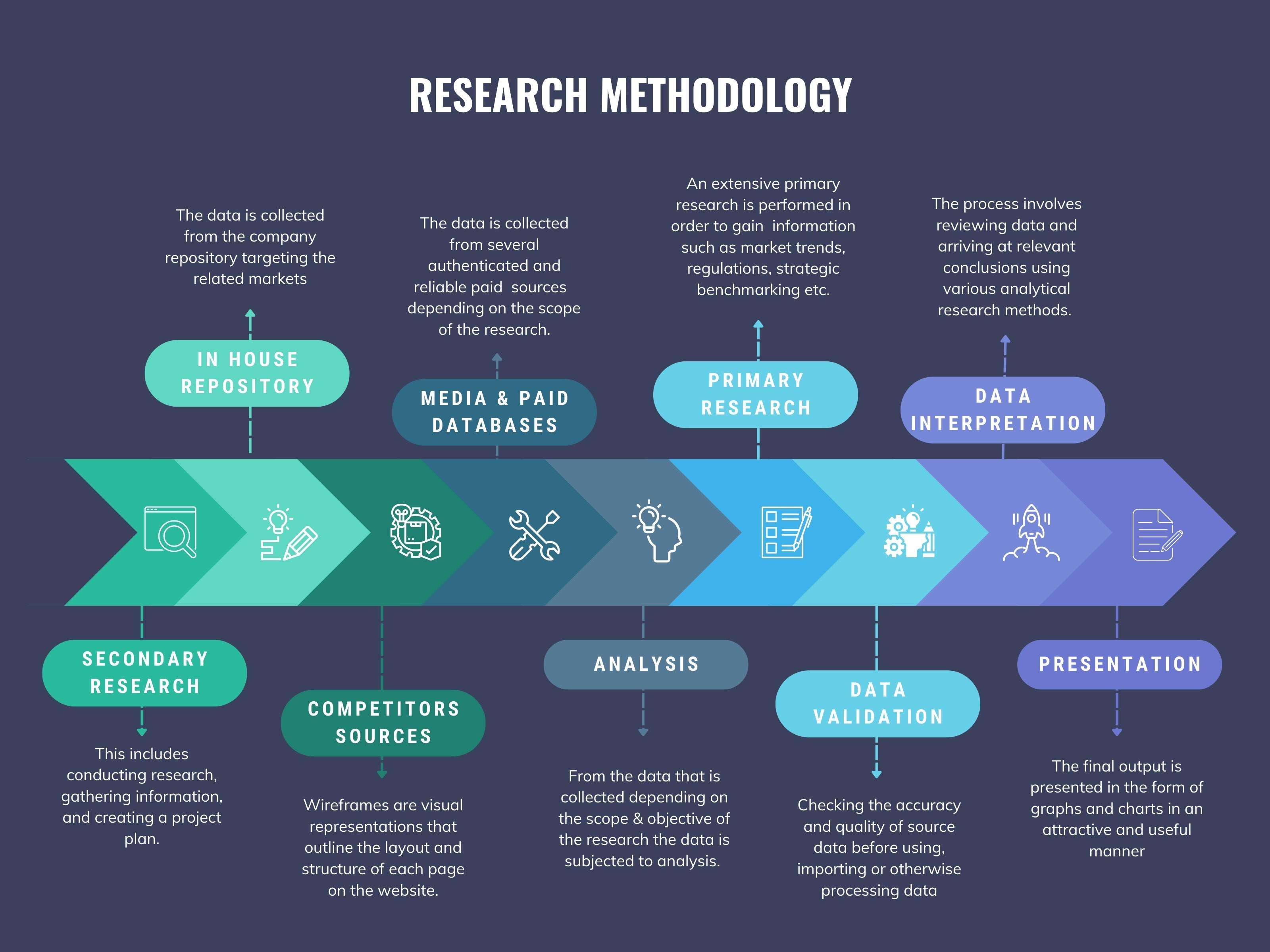
We at ‘Stratistics’ opt for an extensive research approach which involves data mining, data validation, and data analysis. The various research sources include in-house repository, secondary research, competitor’s sources, social media research, client internal data, and primary research.
Our team of analysts prefers the most reliable and authenticated data sources in order to perform the comprehensive literature search. With access to most of the authenticated data bases our team highly considers the best mix of information through various sources to obtain extensive and accurate analysis.
Each report takes an average time of a month and a team of 4 industry analysts. The time may vary depending on the scope and data availability of the desired market report. The various parameters used in the market assessment are standardized in order to enhance the data accuracy.
Data Mining
The data is collected from several authenticated, reliable, paid and unpaid sources and is filtered depending on the scope & objective of the research. Our reports repository acts as an added advantage in this procedure. Data gathering from the raw material suppliers, distributors and the manufacturers is performed on a regular basis, this helps in the comprehensive understanding of the products value chain. Apart from the above mentioned sources the data is also collected from the industry consultants to ensure the objective of the study is in the right direction.
Market trends such as technological advancements, regulatory affairs, market dynamics (Drivers, Restraints, Opportunities and Challenges) are obtained from scientific journals, market related national & international associations and organizations.
Data Analysis
From the data that is collected depending on the scope & objective of the research the data is subjected for the analysis. The critical steps that we follow for the data analysis include:
- Product Lifecycle Analysis
- Competitor analysis
- Risk analysis
- Porters Analysis
- PESTEL Analysis
- SWOT Analysis
The data engineering is performed by the core industry experts considering both the Marketing Mix Modeling and the Demand Forecasting. The marketing mix modeling makes use of multiple-regression techniques to predict the optimal mix of marketing variables. Regression factor is based on a number of variables and how they relate to an outcome such as sales or profits.
Data Validation
The data validation is performed by the exhaustive primary research from the expert interviews. This includes telephonic interviews, focus groups, face to face interviews, and questionnaires to validate our research from all aspects. The industry experts we approach come from the leading firms, involved in the supply chain ranging from the suppliers, distributors to the manufacturers and consumers so as to ensure an unbiased analysis.
We are in touch with more than 15,000 industry experts with the right mix of consultants, CEO's, presidents, vice presidents, managers, experts from both supply side and demand side, executives and so on.
The data validation involves the primary research from the industry experts belonging to:
- Leading Companies
- Suppliers & Distributors
- Manufacturers
- Consumers
- Industry/Strategic Consultants
Apart from the data validation the primary research also helps in performing the fill gap research, i.e. providing solutions for the unmet needs of the research which helps in enhancing the reports quality.
For more details about research methodology, kindly write to us at info@strategymrc.com
Frequently Asked Questions
In case of any queries regarding this report, you can contact the customer service by filing the “Inquiry Before Buy” form available on the right hand side. You may also contact us through email: info@strategymrc.com or phone: +1-301-202-5929
Yes, the samples are available for all the published reports. You can request them by filling the “Request Sample” option available in this page.
Yes, you can request a sample with your specific requirements. All the customized samples will be provided as per the requirement with the real data masked.
All our reports are available in Digital PDF format. In case if you require them in any other formats, such as PPT, Excel etc you can submit a request through “Inquiry Before Buy” form available on the right hand side. You may also contact us through email: info@strategymrc.com or phone: +1-301-202-5929
We offer a free 15% customization with every purchase. This requirement can be fulfilled for both pre and post sale. You may send your customization requirements through email at info@strategymrc.com or call us on +1-301-202-5929.
We have 3 different licensing options available in electronic format.
- Single User Licence: Allows one person, typically the buyer, to have access to the ordered product. The ordered product cannot be distributed to anyone else.
- 2-5 User Licence: Allows the ordered product to be shared among a maximum of 5 people within your organisation.
- Corporate License: Allows the product to be shared among all employees of your organisation regardless of their geographical location.
All our reports are typically be emailed to you as an attachment.
To order any available report you need to register on our website. The payment can be made either through CCAvenue or PayPal payments gateways which accept all international cards.
We extend our support to 6 months post sale. A post sale customization is also provided to cover your unmet needs in the report.
Request Customization
We offer complimentary customization of up to 15% with every purchase. To share your customization requirements, feel free to email us at info@strategymrc.com or call us on +1-301-202-5929. .
Please Note: Customization within the 15% threshold is entirely free of charge. If your request exceeds this limit, we will conduct a feasibility assessment. Following that, a detailed quote and timeline will be provided.
WHY CHOOSE US ?

Assured Quality
Best in class reports with high standard of research integrity

24X7 Research Support
Continuous support to ensure the best customer experience.

Free Customization
Adding more values to your product of interest.

Safe & Secure Access
Providing a secured environment for all online transactions.

Trusted by 600+ Brands
Serving the most reputed brands across the world.