
Automotive Oxygen Sensor Market
Automotive Oxygen Sensor Market Forecasts to 2034 – Global Analysis By Sensor Position (Upstream Control Sensors, Downstream Diagnostic Sensors, and Wideband Air-Fuel Ratio Sensors), Sensor Technology, Engine and Fuel, and By Geography

Market Dynamics:
Driver:
Accurate mixture feedback supports efficient engine operation
An engine controller needs useful feedback about combustion conditions as speed, load and temperature change. Oxygen sensors provide part of that information, helping the control system adjust the air-fuel mixture and maintain the conditions needed by exhaust treatment. Their role supports ongoing demand in vehicles that retain combustion engines, including hybrids. Replacement requirements add a second source of business as sensors age or become contaminated. Suppliers compete on reliable operation and application coverage because an unsuitable sensor can affect the behavior of the wider engine-management system even when its physical dimensions appear correct.
Restraint:
Vehicle-specific compatibility complicates replacement supply
Oxygen sensors vary in measurement principle, heater control, response characteristics and electronic interface. An apparently similar part may therefore be inappropriate for a particular engine or sensor position. Contamination and faults elsewhere in the powertrain can also produce symptoms that resemble sensor failure. These factors make catalog accuracy and diagnosis important constraints on the market. Manufacturers must qualify the assembly for its intended environment, while aftermarket suppliers need clear application information and dependable distribution. Price competition can become problematic when buyers focus on physical fit alone and overlook the calibration or operating characteristics required by the vehicle.
Opportunity:
Hybrid operation creates a case for carefully matched sensor designs
Hybrid powertrains retain a combustion engine but may operate it intermittently, creating different thermal and control demands from continuous engine use. Sensors suited to repeated transitions and effective readiness can support these applications when integrated with the vehicle’s management strategy. There is also room to expand replacement coverage for a diverse installed fleet, particularly through accurate wideband and switching-sensor identification. Suppliers can build value through technical support that helps workshops distinguish an oxygen-sensor fault from an underlying mixture, wiring or catalyst problem. This combines product development with a more dependable service proposition.
Threat:
Electrification reduces new exhaust-sensor opportunities
As battery-electric vehicles replace some combustion-engine sales, the original-equipment requirement for exhaust oxygen sensing declines in those applications. The existing fleet and hybrid production provide continuing demand, but they do not guarantee that every supplier’s historical volume will be preserved. Competitive pressure may intensify as manufacturers pursue fewer new engine programs and seek lower component costs. Businesses must balance investment in improved sensor performance with realistic expectations for their addressable powertrain base. Strong aftermarket coverage can help, although it also requires careful inventory management as vehicle populations age and application demand gradually changes.
Covid-19 Impact:
The pandemic affected oxygen-sensor demand through vehicle production stoppages, uneven repair activity and disruption to component supply. Original-equipment suppliers faced changing assembly schedules, while aftermarket businesses had to maintain coverage across many applications despite uncertain workshop demand. Reduced vehicle use in some periods could postpone service, but it did not remove the need to repair a faulty engine-management system when a vehicle returned to operation. The recovery therefore differed between production and replacement channels. Reliable availability, application data and coordination with distributors became important in restoring normal service alongside resumed vehicle manufacturing.
The Upstream Control Sensors segment is expected to be the largest during the forecast period
Upstream Control Sensors are expected to hold the largest share because their position provides direct feedback for the engine’s mixture-control strategy. This makes them central to a broad range of combustion-engine applications and creates a substantial replacement requirement over the vehicle lifecycle. Their anticipated lead does not imply that all upstream units use the same sensing principle. Switching or wideband designs are selected according to the control task and engine architecture. Suppliers that maintain accurate application coverage and consistent response characteristics are therefore well placed to serve both vehicle manufacturers and repair channels requiring dependable control feedback.
The Wideband Air-Fuel Ratio Sensors segment is expected to have the highest CAGR during the forecast period
Wideband Air-Fuel Ratio Sensors are anticipated to record the highest growth as engine-management systems require useful mixture information across a broader operating range. This supports more detailed control than a simple rich-or-lean indication in applications designed to use it. Growth should follow the powertrain programs that retain combustion engines and justify the additional sensing capability, including selected hybrid designs. The segment remains dependent on matched electronics and calibration, making interchangeability limited. Suppliers can benefit by expanding qualified coverage and helping service channels correctly identify wideband applications rather than substituting a sensor solely on connector appearance.
Region with largest share:
Asia Pacific is expected to account for the largest share because of its extensive vehicle and engine production base and the continuing diversity of combustion and hybrid applications. Large installed fleets also support replacement demand across many sensor types. Regional manufacturers can supply both local programs and international automotive customers, while distributors serve varied service requirements. The anticipated position reflects the scale of relevant powertrains rather than total vehicle sales alone. Future demand will depend on each market’s mix of battery-electric, hybrid and conventional vehicles, requiring suppliers to align capacity and catalog development with changing application needs.
Region with highest CAGR:
Rest of the World (RoW) is projected to experience the highest growth from a smaller base as vehicle fleets and organized replacement channels develop across diverse markets. Many applications continue to rely on combustion engines, supporting demand for correctly matched oxygen sensors as vehicles require maintenance. Growth opportunities may arise from better parts availability, improved diagnostic capability and broader distribution rather than from advanced new-engine programs alone. The region is heterogeneous, so operating conditions and vehicle age vary considerably. Suppliers that provide durable products, clear fitment data and practical technical support can address these differences more effectively.
Key players in the market
Some of the key players in the Automotive Oxygen Sensor Market include Robert Bosch GmbH, DENSO Corporation, AUMOVIO SE, HELLA GmbH & Co. KGaA, Aptiv PLC, Valeo SE, Sensata Technologies, Inc., TE Connectivity Ltd., Infineon Technologies AG, NXP Semiconductors N.V., Texas Instruments Incorporated, Niterra Co., Ltd., Honeywell International Inc., Figaro Engineering Inc., and TDK Corporation.
Key Developments:
In October 2026, DENSO announced that it and Niterra had agreed not to proceed with the previously signed transfer of DENSO’s spark-plug and exhaust-gas-sensor business. The affected sensor activities included oxygen and air-fuel-ratio sensors. The decision reversed the planned transaction rather than confirming a completed acquisition.
In November 2025, Niterra reported 52 additions to its NTK oxygen-sensor range during the year, covering both switching and wideband products. The total included 16 references released in late October. The update expanded aftermarket application coverage and should not be read as a single November launch of all 52 components.
In April 2024, the Council of the European Union adopted Euro 7. This parent automotive emissions-control development updated the regulatory context for engine and aftertreatment systems, supporting continued attention to durable sensing and control without specifying one oxygen-sensor architecture.
Sensor Positions Covered:
• Upstream Control Sensors
• Downstream Diagnostic Sensors
• Wideband Air-Fuel Ratio Sensors
Sensor Technologies Covered:
• Zirconia Switching Sensors
• Wideband Planar Sensors
• Titania and Other Sensor Technologies
Engines and Fuels Covered:
• Gasoline Engines
• Diesel and Lean-Burn Engines
• Hybrid Powertrains
Regions Covered:
• North America
o United States
o Canada
o Mexico
• Europe
o United Kingdom
o Germany
o France
o Italy
o Spain
o Netherlands
o Belgium
o Sweden
o Switzerland
o Poland
o Rest of Europe
• Asia Pacific
o China
o Japan
o India
o South Korea
o Australia
o Indonesia
o Thailand
o Malaysia
o Singapore
o Vietnam
o Rest of Asia Pacific
• South America
o Brazil
o Argentina
o Colombia
o Chile
o Peru
o Rest of South America
• Rest of the World (RoW)
o Middle East
▪ Saudi Arabia
▪ United Arab Emirates
▪ Qatar
▪ Israel
▪ Rest of Middle East
o Africa
▪ South Africa
▪ Egypt
▪ Morocco
▪ Rest of Africa
What our report offers:
- Market share assessments for the regional and country-level segments
- Strategic recommendations for the new entrants
- Covers Market data for the years 2023, 2024, 2025, 2026, 2027, 2028, 2030, 2032 and 2034
- Market Trends (Drivers, Constraints, Opportunities, Threats, Challenges, Investment Opportunities, and recommendations)
- Strategic recommendations in key business segments based on the market estimations
- Competitive landscaping mapping the key common trends
- Company profiling with detailed strategies, financials, and recent developments
- Supply chain trends mapping the latest technological advancements
Free Customization Offerings:
All the customers of this report will be entitled to receive one of the following free customization options:
• Company Profiling
o Comprehensive profiling of additional market players (up to 3)
o SWOT Analysis of key players (up to 3)
• Regional Segmentation
o Market estimations, Forecasts and CAGR of any prominent country as per the client's interest (Note: Depends on feasibility check)
• Competitive Benchmarking
o Benchmarking of key players based on product portfolio, geographical presence, and strategic alliances
Table of Contents
1 Executive Summary1.1 Market Snapshot and Key Highlights
1.2 Growth Drivers, Challenges, and Opportunities
1.3 Competitive Landscape Overview
1.4 Strategic Insights and Recommendations
2 Research Framework
2.1 Study Objectives and Scope
2.2 Stakeholder Analysis
2.3 Research Assumptions and Limitations
2.4 Research Methodology
2.4.1 Data Collection (Primary and Secondary)
2.4.2 Data Modeling and Estimation Techniques
2.4.3 Data Validation and Triangulation
2.4.4 Analytical and Forecasting Approach
3 Market Dynamics and Trend Analysis
3.1 Market Definition and Structure
3.2 Key Market Drivers
3.3 Market Restraints and Challenges
3.4 Growth Opportunities and Investment Hotspots
3.5 Industry Threats and Risk Assessment
3.6 Technology and Innovation Landscape
3.7 Emerging and High-Growth Markets
3.8 Regulatory and Policy Environment
3.9 Impact of COVID-19 and Recovery Outlook
4 Competitive and Strategic Assessment
4.1 Porter's Five Forces Analysis
4.1.1 Supplier Bargaining Power
4.1.2 Buyer Bargaining Power
4.1.3 Threat of Substitutes
4.1.4 Threat of New Entrants
4.1.5 Competitive Rivalry
4.2 Market Share Analysis of Key Players
4.3 Product Benchmarking and Performance Comparison
5 Global Automotive Oxygen Sensor Market, By Sensor Position
5.1 Upstream Control Sensors
5.2 Downstream Diagnostic Sensors
5.3 Wideband Air-Fuel Ratio Sensors
6 Global Automotive Oxygen Sensor Market, By Sensor Technology
6.1 Zirconia Switching Sensors
6.2 Wideband Planar Sensors
6.3 Titania and Other Sensor Technologies
7 Global Automotive Oxygen Sensor Market, By Engine and Fuel
7.1 Gasoline Engines
7.2 Diesel and Lean-Burn Engines
7.3 Hybrid Powertrains
8 Global Automotive Oxygen Sensor Market, By Geography
8.1 North America
8.1.1 United States
8.1.2 Canada
8.1.3 Mexico
8.2 Europe
8.2.1 United Kingdom
8.2.2 Germany
8.2.3 France
8.2.4 Italy
8.2.5 Spain
8.2.6 Netherlands
8.2.7 Belgium
8.2.8 Sweden
8.2.9 Switzerland
8.2.10 Poland
8.2.11 Rest of Europe
8.3 Asia Pacific
8.3.1 China
8.3.2 Japan
8.3.3 India
8.3.4 South Korea
8.3.5 Australia
8.3.6 Indonesia
8.3.7 Thailand
8.3.8 Malaysia
8.3.9 Singapore
8.3.10 Vietnam
8.3.11 Rest of Asia Pacific
8.4 South America
8.4.1 Brazil
8.4.2 Argentina
8.4.3 Colombia
8.4.4 Chile
8.4.5 Peru
8.4.6 Rest of South America
8.5 Rest of the World (RoW)
8.5.1 Middle East
8.5.1.1 Saudi Arabia
8.5.1.2 United Arab Emirates
8.5.1.3 Qatar
8.5.1.4 Israel
8.5.1.5 Rest of Middle East
8.5.2 Africa
8.5.2.1 South Africa
8.5.2.2 Egypt
8.5.2.3 Morocco
8.5.2.4 Rest of Africa
9 Strategic Market Intelligence
9.1 Industry Value Network and Supply Chain Assessment
9.2 White-Space and Opportunity Mapping
9.3 Product Evolution and Market Life Cycle Analysis
9.4 Channel, Distributor, and Go-to-Market Assessment
10 Industry Developments and Strategic Initiatives
10.1 Mergers and Acquisitions
10.2 Partnerships, Alliances, and Joint Ventures
10.3 New Product Launches and Certifications
10.4 Capacity Expansion and Investments
10.5 Other Strategic Initiatives
11 Company Profiles
11.1 Robert Bosch GmbH
11.2 DENSO Corporation
11.3 AUMOVIO SE
11.4 HELLA GmbH & Co. KGaA
11.5 Aptiv PLC
11.6 Valeo SE
11.7 Sensata Technologies, Inc.
11.8 TE Connectivity Ltd.
11.9 Infineon Technologies AG
11.10 NXP Semiconductors N.V.
11.11 Texas Instruments Incorporated
11.12 Niterra Co., Ltd.
11.13 Honeywell International Inc.
11.14 Figaro Engineering Inc.
11.15 TDK Corporation
List of Tables
1 Global Automotive Oxygen Sensor Market Outlook, By Region (2023–2034) ($MN)
2 Global Automotive Oxygen Sensor Market Outlook, By Sensor Position (2023–2034) ($MN)
3 Global Automotive Oxygen Sensor Market Outlook, By Upstream Control Sensors (2023–2034) ($MN)
4 Global Automotive Oxygen Sensor Market Outlook, By Downstream Diagnostic Sensors (2023–2034) ($MN)
5 Global Automotive Oxygen Sensor Market Outlook, By Wideband Air-Fuel Ratio Sensors (2023–2034) ($MN)
6 Global Automotive Oxygen Sensor Market Outlook, By Sensor Technology (2023–2034) ($MN)
7 Global Automotive Oxygen Sensor Market Outlook, By Zirconia Switching Sensors (2023–2034) ($MN)
8 Global Automotive Oxygen Sensor Market Outlook, By Wideband Planar Sensors (2023–2034) ($MN)
9 Global Automotive Oxygen Sensor Market Outlook, By Titania and Other Sensor Technologies (2023–2034) ($MN)
10 Global Automotive Oxygen Sensor Market Outlook, By Engine and Fuel (2023–2034) ($MN)
11 Global Automotive Oxygen Sensor Market Outlook, By Gasoline Engines (2023–2034) ($MN)
12 Global Automotive Oxygen Sensor Market Outlook, By Diesel and Lean-Burn Engines (2023–2034) ($MN)
13 Global Automotive Oxygen Sensor Market Outlook, By Hybrid Powertrains (2023–2034) ($MN)
Note: Tables for North America, Europe, APAC, South America, and Rest of the World (RoW) Regions are also represented in the same manner as above.
List of Figures
RESEARCH METHODOLOGY
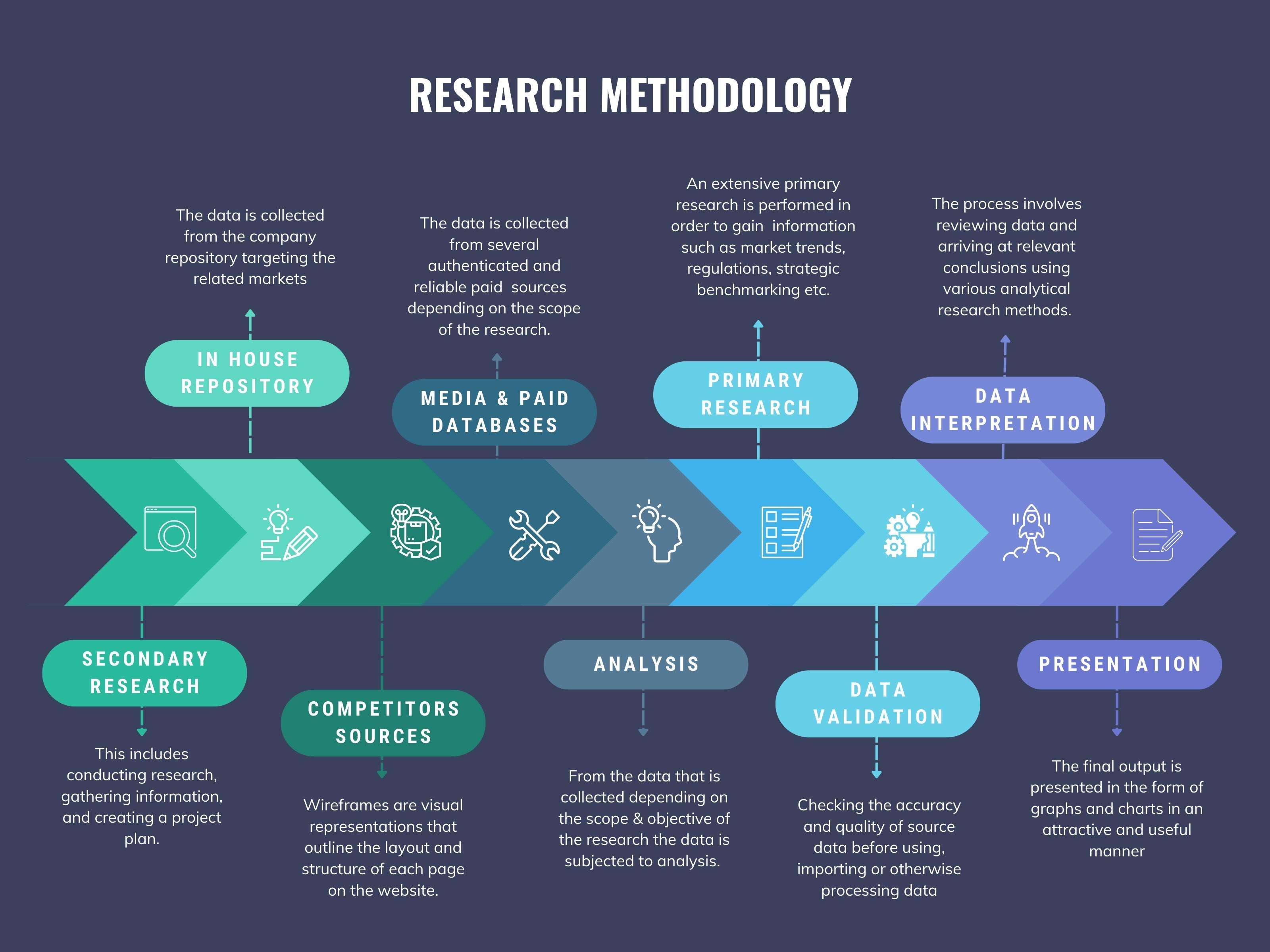
We at ‘Stratistics’ opt for an extensive research approach which involves data mining, data validation, and data analysis. The various research sources include in-house repository, secondary research, competitor’s sources, social media research, client internal data, and primary research.
Our team of analysts prefers the most reliable and authenticated data sources in order to perform the comprehensive literature search. With access to most of the authenticated data bases our team highly considers the best mix of information through various sources to obtain extensive and accurate analysis.
Each report takes an average time of a month and a team of 4 industry analysts. The time may vary depending on the scope and data availability of the desired market report. The various parameters used in the market assessment are standardized in order to enhance the data accuracy.
Data Mining
The data is collected from several authenticated, reliable, paid and unpaid sources and is filtered depending on the scope & objective of the research. Our reports repository acts as an added advantage in this procedure. Data gathering from the raw material suppliers, distributors and the manufacturers is performed on a regular basis, this helps in the comprehensive understanding of the products value chain. Apart from the above mentioned sources the data is also collected from the industry consultants to ensure the objective of the study is in the right direction.
Market trends such as technological advancements, regulatory affairs, market dynamics (Drivers, Restraints, Opportunities and Challenges) are obtained from scientific journals, market related national & international associations and organizations.
Data Analysis
From the data that is collected depending on the scope & objective of the research the data is subjected for the analysis. The critical steps that we follow for the data analysis include:
- Product Lifecycle Analysis
- Competitor analysis
- Risk analysis
- Porters Analysis
- PESTEL Analysis
- SWOT Analysis
The data engineering is performed by the core industry experts considering both the Marketing Mix Modeling and the Demand Forecasting. The marketing mix modeling makes use of multiple-regression techniques to predict the optimal mix of marketing variables. Regression factor is based on a number of variables and how they relate to an outcome such as sales or profits.
Data Validation
The data validation is performed by the exhaustive primary research from the expert interviews. This includes telephonic interviews, focus groups, face to face interviews, and questionnaires to validate our research from all aspects. The industry experts we approach come from the leading firms, involved in the supply chain ranging from the suppliers, distributors to the manufacturers and consumers so as to ensure an unbiased analysis.
We are in touch with more than 15,000 industry experts with the right mix of consultants, CEO's, presidents, vice presidents, managers, experts from both supply side and demand side, executives and so on.
The data validation involves the primary research from the industry experts belonging to:
- Leading Companies
- Suppliers & Distributors
- Manufacturers
- Consumers
- Industry/Strategic Consultants
Apart from the data validation the primary research also helps in performing the fill gap research, i.e. providing solutions for the unmet needs of the research which helps in enhancing the reports quality.
For more details about research methodology, kindly write to us at info@strategymrc.com
Frequently Asked Questions
In case of any queries regarding this report, you can contact the customer service by filing the “Inquiry Before Buy” form available on the right hand side. You may also contact us through email: info@strategymrc.com or phone: +1-301-202-5929
Yes, the samples are available for all the published reports. You can request them by filling the “Request Sample” option available in this page.
Yes, you can request a sample with your specific requirements. All the customized samples will be provided as per the requirement with the real data masked.
All our reports are available in Digital PDF format. In case if you require them in any other formats, such as PPT, Excel etc you can submit a request through “Inquiry Before Buy” form available on the right hand side. You may also contact us through email: info@strategymrc.com or phone: +1-301-202-5929
We offer a free 15% customization with every purchase. This requirement can be fulfilled for both pre and post sale. You may send your customization requirements through email at info@strategymrc.com or call us on +1-301-202-5929.
We have 3 different licensing options available in electronic format.
- Single User Licence: Allows one person, typically the buyer, to have access to the ordered product. The ordered product cannot be distributed to anyone else.
- 2-5 User Licence: Allows the ordered product to be shared among a maximum of 5 people within your organisation.
- Corporate License: Allows the product to be shared among all employees of your organisation regardless of their geographical location.
All our reports are typically be emailed to you as an attachment.
To order any available report you need to register on our website. The payment can be made either through CCAvenue or PayPal payments gateways which accept all international cards.
We extend our support to 6 months post sale. A post sale customization is also provided to cover your unmet needs in the report.
Request Customization
We offer complimentary customization of up to 15% with every purchase. To share your customization requirements, feel free to email us at info@strategymrc.com or call us on +1-301-202-5929. .
Please Note: Customization within the 15% threshold is entirely free of charge. If your request exceeds this limit, we will conduct a feasibility assessment. Following that, a detailed quote and timeline will be provided.
WHY CHOOSE US ?

Assured Quality
Best in class reports with high standard of research integrity

24X7 Research Support
Continuous support to ensure the best customer experience.

Free Customization
Adding more values to your product of interest.

Safe & Secure Access
Providing a secured environment for all online transactions.

Trusted by 600+ Brands
Serving the most reputed brands across the world.