
Ayurvedic Herbal Extract Market
Ayurvedic Herbal Extract Market Forecasts to 2032 – Global Analysis By Type (Ashwagandha, Brahmi, Neem, Turmeric, Licorice Root, Ajwain, Cardamom, Cumin, Basil, Tulsi (Holy Basil), Amla, Shatavari, Giloy and Other Types), Form, Distribution Channel, Application and By Geography

According to Stratistics MRC, the Global Ayurvedic Herbal Extract Market is accounted for $51.12 billion in 2025 and is expected to reach $83.17 billion by 2032 growing at a CAGR of 7.2% during the forecast period. The Ayurvedic herbal extracts are used to extract the active ingredients that support health and well-being from concentrated forms of medicinal plants that are produced using traditional Ayurvedic techniques. These extracts, which have their roots in the centuries-old Indian medical system, are made from medicinally beneficial herbs. They are rich in bioactive phytochemicals that promote digestion, immunity, stress reduction, detoxification, and general health. Moreover, the natural substitute for artificial ingredients found in dietary supplements, functional foods, cosmetics, and wellness products is the use of Ayurvedic herbal extracts.
According to the Ayush Nirmata Sangh, an association of herbal and Ayurvedic product manufacturers in Indore, highlighted that around 200 Ayurvedic units operate in Indore, with the local market estimated at over ₹1,000 crore (~US $120 million).
Market Dynamics:
Driver:
Growing demand for natural and plant-based products worldwide
Ayurvedic herbal extracts are becoming more and more appealing across industries as a result of the global demand for plant-based solutions being fueled by the shift toward wellness, sustainability, and chemical-free living. These extracts, which are high in bioactive compounds, are utilized in pharmaceutical formulations, skincare products, beverages, and supplements. Nearly 80% of people worldwide receive their primary healthcare from traditional medicine. Additionally, herbal extracts are increasingly being incorporated into mainstream health and wellness products in both developed and developing markets due to growing concerns about the long-term effects of synthetic chemicals and growing faith in traditional healing systems like Ayurveda.
Restraint:
Absence of international standards and regulatory obstacles
The market for Ayurvedic herbal extracts is severely hampered by the lack of widely recognized safety and quality standards. India follows AYUSH and GMP guidelines, but foreign markets like the US and EU demand more stringent adherence to FDA or EMA regulations, including scientific evidence of safety and efficacy. It is challenging to meet these requirements due to issues with contamination, inconsistent active ingredient levels, and different extraction techniques used by different manufacturers. Particularly in developed economies where herbal products are categorized differently—as supplements, medications, or food ingredients—and require separate approvals, this lack of standardized regulation hinders market penetration.
Opportunity:
Growth into functional foods and nutraceuticals
One of the main growth avenues for Ayurvedic herbal extracts is consumer demand for quick, health-promoting foods and drinks. These days, protein shakes, herbal teas, energy bars, and ready-to-drink wellness drinks are being made with ingredients like turmeric (curcumin), ashwagandha, and amla. Because of their introduction into commonplace foods, herbal extracts can now be consumed by a larger range of people, including younger, health-conscious consumers. While maintaining their traditional health benefits, Ayurvedic extract suppliers and FMCG brands can work together to position these products as a part of a modern lifestyle.
Threat:
Rivalry from alternative natural medicine systems
Traditional Chinese Medicine (TCM), Japanese Kampo medicine, and Western herbalism are some of the traditional medical systems that pose a serious threat to Ayurvedic herbal extracts. Strong customer bases, well-established supply chains, and well-known brands in international marketplaces are all features of these systems. It can be difficult for Ayurvedic extracts to become well-known in places like North America and Europe, where TCM products frequently take up most of the retail shelves. Furthermore, ayurveda runs the risk of becoming less prominent in the natural healthcare market if it doesn't have strong branding and education initiatives.
Covid-19 Impact:
Due to the global surge in demand for natural immunity-boosting and preventive health products, the COVID-19 pandemic had a major positive impact on the market for Ayurvedic herbal extracts. Because of the purported antiviral, anti-inflammatory, and adaptogenic qualities of Ayurvedic herbs like ashwagandha, giloy, tulsi, turmeric, and amla, consumers began using them. Through guidelines and the distribution of herbal formulations, the Ministry of AYUSH in India actively promoted traditional remedies, and the demand for standardized herbal extracts increased due to the global interest in alternative medicine. During lockdowns, e-commerce and direct-to-consumer channels thrived, allowing manufacturers to access new markets in spite of supply chain interruptions. This shift toward plant-based, preventive wellness brought about by the pandemic has given the industry a long-term growth trajectory.
The turmeric segment is expected to be the largest during the forecast period
The turmeric segment is expected to account for the largest market share during the forecast period, driven by its widespread use as a strong antioxidant and natural anti-inflammatory. Turmeric, which is high in curcumin, is used extensively in pharmaceuticals, functional foods, cosmetics, and nutraceuticals for its ability to reduce inflammation, increase immunity, and promote joint and skin health. Due to its many applications in both domestic and international markets, including traditional medicine, cooking, and contemporary wellness products, the spice has become a major force. Moreover, turmeric's dominant position in the Ayurvedic herbal extract market is being maintained by growing scientific confirmation of curcumin's therapeutic qualities as well as rising consumer demand for plant-based and clean-label treatments.
The liquid extracts or tinctures segment is expected to have the highest CAGR during the forecast period
Over the forecast period, the liquid extracts or tinctures segment is predicted to witness the highest growth rate, driven by growing consumer demand for herbal remedies that are simple to use and absorb quickly. Compared to powders or capsules, liquid extracts have a higher bioavailability, which guarantees a quicker onset of health benefits. Both traditional and contemporary wellness consumers find them appealing due to their versatility, which enables direct consumption, mixing with beverages, or incorporation into functional shots. Global appeal has increased due to improvements in concentration, shelf life, and taste profiles brought about by advancements in extraction technologies. Additionally, liquid extracts are now the product form with the fastest rate of growth due to their increasing use in nutraceuticals, herbal remedies, and customized wellness formulations.
Region with largest share:
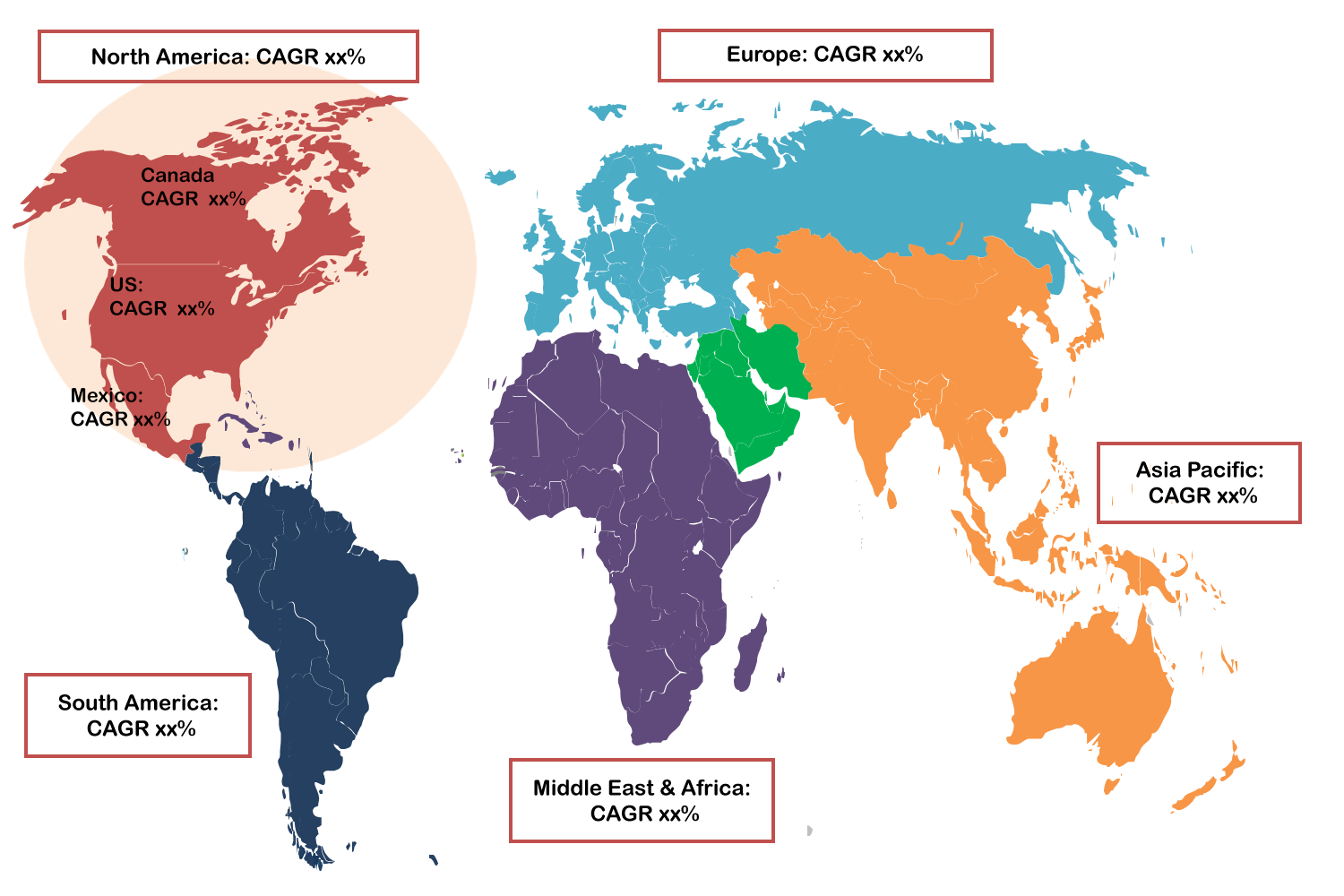
During the forecast period, the Asia-Pacific region is expected to hold the largest market share, mainly due to India's extensive supply of medicinal plants and its long history of Ayurveda. Strong domestic demand, established traditional medicine systems, and government programs supporting herbal and natural healthcare all contribute to the region's advantages. As the world's center for Ayurvedic goods, India is the top producer and exporter of herbal extracts like neem, ashwagandha, and turmeric. The market position is further strengthened by the growing use of herbal remedies in nations like China, Sri Lanka, and Nepal. Furthermore, Asia-Pacific's market dominance is a result of low manufacturing costs, an abundance of raw materials, and the increasing recognition of Ayurvedic efficacy worldwide.
Region with highest CAGR:
Over the forecast period, the North America region is anticipated to exhibit the highest CAGR, driven by growing consumer awareness of Ayurveda's health benefits and a shift toward natural, plant-based wellness solutions. Adoption is being fueled by rising demand for functional foods, herbal supplements, and clean-label cosmetics, as well as scientific research confirming the effectiveness of Ayurvedic herbs like tulsi, turmeric, and ashwagandha. Growth is also being accelerated by the region's high e-commerce penetration and the accessibility of high-quality herbal products from both domestic and international brands. Moreover, North America is the region with the fastest rate of growth due to the incorporation of Ayurvedic extracts into the mainstream personal care and nutraceutical industries.
Key players in the market
Some of the key players in Ayurvedic Herbal Extract Market include Döhler GmbH, International Flavors & Fragrances Inc, Patanjali Ayurved Limited, Aimil Pharmaceuticals Ltd, Himalaya Global Holdings Ltd, Dermapharm AG, Binexo Pharmaceuticals Inc, Kerala Ayurveda Limited, Dabur India Limited, Charak Pharma Pvt. Ltd, Kalsec Inc., Zandu (Emami Ltd.), Synthite Industries Ltd., Vicco Laboratories and The Biolandes Group.
Key Developments:
In August 2025, International Flavors & Fragrances Inc. (IFF) has officially announced the planned sale of its soy crush, soy concentrates, and lecithin business to Bunge Global S.A., a Geneva-based global agribusiness and food company. The move was disclosed as part of IFF’s second quarter financial results and reflects a broader initiative by the company to streamline operations and optimize its business portfolio.
In March 2025, Patanjali Ayurved ventures into insurance with acquisition of Magma General Insurance. The deal is subject to regulatory approvals and has been structured under a Share Purchase Agreement (SPA). Besides Sanoti Properties LLP, Celica Developers and Jaguar Advisory Services are also participating in the sale.
In July 2023, Doehler Group has acquired SVZ, a producer and supplier of liquid fruit and vegetable ingredients for the food and beverage industry. The company is known for its sustainably sourced vegetables and red berries. SVZ’s portfolio features applications such as purees, juices and beverages, ice cream, dairy and alternatives, jams and fruit preparations, bakery and desserts, confectionery, soups and savory, baby food, and pet food.
Types Covered:
• Ashwagandha
• Brahmi
• Neem
• Turmeric
• Licorice Root
• Ajwain
• Cardamom
• Cumin
• Basil
• Tulsi (Holy Basil)
• Amla
• Shatavari
• Giloy
• Other Types
Forms Covered:
• Liquid Extracts or Tinctures
• Powders
• Essential Oils
• Capsules / Tablets
• Standardized Herbal Extracts
• Other Forms
Distribution Channels Covered:
• Ayurvedic Clinics
• Pharmacies
• Online Retail / E-commerce Platforms
• Specialty Health Stores
• Supermarkets & Hypermarkets
Applications Covered:
• Pharmaceutical
• Nutraceutical
• Personal Care & Cosmetics
• Food & Beverages
Regions Covered:
• North America
o US
o Canada
o Mexico
• Europe
o Germany
o UK
o Italy
o France
o Spain
o Rest of Europe
• Asia Pacific
o Japan
o China
o India
o Australia
o New Zealand
o South Korea
o Rest of Asia Pacific
• South America
o Argentina
o Brazil
o Chile
o Rest of South America
• Middle East & Africa
o Saudi Arabia
o UAE
o Qatar
o South Africa
o Rest of Middle East & Africa
What our report offers:
- Market share assessments for the regional and country-level segments
- Strategic recommendations for the new entrants
- Covers Market data for the years 2024, 2025, 2026, 2028, and 2032
- Market Trends (Drivers, Constraints, Opportunities, Threats, Challenges, Investment Opportunities, and recommendations)
- Strategic recommendations in key business segments based on the market estimations
- Competitive landscaping mapping the key common trends
- Company profiling with detailed strategies, financials, and recent developments
- Supply chain trends mapping the latest technological advancements
Free Customization Offerings:
All the customers of this report will be entitled to receive one of the following free customization options:
• Company Profiling
o Comprehensive profiling of additional market players (up to 3)
o SWOT Analysis of key players (up to 3)
• Regional Segmentation
o Market estimations, Forecasts and CAGR of any prominent country as per the client's interest (Note: Depends on feasibility check)
• Competitive Benchmarking
o Benchmarking of key players based on product portfolio, geographical presence, and strategic alliances
Table of Contents
1 Executive Summary
2 Preface
2.1 Abstract
2.2 Stake Holders
2.3 Research Scope
2.4 Research Methodology
2.4.1 Data Mining
2.4.2 Data Analysis
2.4.3 Data Validation
2.4.4 Research Approach
2.5 Research Sources
2.5.1 Primary Research Sources
2.5.2 Secondary Research Sources
2.5.3 Assumptions
3 Market Trend Analysis
3.1 Introduction
3.2 Drivers
3.3 Restraints
3.4 Opportunities
3.5 Threats
3.6 Application Analysis
3.7 Emerging Markets
3.8 Impact of Covid-19
4 Porters Five Force Analysis
4.1 Bargaining power of suppliers
4.2 Bargaining power of buyers
4.3 Threat of substitutes
4.4 Threat of new entrants
4.5 Competitive rivalry
5 Global Ayurvedic Herbal Extract Market, By Type
5.1 Introduction
5.2 Ashwagandha
5.3 Brahmi
5.4 Neem
5.5 Turmeric
5.6 Licorice Root
5.7 Ajwain
5.8 Cardamom
5.9 Cumin
5.10 Basil
5.11 Tulsi (Holy Basil)
5.12 Amla
5.13 Shatavari
5.14 Giloy
5.15 Other Types
6 Global Ayurvedic Herbal Extract Market, By Form
6.1 Introduction
6.2 Liquid Extracts or Tinctures
6.3 Powders
6.4 Essential Oils
6.5 Capsules / Tablets
6.6 Standardized Herbal Extracts
6.7 Other Forms
7 Global Ayurvedic Herbal Extract Market, By Distribution Channel
7.1 Introduction
7.2 Ayurvedic Clinics
7.3 Pharmacies
7.4 Online Retail / E-commerce Platforms
7.5 Specialty Health Stores
7.6 Supermarkets & Hypermarkets
8 Global Ayurvedic Herbal Extract Market, By Application
8.1 Introduction
8.2 Pharmaceutical
8.3 Nutraceutical
8.4 Personal Care & Cosmetics
8.5 Food & Beverages
9 Global Ayurvedic Herbal Extract Market, By Geography
9.1 Introduction
9.2 North America
9.2.1 US
9.2.2 Canada
9.2.3 Mexico
9.3 Europe
9.3.1 Germany
9.3.2 UK
9.3.3 Italy
9.3.4 France
9.3.5 Spain
9.3.6 Rest of Europe
9.4 Asia Pacific
9.4.1 Japan
9.4.2 China
9.4.3 India
9.4.4 Australia
9.4.5 New Zealand
9.4.6 South Korea
9.4.7 Rest of Asia Pacific
9.5 South America
9.5.1 Argentina
9.5.2 Brazil
9.5.3 Chile
9.5.4 Rest of South America
9.6 Middle East & Africa
9.6.1 Saudi Arabia
9.6.2 UAE
9.6.3 Qatar
9.6.4 South Africa
9.6.5 Rest of Middle East & Africa
10 Key Developments
10.1 Agreements, Partnerships, Collaborations and Joint Ventures
10.2 Acquisitions & Mergers
10.3 New Product Launch
10.4 Expansions
10.5 Other Key Strategies
11 Company Profiling
11.1 Döhler GmbH
11.2 International Flavors & Fragrances Inc
11.3 Patanjali Ayurved Limited
11.4 Aimil Pharmaceuticals Ltd
11.5 Himalaya Global Holdings Ltd
11.6 Dermapharm AG
11.7 Binexo Pharmaceuticals Inc
11.8 Kerala Ayurveda Limited
11.9 Dabur India Limited
11.10 Charak Pharma Pvt. Ltd
11.11 Kalsec Inc.
11.12 Zandu (Emami Ltd.)
11.13 Synthite Industries Ltd.
11.14 Vicco Laboratories
11.15 The Biolandes Group
List of Tables
1 Global Ayurvedic Herbal Extract Market Outlook, By Region (2024-2032) ($MN)
2 Global Ayurvedic Herbal Extract Market Outlook, By Type (2024-2032) ($MN)
3 Global Ayurvedic Herbal Extract Market Outlook, By Ashwagandha (2024-2032) ($MN)
4 Global Ayurvedic Herbal Extract Market Outlook, By Brahmi (2024-2032) ($MN)
5 Global Ayurvedic Herbal Extract Market Outlook, By Neem (2024-2032) ($MN)
6 Global Ayurvedic Herbal Extract Market Outlook, By Turmeric (2024-2032) ($MN)
7 Global Ayurvedic Herbal Extract Market Outlook, By Licorice Root (2024-2032) ($MN)
8 Global Ayurvedic Herbal Extract Market Outlook, By Ajwain (2024-2032) ($MN)
9 Global Ayurvedic Herbal Extract Market Outlook, By Cardamom (2024-2032) ($MN)
10 Global Ayurvedic Herbal Extract Market Outlook, By Cumin (2024-2032) ($MN)
11 Global Ayurvedic Herbal Extract Market Outlook, By Basil (2024-2032) ($MN)
12 Global Ayurvedic Herbal Extract Market Outlook, By Tulsi (Holy Basil) (2024-2032) ($MN)
13 Global Ayurvedic Herbal Extract Market Outlook, By Amla (2024-2032) ($MN)
14 Global Ayurvedic Herbal Extract Market Outlook, By Shatavari (2024-2032) ($MN)
15 Global Ayurvedic Herbal Extract Market Outlook, By Giloy (2024-2032) ($MN)
16 Global Ayurvedic Herbal Extract Market Outlook, By Other Types (2024-2032) ($MN)
17 Global Ayurvedic Herbal Extract Market Outlook, By Form (2024-2032) ($MN)
18 Global Ayurvedic Herbal Extract Market Outlook, By Liquid Extracts or Tinctures (2024-2032) ($MN)
19 Global Ayurvedic Herbal Extract Market Outlook, By Powders (2024-2032) ($MN)
20 Global Ayurvedic Herbal Extract Market Outlook, By Essential Oils (2024-2032) ($MN)
21 Global Ayurvedic Herbal Extract Market Outlook, By Capsules / Tablets (2024-2032) ($MN)
22 Global Ayurvedic Herbal Extract Market Outlook, By Standardized Herbal Extracts (2024-2032) ($MN)
23 Global Ayurvedic Herbal Extract Market Outlook, By Other Forms (2024-2032) ($MN)
24 Global Ayurvedic Herbal Extract Market Outlook, By Distribution Channel (2024-2032) ($MN)
25 Global Ayurvedic Herbal Extract Market Outlook, By Ayurvedic Clinics (2024-2032) ($MN)
26 Global Ayurvedic Herbal Extract Market Outlook, By Pharmacies (2024-2032) ($MN)
27 Global Ayurvedic Herbal Extract Market Outlook, By Online Retail / E-commerce Platforms (2024-2032) ($MN)
28 Global Ayurvedic Herbal Extract Market Outlook, By Specialty Health Stores (2024-2032) ($MN)
29 Global Ayurvedic Herbal Extract Market Outlook, By Supermarkets & Hypermarkets (2024-2032) ($MN)
30 Global Ayurvedic Herbal Extract Market Outlook, By Application (2024-2032) ($MN)
31 Global Ayurvedic Herbal Extract Market Outlook, By Pharmaceutical (2024-2032) ($MN)
32 Global Ayurvedic Herbal Extract Market Outlook, By Nutraceutical (2024-2032) ($MN)
33 Global Ayurvedic Herbal Extract Market Outlook, By Personal Care & Cosmetics (2024-2032) ($MN)
34 Global Ayurvedic Herbal Extract Market Outlook, By Food & Beverages (2024-2032) ($MN)
Note: Tables for North America, Europe, APAC, South America, and Middle East & Africa Regions are also represented in the same manner as above.
List of Figures
RESEARCH METHODOLOGY

We at ‘Stratistics’ opt for an extensive research approach which involves data mining, data validation, and data analysis. The various research sources include in-house repository, secondary research, competitor’s sources, social media research, client internal data, and primary research.
Our team of analysts prefers the most reliable and authenticated data sources in order to perform the comprehensive literature search. With access to most of the authenticated data bases our team highly considers the best mix of information through various sources to obtain extensive and accurate analysis.
Each report takes an average time of a month and a team of 4 industry analysts. The time may vary depending on the scope and data availability of the desired market report. The various parameters used in the market assessment are standardized in order to enhance the data accuracy.
Data Mining
The data is collected from several authenticated, reliable, paid and unpaid sources and is filtered depending on the scope & objective of the research. Our reports repository acts as an added advantage in this procedure. Data gathering from the raw material suppliers, distributors and the manufacturers is performed on a regular basis, this helps in the comprehensive understanding of the products value chain. Apart from the above mentioned sources the data is also collected from the industry consultants to ensure the objective of the study is in the right direction.
Market trends such as technological advancements, regulatory affairs, market dynamics (Drivers, Restraints, Opportunities and Challenges) are obtained from scientific journals, market related national & international associations and organizations.
Data Analysis
From the data that is collected depending on the scope & objective of the research the data is subjected for the analysis. The critical steps that we follow for the data analysis include:
- Product Lifecycle Analysis
- Competitor analysis
- Risk analysis
- Porters Analysis
- PESTEL Analysis
- SWOT Analysis
The data engineering is performed by the core industry experts considering both the Marketing Mix Modeling and the Demand Forecasting. The marketing mix modeling makes use of multiple-regression techniques to predict the optimal mix of marketing variables. Regression factor is based on a number of variables and how they relate to an outcome such as sales or profits.
Data Validation
The data validation is performed by the exhaustive primary research from the expert interviews. This includes telephonic interviews, focus groups, face to face interviews, and questionnaires to validate our research from all aspects. The industry experts we approach come from the leading firms, involved in the supply chain ranging from the suppliers, distributors to the manufacturers and consumers so as to ensure an unbiased analysis.
We are in touch with more than 15,000 industry experts with the right mix of consultants, CEO's, presidents, vice presidents, managers, experts from both supply side and demand side, executives and so on.
The data validation involves the primary research from the industry experts belonging to:
- Leading Companies
- Suppliers & Distributors
- Manufacturers
- Consumers
- Industry/Strategic Consultants
Apart from the data validation the primary research also helps in performing the fill gap research, i.e. providing solutions for the unmet needs of the research which helps in enhancing the reports quality.
For more details about research methodology, kindly write to us at info@strategymrc.com
Frequently Asked Questions
In case of any queries regarding this report, you can contact the customer service by filing the “Inquiry Before Buy” form available on the right hand side. You may also contact us through email: info@strategymrc.com or phone: +1-301-202-5929
Yes, the samples are available for all the published reports. You can request them by filling the “Request Sample” option available in this page.
Yes, you can request a sample with your specific requirements. All the customized samples will be provided as per the requirement with the real data masked.
All our reports are available in Digital PDF format. In case if you require them in any other formats, such as PPT, Excel etc you can submit a request through “Inquiry Before Buy” form available on the right hand side. You may also contact us through email: info@strategymrc.com or phone: +1-301-202-5929
We offer a free 15% customization with every purchase. This requirement can be fulfilled for both pre and post sale. You may send your customization requirements through email at info@strategymrc.com or call us on +1-301-202-5929.
We have 3 different licensing options available in electronic format.
- Single User Licence: Allows one person, typically the buyer, to have access to the ordered product. The ordered product cannot be distributed to anyone else.
- 2-5 User Licence: Allows the ordered product to be shared among a maximum of 5 people within your organisation.
- Corporate License: Allows the product to be shared among all employees of your organisation regardless of their geographical location.
All our reports are typically be emailed to you as an attachment.
To order any available report you need to register on our website. The payment can be made either through CCAvenue or PayPal payments gateways which accept all international cards.
We extend our support to 6 months post sale. A post sale customization is also provided to cover your unmet needs in the report.
Request Customization
We offer complimentary customization of up to 15% with every purchase. To share your customization requirements, feel free to email us at info@strategymrc.com or call us on +1-301-202-5929. .
Please Note: Customization within the 15% threshold is entirely free of charge. If your request exceeds this limit, we will conduct a feasibility assessment. Following that, a detailed quote and timeline will be provided.
WHY CHOOSE US ?

Assured Quality
Best in class reports with high standard of research integrity

24X7 Research Support
Continuous support to ensure the best customer experience.

Free Customization
Adding more values to your product of interest.

Safe & Secure Access
Providing a secured environment for all online transactions.

Trusted by 600+ Brands
Serving the most reputed brands across the world.
