
Building Energy Management Systems Market
Building Energy Management Systems Market Forecasts to 2032 - Global Analysis By Component (Software, Hardware, Services, and Other Components), Type, Deployment Mode, Application, End User and By Geography

|
Years Covered |
2024-2032 |
|
Estimated Year Value (2025) |
US $16.09 BN |
|
Projected Year Value (2032) |
US $30.38 BN |
|
CAGR (2025-2032) |
9.5% |
|
Regions Covered |
North America, Europe, Asia Pacific, South America, and Middle East & Africa |
|
Countries Covered |
US, Canada, Mexico, Germany, UK, Italy, France, Spain, Japan, China, India, Australia, New Zealand, South Korea, Rest of Asia Pacific, South America, Argentina, Brazil, Chile, Middle East & Africa, Saudi Arabia, UAE, Qatar, and South Africa |
|
Largest Market |
Asia Pacific |
|
Highest Growing Market |
North America |
According to Stratistics MRC, the Global Building Energy Management Systems Market is accounted for $16.09 billion in 2025 and is expected to reach $30.38 billion by 2032 growing at a CAGR of 9.5% during the forecast period. A Building Energy Management System (BEMS) is a computerized system designed to monitor, control, and optimize a building’s energy usage. It integrates hardware, software, and services to manage lighting, HVAC, and other systems efficiently. BEMS helps reduce energy costs, enhance occupant comfort, and support sustainability goals by providing real-time data and automated control.
According to data from Eurostat, renewable sources of energy are around 43% of total energy production in Europe in 2022, leading the continent in energy production.

Market Dynamics:
Driver:
Increased adoption of cloud-based platforms
Cloud-based platforms are gaining traction in the Building Energy Management Systems (BEMS) market, enabling real-time monitoring and optimization of energy usage. These solutions enhance operational efficiency by providing data-driven insights and automation capabilities. The ability to integrate various smart devices and sensors through cloud technology further improves energy management. Additionally, regulatory initiatives encouraging energy efficiency drive further adoption of these platforms. As industries and households seek sustainability, cloud-based BEMS solutions are expected to experience widespread implementation.
Restraint:
Complexity of integration
Modern buildings often house a patchwork of existing, sometimes proprietary, systems for HVAC, lighting, security, and more. Each might operate on different communication protocols and data formats, making it challenging to achieve seamless interoperability with a new BEMS. This requires extensive customization, middleware development, and skilled personnel to bridge these disparate technologies. The process can be time-consuming, costly, and prone to technical glitches, significantly impacting the initial investment and perceived return on investment, thereby hindering broader adoption, particularly in older or less standardized building infrastructures.
Opportunity:
Smart building and IoT growth
IoT-enabled sensors and automation technologies allow for precise energy monitoring, reducing waste and improving efficiency. Increased government incentives for green buildings further promote the adoption of smart energy solutions. Advanced AI-driven analytics help optimize energy consumption by predicting patterns and adjusting systems accordingly. The growing need for sustainable urban infrastructure provides ample opportunities for market expansion. As more buildings transition to smart energy solutions, BEMS will play a crucial role in shaping future energy management.
Threat:
Lack of skilled personnel
Implementing, operating, and maintaining these increasingly complex systems requires a specialized blend of knowledge spanning IT, HVAC, electrical engineering, and data analytics. There's a shortage of qualified professionals, from installation technicians to BEMS engineers capable of programming and optimizing these intricate solutions. This skill gap often leads to delayed deployments, suboptimal system performance, and increased operational costs due to the need for extensive training or reliance on external consultants. Without a robust pipeline of skilled individuals, the full potential of BEMS for energy efficiency and sustainability remains constrained, hindering market growth.
Covid-19 Impact
The COVID-19 pandemic had a mixed impact on the Building Energy Management Systems market. Initial lockdowns led to reduced building occupancy, causing a temporary decline in demand for energy optimization solutions. However, the pandemic highlighted the importance of efficient energy management as businesses adapted to remote and hybrid work environments. Investments in smart building technologies surged as companies sought automation for cost savings and sustainability. Increased focus on environmental sustainability further fueled market growth.
The software segment is expected to be the largest during the forecast period
The software segment is expected to account for the largest market share during the forecast period, due to its ability to provide comprehensive energy monitoring and analytics. Cloud-based energy management platforms offer scalable solutions for businesses seeking efficiency and sustainability. The integration of AI and machine learning enhances predictive maintenance, reducing costs and optimizing performance. Additionally, advancements in cyber security improve data protection for cloud-based BEMS solutions.
The residential segment is expected to have the highest CAGR during the forecast period
Over the forecast period, the residential segment is predicted to witness the highest growth rate, driven by increasing awareness of energy conservation among homeowners. Smart home technologies, including IoT-enabled thermostats and lighting systems, contribute to the rising demand for BEMS solutions. Government incentives for energy-efficient housing accelerate adoption in the residential sector. The affordability and ease of use of smart energy platforms further encourage households to invest in these solutions.
Region with largest share:
During the forecast period, the Asia Pacific region is expected to hold the largest market share due to its rapid urbanization and infrastructure development. Governments in countries like China, Japan, and South Korea are heavily investing in energy-efficient technologies. Strong regulatory policies supporting sustainability efforts boost market growth. The presence of major smart building technology providers enhances regional adoption rates.
Region with highest CAGR:
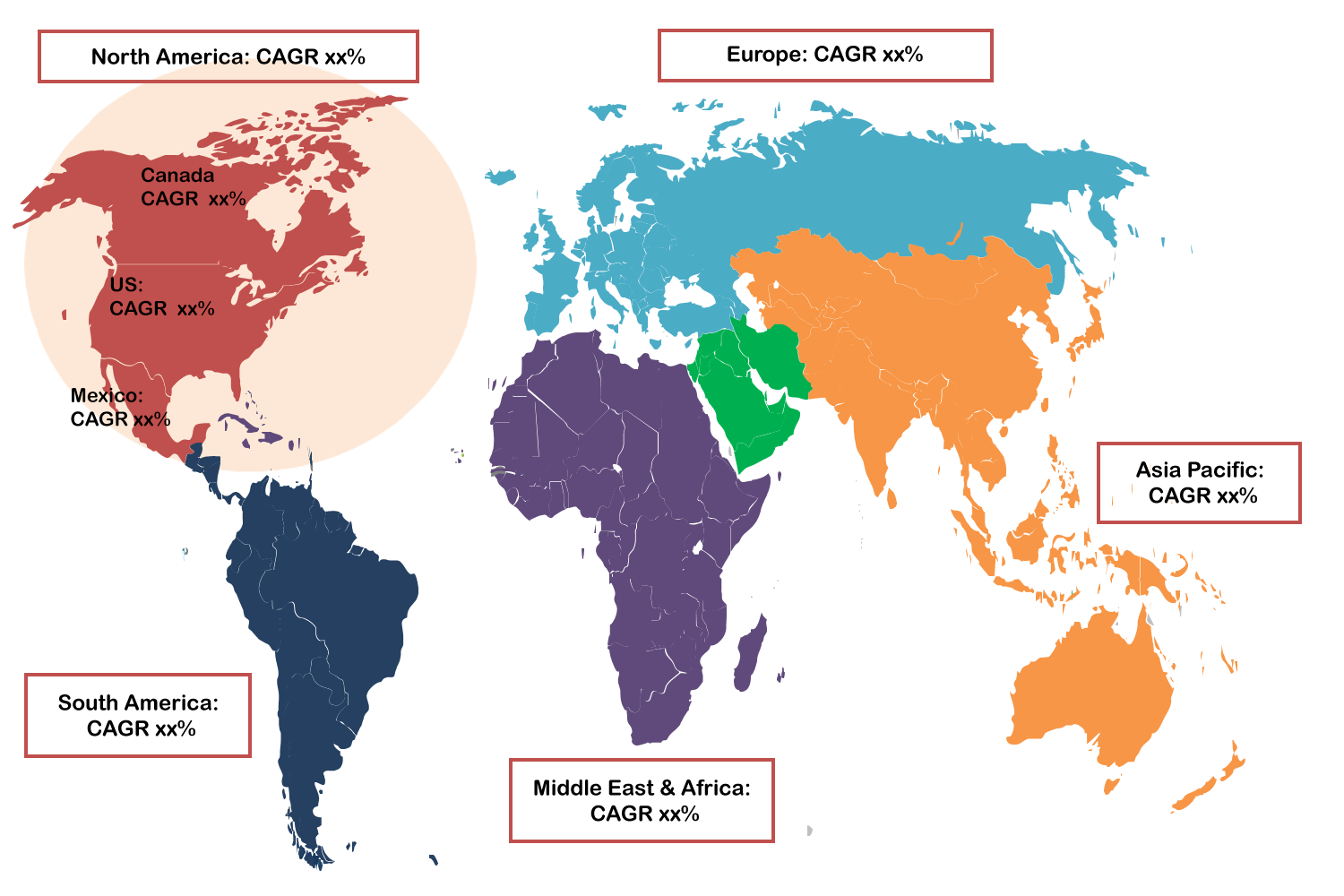
Over the forecast period, the North America region is anticipated to exhibit the highest CAGR, owing to its strong focus on sustainable energy management. The region benefits from advanced automation and AI-driven energy optimization technologies. Government regulations mandating energy efficiency improvements contribute to market growth. Major players in the U.S. and Canada continue to develop innovative BEMS solutions tailored to commercial and residential applications. The expansion of smart grid infrastructure further enhances energy management capabilities.
Key players in the market
Some of the key players profiled in the Building Energy Management Systems Market include Siemens AG, Schneider Electric, Honeywell International Inc., Johnson Controls International PLC, ABB Ltd., IBM Corporation, General Electric (GE Digital), Emerson Electric Co., Eaton Corporation PLC, Rockwell Automation Inc., Cisco Systems, Inc., GridPoint, Daikin Industries, Ltd., Delta Group, and Carrier.
Key Developments:
In May 2025, Siemens is announcing an expansion of its industrial AI offerings with advanced AI agents designed to work seamlessly across its established Industrial Copilot ecosystem. This new technology represents a fundamental shift from AI assistants that respond to queries towards truly autonomous agents that proactively execute entire processes without human intervention.
In May 2025, Schneider Electric’s has partnered with Bisleri International Pvt. Ltd. Sustainability Business to enhance energy efficiency and expand the use of renewable energy. This initiative is a key step under ‘Bisleri’s Greener Promise’, reinforcing the company’s commitment to a sustainable future.
Components Covered:
• Software
• Hardware
• Services
• Other Components
Types Covered:
• Integrated BEMS
• Standalone BEMS
Deployment Modes Covered:
• Cloud-Based
• On-Premise
Applications Covered:
• HVAC System Optimization
• Lighting Control
• Real-time Energy Monitoring & Analysis
• Demand Response Management
• Maintenance & Fault Detection
• Reporting & Compliance
• Other Applications
End Users Covered:
• Residential
• Commercial & Institutional Buildings
• Industrial
• Other End Users
Regions Covered:
• North America
o US
o Canada
o Mexico
• Europe
o Germany
o UK
o Italy
o France
o Spain
o Rest of Europe
• Asia Pacific
o Japan
o China
o India
o Australia
o New Zealand
o South Korea
o Rest of Asia Pacific
• South America
o Argentina
o Brazil
o Chile
o Rest of South America
• Middle East & Africa
o Saudi Arabia
o UAE
o Qatar
o South Africa
o Rest of Middle East & Africa
What our report offers:
- Market share assessments for the regional and country-level segments
- Strategic recommendations for the new entrants
- Covers Market data for the years 2024, 2025, 2026, 2028, and 2032
- Market Trends (Drivers, Constraints, Opportunities, Threats, Challenges, Investment Opportunities, and recommendations)
- Strategic recommendations in key business segments based on the market estimations
- Competitive landscaping mapping the key common trends
- Company profiling with detailed strategies, financials, and recent developments
- Supply chain trends mapping the latest technological advancements
Free Customization Offerings:
All the customers of this report will be entitled to receive one of the following free customization options:
• Company Profiling
o Comprehensive profiling of additional market players (up to 3)
o SWOT Analysis of key players (up to 3)
• Regional Segmentation
o Market estimations, Forecasts and CAGR of any prominent country as per the client's interest (Note: Depends on feasibility check)
• Competitive Benchmarking
o Benchmarking of key players based on product portfolio, geographical presence, and strategic alliances
Table of Contents
1 Executive Summary
2 Preface
2.1 Abstract
2.2 Stake Holders
2.3 Research Scope
2.4 Research Methodology
2.4.1 Data Mining
2.4.2 Data Analysis
2.4.3 Data Validation
2.4.4 Research Approach
2.5 Research Sources
2.5.1 Primary Research Sources
2.5.2 Secondary Research Sources
2.5.3 Assumptions
3 Market Trend Analysis
3.1 Introduction
3.2 Drivers
3.3 Restraints
3.4 Opportunities
3.5 Threats
3.6 Application Analysis
3.7 End User Analysis
3.8 Emerging Markets
3.9 Impact of Covid-19
4 Porters Five Force Analysis
4.1 Bargaining power of suppliers
4.2 Bargaining power of buyers
4.3 Threat of substitutes
4.4 Threat of new entrants
4.5 Competitive rivalry
5 Global Building Energy Management Systems Market, By Component
5.1 Introduction
5.2 Software
5.2.1 Data Management Software
5.2.2 Application Platforms
5.2.3 Asset Performance Optimization Software
5.2.4 HVAC System Software
5.2.5 Reporting & Compliance Software
5.2.6 Predictive Analytics & AI/ML
5.2.7 Lighting System Software
5.3 Hardware
5.3.1 Sensors
5.3.2 Controllers
5.3.3 Energy Meters
5.3.4 Gateways & Interface Devices
5.3.5 Networking Components
5.3.6 Actuators
5.3.7 Servers & Storage Devices
5.4 Services
5.4.1 Consulting & Training
5.4.2 Installation & Commissioning
5.4.3 Support & Maintenance Services
5.4.4 Energy Management Advisory Services
6 Global Building Energy Management Systems Market, By Type
6.1 Introduction
6.2 Integrated BEMS
6.3 Standalone BEMS
7 Global Building Energy Management Systems Market, By Deployment Mode
7.1 Introduction
7.2 Cloud-Based
7.3 On-Premise
8 Global Building Energy Management Systems Market, By Application
8.1 Introduction
8.2 HVAC System Optimization
8.3 Lighting Control
8.4 Real-time Energy Monitoring & Analysis
8.5 Demand Response Management
8.6 Maintenance & Fault Detection
8.7 Reporting & Compliance
8.8 Other Applications
9 Global Building Energy Management Systems Market, By End User
9.1 Introduction
9.2 Residential
9.3 Commercial & Institutional Buildings
9.4 Industrial
9.5 Other End Users
10 Global Building Energy Management Systems Market, By Geography
10.1 Introduction
10.2 North America
10.2.1 US
10.2.2 Canada
10.2.3 Mexico
10.3 Europe
10.3.1 Germany
10.3.2 UK
10.3.3 Italy
10.3.4 France
10.3.5 Spain
10.3.6 Rest of Europe
10.4 Asia Pacific
10.4.1 Japan
10.4.2 China
10.4.3 India
10.4.4 Australia
10.4.5 New Zealand
10.4.6 South Korea
10.4.7 Rest of Asia Pacific
10.5 South America
10.5.1 Argentina
10.5.2 Brazil
10.5.3 Chile
10.5.4 Rest of South America
10.6 Middle East & Africa
10.6.1 Saudi Arabia
10.6.2 UAE
10.6.3 Qatar
10.6.4 South Africa
10.6.5 Rest of Middle East & Africa
11 Key Developments
11.1 Agreements, Partnerships, Collaborations and Joint Ventures
11.2 Acquisitions & Mergers
11.3 New Product Launch
11.4 Expansions
11.5 Other Key Strategies
12 Company Profiling
12.1 Siemens AG
12.2 Schneider Electric
12.3 Honeywell International Inc.
12.4 Johnson Controls International PLC
12.5 ABB Ltd.
12.6 IBM Corporation
12.7 General Electric (GE Digital)
12.8 Emerson Electric Co.
12.9 Eaton Corporation PLC
12.10 Rockwell Automation Inc.
12.11 Cisco Systems, Inc.
12.12 GridPoint
12.13 Daikin Industries, Ltd.
12.14 Delta Group
12.15 Carrier
List of Tables
1 Global Building Energy Management Systems Market Outlook, By Region (2024-2032) ($MN)
2 Global Building Energy Management Systems Market Outlook, By Component (2024-2032) ($MN)
3 Global Building Energy Management Systems Market Outlook, By Software (2024-2032) ($MN)
4 Global Building Energy Management Systems Market Outlook, By Data Management Software (2024-2032) ($MN)
5 Global Building Energy Management Systems Market Outlook, By Application Platforms (2024-2032) ($MN)
6 Global Building Energy Management Systems Market Outlook, By Asset Performance Optimization Software (2024-2032) ($MN)
7 Global Building Energy Management Systems Market Outlook, By HVAC System Software (2024-2032) ($MN)
8 Global Building Energy Management Systems Market Outlook, By Reporting & Compliance Software (2024-2032) ($MN)
9 Global Building Energy Management Systems Market Outlook, By Predictive Analytics & AI/ML (2024-2032) ($MN)
10 Global Building Energy Management Systems Market Outlook, By Lighting System Software (2024-2032) ($MN)
11 Global Building Energy Management Systems Market Outlook, By Hardware (2024-2032) ($MN)
12 Global Building Energy Management Systems Market Outlook, By Sensors (2024-2032) ($MN)
13 Global Building Energy Management Systems Market Outlook, By Controllers (2024-2032) ($MN)
14 Global Building Energy Management Systems Market Outlook, By Energy Meters (2024-2032) ($MN)
15 Global Building Energy Management Systems Market Outlook, By Gateways & Interface Devices (2024-2032) ($MN)
16 Global Building Energy Management Systems Market Outlook, By Networking Components (2024-2032) ($MN)
17 Global Building Energy Management Systems Market Outlook, By Actuators (2024-2032) ($MN)
18 Global Building Energy Management Systems Market Outlook, By Servers & Storage Devices (2024-2032) ($MN)
19 Global Building Energy Management Systems Market Outlook, By Services (2024-2032) ($MN)
20 Global Building Energy Management Systems Market Outlook, By Consulting & Training (2024-2032) ($MN)
21 Global Building Energy Management Systems Market Outlook, By Installation & Commissioning (2024-2032) ($MN)
22 Global Building Energy Management Systems Market Outlook, By Support & Maintenance Services (2024-2032) ($MN)
23 Global Building Energy Management Systems Market Outlook, By Energy Management Advisory Services (2024-2032) ($MN)
24 Global Building Energy Management Systems Market Outlook, By Type (2024-2032) ($MN)
25 Global Building Energy Management Systems Market Outlook, By Integrated BEMS (2024-2032) ($MN)
26 Global Building Energy Management Systems Market Outlook, By Standalone BEMS (2024-2032) ($MN)
27 Global Building Energy Management Systems Market Outlook, By Deployment Mode (2024-2032) ($MN)
28 Global Building Energy Management Systems Market Outlook, By Cloud-Based (2024-2032) ($MN)
29 Global Building Energy Management Systems Market Outlook, By On-Premise (2024-2032) ($MN)
30 Global Building Energy Management Systems Market Outlook, By Application (2024-2032) ($MN)
31 Global Building Energy Management Systems Market Outlook, By HVAC System Optimization (2024-2032) ($MN)
32 Global Building Energy Management Systems Market Outlook, By Lighting Control (2024-2032) ($MN)
33 Global Building Energy Management Systems Market Outlook, By Real-time Energy Monitoring & Analysis (2024-2032) ($MN)
34 Global Building Energy Management Systems Market Outlook, By Demand Response Management (2024-2032) ($MN)
35 Global Building Energy Management Systems Market Outlook, By Maintenance & Fault Detection (2024-2032) ($MN)
36 Global Building Energy Management Systems Market Outlook, By Reporting & Compliance (2024-2032) ($MN)
37 Global Building Energy Management Systems Market Outlook, By Other Applications (2024-2032) ($MN)
38 Global Building Energy Management Systems Market Outlook, By End User (2024-2032) ($MN)
39 Global Building Energy Management Systems Market Outlook, By Residential (2024-2032) ($MN)
40 Global Building Energy Management Systems Market Outlook, By Commercial & Institutional Buildings (2024-2032) ($MN)
41 Global Building Energy Management Systems Market Outlook, By Industrial (2024-2032) ($MN)
42 Global Building Energy Management Systems Market Outlook, By Other End Users (2024-2032) ($MN)
Note: Tables for North America, Europe, APAC, South America, and Middle East & Africa Regions are also represented in the same manner as above.
List of Figures
RESEARCH METHODOLOGY

We at ‘Stratistics’ opt for an extensive research approach which involves data mining, data validation, and data analysis. The various research sources include in-house repository, secondary research, competitor’s sources, social media research, client internal data, and primary research.
Our team of analysts prefers the most reliable and authenticated data sources in order to perform the comprehensive literature search. With access to most of the authenticated data bases our team highly considers the best mix of information through various sources to obtain extensive and accurate analysis.
Each report takes an average time of a month and a team of 4 industry analysts. The time may vary depending on the scope and data availability of the desired market report. The various parameters used in the market assessment are standardized in order to enhance the data accuracy.
Data Mining
The data is collected from several authenticated, reliable, paid and unpaid sources and is filtered depending on the scope & objective of the research. Our reports repository acts as an added advantage in this procedure. Data gathering from the raw material suppliers, distributors and the manufacturers is performed on a regular basis, this helps in the comprehensive understanding of the products value chain. Apart from the above mentioned sources the data is also collected from the industry consultants to ensure the objective of the study is in the right direction.
Market trends such as technological advancements, regulatory affairs, market dynamics (Drivers, Restraints, Opportunities and Challenges) are obtained from scientific journals, market related national & international associations and organizations.
Data Analysis
From the data that is collected depending on the scope & objective of the research the data is subjected for the analysis. The critical steps that we follow for the data analysis include:
- Product Lifecycle Analysis
- Competitor analysis
- Risk analysis
- Porters Analysis
- PESTEL Analysis
- SWOT Analysis
The data engineering is performed by the core industry experts considering both the Marketing Mix Modeling and the Demand Forecasting. The marketing mix modeling makes use of multiple-regression techniques to predict the optimal mix of marketing variables. Regression factor is based on a number of variables and how they relate to an outcome such as sales or profits.
Data Validation
The data validation is performed by the exhaustive primary research from the expert interviews. This includes telephonic interviews, focus groups, face to face interviews, and questionnaires to validate our research from all aspects. The industry experts we approach come from the leading firms, involved in the supply chain ranging from the suppliers, distributors to the manufacturers and consumers so as to ensure an unbiased analysis.
We are in touch with more than 15,000 industry experts with the right mix of consultants, CEO's, presidents, vice presidents, managers, experts from both supply side and demand side, executives and so on.
The data validation involves the primary research from the industry experts belonging to:
- Leading Companies
- Suppliers & Distributors
- Manufacturers
- Consumers
- Industry/Strategic Consultants
Apart from the data validation the primary research also helps in performing the fill gap research, i.e. providing solutions for the unmet needs of the research which helps in enhancing the reports quality.
For more details about research methodology, kindly write to us at info@strategymrc.com
Frequently Asked Questions
In case of any queries regarding this report, you can contact the customer service by filing the “Inquiry Before Buy” form available on the right hand side. You may also contact us through email: info@strategymrc.com or phone: +1-301-202-5929
Yes, the samples are available for all the published reports. You can request them by filling the “Request Sample” option available in this page.
Yes, you can request a sample with your specific requirements. All the customized samples will be provided as per the requirement with the real data masked.
All our reports are available in Digital PDF format. In case if you require them in any other formats, such as PPT, Excel etc you can submit a request through “Inquiry Before Buy” form available on the right hand side. You may also contact us through email: info@strategymrc.com or phone: +1-301-202-5929
We offer a free 15% customization with every purchase. This requirement can be fulfilled for both pre and post sale. You may send your customization requirements through email at info@strategymrc.com or call us on +1-301-202-5929.
We have 3 different licensing options available in electronic format.
- Single User Licence: Allows one person, typically the buyer, to have access to the ordered product. The ordered product cannot be distributed to anyone else.
- 2-5 User Licence: Allows the ordered product to be shared among a maximum of 5 people within your organisation.
- Corporate License: Allows the product to be shared among all employees of your organisation regardless of their geographical location.
All our reports are typically be emailed to you as an attachment.
To order any available report you need to register on our website. The payment can be made either through CCAvenue or PayPal payments gateways which accept all international cards.
We extend our support to 6 months post sale. A post sale customization is also provided to cover your unmet needs in the report.
Request Customization
We offer complimentary customization of up to 15% with every purchase. To share your customization requirements, feel free to email us at info@strategymrc.com or call us on +1-301-202-5929. .
Please Note: Customization within the 15% threshold is entirely free of charge. If your request exceeds this limit, we will conduct a feasibility assessment. Following that, a detailed quote and timeline will be provided.
WHY CHOOSE US ?

Assured Quality
Best in class reports with high standard of research integrity

24X7 Research Support
Continuous support to ensure the best customer experience.

Free Customization
Adding more values to your product of interest.

Safe & Secure Access
Providing a secured environment for all online transactions.

Trusted by 600+ Brands
Serving the most reputed brands across the world.
