
Crop Bactericides Market
Crop Bactericides Market Forecasts to 2032 - Global Analysis By Product Type (Copper, Amide, Dithiocarbamate and Other Product Types), Crop Type, Formulation, Application, End User and By Geography

|
Years Covered |
2022-2032 |
|
Estimated Year Value (2025) |
US $10.8 BN |
|
Projected Year Value (2032) |
US $16.9 BN |
|
CAGR (2025 - 2032) |
6.5% |
|
Regions Covered |
North America, Europe, Asia Pacific, South America, and Middle East & Africa |
|
Countries Covered |
US, Canada, Mexico, Germany, UK, Italy, France, Spain, Japan, China, India, Australia, New Zealand, South Korea, Rest of Asia Pacific, South America, Argentina, Brazil, Chile, Middle East & Africa, Saudi Arabia, UAE, Qatar, and South Africa |
|
Largest Market |
Asia Pacific |
|
Highest Growing Market |
North America |
According to Stratistics MRC, the Global Crop Bactericides Market is accounted for $10.8 billion in 2025 and is expected to reach $16.9 billion by 2032 growing at a CAGR of 6.5% during the forecast period. Crop bactericides are chemical or biological agents specifically formulated to control or eliminate bacterial pathogens that affect agricultural crops. These solutions help prevent bacterial infections such as leaf spots, blights, wilts, and cankers, which can significantly reduce crop yield and quality. Commonly used bactericides include copper-based compounds and antibiotics like streptomycin. By inhibiting bacterial growth and spread, crop bactericides play a crucial role in integrated pest management systems, ensuring healthier crops, enhancing productivity, and supporting sustainable agricultural practices across diverse farming systems.
According to the data codified by the Centre for Environment & Agriculture, India participates in nearly 61,702 tons of agrochemicals against a worldwide consumption of 26,61,124 tons, which makes India's share at just 2%.

Market Dynamics:
Driver:
Advancements in bactericide formulations
Innovations in bactericide formulations are significantly boosting the crop bactericides market. New formulations offer enhanced efficacy, targeting a broader spectrum of bacterial pathogens affecting crops. These advancements improve crop yield and quality, meeting the rising demand for sustainable agriculture. Research and development efforts are focused on creating eco-friendly and less toxic bactericides. The adoption of these advanced solutions is driving market growth by addressing farmers' needs for effective crop protection.
Restraint:
High-cost constraints for small-scale farmers
The high cost of advanced bactericides poses a significant barrier for small-scale farmers. Limited financial resources make it challenging for these farmers to invest in expensive crop protection solutions. The lack of affordable alternatives restricts market penetration in regions dominated by smallholder agriculture. Additionally, high costs can lead to reduced application frequency, compromising crop health. Efforts to develop cost-effective bactericides are crucial to ensure broader accessibility for small-scale farmers.
Opportunity:
Integration into integrated pest management (IPM) systems
The integration of bactericides into IPM systems presents a significant growth opportunity for the market. IPM emphasizes sustainable and environmentally friendly pest control, aligning with modern agricultural practices. Bactericides can complement biological and cultural controls, enhancing overall crop protection strategies. Growing awareness of sustainable farming practices is encouraging farmers to adopt IPM-compatible bactericides. This trend is fostering innovation in bactericide development to meet the demands of integrated systems.
Threat:
Regulatory restrictions on chemical usage
Stringent regulations on chemical bactericides pose a significant threat to market growth. Governments worldwide are imposing restrictions to minimize environmental and health risks associated with chemical use. Compliance with these regulations increases production costs for manufacturers, affecting product affordability. The ban on certain chemical compounds limits the availability of effective bactericides. This regulatory pressure is pushing companies to invest in safer, compliant alternatives to sustain market presence.
Covid-19 Impact:
The COVID-19 pandemic disrupted the crop bactericides market by affecting supply chains and production. Lockdowns and restrictions led to delays in the distribution of bactericides to farmers. However, the crisis highlighted the importance of resilient agricultural systems, boosting demand for effective crop protection. The shift toward digital platforms facilitated remote consultations and sales of bactericides. Post-pandemic recovery is driving investments in sustainable bactericide solutions to ensure food security.
The copper segment is expected to be the largest during the forecast period
The copper segment is expected to account for the largest market share during the forecast period, due to its broad-spectrum efficacy and widespread adoption in conventional farming practices. These formulations offer long-standing protection against a variety of bacterial pathogens and are particularly effective in diverse climatic conditions. Their compatibility with different crop types and low cost of application make them a preferred choice among farmers globally. Continuous demand for reliable and easily accessible crop protection solutions ensures that the copper segment secures the largest market share.
The fruits & vegetables segment is expected to have the highest CAGR during the forecast period
Over the forecast period, the fruits & vegetables segment is predicted to witness the highest growth rate, due to the heightened sensitivity of these crops to bacterial infections, which directly impact yield quality and shelf life. Rising consumer demand for blemish-free and residue-minimized produce is pushing growers to adopt targeted crop bactericides. Additionally, integrated pest and disease management practices in this category are fueling the adoption of advanced bactericide treatments. These dynamics collectively position the segment as the most rapidly growing application area.
Region with largest share:
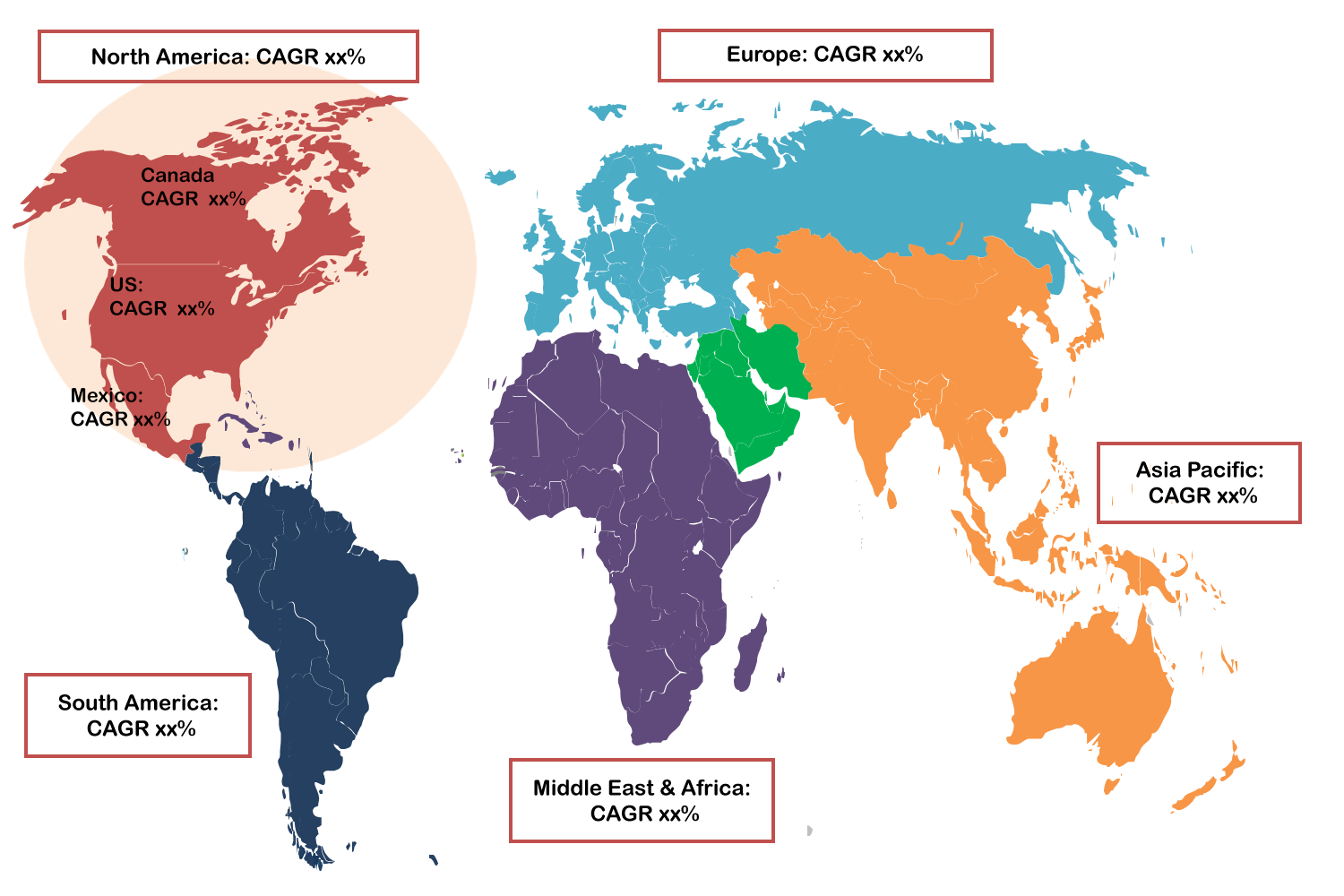
During the forecast period, the Asia Pacific region is expected to hold the largest market share, driven by the region's expansive agricultural footprint and high dependence on crop protection inputs. Countries such as China, India, and Japan are experiencing strong demand for bactericides owing to intensive cultivation practices and a rising incidence of crop diseases. Moreover, the region’s favorable agro-climatic conditions and diverse cropping patterns contribute to consistent bactericide usage, reinforcing its dominant market position.
Region with highest CAGR:
Over the forecast period, the North America region is anticipated to exhibit the highest CAGR, propelled by the region's advanced agricultural practices and emphasis on sustainable crop protection. Regulatory support for environmentally compliant solutions and increasing R&D investments in bio-based bactericides are further stimulating market growth. Rising consumer preferences for high-quality, pathogen-free produce also compel growers to adopt effective bacterial control strategies. These factors collectively drive North America’s status as the fastest-growing regional market.
Key players in the market
Some of the key players in Crop Bactericides Market include Bayer CropScience AG, Syngenta AG, BASF SE, Nufarm Ltd., FMC Corporation, Biostadt India Ltd., Sumitomo Chemical Co., Ltd., ADAMA Agricultural Solutions Ltd., DowDuPont Inc., PI Industries Ltd., Aries Agro Ltd., American Vanguard Corp., Coromandel International Ltd., Nippon Soda Co., Ltd., and Dow AgroSciences LLC.
Key Developments:
In May 2025, Bayer CropScience AG introduced a new bio-based bactericide formulation under its Serenade brand, designed for sustainable crop protection. The product targets bacterial diseases in fruits and vegetables, offering residue-free disease management with enhanced environmental compatibility, aligning with global sustainability trends.
In April 2025, Syngenta AG launched a next-generation copper-based bactericide for foliar application, optimized for high-efficacy control of bacterial leaf spot in tomatoes. This product integrates with precision agriculture tools to improve application efficiency and reduce environmental impact.
In March 2025, FMC Corporation announced the registration of its new bactericide, powered by Isoflex Active (bixlozone), for use on wheat and cotton crops in key markets. The product offers broad-spectrum bacterial control and is designed to address emerging resistance challenges in crop pathogens.
Product Types Covered:
• Copper
• Amide
• Dithiocarbamate
• Other Product Types
Crop Types Covered:
• Fruits & vegetables
• Cereals
• Pulses
• Oilseeds
• Other Crop Types
Formulations Covered:
• Liquid
• Solid
Applications Covered:
• Foliar
• Soil
• Other Applications
End User Covered:
• Commercial Farmers
• Horticulturists
• Greenhouse Operators
• Other End Users
Regions Covered:
• North America
o US
o Canada
o Mexico
• Europe
o Germany
o UK
o Italy
o France
o Spain
o Rest of Europe
• Asia Pacific
o Japan
o China
o India
o Australia
o New Zealand
o South Korea
o Rest of Asia Pacific
• South America
o Argentina
o Brazil
o Chile
o Rest of South America
• Middle East & Africa
o Saudi Arabia
o UAE
o Qatar
o South Africa
o Rest of Middle East & Africa
What our report offers:
- Market share assessments for the regional and country-level segments
- Strategic recommendations for the new entrants
- Covers Market data for the years 2024, 2025, 2026, 2028, and 2032
- Market Trends (Drivers, Constraints, Opportunities, Threats, Challenges, Investment Opportunities, and recommendations)
- Strategic recommendations in key business segments based on the market estimations
- Competitive landscaping mapping the key common trends
- Company profiling with detailed strategies, financials, and recent developments
- Supply chain trends mapping the latest technological advancements
Free Customization Offerings:
All the customers of this report will be entitled to receive one of the following free customization options:
• Company Profiling
o Comprehensive profiling of additional market players (up to 3)
o SWOT Analysis of key players (up to 3)
• Regional Segmentation
o Market estimations, Forecasts and CAGR of any prominent country as per the client's interest (Note: Depends on feasibility check)
• Competitive Benchmarking
o Benchmarking of key players based on product portfolio, geographical presence, and strategic alliances
Table of Contents
1 Executive Summary
2 Preface
2.1 Abstract
2.2 Stake Holders
2.3 Research Scope
2.4 Research Methodology
2.4.1 Data Mining
2.4.2 Data Analysis
2.4.3 Data Validation
2.4.4 Research Approach
2.5 Research Sources
2.5.1 Primary Research Sources
2.5.2 Secondary Research Sources
2.5.3 Assumptions
3 Market Trend Analysis
3.1 Introduction
3.2 Drivers
3.3 Restraints
3.4 Opportunities
3.5 Threats
3.6 Product Analysis
3.7 Application Analysis
3.8 End User Analysis
3.9 Emerging Markets
3.10 Impact of Covid-19
4 Porters Five Force Analysis
4.1 Bargaining power of suppliers
4.2 Bargaining power of buyers
4.3 Threat of substitutes
4.4 Threat of new entrants
4.5 Competitive rivalry
5 Global Crop Bactericides Market, By Product Type
5.1 Introduction
5.2 Copper
5.3 Amide
5.4 Dithiocarbamate
5.5 Other Product Types
6 Global Crop Bactericides Market, By Crop Type
6.1 Introduction
6.2 Fruits & vegetables
6.3 Cereals
6.4 Pulses
6.5 Oilseeds
6.6 Other Crop Types
7 Global Crop Bactericides Market, By Formulation
7.1 Introduction
7.2 Liquid
7.3 Solid
8 Global Crop Bactericides Market, By Application
8.1 Introduction
8.2 Foliar
8.3 Soil
8.4 Other Applications
9 Global Crop Bactericides Market, By End User
9.1 Introduction
9.2 Commercial Farmers
9.3 Horticulturists
9.4 Greenhouse Operators
9.5 Other End Users
10 Global Crop Bactericides Market, By Geography
10.1 Introduction
10.2 North America
10.2.1 US
10.2.2 Canada
10.2.3 Mexico
10.3 Europe
10.3.1 Germany
10.3.2 UK
10.3.3 Italy
10.3.4 France
10.3.5 Spain
10.3.6 Rest of Europe
10.4 Asia Pacific
10.4.1 Japan
10.4.2 China
10.4.3 India
10.4.4 Australia
10.4.5 New Zealand
10.4.6 South Korea
10.4.7 Rest of Asia Pacific
10.5 South America
10.5.1 Argentina
10.5.2 Brazil
10.5.3 Chile
10.5.4 Rest of South America
10.6 Middle East & Africa
10.6.1 Saudi Arabia
10.6.2 UAE
10.6.3 Qatar
10.6.4 South Africa
10.6.5 Rest of Middle East & Africa
11 Key Developments
11.1 Agreements, Partnerships, Collaborations and Joint Ventures
11.2 Acquisitions & Mergers
11.3 New Product Launch
11.4 Expansions
11.5 Other Key Strategies
12 Company Profiling
12.1 Bayer CropScience AG
12.2 Syngenta AG
12.3 BASF SE
12.4 Nufarm Ltd.
12.5 FMC Corporation
12.6 Biostadt India Ltd.
12.7 Sumitomo Chemical Co., Ltd.
12.8 ADAMA Agricultural Solutions Ltd.
12.9 DowDuPont Inc.
12.10 PI Industries Ltd.
12.11 Aries Agro Ltd.
12.12 American Vanguard Corp.
12.13 Coromandel International Ltd.
12.14 Nippon Soda Co., Ltd.
12.15 Dow AgroSciences LLC
List of Tables
1 Global Crop Bactericides Market Outlook, By Region (2024-2032) ($MN)
2 Global Crop Bactericides Market Outlook, By Product Type (2024-2032) ($MN)
3 Global Crop Bactericides Market Outlook, By Copper (2024-2032) ($MN)
4 Global Crop Bactericides Market Outlook, By Amide (2024-2032) ($MN)
5 Global Crop Bactericides Market Outlook, By Dithiocarbamate (2024-2032) ($MN)
6 Global Crop Bactericides Market Outlook, By Other Product Types (2024-2032) ($MN)
7 Global Crop Bactericides Market Outlook, By Crop Type (2024-2032) ($MN)
8 Global Crop Bactericides Market Outlook, By Fruits & vegetables (2024-2032) ($MN)
9 Global Crop Bactericides Market Outlook, By Cereals (2024-2032) ($MN)
10 Global Crop Bactericides Market Outlook, By Pulses (2024-2032) ($MN)
11 Global Crop Bactericides Market Outlook, By Oilseeds (2024-2032) ($MN)
12 Global Crop Bactericides Market Outlook, By Other Crop Types (2024-2032) ($MN)
13 Global Crop Bactericides Market Outlook, By Formulation (2024-2032) ($MN)
14 Global Crop Bactericides Market Outlook, By Liquid (2024-2032) ($MN)
15 Global Crop Bactericides Market Outlook, By Solid (2024-2032) ($MN)
16 Global Crop Bactericides Market Outlook, By Application (2024-2032) ($MN)
17 Global Crop Bactericides Market Outlook, By Foliar (2024-2032) ($MN)
18 Global Crop Bactericides Market Outlook, By Soil (2024-2032) ($MN)
19 Global Crop Bactericides Market Outlook, By Other Applications (2024-2032) ($MN)
20 Global Crop Bactericides Market Outlook, By End User (2024-2032) ($MN)
21 Global Crop Bactericides Market Outlook, By Commercial Farmers (2024-2032) ($MN)
22 Global Crop Bactericides Market Outlook, By Horticulturists (2024-2032) ($MN)
23 Global Crop Bactericides Market Outlook, By Greenhouse Operators (2024-2032) ($MN)
24 Global Crop Bactericides Market Outlook, By Other End Users (2024-2032) ($MN)
Note: Tables for North America, Europe, APAC, South America, and Middle East & Africa Regions are also represented in the same manner as above.
List of Figures
RESEARCH METHODOLOGY

We at ‘Stratistics’ opt for an extensive research approach which involves data mining, data validation, and data analysis. The various research sources include in-house repository, secondary research, competitor’s sources, social media research, client internal data, and primary research.
Our team of analysts prefers the most reliable and authenticated data sources in order to perform the comprehensive literature search. With access to most of the authenticated data bases our team highly considers the best mix of information through various sources to obtain extensive and accurate analysis.
Each report takes an average time of a month and a team of 4 industry analysts. The time may vary depending on the scope and data availability of the desired market report. The various parameters used in the market assessment are standardized in order to enhance the data accuracy.
Data Mining
The data is collected from several authenticated, reliable, paid and unpaid sources and is filtered depending on the scope & objective of the research. Our reports repository acts as an added advantage in this procedure. Data gathering from the raw material suppliers, distributors and the manufacturers is performed on a regular basis, this helps in the comprehensive understanding of the products value chain. Apart from the above mentioned sources the data is also collected from the industry consultants to ensure the objective of the study is in the right direction.
Market trends such as technological advancements, regulatory affairs, market dynamics (Drivers, Restraints, Opportunities and Challenges) are obtained from scientific journals, market related national & international associations and organizations.
Data Analysis
From the data that is collected depending on the scope & objective of the research the data is subjected for the analysis. The critical steps that we follow for the data analysis include:
- Product Lifecycle Analysis
- Competitor analysis
- Risk analysis
- Porters Analysis
- PESTEL Analysis
- SWOT Analysis
The data engineering is performed by the core industry experts considering both the Marketing Mix Modeling and the Demand Forecasting. The marketing mix modeling makes use of multiple-regression techniques to predict the optimal mix of marketing variables. Regression factor is based on a number of variables and how they relate to an outcome such as sales or profits.
Data Validation
The data validation is performed by the exhaustive primary research from the expert interviews. This includes telephonic interviews, focus groups, face to face interviews, and questionnaires to validate our research from all aspects. The industry experts we approach come from the leading firms, involved in the supply chain ranging from the suppliers, distributors to the manufacturers and consumers so as to ensure an unbiased analysis.
We are in touch with more than 15,000 industry experts with the right mix of consultants, CEO's, presidents, vice presidents, managers, experts from both supply side and demand side, executives and so on.
The data validation involves the primary research from the industry experts belonging to:
- Leading Companies
- Suppliers & Distributors
- Manufacturers
- Consumers
- Industry/Strategic Consultants
Apart from the data validation the primary research also helps in performing the fill gap research, i.e. providing solutions for the unmet needs of the research which helps in enhancing the reports quality.
For more details about research methodology, kindly write to us at info@strategymrc.com
Frequently Asked Questions
In case of any queries regarding this report, you can contact the customer service by filing the “Inquiry Before Buy” form available on the right hand side. You may also contact us through email: info@strategymrc.com or phone: +1-301-202-5929
Yes, the samples are available for all the published reports. You can request them by filling the “Request Sample” option available in this page.
Yes, you can request a sample with your specific requirements. All the customized samples will be provided as per the requirement with the real data masked.
All our reports are available in Digital PDF format. In case if you require them in any other formats, such as PPT, Excel etc you can submit a request through “Inquiry Before Buy” form available on the right hand side. You may also contact us through email: info@strategymrc.com or phone: +1-301-202-5929
We offer a free 15% customization with every purchase. This requirement can be fulfilled for both pre and post sale. You may send your customization requirements through email at info@strategymrc.com or call us on +1-301-202-5929.
We have 3 different licensing options available in electronic format.
- Single User Licence: Allows one person, typically the buyer, to have access to the ordered product. The ordered product cannot be distributed to anyone else.
- 2-5 User Licence: Allows the ordered product to be shared among a maximum of 5 people within your organisation.
- Corporate License: Allows the product to be shared among all employees of your organisation regardless of their geographical location.
All our reports are typically be emailed to you as an attachment.
To order any available report you need to register on our website. The payment can be made either through CCAvenue or PayPal payments gateways which accept all international cards.
We extend our support to 6 months post sale. A post sale customization is also provided to cover your unmet needs in the report.
Request Customization
We offer complimentary customization of up to 15% with every purchase. To share your customization requirements, feel free to email us at info@strategymrc.com or call us on +1-301-202-5929. .
Please Note: Customization within the 15% threshold is entirely free of charge. If your request exceeds this limit, we will conduct a feasibility assessment. Following that, a detailed quote and timeline will be provided.
WHY CHOOSE US ?

Assured Quality
Best in class reports with high standard of research integrity

24X7 Research Support
Continuous support to ensure the best customer experience.

Free Customization
Adding more values to your product of interest.

Safe & Secure Access
Providing a secured environment for all online transactions.

Trusted by 600+ Brands
Serving the most reputed brands across the world.
