
Dense Wavelength Division Multiplexing Dwdm Market
Dense Wavelength Division Multiplexing (DWDM) Market Forecasts to 2032 – Global Analysis By Component (Optical Transceivers, Optical Amplifiers, Transponders/Muxponders, DWDM Mux/Demux Filters, OADM, Regenerators, Transmission Media, Optical Switches, Optical Packet Platforms and Other Components), Data Rate (Up to 10 Gbps, 10 Gbps, 40 Gbps, 100 Gbps, 200 Gbps, 400 Gbps and More than 400 Gbps), Channel, Technology, End User, and By Geography

According to Stratistics MRC, the Global Dense Wavelength Division Multiplexing (DWDM) Market is accounted for $14.3 billion in 2025 and is expected to reach $28.2 billion by 2032 growing at a CAGR of 10.2% during the forecast period. Dense Wavelength Division Multiplexing (DWDM) is an advanced fiber-optic transmission technique that increases bandwidth by multiplexing multiple data signals onto a single optical fiber using different light wavelengths. Each wavelength operates independently, enabling high-capacity data transport over long distances with minimal signal loss. DWDM is widely adopted in telecommunications and data center networks to meet growing data demands and optimize fiber infrastructure without the need for additional physical cables.
According to ArXiv, German researchers (Deutsche Telekom and others) achieved 56.51 Tb/s over 96.5 km using 34 channels at ~1.66 Tb/s per channel in 2021, with spectral efficiency exceeding 11 bit/s/Hz. A single-channel test reached 1.71 Tb/s.
Market Dynamics:
Driver:
Growing demand for high-bandwidth data transmission
The surge in internet traffic fueled by 5G deployments, cloud computing, and the proliferation of data centers has compelled telecom operators to seek advanced solutions for accommodating exponential data growth. DWDM technology enables the simultaneous transmission of multiple signals on a single optical fiber, maximizing capacity and efficiency. Moreover, as organizations and consumers increasingly adopt bandwidth-intensive applications, such as video streaming and IoT, the imperative for robust, high-throughput connectivity further propels DWDM adoption, cementing its critical market position.
Restraint:
Complexity in network management and signal interference
Managing DWDM systems demands advanced expertise and specialized tools due to the intricacies of wavelength multiplexing and the need for precise signal quality preservation across long distances. The risk of operational errors and potential service disruptions is heightened in the absence of skilled personnel, which may deter some organizations from embracing DWDM solutions. Additionally, these complexities often necessitate higher operational costs and continuous maintenance, further hindering market expansion for entities unable to support such requirements.
Opportunity:
Increasing government investments in telecom infrastructure
Increasing government investments in telecom infrastructure are opening significant growth avenues for the DWDM. As national digital transformation agendas advance, substantial public and private funding is being channeled into expanding and modernizing fiber-optic networks. These investments, particularly in emerging economies and smart city initiatives, accelerate the deployment of high-capacity, reliable communication backbones. Additionally, as governments prioritize seamless digital services, DWDM technology becomes indispensable for supporting mission-critical connectivity, enhancing both urban and rural network performance, and driving further innovation across sectors reliant on robust telecommunications infrastructure.
Threat:
Risk of cybersecurity breaches
With the increasing adoption of high-capacity optical networks in critical sectors such as finance and government, the stakes for protecting data in transit are higher than ever. Vulnerabilities within DWDM infrastructures could be exploited to compromise sensitive information or disrupt essential services. The evolving landscape of cyber threats necessitates ongoing investment in encryption, monitoring, and advanced security protocols, and failure to adequately address these concerns can undermine trust and deter adoption in industries requiring stringent data protection measures.
Covid-19 Impact:
The Covid-19 pandemic initially disrupted the DWDM market due to supply chain interruptions and delayed network projects. However, the rapid transition to remote work, increased reliance on e-commerce, and expanded use of cloud and collaboration platforms fueled an unprecedented surge in data traffic. This scenario underscored the necessity for robust, scalable communication networks, driving demand for DWDM solutions to support heightened digital activity. As organizations accelerated digital transformation efforts, DWDM technology played a vital role in ensuring network resilience and supporting economic recovery.
The optical transceivers segment is expected to be the largest during the forecast period
The optical transceivers segment is expected to account for the largest market share during the forecast period. Key factors include the escalating demand for high-speed connectivity across telecom and data center networks, where coherent optics and advances in pluggable modules significantly enhance performance and cost-effectiveness. Furthermore, the widespread rollout of 5G and the increasing adoption of cloud services amplify the need for robust DWDM solutions, making optical transceivers indispensable for expanding network bandwidth and supporting high-capacity traffic flows. As a result, the optical transceivers segment is positioned for sustained dominance, driven by ongoing technological innovation and market demand.
The more than 400 Gbps segment is expected to have the highest CAGR during the forecast period
Over the forecast period, the more than 400 Gbps segment is predicted to witness the highest growth rate, propelled by mounting requirements for ultra-high-speed data transfers in data centers and carrier networks, especially as digital services, streaming, and the adoption of advanced applications surge globally. Technological advancements in coherent optics and modulation formats underpin this growth, enabling efficient and scalable upgrades to existing infrastructures. The transition toward next-generation cloud and enterprise services further accelerates adoption, positioning this segment as a key contributor to the future expansion of the DWDM market.
Region with largest share:
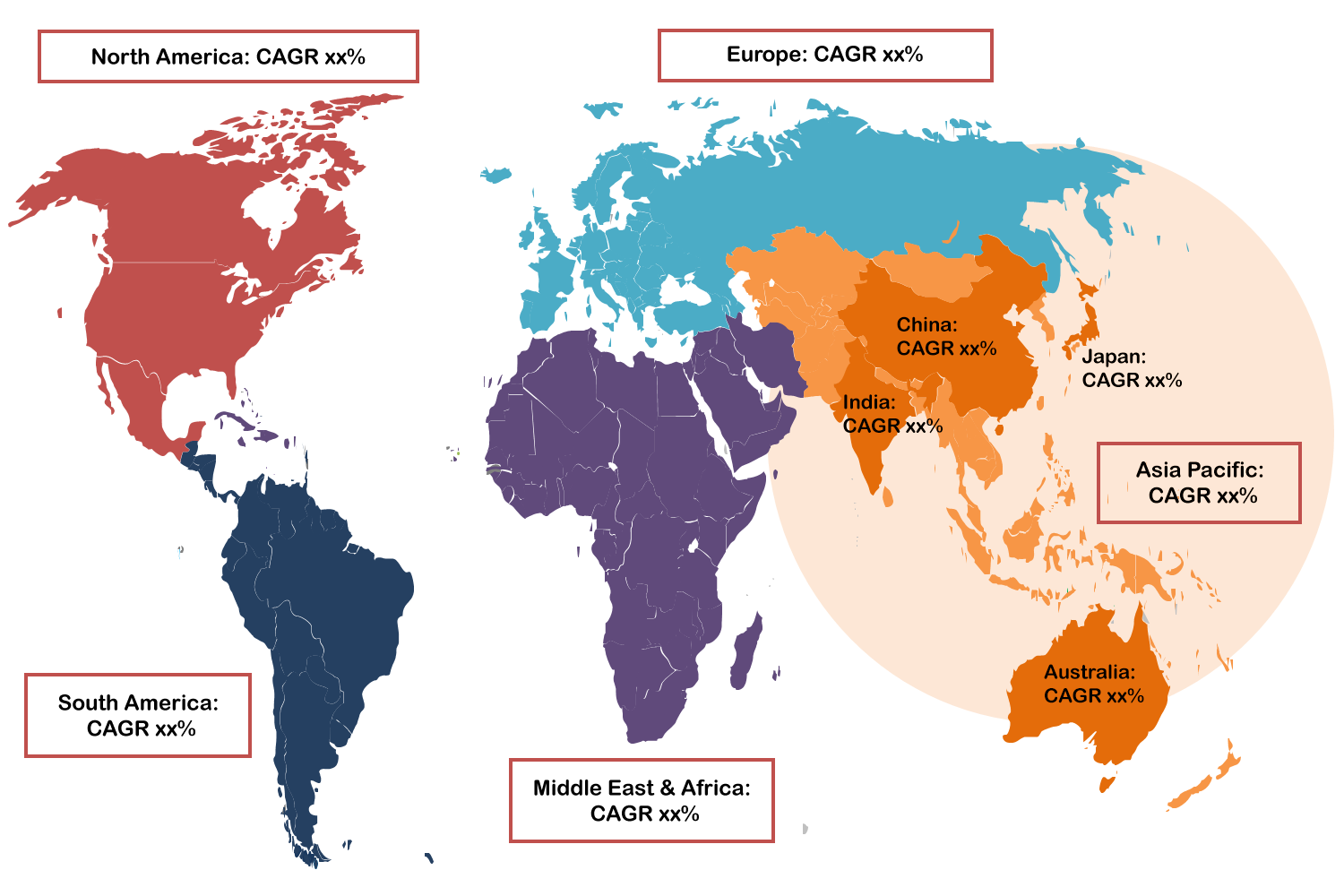
During the forecast period, the Asia Pacific region is expected to hold the largest market share. The region benefits from robust investments in telecom infrastructure, rapid urbanization, and the explosion of internet and mobile users, particularly in countries like China, India, and Japan. Additionally, widespread 5G deployments and government-backed smart city initiatives are catalyzing demand for high-capacity optical networking solutions. This growth is further fueled by expanding data center ecosystems and enterprise digitization, cementing Asia Pacific’s role as the leading and most influential market for DWDM technologies.
Region with highest CAGR:
Over the forecast period, the Asia Pacific region is anticipated to exhibit the highest CAGR. Aggressive expansion of telecommunications networks, surging demand for high-speed internet, and large-scale investments in next-generation infrastructure are central to this momentum. Countries in the region are prioritizing digital transformation across industries, fostering an environment ripe for rapid DWDM adoption. With increasing technological integration and government focus on broadband expansion, Asia Pacific is set to witness the highest growth rate.
Key players in the market
Some of the key players in Dense Wavelength Division Multiplexing (DWDM) Market include Cisco Systems, Inc., Ciena Corporation, Infinera Corporation, Fujitsu Limited, Nokia Corporation, Huawei Technologies Co., Ltd., ZTE Corporation, ADVA Optical Networking SE, Adtran, Inc., Alcatel-Lucent S.A., Lumentum Operations LLC, Coriant GmbH, NEC Corporation, Ericsson AB, FiberHome Telecommunication Technologies Co., Ltd., Aliathon Technologies Ltd., and Mitsubishi Electric Corporation.
Key Developments:
In April 2025, ZTE Corporation (0763.HK / 000063.SZ), a global leading provider of integrated information and communication technology solutions, and Türk Telekom, the largest integrated telecom operator in Türkiye, have jointly completed the world's first 1.6T DWDM (Dense Wavelength Division Multiplexing) trial with 12THz bandwidth on the live network in Istanbul, Türkiye's largest city. The trial successfully transmitted ultra-fast 800GE/400GE services, laying a solid foundation for the upcoming large-scale deployment of 5G networks, supporting the digital transformation of industries in Türkiye, and driving the economic development of Europe and Asia.
In September 2024, Nokia announced that International Gateway Company Limited (IGC) has selected Nokia’s next-generation optical transport solution to modernize its existing DWDM network, which connects the East region to Cambodia and the South region to Malaysia. Powered by Nokia’s latest generation Photonic Service Engine (PSE) chipset, the upgraded network will be capable of transmitting 400G per wavelength, enabling IGC to more effectively manage booming traffic demands while ensuring superior data center connectivity for its customers.
In February 2024, Cisco announced that they have successfully transmitted 800Gbps on the Amitié transatlantic communications cable, which runs 6,234 kilometers from Boston, Massachusetts to Bordeaux, France. The continued growth of cloud and explosion of AI services is driving the need for greater subsea network capacity, which requires advanced coherent transmission systems that support higher performance. This trial was conducted to target improvements in subsea transmission to provide increased performance and capacity.
Components Covered:
• Optical Transceivers
• Optical Amplifiers
• Transponders/Muxponders
• DWDM Mux/Demux Filters
• Optical Add/Drop Multiplexers (OADM)
• Regenerators
• Transmission Media (Fiber Optic Cables)
• Optical Switches
• Optical Packet Platforms
• Other Components
Data Rates:
• Up to 10 Gbps
• 10 Gbps
• 40 Gbps
• 100 Gbps
• 200 Gbps
• 400 Gbps
• More than 400 Gbps
Channels Covered:
• Up to 80 Channels
• 80 - 120 Channels
• More than 120 Channels
Technologies Covered:
• Coherent DWDM
• ROADM-based DWDM
• Open Optical Networking
• Packet-Optical Integration
• Other Technologies
End Users Covered:
• IT & Telecom
• BFSI (Banking, Financial Services, and Insurance)
• Government & Public Sector
• Healthcare & Life Sciences
• Energy & Utilities
• Data Centers
• Cloud Providers & Internet Content Providers
• Other End Users
Regions Covered:
• North America
o US
o Canada
o Mexico
• Europe
o Germany
o UK
o Italy
o France
o Spain
o Rest of Europe
• Asia Pacific
o Japan
o China
o India
o Australia
o New Zealand
o South Korea
o Rest of Asia Pacific
• South America
o Argentina
o Brazil
o Chile
o Rest of South America
• Middle East & Africa
o Saudi Arabia
o UAE
o Qatar
o South Africa
o Rest of Middle East & Africa
What our report offers:
- Market share assessments for the regional and country-level segments
- Strategic recommendations for the new entrants
- Covers Market data for the years 2024, 2025, 2026, 2028, and 2032
- Market Trends (Drivers, Constraints, Opportunities, Threats, Challenges, Investment Opportunities, and recommendations)
- Strategic recommendations in key business segments based on the market estimations
- Competitive landscaping mapping the key common trends
- Company profiling with detailed strategies, financials, and recent developments
- Supply chain trends mapping the latest technological advancements
Free Customization Offerings:
All the customers of this report will be entitled to receive one of the following free customization options:
• Company Profiling
o Comprehensive profiling of additional market players (up to 3)
o SWOT Analysis of key players (up to 3)
• Regional Segmentation
o Market estimations, Forecasts and CAGR of any prominent country as per the client's interest (Note: Depends on feasibility check)
• Competitive Benchmarking
o Benchmarking of key players based on product portfolio, geographical presence, and strategic alliances
Table of Contents
1 Executive Summary
2 Preface
2.1 Abstract
2.2 Stake Holders
2.3 Research Scope
2.4 Research Methodology
2.4.1 Data Mining
2.4.2 Data Analysis
2.4.3 Data Validation
2.4.4 Research Approach
2.5 Research Sources
2.5.1 Primary Research Sources
2.5.2 Secondary Research Sources
2.5.3 Assumptions
3 Market Trend Analysis
3.1 Introduction
3.2 Drivers
3.3 Restraints
3.4 Opportunities
3.5 Threats
3.6 Technology Analysis
3.7 End User Analysis
3.8 Emerging Markets
3.9 Impact of Covid-19
4 Porters Five Force Analysis
4.1 Bargaining power of suppliers
4.2 Bargaining power of buyers
4.3 Threat of substitutes
4.4 Threat of new entrants
4.5 Competitive rivalry
5 Global Dense Wavelength Division Multiplexing (DWDM) Market, By Component
5.1 Introduction
5.2 Optical Transceivers
5.2.1 SFP, SFP+
5.2.2 XFP
5.2.3 CFP, CFP2, CFP4
5.2.4 QSFP (QSFP28, QSFP56, QSFP-DD)
5.2.5 Coherent Optical Modules
5.2.6 Custom/Proprietary Modules
5.3 Optical Amplifiers
5.4 Transponders/Muxponders
5.5 DWDM Mux/Demux Filters
5.6 Optical Add/Drop Multiplexers (OADM)
5.7 Regenerators
5.8 Transmission Media (Fiber Optic Cables)
5.9 Optical Switches
5.10 Optical Packet Platforms
5.11 Other Components
6 Global Dense Wavelength Division Multiplexing (DWDM) Market, By Data Rate (Per Channel)
6.1 Introduction
6.2 Up to 10 Gbps
6.3 10 Gbps
6.4 40 Gbps
6.5 100 Gbps
6.6 200 Gbps
6.7 400 Gbps
6.8 More than 400 Gbps
7 Global Dense Wavelength Division Multiplexing (DWDM) Market, By Channel
7.1 Introduction
7.2 Up to 80 Channels
7.3 80 - 120 Channels
7.4 More than 120 Channels
8 Global Dense Wavelength Division Multiplexing (DWDM) Market, By Technology
8.1 Introduction
8.2 Coherent DWDM
8.3 ROADM-based DWDM
8.4 Open Optical Networking
8.5 Packet-Optical Integration
8.6 Other Technologies
9 Global Dense Wavelength Division Multiplexing (DWDM) Market, By End User
9.1 Introduction
9.2 IT & Telecom
9.3 BFSI (Banking, Financial Services, and Insurance)
9.4 Government & Public Sector
9.5 Healthcare & Life Sciences
9.6 Energy & Utilities
9.7 Data Centers
9.8 Cloud Providers & Internet Content Providers
9.9 Other End Users
10 Global Dense Wavelength Division Multiplexing (DWDM) Market, By Geography
10.1 Introduction
10.2 North America
10.2.1 US
10.2.2 Canada
10.2.3 Mexico
10.3 Europe
10.3.1 Germany
10.3.2 UK
10.3.3 Italy
10.3.4 France
10.3.5 Spain
10.3.6 Rest of Europe
10.4 Asia Pacific
10.4.1 Japan
10.4.2 China
10.4.3 India
10.4.4 Australia
10.4.5 New Zealand
10.4.6 South Korea
10.4.7 Rest of Asia Pacific
10.5 South America
10.5.1 Argentina
10.5.2 Brazil
10.5.3 Chile
10.5.4 Rest of South America
10.6 Middle East & Africa
10.6.1 Saudi Arabia
10.6.2 UAE
10.6.3 Qatar
10.6.4 South Africa
10.6.5 Rest of Middle East & Africa
11 Key Developments
11.1 Agreements, Partnerships, Collaborations and Joint Ventures
11.2 Acquisitions & Mergers
11.3 New Product Launch
11.4 Expansions
11.5 Other Key Strategies
12 Company Profiling
12.1 Cisco Systems, Inc.
12.2 Ciena Corporation
12.3 Infinera Corporation
12.4 Fujitsu Limited
12.5 Nokia Corporation
12.6 Huawei Technologies Co., Ltd.
12.7 ZTE Corporation
12.8 ADVA Optical Networking SE
12.9 Adtran, Inc.
12.10 Alcatel-Lucent S.A.
12.11 Lumentum Operations LLC
12.12 Coriant GmbH
12.13 NEC Corporation
12.14 Ericsson AB
12.15 FiberHome Telecommunication Technologies Co., Ltd.
12.16 Aliathon Technologies Ltd.
12.17 Mitsubishi Electric Corporation
List of Tables
1 Global Dense Wavelength Division Multiplexing (DWDM) Market Outlook, By Region (2024-2032) ($MN)
2 Global Dense Wavelength Division Multiplexing (DWDM) Market Outlook, By Component (2024-2032) ($MN)
3 Global Dense Wavelength Division Multiplexing (DWDM) Market Outlook, By Optical Transceivers (2024-2032) ($MN)
4 Global Dense Wavelength Division Multiplexing (DWDM) Market Outlook, By SFP, SFP+ (2024-2032) ($MN)
5 Global Dense Wavelength Division Multiplexing (DWDM) Market Outlook, By XFP (2024-2032) ($MN)
6 Global Dense Wavelength Division Multiplexing (DWDM) Market Outlook, By CFP, CFP2, CFP4 (2024-2032) ($MN)
7 Global Dense Wavelength Division Multiplexing (DWDM) Market Outlook, By QSFP (QSFP28, QSFP56, QSFP-DD) (2024-2032) ($MN)
8 Global Dense Wavelength Division Multiplexing (DWDM) Market Outlook, By Coherent Optical Modules (2024-2032) ($MN)
9 Global Dense Wavelength Division Multiplexing (DWDM) Market Outlook, By Custom/Proprietary Modules (2024-2032) ($MN)
10 Global Dense Wavelength Division Multiplexing (DWDM) Market Outlook, By Optical Amplifiers (2024-2032) ($MN)
11 Global Dense Wavelength Division Multiplexing (DWDM) Market Outlook, By Transponders/Muxponders (2024-2032) ($MN)
12 Global Dense Wavelength Division Multiplexing (DWDM) Market Outlook, By DWDM Mux/Demux Filters (2024-2032) ($MN)
13 Global Dense Wavelength Division Multiplexing (DWDM) Market Outlook, By Optical Add/Drop Multiplexers (OADM) (2024-2032) ($MN)
14 Global Dense Wavelength Division Multiplexing (DWDM) Market Outlook, By Regenerators (2024-2032) ($MN)
15 Global Dense Wavelength Division Multiplexing (DWDM) Market Outlook, By Transmission Media (Fiber Optic Cables) (2024-2032) ($MN)
16 Global Dense Wavelength Division Multiplexing (DWDM) Market Outlook, By Optical Switches (2024-2032) ($MN)
17 Global Dense Wavelength Division Multiplexing (DWDM) Market Outlook, By Optical Packet Platforms (2024-2032) ($MN)
18 Global Dense Wavelength Division Multiplexing (DWDM) Market Outlook, By Other Components (2024-2032) ($MN)
19 Global Dense Wavelength Division Multiplexing (DWDM) Market Outlook, By Data Rate (Per Channel) (2024-2032) ($MN)
20 Global Dense Wavelength Division Multiplexing (DWDM) Market Outlook, By Up to 10 Gbps (2024-2032) ($MN)
21 Global Dense Wavelength Division Multiplexing (DWDM) Market Outlook, By 10 Gbps (2024-2032) ($MN)
22 Global Dense Wavelength Division Multiplexing (DWDM) Market Outlook, By 40 Gbps (2024-2032) ($MN)
23 Global Dense Wavelength Division Multiplexing (DWDM) Market Outlook, By 100 Gbps (2024-2032) ($MN)
24 Global Dense Wavelength Division Multiplexing (DWDM) Market Outlook, By 200 Gbps (2024-2032) ($MN)
25 Global Dense Wavelength Division Multiplexing (DWDM) Market Outlook, By 400 Gbps (2024-2032) ($MN)
26 Global Dense Wavelength Division Multiplexing (DWDM) Market Outlook, By More than 400 Gbps (2024-2032) ($MN)
27 Global Dense Wavelength Division Multiplexing (DWDM) Market Outlook, By Channel (2024-2032) ($MN)
28 Global Dense Wavelength Division Multiplexing (DWDM) Market Outlook, By Up to 80 Channels (2024-2032) ($MN)
29 Global Dense Wavelength Division Multiplexing (DWDM) Market Outlook, By 80 - 120 Channels (2024-2032) ($MN)
30 Global Dense Wavelength Division Multiplexing (DWDM) Market Outlook, By More than 120 Channels (2024-2032) ($MN)
31 Global Dense Wavelength Division Multiplexing (DWDM) Market Outlook, By Technology (2024-2032) ($MN)
32 Global Dense Wavelength Division Multiplexing (DWDM) Market Outlook, By Coherent DWDM (2024-2032) ($MN)
33 Global Dense Wavelength Division Multiplexing (DWDM) Market Outlook, By ROADM-based DWDM (2024-2032) ($MN)
34 Global Dense Wavelength Division Multiplexing (DWDM) Market Outlook, By Open Optical Networking (2024-2032) ($MN)
35 Global Dense Wavelength Division Multiplexing (DWDM) Market Outlook, By Packet-Optical Integration (2024-2032) ($MN)
36 Global Dense Wavelength Division Multiplexing (DWDM) Market Outlook, By Other Technologies (2024-2032) ($MN)
37 Global Dense Wavelength Division Multiplexing (DWDM) Market Outlook, By End User (2024-2032) ($MN)
38 Global Dense Wavelength Division Multiplexing (DWDM) Market Outlook, By IT & Telecom (2024-2032) ($MN)
39 Global Dense Wavelength Division Multiplexing (DWDM) Market Outlook, By BFSI (Banking, Financial Services, and Insurance) (2024-2032) ($MN)
40 Global Dense Wavelength Division Multiplexing (DWDM) Market Outlook, By Government & Public Sector (2024-2032) ($MN)
41 Global Dense Wavelength Division Multiplexing (DWDM) Market Outlook, By Healthcare & Life Sciences (2024-2032) ($MN)
42 Global Dense Wavelength Division Multiplexing (DWDM) Market Outlook, By Energy & Utilities (2024-2032) ($MN)
43 Global Dense Wavelength Division Multiplexing (DWDM) Market Outlook, By Data Centers (2024-2032) ($MN)
44 Global Dense Wavelength Division Multiplexing (DWDM) Market Outlook, By Cloud Providers & Internet Content Providers (2024-2032) ($MN)
45 Global Dense Wavelength Division Multiplexing (DWDM) Market Outlook, By Other End Users (2024-2032) ($MN)
Note: Tables for North America, Europe, APAC, South America, and Middle East & Africa Regions are also represented in the same manner as above.
List of Figures
RESEARCH METHODOLOGY

We at ‘Stratistics’ opt for an extensive research approach which involves data mining, data validation, and data analysis. The various research sources include in-house repository, secondary research, competitor’s sources, social media research, client internal data, and primary research.
Our team of analysts prefers the most reliable and authenticated data sources in order to perform the comprehensive literature search. With access to most of the authenticated data bases our team highly considers the best mix of information through various sources to obtain extensive and accurate analysis.
Each report takes an average time of a month and a team of 4 industry analysts. The time may vary depending on the scope and data availability of the desired market report. The various parameters used in the market assessment are standardized in order to enhance the data accuracy.
Data Mining
The data is collected from several authenticated, reliable, paid and unpaid sources and is filtered depending on the scope & objective of the research. Our reports repository acts as an added advantage in this procedure. Data gathering from the raw material suppliers, distributors and the manufacturers is performed on a regular basis, this helps in the comprehensive understanding of the products value chain. Apart from the above mentioned sources the data is also collected from the industry consultants to ensure the objective of the study is in the right direction.
Market trends such as technological advancements, regulatory affairs, market dynamics (Drivers, Restraints, Opportunities and Challenges) are obtained from scientific journals, market related national & international associations and organizations.
Data Analysis
From the data that is collected depending on the scope & objective of the research the data is subjected for the analysis. The critical steps that we follow for the data analysis include:
- Product Lifecycle Analysis
- Competitor analysis
- Risk analysis
- Porters Analysis
- PESTEL Analysis
- SWOT Analysis
The data engineering is performed by the core industry experts considering both the Marketing Mix Modeling and the Demand Forecasting. The marketing mix modeling makes use of multiple-regression techniques to predict the optimal mix of marketing variables. Regression factor is based on a number of variables and how they relate to an outcome such as sales or profits.
Data Validation
The data validation is performed by the exhaustive primary research from the expert interviews. This includes telephonic interviews, focus groups, face to face interviews, and questionnaires to validate our research from all aspects. The industry experts we approach come from the leading firms, involved in the supply chain ranging from the suppliers, distributors to the manufacturers and consumers so as to ensure an unbiased analysis.
We are in touch with more than 15,000 industry experts with the right mix of consultants, CEO's, presidents, vice presidents, managers, experts from both supply side and demand side, executives and so on.
The data validation involves the primary research from the industry experts belonging to:
- Leading Companies
- Suppliers & Distributors
- Manufacturers
- Consumers
- Industry/Strategic Consultants
Apart from the data validation the primary research also helps in performing the fill gap research, i.e. providing solutions for the unmet needs of the research which helps in enhancing the reports quality.
For more details about research methodology, kindly write to us at info@strategymrc.com
Frequently Asked Questions
In case of any queries regarding this report, you can contact the customer service by filing the “Inquiry Before Buy” form available on the right hand side. You may also contact us through email: info@strategymrc.com or phone: +1-301-202-5929
Yes, the samples are available for all the published reports. You can request them by filling the “Request Sample” option available in this page.
Yes, you can request a sample with your specific requirements. All the customized samples will be provided as per the requirement with the real data masked.
All our reports are available in Digital PDF format. In case if you require them in any other formats, such as PPT, Excel etc you can submit a request through “Inquiry Before Buy” form available on the right hand side. You may also contact us through email: info@strategymrc.com or phone: +1-301-202-5929
We offer a free 15% customization with every purchase. This requirement can be fulfilled for both pre and post sale. You may send your customization requirements through email at info@strategymrc.com or call us on +1-301-202-5929.
We have 3 different licensing options available in electronic format.
- Single User Licence: Allows one person, typically the buyer, to have access to the ordered product. The ordered product cannot be distributed to anyone else.
- 2-5 User Licence: Allows the ordered product to be shared among a maximum of 5 people within your organisation.
- Corporate License: Allows the product to be shared among all employees of your organisation regardless of their geographical location.
All our reports are typically be emailed to you as an attachment.
To order any available report you need to register on our website. The payment can be made either through CCAvenue or PayPal payments gateways which accept all international cards.
We extend our support to 6 months post sale. A post sale customization is also provided to cover your unmet needs in the report.
Request Customization
We offer complimentary customization of up to 15% with every purchase. To share your customization requirements, feel free to email us at info@strategymrc.com or call us on +1-301-202-5929. .
Please Note: Customization within the 15% threshold is entirely free of charge. If your request exceeds this limit, we will conduct a feasibility assessment. Following that, a detailed quote and timeline will be provided.
WHY CHOOSE US ?

Assured Quality
Best in class reports with high standard of research integrity

24X7 Research Support
Continuous support to ensure the best customer experience.

Free Customization
Adding more values to your product of interest.

Safe & Secure Access
Providing a secured environment for all online transactions.

Trusted by 600+ Brands
Serving the most reputed brands across the world.
