
Educational Tourism Market
Educational Tourism Market Forecasts to 2034 - Global Analysis By Tourist Type (Students, Teachers/Educators, Corporate Executives & Professionals, and Families & Lifelong Learners), Program Type, Age Group, Duration, Provider, and By Geography

|
Years Covered |
2023-2034 |
|
Estimated Year Value (2026) |
US $583.2 BN |
|
Projected Year Value (2032) |
US $1507.0 BN |
|
CAGR (2026-2032) |
12.6% |
|
Regions Covered |
North America, Europe, Asia Pacific, South America, and Middle East & Africa |
|
Countries Covered |
US, Canada, Mexico, Germany, UK, Italy, France, Spain, Japan, China, India, Australia, New Zealand, South Korea, Rest of Asia Pacific, South America, Argentina, Brazil, Chile, Middle East & Africa, Saudi Arabia, UAE, Qatar, and South Africa |
|
Largest Market |
Europe |
|
Highest Growing Market |
Asia Pacific |
According to Stratistics MRC, the Global Educational Tourism Market is accounted for $583.2 billion in 2026 and is expected to reach $1,507.0 billion by 2034 growing at a CAGR of 12.6% during the forecast period. Educational tourism involves travel programs that combine learning experiences with cultural exposure, including student exchanges, language immersion, academic tours, research travel, and vocational training abroad. It serves schools, universities, professionals, and lifelong learners. Growth is driven by globalization of education, rising international student mobility, demand for experiential learning, digital marketing by institutions, government scholarship programs, and growing emphasis on global skills and cross-cultural competence.
According to the UN World Tourism Organization, youth and education-related travel represents roughly 23% of international arrivals, equal to over 300 million trips annually before the pandemic.
Market Dynamics:
Driver:
Rising demand for experiential and skill-based travel
The modern educational landscape is shifting away from purely theoretical instruction toward immersive, hands-on experiences. This transition is a primary catalyst for the market, as students and professionals increasingly seek programs that offer real-world application of knowledge. Whether through language immersion in rural villages or STEM-focused workshops in innovation hubs, travelers are prioritizing "learning by doing." This trend is bolstered by employers who value the soft skills such as adaptability and global awareness developed during international stays.
Restraint:
High cost of programs and international travel
The cumulative costs of tuition, international airfare, specialized insurance, and accommodation in major educational hubs often exceed the budgets of middle-income families in emerging economies. Fluctuating currency exchange rates and inflationary pressures on hospitality services further exacerbate this issue, making long-term programs particularly prohibitive. While scholarship initiatives and student loans provide some relief, the high "cost-of-learning" abroad continues to limit the demographic reach of the market, primarily confining high-value international educational experiences to more affluent segments of the global population.
Opportunity:
Expansion of virtual and hybrid program models
The rapid digitization of education has unlocked a massive opportunity through hybrid learning-travel models. These programs allow participants to engage in foundational coursework online before traveling for a condensed, intensive on-site experience. This "blended" approach significantly lowers the overall cost and time commitment, making educational tourism accessible to a broader audience. Furthermore, the integration of Augmented Reality (AR) and Virtual Reality (VR) into these models enhances the pre-departure phase, allowing travelers to build a deep contextual understanding of their destination.
Threat:
Political instability and health pandemics
Geopolitical tensions, sudden changes in visa regulations, and civil unrest in key destinations can instantaneously disrupt long-planned academic cycles and exchange programs. Furthermore, while the immediate crisis of the past decade has subsided, the persistent threat of localized health outbreaks continues to influence traveler sentiment and institutional risk assessments. These uncertainties force providers to maintain expensive contingency plans and flexible cancellation policies, which can strain operational margins and deter long-term investment in specific regional markets or niche programs.
Covid-19 Impact:
The pandemic caused a catastrophic -90% drop in industry growth during its peak, forcing the educational tourism sector into an unprecedented survival mode. Border closures and the suspension of international flights effectively halted physical exchange programs for nearly two years. However, this disruption served as a catalyst for digital transformation, accelerating the adoption of virtual exchange models that have now become permanent market fixtures. While physical travel has rebounded strongly by 2026, the pandemic structurally altered the industry’s risk management strategies and diversified its delivery formats forever.
The students segment is expected to be the largest during the forecast period
The students segment is expected to account for the largest market share during the forecast period. This dominance is fundamentally anchored in the traditional academic calendar and the systemic integration of study-abroad programs within higher education curricula. High school and university students remain the primary consumers, driven by the need to enhance their resumes with international credentials and language proficiency. Government-backed initiatives, such as the Erasmus+ program in Europe or various bilateral exchange grants, provide the necessary infrastructure and financial support to sustain this segment.
The corporate executives & professionals segment is expected to have the highest CAGR during the forecast period
Over the forecast period, the corporate executives & professionals segment is predicted to witness the highest growth rate. This surge is propelled by the urgent corporate need for continuous upskilling and leadership development in a hyper-globalized business environment. Executives are moving beyond traditional seminars toward "learning retreats" and certification-based study tours that offer direct exposure to international markets and innovation ecosystems. Organizations are increasingly allocating budgets for experiential professional development that fosters global networking and cross-cultural management skills. This shift toward lifelong learning and executive mobility is transforming professional educational tourism into the market’s most dynamic growth engine.
Region with largest share:
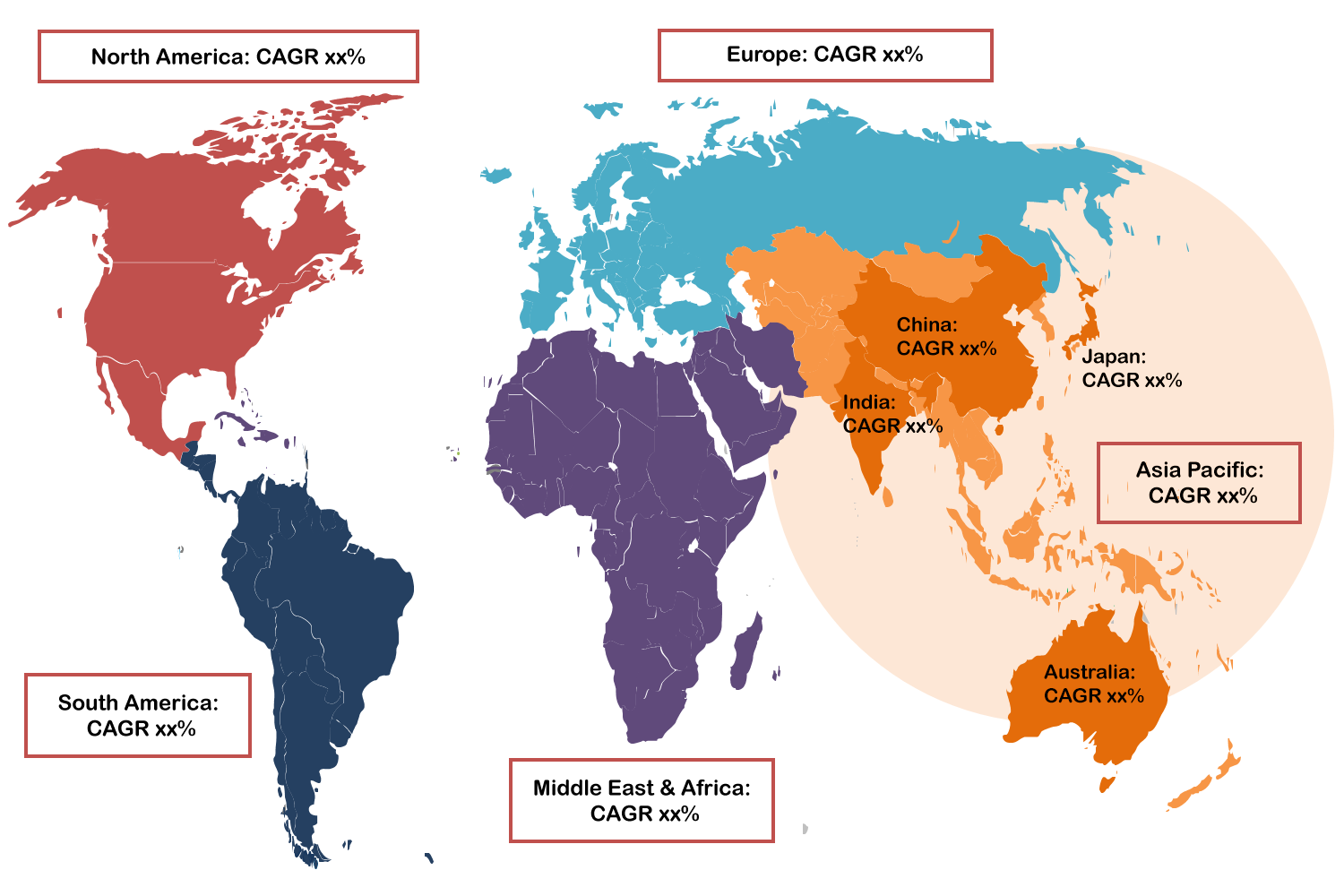
During the forecast period, the Europe region is expected to hold the largest market share. This is primarily due to the continent’s dense concentration of world-class universities, historical landmarks, and robust intra-regional mobility frameworks. The presence of well-established exchange programs and a high volume of inbound cultural tourists from North America and Asia reinforce its position. Europe’s diverse linguistic landscape and rich heritage make it a premier destination for both academic and cultural educational tours.
Region with highest CAGR:
Over the forecast period, the Asia Pacific region is anticipated to exhibit the highest CAGR. This rapid growth is fueled by a burgeoning middle class in countries like India and China, where families increasingly prioritize international education. Significant investments in regional educational infrastructure and supportive government policies aimed at attracting foreign students are also key factors. As the region becomes a global hub for technology and business, the demand for both inbound and outbound educational travel is set to outpace more mature markets.
Key players in the market
Some of the key players in Educational Tourism Market include EF Education First, CIEE Council on International Educational Exchange, WorldStrides, AIFS American Institute For Foreign Study, Explorica, World Expeditions Travel Group Pty Ltd, ACE Cultural Tours, Kesari Tours Pvt. Ltd., ATG Travel, Global Educational Travel, Educational Tours, Inc., AAI Edutourz, Capital Tours, Inc., Discova, and Camps International Group Limited.
Key Developments:
In February 2026, EF Education First launched the "Global Citizen Scholarship" program, providing financial aid and immersion-based language learning travel for students in the Asia-Pacific region, targeting the rising middle-class demand in China and India.
In January 2026, G Adventures expanded its "National Geographic Journeys" portfolio with new educational itineraries focused on biodiversity in the Galápagos, incorporating hands-on field research opportunities for travelers aged 31–50.
Tourist Types Covered:
• Students
• Teachers/Educators
• Corporate Executives & Professionals
• Families & Lifelong Learners
Program Types Covered:
• Language Learning Tourism
• Cultural and Heritage Tourism
• STEM and Academic Tourism
• Vocational and Skills-Based Tourism
• Eco-Tourism and Environmental Education
• Sports Education Tourism
Age Groups Covered:
• <18 Years (School Groups)
• 18-25 Years (University Students)
• 26-40 Years (Young Professionals)
• >40 Years (Mature Learners & Professionals)
Durations Covered:
• Short-Term (Less than 1 Month)
• Medium-Term (1 to 6 Months)
• Long-Term (More than 6 Months)
Providers Covered:
• Educational Institutions
• Tour Operators & Travel Agencies
• Online Platforms and EdTech Companies
• Non-Profit Organizations & Government Bodies
Regions Covered:
• North America
o United States
o Canada
o Mexico
• Europe
o United Kingdom
o Germany
o France
o Italy
o Spain
o Netherlands
o Belgium
o Sweden
o Switzerland
o Poland
o Rest of Europe
• Asia Pacific
o China
o Japan
o India
o South Korea
o Australia
o Indonesia
o Thailand
o Malaysia
o Singapore
o Vietnam
o Rest of Asia Pacific
• South America
o Brazil
o Argentina
o Colombia
o Chile
o Peru
o Rest of South America
• Rest of the World (RoW)
o Middle East
§ Saudi Arabia
§ United Arab Emirates
§ Qatar
§ Israel
§ Rest of Middle East
o Africa
§ South Africa
§ Egypt
§ Morocco
§ Rest of Africa
What our report offers:
- Market share assessments for the regional and country-level segments
- Strategic recommendations for the new entrants
- Covers Market data for the years 2023, 2024, 2025, 2026, 2027, 2028, 2030, 2032 and 2034
- Market Trends (Drivers, Constraints, Opportunities, Threats, Challenges, Investment Opportunities, and recommendations)
- Strategic recommendations in key business segments based on the market estimations
- Competitive landscaping mapping the key common trends
- Company profiling with detailed strategies, financials, and recent developments
- Supply chain trends mapping the latest technological advancements
Free Customization Offerings:
All the customers of this report will be entitled to receive one of the following free customization options:
• Company Profiling
o Comprehensive profiling of additional market players (up to 3)
o SWOT Analysis of key players (up to 3)
• Regional Segmentation
o Market estimations, Forecasts and CAGR of any prominent country as per the client's interest (Note: Depends on feasibility check)
• Competitive Benchmarking
o Benchmarking of key players based on product portfolio, geographical presence, and strategic alliances
Table of Contents
1 Executive Summary
1.1 Market Snapshot and Key Highlights
1.2 Growth Drivers, Challenges, and Opportunities
1.3 Competitive Landscape Overview
1.4 Strategic Insights and Recommendations
2 Research Framework
2.1 Study Objectives and Scope
2.2 Stakeholder Analysis
2.3 Research Assumptions and Limitations
2.4 Research Methodology
2.4.1 Data Collection (Primary and Secondary)
2.4.2 Data Modeling and Estimation Techniques
2.4.3 Data Validation and Triangulation
2.4.4 Analytical and Forecasting Approach
3 Market Dynamics and Trend Analysis
3.1 Market Definition and Structure
3.2 Key Market Drivers
3.3 Market Restraints and Challenges
3.4 Growth Opportunities and Investment Hotspots
3.5 Industry Threats and Risk Assessment
3.6 Technology and Innovation Landscape
3.7 Emerging and High-Growth Markets
3.8 Regulatory and Policy Environment
3.9 Impact of COVID-19 and Recovery Outlook
4 Competitive and Strategic Assessment
4.1 Porter's Five Forces Analysis
4.1.1 Supplier Bargaining Power
4.1.2 Buyer Bargaining Power
4.1.3 Threat of Substitutes
4.1.4 Threat of New Entrants
4.1.5 Competitive Rivalry
4.2 Market Share Analysis of Key Players
4.3 Product Benchmarking and Performance Comparison
5 Global Educational Tourism Market, By Tourist Type
5.1 Students
5.2 Teachers/Educators
5.3 Corporate Executives & Professionals
5.4 Families & Lifelong Learners
6 Global Educational Tourism Market, By Program Type
6.1 Language Learning Tourism
6.2 Cultural and Heritage Tourism
6.3 STEM and Academic Tourism
6.4 Vocational and Skills-Based Tourism
6.5 Eco-Tourism and Environmental Education
6.6 Sports Education Tourism
7 Global Educational Tourism Market, By Age Group
7.1 <18 Years (School Groups)
7.2 18-25 Years (University Students)
7.3 26-40 Years (Young Professionals)
7.4 >40 Years (Mature Learners & Professionals)
8 Global Educational Tourism Market, By Duration
8.1 Short-Term (Less than 1 Month)
8.2 Medium-Term (1 to 6 Months)
8.3 Long-Term (More than 6 Months)
9 Global Educational Tourism Market, By Provider
9.1 Educational Institutions
9.2 Tour Operators & Travel Agencies
9.3 Online Platforms and EdTech Companies
9.4 Non-Profit Organizations & Government Bodies
10 Global Educational Tourism Market, By Geography
10.1 North America
10.1.1 United States
10.1.2 Canada
10.1.3 Mexico
10.2 Europe
10.2.1 United Kingdom
10.2.2 Germany
10.2.3 France
10.2.4 Italy
10.2.5 Spain
10.2.6 Netherlands
10.2.7 Belgium
10.2.8 Sweden
10.2.9 Switzerland
10.2.10 Poland
10.2.11 Rest of Europe
10.3 Asia Pacific
10.3.1 China
10.3.2 Japan
10.3.3 India
10.3.4 South Korea
10.3.5 Australia
10.3.6 Indonesia
10.3.7 Thailand
10.3.8 Malaysia
10.3.9 Singapore
10.3.10 Vietnam
10.3.11 Rest of Asia Pacific
10.4 South America
10.4.1 Brazil
10.4.2 Argentina
10.4.3 Colombia
10.4.4 Chile
10.4.5 Peru
10.4.6 Rest of South America
10.5 Rest of the World (RoW)
10.5.1 Middle East
10.5.1.1 Saudi Arabia
10.5.1.2 United Arab Emirates
10.5.1.3 Qatar
10.5.1.4 Israel
10.5.1.5 Rest of Middle East
10.5.2 Africa
10.5.2.1 South Africa
10.5.2.2 Egypt
10.5.2.3 Morocco
10.5.2.4 Rest of Africa
11 Strategic Market Intelligence
11.1 Industry Value Network and Supply Chain Assessment
11.2 White-Space and Opportunity Mapping
11.3 Product Evolution and Market Life Cycle Analysis
11.4 Channel, Distributor, and Go-to-Market Assessment
12 Industry Developments and Strategic Initiatives
12.1 Mergers and Acquisitions
12.2 Partnerships, Alliances, and Joint Ventures
12.3 New Product Launches and Certifications
12.4 Capacity Expansion and Investments
12.5 Other Strategic Initiatives
13 Company Profiles
13.1 EF Education First
13.2 CIEE Council on International Educational Exchange
13.3 WorldStrides
13.4 AIFS American Institute For Foreign Study
13.5 Explorica
13.6 World Expeditions Travel Group Pty Ltd
13.7 ACE Cultural Tours
13.8 Kesari Tours Pvt. Ltd.
13.9 ATG Travel
13.10 Global Educational Travel
13.11 Educational Tours, Inc.
13.12 AAI Edutourz
13.13 Capital Tours, Inc.
13.14 Discova
13.15 Camps International Group Limited
List of Tables
1 Global Educational Tourism Market Outlook, By Region (2023–2034) ($MN)
2 Global Educational Tourism Market Outlook, By Tourist Type (2023–2034) ($MN)
3 Global Educational Tourism Market Outlook, By Students (2023–2034) ($MN)
4 Global Educational Tourism Market Outlook, By Teachers / Educators (2023–2034) ($MN)
5 Global Educational Tourism Market Outlook, By Corporate Executives & Professionals (2023–2034) ($MN)
6 Global Educational Tourism Market Outlook, By Families & Lifelong Learners (2023–2034) ($MN)
7 Global Educational Tourism Market Outlook, By Program Type (2023–2034) ($MN)
8 Global Educational Tourism Market Outlook, By Language Learning Tourism (2023–2034) ($MN)
9 Global Educational Tourism Market Outlook, By Cultural and Heritage Tourism (2023–2034) ($MN)
10 Global Educational Tourism Market Outlook, By STEM and Academic Tourism (2023–2034) ($MN)
11 Global Educational Tourism Market Outlook, By Vocational and Skills-Based Tourism (2023–2034) ($MN)
12 Global Educational Tourism Market Outlook, By Eco-Tourism and Environmental Education (2023–2034) ($MN)
13 Global Educational Tourism Market Outlook, By Sports Education Tourism (2023–2034) ($MN)
14 Global Educational Tourism Market Outlook, By Age Group (2023–2034) ($MN)
15 Global Educational Tourism Market Outlook, By <18 Years (School Groups) (2023–2034) ($MN)
16 Global Educational Tourism Market Outlook, By 18–25 Years (University Students) (2023–2034) ($MN)
17 Global Educational Tourism Market Outlook, By 26–40 Years (Young Professionals) (2023–2034) ($MN)
18 Global Educational Tourism Market Outlook, By >40 Years (Mature Learners & Professionals) (2023–2034) ($MN)
19 Global Educational Tourism Market Outlook, By Duration (2023–2034) ($MN)
20 Global Educational Tourism Market Outlook, By Short-Term (Less than 1 Month) (2023–2034) ($MN)
21 Global Educational Tourism Market Outlook, By Medium-Term (1 to 6 Months) (2023–2034) ($MN)
22 Global Educational Tourism Market Outlook, By Long-Term (More than 6 Months) (2023–2034) ($MN)
23 Global Educational Tourism Market Outlook, By Provider (2023–2034) ($MN)
24 Global Educational Tourism Market Outlook, By Educational Institutions (2023–2034) ($MN)
25 Global Educational Tourism Market Outlook, By Tour Operators & Travel Agencies (2023–2034) ($MN)
26 Global Educational Tourism Market Outlook, By Online Platforms and EdTech Companies (2023–2034) ($MN)
27 Global Educational Tourism Market Outlook, By Non-Profit Organizations & Government Bodies (2023–2034) ($MN)
Note: Tables for North America, Europe, APAC, South America, and Rest of the World (RoW) Regions are also represented in the same manner as above.
List of Figures
RESEARCH METHODOLOGY

We at ‘Stratistics’ opt for an extensive research approach which involves data mining, data validation, and data analysis. The various research sources include in-house repository, secondary research, competitor’s sources, social media research, client internal data, and primary research.
Our team of analysts prefers the most reliable and authenticated data sources in order to perform the comprehensive literature search. With access to most of the authenticated data bases our team highly considers the best mix of information through various sources to obtain extensive and accurate analysis.
Each report takes an average time of a month and a team of 4 industry analysts. The time may vary depending on the scope and data availability of the desired market report. The various parameters used in the market assessment are standardized in order to enhance the data accuracy.
Data Mining
The data is collected from several authenticated, reliable, paid and unpaid sources and is filtered depending on the scope & objective of the research. Our reports repository acts as an added advantage in this procedure. Data gathering from the raw material suppliers, distributors and the manufacturers is performed on a regular basis, this helps in the comprehensive understanding of the products value chain. Apart from the above mentioned sources the data is also collected from the industry consultants to ensure the objective of the study is in the right direction.
Market trends such as technological advancements, regulatory affairs, market dynamics (Drivers, Restraints, Opportunities and Challenges) are obtained from scientific journals, market related national & international associations and organizations.
Data Analysis
From the data that is collected depending on the scope & objective of the research the data is subjected for the analysis. The critical steps that we follow for the data analysis include:
- Product Lifecycle Analysis
- Competitor analysis
- Risk analysis
- Porters Analysis
- PESTEL Analysis
- SWOT Analysis
The data engineering is performed by the core industry experts considering both the Marketing Mix Modeling and the Demand Forecasting. The marketing mix modeling makes use of multiple-regression techniques to predict the optimal mix of marketing variables. Regression factor is based on a number of variables and how they relate to an outcome such as sales or profits.
Data Validation
The data validation is performed by the exhaustive primary research from the expert interviews. This includes telephonic interviews, focus groups, face to face interviews, and questionnaires to validate our research from all aspects. The industry experts we approach come from the leading firms, involved in the supply chain ranging from the suppliers, distributors to the manufacturers and consumers so as to ensure an unbiased analysis.
We are in touch with more than 15,000 industry experts with the right mix of consultants, CEO's, presidents, vice presidents, managers, experts from both supply side and demand side, executives and so on.
The data validation involves the primary research from the industry experts belonging to:
- Leading Companies
- Suppliers & Distributors
- Manufacturers
- Consumers
- Industry/Strategic Consultants
Apart from the data validation the primary research also helps in performing the fill gap research, i.e. providing solutions for the unmet needs of the research which helps in enhancing the reports quality.
For more details about research methodology, kindly write to us at info@strategymrc.com
Frequently Asked Questions
In case of any queries regarding this report, you can contact the customer service by filing the “Inquiry Before Buy” form available on the right hand side. You may also contact us through email: info@strategymrc.com or phone: +1-301-202-5929
Yes, the samples are available for all the published reports. You can request them by filling the “Request Sample” option available in this page.
Yes, you can request a sample with your specific requirements. All the customized samples will be provided as per the requirement with the real data masked.
All our reports are available in Digital PDF format. In case if you require them in any other formats, such as PPT, Excel etc you can submit a request through “Inquiry Before Buy” form available on the right hand side. You may also contact us through email: info@strategymrc.com or phone: +1-301-202-5929
We offer a free 15% customization with every purchase. This requirement can be fulfilled for both pre and post sale. You may send your customization requirements through email at info@strategymrc.com or call us on +1-301-202-5929.
We have 3 different licensing options available in electronic format.
- Single User Licence: Allows one person, typically the buyer, to have access to the ordered product. The ordered product cannot be distributed to anyone else.
- 2-5 User Licence: Allows the ordered product to be shared among a maximum of 5 people within your organisation.
- Corporate License: Allows the product to be shared among all employees of your organisation regardless of their geographical location.
All our reports are typically be emailed to you as an attachment.
To order any available report you need to register on our website. The payment can be made either through CCAvenue or PayPal payments gateways which accept all international cards.
We extend our support to 6 months post sale. A post sale customization is also provided to cover your unmet needs in the report.
Request Customization
We offer complimentary customization of up to 15% with every purchase. To share your customization requirements, feel free to email us at info@strategymrc.com or call us on +1-301-202-5929. .
Please Note: Customization within the 15% threshold is entirely free of charge. If your request exceeds this limit, we will conduct a feasibility assessment. Following that, a detailed quote and timeline will be provided.
WHY CHOOSE US ?

Assured Quality
Best in class reports with high standard of research integrity

24X7 Research Support
Continuous support to ensure the best customer experience.

Free Customization
Adding more values to your product of interest.

Safe & Secure Access
Providing a secured environment for all online transactions.

Trusted by 600+ Brands
Serving the most reputed brands across the world.
