
Eosinophilia Therapeutics Market
Eosinophilia Therapeutics Market Forecasts to 2032 - Global Analysis By Drug Class (Corticosteroids, Monoclonal Antibodies (Biologics), Immunosuppressants, Proton Pump Inhibitors (PPIs) and Other Drug Classes), Disease Type, Route of Administration, Distribution Channel, End User and By Geography

|
Years Covered |
2024-2032 |
|
Estimated Year Value (2025) |
US $454.3 MN |
|
Projected Year Value (2032) |
US $724.7 MN |
|
CAGR (2025-2032) |
6.9% |
|
Regions Covered |
North America, Europe, Asia Pacific, South America, and Middle East & Africa |
|
Countries Covered |
US, Canada, Mexico, Germany, UK, Italy, France, Spain, Japan, China, India, Australia, New Zealand, South Korea, Rest of Asia Pacific, South America, Argentina, Brazil, Chile, Middle East & Africa, Saudi Arabia, UAE, Qatar, and South Africa |
|
Largest Market |
North America |
|
Highest Growing Market |
North America |
According to Stratistics MRC, the Global Eosinophilia Therapeutics Market is accounted for $454.3 million in 2025 and is expected to reach $724.7 million by 2032 growing at a CAGR of 6.9% during the forecast period. Eosinophilia therapeutics encompass a range of treatments designed to manage elevated eosinophil levels, which can result from allergic conditions, parasitic infections, or specific disorders like hypereosinophilic syndrome (HES) and eosinophilic asthma. Therapies include corticosteroids, immunosuppressants, and targeted biologics such as anti-IL-5, anti-IL-4R?, and anti-IgE monoclonal antibodies. These therapeutics aim to reduce eosinophilic inflammation, prevent organ damage, and improve patient outcomes by modulating the underlying immune response.
According to the European Medicines Agency (EMA), the estimated prevalence of hypereosinophilic syndrome (HES) is 1.5 per 100,000 people.
Market Dynamics:
Driver:
Increasing prevalence of eosinophilic disorders
The rising incidence of eosinophilic disorders serves as a primary growth driver. This increase stems from enhanced diagnostic capabilities that enable earlier detection of rare eosinophilia-related conditions, coupled with growing environmental factors contributing to allergic and inflammatory diseases. Heightened clinical awareness among healthcare professionals has led to improved recognition of eosinophilic asthma, hypereosinophilic syndrome, and eosinophilic esophagitis. The expanding patient population creates substantial demand for targeted treatments, driving pharmaceutical companies to invest heavily in research and development of specialized therapies to address these complex immunological conditions.
Restraint:
High cost of novel therapies
Monoclonal antibodies and targeted biologics, while highly effective, command premium pricing that limits patient accessibility and healthcare system adoption. The specialized nature of these therapies requires extensive clinical trials and regulatory approval processes, contributing to elevated development costs that are ultimately passed to consumers. Insurance coverage limitations and reimbursement challenges further restrict market penetration, particularly in emerging economies where healthcare budgets are constrained, creating disparities in treatment access across different patient populations.
Opportunity:
Development of next-generation biologics and precision medicine
The advancement of precision medicine approaches and innovative biologics targeting specific pathways like IL-5, IL-4, and IL-13 represents tremendous market potential. Ongoing clinical trials of novel eosinophil-targeting therapeutic agents are expanding treatment options beyond traditional corticosteroids. Moreover, personalized medicine strategies enable tailored treatment protocols based on individual patient profiles, improving therapeutic outcomes while reducing adverse effects. The growing understanding of eosinophilic disease mechanisms facilitates the development of more targeted interventions, creating opportunities for pharmaceutical companies to capture market share through differentiated products that address unmet medical needs.
Threat:
Emergence of biosimilars
As patents for original monoclonal antibodies expire, biosimilar manufacturers can offer cost-effective alternatives that potentially erode the market share of branded products. Furthermore, regulatory agencies are streamlining approval pathways for biosimilars, accelerating their market entry and increasing competitive pressure on innovator companies. This threat intensifies price competition and may compress profit margins, forcing original manufacturers to demonstrate superior clinical value or develop next-generation therapies in an increasingly commoditized therapeutic environment.
Covid-19 Impact:
The COVID-19 pandemic significantly impacted the eosinophilia therapeutics market through delayed diagnoses and postponed routine medical consultations. Healthcare systems prioritized pandemic response, leading to reduced screening for eosinophilic disorders and interrupted treatment continuity. However, the crisis accelerated telemedicine adoption and digital health integration, creating new patient engagement channels. Additionally, heightened focus on respiratory conditions during the pandemic increased awareness of eosinophilic asthma, potentially driving future market growth as healthcare services normalize.
The corticosteroids segment is expected to be the largest during the forecast period
The corticosteroids segment is expected to account for the largest market share during the forecast period due to their proven effectiveness in rapidly controlling inflammation and their established role as first-line therapy for various eosinophilic conditions. These medications offer broad applicability across allergic, autoimmune, and idiopathic eosinophilic disorders while providing fast symptom relief and accessibility in outpatient settings. Their cost-effectiveness compared to newer biologics makes them preferred choices among clinicians, particularly in resource-constrained healthcare environments, ensuring their sustained market leadership.
The online pharmacies segment is expected to have the highest CAGR during the forecast period
Over the forecast period, the online pharmacies segment is predicted to witness the highest growth rate, driven by increasing digital healthcare adoption and patient preference for convenient medication access. Digital platforms offer enhanced patient education resources, medication adherence support, and streamlined prescription management systems that improve treatment outcomes. Moreover, the COVID-19 pandemic accelerated e-commerce adoption in healthcare, establishing online pharmacies as viable alternatives to traditional retail channels. Additionally, these platforms often provide competitive pricing, home delivery services, and specialized support for chronic conditions, making them particularly attractive for eosinophilia patients requiring long-term therapeutic management and regular medication refills.
Region with largest share:
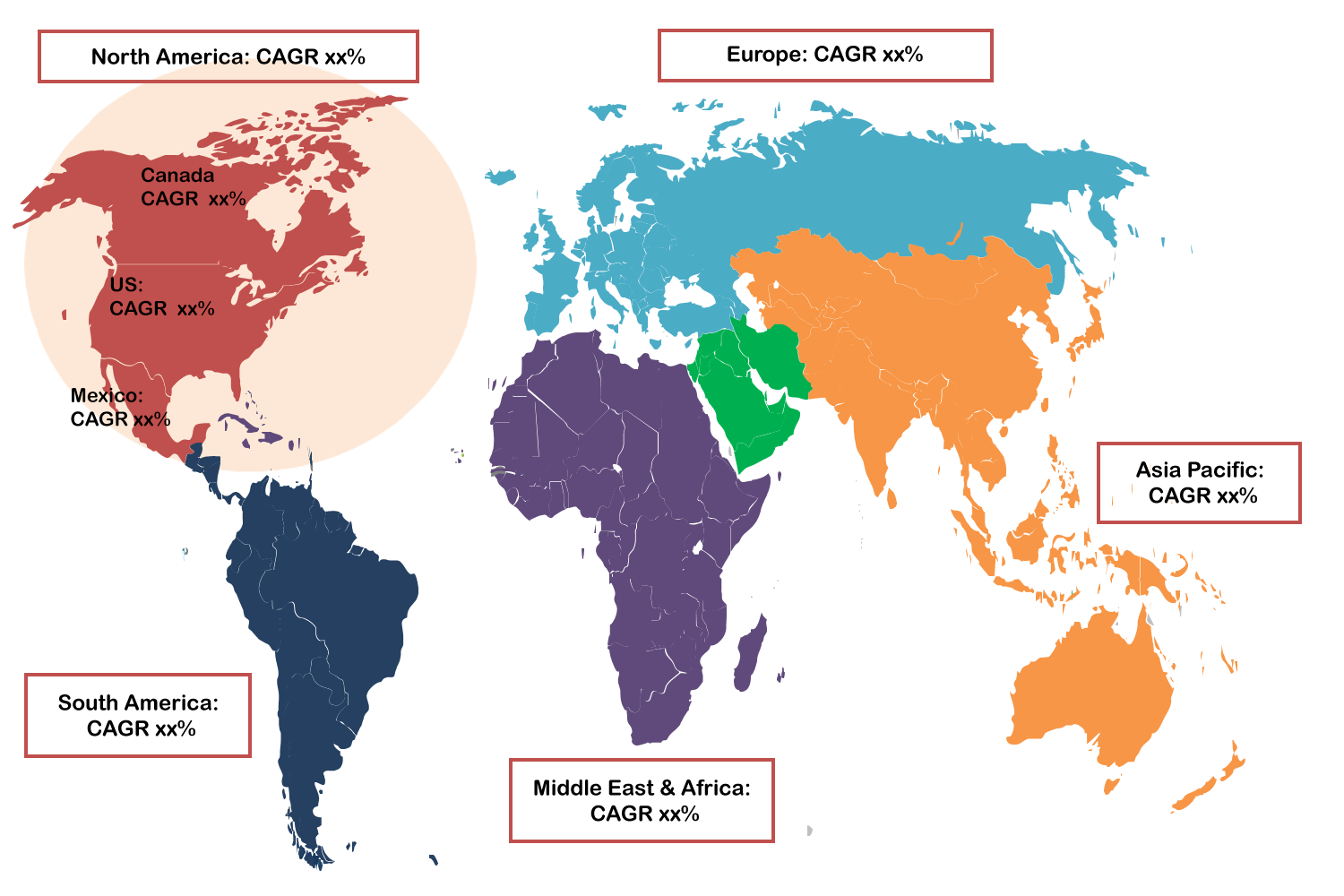
During the forecast period, the North America region is expected to hold the largest market share owing to its advanced healthcare infrastructure and high adoption rates of evidence-based pharmacological therapies for eosinophilic disorders. The region benefits from the strong presence of key biopharmaceutical companies specializing in immunological treatments, robust regulatory frameworks, and comprehensive insurance coverage supporting biologic therapies. Furthermore, heightened clinical awareness among healthcare professionals and superior diagnostic capabilities enable early detection and effective management of eosinophil-associated diseases in the region.
Region with highest CAGR:
During the forecast period, the North America region is expected to hold the largest market share due to expanding healthcare infrastructure and increasing awareness of allergic and immunological disorders across the region. Countries like China, India, and Japan represent high-potential markets due to the growing prevalence of eosinophilic diseases, improved diagnostic capabilities, and rising healthcare expenditure. Additionally, enhanced access to biologics and corticosteroid alternatives, combined with growing physician education on eosinophilic disorders, drives strong market expansion. Moreover, government healthcare policies create favorable conditions, positioning Asia Pacific as the fastest growing region.
Key players in the market
Some of the key players in Eosinophilia Therapeutics Market include Allakos, Inc., AstraZeneca plc, Bayer AG, Bristol-Myers Squibb, Cipla Inc., Eli Lilly & Company, Gilead Sciences, Inc., GlaxoSmithKline plc (GSK), Hoffmann-La Roche Ltd., Merck & Co., Inc., Novartis AG, Pfizer Inc., Regeneron Pharmaceuticals, Inc., Sanofi S.A., Takeda Pharmaceutical Company Ltd., Arena Pharmaceuticals Ltd., Ellodi Pharmaceuticals, and Revolo Biotherapeutics.
Key Developments:
In May 2025, GSK plc announced that the US Food and Drug Administration (FDA) have approved Nucala (mepolizumab) as an add-on maintenance treatment for adult patients with inadequately controlled COPD and an eosinophilic phenotype. FDA’s approval was based on data from the positive MATINEE and METREX phase III trials. Across these trials, mepolizumab showed a clinically meaningful and statistically significant reduction in the annualised rate of moderate/severe exacerbations versus placebo in a wide spectrum of COPD patients with an eosinophilic phenotype.
In May 2025, AstraZeneca will present the latest clinical and real-world data across its leading inhaled, biologic and early science respiratory portfolio at the American Thoracic Society (ATS) International Conference, in San Francisco, CA from 16 to 21 May 2025. With more than 75 abstracts, including eight late-breakers, the Company continues to drive innovation and address unmet needs in care across all severities of asthma, chronic obstructive pulmonary disease (COPD), eosinophilic granulomatosis with polyangiitis (EGPA) and other chronic inflammatory diseases.
In February 2024, Takeda announced that the U.S. Food and Drug Administration (FDA) has approved EOHILIA (budesonide oral suspension), the first and only FDA-approved oral therapy for people 11 years and older with eosinophilic esophagitis (EoE).1 It will be available in 2 mg/10 mL convenient, single-dose stick packs by the end of February.
Drug Classes Covered:
• Corticosteroids
• Monoclonal Antibodies (Biologics)
• Immunosuppressants
• Proton Pump Inhibitors (PPIs)
• Other Drug Classes
Disease Types:
• Hypereosinophilic Syndrome (HES)
• Eosinophilic Esophagitis (EoE)
• Eosinophilic Asthma
• Eosinophilic Granulomatosis with Polyangiitis (EGPA)
• Other Eosinophilic Disorders
Route of Administrations:
• Oral
• Parenteral (Injectable)
• Inhalation
• Topical
Distribution Channels Covered:
• Hospital Pharmacies
• Retail Pharmacies
• Online Pharmacies
• Direct Distribution
End Users Covered:
• Hospitals
• Specialty Clinics
• Homecare Settings
• Other Healthcare Facilities
Regions Covered:
• North America
o US
o Canada
o Mexico
• Europe
o Germany
o UK
o Italy
o France
o Spain
o Rest of Europe
• Asia Pacific
o Japan
o China
o India
o Australia
o New Zealand
o South Korea
o Rest of Asia Pacific
• South America
o Argentina
o Brazil
o Chile
o Rest of South America
• Middle East & Africa
o Saudi Arabia
o UAE
o Qatar
o South Africa
o Rest of Middle East & Africa
What our report offers:
- Market share assessments for the regional and country-level segments
- Strategic recommendations for the new entrants
- Covers Market data for the years 2024, 2025, 2026, 2028, and 2032
- Market Trends (Drivers, Constraints, Opportunities, Threats, Challenges, Investment Opportunities, and recommendations)
- Strategic recommendations in key business segments based on the market estimations
- Competitive landscaping mapping the key common trends
- Company profiling with detailed strategies, financials, and recent developments
- Supply chain trends mapping the latest technological advancements
Free Customization Offerings:
All the customers of this report will be entitled to receive one of the following free customization options:
• Company Profiling
o Comprehensive profiling of additional market players (up to 3)
o SWOT Analysis of key players (up to 3)
• Regional Segmentation
o Market estimations, Forecasts and CAGR of any prominent country as per the client's interest (Note: Depends on feasibility check)
• Competitive Benchmarking
o Benchmarking of key players based on product portfolio, geographical presence, and strategic alliances
Table of Contents
1 Executive Summary
2 Preface
2.1 Abstract
2.2 Stake Holders
2.3 Research Scope
2.4 Research Methodology
2.4.1 Data Mining
2.4.2 Data Analysis
2.4.3 Data Validation
2.4.4 Research Approach
2.5 Research Sources
2.5.1 Primary Research Sources
2.5.2 Secondary Research Sources
2.5.3 Assumptions
3 Market Trend Analysis
3.1 Introduction
3.2 Drivers
3.3 Restraints
3.4 Opportunities
3.5 Threats
3.6 End User Analysis
3.7 Emerging Markets
3.8 Impact of Covid-19
4 Porters Five Force Analysis
4.1 Bargaining power of suppliers
4.2 Bargaining power of buyers
4.3 Threat of substitutes
4.4 Threat of new entrants
4.5 Competitive rivalry
5 Global Eosinophilia Therapeutics Market, By Drug Class
5.1 Introduction
5.2 Corticosteroids
5.3 Monoclonal Antibodies (Biologics)
5.3.1 Anti-IL-5/IL-5R?
5.3.2 Anti-IL-4R?
5.3.3 Anti-IgE
5.3.4 Other Emerging Biologics
5.4 Immunosuppressants
5.4.1 Hydroxyurea
5.4.2 Interferon-?
5.4.3 Imatinib
5.5 Proton Pump Inhibitors (PPIs)
5.6 Other Drug Classes
6 Global Eosinophilia Therapeutics Market, By Disease Type
6.1 Introduction
6.2 Hypereosinophilic Syndrome (HES)
6.3 Eosinophilic Esophagitis (EoE)
6.4 Eosinophilic Asthma
6.5 Eosinophilic Granulomatosis with Polyangiitis (EGPA)
6.6 Other Eosinophilic Disorders
7 Global Eosinophilia Therapeutics Market, By Route of Administration
7.1 Introduction
7.2 Oral
7.3 Parenteral (Injectable)
7.4 Inhalation
7.5 Topical
8 Global Eosinophilia Therapeutics Market, By Distribution Channel
8.1 Introduction
8.2 Hospital Pharmacies
8.3 Retail Pharmacies
8.4 Online Pharmacies
8.5 Direct Distribution
9 Global Eosinophilia Therapeutics Market, By End User
9.1 Introduction
9.2 Hospitals
9.3 Specialty Clinics
9.4 Homecare Settings
9.5 Other Healthcare Facilities
10 Global Eosinophilia Therapeutics Market, By Geography
10.1 Introduction
10.2 North America
10.2.1 US
10.2.2 Canada
10.2.3 Mexico
10.3 Europe
10.3.1 Germany
10.3.2 UK
10.3.3 Italy
10.3.4 France
10.3.5 Spain
10.3.6 Rest of Europe
10.4 Asia Pacific
10.4.1 Japan
10.4.2 China
10.4.3 India
10.4.4 Australia
10.4.5 New Zealand
10.4.6 South Korea
10.4.7 Rest of Asia Pacific
10.5 South America
10.5.1 Argentina
10.5.2 Brazil
10.5.3 Chile
10.5.4 Rest of South America
10.6 Middle East & Africa
10.6.1 Saudi Arabia
10.6.2 UAE
10.6.3 Qatar
10.6.4 South Africa
10.6.5 Rest of Middle East & Africa
11 Key Developments
11.1 Agreements, Partnerships, Collaborations and Joint Ventures
11.2 Acquisitions & Mergers
11.3 New Product Launch
11.4 Expansions
11.5 Other Key Strategies
12 Company Profiling
12.1 Allakos, Inc.
12.2 AstraZeneca plc
12.3 Bayer AG
12.4 Bristol-Myers Squibb
12.5 Cipla Inc.
12.6 Eli Lilly & Company
12.7 Gilead Sciences, Inc.
12.8 GlaxoSmithKline plc (GSK)
12.9 Hoffmann-La Roche Ltd.
12.10 Merck & Co., Inc.
12.11 Novartis AG
12.12 Pfizer Inc.
12.13 Regeneron Pharmaceuticals, Inc.
12.14 Sanofi S.A.
12.15 Takeda Pharmaceutical Company Ltd.
12.16 Arena Pharmaceuticals Ltd.
12.17 Ellodi Pharmaceuticals
12.18 Revolo Biotherapeutics
List of Tables
1 Global Eosinophilia Therapeutics Market Outlook, By Region (2024-2032) ($MN)
2 Global Eosinophilia Therapeutics Market Outlook, By Drug Class (2024-2032) ($MN)
3 Global Eosinophilia Therapeutics Market Outlook, By Corticosteroids (2024-2032) ($MN)
4 Global Eosinophilia Therapeutics Market Outlook, By Monoclonal Antibodies (Biologics) (2024-2032) ($MN)
5 Global Eosinophilia Therapeutics Market Outlook, By Anti-IL-5/IL-5R? (2024-2032) ($MN)
6 Global Eosinophilia Therapeutics Market Outlook, By Anti-IL-4R? (2024-2032) ($MN)
7 Global Eosinophilia Therapeutics Market Outlook, By Anti-IgE (2024-2032) ($MN)
8 Global Eosinophilia Therapeutics Market Outlook, By Other Emerging Biologics (2024-2032) ($MN)
9 Global Eosinophilia Therapeutics Market Outlook, By Immunosuppressants (2024-2032) ($MN)
10 Global Eosinophilia Therapeutics Market Outlook, By Hydroxyurea (2024-2032) ($MN)
11 Global Eosinophilia Therapeutics Market Outlook, By Interferon-? (2024-2032) ($MN)
12 Global Eosinophilia Therapeutics Market Outlook, By Imatinib (2024-2032) ($MN)
13 Global Eosinophilia Therapeutics Market Outlook, By Proton Pump Inhibitors (PPIs) (2024-2032) ($MN)
14 Global Eosinophilia Therapeutics Market Outlook, By Other Drug Classes (2024-2032) ($MN)
15 Global Eosinophilia Therapeutics Market Outlook, By Disease Type (2024-2032) ($MN)
16 Global Eosinophilia Therapeutics Market Outlook, By Hypereosinophilic Syndrome (HES) (2024-2032) ($MN)
17 Global Eosinophilia Therapeutics Market Outlook, By Eosinophilic Esophagitis (EoE) (2024-2032) ($MN)
18 Global Eosinophilia Therapeutics Market Outlook, By Eosinophilic Asthma (2024-2032) ($MN)
19 Global Eosinophilia Therapeutics Market Outlook, By Eosinophilic Granulomatosis with Polyangiitis (EGPA) (2024-2032) ($MN)
20 Global Eosinophilia Therapeutics Market Outlook, By Other Eosinophilic Disorders (2024-2032) ($MN)
21 Global Eosinophilia Therapeutics Market Outlook, By Route of Administration (2024-2032) ($MN)
22 Global Eosinophilia Therapeutics Market Outlook, By Oral (2024-2032) ($MN)
23 Global Eosinophilia Therapeutics Market Outlook, By Parenteral (Injectable) (2024-2032) ($MN)
24 Global Eosinophilia Therapeutics Market Outlook, By Inhalation (2024-2032) ($MN)
25 Global Eosinophilia Therapeutics Market Outlook, By Topical (2024-2032) ($MN)
26 Global Eosinophilia Therapeutics Market Outlook, By Distribution Channel (2024-2032) ($MN)
27 Global Eosinophilia Therapeutics Market Outlook, By Hospital Pharmacies (2024-2032) ($MN)
28 Global Eosinophilia Therapeutics Market Outlook, By Retail Pharmacies (2024-2032) ($MN)
29 Global Eosinophilia Therapeutics Market Outlook, By Online Pharmacies (2024-2032) ($MN)
30 Global Eosinophilia Therapeutics Market Outlook, By Direct Distribution (2024-2032) ($MN)
31 Global Eosinophilia Therapeutics Market Outlook, By End User (2024-2032) ($MN)
32 Global Eosinophilia Therapeutics Market Outlook, By Hospitals (2024-2032) ($MN)
33 Global Eosinophilia Therapeutics Market Outlook, By Specialty Clinics (2024-2032) ($MN)
34 Global Eosinophilia Therapeutics Market Outlook, By Homecare Settings (2024-2032) ($MN)
35 Global Eosinophilia Therapeutics Market Outlook, By Other Healthcare Facilities (2024-2032) ($MN)
Note: Tables for North America, Europe, APAC, South America, and Middle East & Africa Regions are also represented in the same manner as above.
List of Figures
RESEARCH METHODOLOGY

We at ‘Stratistics’ opt for an extensive research approach which involves data mining, data validation, and data analysis. The various research sources include in-house repository, secondary research, competitor’s sources, social media research, client internal data, and primary research.
Our team of analysts prefers the most reliable and authenticated data sources in order to perform the comprehensive literature search. With access to most of the authenticated data bases our team highly considers the best mix of information through various sources to obtain extensive and accurate analysis.
Each report takes an average time of a month and a team of 4 industry analysts. The time may vary depending on the scope and data availability of the desired market report. The various parameters used in the market assessment are standardized in order to enhance the data accuracy.
Data Mining
The data is collected from several authenticated, reliable, paid and unpaid sources and is filtered depending on the scope & objective of the research. Our reports repository acts as an added advantage in this procedure. Data gathering from the raw material suppliers, distributors and the manufacturers is performed on a regular basis, this helps in the comprehensive understanding of the products value chain. Apart from the above mentioned sources the data is also collected from the industry consultants to ensure the objective of the study is in the right direction.
Market trends such as technological advancements, regulatory affairs, market dynamics (Drivers, Restraints, Opportunities and Challenges) are obtained from scientific journals, market related national & international associations and organizations.
Data Analysis
From the data that is collected depending on the scope & objective of the research the data is subjected for the analysis. The critical steps that we follow for the data analysis include:
- Product Lifecycle Analysis
- Competitor analysis
- Risk analysis
- Porters Analysis
- PESTEL Analysis
- SWOT Analysis
The data engineering is performed by the core industry experts considering both the Marketing Mix Modeling and the Demand Forecasting. The marketing mix modeling makes use of multiple-regression techniques to predict the optimal mix of marketing variables. Regression factor is based on a number of variables and how they relate to an outcome such as sales or profits.
Data Validation
The data validation is performed by the exhaustive primary research from the expert interviews. This includes telephonic interviews, focus groups, face to face interviews, and questionnaires to validate our research from all aspects. The industry experts we approach come from the leading firms, involved in the supply chain ranging from the suppliers, distributors to the manufacturers and consumers so as to ensure an unbiased analysis.
We are in touch with more than 15,000 industry experts with the right mix of consultants, CEO's, presidents, vice presidents, managers, experts from both supply side and demand side, executives and so on.
The data validation involves the primary research from the industry experts belonging to:
- Leading Companies
- Suppliers & Distributors
- Manufacturers
- Consumers
- Industry/Strategic Consultants
Apart from the data validation the primary research also helps in performing the fill gap research, i.e. providing solutions for the unmet needs of the research which helps in enhancing the reports quality.
For more details about research methodology, kindly write to us at info@strategymrc.com
Frequently Asked Questions
In case of any queries regarding this report, you can contact the customer service by filing the “Inquiry Before Buy” form available on the right hand side. You may also contact us through email: info@strategymrc.com or phone: +1-301-202-5929
Yes, the samples are available for all the published reports. You can request them by filling the “Request Sample” option available in this page.
Yes, you can request a sample with your specific requirements. All the customized samples will be provided as per the requirement with the real data masked.
All our reports are available in Digital PDF format. In case if you require them in any other formats, such as PPT, Excel etc you can submit a request through “Inquiry Before Buy” form available on the right hand side. You may also contact us through email: info@strategymrc.com or phone: +1-301-202-5929
We offer a free 15% customization with every purchase. This requirement can be fulfilled for both pre and post sale. You may send your customization requirements through email at info@strategymrc.com or call us on +1-301-202-5929.
We have 3 different licensing options available in electronic format.
- Single User Licence: Allows one person, typically the buyer, to have access to the ordered product. The ordered product cannot be distributed to anyone else.
- 2-5 User Licence: Allows the ordered product to be shared among a maximum of 5 people within your organisation.
- Corporate License: Allows the product to be shared among all employees of your organisation regardless of their geographical location.
All our reports are typically be emailed to you as an attachment.
To order any available report you need to register on our website. The payment can be made either through CCAvenue or PayPal payments gateways which accept all international cards.
We extend our support to 6 months post sale. A post sale customization is also provided to cover your unmet needs in the report.
Request Customization
We offer complimentary customization of up to 15% with every purchase. To share your customization requirements, feel free to email us at info@strategymrc.com or call us on +1-301-202-5929. .
Please Note: Customization within the 15% threshold is entirely free of charge. If your request exceeds this limit, we will conduct a feasibility assessment. Following that, a detailed quote and timeline will be provided.
WHY CHOOSE US ?

Assured Quality
Best in class reports with high standard of research integrity

24X7 Research Support
Continuous support to ensure the best customer experience.

Free Customization
Adding more values to your product of interest.

Safe & Secure Access
Providing a secured environment for all online transactions.

Trusted by 600+ Brands
Serving the most reputed brands across the world.
