
Fantasy Sports Market
Fantasy Sports Market Forecasts to 2032 - Global Analysis By Sports (Individual Sports, Partner Sports, Team Sports and Extreme Sports), Type, Platform, Age Group, Business Model, Application, and By Geography

|
Years Covered |
2022-2032 |
|
Estimated Year Value (2025) |
US $37.2 BN |
|
Projected Year Value (2032) |
US $71.6 BN |
|
CAGR (2025 - 2032) |
14.1% |
|
Regions Covered |
North America, Europe, Asia Pacific, South America, and Middle East & Africa |
|
Countries Covered |
US, Canada, Mexico, Germany, UK, Italy, France, Spain, Japan, China, India, Australia, New Zealand, South Korea, Rest of Asia Pacific, South America, Argentina, Brazil, Chile, Middle East & Africa, Saudi Arabia, UAE, Qatar, and South Africa |
|
Largest Market |
Asia Pacific |
|
Highest Growing Market |
North America |
According to Stratistics MRC, the Global Fantasy Sports Market is accounted for $37.2 billion in 2025 and is expected to reach $71.6 billion by 2032 growing at a CAGR of 14.1% during the forecast period. Fantasy sports are online games where participants create virtual teams composed of real-life athletes from a professional league. Players compete based on the statistical performance of their chosen athletes in actual games. Points are awarded for achievements like goals, assists, or touchdowns, depending on the sport. Participants draft teams, manage rosters, and strategize to outperform opponents. Popular in sports like football, basketball, and cricket, fantasy sports blend skill, knowledge, and competition, offering fans an engaging way to interact with their favorite sports.
According to Twitter and Facebook data from 2022, the NBA's official social media presence reached unprecedented levels with 36.48 million Twitter followers and 39.12 million Facebook fans, demonstrating the massive digital footprint of modern sports engagement.

Market Dynamics:
Driver:
Increasing smartphone & internet penetration
The escalating global penetration of smartphones and high-speed internet is a primary driver for the fantasy sports market. The widespread availability of affordable smartphones has made fantasy sports platforms accessible to a massive user base. High-speed internet, including 4G and 5G networks, ensures a seamless and immersive user experience, enabling real-time updates and interactive gameplay. This technological foundation allows users to engage with fantasy sports anytime, anywhere, significantly expanding the market's reach. The convenience offered by mobile devices, propelled by advancements in network infrastructure, is crucial for user acquisition and retention in this digitally driven industry.
Restraint:
Addiction & gambling-related concerns
A significant restraint for the fantasy sports market is the growing concern over addiction and its association with gambling-related issues. Critics and regulatory bodies increasingly scrutinize fantasy sports platforms for their potential to foster addictive behaviors, particularly due to the involvement of real money and the competitive nature of the games. This leads to calls for stricter regulations, age verification, and responsible gaming initiatives, which can impact market operations and growth. The blurred lines between skill-based fantasy sports and traditional gambling often generate public debate, potentially damaging the industry's reputation and hindering widespread acceptance.
Opportunity:
Integration of blockchain for transparency
A notable opportunity for the fantasy sports market lies in the potential integration of blockchain technology for enhanced transparency. Blockchain can provide an immutable and verifiable record of transactions, player data, and contest outcomes, significantly increasing trust among users. This technology can ensure fairness in game mechanics, prevent fraud, and provide greater clarity regarding prize distributions. The decentralized nature of blockchain could also reduce operational costs for platforms by streamlining payment processes. As concerns about fairness and security persist, backed by increasing digital literacy, the adoption of blockchain could become a significant differentiator and growth catalyst.
Threat:
User fatigue due to oversaturation of platforms
The fantasy sports market faces a considerable threat from user fatigue stemming from the oversaturation of platforms and content. The rapid proliferation of new fantasy sports apps and websites, each offering similar functionalities and sports, can overwhelm users and dilute engagement. Consumers may become disengaged due to the sheer volume of choices, leading to a lack of differentiation among platforms. Intense competition for user attention and limited innovation in gameplay mechanics contribute to this fatigue. This market saturation makes it challenging for new entrants to gain traction and for existing platforms to retain their user base.
Covid-19 Impact:
The COVID-19 pandemic initially presented significant challenges for the fantasy sports market due to the suspension or cancellation of major sporting events worldwide. This directly impacted the core product of fantasy sports, as there were no real-life games for users to create their fantasy teams around. However, as professional sports gradually resumed, the demand for fantasy sports saw a significant rebound as people sought entertainment and engagement during lockdowns. The increased screen time and digital consumption during the pandemic also accelerated user adoption and engagement. The industry adapted by offering contests on niche sports and virtual events, demonstrating resilience and innovation in the face of adversity.
The football segment is expected to be the largest during the forecast period
The football segment is expected to account for the largest market share during the forecast period, driven by the immense global popularity of football (soccer), which boasts a massive fan base across continents. The frequent occurrence of major football leagues and tournaments provides continuous engagement opportunities for fantasy players. The sport's widespread appeal translates into a large and active user base participating in various fantasy football contests. Its global reach and year-round schedule ensure a consistent demand for related fantasy sports platforms and offerings.
The mobile application segment is expected to have the highest CAGR during the forecast period
Over the forecast period, the mobile application segment is predicted to witness the highest growth rate, driven by the pervasive use of smartphones, is expected to have the highest CAGR during the forecast period. The convenience, accessibility, and intuitive user interfaces of mobile applications make them the preferred medium for engaging with fantasy sports. Users can manage their teams, check scores, and participate in contests anytime and anywhere. Continuous advancements in mobile technology and app development, combined with features like push notifications and real-time updates, enhance the overall user experience. This segment's growth is intrinsically linked to the increasing reliance on mobile devices for entertainment and daily activities.
Region with largest share:
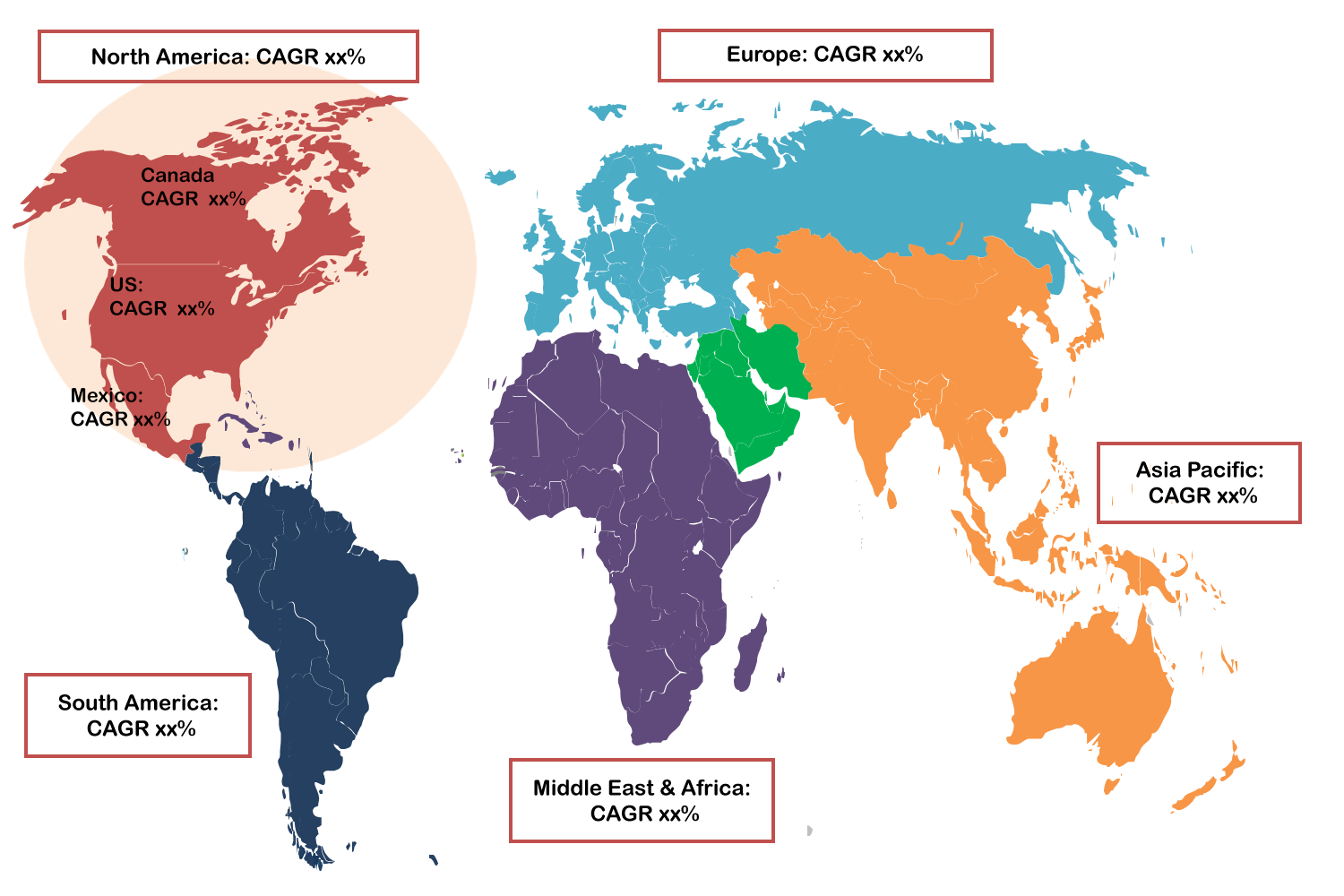
During the forecast period, the Asia Pacific region is expected to hold the largest market share. This dominance is largely attributed to the region's massive population, rapidly increasing smartphone and internet penetration, and a burgeoning passion for sports, especially cricket and football, in countries like India. The rise of disposable incomes and the increasing trend of digital entertainment further fuel market expansion. Localized platforms and tailored content are also contributing to high user engagement. Asia Pacific represents a vast and rapidly growing consumer base for fantasy sports.
Region with highest CAGR:
Over the forecast period, the North America region is anticipated to exhibit the highest CAGR, driven by the mature and highly competitive fantasy sports market, characterized by significant investments from major sports leagues and media companies. The strong fan culture around American football, basketball, and baseball, coupled with widespread legalization of online sports betting in various states, fuels substantial user engagement. Continuous innovation in platform features, data analytics, and user experience further propels market expansion. North America benefits from a sophisticated technological infrastructure and a large, dedicated user base.
Key players in the market
Some of the key players in Fantasy Sports Market include Head Digital Works Pvt. Ltd., ViacomCBS Inc., NFL Fantasy, Sportech Inc., Fantrax, FantasyPros, Rotoworld, Dream Sports, Fanduel, fantacalcio, Techistic Online Platform Pvt. Ltd., DraftKings Inc., Fox Corp., Sachar Gaming Pvt. Ltd., and Playerzpot Media Pvt Ltd.
Key Developments:
In May 2025, FanDuel introduced Dynasty Mode, a multi-season fantasy league with NFT-based player cards. This immersive format increases user retention by 20%, leveraging blockchain for secure transactions. It targets avid fans, strengthening FanDuel’s position in fantasy sports.
In April 2025, Dream Sports (Dream11) unveiled Cricket Metaverse, a VR-based fantasy sports experience with live player avatars. It enhances user immersion, boosting engagement in cricket-heavy markets like India. This innovation cements Dream Sports’ leadership in interactive gaming.
In March 2025, NFL Fantasy announced Predict & Win, a blockchain-powered prediction game with instant crypto payouts. It combines real-time analytics and rewards, increasing user participation by 25%. This move aligns with the NFL’s push for innovative fan engagement platforms.
Sports Covered:
• Individual Sports
• Partner Sports
• Team Sports
• Extreme Sports
Types Covered:
• Football
• Baseball
• Basketball
• Hockey
• Cricket
• Other Types
Platforms Covered:
• Website
• Mobile Application
• Tablet Devices
Age Groups Covered:
• Under 25 Years
• 25 – 40 Years
• Above 40 Years
Business Models Covered:
• Freemium
• Subscription-Based
• Advertisement-Based
• Pay-To-Play / Entry Fee-Based
• Sponsorship-Driven
• Hybrid Models
Applications Covered:
• Individual/Private Leagues
• Public/Commercial Leagues
• Daily Fantasy Sports (DFS)
• Season-Long Fantasy Sports
• In-Play Fantasy Gaming
• Free-to-Play Fantasy Games
• Real Money Fantasy Gaming
Regions Covered:
• North America
o US
o Canada
o Mexico
• Europe
o Germany
o UK
o Italy
o France
o Spain
o Rest of Europe
• Asia Pacific
o Japan
o China
o India
o Australia
o New Zealand
o South Korea
o Rest of Asia Pacific
• South America
o Argentina
o Brazil
o Chile
o Rest of South America
• Middle East & Africa
o Saudi Arabia
o UAE
o Qatar
o South Africa
o Rest of Middle East & Africa
What our report offers:
- Market share assessments for the regional and country-level segments
- Strategic recommendations for the new entrants
- Covers Market data for the years 2024, 2025, 2026, 2028, and 2032
- Market Trends (Drivers, Constraints, Opportunities, Threats, Challenges, Investment Opportunities, and recommendations)
- Strategic recommendations in key business segments based on the market estimations
- Competitive landscaping mapping the key common trends
- Company profiling with detailed strategies, financials, and recent developments
- Supply chain trends mapping the latest technological advancements
Free Customization Offerings:
All the customers of this report will be entitled to receive one of the following free customization options:
• Company Profiling
o Comprehensive profiling of additional market players (up to 3)
o SWOT Analysis of key players (up to 3)
• Regional Segmentation
o Market estimations, Forecasts and CAGR of any prominent country as per the client's interest (Note: Depends on feasibility check)
• Competitive Benchmarking
o Benchmarking of key players based on product portfolio, geographical presence, and strategic alliances
Table of Contents
1 Executive Summary
2 Preface
2.1 Abstract
2.2 Stake Holders
2.3 Research Scope
2.4 Research Methodology
2.4.1 Data Mining
2.4.2 Data Analysis
2.4.3 Data Validation
2.4.4 Research Approach
2.5 Research Sources
2.5.1 Primary Research Sources
2.5.2 Secondary Research Sources
2.5.3 Assumptions
3 Market Trend Analysis
3.1 Introduction
3.2 Drivers
3.3 Restraints
3.4 Opportunities
3.5 Threats
3.6 Application Analysis
3.7 Emerging Markets
3.8 Impact of Covid-19
4 Porters Five Force Analysis
4.1 Bargaining power of suppliers
4.2 Bargaining power of buyers
4.3 Threat of substitutes
4.4 Threat of new entrants
4.5 Competitive rivalry
5 Global Fantasy Sports Market, By Sports
5.1 Introduction
5.2 Individual Sports
5.3 Partner Sports
5.4 Team Sports
5.4.1 Invasion Game
5.4.2 Net Game
5.4.3 Field & Striking Game
5.4.4 Target Game
5.5 Extreme Sports
6 Global Fantasy Sports Market, By Type
6.1 Introduction
6.2 Football
6.3 Baseball
6.4 Basketball
6.5 Hockey
6.6 Cricket
6.7 Other Types
7 Global Fantasy Sports Market, By Platform
7.1 Introduction
7.2 Website
7.3 Mobile Application
7.4 Tablet Devices
8 Global Fantasy Sports Market, By Age Group
8.1 Introduction
8.2 Under 25 Years
8.3 25 – 40 Years
8.4 Above 40 Years
9 Global Fantasy Sports Market, By Business Model
9.1 Introduction
9.2 Freemium
9.3 Subscription-Based
9.4 Advertisement-Based
9.5 Pay-To-Play / Entry Fee-Based
9.6 Sponsorship-Driven
9.7 Hybrid Models
10 Global Fantasy Sports Market, By Application
10.1 Introduction
10.2 Individual/Private Leagues
10.3 Public/Commercial Leagues
10.4 Daily Fantasy Sports (DFS)
10.5 Season-Long Fantasy Sports
10.6 In-Play Fantasy Gaming
10.7 Free-To-Play Fantasy Games
10.8 Real Money Fantasy Gaming
11 Global Fantasy Sports Market, By Geography
11.1 Introduction
11.2 North America
11.2.1 US
11.2.2 Canada
11.2.3 Mexico
11.3 Europe
11.3.1 Germany
11.3.2 UK
11.3.3 Italy
11.3.4 France
11.3.5 Spain
11.3.6 Rest of Europe
11.4 Asia Pacific
11.4.1 Japan
11.4.2 China
11.4.3 India
11.4.4 Australia
11.4.5 New Zealand
11.4.6 South Korea
11.4.7 Rest of Asia Pacific
11.5 South America
11.5.1 Argentina
11.5.2 Brazil
11.5.3 Chile
11.5.4 Rest of South America
11.6 Middle East & Africa
11.6.1 Saudi Arabia
11.6.2 UAE
11.6.3 Qatar
11.6.4 South Africa
11.6.5 Rest of Middle East & Africa
12 Key Developments
12.1 Agreements, Partnerships, Collaborations and Joint Ventures
12.2 Acquisitions & Mergers
12.3 New Product Launch
12.4 Expansions
12.5 Other Key Strategies
13 Company Profiling
13.1 Head Digital Works Pvt. Ltd.
13.2 ViacomCBS Inc.
13.3 NFL Fantasy
13.4 Sportech Inc.
13.5 Fantrax
13.6 FantasyPros
13.7 Rotoworld
13.8 Dream Sports
13.9 Fanduel
13.10 fantacalcio
13.11 Techistic Online Platform Pvt. Ltd.
13.12 DraftKings Inc.
13.13 Fox Corp.
13.14 Sachar Gaming Pvt. Ltd.
13.15 Playerzpot Media Pvt Ltd.
List of Tables
1 Global Fantasy Sports Market Outlook, By Region (2024-2032) ($MN)
2 Global Fantasy Sports Market Outlook, By Sports (2024-2032) ($MN)
3 Global Fantasy Sports Market Outlook, By Individual Sports (2024-2032) ($MN)
4 Global Fantasy Sports Market Outlook, By Partner Sports (2024-2032) ($MN)
5 Global Fantasy Sports Market Outlook, By Team Sports (2024-2032) ($MN)
6 Global Fantasy Sports Market Outlook, By Invasion Game (2024-2032) ($MN)
7 Global Fantasy Sports Market Outlook, By Net Game (2024-2032) ($MN)
8 Global Fantasy Sports Market Outlook, By Field & Striking Game (2024-2032) ($MN)
9 Global Fantasy Sports Market Outlook, By Target Game (2024-2032) ($MN)
10 Global Fantasy Sports Market Outlook, By Extreme Sports (2024-2032) ($MN)
11 Global Fantasy Sports Market Outlook, By Type (2024-2032) ($MN)
12 Global Fantasy Sports Market Outlook, By Football (2024-2032) ($MN)
13 Global Fantasy Sports Market Outlook, By Baseball (2024-2032) ($MN)
14 Global Fantasy Sports Market Outlook, By Basketball (2024-2032) ($MN)
15 Global Fantasy Sports Market Outlook, By Hockey (2024-2032) ($MN)
16 Global Fantasy Sports Market Outlook, By Cricket (2024-2032) ($MN)
17 Global Fantasy Sports Market Outlook, By Other Types (2024-2032) ($MN)
18 Global Fantasy Sports Market Outlook, By Platform (2024-2032) ($MN)
19 Global Fantasy Sports Market Outlook, By Website (2024-2032) ($MN)
20 Global Fantasy Sports Market Outlook, By Mobile Application (2024-2032) ($MN)
21 Global Fantasy Sports Market Outlook, By Tablet Devices (2024-2032) ($MN)
22 Global Fantasy Sports Market Outlook, By Age Group (2024-2032) ($MN)
23 Global Fantasy Sports Market Outlook, By Under 25 Years (2024-2032) ($MN)
24 Global Fantasy Sports Market Outlook, By 25 – 40 Years (2024-2032) ($MN)
25 Global Fantasy Sports Market Outlook, By Above 40 Years (2024-2032) ($MN)
26 Global Fantasy Sports Market Outlook, By Business Model (2024-2032) ($MN)
27 Global Fantasy Sports Market Outlook, By Freemium (2024-2032) ($MN)
28 Global Fantasy Sports Market Outlook, By Subscription-Based (2024-2032) ($MN)
29 Global Fantasy Sports Market Outlook, By Advertisement-Based (2024-2032) ($MN)
30 Global Fantasy Sports Market Outlook, By Pay-To-Play / Entry Fee-Based (2024-2032) ($MN)
31 Global Fantasy Sports Market Outlook, By Sponsorship-Driven (2024-2032) ($MN)
32 Global Fantasy Sports Market Outlook, By Hybrid Models (2024-2032) ($MN)
33 Global Fantasy Sports Market Outlook, By Application (2024-2032) ($MN)
34 Global Fantasy Sports Market Outlook, By Individual/Private Leagues (2024-2032) ($MN)
35 Global Fantasy Sports Market Outlook, By Public/Commercial Leagues (2024-2032) ($MN)
36 Global Fantasy Sports Market Outlook, By Daily Fantasy Sports (DFS) (2024-2032) ($MN)
37 Global Fantasy Sports Market Outlook, By Season-Long Fantasy Sports (2024-2032) ($MN)
38 Global Fantasy Sports Market Outlook, By In-Play Fantasy Gaming (2024-2032) ($MN)
39 Global Fantasy Sports Market Outlook, By Free-To-Play Fantasy Games (2024-2032) ($MN)
40 Global Fantasy Sports Market Outlook, By Real Money Fantasy Gaming (2024-2032) ($MN)
Note: Tables for North America, Europe, APAC, South America, and Middle East & Africa Regions are also represented in the same manner as above
List of Figures
RESEARCH METHODOLOGY

We at ‘Stratistics’ opt for an extensive research approach which involves data mining, data validation, and data analysis. The various research sources include in-house repository, secondary research, competitor’s sources, social media research, client internal data, and primary research.
Our team of analysts prefers the most reliable and authenticated data sources in order to perform the comprehensive literature search. With access to most of the authenticated data bases our team highly considers the best mix of information through various sources to obtain extensive and accurate analysis.
Each report takes an average time of a month and a team of 4 industry analysts. The time may vary depending on the scope and data availability of the desired market report. The various parameters used in the market assessment are standardized in order to enhance the data accuracy.
Data Mining
The data is collected from several authenticated, reliable, paid and unpaid sources and is filtered depending on the scope & objective of the research. Our reports repository acts as an added advantage in this procedure. Data gathering from the raw material suppliers, distributors and the manufacturers is performed on a regular basis, this helps in the comprehensive understanding of the products value chain. Apart from the above mentioned sources the data is also collected from the industry consultants to ensure the objective of the study is in the right direction.
Market trends such as technological advancements, regulatory affairs, market dynamics (Drivers, Restraints, Opportunities and Challenges) are obtained from scientific journals, market related national & international associations and organizations.
Data Analysis
From the data that is collected depending on the scope & objective of the research the data is subjected for the analysis. The critical steps that we follow for the data analysis include:
- Product Lifecycle Analysis
- Competitor analysis
- Risk analysis
- Porters Analysis
- PESTEL Analysis
- SWOT Analysis
The data engineering is performed by the core industry experts considering both the Marketing Mix Modeling and the Demand Forecasting. The marketing mix modeling makes use of multiple-regression techniques to predict the optimal mix of marketing variables. Regression factor is based on a number of variables and how they relate to an outcome such as sales or profits.
Data Validation
The data validation is performed by the exhaustive primary research from the expert interviews. This includes telephonic interviews, focus groups, face to face interviews, and questionnaires to validate our research from all aspects. The industry experts we approach come from the leading firms, involved in the supply chain ranging from the suppliers, distributors to the manufacturers and consumers so as to ensure an unbiased analysis.
We are in touch with more than 15,000 industry experts with the right mix of consultants, CEO's, presidents, vice presidents, managers, experts from both supply side and demand side, executives and so on.
The data validation involves the primary research from the industry experts belonging to:
- Leading Companies
- Suppliers & Distributors
- Manufacturers
- Consumers
- Industry/Strategic Consultants
Apart from the data validation the primary research also helps in performing the fill gap research, i.e. providing solutions for the unmet needs of the research which helps in enhancing the reports quality.
For more details about research methodology, kindly write to us at info@strategymrc.com
Frequently Asked Questions
In case of any queries regarding this report, you can contact the customer service by filing the “Inquiry Before Buy” form available on the right hand side. You may also contact us through email: info@strategymrc.com or phone: +1-301-202-5929
Yes, the samples are available for all the published reports. You can request them by filling the “Request Sample” option available in this page.
Yes, you can request a sample with your specific requirements. All the customized samples will be provided as per the requirement with the real data masked.
All our reports are available in Digital PDF format. In case if you require them in any other formats, such as PPT, Excel etc you can submit a request through “Inquiry Before Buy” form available on the right hand side. You may also contact us through email: info@strategymrc.com or phone: +1-301-202-5929
We offer a free 15% customization with every purchase. This requirement can be fulfilled for both pre and post sale. You may send your customization requirements through email at info@strategymrc.com or call us on +1-301-202-5929.
We have 3 different licensing options available in electronic format.
- Single User Licence: Allows one person, typically the buyer, to have access to the ordered product. The ordered product cannot be distributed to anyone else.
- 2-5 User Licence: Allows the ordered product to be shared among a maximum of 5 people within your organisation.
- Corporate License: Allows the product to be shared among all employees of your organisation regardless of their geographical location.
All our reports are typically be emailed to you as an attachment.
To order any available report you need to register on our website. The payment can be made either through CCAvenue or PayPal payments gateways which accept all international cards.
We extend our support to 6 months post sale. A post sale customization is also provided to cover your unmet needs in the report.
Request Customization
We offer complimentary customization of up to 15% with every purchase. To share your customization requirements, feel free to email us at info@strategymrc.com or call us on +1-301-202-5929. .
Please Note: Customization within the 15% threshold is entirely free of charge. If your request exceeds this limit, we will conduct a feasibility assessment. Following that, a detailed quote and timeline will be provided.
WHY CHOOSE US ?

Assured Quality
Best in class reports with high standard of research integrity

24X7 Research Support
Continuous support to ensure the best customer experience.

Free Customization
Adding more values to your product of interest.

Safe & Secure Access
Providing a secured environment for all online transactions.

Trusted by 600+ Brands
Serving the most reputed brands across the world.
