
Fermentation Based Flavor Systems Market
Fermentation-Based Flavor Systems Market Forecasts to 2034 – Global Analysis By Flavor Type (Vanilla Flavors, Fruit Flavors, Dairy Flavors, Meat Flavors, Cheese Flavors and Savory Flavors), Fermentation Type, Source, Flavor Function, Form, Application, End User and By Geography

According to Stratistics MRC, the Global Fermentation-Based Flavor Systems Market is accounted for $1.4 billion in 2026 and is expected to reach $2.6 billion by 2034 growing at a CAGR of 8.0% during the forecast period. Fermentation-based flavor systems refer to aromatic compounds and taste enhancers produced through controlled microbial cultivation processes rather than chemical synthesis or direct extraction from natural sources. These systems utilize bacteria, yeast, and fungi to convert substrate materials into complex flavor molecules including esters, aldehydes, and pyrazines that impart distinctive sensory characteristics to food and beverage products. The biotechnological approach enables sustainable production of natural-identical flavors with consistent quality profiles. Advanced fermentation techniques allow for the creation of novel taste experiences and enhanced flavor intensity.
Market Dynamics:
Driver:
Natural Flavor Preference
Increasing consumer demand for natural and clean-label flavor ingredients is driving food manufacturers to adopt fermentation-based systems as alternatives to synthetic additives. These biotechnologically produced flavors meet regulatory definitions for natural labeling while offering consistent quality and supply security. The growing rejection of artificial ingredients across premium and mass-market product categories is accelerating investment in microbial flavor production. This shift toward biologically derived sensory components is reshaping formulation strategies throughout the global food and beverage industry.
Restraint:
High Production Complexity
The sophisticated bioprocess engineering required for commercial-scale flavor fermentation presents significant technical barriers and capital investment requirements for manufacturers. Maintaining sterile conditions and optimizing microbial strain performance across diverse flavor molecules demands specialized expertise and continuous research investment. The lengthy development timelines from strain discovery to commercial production can extend several years. These operational complexities limit market entry to well-resourced companies and constrain the pace of new flavor introduction into competitive food markets.
Opportunity:
Precision Fermentation Growth
Advances in precision fermentation technology present substantial opportunities for producing rare and complex flavor compounds that are difficult to extract from natural sources or synthesize chemically. The ability to engineer microbial strains for targeted molecule production enables cost-effective manufacturing of premium flavors such as saffron, vanilla, and cocoa notes. Biotechnology companies are attracting significant investment to scale these specialized production platforms. These innovations are opening new market segments in luxury food products and artisanal beverage applications.
Threat:
Natural Extract Competition
Competition from directly sourced natural extracts and essential oils poses a persistent threat to fermentation-based flavor systems in premium product positioning. Some consumers and manufacturers perceive plant-derived extracts as more authentic and desirable than microbially produced alternatives despite identical molecular compositions. The marketing advantage of botanical sourcing stories and traditional extraction methods influences purchasing decisions in certain market segments. This perception gap requires fermentation companies to invest heavily in consumer education and transparent production communication.
Covid-19 Impact:
The pandemic initially disrupted fermentation research programs and delayed pilot plant commissioning due to laboratory access restrictions and supply chain interruptions. During the mid-pandemic period, volatility in natural extract supplies highlighted the reliability advantages of controlled fermentation production systems. Post-pandemic, the market has experienced accelerated growth with increased strategic investment in domestic biomanufacturing capabilities and strengthened focus on resilient supply chains for critical flavor ingredients.
The savory flavors segment is expected to be the largest during the forecast period
The savory flavors segment is expected to account for the largest market share during the forecast period, due to the extensive use of fermentation-derived umami compounds and yeast extracts across processed food and seasoning applications. These flavors provide depth and richness to soups, sauces, and snack products while meeting clean-label requirements. The well-established production infrastructure for hydrolyzed vegetable proteins and autolyzed yeast extracts reinforces segment dominance. Continuous innovation in savory flavor modulation is expanding application possibilities in plant-based meat alternatives.
The precision fermentation segment is expected to have the highest CAGR during the forecast period
Over the forecast period, the precision fermentation segment is predicted to witness the highest growth rate, driven by breakthrough advances in strain engineering and bioprocess optimization that enable cost-competitive production of high-value flavor molecules. The technology offers unparalleled consistency and scalability compared to traditional extraction methods. Growing partnerships between biotechnology firms and major flavor houses are accelerating commercialization timelines. Regulatory approvals for precision-fermented natural flavors in North America and Europe are further catalyzing market expansion and consumer acceptance.
Region with largest share:
During the forecast period, the North America region is expected to hold the largest market share, due to its advanced biotechnology infrastructure and strong demand for clean-label flavor solutions across processed food categories. The United States leads with significant investment in precision fermentation startups and established flavor manufacturing capabilities. Major food and beverage companies headquartered in the region are actively reformulating products with natural fermentation-derived ingredients. Supportive regulatory frameworks for novel biotech food ingredients further consolidate North America's market leadership.
Region with highest CAGR:
Over the forecast period, the Asia Pacific region is anticipated to exhibit the highest CAGR, due to rapidly expanding food and beverage manufacturing sectors and increasing consumer demand for natural flavor ingredients in China and India. Government initiatives promoting biotechnology adoption and domestic biomanufacturing capabilities are creating favorable investment conditions. The region's strong tradition of fermented foods provides cultural familiarity that supports acceptance of fermentation-derived flavors. Rising disposable incomes and urbanization are driving premium product demand that favors advanced flavor technologies.
Key players in the market
Some of the key players in Fermentation-Based Flavor Systems Market include Givaudan SA, International Flavors & Fragrances Inc., Symrise AG, Firmenich SA, Kerry Group plc, Sensient Technologies Corporation, Takasago International Corporation, Mane SA, Robertet Group, Cargill Incorporated, ADM, Diana Food, Bell Flavors & Fragrances, Corbion N.V., Conagen Inc., Perfect Day Inc., and MycoTechnology Inc.
Key Developments:
In August 2026, Givaudan SA launched a proprietary precision fermentation platform for producing rare tropical fruit flavor compounds, enabling consistent year-round supply and reducing dependence on seasonal agricultural sourcing for beverage applications.
In July 2026, International Flavors & Fragrances Inc. partnered with a leading biotechnology firm to develop novel fermentation-derived vanilla flavor molecules, achieving significant cost reductions while maintaining the complex aromatic profile of traditionally extracted vanilla bean compounds.
In June 2026, Symrise AG expanded its European fermentation facility to increase capacity for natural dairy flavor production, supporting growing demand from plant-based cheese and yogurt manufacturers seeking authentic taste profiles.
Flavor Types Covered:
• Vanilla Flavors
• Fruit Flavors
• Dairy Flavors
• Meat Flavors
• Cheese Flavors
• Savory Flavors
Fermentation Types Covered:
• Precision Fermentation
• Submerged Fermentation
• Solid-State Fermentation
• Lactic Acid Fermentation
• Yeast Fermentation
• Fungal Fermentation
Sources Covered:
• Plant-Based Sources
• Microbial Sources
• Fungal Sources
• Yeast Sources
• Algal Sources
Flavor Functions Covered:
• Flavor Enhancement
• Taste Masking
• Umami Enhancement
• Aroma Development
• Creaminess Enhancement
Forms Covered:
• Liquid Flavors
• Powdered Flavors
• Emulsified Flavors
• Flavor Concentrates
Applications Covered:
• Beverages
• Bakery and Confectionery
• Dairy and Dairy Alternatives
• Meat and Meat Alternatives
• Snacks
• Sauces and Seasonings
End Users Covered:
• Food Manufacturers
• Beverage Manufacturers
• Dairy Manufacturers
• Meat Alternative Manufacturers
• Bakery Manufacturers
Regions Covered:
• North America
o United States
o Canada
o Mexico
• Europe
o United Kingdom
o Germany
o France
o Italy
o Spain
o Netherlands
o Belgium
o Sweden
o Switzerland
o Poland
o Rest of Europe
• Asia Pacific
o China
o Japan
o India
o South Korea
o Australia
o Indonesia
o Thailand
o Malaysia
o Singapore
o Vietnam
o Rest of Asia Pacific
• South America
o Brazil
o Argentina
o Colombia
o Chile
o Peru
o Rest of South America
• Rest of the World (RoW)
o Middle East
§ Saudi Arabia
§ United Arab Emirates
§ Qatar
§ Israel
§ Rest of Middle East
o Africa
§ South Africa
§ Egypt
§ Morocco
§ Rest of Africa
What our report offers:
- Market share assessments for the regional and country-level segments
- Strategic recommendations for the new entrants
- Covers Market data for the years 2023, 2024, 2025, 2026, 2027, 2028, 2030, 2032 and 2034
- Market Trends (Drivers, Constraints, Opportunities, Threats, Challenges, Investment Opportunities, and recommendations)
- Strategic recommendations in key business segments based on the market estimations
- Competitive landscaping mapping the key common trends
- Company profiling with detailed strategies, financials, and recent developments
- Supply chain trends mapping the latest technological advancements
Free Customization Offerings:
All the customers of this report will be entitled to receive one of the following free customization options:
• Company Profiling
o Comprehensive profiling of additional market players (up to 3)
o SWOT Analysis of key players (up to 3)
• Regional Segmentation
o Market estimations, Forecasts and CAGR of any prominent country as per the client's interest (Note: Depends on feasibility check)
• Competitive Benchmarking
Benchmarking of key players based on product portfolio, geographical presence, and strategic alliances
Table of Contents
1 Executive Summary
1.1 Market Snapshot and Key Highlights
1.2 Growth Drivers, Challenges, and Opportunities
1.3 Competitive Landscape Overview
1.4 Strategic Insights and Recommendations
2 Research Framework
2.1 Study Objectives and Scope
2.2 Stakeholder Analysis
2.3 Research Assumptions and Limitations
2.4 Research Methodology
2.4.1 Data Collection (Primary and Secondary)
2.4.2 Data Modeling and Estimation Techniques
2.4.3 Data Validation and Triangulation
2.4.4 Analytical and Forecasting Approach
3 Market Dynamics and Trend Analysis
3.1 Market Definition and Structure
3.2 Key Market Drivers
3.3 Market Restraints and Challenges
3.4 Growth Opportunities and Investment Hotspots
3.5 Industry Threats and Risk Assessment
3.6 Technology and Innovation Landscape
3.7 Emerging and High-Growth Markets
3.8 Regulatory and Policy Environment
3.9 Impact of COVID-19 and Recovery Outlook
4 Competitive and Strategic Assessment
4.1 Porter's Five Forces Analysis
4.1.1 Supplier Bargaining Power
4.1.2 Buyer Bargaining Power
4.1.3 Threat of Substitutes
4.1.4 Threat of New Entrants
4.1.5 Competitive Rivalry
4.2 Market Share Analysis of Key Players
4.3 Product Benchmarking and Performance Comparison
5 Global Fermentation-Based Flavor Systems Market, By Flavor Type
5.1 Vanilla Flavors
5.2 Fruit Flavors
5.3 Dairy Flavors
5.4 Meat Flavors
5.5 Cheese Flavors
5.6 Savory Flavors
6 Global Fermentation-Based Flavor Systems Market, By Fermentation Type
6.1 Precision Fermentation
6.2 Submerged Fermentation
6.3 Solid-State Fermentation
6.4 Lactic Acid Fermentation
6.5 Yeast Fermentation
6.6 Fungal Fermentation
7 Global Fermentation-Based Flavor Systems Market, By Source
7.1 Plant-Based Sources
7.2 Microbial Sources
7.3 Fungal Sources
7.4 Yeast Sources
7.5 Algal Sources
8 Global Fermentation-Based Flavor Systems Market, By Flavor Function
8.1 Flavor Enhancement
8.2 Taste Masking
8.3 Umami Enhancement
8.4 Aroma Development
8.5 Creaminess Enhancement
9 Global Fermentation-Based Flavor Systems Market, By Form
9.1 Liquid Flavors
9.2 Powdered Flavors
9.3 Emulsified Flavors
9.4 Flavor Concentrates
10 Global Fermentation-Based Flavor Systems Market, By Application
10.1 Beverages
10.2 Bakery and Confectionery
10.3 Dairy and Dairy Alternatives
10.4 Meat and Meat Alternatives
10.5 Snacks
10.6 Sauces and Seasonings
11 Global Fermentation-Based Flavor Systems Market, By End User
11.1 Food Manufacturers
11.2 Beverage Manufacturers
11.3 Dairy Manufacturers
11.4 Meat Alternative Manufacturers
11.5 Bakery Manufacturers
12 Global Fermentation-Based Flavor Systems Market, By Geography
12.1 North America
12.1.1 United States
12.1.2 Canada
12.1.3 Mexico
12.2 Europe
12.2.1 United Kingdom
12.2.2 Germany
12.2.3 France
12.2.4 Italy
12.2.5 Spain
12.2.6 Netherlands
12.2.7 Belgium
12.2.8 Sweden
12.2.9 Switzerland
12.2.10 Poland
12.2.11 Rest of Europe
12.3 Asia Pacific
12.3.1 China
12.3.2 Japan
12.3.3 India
12.3.4 South Korea
12.3.5 Australia
12.3.6 Indonesia
12.3.7 Thailand
12.3.8 Malaysia
12.3.9 Singapore
12.3.10 Vietnam
12.3.11 Rest of Asia Pacific
12.4 South America
12.4.1 Brazil
12.4.2 Argentina
12.4.3 Colombia
12.4.4 Chile
12.4.5 Peru
12.4.6 Rest of South America
12.5 Rest of the World (RoW)
12.5.1 Middle East
12.5.1.1 Saudi Arabia
12.5.1.2 United Arab Emirates
12.5.1.3 Qatar
12.5.1.4 Israel
12.5.1.5 Rest of Middle East
12.5.2 Africa
12.5.2.1 South Africa
12.5.2.2 Egypt
12.5.2.3 Morocco
12.5.2.4 Rest of Africa
13 Strategic Market Intelligence
13.1 Industry Value Network and Supply Chain Assessment
13.2 White-Space and Opportunity Mapping
13.3 Product Evolution and Market Life Cycle Analysis
13.4 Channel, Distributor, and Go-to-Market Assessment
14 Industry Developments and Strategic Initiatives
14.1 Mergers and Acquisitions
14.2 Partnerships, Alliances, and Joint Ventures
14.3 New Product Launches and Certifications
14.4 Capacity Expansion and Investments
14.5 Other Strategic Initiatives
15 Company Profiles
15.1 Givaudan SA
15.2 International Flavors & Fragrances Inc.
15.3 Symrise AG
15.4 Firmenich SA
15.5 Kerry Group plc
15.6 Sensient Technologies Corporation
15.7 Takasago International Corporation
15.8 Mane SA
15.9 Robertet Group
15.10 Cargill Incorporated
15.11 ADM
15.12 Diana Food
15.13 Bell Flavors & Fragrances
15.14 Corbion N.V.
15.15 Conagen Inc.
15.16 Perfect Day Inc.
15.17 MycoTechnology Inc.
List of Tables
1 Global Fermentation-Based Flavor Systems Market Outlook, By Region (2023-2034) ($MN)
2 Global Fermentation-Based Flavor Systems Market Outlook, By Flavor Type (2023-2034) ($MN)
3 Global Fermentation-Based Flavor Systems Market Outlook, By Vanilla Flavors (2023-2034) ($MN)
4 Global Fermentation-Based Flavor Systems Market Outlook, By Fruit Flavors (2023-2034) ($MN)
5 Global Fermentation-Based Flavor Systems Market Outlook, By Dairy Flavors (2023-2034) ($MN)
6 Global Fermentation-Based Flavor Systems Market Outlook, By Meat Flavors (2023-2034) ($MN)
7 Global Fermentation-Based Flavor Systems Market Outlook, By Cheese Flavors (2023-2034) ($MN)
8 Global Fermentation-Based Flavor Systems Market Outlook, By Savory Flavors (2023-2034) ($MN)
9 Global Fermentation-Based Flavor Systems Market Outlook, By Fermentation Type (2023-2034) ($MN)
10 Global Fermentation-Based Flavor Systems Market Outlook, By Precision Fermentation (2023-2034) ($MN)
11 Global Fermentation-Based Flavor Systems Market Outlook, By Submerged Fermentation (2023-2034) ($MN)
12 Global Fermentation-Based Flavor Systems Market Outlook, By Solid-State Fermentation (2023-2034) ($MN)
13 Global Fermentation-Based Flavor Systems Market Outlook, By Lactic Acid Fermentation (2023-2034) ($MN)
14 Global Fermentation-Based Flavor Systems Market Outlook, By Yeast Fermentation (2023-2034) ($MN)
15 Global Fermentation-Based Flavor Systems Market Outlook, By Fungal Fermentation (2023-2034) ($MN)
16 Global Fermentation-Based Flavor Systems Market Outlook, By Source (2023-2034) ($MN)
17 Global Fermentation-Based Flavor Systems Market Outlook, By Plant-Based Sources (2023-2034) ($MN)
18 Global Fermentation-Based Flavor Systems Market Outlook, By Microbial Sources (2023-2034) ($MN)
19 Global Fermentation-Based Flavor Systems Market Outlook, By Fungal Sources (2023-2034) ($MN)
20 Global Fermentation-Based Flavor Systems Market Outlook, By Yeast Sources (2023-2034) ($MN)
21 Global Fermentation-Based Flavor Systems Market Outlook, By Algal Sources (2023-2034) ($MN)
22 Global Fermentation-Based Flavor Systems Market Outlook, By Flavor Function (2023-2034) ($MN)
23 Global Fermentation-Based Flavor Systems Market Outlook, By Flavor Enhancement (2023-2034) ($MN)
24 Global Fermentation-Based Flavor Systems Market Outlook, By Taste Masking (2023-2034) ($MN)
25 Global Fermentation-Based Flavor Systems Market Outlook, By Umami Enhancement (2023-2034) ($MN)
26 Global Fermentation-Based Flavor Systems Market Outlook, By Aroma Development (2023-2034) ($MN)
27 Global Fermentation-Based Flavor Systems Market Outlook, By Creaminess Enhancement (2023-2034) ($MN)
28 Global Fermentation-Based Flavor Systems Market Outlook, By Form (2023-2034) ($MN)
29 Global Fermentation-Based Flavor Systems Market Outlook, By Liquid Flavors (2023-2034) ($MN)
30 Global Fermentation-Based Flavor Systems Market Outlook, By Powdered Flavors (2023-2034) ($MN)
31 Global Fermentation-Based Flavor Systems Market Outlook, By Emulsified Flavors (2023-2034) ($MN)
32 Global Fermentation-Based Flavor Systems Market Outlook, By Flavor Concentrates (2023-2034) ($MN)
33 Global Fermentation-Based Flavor Systems Market Outlook, By Application (2023-2034) ($MN)
34 Global Fermentation-Based Flavor Systems Market Outlook, By Beverages (2023-2034) ($MN)
35 Global Fermentation-Based Flavor Systems Market Outlook, By Bakery and Confectionery (2023-2034) ($MN)
36 Global Fermentation-Based Flavor Systems Market Outlook, By Dairy and Dairy Alternatives (2023-2034) ($MN)
37 Global Fermentation-Based Flavor Systems Market Outlook, By Meat and Meat Alternatives (2023-2034) ($MN)
38 Global Fermentation-Based Flavor Systems Market Outlook, By Snacks (2023-2034) ($MN)
39 Global Fermentation-Based Flavor Systems Market Outlook, By Sauces and Seasonings (2023-2034) ($MN)
40 Global Fermentation-Based Flavor Systems Market Outlook, By End User (2023-2034) ($MN)
41 Global Fermentation-Based Flavor Systems Market Outlook, By Food Manufacturers (2023-2034) ($MN)
42 Global Fermentation-Based Flavor Systems Market Outlook, By Beverage Manufacturers (2023-2034) ($MN)
43 Global Fermentation-Based Flavor Systems Market Outlook, By Dairy Manufacturers (2023-2034) ($MN)
44 Global Fermentation-Based Flavor Systems Market Outlook, By Meat Alternative Manufacturers (2023-2034) ($MN)
45 Global Fermentation-Based Flavor Systems Market Outlook, By Bakery Manufacturers (2023-2034) ($MN)
Note: Tables for North America, Europe, APAC, South America, and Rest of the World (RoW) Regions are also represented in the same manner as above.
List of Figures
RESEARCH METHODOLOGY
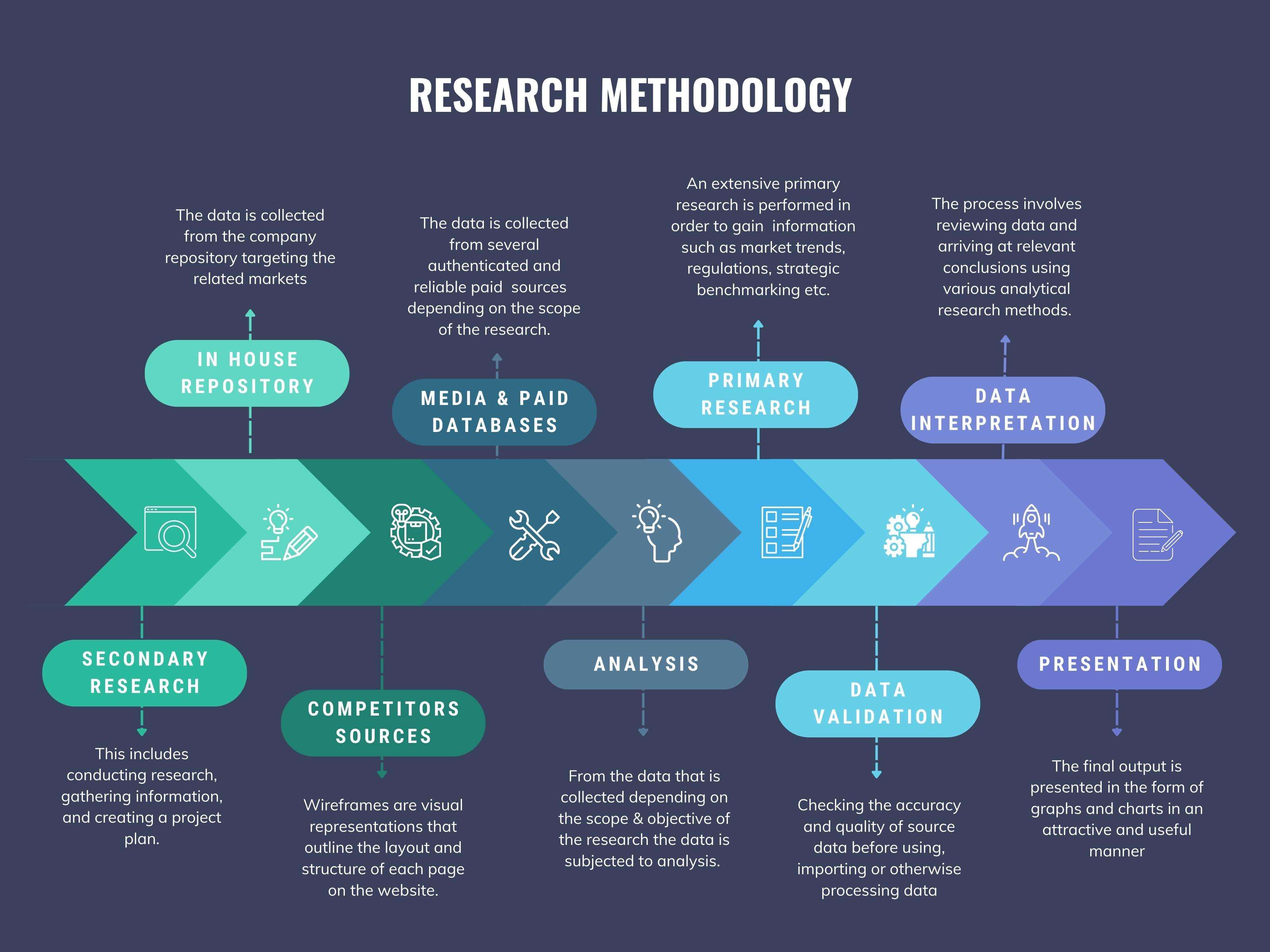
We at ‘Stratistics’ opt for an extensive research approach which involves data mining, data validation, and data analysis. The various research sources include in-house repository, secondary research, competitor’s sources, social media research, client internal data, and primary research.
Our team of analysts prefers the most reliable and authenticated data sources in order to perform the comprehensive literature search. With access to most of the authenticated data bases our team highly considers the best mix of information through various sources to obtain extensive and accurate analysis.
Each report takes an average time of a month and a team of 4 industry analysts. The time may vary depending on the scope and data availability of the desired market report. The various parameters used in the market assessment are standardized in order to enhance the data accuracy.
Data Mining
The data is collected from several authenticated, reliable, paid and unpaid sources and is filtered depending on the scope & objective of the research. Our reports repository acts as an added advantage in this procedure. Data gathering from the raw material suppliers, distributors and the manufacturers is performed on a regular basis, this helps in the comprehensive understanding of the products value chain. Apart from the above mentioned sources the data is also collected from the industry consultants to ensure the objective of the study is in the right direction.
Market trends such as technological advancements, regulatory affairs, market dynamics (Drivers, Restraints, Opportunities and Challenges) are obtained from scientific journals, market related national & international associations and organizations.
Data Analysis
From the data that is collected depending on the scope & objective of the research the data is subjected for the analysis. The critical steps that we follow for the data analysis include:
- Product Lifecycle Analysis
- Competitor analysis
- Risk analysis
- Porters Analysis
- PESTEL Analysis
- SWOT Analysis
The data engineering is performed by the core industry experts considering both the Marketing Mix Modeling and the Demand Forecasting. The marketing mix modeling makes use of multiple-regression techniques to predict the optimal mix of marketing variables. Regression factor is based on a number of variables and how they relate to an outcome such as sales or profits.
Data Validation
The data validation is performed by the exhaustive primary research from the expert interviews. This includes telephonic interviews, focus groups, face to face interviews, and questionnaires to validate our research from all aspects. The industry experts we approach come from the leading firms, involved in the supply chain ranging from the suppliers, distributors to the manufacturers and consumers so as to ensure an unbiased analysis.
We are in touch with more than 15,000 industry experts with the right mix of consultants, CEO's, presidents, vice presidents, managers, experts from both supply side and demand side, executives and so on.
The data validation involves the primary research from the industry experts belonging to:
- Leading Companies
- Suppliers & Distributors
- Manufacturers
- Consumers
- Industry/Strategic Consultants
Apart from the data validation the primary research also helps in performing the fill gap research, i.e. providing solutions for the unmet needs of the research which helps in enhancing the reports quality.
For more details about research methodology, kindly write to us at info@strategymrc.com
Frequently Asked Questions
In case of any queries regarding this report, you can contact the customer service by filing the “Inquiry Before Buy” form available on the right hand side. You may also contact us through email: info@strategymrc.com or phone: +1-301-202-5929
Yes, the samples are available for all the published reports. You can request them by filling the “Request Sample” option available in this page.
Yes, you can request a sample with your specific requirements. All the customized samples will be provided as per the requirement with the real data masked.
All our reports are available in Digital PDF format. In case if you require them in any other formats, such as PPT, Excel etc you can submit a request through “Inquiry Before Buy” form available on the right hand side. You may also contact us through email: info@strategymrc.com or phone: +1-301-202-5929
We offer a free 15% customization with every purchase. This requirement can be fulfilled for both pre and post sale. You may send your customization requirements through email at info@strategymrc.com or call us on +1-301-202-5929.
We have 3 different licensing options available in electronic format.
- Single User Licence: Allows one person, typically the buyer, to have access to the ordered product. The ordered product cannot be distributed to anyone else.
- 2-5 User Licence: Allows the ordered product to be shared among a maximum of 5 people within your organisation.
- Corporate License: Allows the product to be shared among all employees of your organisation regardless of their geographical location.
All our reports are typically be emailed to you as an attachment.
To order any available report you need to register on our website. The payment can be made either through CCAvenue or PayPal payments gateways which accept all international cards.
We extend our support to 6 months post sale. A post sale customization is also provided to cover your unmet needs in the report.
Request Customization
We offer complimentary customization of up to 15% with every purchase. To share your customization requirements, feel free to email us at info@strategymrc.com or call us on +1-301-202-5929. .
Please Note: Customization within the 15% threshold is entirely free of charge. If your request exceeds this limit, we will conduct a feasibility assessment. Following that, a detailed quote and timeline will be provided.
WHY CHOOSE US ?

Assured Quality
Best in class reports with high standard of research integrity

24X7 Research Support
Continuous support to ensure the best customer experience.

Free Customization
Adding more values to your product of interest.

Safe & Secure Access
Providing a secured environment for all online transactions.

Trusted by 600+ Brands
Serving the most reputed brands across the world.