
Forage Sorghum Seed Market
Forage Sorghum Seed Market Forecasts to 2032 - Global Analysis By Type (Brown Midrib (BMR) Forage Sorghum, Non-BMR Conventional Forage Sorghum, Photoperiod Sensitive (PS) Forage Sorghum and Other Types), Seed Type, Distribution Channel, Application, End User and By Geography

According to Stratistics MRC, the Global Forage Sorghum Seed Market is accounted for $175.28 million in 2025 and is expected to reach $220.64 million by 2032 growing at a CAGR of 6.5% during the forecast period. Forage sorghum seed refers to the planting material of Sorghum bicolor, a fast-growing, drought-tolerant crop cultivated primarily for livestock feed. It produces high biomass, making it ideal for silage, hay, and grazing. Compared to grain sorghum, forage sorghum grows taller, has broader leaves, and offers higher fodder yield. It thrives in warm climates and is resistant to dry conditions, making it a cost-effective feed option. Rich in fiber and energy, it enhances animal nutrition. Varieties include hybrid and sweet sorghum, selected for traits like digestibility and regrowth capacity.
According to FAOSTAT, the harvested area of sorghum in South America increased to 2.41 million hectares in 2023 from 2.32 million hectares in 2022.
Market Dynamics:
Driver:
Increasing adoption of silage & hay
Forage sorghum is widely preferred for silage due to its high biomass yield, excellent digestibility, and drought tolerance. Dairy and livestock farmers rely on nutrient-rich silage to enhance milk and meat production, boosting the demand for high-yield sorghum seeds. Additionally, rising awareness of cost-effective, high-fiber fodder solutions encourages farmers to cultivate sorghum over other forage crops. As the demand for sustainable animal feed solutions grows, investments in improved hybrid sorghum seeds further propel market expansion, particularly in regions with water scarcity.
Restraint:
Limited awareness among farmers
Many farmers lack knowledge about its high biomass yield, drought tolerance, and cost-effectiveness compared to other forage crops. Misconceptions about nutritional value, silage preparation, and proper cultivation techniques further limit its usage. Additionally, inadequate access to training programs, research advancements, and government support slows market expansion.
Opportunity:
Government support & subsidies
Many governments provide financial incentives, subsidies on seeds, fertilizers, and irrigation, making forage sorghum a cost-effective choice. Policies promoting drought-resistant and sustainable crops further boost its demand, especially in arid regions. Additionally, investments in research and development enhance hybrid seed varieties with higher yields and disease resistance. Support for livestock and dairy industries also drives demand for quality fodder. These initiatives collectively improve farmer profitability and increase forage sorghum cultivation, strengthening the overall market.
Threat:
Susceptibility to pests & diseases
Forage sorghum seed is susceptible to pests and diseases due to its high sugar content, warm-season growth, and dense foliage, which create a favorable environment for infestations. Common threats include sorghum midge, aphids, armyworms, anthracnose, and rust, which reduce yield and forage quality. These issues increase farmers' dependency on pesticides and disease-resistant hybrids, raising production costs. Yield losses and crop damage discourage small-scale farmers, limiting market expansion.
Covid-19 Impact:
The covid-19 pandemic had a mixed impact on the forage sorghum seed market. Supply chain disruptions led to delays in seed distribution, affecting farming cycles. Lockdowns and labour shortages hindered agricultural activities, reducing overall cultivation. However, increased demand for livestock feed during the pandemic, driven by a rise in dairy and meat consumption, supported market stability. Government support for agriculture and a shift toward self-sufficiency in fodder production further influenced market resilience during and after the pandemic.
The hybrid seeds segment is expected to be the largest during the forecast period
The hybrid seeds segment is expected to account for the largest market share during the forecast period. Hybrid forage sorghum seed is a genetically improved variety of Sorghum bicolor, developed for higher yield, better digestibility, and resistance to pests and drought. These hybrids produce taller plants with broader leaves, making them ideal for silage, hay, and grazing in livestock farming. They offer faster growth, increased biomass, and improved nutrient content compared to traditional varieties.
The biofuel production segment is expected to have the highest CAGR during the forecast period
Over the forecast period, the biofuel production segment is predicted to witness the highest growth rate. Forage sorghum seed plays a crucial role in biofuel production, particularly for ethanol and biogas. Its high biomass yield, fast growth, and drought resistance make it an efficient feedstock for renewable energy. Compared to maize, forage sorghum requires less water and fertilizer, reducing production costs. Its high sugar and cellulose content enhance bioethanol yields, making it a sustainable alternative to fossil fuels.
Region with largest share:
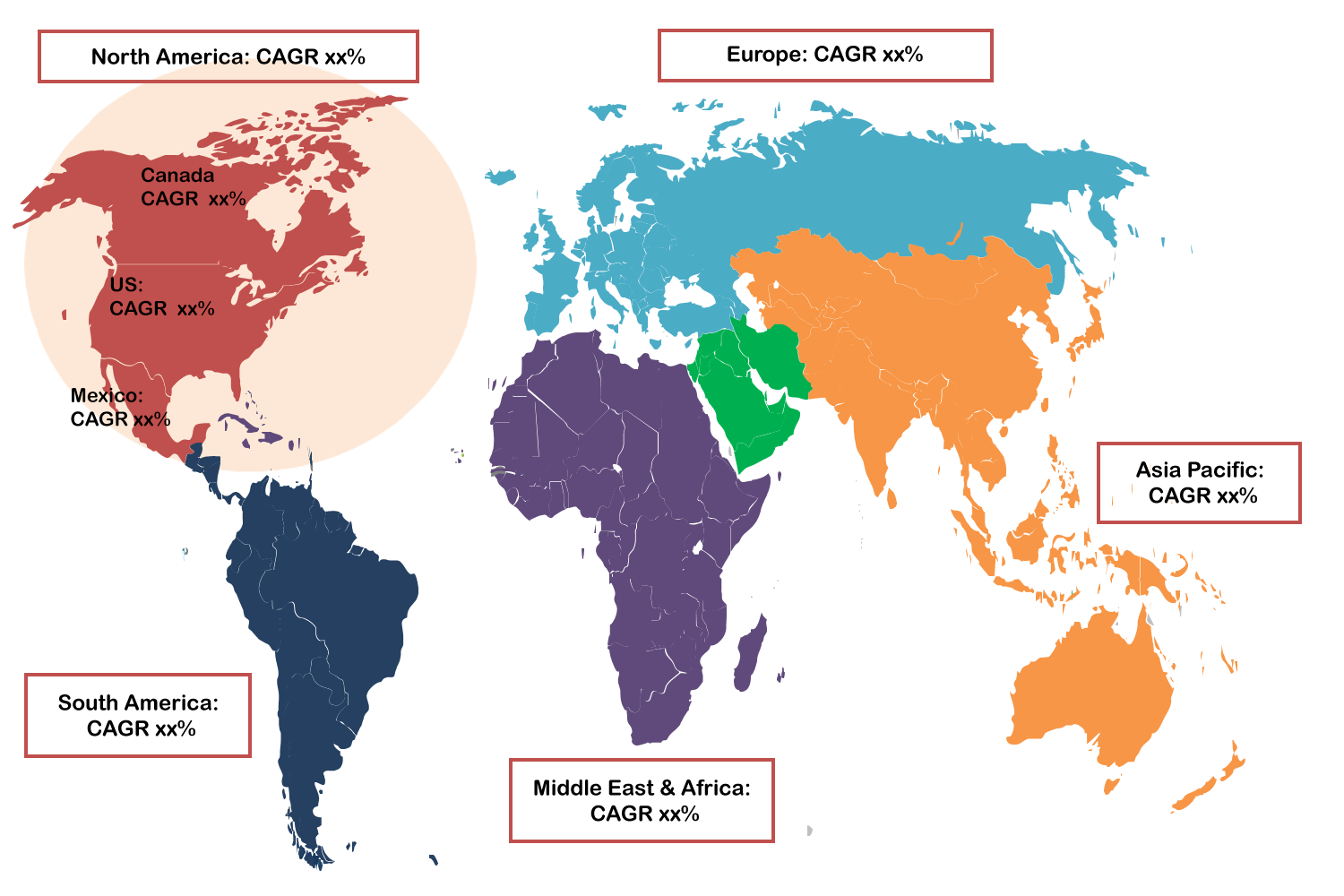
During the forecast period, the Asia Pacific region is expected to hold the largest market share due to rising livestock farming, increased dairy consumption, and a need for cost-effective fodder. Countries like India, China, and Australia are key contributors, driven by high demand for silage and drought-resistant crops. Government initiatives promoting sustainable agriculture further support market expansion. Technological advancements in hybrid seeds and improved farming practices are enhancing yield and quality, making forage sorghum a preferred choice for livestock feed in the region.
Region with highest CAGR:
Over the forecast period, the North America region is anticipated to exhibit the highest CAGR due to increasing livestock production, particularly in the United States and Canada. The region’s focus on high-quality silage and hay for dairy and beef cattle drives demand. Forage sorghum's drought resistance and lower input costs make it an attractive alternative to maize in water-scarce areas. Government support for sustainable agriculture further influences market growth.
Key players in the market
Some of the key players in Forage Sorghum Seed Market include Advanta Seeds, AgReliant Genetics LLC (KWS), Monsanto Company, Corteva Agriscience, Dyna-Gro Seed, Heritage Seeds, Nufarm, Allied Seed LLC, Sustainable Seed Company, Blue River Hybrids, Chromatin, Inc., Safal Seeds & Biotech, Proline Seeds, Seed Co Limited, S&W Seed Company, BRETTYOUNG, Malav Seeds Pvt Ltd, Mangalam Seeds, Foragen Seeds and Nuseed.
Key Developments:
In May 2024, S&W Seed Company introduced Double Team Forage Sorghum, a non-GMO seed variety offering over-the-top grassy weed control. The forage variant aims to provide similar benefits to forage sorghum growers, enhancing yields and profitability. Double Team Forage Sorghum is available through S&W's Sorghum Partners brand and private label partners.
In October 2020, Alta Seeds introduced Empyr Premier Forages, a new lineup of forage sorghum, sudangrass, and sorghum-sudan hybrids. This launch aimed to provide livestock producers with high-yield, nutrient-rich, and highly digestible forage options, particularly suited for silage, hay, and grazing systems. The Empyr lineup features hybrid varieties designed to maximize feed efficiency and yield, offering improved drought tolerance, disease resistance, and enhanced digestibility.
Types Covered:
• Brown Midrib (BMR) Forage Sorghum
• Non-BMR Conventional Forage Sorghum
• Photoperiod Sensitive (PS) Forage Sorghum
• Other Types
Seed Types Covered:
• Hybrid Seeds
• Open-Pollinated Seeds
• Genetically Modified (GMO) Seeds
• Non-GMO Seeds
• Other Seed Types
Distribution Channels Covered:
• Direct Sales
• Distributors & Dealers
• Agricultural Cooperatives
• Online Retailers
• Other Distribution Channels
Applications Covered:
• Livestock Feed
• Silage Production
• Biofuel Production
• Other Applications
End Users Covered:
• Farmers & Ranchers
• Agricultural Research Institutes
• Dairy & Meat Producers
• Biofuel Companies
• Other End Users
Regions Covered:
• North America
o US
o Canada
o Mexico
• Europe
o Germany
o UK
o Italy
o France
o Spain
o Rest of Europe
• Asia Pacific
o Japan
o China
o India
o Australia
o New Zealand
o South Korea
o Rest of Asia Pacific
• South America
o Argentina
o Brazil
o Chile
o Rest of South America
• Middle East & Africa
o Saudi Arabia
o UAE
o Qatar
o South Africa
o Rest of Middle East & Africa
What our report offers:
- Market share assessments for the regional and country-level segments
- Strategic recommendations for the new entrants
- Covers Market data for the years 2024, 2025, 2026, 2028, and 2032
- Market Trends (Drivers, Constraints, Opportunities, Threats, Challenges, Investment Opportunities, and recommendations)
- Strategic recommendations in key business segments based on the market estimations
- Competitive landscaping mapping the key common trends
- Company profiling with detailed strategies, financials, and recent developments
- Supply chain trends mapping the latest technological advancements
Free Customization Offerings:
All the customers of this report will be entitled to receive one of the following free customization options:
• Company Profiling
o Comprehensive profiling of additional market players (up to 3)
o SWOT Analysis of key players (up to 3)
• Regional Segmentation
o Market estimations, Forecasts and CAGR of any prominent country as per the client's interest (Note: Depends on feasibility check)
• Competitive Benchmarking
Benchmarking of key players based on product portfolio, geographical presence, and strategic alliances
Table of Contents
1 Executive Summary
2 Preface
2.1 Abstract
2.2 Stake Holders
2.3 Research Scope
2.4 Research Methodology
2.4.1 Data Mining
2.4.2 Data Analysis
2.4.3 Data Validation
2.4.4 Research Approach
2.5 Research Sources
2.5.1 Primary Research Sources
2.5.2 Secondary Research Sources
2.5.3 Assumptions
3 Market Trend Analysis
3.1 Introduction
3.2 Drivers
3.3 Restraints
3.4 Opportunities
3.5 Threats
3.6 Application Analysis
3.7 End User Analysis
3.8 Emerging Markets
3.9 Impact of Covid-19
4 Porters Five Force Analysis
4.1 Bargaining power of suppliers
4.2 Bargaining power of buyers
4.3 Threat of substitutes
4.4 Threat of new entrants
4.5 Competitive rivalry
5 Global Forage Sorghum Seed Market, By Type
5.1 Introduction
5.2 Brown Midrib (BMR) Forage Sorghum
5.3 Non-BMR Conventional Forage Sorghum
5.4 Photoperiod Sensitive (PS) Forage Sorghum
5.5 Other Types
6 Global Forage Sorghum Seed Market, By Seed Type
6.1 Introduction
6.2 Hybrid Seeds
6.3 Open-Pollinated Seeds
6.4 Genetically Modified (GMO) Seeds
6.5 Non-GMO Seeds
6.6 Other Seed Types
7 Global Forage Sorghum Seed Market, By Distribution Channel
7.1 Introduction
7.2 Direct Sales
7.3 Distributors & Dealers
7.4 Agricultural Cooperatives
7.5 Online Retailers
7.6 Other Distribution Channels
8 Global Forage Sorghum Seed Market, By Application
8.1 Introduction
8.2 Livestock Feed
8.3 Silage Production
8.4 Biofuel Production
8.5 Other Applications
9 Global Forage Sorghum Seed Market, By End User
9.1 Introduction
9.2 Farmers & Ranchers
9.3 Agricultural Research Institutes
9.4 Dairy & Meat Producers
9.5 Biofuel Companies
9.6 Other End Users
10 Global Forage Sorghum Seed Market, By Geography
10.1 Introduction
10.2 North America
10.2.1 US
10.2.2 Canada
10.2.3 Mexico
10.3 Europe
10.3.1 Germany
10.3.2 UK
10.3.3 Italy
10.3.4 France
10.3.5 Spain
10.3.10 Rest of Europe
10.4 Asia Pacific
10.4.1 Japan
10.4.2 China
10.4.3 India
10.4.4 Australia
10.4.5 New Zealand
10.4.10 South Korea
10.4.7 Rest of Asia Pacific
10.5 South America
10.5.1 Argentina
10.5.2 Brazil
10.5.3 Chile
10.5.4 Rest of South America
10.6 Middle East & Africa
10.6.1 Saudi Arabia
10.6.2 UAE
10.6.3 Qatar
10.6.4 South Africa
10.6.5 Rest of Middle East & Africa
11 Key Developments
11.1 Agreements, Partnerships, Collaborations and Joint Ventures
11.2 Acquisitions & Mergers
11.3 New Product Launch
11.4 Expansions
11.5 Other Key Strategies
12 Company Profiling
12.1 Advanta Seeds
12.2 AgReliant Genetics LLC (KWS)
12.3 Monsanto Company
12.4 Corteva Agriscience
12.5 Dyna-Gro Seed
12.6 Heritage Seeds
12.7 Nufarm
12.8 Allied Seed LLC
12.9 Sustainable Seed Company
12.10 Blue River Hybrids
12.11 Chromatin, Inc.
12.12 Safal Seeds & Biotech
12.13 Proline Seeds
12.14 Seed Co Limited
12.15 S&W Seed Company
12.16 BRETTYOUNG
12.17 Malav Seeds Pvt Ltd
12.18 Mangalam Seeds
12.19 Foragen Seeds
12.20 Nuseed
List of Tables
1 Global Forage Sorghum Seed Market Outlook, By Region (2024-2032) ($MN)
2 Global Forage Sorghum Seed Market Outlook, By Type (2024-2032) ($MN)
3 Global Forage Sorghum Seed Market Outlook, By Brown Midrib (BMR) Forage Sorghum (2024-2032) ($MN)
4 Global Forage Sorghum Seed Market Outlook, By Non-BMR Conventional Forage Sorghum (2024-2032) ($MN)
5 Global Forage Sorghum Seed Market Outlook, By Photoperiod Sensitive (PS) Forage Sorghum (2024-2032) ($MN)
6 Global Forage Sorghum Seed Market Outlook, By Other Types (2024-2032) ($MN)
7 Global Forage Sorghum Seed Market Outlook, By Seed Type (2024-2032) ($MN)
8 Global Forage Sorghum Seed Market Outlook, By Hybrid Seeds (2024-2032) ($MN)
9 Global Forage Sorghum Seed Market Outlook, By Open-Pollinated Seeds (2024-2032) ($MN)
10 Global Forage Sorghum Seed Market Outlook, By Genetically Modified (GMO) Seeds (2024-2032) ($MN)
11 Global Forage Sorghum Seed Market Outlook, By Non-GMO Seeds (2024-2032) ($MN)
12 Global Forage Sorghum Seed Market Outlook, By Other Seed Types (2024-2032) ($MN)
13 Global Forage Sorghum Seed Market Outlook, By Distribution Channel (2024-2032) ($MN)
14 Global Forage Sorghum Seed Market Outlook, By Direct Sales (2024-2032) ($MN)
15 Global Forage Sorghum Seed Market Outlook, By Distributors & Dealers (2024-2032) ($MN)
16 Global Forage Sorghum Seed Market Outlook, By Agricultural Cooperatives (2024-2032) ($MN)
17 Global Forage Sorghum Seed Market Outlook, By Online Retailers (2024-2032) ($MN)
18 Global Forage Sorghum Seed Market Outlook, By Other Distribution Channels (2024-2032) ($MN)
19 Global Forage Sorghum Seed Market Outlook, By Application (2024-2032) ($MN)
20 Global Forage Sorghum Seed Market Outlook, By Livestock Feed (2024-2032) ($MN)
21 Global Forage Sorghum Seed Market Outlook, By Silage Production (2024-2032) ($MN)
22 Global Forage Sorghum Seed Market Outlook, By Biofuel Production (2024-2032) ($MN)
23 Global Forage Sorghum Seed Market Outlook, By Other Applications (2024-2032) ($MN)
24 Global Forage Sorghum Seed Market Outlook, By End User (2024-2032) ($MN)
25 Global Forage Sorghum Seed Market Outlook, By Farmers & Ranchers (2024-2032) ($MN)
26 Global Forage Sorghum Seed Market Outlook, By Agricultural Research Institutes (2024-2032) ($MN)
27 Global Forage Sorghum Seed Market Outlook, By Dairy & Meat Producers (2024-2032) ($MN)
28 Global Forage Sorghum Seed Market Outlook, By Biofuel Companies (2024-2032) ($MN)
29 Global Forage Sorghum Seed Market Outlook, By Other End Users (2024-2032) ($MN)
Note: Tables for North America, Europe, APAC, South America, and Middle East & Africa Regions are also represented in the same manner as above.
List of Figures
RESEARCH METHODOLOGY

We at ‘Stratistics’ opt for an extensive research approach which involves data mining, data validation, and data analysis. The various research sources include in-house repository, secondary research, competitor’s sources, social media research, client internal data, and primary research.
Our team of analysts prefers the most reliable and authenticated data sources in order to perform the comprehensive literature search. With access to most of the authenticated data bases our team highly considers the best mix of information through various sources to obtain extensive and accurate analysis.
Each report takes an average time of a month and a team of 4 industry analysts. The time may vary depending on the scope and data availability of the desired market report. The various parameters used in the market assessment are standardized in order to enhance the data accuracy.
Data Mining
The data is collected from several authenticated, reliable, paid and unpaid sources and is filtered depending on the scope & objective of the research. Our reports repository acts as an added advantage in this procedure. Data gathering from the raw material suppliers, distributors and the manufacturers is performed on a regular basis, this helps in the comprehensive understanding of the products value chain. Apart from the above mentioned sources the data is also collected from the industry consultants to ensure the objective of the study is in the right direction.
Market trends such as technological advancements, regulatory affairs, market dynamics (Drivers, Restraints, Opportunities and Challenges) are obtained from scientific journals, market related national & international associations and organizations.
Data Analysis
From the data that is collected depending on the scope & objective of the research the data is subjected for the analysis. The critical steps that we follow for the data analysis include:
- Product Lifecycle Analysis
- Competitor analysis
- Risk analysis
- Porters Analysis
- PESTEL Analysis
- SWOT Analysis
The data engineering is performed by the core industry experts considering both the Marketing Mix Modeling and the Demand Forecasting. The marketing mix modeling makes use of multiple-regression techniques to predict the optimal mix of marketing variables. Regression factor is based on a number of variables and how they relate to an outcome such as sales or profits.
Data Validation
The data validation is performed by the exhaustive primary research from the expert interviews. This includes telephonic interviews, focus groups, face to face interviews, and questionnaires to validate our research from all aspects. The industry experts we approach come from the leading firms, involved in the supply chain ranging from the suppliers, distributors to the manufacturers and consumers so as to ensure an unbiased analysis.
We are in touch with more than 15,000 industry experts with the right mix of consultants, CEO's, presidents, vice presidents, managers, experts from both supply side and demand side, executives and so on.
The data validation involves the primary research from the industry experts belonging to:
- Leading Companies
- Suppliers & Distributors
- Manufacturers
- Consumers
- Industry/Strategic Consultants
Apart from the data validation the primary research also helps in performing the fill gap research, i.e. providing solutions for the unmet needs of the research which helps in enhancing the reports quality.
For more details about research methodology, kindly write to us at info@strategymrc.com
Frequently Asked Questions
In case of any queries regarding this report, you can contact the customer service by filing the “Inquiry Before Buy” form available on the right hand side. You may also contact us through email: info@strategymrc.com or phone: +1-301-202-5929
Yes, the samples are available for all the published reports. You can request them by filling the “Request Sample” option available in this page.
Yes, you can request a sample with your specific requirements. All the customized samples will be provided as per the requirement with the real data masked.
All our reports are available in Digital PDF format. In case if you require them in any other formats, such as PPT, Excel etc you can submit a request through “Inquiry Before Buy” form available on the right hand side. You may also contact us through email: info@strategymrc.com or phone: +1-301-202-5929
We offer a free 15% customization with every purchase. This requirement can be fulfilled for both pre and post sale. You may send your customization requirements through email at info@strategymrc.com or call us on +1-301-202-5929.
We have 3 different licensing options available in electronic format.
- Single User Licence: Allows one person, typically the buyer, to have access to the ordered product. The ordered product cannot be distributed to anyone else.
- 2-5 User Licence: Allows the ordered product to be shared among a maximum of 5 people within your organisation.
- Corporate License: Allows the product to be shared among all employees of your organisation regardless of their geographical location.
All our reports are typically be emailed to you as an attachment.
To order any available report you need to register on our website. The payment can be made either through CCAvenue or PayPal payments gateways which accept all international cards.
We extend our support to 6 months post sale. A post sale customization is also provided to cover your unmet needs in the report.
Request Customization
We offer complimentary customization of up to 15% with every purchase. To share your customization requirements, feel free to email us at info@strategymrc.com or call us on +1-301-202-5929. .
Please Note: Customization within the 15% threshold is entirely free of charge. If your request exceeds this limit, we will conduct a feasibility assessment. Following that, a detailed quote and timeline will be provided.
WHY CHOOSE US ?

Assured Quality
Best in class reports with high standard of research integrity

24X7 Research Support
Continuous support to ensure the best customer experience.

Free Customization
Adding more values to your product of interest.

Safe & Secure Access
Providing a secured environment for all online transactions.

Trusted by 600+ Brands
Serving the most reputed brands across the world.
