
Global Industrial Iot Technology Intelligence
Global Industrial IoT Technology Intelligence 2026 – Strategic Analysis of Technology Landscape, Innovation Trends, R&D Activities, Technology Roadmap, and Future Outlook
The Global Industrial IoT Technology Intelligence study provides an in-depth assessment of the technologies, Industrial Internet of Things (IIoT) architectures, connected devices, industrial sensors, edge computing, connectivity technologies, cloud platforms, data analytics, artificial intelligence, technology maturity, development roadmaps, and commercialization pathways shaping the global Industrial IoT technology ecosystem.
Unlike conventional market studies centered primarily on market sizing, segmentation, and forecasts, this Technology Intelligence study focuses on how Industrial IoT technologies are evolving, which IIoT architectures and connectivity platforms are gaining momentum, how mature they are, what technical barriers remain, and which innovations are most likely to progress toward commercial deployment.
The study evaluates connected industrial devices, smart sensors, industrial gateways, edge computing, industrial communication networks, wireless industrial connectivity, cloud and hybrid platforms, IIoT data management, AI and analytics, digital twins, asset monitoring, predictive maintenance, and industrial cybersecurity technologies across their performance characteristics, Technology Readiness Levels (TRLs), deployment readiness, scalability, interoperability, cybersecurity, intellectual property activity, R&D progress, application suitability, and commercialization potential.
Particular attention is given to the transition from isolated industrial connectivity toward intelligent, real-time, interoperable, edge-enabled, and AI-driven IIoT ecosystems, helping organizations identify technology inflection points, emerging innovation areas, technical bottlenecks, and future technology opportunities.
Technology Intelligence Highlights
The study is designed to answer critical technology and innovation questions including:
• Which Industrial IoT technologies are advancing most rapidly?
• What are the current Technology Readiness Levels (TRLs) of major IIoT technology platforms?
• Which technologies are closest to large-scale industrial deployment?
• How do different IIoT technologies compare in terms of connectivity, latency, interoperability, scalability, reliability, and security?
• What technical and engineering challenges are restricting wider commercialization?
• Which technologies are best suited to asset monitoring, predictive maintenance, production optimization, remote operations, logistics, energy management, and process control?
• Where are the most significant R&D breakthroughs occurring?
• Which technology developers, industrial companies, research institutions, and innovation hubs are driving technology advancement?
• Which IIoT technology domains are experiencing the strongest patent activity?
• What emerging technologies could potentially disrupt established IIoT architectures?
• How are edge computing, AI, industrial wireless connectivity, cloud platforms, digital twins, and cybersecurity technologies evolving?
• What are the key research-to-commercialization pathways for emerging IIoT technologies?
• Which technologies offer the strongest long-term commercialization potential?
• What technology and intellectual property white spaces remain underdeveloped?
• What are the likely technology development pathways over the next 5–10 years?
Key Technology Intelligence Deliverables
• Technology Landscape Mapping: Comprehensive assessment of established, advanced, and emerging IIoT technologies, architectures, platforms, connectivity systems, and enabling technologies.
• Technology Maturity & Readiness Assessment: Evaluation of Technology Readiness Levels (TRLs), deployment readiness, scalability, interoperability, cybersecurity maturity, technical maturity, and commercialization readiness.
• Technology Performance Benchmarking: Comparative assessment based on connectivity, latency, reliability, interoperability, scalability, data processing, security, energy efficiency, and application suitability.
• Technology Roadmap Intelligence: Analysis of near-, mid-, and long-term IIoT development pathways, edge intelligence, industrial connectivity, AI-enabled IoT, autonomous systems, and anticipated technology milestones.
• R&D & Innovation Intelligence: Assessment of corporate R&D programs, university research, government initiatives, industrial collaborations, technology breakthroughs, and global innovation hotspots.
• Patent & IP Intelligence: Analysis of patent filing activity, leading IIoT technology domains, high-impact patent families, emerging IP clusters, technology ownership, and potential IP white spaces.
• Application–Technology Mapping: Evaluation of IIoT technology suitability for asset monitoring, predictive maintenance, production optimization, process control, logistics, energy management, remote operations, and industrial safety.
• Commercialization Intelligence: Assessment of pilot-to-industrial transitions, platform deployment, technology integration, licensing, cybersecurity barriers, commercialization timelines, and cost-performance improvement pathways.
• Emerging Technology Tracking: Identification of edge AI, autonomous IIoT, advanced industrial wireless systems, intelligent gateways, AI-enabled analytics, deep-tech startups, and technologies to watch.
• Technology White Space Analysis: Identification of unresolved connectivity, interoperability, cybersecurity, data management, and edge intelligence challenges and potential future R&D opportunities.
How This Study Differs from a Market Forecast Report
A conventional Market Forecast report primarily addresses how large the market is, how fast it is growing, which market segments are expanding, and which regions are expected to drive future demand.
The Technology Intelligence study addresses a fundamentally different set of questions: which Industrial IoT technologies are evolving, how mature they are, how their technical capabilities compare, what breakthroughs are occurring, what barriers remain to commercialization, and which technologies could shape the future of connected industrial operations.
Rather than concentrating on market size and revenue forecasts, the study emphasizes technology readiness, IIoT architectures, industrial connectivity, edge computing, AI, analytics, cybersecurity, digital twins, R&D progress, patents and intellectual property, innovation roadmaps, scalability, application suitability, and commercialization pathways.
The study is therefore intended for organizations requiring deeper technology, R&D, innovation, IP, engineering, and commercialization intelligence beyond conventional market sizing and forecasting.
Table of Contents
1 Executive Technology Brief
1.1 Industrial IoT Technology Intelligence Snapshot
1.2 Breakthrough Technologies & Key Developments
1.3 Technology Maturity Snapshot
1.4 Leading Industrial IoT Innovation Domains
1.5 Commercialization Readiness Highlights
1.6 Industrial IoT Technologies to Watch
2 Technology Intelligence Research Framework
2.1 Research Objectives
2.2 Technology Intelligence Methodology
2.3 Primary & Secondary Data Sources
2.4 Technology Assessment Framework
2.5 Technology Selection & Evaluation Criteria
2.6 Scope of the Study
2.7 Assumptions & Limitations
3 Industrial IoT Technology Ecosystem
3.1 Industrial IoT Technology Ecosystem
3.2 Evolution of Industrial IoT Technologies
3.3 Industrial IoT Technology Value Chain
3.4 Device-to-Cloud Industrial IoT Lifecycle
3.5 Key Technology Development Drivers
3.6 Technical & Engineering Challenges
3.7 Industrial IoT Performance Requirements
3.8 Connectivity, Edge & Cloud Infrastructure
3.9 Standards, Interoperability & Technology Governance
4 Industrial IoT Technology Platform Intelligence
4.1 Industrial IoT Sensors & Connected Devices
4.2 Industrial Connectivity & Communication Technologies
4.3 Edge Computing Platforms
4.4 Industrial Cloud Platforms
4.5 Industrial IoT Analytics & AI Platforms
4.6 Industrial IoT Gateways & Middleware
4.7 Digital Twin & IoT Integration Technologies
4.8 Industrial Cybersecurity Technologies
4.9 Emerging Industrial IoT Platforms
4.10 Cross-Technology Performance Comparison
5 Technology Maturity & Readiness Intelligence
5.1 Industrial IoT Technology Maturity Assessment
5.2 Technology Readiness Level (TRL) Assessment
5.3 Deployment Readiness Assessment
5.4 Commercialization Readiness Assessment
5.5 Prototype-to-Pilot Transition
5.6 Pilot-to-Industrial Deployment Transition
5.7 Industrial IoT Adoption Curve
5.8 Technology Scalability Assessment
5.9 Performance vs Commercial Readiness Matrix
5.10 Technology Risk Assessment
6 Industrial IoT Performance & Application Intelligence
6.1 Industrial IoT Performance Benchmarking
6.2 Connectivity & Latency Requirements
6.3 Data Acquisition & Processing Requirements
6.4 Edge AI & Analytics Requirements
6.5 Security, Interoperability & Reliability Requirements
6.6 Manufacturing Applications
6.7 Energy & Utilities Applications
6.8 Oil & Gas and Process Industry Applications
6.9 Transportation & Logistics Applications
6.10 Other Emerging Industrial IoT Applications
6.11 Technology–Application Suitability Matrix
7 Technology Development & Innovation Roadmaps
7.1 Industrial IoT Technology Roadmap
7.2 Near-Term Technology Developments
7.3 Mid-Term Technology Developments
7.4 Long-Term Technology Developments
7.5 Next-Generation Industrial IoT Architectures
7.6 Edge AI & Distributed Intelligence Innovations
7.7 Industrial Connectivity Innovations
7.8 IoT Security & Data Infrastructure Innovations
7.9 Technology Convergence Opportunities
7.10 Future Industrial IoT Technology Pipeline
8 R&D and Innovation Intelligence
8.1 Global Industrial IoT R&D Landscape
8.2 Leading Corporate R&D Programs
8.3 University & Research Institute Programs
8.4 National Laboratory & Government Activities
8.5 Research Collaboration Networks
8.6 Government-Funded Technology Programs
8.7 R&D Investment Trends
8.8 Research Breakthrough Tracking
8.9 Academic-to-Industry Technology Transfer
8.10 Industrial IoT Innovation Hotspots
9 Patent & Intellectual Property Intelligence
9.1 Industrial IoT Patent Landscape
9.2 Patent Filing Trends
9.3 Leading Patent Holders
9.4 Patent Activity by IoT Technology
9.5 Patent Activity by Industrial Application
9.6 High-Impact Patent Families
9.7 Emerging IP Clusters
9.8 Patent Citation & Influence Analysis
9.9 Technology Ownership & IP Concentration
9.10 Potential IP White Spaces
10 Technology Commercialization Intelligence
10.1 Research-to-Market Commercialization Landscape
10.2 Commercialized Industrial IoT Technologies
10.3 Pre-Commercial & Pilot-Stage Technologies
10.4 Technology Licensing & Platform Partnerships
10.5 Industrial IoT Deployment & Scale-Up Challenges
10.6 Commercialization Barriers
10.7 Cost & Performance Improvement Pathways
10.8 Enterprise Adoption Requirements
10.9 Technology Adoption by Industrial Application
10.10 Industrial IoT Commercialization Timeline
11 Technology Developers & Innovation Benchmarking
11.1 Leading Industrial IoT Technology Developers
11.2 Technology Portfolio Comparison
11.3 Industrial IoT Platform Capabilities
11.4 Technology Maturity Comparison
11.5 R&D Capability Comparison
11.6 Patent & IP Strength Comparison
11.7 Research Collaboration Strength
11.8 Deployment & Scalability Capability
11.9 Commercialization Progress
11.10 Technology Leadership Matrix
12 Emerging Technologies, Startups & Research Spin-Offs
12.1 Emerging Industrial IoT Technologies
12.2 Breakthrough Technologies to Watch
12.3 High-Potential Technology Developers
12.4 University Spin-Offs
12.5 Deep-Tech Industrial IoT Startups
12.6 Startups by IoT Technology Platform
12.7 Startups by Industrial Application
12.8 Venture Funding for Emerging Technologies
12.9 Disruptive Technology Assessment
12.10 Emerging Technology Watchlist
13 Regional Technology & Innovation Hubs
13.1 United States
13.2 Canada
13.3 European Union
13.4 United Kingdom
13.5 China
13.6 Japan
13.7 South Korea
13.8 India
13.9 Australia
13.10 Emerging Industrial IoT Technology Hubs
13.11 Regional Technology Leadership Comparison
14 Future Technology Outlook & White Spaces
14.1 Industrial IoT Technology White Space Analysis
14.2 Unsolved Technical Challenges
14.3 Emerging Research Directions
14.4 IoT, AI, Edge & Digital Twin Convergence
14.5 Next-Generation Industrial IoT Opportunities
14.6 Potential Technology Disruptors
14.7 Future Industrial IoT Technology Leaders
14.8 Technology Development Scenarios
14.9 5–10 Year Technology Outlook
14.10 Strategic Technology Recommendations
15 Technology Developer Profiles
15.1 Siemens AG
15.2 Cisco Systems Inc.
15.3 Honeywell International Inc.
15.4 ABB Ltd.
15.5 Schneider Electric SE
15.6 Rockwell Automation Inc.
15.7 Microsoft Corporation
15.8 Amazon Web Services Inc.
15.9 International Business Machines Corporation
15.10 PTC Inc.
15.11 General Electric Company
15.12 Bosch Rexroth AG
15.13 Hitachi Ltd.
15.14 Advantech Co. Ltd.
15.15 Huawei Technologies Co. Ltd.
15.16 Intel Corporation
15.17 NVIDIA Corporation
15.18 SAP SE
15.19 Emerson Electric Co.
15.20 Mitsubishi Electric Corporation
15.21 Yokogawa Electric Corporation
15.22 Honeywell Connected Enterprise
15.23 Samsara Inc.
15.24 Litmus Automation
15.25 HPE Aruba Networking
16 List of Tables
Table 1 Industrial IoT Technology Ecosystem
Table 2 Industrial IoT Technology Platform Comparison
Table 3 Industrial IoT Performance Benchmark
Table 4 Industrial IoT Technology Evolution & Development Roadmap
Table 5 Technology Maturity Assessment
Table 6 Technology Readiness Level Assessment
Table 7 Deployment Readiness Assessment
Table 8 Commercialization Readiness Assessment
Table 9 Technology–Application Suitability Matrix
Table 10 Leading Industrial IoT Technology Developers
Table 11 Technology Portfolio Comparison
Table 12 R&D Capability Benchmark
Table 13 Patent & IP Leadership Comparison
Table 14 Leading Research Institutions
Table 15 Research Collaboration Landscape
Table 16 Emerging Industrial IoT Technologies
Table 17 Emerging Technology TRL Assessment
Table 18 Startup & Spin-Off Technology Landscape
Table 19 Regional Technology Leadership Matrix
Table 20 Industrial IoT Technology White Space & Opportunity Matrix
17 List of Figures
Fig 1 Industrial IoT Technology Ecosystem
Fig 2 Industrial IoT Technology Value Chain
Fig 3 Device-to-Cloud Industrial IoT Lifecycle
Fig 4 Industrial IoT Technology Platform Landscape
Fig 5 Industrial IoT Technology Evolution Roadmap
Fig 6 Industrial IoT Technology Maturity Map
Fig 7 Industrial IoT TRL Landscape
Fig 8 Performance vs Commercial Readiness Matrix
Fig 9 Industrial IoT Technology–Application Mapping
Fig 10 Global Industrial IoT R&D & Innovation Hotspots
Fig 11 Industrial IoT Research Collaboration Network
Fig 12 Industrial IoT Patent Filing Trend
Fig 13 Industrial IoT Patent Technology Landscape
Fig 14 Emerging Industrial IoT Technology Pipeline
Fig 15 Industrial IoT Technology Commercialization Timeline
Fig 16 Regional Industrial IoT Technology Leadership Map
Fig 17 Industrial IoT Technology White Space Map
List of Figures
RESEARCH METHODOLOGY
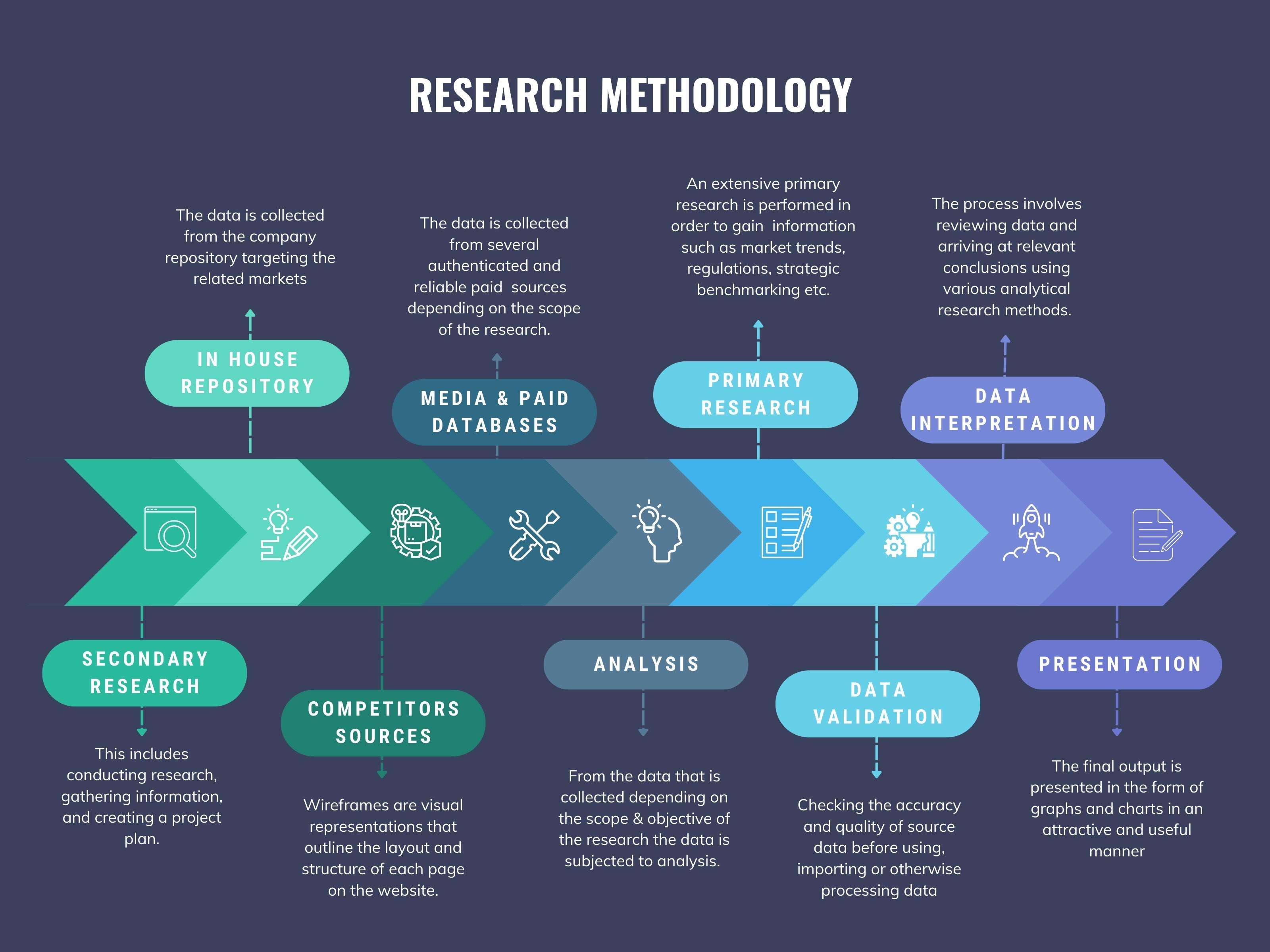
We at ‘Stratistics’ opt for an extensive research approach which involves data mining, data validation, and data analysis. The various research sources include in-house repository, secondary research, competitor’s sources, social media research, client internal data, and primary research.
Our team of analysts prefers the most reliable and authenticated data sources in order to perform the comprehensive literature search. With access to most of the authenticated data bases our team highly considers the best mix of information through various sources to obtain extensive and accurate analysis.
Each report takes an average time of a month and a team of 4 industry analysts. The time may vary depending on the scope and data availability of the desired market report. The various parameters used in the market assessment are standardized in order to enhance the data accuracy.
Data Mining
The data is collected from several authenticated, reliable, paid and unpaid sources and is filtered depending on the scope & objective of the research. Our reports repository acts as an added advantage in this procedure. Data gathering from the raw material suppliers, distributors and the manufacturers is performed on a regular basis, this helps in the comprehensive understanding of the products value chain. Apart from the above mentioned sources the data is also collected from the industry consultants to ensure the objective of the study is in the right direction.
Market trends such as technological advancements, regulatory affairs, market dynamics (Drivers, Restraints, Opportunities and Challenges) are obtained from scientific journals, market related national & international associations and organizations.
Data Analysis
From the data that is collected depending on the scope & objective of the research the data is subjected for the analysis. The critical steps that we follow for the data analysis include:
- Product Lifecycle Analysis
- Competitor analysis
- Risk analysis
- Porters Analysis
- PESTEL Analysis
- SWOT Analysis
The data engineering is performed by the core industry experts considering both the Marketing Mix Modeling and the Demand Forecasting. The marketing mix modeling makes use of multiple-regression techniques to predict the optimal mix of marketing variables. Regression factor is based on a number of variables and how they relate to an outcome such as sales or profits.
Data Validation
The data validation is performed by the exhaustive primary research from the expert interviews. This includes telephonic interviews, focus groups, face to face interviews, and questionnaires to validate our research from all aspects. The industry experts we approach come from the leading firms, involved in the supply chain ranging from the suppliers, distributors to the manufacturers and consumers so as to ensure an unbiased analysis.
We are in touch with more than 15,000 industry experts with the right mix of consultants, CEO's, presidents, vice presidents, managers, experts from both supply side and demand side, executives and so on.
The data validation involves the primary research from the industry experts belonging to:
- Leading Companies
- Suppliers & Distributors
- Manufacturers
- Consumers
- Industry/Strategic Consultants
Apart from the data validation the primary research also helps in performing the fill gap research, i.e. providing solutions for the unmet needs of the research which helps in enhancing the reports quality.
For more details about research methodology, kindly write to us at info@strategymrc.com
Frequently Asked Questions
In case of any queries regarding this report, you can contact the customer service by filing the “Inquiry Before Buy” form available on the right hand side. You may also contact us through email: info@strategymrc.com or phone: +1-301-202-5929
Yes, the samples are available for all the published reports. You can request them by filling the “Request Sample” option available in this page.
Yes, you can request a sample with your specific requirements. All the customized samples will be provided as per the requirement with the real data masked.
All our reports are available in Digital PDF format. In case if you require them in any other formats, such as PPT, Excel etc you can submit a request through “Inquiry Before Buy” form available on the right hand side. You may also contact us through email: info@strategymrc.com or phone: +1-301-202-5929
We offer a free 15% customization with every purchase. This requirement can be fulfilled for both pre and post sale. You may send your customization requirements through email at info@strategymrc.com or call us on +1-301-202-5929.
We have 3 different licensing options available in electronic format.
- Single User Licence: Allows one person, typically the buyer, to have access to the ordered product. The ordered product cannot be distributed to anyone else.
- 2-5 User Licence: Allows the ordered product to be shared among a maximum of 5 people within your organisation.
- Corporate License: Allows the product to be shared among all employees of your organisation regardless of their geographical location.
All our reports are typically be emailed to you as an attachment.
To order any available report you need to register on our website. The payment can be made either through CCAvenue or PayPal payments gateways which accept all international cards.
We extend our support to 6 months post sale. A post sale customization is also provided to cover your unmet needs in the report.
Request Customization
We offer complimentary customization of up to 15% with every purchase. To share your customization requirements, feel free to email us at info@strategymrc.com or call us on +1-301-202-5929. .
Please Note: Customization within the 15% threshold is entirely free of charge. If your request exceeds this limit, we will conduct a feasibility assessment. Following that, a detailed quote and timeline will be provided.
WHY CHOOSE US ?

Assured Quality
Best in class reports with high standard of research integrity

24X7 Research Support
Continuous support to ensure the best customer experience.

Free Customization
Adding more values to your product of interest.

Safe & Secure Access
Providing a secured environment for all online transactions.

Trusted by 600+ Brands
Serving the most reputed brands across the world.