
Hearing Loss Disease Treatment Market
Hearing Loss Disease Treatment Market Forecasts to 2032 - Global Analysis By Treatment Type (Devices, Drugs and Biologic & Regenerative Therapies), Disease Type (Sensorineural Hearing Loss, Conductive Hearing Loss and Mixed Hearing Loss), Severity Level, Patient Demographics, End User and By Geography

|
Years Covered |
2024-2032 |
|
Estimated Year Value (2025) |
US $15.4 BN |
|
Projected Year Value (2032) |
US $25.4 BN |
|
CAGR (2025-2032) |
7.4% |
|
Regions Covered |
North America, Europe, Asia Pacific, South America, and Middle East & Africa |
|
Countries Covered |
US, Canada, Mexico, Germany, UK, Italy, France, Spain, Japan, China, India, Australia, New Zealand, South Korea, Rest of Asia Pacific, South America, Argentina, Brazil, Chile, Middle East & Africa, Saudi Arabia, UAE, Qatar, and South Africa |
|
Largest Market |
North America |
|
Highest Growing Market |
Asia Pacific |
According to Stratistics MRC, the Global Hearing Loss Disease Treatment Market is accounted for $15.4 billion in 2025 and is expected to reach $25.4 billion by 2032 growing at a CAGR of 7.4% during the forecast period. Hearing loss disease treatment encompasses medical, surgical, and technological interventions aimed at improving or restoring hearing function. Common treatments include hearing aids, cochlear implants, bone-anchored hearing systems, and assistive listening devices. In cases of conductive hearing loss, medications or surgeries may correct the underlying issue. For sensorineural loss, devices and auditory rehabilitation are standard. Early diagnosis and personalized treatment plans significantly enhance communication and quality of life.
According to the World Health Organization, more than 1.5 billion people—nearly 20% of the global population—currently live with some degree of hearing loss. Of these, around 430 million have disabling hearing loss requiring intervention.

Market Dynamics:
Driver:
Increased awareness and early diagnosis
Growing public awareness about hearing loss symptoms and the importance of timely intervention has significantly boosted market demand for treatment solutions. Healthcare professionals are increasingly emphasizing routine hearing screenings, particularly for high-risk populations such as elderly individuals and those exposed to occupational noise. Furthermore, educational campaigns by government agencies and non-profit organizations have improved recognition of early warning signs, leading to prompt medical consultations. This heightened awareness translates directly into increased adoption of hearing aids, cochlear implants, and other therapeutic interventions, driving substantial market growth.
Restraint:
Increasing noise pollution
Rising urbanization and industrial activities have created unprecedented levels of environmental noise pollution, contributing to accelerated hearing loss cases worldwide. Traffic congestion, construction activities, and recreational noise exposure from concerts and personal audio devices are damaging auditory systems at alarming rates. Additionally, occupational noise in the manufacturing, aviation, and entertainment industries continues to pose significant risks despite safety regulations. This escalating noise pollution creates challenges for existing hearing aid users, as background noise interference reduces device effectiveness and patient satisfaction.
Opportunity:
Preventative measures and public health initiatives
Government-led public health programs focusing on hearing conservation present substantial market expansion opportunities for preventative treatment solutions. Workplace safety regulations mandating hearing protection equipment and regular audiometric testing are creating new revenue streams for diagnostic and protective device manufacturers. Moreover, school-based hearing screening programs and community health initiatives are identifying at-risk populations earlier, enabling proactive intervention strategies. These preventative approaches reduce long-term healthcare costs and also create sustained demand for monitoring devices, protective equipment, and early-stage treatment technologies.
Threat:
Permanent nature of sensorineural hearing loss
The irreversible characteristic of sensorineural hearing loss poses significant challenges for treatment market growth, as current medical technologies cannot restore damaged inner ear structures or auditory nerve function. This limitation restricts treatment options primarily to assistive devices and surgical interventions like cochlear implants, rather than curative therapies. Furthermore, the permanent nature creates patient frustration and reduced treatment compliance when expected outcomes are not achieved. The inability to offer complete restoration may discourage some patients from seeking treatment, potentially limiting market penetration and creating barriers to sustained revenue growth.
Covid-19 Impact:
The COVID-19 pandemic significantly disrupted the hearing loss treatment market through delayed elective procedures, reduced clinic visits, and supply chain interruptions. Lockdown measures postponed routine hearing screenings and non-urgent surgeries, creating treatment backlogs. Additionally, economic uncertainties led to deferred hearing aid purchases due to high out-of-pocket costs. However, the pandemic accelerated telemedicine adoption for audiological consultations and remote hearing aid programming, creating new service delivery models that enhanced patient accessibility.
The sensorineural hearing loss segment is expected to be the largest during the forecast period
The sensorineural hearing loss segment is expected to account for the largest market share during the forecast period due to aging populations, noise exposure, and genetic factors. This segment dominates market share because it requires long-term management through hearing aids, cochlear implants, and assistive listening devices rather than temporary treatments. The condition's progressive nature ensures sustained demand for upgraded technologies and replacement devices throughout patients' lifetimes. Moreover, the segment benefits from continuous technological innovations in digital hearing aids and implantable devices, driving premium product adoption and higher revenue generation per patient.
The pediatric segment is expected to have the highest CAGR during the forecast period
Over the forecast period, the pediatric segment is predicted to witness the highest growth rate due to improved newborn screening programs and early intervention protocols worldwide. Healthcare systems are increasingly implementing universal hearing screening for infants, leading to earlier diagnosis and treatment initiation during critical developmental periods. Furthermore, technological advances in pediatric-specific devices, including smaller hearing aids and age-appropriate cochlear implants, are expanding treatment options for young patients, driving market expansion.
Region with largest share:
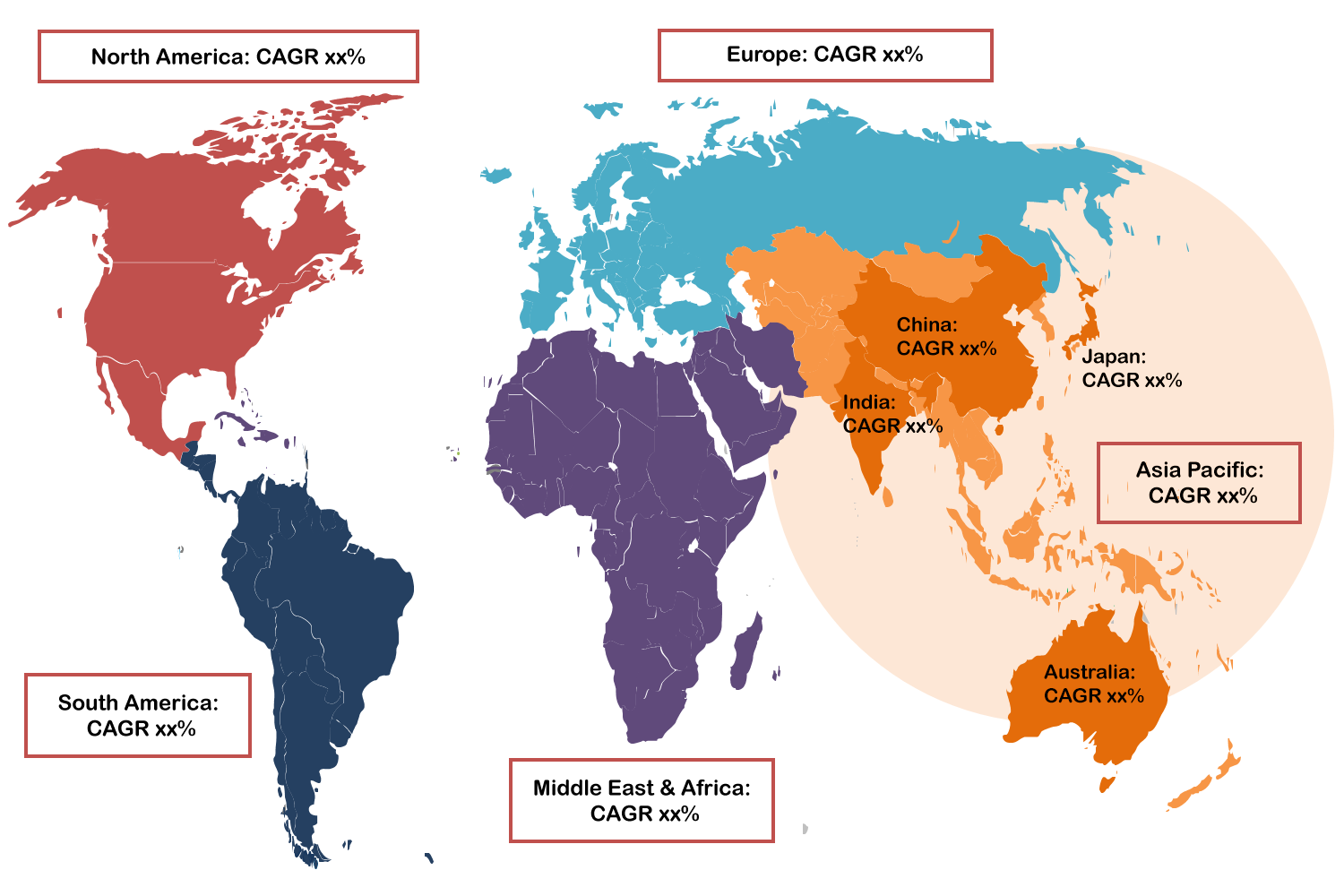
During the forecast period, the North America region is expected to hold the largest market share through advanced healthcare infrastructure, high healthcare spending, and widespread insurance coverage for hearing loss treatments. The region benefits from established audiology networks, specialized treatment centers, and robust reimbursement policies that facilitate patient access to premium hearing solutions. Additionally, strong research and development activities by leading manufacturers headquartered in the region drive continuous innovation and product launches.
Region with highest CAGR:
Over the forecast period, the Asia Pacific region is anticipated to exhibit the highest CAGR, driven by rapidly aging populations, increasing disposable incomes, and expanding healthcare access across emerging economies. Countries like China and India are investing heavily in healthcare infrastructure development, creating new opportunities for hearing loss treatment providers. Furthermore, government initiatives promoting disability inclusion and healthcare accessibility are additionally supporting market expansion, making this region the most dynamic growth opportunity for industry stakeholders.
Key players in the market
Some of the key players in Hearing Loss Disease Treatment Market include Sonova Holding AG, WS Audiology A/S, Demant A/S, GN Store Nord A/S (GN Hearing), Cochlear Limited, MED-EL, Starkey Hearing Technologies, Amplifon S.p.A., Cilcare, Otonomy Inc., Acousia Therapeutics GmbH, Sensorion, Novartis AG, Audina Hearing Instruments Inc., Rion Co., Ltd., and Eargo, Inc.
Key Developments:
In June 2025, Cochlear Limited, the global leader in implantable hearing solutions, announces today the commercial release of the new Cochlear™ Baha® 7 Sound Processor and the new non-surgical Baha SoundBand™. Cochlear’s bone conduction hearing solutions are designed to improve hearing outcomes for children and adults with conductive hearing loss, mixed hearing loss and single-sided deafness (SSD).
In February 2025, GN has gone in big on artificial intelligence (AI)—and small on its compact packaging—as it launches its first AI-driven hearing aid today, ReSound Vivia. Hailed as the world’s smallest micro-receiver-in-ear (microRIE) hearing aid powered by AI, Vivia combines GN’s 360-degree natural hearing approach with a Deep Neural Network (DNN) for improved speech clarity in noisy environments.
In August 2024, Sonova Holding AG announces the launch of two new platforms under the company’s primary brand, Phonak: Audéo Infinio and Audéo Sphere Infinio, marking a new era of hearing aids built on a real-time AI based technology platform. Audéo Sphere Infinio builds on Sonova’s new and proprietary dual-chip technology. Of the two new chips, one applies real-time AI to sound processing. With this development, Sonova sets new standards for sound quality, connectivity and power management – all critical needs for people with hearing loss – along with helping to improve speech understanding and conversation quality.
Treatment Types Covered:
• Devices
• Drugs
• Biologic & Regenerative Therapies
Disease Types:
• Sensorineural Hearing Loss
• Conductive Hearing Loss
• Mixed Hearing Loss
Severity Levels Covered:
• Mild Hearing Loss
• Moderate Hearing Loss
• Severe Hearing Loss
• Profound Hearing Loss
Patient Demographics Covered:
• Pediatric
• Adult
• Geriatric
End Users Covered:
• Hospitals
• Otology Clinics / Audiology Clinics
• Ambulatory Surgical Centers (ASC)
• Other End Users
Regions Covered:
• North America
o US
o Canada
o Mexico
• Europe
o Germany
o UK
o Italy
o France
o Spain
o Rest of Europe
• Asia Pacific
o Japan
o China
o India
o Australia
o New Zealand
o South Korea
o Rest of Asia Pacific
• South America
o Argentina
o Brazil
o Chile
o Rest of South America
• Middle East & Africa
o Saudi Arabia
o UAE
o Qatar
o South Africa
o Rest of Middle East & Africa
What our report offers:
- Market share assessments for the regional and country-level segments
- Strategic recommendations for the new entrants
- Covers Market data for the years 2024, 2025, 2026, 2028, and 2032
- Market Trends (Drivers, Constraints, Opportunities, Threats, Challenges, Investment Opportunities, and recommendations)
- Strategic recommendations in key business segments based on the market estimations
- Competitive landscaping mapping the key common trends
- Company profiling with detailed strategies, financials, and recent developments
- Supply chain trends mapping the latest technological advancements
Free Customization Offerings:
All the customers of this report will be entitled to receive one of the following free customization options:
• Company Profiling
o Comprehensive profiling of additional market players (up to 3)
o SWOT Analysis of key players (up to 3)
• Regional Segmentation
o Market estimations, Forecasts and CAGR of any prominent country as per the client's interest (Note: Depends on feasibility check)
• Competitive Benchmarking
o Benchmarking of key players based on product portfolio, geographical presence, and strategic alliances
Table of Contents
1 Executive Summary
2 Preface
2.1 Abstract
2.2 Stake Holders
2.3 Research Scope
2.4 Research Methodology
2.4.1 Data Mining
2.4.2 Data Analysis
2.4.3 Data Validation
2.4.4 Research Approach
2.5 Research Sources
2.5.1 Primary Research Sources
2.5.2 Secondary Research Sources
2.5.3 Assumptions
3 Market Trend Analysis
3.1 Introduction
3.2 Drivers
3.3 Restraints
3.4 Opportunities
3.5 Threats
3.6 End User Analysis
3.7 Emerging Markets
3.8 Impact of Covid-19
4 Porters Five Force Analysis
4.1 Bargaining power of suppliers
4.2 Bargaining power of buyers
4.3 Threat of substitutes
4.4 Threat of new entrants
4.5 Competitive rivalry
5 Global Hearing Loss Disease Treatment Market, By Treatment Type
5.1 Introduction
5.2 Devices
5.2.1 Hearing Aids
5.2.1.1 Behind-the-Ear (BTE)
5.2.1.2 In-the-Ear (ITE)
5.2.1.3 Completely-in-Canal (CIC)
5.2.1.4 Receiver-in-Canal (RIC)
5.2.2 Cochlear Implants
5.2.3 Assistive Listening Devices
5.2.4 Bone Anchored Hearing Aids (BAHA)
5.3 Drugs
5.3.1 Systemic Steroids
5.3.2 Antiviral Drugs
5.3.3 Vasodilators
5.3.4 Otoprotective Drugs
5.4 Biologic & Regenerative Therapies
5.4.1 Gene Therapy
5.4.2 Stem Cell Treatments
5.4.3 Other Advanced Biologic Therapies
6 Global Hearing Loss Disease Treatment Market, By Disease Type
6.1 Introduction
6.2 Sensorineural Hearing Loss
6.3 Conductive Hearing Loss
6.4 Mixed Hearing Loss
7 Global Hearing Loss Disease Treatment Market, By Severity Level
7.1 Introduction
7.2 Mild Hearing Loss
7.3 Moderate Hearing Loss
7.4 Severe Hearing Loss
7.5 Profound Hearing Loss
8 Global Hearing Loss Disease Treatment Market, By Patient Demographics
8.1 Introduction
8.2 Pediatric
8.3 Adult
8.4 Geriatric
9 Global Hearing Loss Disease Treatment Market, By End User
9.1 Introduction
9.2 Hospitals
9.3 Otology Clinics / Audiology Clinics
9.4 Ambulatory Surgical Centers (ASC)
9.5 Other End Users
10 Global Hearing Loss Disease Treatment Market, By Geography
10.1 Introduction
10.2 North America
10.2.1 US
10.2.2 Canada
10.2.3 Mexico
10.3 Europe
10.3.1 Germany
10.3.2 UK
10.3.3 Italy
10.3.4 France
10.3.5 Spain
10.3.6 Rest of Europe
10.4 Asia Pacific
10.4.1 Japan
10.4.2 China
10.4.3 India
10.4.4 Australia
10.4.5 New Zealand
10.4.6 South Korea
10.4.7 Rest of Asia Pacific
10.5 South America
10.5.1 Argentina
10.5.2 Brazil
10.5.3 Chile
10.5.4 Rest of South America
10.6 Middle East & Africa
10.6.1 Saudi Arabia
10.6.2 UAE
10.6.3 Qatar
10.6.4 South Africa
10.6.5 Rest of Middle East & Africa
11 Key Developments
11.1 Agreements, Partnerships, Collaborations and Joint Ventures
11.2 Acquisitions & Mergers
11.3 New Product Launch
11.4 Expansions
11.5 Other Key Strategies
12 Company Profiling
12.1 Sonova Holding AG
12.2 WS Audiology A/S
12.3 Demant A/S
12.4 GN Store Nord A/S (GN Hearing)
12.5 Cochlear Limited
12.6 MED-EL
12.7 Starkey Hearing Technologies
12.8 Amplifon S.p.A.
12.9 Cilcare
12.10 Otonomy Inc.
12.11 Acousia Therapeutics GmbH
12.12 Sensorion
12.13 Novartis AG
12.14 Audina Hearing Instruments Inc.
12.15 Rion Co., Ltd.
12.16 Eargo, Inc.
List of Tables
1 Global Hearing Loss Disease Treatment Market Outlook, By Region (2024-2032) ($MN)
2 Global Hearing Loss Disease Treatment Market Outlook, By Treatment Type (2024-2032) ($MN)
3 Global Hearing Loss Disease Treatment Market Outlook, By Devices (2024-2032) ($MN)
4 Global Hearing Loss Disease Treatment Market Outlook, By Hearing Aids (2024-2032) ($MN)
5 Global Hearing Loss Disease Treatment Market Outlook, By Cochlear Implants (2024-2032) ($MN)
6 Global Hearing Loss Disease Treatment Market Outlook, By Assistive Listening Devices (2024-2032) ($MN)
7 Global Hearing Loss Disease Treatment Market Outlook, By Bone Anchored Hearing Aids (BAHA) (2024-2032) ($MN)
8 Global Hearing Loss Disease Treatment Market Outlook, By Drugs (2024-2032) ($MN)
9 Global Hearing Loss Disease Treatment Market Outlook, By Systemic Steroids (2024-2032) ($MN)
10 Global Hearing Loss Disease Treatment Market Outlook, By Antiviral Drugs (2024-2032) ($MN)
11 Global Hearing Loss Disease Treatment Market Outlook, By Vasodilators (2024-2032) ($MN)
12 Global Hearing Loss Disease Treatment Market Outlook, By Otoprotective Drugs (2024-2032) ($MN)
13 Global Hearing Loss Disease Treatment Market Outlook, By Biologic & Regenerative Therapies (2024-2032) ($MN)
14 Global Hearing Loss Disease Treatment Market Outlook, By Gene Therapy (2024-2032) ($MN)
15 Global Hearing Loss Disease Treatment Market Outlook, By Stem Cell Treatments (2024-2032) ($MN)
16 Global Hearing Loss Disease Treatment Market Outlook, By Other Advanced Biologic Therapies (2024-2032) ($MN)
17 Global Hearing Loss Disease Treatment Market Outlook, By Disease Type (2024-2032) ($MN)
18 Global Hearing Loss Disease Treatment Market Outlook, By Sensorineural Hearing Loss (2024-2032) ($MN)
19 Global Hearing Loss Disease Treatment Market Outlook, By Conductive Hearing Loss (2024-2032) ($MN)
20 Global Hearing Loss Disease Treatment Market Outlook, By Mixed Hearing Loss (2024-2032) ($MN)
21 Global Hearing Loss Disease Treatment Market Outlook, By Severity Level (2024-2032) ($MN)
22 Global Hearing Loss Disease Treatment Market Outlook, By Mild Hearing Loss (2024-2032) ($MN)
23 Global Hearing Loss Disease Treatment Market Outlook, By Moderate Hearing Loss (2024-2032) ($MN)
24 Global Hearing Loss Disease Treatment Market Outlook, By Severe Hearing Loss (2024-2032) ($MN)
25 Global Hearing Loss Disease Treatment Market Outlook, By Profound Hearing Loss (2024-2032) ($MN)
26 Global Hearing Loss Disease Treatment Market Outlook, By Patient Demographics (2024-2032) ($MN)
27 Global Hearing Loss Disease Treatment Market Outlook, By Pediatric (2024-2032) ($MN)
28 Global Hearing Loss Disease Treatment Market Outlook, By Adult (2024-2032) ($MN)
29 Global Hearing Loss Disease Treatment Market Outlook, By Geriatric (2024-2032) ($MN)
30 Global Hearing Loss Disease Treatment Market Outlook, By End User (2024-2032) ($MN)
31 Global Hearing Loss Disease Treatment Market Outlook, By Hospitals (2024-2032) ($MN)
32 Global Hearing Loss Disease Treatment Market Outlook, By Otology Clinics / Audiology Clinics (2024-2032) ($MN)
33 Global Hearing Loss Disease Treatment Market Outlook, By Ambulatory Surgical Centers (ASC) (2024-2032) ($MN)
34 Global Hearing Loss Disease Treatment Market Outlook, By Other End Users (2024-2032) ($MN)
Note: Tables for North America, Europe, APAC, South America, and Middle East & Africa Regions are also represented in the same manner as above.
List of Figures
RESEARCH METHODOLOGY

We at ‘Stratistics’ opt for an extensive research approach which involves data mining, data validation, and data analysis. The various research sources include in-house repository, secondary research, competitor’s sources, social media research, client internal data, and primary research.
Our team of analysts prefers the most reliable and authenticated data sources in order to perform the comprehensive literature search. With access to most of the authenticated data bases our team highly considers the best mix of information through various sources to obtain extensive and accurate analysis.
Each report takes an average time of a month and a team of 4 industry analysts. The time may vary depending on the scope and data availability of the desired market report. The various parameters used in the market assessment are standardized in order to enhance the data accuracy.
Data Mining
The data is collected from several authenticated, reliable, paid and unpaid sources and is filtered depending on the scope & objective of the research. Our reports repository acts as an added advantage in this procedure. Data gathering from the raw material suppliers, distributors and the manufacturers is performed on a regular basis, this helps in the comprehensive understanding of the products value chain. Apart from the above mentioned sources the data is also collected from the industry consultants to ensure the objective of the study is in the right direction.
Market trends such as technological advancements, regulatory affairs, market dynamics (Drivers, Restraints, Opportunities and Challenges) are obtained from scientific journals, market related national & international associations and organizations.
Data Analysis
From the data that is collected depending on the scope & objective of the research the data is subjected for the analysis. The critical steps that we follow for the data analysis include:
- Product Lifecycle Analysis
- Competitor analysis
- Risk analysis
- Porters Analysis
- PESTEL Analysis
- SWOT Analysis
The data engineering is performed by the core industry experts considering both the Marketing Mix Modeling and the Demand Forecasting. The marketing mix modeling makes use of multiple-regression techniques to predict the optimal mix of marketing variables. Regression factor is based on a number of variables and how they relate to an outcome such as sales or profits.
Data Validation
The data validation is performed by the exhaustive primary research from the expert interviews. This includes telephonic interviews, focus groups, face to face interviews, and questionnaires to validate our research from all aspects. The industry experts we approach come from the leading firms, involved in the supply chain ranging from the suppliers, distributors to the manufacturers and consumers so as to ensure an unbiased analysis.
We are in touch with more than 15,000 industry experts with the right mix of consultants, CEO's, presidents, vice presidents, managers, experts from both supply side and demand side, executives and so on.
The data validation involves the primary research from the industry experts belonging to:
- Leading Companies
- Suppliers & Distributors
- Manufacturers
- Consumers
- Industry/Strategic Consultants
Apart from the data validation the primary research also helps in performing the fill gap research, i.e. providing solutions for the unmet needs of the research which helps in enhancing the reports quality.
For more details about research methodology, kindly write to us at info@strategymrc.com
Frequently Asked Questions
In case of any queries regarding this report, you can contact the customer service by filing the “Inquiry Before Buy” form available on the right hand side. You may also contact us through email: info@strategymrc.com or phone: +1-301-202-5929
Yes, the samples are available for all the published reports. You can request them by filling the “Request Sample” option available in this page.
Yes, you can request a sample with your specific requirements. All the customized samples will be provided as per the requirement with the real data masked.
All our reports are available in Digital PDF format. In case if you require them in any other formats, such as PPT, Excel etc you can submit a request through “Inquiry Before Buy” form available on the right hand side. You may also contact us through email: info@strategymrc.com or phone: +1-301-202-5929
We offer a free 15% customization with every purchase. This requirement can be fulfilled for both pre and post sale. You may send your customization requirements through email at info@strategymrc.com or call us on +1-301-202-5929.
We have 3 different licensing options available in electronic format.
- Single User Licence: Allows one person, typically the buyer, to have access to the ordered product. The ordered product cannot be distributed to anyone else.
- 2-5 User Licence: Allows the ordered product to be shared among a maximum of 5 people within your organisation.
- Corporate License: Allows the product to be shared among all employees of your organisation regardless of their geographical location.
All our reports are typically be emailed to you as an attachment.
To order any available report you need to register on our website. The payment can be made either through CCAvenue or PayPal payments gateways which accept all international cards.
We extend our support to 6 months post sale. A post sale customization is also provided to cover your unmet needs in the report.
Request Customization
We offer complimentary customization of up to 15% with every purchase. To share your customization requirements, feel free to email us at info@strategymrc.com or call us on +1-301-202-5929. .
Please Note: Customization within the 15% threshold is entirely free of charge. If your request exceeds this limit, we will conduct a feasibility assessment. Following that, a detailed quote and timeline will be provided.
WHY CHOOSE US ?

Assured Quality
Best in class reports with high standard of research integrity

24X7 Research Support
Continuous support to ensure the best customer experience.

Free Customization
Adding more values to your product of interest.

Safe & Secure Access
Providing a secured environment for all online transactions.

Trusted by 600+ Brands
Serving the most reputed brands across the world.
