
Hydrogen Fuel Cell Vehicles Market
Hydrogen Fuel Cell Vehicles Market Forecasts to 2032 - Global Analysis By Vehicle Type (Passenger Vehicles and Commercial Vehicles), Component (Fuel Cell Stacks, Fuel Processors, Air Compressors, Humidifiers, Power Conditioners/Inverters, Hydrogen Storage Tanks, Electric Motors and Other Components), Driving Range, Power Output, Technology, Application and By Geography

|
Years Covered |
2024-2032 |
|
Estimated Year Value (2025) |
US $1.83 BN |
|
Projected Year Value (2032) |
US $20.65BN |
|
CAGR (2025 - 2032) |
41.3% |
|
Regions Covered |
North America, Europe, Asia Pacific, South America, and Middle East & Africa |
|
Countries Covered |
US, Canada, Mexico, Germany, UK, Italy, France, Spain, Japan, China, India, Australia, New Zealand, South Korea, Rest of Asia Pacific, South America, Argentina, Brazil, Chile, Middle East & Africa, Saudi Arabia, UAE, Qatar, and South Africa |
|
Largest Market |
Asia Pacific |
|
Highest Growing Market |
Asia Pacific |
According to Stratistics MRC, the Global Hydrogen Fuel Cell Vehicles Market is accounted for $1.83 billion in 2025 and is expected to reach $20.65 billion by 2032 growing at a CAGR of 41.3% during the forecast period. Hydrogen fuel cell vehicles (HFCVs) utilize a fuel cell system to convert hydrogen gas into electricity, which powers an electric motor for propulsion. These vehicles emit only water vapor, making them a zero-emission alternative to conventional internal combustion engines. HFCVs offer high energy efficiency, rapid refueling, and extended driving range. They are particularly suited for long-distance and commercial transport applications, and are gaining attention as part of efforts to decarbonize the automotive sector and enhance energy sustainability.
According to Renewable and Sustainable Energy Reviews, hydrogen fuel cell vehicles can achieve driving ranges exceeding 500 km on a single tank. According to the same study, refueling these vehicles typically takes less than five minutes, offering a user experience similar to conventional cars.

Market Dynamics:
Driver:
Growth in renewable hydrogen production is making fuel cells
As nations invest in solar and wind infrastructure, surplus energy is being redirected toward hydrogen generation, reducing carbon intensity across the mobility sector. This shift is enabling fuel cell systems to operate more sustainably and cost-effectively, especially in long-haul and commercial applications. Moreover, policy frameworks supporting clean hydrogen production are accelerating the transition from fossil-based fuels to zero-emission alternatives boosts the growth of the market.
Restraint:
Sparse refueling infrastructure
Most regions still have limited hydrogen distribution networks, making long-distance travel and fleet operations challenging. High capital costs for station setup and low utilization rates discourage private investment, especially outside urban hubs. Additionally, logistical hurdles in transporting and storing hydrogen safely add complexity to infrastructure expansion. Without coordinated efforts between governments and industry stakeholders, the pace of network development may lag behind vehicle adoption, constraining market scalability.
Opportunity:
Strategic deployment along freight routes and city centers
Targeted rollout of hydrogen refueling stations along high-traffic freight corridors and urban centers presents a compelling growth opportunity. These zones offer predictable demand patterns, making infrastructure investments more economically viable. Logistics fleets, public transit systems, and municipal services are increasingly adopting fuel cell vehicles for their extended range and rapid refueling capabilities. By focusing on strategic nodes such as ports, distribution hubs, and metropolitan transit depots stakeholders can create dense hydrogen ecosystems that support both commercial and passenger segments.
Threat:
Dependence on rare materials and geopolitical risks
Supply chain disruptions, price volatility, and export restrictions can significantly impact production costs and availability. Moreover, the concentration of mining operations in a few countries raises concerns about long-term resource security. As demand for hydrogen vehicles grows, competition for these critical materials may intensify, affecting affordability and scalability. Efforts to reduce PGM loading and develop alternative catalysts are underway, but widespread adoption remains contingent on overcoming these material dependencies.
Covid-19 Impact:
The COVID-19 pandemic had a dual impact on the hydrogen fuel cell vehicle market. On one hand, global supply chain disruptions delayed infrastructure projects and vehicle rollouts, particularly in regions reliant on imported components. On the other hand, the crisis underscored the need for resilient, low-emission transport systems, prompting governments to prioritize green recovery initiatives. Stimulus packages and climate-focused funding accelerated investment in hydrogen technologies, especially for commercial fleets and public transit.
The commercial vehicles segment is expected to be the largest during the forecast period
The commercial vehicles segment is expected to account for the largest market share during the forecast period attributed to long distances, heavy payloads, and frequent usage align well with the strengths of fuel cell technology. Unlike battery-electric trucks, hydrogen-powered commercial vehicles offer faster refueling and extended range, making them ideal for logistics, transit, and industrial applications. Fleet operators are increasingly adopting fuel cell trucks and buses to meet zero-emission mandates without compromising efficiency.
The phosphoric acid fuel cell (PAFC) segment is expected to have the highest CAGR during the forecast period
Over the forecast period, the phosphoric acid fuel cell (PAFC) segment is predicted to witness the highest growth rate known for their stability and tolerance to impurities, PAFCs are gaining traction in heavy-duty and stationary vehicle applications. Their ability to operate efficiently in high-temperature environments makes them suitable for buses, trucks, and auxiliary power units. As manufacturers diversify fuel cell platforms, PAFCs are emerging as a robust alternative to PEMFCs in niche but expanding use cases.
Region with largest share:
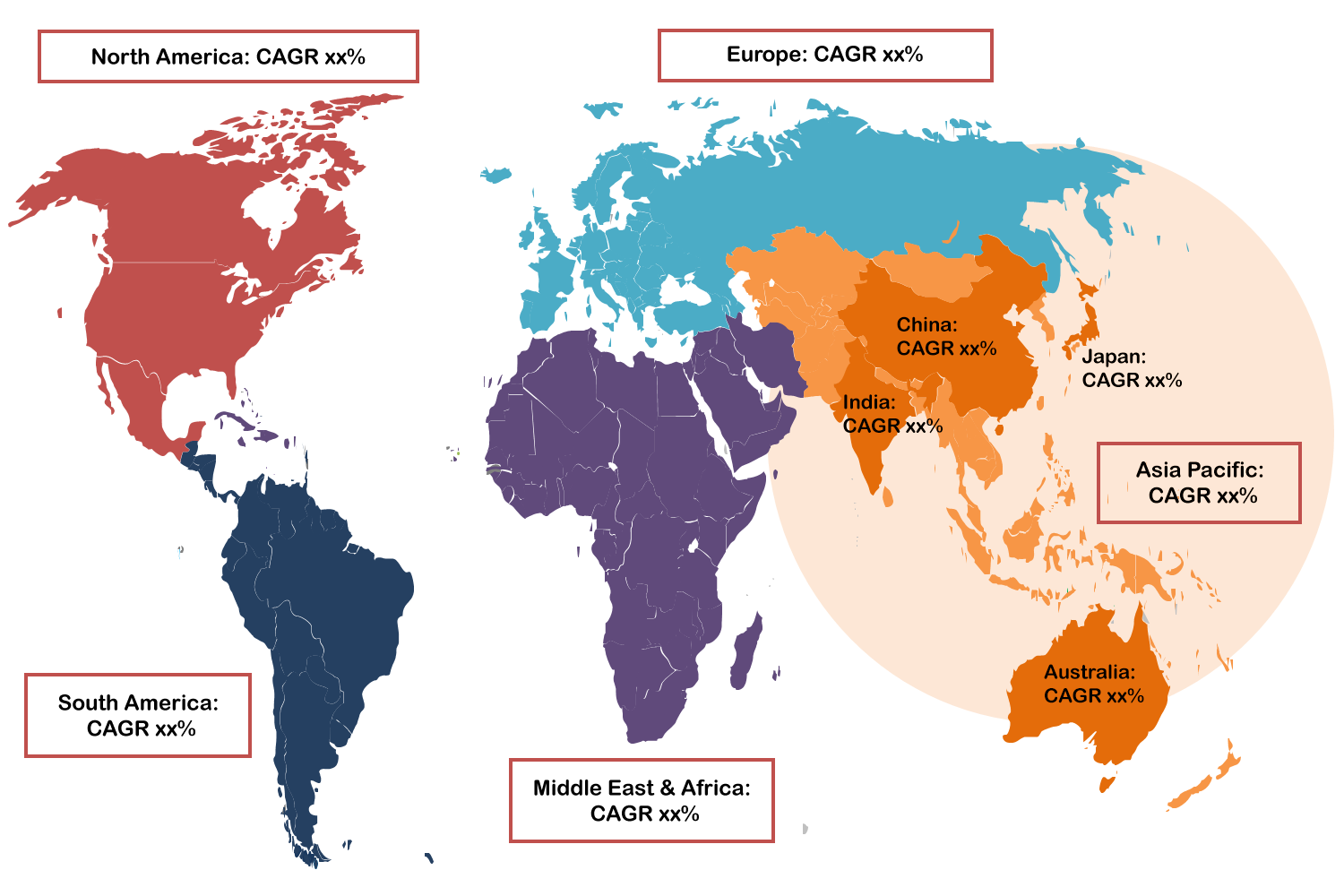
During the forecast period, the Asia Pacific region is expected to hold the largest market share driven by strong government backing, industrial capacity, and infrastructure development. Countries like Japan, China, and South Korea are investing heavily in hydrogen production, refueling networks, and vehicle manufacturing. National roadmaps and subsidies are accelerating adoption across both passenger and commercial segments. The region’s dense urban populations and logistics demands make hydrogen mobility particularly attractive.
Region with highest CAGR:
Over the forecast period, the Asia Pacific region is anticipated to exhibit the highest CAGR owing to rapid urbanization, environmental mandates, and strategic investments in hydrogen ecosystems are fueling expansion. China’s aggressive decarbonization targets, Japan’s hydrogen society vision, and South Korea’s clean mobility initiatives are converging to create a high-growth environment. Cross-border collaborations and export-oriented hydrogen strategies are further amplifying momentum.
Key players in the market
Some of the key players in Hydrogen Fuel Cell Vehicles Market include Toyota Motor Corporation, AUDI AG, Ballard Power Systems, BMW AG, BYD Auto Co., Ltd., Cummins Inc., Daimler Truck AG, Foton Motor Group, General Motors, Honda Motor Co., Ltd., Hyundai Motor Group, Kenworth, Nikola Corporation, Plug Power Inc, Renault Group, Robert Bosch GmbH, SAIC Motor Corporation, Weichai Power Co., Ltd and Yutong Bus Co., Ltd.
Key Developments:
In July 2025, Toyota North America broke ground on a?$50?million expansion at the Arizona Proving Grounds, adding a 5.5?mile oval track, off?road park, and new testing surfaces. This investment enhances vehicle and AV testing capacity, supporting development of future electrified and autonomous models.
In June 2025, Daimler Truck and Volvo Group launched Coretura AB, a joint venture to develop a software-defined vehicle platform for commercial fleets. Coretura aims to standardize digital applications across brands and serve additional OEMs. It marks a major step in driving digital transformation in heavy-duty trucking
In March 2025, GM announced a strategic collaboration with NVIDIA to accelerate next-gen vehicle development, factories, and robotics using AI and simulation platforms. This expands GM’s use of NVIDIA chips beyond Cruise, aiming to bolster Super?Cruise and factory automation.
Vehicle Types Covered:
• Passenger Vehicles
• Commercial Vehicles
Components Covered:
• Fuel Cell Stacks
• Fuel Processors
• Air Compressors
• Humidifiers
• Power Conditioners/Inverters
• Hydrogen Storage Tanks
• Electric Motors
• Other Components
Driving Ranges Covered:
• Less than or equal to 250 Miles
• 251 – 500 Miles
• More than 500 Miles
Power Outputs Covered:
• Less than 100 kW
• 100 – 200 kW
• More than 200 kW
Technologies Covered:
• Proton Exchange Membrane Fuel Cell (PEMFC)
• Phosphoric Acid Fuel Cell (PAFC)
• Solid Oxide Fuel Cell (SOFC)
• Direct Methanol Fuel Cells (DMFC)
• Alkaline Fuel Cell (AFC)
• Other Technologies
Applications Covered:
• Public Transportation
• Freight Transport
• Personal Use
• Corporate Fleets
• Other Applications
Regions Covered:
• North America
o US
o Canada
o Mexico
• Europe
o Germany
o UK
o Italy
o France
o Spain
o Rest of Europe
• Asia Pacific
o Japan
o China
o India
o Australia
o New Zealand
o South Korea
o Rest of Asia Pacific
• South America
o Argentina
o Brazil
o Chile
o Rest of South America
• Middle East & Africa
o Saudi Arabia
o UAE
o Qatar
o South Africa
o Rest of Middle East & Africa
What our report offers:
- Market share assessments for the regional and country-level segments
- Strategic recommendations for the new entrants
- Covers Market data for the years 2024, 2025, 2026, 2028, and 2032
- Market Trends (Drivers, Constraints, Opportunities, Threats, Challenges, Investment Opportunities, and recommendations)
- Strategic recommendations in key business segments based on the market estimations
- Competitive landscaping mapping the key common trends
- Company profiling with detailed strategies, financials, and recent developments
- Supply chain trends mapping the latest technological advancements
Free Customization Offerings:
All the customers of this report will be entitled to receive one of the following free customization options:
• Company Profiling
o Comprehensive profiling of additional market players (up to 3)
o SWOT Analysis of key players (up to 3)
• Regional Segmentation
o Market estimations, Forecasts and CAGR of any prominent country as per the client's interest (Note: Depends on feasibility check)
• Competitive Benchmarking
o Benchmarking of key players based on product portfolio, geographical presence, and strategic alliance
Table of Contents
1 Executive Summary
2 Preface
2.1 Abstract
2.2 Stake Holders
2.3 Research Scope
2.4 Research Methodology
2.4.1 Data Mining
2.4.2 Data Analysis
2.4.3 Data Validation
2.4.4 Research Approach
2.5 Research Sources
2.5.1 Primary Research Sources
2.5.2 Secondary Research Sources
2.5.3 Assumptions
3 Market Trend Analysis
3.1 Introduction
3.2 Drivers
3.3 Restraints
3.4 Opportunities
3.5 Threats
3.6 Technology Analysis
3.7 Application Analysis
3.8 Emerging Markets
3.9 Impact of Covid-19
4 Porters Five Force Analysis
4.1 Bargaining power of suppliers
4.2 Bargaining power of buyers
4.3 Threat of substitutes
4.4 Threat of new entrants
4.5 Competitive rivalry
5 Global Hydrogen Fuel Cell Vehicles Market, By Vehicle Type
5.1 Introduction
5.2 Passenger Vehicles
5.3 Commercial Vehicles
5.3.1 Light Commercial Vehicles (LCVs)
5.3.2 Medium & Heavy Commercial Vehicles (M&HCVs)
6 Global Hydrogen Fuel Cell Vehicles Market, By Component
6.1 Introduction
6.2 Fuel Cell Stacks
6.3 Fuel Processors
6.4 Air Compressors
6.5 Humidifiers
6.6 Power Conditioners/Inverters
6.7 Hydrogen Storage Tanks
6.8 Electric Motors
6.9 Other Components
7 Global Hydrogen Fuel Cell Vehicles Market, By Driving Range
7.1 Introduction
7.2 Less than or equal to 250 Miles
7.3 251 – 500 Miles
7.4 More than 500 Miles
8 Global Hydrogen Fuel Cell Vehicles Market, By Power Output
8.1 Introduction
8.2 Less than 100 kW
8.3 100 – 200 kW
8.4 More than 200 kW
9 Global Hydrogen Fuel Cell Vehicles Market, By Technology
9.1 Introduction
9.2 Proton Exchange Membrane Fuel Cell (PEMFC)
9.3 Phosphoric Acid Fuel Cell (PAFC)
9.4 Solid Oxide Fuel Cell (SOFC)
9.5 Direct Methanol Fuel Cells (DMFC)
9.6 Alkaline Fuel Cell (AFC)
9.7 Other Technologies
10 Global Hydrogen Fuel Cell Vehicles Market, By Application
10.1 Introduction
10.2 Public Transportation
10.3 Freight Transport
10.4 Personal Use
10.5 Corporate Fleets
10.6 Other Applications
11 Global Hydrogen Fuel Cell Vehicles Market, By Geography
11.1 Introduction
11.2 North America
11.2.1 US
11.2.2 Canada
11.2.3 Mexico
11.3 Europe
11.3.1 Germany
11.3.2 UK
11.3.3 Italy
11.3.4 France
11.3.5 Spain
11.3.6 Rest of Europe
11.4 Asia Pacific
11.4.1 Japan
11.4.2 China
11.4.3 India
11.4.4 Australia
11.4.5 New Zealand
11.4.6 South Korea
11.4.7 Rest of Asia Pacific
11.5 South America
11.5.1 Argentina
11.5.2 Brazil
11.5.3 Chile
11.5.4 Rest of South America
11.6 Middle East & Africa
11.6.1 Saudi Arabia
11.6.2 UAE
11.6.3 Qatar
11.6.4 South Africa
11.6.5 Rest of Middle East & Africa
12 Key Developments
12.1 Agreements, Partnerships, Collaborations and Joint Ventures
12.2 Acquisitions & Mergers
12.3 New Product Launch
12.4 Expansions
12.5 Other Key Strategies
13 Company Profiling
13.1 Toyota Motor Corporation
13.2 AUDI AG
13.3 Ballard Power Systems
13.4 BMW AG
13.5 BYD Auto Co., Ltd.
13.6 Cummins Inc.
13.7 Daimler Truck AG
13.8 Foton Motor Group
13.9 General Motors
13.10 Honda Motor Co., Ltd.
13.11 Hyundai Motor Group
13.12 Kenworth
13.13 Nikola Corporation
13.14 Plug Power Inc
13.15 Renault Group
13.16 Robert Bosch GmbH
13.17 SAIC Motor Corporation
13.18 Weichai Power Co., Ltd.
13.19 Yutong Bus Co., Ltd.
List of Tables
1 Global Hydrogen Fuel Cell Vehicles Market Outlook, By Region (2024-2032) ($MN)
2 Global Hydrogen Fuel Cell Vehicles Market Outlook, By Vehicle Type (2024-2032) ($MN)
3 Global Hydrogen Fuel Cell Vehicles Market Outlook, By Passenger Vehicles (2024-2032) ($MN)
4 Global Hydrogen Fuel Cell Vehicles Market Outlook, By Commercial Vehicles (2024-2032) ($MN)
5 Global Hydrogen Fuel Cell Vehicles Market Outlook, By Light Commercial Vehicles (LCVs) (2024-2032) ($MN)
6 Global Hydrogen Fuel Cell Vehicles Market Outlook, By Medium & Heavy Commercial Vehicles (M&HCVs) (2024-2032) ($MN)
7 Global Hydrogen Fuel Cell Vehicles Market Outlook, By Component (2024-2032) ($MN)
8 Global Hydrogen Fuel Cell Vehicles Market Outlook, By Fuel Cell Stacks (2024-2032) ($MN)
9 Global Hydrogen Fuel Cell Vehicles Market Outlook, By Fuel Processors (2024-2032) ($MN)
10 Global Hydrogen Fuel Cell Vehicles Market Outlook, By Air Compressors (2024-2032) ($MN)
11 Global Hydrogen Fuel Cell Vehicles Market Outlook, By Humidifiers (2024-2032) ($MN)
12 Global Hydrogen Fuel Cell Vehicles Market Outlook, By Power Conditioners/Inverters (2024-2032) ($MN)
13 Global Hydrogen Fuel Cell Vehicles Market Outlook, By Hydrogen Storage Tanks (2024-2032) ($MN)
14 Global Hydrogen Fuel Cell Vehicles Market Outlook, By Electric Motors (2024-2032) ($MN)
15 Global Hydrogen Fuel Cell Vehicles Market Outlook, By Other Components (2024-2032) ($MN)
16 Global Hydrogen Fuel Cell Vehicles Market Outlook, By Driving Range (2024-2032) ($MN)
17 Global Hydrogen Fuel Cell Vehicles Market Outlook, By Less than or equal to 250 Miles (2024-2032) ($MN)
18 Global Hydrogen Fuel Cell Vehicles Market Outlook, By 251 – 500 Miles (2024-2032) ($MN)
19 Global Hydrogen Fuel Cell Vehicles Market Outlook, By More than 500 Miles (2024-2032) ($MN)
20 Global Hydrogen Fuel Cell Vehicles Market Outlook, By Power Output (2024-2032) ($MN)
21 Global Hydrogen Fuel Cell Vehicles Market Outlook, By Less than 100 kW (2024-2032) ($MN)
22 Global Hydrogen Fuel Cell Vehicles Market Outlook, By 100 – 200 kW (2024-2032) ($MN)
23 Global Hydrogen Fuel Cell Vehicles Market Outlook, By More than 200 kW (2024-2032) ($MN)
24 Global Hydrogen Fuel Cell Vehicles Market Outlook, By Technology (2024-2032) ($MN)
25 Global Hydrogen Fuel Cell Vehicles Market Outlook, By Proton Exchange Membrane Fuel Cell (PEMFC) (2024-2032) ($MN)
26 Global Hydrogen Fuel Cell Vehicles Market Outlook, By Phosphoric Acid Fuel Cell (PAFC) (2024-2032) ($MN)
27 Global Hydrogen Fuel Cell Vehicles Market Outlook, By Solid Oxide Fuel Cell (SOFC) (2024-2032) ($MN)
28 Global Hydrogen Fuel Cell Vehicles Market Outlook, By Direct Methanol Fuel Cells (DMFC) (2024-2032) ($MN)
29 Global Hydrogen Fuel Cell Vehicles Market Outlook, By Alkaline Fuel Cell (AFC) (2024-2032) ($MN)
30 Global Hydrogen Fuel Cell Vehicles Market Outlook, By Other Technologies (2024-2032) ($MN)
31 Global Hydrogen Fuel Cell Vehicles Market Outlook, By Application (2024-2032) ($MN)
32 Global Hydrogen Fuel Cell Vehicles Market Outlook, By Public Transportation (2024-2032) ($MN)
33 Global Hydrogen Fuel Cell Vehicles Market Outlook, By Freight Transport (2024-2032) ($MN)
34 Global Hydrogen Fuel Cell Vehicles Market Outlook, By Personal Use (2024-2032) ($MN)
35 Global Hydrogen Fuel Cell Vehicles Market Outlook, By Corporate Fleets (2024-2032) ($MN)
36 Global Hydrogen Fuel Cell Vehicles Market Outlook, By Other Applications (2024-2032) ($MN)
Note: Tables for North America, Europe, APAC, South America, and Middle East & Africa Regions are also represented in the same manner as above.
List of Figures
RESEARCH METHODOLOGY

We at ‘Stratistics’ opt for an extensive research approach which involves data mining, data validation, and data analysis. The various research sources include in-house repository, secondary research, competitor’s sources, social media research, client internal data, and primary research.
Our team of analysts prefers the most reliable and authenticated data sources in order to perform the comprehensive literature search. With access to most of the authenticated data bases our team highly considers the best mix of information through various sources to obtain extensive and accurate analysis.
Each report takes an average time of a month and a team of 4 industry analysts. The time may vary depending on the scope and data availability of the desired market report. The various parameters used in the market assessment are standardized in order to enhance the data accuracy.
Data Mining
The data is collected from several authenticated, reliable, paid and unpaid sources and is filtered depending on the scope & objective of the research. Our reports repository acts as an added advantage in this procedure. Data gathering from the raw material suppliers, distributors and the manufacturers is performed on a regular basis, this helps in the comprehensive understanding of the products value chain. Apart from the above mentioned sources the data is also collected from the industry consultants to ensure the objective of the study is in the right direction.
Market trends such as technological advancements, regulatory affairs, market dynamics (Drivers, Restraints, Opportunities and Challenges) are obtained from scientific journals, market related national & international associations and organizations.
Data Analysis
From the data that is collected depending on the scope & objective of the research the data is subjected for the analysis. The critical steps that we follow for the data analysis include:
- Product Lifecycle Analysis
- Competitor analysis
- Risk analysis
- Porters Analysis
- PESTEL Analysis
- SWOT Analysis
The data engineering is performed by the core industry experts considering both the Marketing Mix Modeling and the Demand Forecasting. The marketing mix modeling makes use of multiple-regression techniques to predict the optimal mix of marketing variables. Regression factor is based on a number of variables and how they relate to an outcome such as sales or profits.
Data Validation
The data validation is performed by the exhaustive primary research from the expert interviews. This includes telephonic interviews, focus groups, face to face interviews, and questionnaires to validate our research from all aspects. The industry experts we approach come from the leading firms, involved in the supply chain ranging from the suppliers, distributors to the manufacturers and consumers so as to ensure an unbiased analysis.
We are in touch with more than 15,000 industry experts with the right mix of consultants, CEO's, presidents, vice presidents, managers, experts from both supply side and demand side, executives and so on.
The data validation involves the primary research from the industry experts belonging to:
- Leading Companies
- Suppliers & Distributors
- Manufacturers
- Consumers
- Industry/Strategic Consultants
Apart from the data validation the primary research also helps in performing the fill gap research, i.e. providing solutions for the unmet needs of the research which helps in enhancing the reports quality.
For more details about research methodology, kindly write to us at info@strategymrc.com
Frequently Asked Questions
In case of any queries regarding this report, you can contact the customer service by filing the “Inquiry Before Buy” form available on the right hand side. You may also contact us through email: info@strategymrc.com or phone: +1-301-202-5929
Yes, the samples are available for all the published reports. You can request them by filling the “Request Sample” option available in this page.
Yes, you can request a sample with your specific requirements. All the customized samples will be provided as per the requirement with the real data masked.
All our reports are available in Digital PDF format. In case if you require them in any other formats, such as PPT, Excel etc you can submit a request through “Inquiry Before Buy” form available on the right hand side. You may also contact us through email: info@strategymrc.com or phone: +1-301-202-5929
We offer a free 15% customization with every purchase. This requirement can be fulfilled for both pre and post sale. You may send your customization requirements through email at info@strategymrc.com or call us on +1-301-202-5929.
We have 3 different licensing options available in electronic format.
- Single User Licence: Allows one person, typically the buyer, to have access to the ordered product. The ordered product cannot be distributed to anyone else.
- 2-5 User Licence: Allows the ordered product to be shared among a maximum of 5 people within your organisation.
- Corporate License: Allows the product to be shared among all employees of your organisation regardless of their geographical location.
All our reports are typically be emailed to you as an attachment.
To order any available report you need to register on our website. The payment can be made either through CCAvenue or PayPal payments gateways which accept all international cards.
We extend our support to 6 months post sale. A post sale customization is also provided to cover your unmet needs in the report.
Request Customization
We offer complimentary customization of up to 15% with every purchase. To share your customization requirements, feel free to email us at info@strategymrc.com or call us on +1-301-202-5929. .
Please Note: Customization within the 15% threshold is entirely free of charge. If your request exceeds this limit, we will conduct a feasibility assessment. Following that, a detailed quote and timeline will be provided.
WHY CHOOSE US ?

Assured Quality
Best in class reports with high standard of research integrity

24X7 Research Support
Continuous support to ensure the best customer experience.

Free Customization
Adding more values to your product of interest.

Safe & Secure Access
Providing a secured environment for all online transactions.

Trusted by 600+ Brands
Serving the most reputed brands across the world.
