
Hydroponics Market
Hydroponics Market Forecasts to 2032 – Global Analysis By Type (Aggregate Systems and Liquid Systems), Equipment, Input, Crop Type, Crop Area, Application and By Geography

According to Stratistics MRC, the Global Hydroponics Market is accounted for $5.72 billion in 2025 and is expected to reach $14.67 billion by 2032 growing at a CAGR of 14.4% during the forecast period. Hydroponics is a modern method of growing plants without soil, using nutrient-rich water solutions to deliver essential minerals directly to the roots. Urban areas and areas with poor soil quality are perfect for this technique because it enables crops to grow more quickly, use less water, and flourish in controlled environments. Without soil, hydroponics allows for year-round production in any climate while lowering the risk of pests and diseases. Crop type and scale determine the use of different systems, including aeroponics, deep water culture, and nutrient film technique. Moreover, hydroponics is becoming more and more popular for growing vegetables, herbs, and leafy greens because it provides environmentally friendly, space-efficient, and sustainable farming solutions for the future.
According to the United States Department of Agriculture, more than 19 million people in the United States live in low-income neighborhoods with limited access to supermarkets or large grocery stores… in these contexts, hydroponic systems can be used as a method to grow vegetables such as lettuce, spinach, and herbs indoors.
Market Dynamics:
Driver:
Growing demand for year-round food production
One of the main factors propelling the hydroponics market is the requirement for a steady, year-round supply of food. The Food and Agriculture Organization (FAO) claims that by establishing ideal growing conditions independent of external climate fluctuations, controlled-environment agriculture (CEA), which includes hydroponics, can stabilize production. This lessens dependency on imports and seasonal availability by guaranteeing a consistent supply chain for fresh fruits, vegetables, and herbs even during off-seasons. In addition to reducing transportation times, hydroponic farms situated nearer to urban populations enhance freshness and minimize post-harvest losses.
Restraint:
High upfront investment expenses
The high initial setup costs of hydroponics are one of the main barriers to its widespread use. In contrast to conventional farming, hydroponics necessitates specific infrastructure, including climate control devices, grow lights, pumps, and nutrient delivery systems. The Food and Agriculture Organization (FAO) claims that compared to open-field farming, the capital cost per square meter of controlled-environment agriculture can be several times greater. Small and medium-sized farmers may find the price tag to be a challenge, especially in developing nations where financing for agriculture is scarce. Furthermore, higher yields and fewer inputs may eventually result in lower operating costs, but many people still find the initial investment to be a barrier.
Opportunity:
Technological advancements in IoT and automation
Automation, artificial intelligence, and Internet of Things (IoT) technologies are being incorporated into hydroponics, creating new opportunities for scalability and efficiency. Automatic monitoring of temperature, humidity, light, and nutrient levels can maximize plant growth while lowering labor costs and human error, according to NASA's Advanced Life Support Program. Predictive analytics can be used to optimize crop cycles for optimal yield, and cloud-based systems can enable growers to manage farms from a distance. Moreover, hydroponics will become more accessible to small and medium-sized businesses as these technologies become more reasonably priced.
Threat:
Competition from conventional farming
Hydroponics offers technological benefits, but for many crops, traditional soil-based farming is still much more established and economical. The Food and Agriculture Organization (FAO) observes that because of their high scalability and low production costs, traditional methods continue to be used to produce staple crops like rice, maize, and wheat. Comparing hydroponics to less expensive, locally tailored agricultural methods may make it economically impractical for farmers in developing nations. Additionally, this cost difference may hinder the uptake of hydroponics, particularly in areas where infrastructure and subsidies heavily favor conventional farming.
Covid-19 Impact:
The COVID-19 pandemic affected the hydroponics industry in a number of ways, posing both obstacles and chances for expansion. Farm operations were impacted by labor shortages in the early phases of the crisis, and global supply chain disruptions delayed the delivery of crucial hydroponic supplies, including seeds, nutrients, and equipment. However, hydroponics gained popularity due to its capacity to produce fresh, pesticide-free crops locally and year-round in controlled environments as lockdowns and movement restrictions upset traditional food supply chains. As consumers, retailers, and governments realized the need for resilient, decentralized food systems, the pandemic sped up interest in indoor and urban farming solutions, according to the Food and Agriculture Organization (FAO). This change has aided in the ongoing post-pandemic investment in hydroponic systems.
The leafy greens segment is expected to be the largest during the forecast period
The leafy greens segment is expected to account for the largest market share during the forecast period, mainly because of their good suitability for controlled-environment agriculture, short growth cycles, and strong market demand. Crops that can be harvested several times a year, grow quickly, and receive precise nutrient delivery, like kale, spinach, and lettuce, flourish in hydroponic systems. The FAO states that leafy greens are particularly well-suited for vertical and urban farming systems, which allow for reliable, superior production near consumer markets. Because they are popular in salads, ready-to-eat meals, and health-conscious diets, and because they use water and nutrients efficiently, they are the most widely grown and economically viable segment of hydroponic farming in the world.
The cannabis cultivation segment is expected to have the highest CAGR during the forecast period
Over the forecast period, the cannabis cultivation segment is predicted to witness the highest growth rate, motivated by the high economic value of the crop and the growing legalization of cannabis for both medical and recreational purposes in different areas. Hydroponic systems are especially well-suited for cannabis because they give exact control over environmental factors, pH, and nutrients, which leads to faster growth cycles, higher yields, and consistent quality—all of which are essential for satisfying stringent regulatory requirements. Agricultural extension programs and industry associations have found that cannabis growers are increasingly using hydroponics to increase product potency and space efficiency while lowering the risk of pests and diseases. This quick adoption, along with the expanding global cannabis market, makes this hydroponics segment the fastest-growing in terms of growth rate.
Region with largest share:
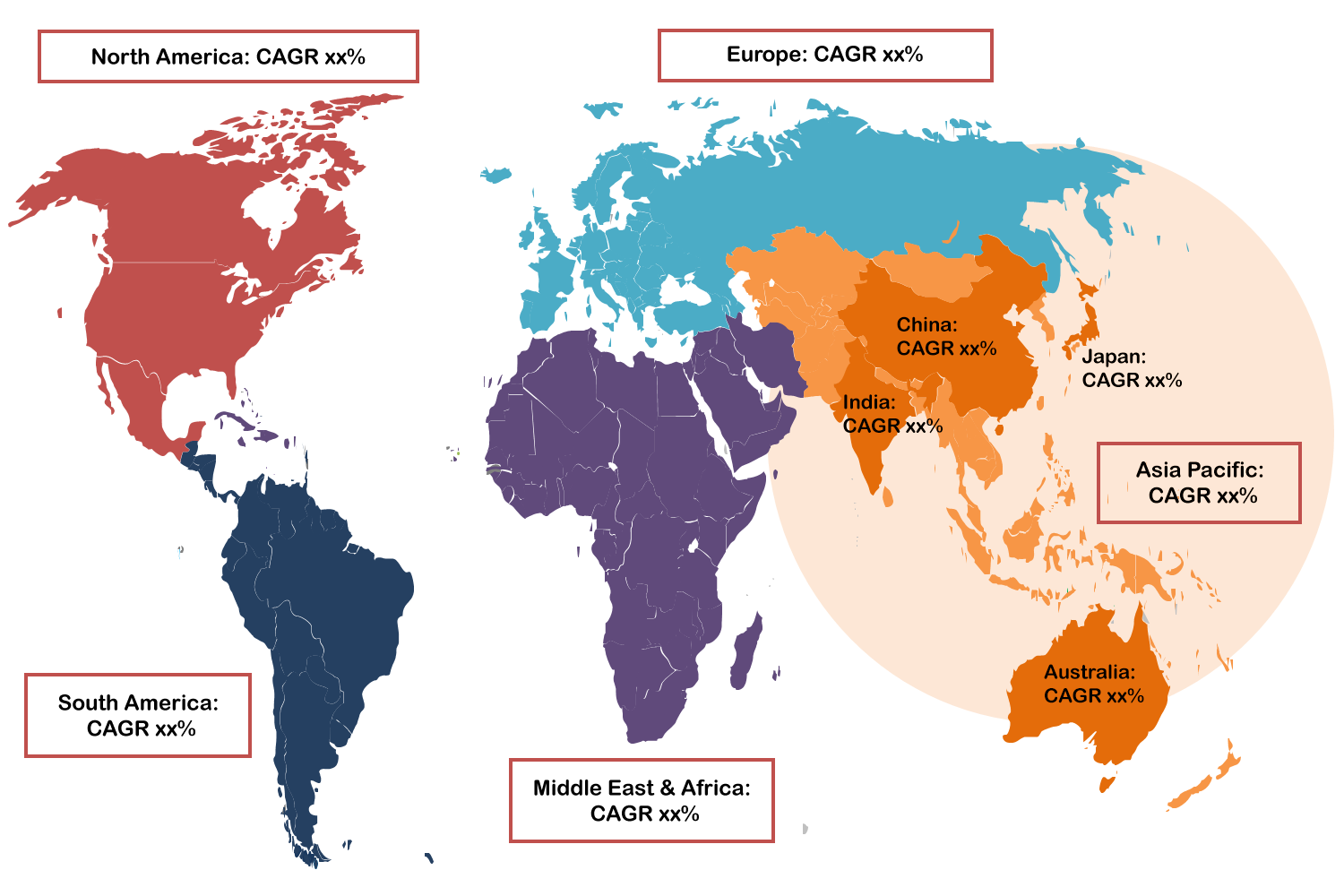
During the forecast period, the Europe region is expected to hold the largest market share, driven by the widespread use of soilless farming methods, robust government support for sustainable agriculture, and sophisticated greenhouse infrastructure. Commercial-scale hydroponic production is most prevalent in nations like the Netherlands, Spain, and France. The Netherlands is frequently recognized as a global center for controlled-environment agriculture because of its advanced technology and export-focused horticulture sector. The adoption of hydroponics has been further accelerated by the European Union's emphasis on lowering pesticide use, conserving water, and encouraging year-round local food production. Furthermore, Europe's dominance of the market has been cemented by consumer demand for fresh, premium produce as well as the region's proficiency in precision agriculture.
Region with highest CAGR:
Over the forecast period, the Asia-Pacific region is anticipated to exhibit the highest CAGR, driven by rising population pressures, fast urbanization, and growing awareness of sustainable farming practices. Hydroponic systems are being adopted more quickly in nations like China, India, Japan, and Australia in response to the need for year-round food production, water scarcity, and the reduction of arable land. Moreover, growth is also being fueled by government programs supporting modern agriculture and an increase in private agritech company investments. Together with developments in affordable hydroponic technologies, the region's growing middle class and rising demand for fresh, pesticide-free produce have made Asia-Pacific the world's fastest-growing market segment.
Key players in the market
Some of the key players in Hydroponics Market include Koninklijke Philips NV., American Hydroponics Inc., Freight Farms, Inc., Heliospectra AB, AeroFarms, LLC, Hydroponic Systems International, BrightFarms Inc, LumiGrow, Inc., Argus Control Systems Limited, Village Farms International Inc., General Hydroponics Inc., Advanced Nutrients, Emirates Hydroponics Farms Inc, Signify Holding Inc, Pegasus Agritech Inc and Urban Kisaan Inc.
Key Developments:
In May 2025, Village Farms International, Inc. announced a new strategic partnership, entering into a Framework Agreement with Vanguard Food GP LLC, Vanguard Food LP, and other entities. The agreement outlines the contribution of Village Farms’ produce business assets to Vanguard, alongside a $55 million investment from initial investors Kennedy Lewis Capital Partners Master Fund II LP and Sweat Equities SPV LLC.
In March 2025, Royal Philips announced the expansion of its partnership with Ibex Medical Analytics (Ibex) and a new release of Philips IntelliSite Pathology Solution (PIPS) to further accelerate the adoption of AI-enabled digital pathology to address the pressure pathologists face because of the global shortage of pathologists and the growing number of cancer patients.
In October 2023, Freight Farms, Inc. and Agrinam Acquisition Corporation has announced they have entered into a definitive business combination agreement among Freight Farms, Agrinam, and Agrinam Merger Sub, Inc., a wholly owned subsidiary of Agrinam, which sets out the terms of a business combination whereby Agrinam will acquire all of the issued and outstanding shares of Freight Farms by way of a triangular merger.
Types Covered:
• Aggregate Systems
• Liquid Systems
Equipments Covered:
• HVAC (Heating, Ventilation, and Air Conditioning)
• LED Grow Lights
• Irrigation Systems
• Control Systems
• Material Handling Equipment
• Growing Medium
• Nutrient Solution Delivery Systems
• Other Equipments
Inputs Covered:
• Nutrients
• Rockwool
• Other Inputs
Crop Types Covered:
• Tomatoes
• Leafy Greens
• Peppers
• Cucumbers
• Herbs
• Microgreens
• Flowers & Ornamentals
• Fruits
• Other Crop Types
Crop Areas Covered:
• Upto 1000 sq.ft.
• 1000-50000 sq.ft.
• Above 50000 sq.ft
Applications Covered:
• Commercial Food Production
• Cannabis Cultivation
• Urban Agriculture
• Research & Education
• Home Gardening
• Hospitality & Culinary
• Other Applications
Regions Covered:
• North America
o US
o Canada
o Mexico
• Europe
o Germany
o UK
o Italy
o France
o Spain
o Rest of Europe
• Asia Pacific
o Japan
o China
o India
o Australia
o New Zealand
o South Korea
o Rest of Asia Pacific
• South America
o Argentina
o Brazil
o Chile
o Rest of South America
• Middle East & Africa
o Saudi Arabia
o UAE
o Qatar
o South Africa
o Rest of Middle East & Africa
What our report offers:
- Market share assessments for the regional and country-level segments
- Strategic recommendations for the new entrants
- Covers Market data for the years 2024, 2025, 2026, 2028, and 2032
- Market Trends (Drivers, Constraints, Opportunities, Threats, Challenges, Investment Opportunities, and recommendations)
- Strategic recommendations in key business segments based on the market estimations
- Competitive landscaping mapping the key common trends
- Company profiling with detailed strategies, financials, and recent developments
- Supply chain trends mapping the latest technological advancements
Free Customization Offerings:
All the customers of this report will be entitled to receive one of the following free customization options:
• Company Profiling
o Comprehensive profiling of additional market players (up to 3)
o SWOT Analysis of key players (up to 3)
• Regional Segmentation
o Market estimations, Forecasts and CAGR of any prominent country as per the client's interest (Note: Depends on feasibility check)
• Competitive Benchmarking
o Benchmarking of key players based on product portfolio, geographical presence, and strategic alliances
Table of Contents
1 Executive Summary
2 Preface
2.1 Abstract
2.2 Stake Holders
2.3 Research Scope
2.4 Research Methodology
2.4.1 Data Mining
2.4.2 Data Analysis
2.4.3 Data Validation
2.4.4 Research Approach
2.5 Research Sources
2.5.1 Primary Research Sources
2.5.2 Secondary Research Sources
2.5.3 Assumptions
3 Market Trend Analysis
3.1 Introduction
3.2 Drivers
3.3 Restraints
3.4 Opportunities
3.5 Threats
3.6 Application Analysis
3.7 Emerging Markets
3.8 Impact of Covid-19
4 Porters Five Force Analysis
4.1 Bargaining power of suppliers
4.2 Bargaining power of buyers
4.3 Threat of substitutes
4.4 Threat of new entrants
4.5 Competitive rivalry
5 Global Hydroponics Market, By Type
5.1 Introduction
5.2 Aggregate Systems
5.2.1 EBB & Flow Systems
5.2.2 Drip Systems
5.2.3 Wick Systems
5.3 Liquid Systems
5.3.1 Deep Water Culture (DWC)
5.3.2 Nutrient Film Technique (NFT)
5.3.3 Aeroponics
6 Global Hydroponics Market, By Equipment
6.1 Introduction
6.2 HVAC (Heating, Ventilation, and Air Conditioning)
6.3 LED Grow Lights
6.4 Irrigation Systems
6.5 Control Systems
6.6 Material Handling Equipment
6.7 Growing Medium
6.8 Nutrient Solution Delivery Systems
6.9 Other Equipments
7 Global Hydroponics Market, By Input
7.1 Introduction
7.2 Nutrients
7.3 Rockwool
7.4 Other Inputs
8 Global Hydroponics Market, By Crop Type
8.1 Introduction
8.2 Tomatoes
8.3 Leafy Greens
8.4 Peppers
8.5 Cucumbers
8.6 Herbs
8.7 Microgreens
8.8 Flowers & Ornamentals
8.9 Fruits
8.10 Other Crop Types
9 Global Hydroponics Market, By Crop Area
9.1 Introduction
9.2 Upto 1000 sq.ft.
9.3 1000-50000 sq.ft.
9.4 Above 50000 sq.ft
10 Global Hydroponics Market, By Application
10.1 Introduction
10.2 Commercial Food Production
10.3 Cannabis Cultivation
10.4 Urban Agriculture
10.5 Research & Education
10.6 Home Gardening
10.7 Hospitality & Culinary
10.8 Other Applications
11 Global Hydroponics Market, By Geography
11.1 Introduction
11.2 North America
11.2.1 US
11.2.2 Canada
11.2.3 Mexico
11.3 Europe
11.3.1 Germany
11.3.2 UK
11.3.3 Italy
11.3.4 France
11.3.5 Spain
11.3.6 Rest of Europe
11.4 Asia Pacific
11.4.1 Japan
11.4.2 China
11.4.3 India
11.4.4 Australia
11.4.5 New Zealand
11.4.6 South Korea
11.4.7 Rest of Asia Pacific
11.5 South America
11.5.1 Argentina
11.5.2 Brazil
11.5.3 Chile
11.5.4 Rest of South America
11.6 Middle East & Africa
11.6.1 Saudi Arabia
11.6.2 UAE
11.6.3 Qatar
11.6.4 South Africa
11.6.5 Rest of Middle East & Africa
12 Key Developments
12.1 Agreements, Partnerships, Collaborations and Joint Ventures
12.2 Acquisitions & Mergers
12.3 New Product Launch
12.4 Expansions
12.5 Other Key Strategies
13 Company Profiling
13.1 Koninklijke Philips NV.
13.2 American Hydroponics Inc.
13.3 Freight Farms, Inc.
13.4 Heliospectra AB
13.5 AeroFarms, LLC
13.6 Hydroponic Systems International
13.7 BrightFarms Inc
13.8 LumiGrow, Inc.
13.9 Argus Control Systems Limited
13.10 Village Farms International Inc.
13.11 General Hydroponics Inc.
13.12 Advanced Nutrients
13.13 Emirates Hydroponics Farms Inc
13.14 Signify Holding Inc
13.15 Pegasus Agritech Inc
13.16 Urban Kisaan Inc
List of Tables
1 Global Hydroponics Market Outlook, By Region (2024-2032) ($MN)
2 Global Hydroponics Market Outlook, By Type (2024-2032) ($MN)
3 Global Hydroponics Market Outlook, By Aggregate Systems (2024-2032) ($MN)
4 Global Hydroponics Market Outlook, By EBB & Flow Systems (2024-2032) ($MN)
5 Global Hydroponics Market Outlook, By Drip Systems (2024-2032) ($MN)
6 Global Hydroponics Market Outlook, By Wick Systems (2024-2032) ($MN)
7 Global Hydroponics Market Outlook, By Liquid Systems (2024-2032) ($MN)
8 Global Hydroponics Market Outlook, By Deep Water Culture (DWC) (2024-2032) ($MN)
9 Global Hydroponics Market Outlook, By Nutrient Film Technique (NFT) (2024-2032) ($MN)
10 Global Hydroponics Market Outlook, By Aeroponics (2024-2032) ($MN)
11 Global Hydroponics Market Outlook, By Equipment (2024-2032) ($MN)
12 Global Hydroponics Market Outlook, By HVAC (Heating, Ventilation, and Air Conditioning) (2024-2032) ($MN)
13 Global Hydroponics Market Outlook, By LED Grow Lights (2024-2032) ($MN)
14 Global Hydroponics Market Outlook, By Irrigation Systems (2024-2032) ($MN)
15 Global Hydroponics Market Outlook, By Control Systems (2024-2032) ($MN)
16 Global Hydroponics Market Outlook, By Material Handling Equipment (2024-2032) ($MN)
17 Global Hydroponics Market Outlook, By Growing Medium (2024-2032) ($MN)
18 Global Hydroponics Market Outlook, By Nutrient Solution Delivery Systems (2024-2032) ($MN)
19 Global Hydroponics Market Outlook, By Other Equipments (2024-2032) ($MN)
20 Global Hydroponics Market Outlook, By Input (2024-2032) ($MN)
21 Global Hydroponics Market Outlook, By Nutrients (2024-2032) ($MN)
22 Global Hydroponics Market Outlook, By Rockwool (2024-2032) ($MN)
23 Global Hydroponics Market Outlook, By Other Inputs (2024-2032) ($MN)
24 Global Hydroponics Market Outlook, By Crop Type (2024-2032) ($MN)
25 Global Hydroponics Market Outlook, By Tomatoes (2024-2032) ($MN)
26 Global Hydroponics Market Outlook, By Leafy Greens (2024-2032) ($MN)
27 Global Hydroponics Market Outlook, By Peppers (2024-2032) ($MN)
28 Global Hydroponics Market Outlook, By Cucumbers (2024-2032) ($MN)
29 Global Hydroponics Market Outlook, By Herbs (2024-2032) ($MN)
30 Global Hydroponics Market Outlook, By Microgreens (2024-2032) ($MN)
31 Global Hydroponics Market Outlook, By Flowers & Ornamentals (2024-2032) ($MN)
32 Global Hydroponics Market Outlook, By Fruits (2024-2032) ($MN)
33 Global Hydroponics Market Outlook, By Other Crop Types (2024-2032) ($MN)
34 Global Hydroponics Market Outlook, By Crop Area (2024-2032) ($MN)
35 Global Hydroponics Market Outlook, By Upto 1000 sq.ft. (2024-2032) ($MN)
36 Global Hydroponics Market Outlook, By 1000-50000 sq.ft. (2024-2032) ($MN)
37 Global Hydroponics Market Outlook, By Above 50000 sq.ft (2024-2032) ($MN)
38 Global Hydroponics Market Outlook, By Application (2024-2032) ($MN)
39 Global Hydroponics Market Outlook, By Commercial Food Production (2024-2032) ($MN)
40 Global Hydroponics Market Outlook, By Cannabis Cultivation (2024-2032) ($MN)
41 Global Hydroponics Market Outlook, By Urban Agriculture (2024-2032) ($MN)
42 Global Hydroponics Market Outlook, By Research & Education (2024-2032) ($MN)
43 Global Hydroponics Market Outlook, By Home Gardening (2024-2032) ($MN)
44 Global Hydroponics Market Outlook, By Hospitality & Culinary (2024-2032) ($MN)
45 Global Hydroponics Market Outlook, By Other Applications (2024-2032) ($MN)
Note: Tables for North America, Europe, APAC, South America, and Middle East & Africa Regions are also represented in the same manner as above.
List of Figures
RESEARCH METHODOLOGY

We at ‘Stratistics’ opt for an extensive research approach which involves data mining, data validation, and data analysis. The various research sources include in-house repository, secondary research, competitor’s sources, social media research, client internal data, and primary research.
Our team of analysts prefers the most reliable and authenticated data sources in order to perform the comprehensive literature search. With access to most of the authenticated data bases our team highly considers the best mix of information through various sources to obtain extensive and accurate analysis.
Each report takes an average time of a month and a team of 4 industry analysts. The time may vary depending on the scope and data availability of the desired market report. The various parameters used in the market assessment are standardized in order to enhance the data accuracy.
Data Mining
The data is collected from several authenticated, reliable, paid and unpaid sources and is filtered depending on the scope & objective of the research. Our reports repository acts as an added advantage in this procedure. Data gathering from the raw material suppliers, distributors and the manufacturers is performed on a regular basis, this helps in the comprehensive understanding of the products value chain. Apart from the above mentioned sources the data is also collected from the industry consultants to ensure the objective of the study is in the right direction.
Market trends such as technological advancements, regulatory affairs, market dynamics (Drivers, Restraints, Opportunities and Challenges) are obtained from scientific journals, market related national & international associations and organizations.
Data Analysis
From the data that is collected depending on the scope & objective of the research the data is subjected for the analysis. The critical steps that we follow for the data analysis include:
- Product Lifecycle Analysis
- Competitor analysis
- Risk analysis
- Porters Analysis
- PESTEL Analysis
- SWOT Analysis
The data engineering is performed by the core industry experts considering both the Marketing Mix Modeling and the Demand Forecasting. The marketing mix modeling makes use of multiple-regression techniques to predict the optimal mix of marketing variables. Regression factor is based on a number of variables and how they relate to an outcome such as sales or profits.
Data Validation
The data validation is performed by the exhaustive primary research from the expert interviews. This includes telephonic interviews, focus groups, face to face interviews, and questionnaires to validate our research from all aspects. The industry experts we approach come from the leading firms, involved in the supply chain ranging from the suppliers, distributors to the manufacturers and consumers so as to ensure an unbiased analysis.
We are in touch with more than 15,000 industry experts with the right mix of consultants, CEO's, presidents, vice presidents, managers, experts from both supply side and demand side, executives and so on.
The data validation involves the primary research from the industry experts belonging to:
- Leading Companies
- Suppliers & Distributors
- Manufacturers
- Consumers
- Industry/Strategic Consultants
Apart from the data validation the primary research also helps in performing the fill gap research, i.e. providing solutions for the unmet needs of the research which helps in enhancing the reports quality.
For more details about research methodology, kindly write to us at info@strategymrc.com
Frequently Asked Questions
In case of any queries regarding this report, you can contact the customer service by filing the “Inquiry Before Buy” form available on the right hand side. You may also contact us through email: info@strategymrc.com or phone: +1-301-202-5929
Yes, the samples are available for all the published reports. You can request them by filling the “Request Sample” option available in this page.
Yes, you can request a sample with your specific requirements. All the customized samples will be provided as per the requirement with the real data masked.
All our reports are available in Digital PDF format. In case if you require them in any other formats, such as PPT, Excel etc you can submit a request through “Inquiry Before Buy” form available on the right hand side. You may also contact us through email: info@strategymrc.com or phone: +1-301-202-5929
We offer a free 15% customization with every purchase. This requirement can be fulfilled for both pre and post sale. You may send your customization requirements through email at info@strategymrc.com or call us on +1-301-202-5929.
We have 3 different licensing options available in electronic format.
- Single User Licence: Allows one person, typically the buyer, to have access to the ordered product. The ordered product cannot be distributed to anyone else.
- 2-5 User Licence: Allows the ordered product to be shared among a maximum of 5 people within your organisation.
- Corporate License: Allows the product to be shared among all employees of your organisation regardless of their geographical location.
All our reports are typically be emailed to you as an attachment.
To order any available report you need to register on our website. The payment can be made either through CCAvenue or PayPal payments gateways which accept all international cards.
We extend our support to 6 months post sale. A post sale customization is also provided to cover your unmet needs in the report.
Request Customization
We offer complimentary customization of up to 15% with every purchase. To share your customization requirements, feel free to email us at info@strategymrc.com or call us on +1-301-202-5929. .
Please Note: Customization within the 15% threshold is entirely free of charge. If your request exceeds this limit, we will conduct a feasibility assessment. Following that, a detailed quote and timeline will be provided.
WHY CHOOSE US ?

Assured Quality
Best in class reports with high standard of research integrity

24X7 Research Support
Continuous support to ensure the best customer experience.

Free Customization
Adding more values to your product of interest.

Safe & Secure Access
Providing a secured environment for all online transactions.

Trusted by 600+ Brands
Serving the most reputed brands across the world.
