
Hyperlocal E Commerce Market
Hyperlocal E-Commerce Market Forecasts to 2032 – Global Analysis By Product Category (Groceries, Pharmaceuticals and Healthcare Products, Electronics and Appliances, Fashion and Apparel, and Other Product Categories), Service Type, Business Model and By Geography

According to Stratistics MRC, the Global Hyperlocal E-Commerce Market is accounted for $2.01 trillion in 2025 and is expected to reach $5.58 trillion by 2032 growing at a CAGR of 15.7% during the forecast period. Hyperlocal e-commerce focuses on connecting consumers with nearby businesses to facilitate rapid delivery of goods and services. It leverages mobile apps, location-based services, and efficient logistics to offer groceries, food, medicines, and essentials within hours. The model prioritizes proximity, enabling real-time inventory updates and faster last-mile delivery. Consumer demand for convenience, on-demand services, and contactless transactions propels growth. Businesses use hyperlocal platforms to extend digital reach, improve customer engagement, and compete with global giants by emphasizing local inventory, quick fulfillment, and personalized service.
Market Dynamics:
Driver:
Rising smartphone and internet penetration
The proliferation of affordable smartphones and improved mobile network infrastructure has enabled consumers to access hyperlocal platforms with ease. The increasing consumer preference for convenient and fast shopping experiences boosts demand for hyperlocal solutions. Additionally, government initiatives in developing digital infrastructure, especially in emerging markets, further facilitate growth. This connectivity empowers consumers to order products in real time, thereby supporting the expansion of hyperlocal services.
Restraint:
High last-mile delivery costs
High last-mile delivery costs represent a critical challenge restraining the hyperlocal e-commerce market’s expansion. The decentralized nature of customer orders often results in fragmented delivery routes, leading to elevated operational expenses. Moreover, maintaining delivery speed and ensuring product quality intensify cost pressures for companies. Additionally, the limited availability of efficient logistics infrastructure, particularly in rural areas, exacerbates the issue. These factors collectively constrain profit margins and hinder scalability.
Opportunity:
Expansion into rural markets
Rural areas represent untapped demand due to limited physical retail infrastructure and growing digital adoption. Moreover, government initiatives supporting digital inclusion and rural internet connectivity accelerate consumer engagement. Additionally, shifting consumer preferences toward digital purchasing, fueled by smartphone affordability and greater internet penetration, unlock new revenue streams. Companies can leverage localized supply chains and last-mile delivery networks tailored for rural geographies, thus ensuring accessibility and timely service.
Threat:
Limited vendor participation
Smaller local vendors often lack digital readiness, technical infrastructure, or resources required to engage in hyperlocal platforms. This limited participation affects the overall assortment of products available to consumers, diminishing customer experience and platform competitiveness. Moreover, vendors may be reluctant due to complex onboarding processes, high commission fees, or logistical challenges. Additionally, inconsistent vendor performance impacts service reliability and consumer trust.
Covid-19 Impact:
The COVID-19 pandemic accelerated the hyperlocal e-commerce market’s growth as consumers increasingly preferred contactless, convenient purchasing options during lockdowns. Restrictions on movement and the temporary closure of physical stores led to a surge in demand for home delivery services, especially for groceries and essentials. Moreover, consumers who were previously reluctant adopted digital platforms out of necessity. Additionally, companies rapidly adapted by enhancing digital interfaces and expanding delivery capabilities. However, supply chain disruptions and workforce shortages challenged operational efficiency. Overall, the pandemic catalyzed long-term behavioral shifts favoring hyperlocal commerce, thus positively impacting market growth and reshaping the industry’s future trajectory.
The groceries segment is expected to be the largest during the forecast period
The groceries segment is expected to account for the largest market share during the forecast period due to high consumer demand for daily essentials and perishable goods. This segment’s growth is driven by consumer preference for convenience, especially in urban and semi-urban areas. Moreover, the ability to receive fresh produce, dairy, and other essentials with minimal delivery time makes groceries a core component of hyperlocal services. Additionally, rising awareness of hygiene and safety further fuels online grocery adoption. Retailers are investing in local warehouses and cold-chain logistics to ensure timely delivery and product quality, reinforcing this segment’s market leadership and revenue generation.
The same-day delivery segment is expected to have the highest CAGR during the forecast period
Over the forecast period, the same-day delivery segment is predicted to witness the highest growth rate due to growing consumer demand for rapid and convenient product fulfillment. Rising expectations for immediate gratification and advancements in logistics technologies, such as AI-based route optimization and automated warehousing, contribute to accelerating adoption. Moreover, the proliferation of mobile apps and real-time tracking capabilities enhances consumer trust in same-day services. Additionally, increasing competition among hyperlocal service providers drives investments toward reducing delivery times and expanding service coverage.
Region with largest share:
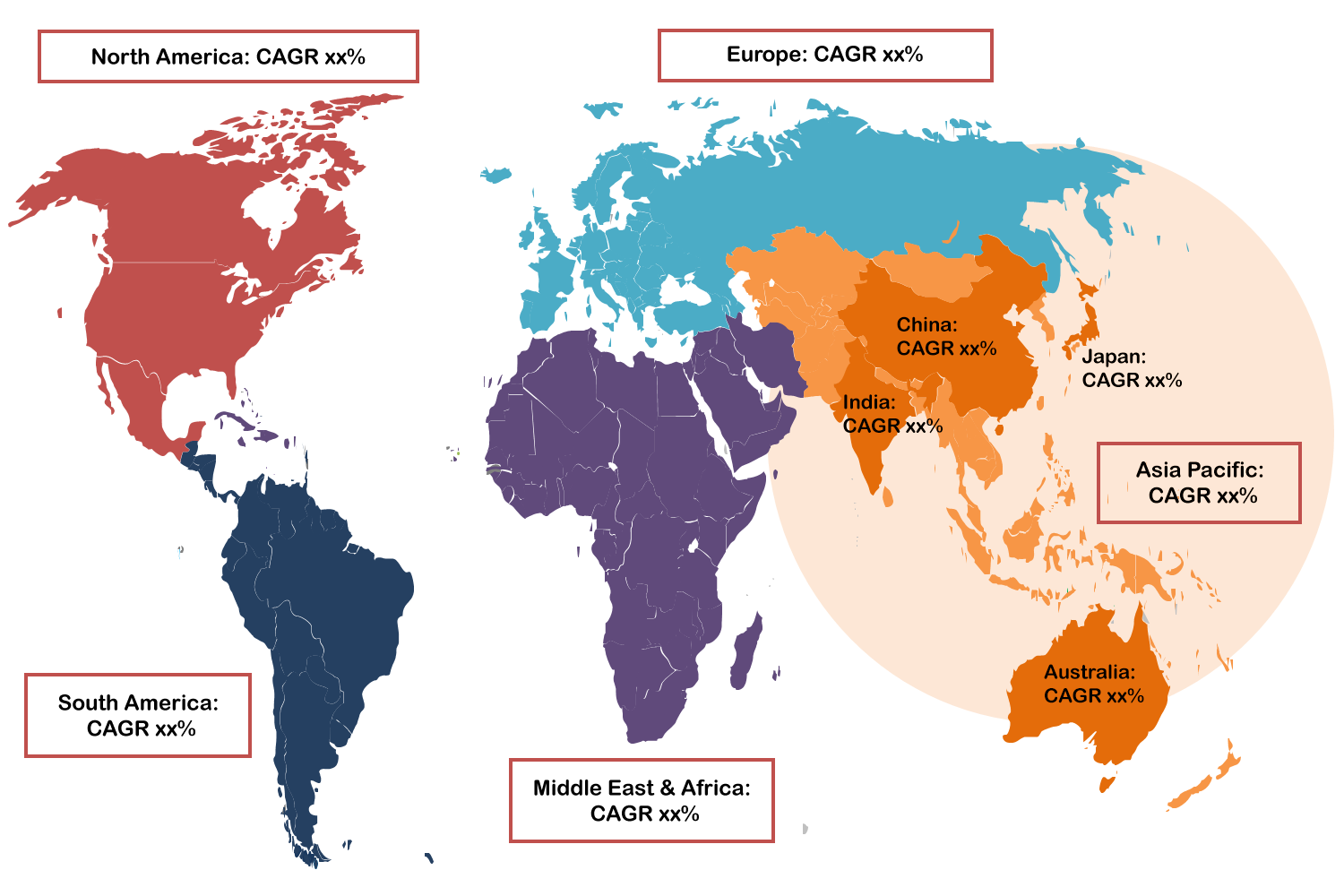
During the forecast period, the Asia Pacific region is expected to hold the largest market share, driven by rapid urbanization and digital penetration. Emerging economies such as India and China, with vast populations and increasing smartphone adoption, serve as significant market contributors. Moreover, growing middle-class income and changing consumer lifestyles promote online purchasing of essentials. Additionally, government initiatives like Digital India further catalyze market development. The region's dense urban centers provide ideal conditions for hyperlocal business models. Furthermore, numerous local players focus on tailoring services to regional consumer preferences, ensuring broad market accessibility and dominance throughout the forecast period.
Region with highest CAGR:
Over the forecast period, the Asia Pacific region is anticipated to exhibit the highest CAGR, primarily due to digital adoption and infrastructure development. Countries like India and China continue to experience massive smartphone penetration and internet expansion, empowering digital commerce growth. Moreover, evolving consumer expectations for convenience, affordability, and fast delivery create strong demand. Additionally, investments by local startups and global players in logistics and supply chain innovations fuel market acceleration. The proliferation of regional hyperlocal platforms catering to specific cultural and regional needs amplifies growth.
Key players in the market
Some of the key players in Hyperlocal E-Commerce Market include Amazon, BigBasket, Blinkit, Delivery Hero, DoorDash, Dunzo, Flipkart, Glovo, Grab, GrubMarket, Instacart, Just Eat Takeaway, Lalamove, Meituan, Porter, Rakuten, Swiggy, Uber, Urban Company, and Zepto.
Key Developments:
In August 2025, DoorDash launched Offsite Ads enabling brands like Proximo Spirits to reach hyper-local search traffic, achieving 200% return on ad spend and 60% new-to-brand sales.
In August 2022, Amazon CloudFront launched in Vietnam with edge locations in Hanoi and Ho Chi Minh City, providing up to 30% improvement in first-byte latency for hyperlocal applications. Amazon also expanded CloudFront in Peru with a new edge location in Lima, offering up to 50% improvement in latency for retail e-commerce applications.
Product Categories Covered:
• Groceries
• Pharmaceuticals and Healthcare Products
• Electronics and Appliances
• Fashion and Apparel
• Other Product Categories
Service Types:
• Same-Day Delivery
• Scheduled Delivery
• Subscription-Based Models
Business Models Covered:
• Direct-to-Consumer (D2C)
• Marketplace Platforms
• Aggregator Models
Regions Covered:
• North America
o US
o Canada
o Mexico
• Europe
o Germany
o UK
o Italy
o France
o Spain
o Rest of Europe
• Asia Pacific
o Japan
o China
o India
o Australia
o New Zealand
o South Korea
o Rest of Asia Pacific
• South America
o Argentina
o Brazil
o Chile
o Rest of South America
• Middle East & Africa
o Saudi Arabia
o UAE
o Qatar
o South Africa
o Rest of Middle East & Africa
What our report offers:
- Market share assessments for the regional and country-level segments
- Strategic recommendations for the new entrants
- Covers Market data for the years 2024, 2025, 2026, 2028, and 2032
- Market Trends (Drivers, Constraints, Opportunities, Threats, Challenges, Investment Opportunities, and recommendations)
- Strategic recommendations in key business segments based on the market estimations
- Competitive landscaping mapping the key common trends
- Company profiling with detailed strategies, financials, and recent developments
- Supply chain trends mapping the latest technological advancements
Free Customization Offerings:
All the customers of this report will be entitled to receive one of the following free customization options:
• Company Profiling
o Comprehensive profiling of additional market players (up to 3)
o SWOT Analysis of key players (up to 3)
• Regional Segmentation
o Market estimations, Forecasts and CAGR of any prominent country as per the client's interest (Note: Depends on feasibility check)
• Competitive Benchmarking
o Benchmarking of key players based on product portfolio, geographical presence, and strategic alliances
Table of Contents
1 Executive Summary
2 Preface
2.1 Abstract
2.2 Stake Holders
2.3 Research Scope
2.4 Research Methodology
2.4.1 Data Mining
2.4.2 Data Analysis
2.4.3 Data Validation
2.4.4 Research Approach
2.5 Research Sources
2.5.1 Primary Research Sources
2.5.2 Secondary Research Sources
2.5.3 Assumptions
3 Market Trend Analysis
3.1 Introduction
3.2 Drivers
3.3 Restraints
3.4 Opportunities
3.5 Threats
3.6 Emerging Markets
3.7 Impact of Covid-19
4 Porters Five Force Analysis
4.1 Bargaining power of suppliers
4.2 Bargaining power of buyers
4.3 Threat of substitutes
4.4 Threat of new entrants
4.5 Competitive rivalry
5 Global Hyperlocal E-Commerce Market, By Product Category
5.1 Introduction
5.2 Groceries
5.3 Pharmaceuticals and Healthcare Products
5.4 Electronics and Appliances
5.5 Fashion and Apparel
5.6 Other Product Categories
6 Global Hyperlocal E-Commerce Market, By Service Type
6.1 Introduction
6.2 Same-Day Delivery
6.3 Scheduled Delivery
6.4 Subscription-Based Models
7 Global Hyperlocal E-Commerce Market, By Business Model
7.1 Introduction
7.2 Direct-to-Consumer (D2C)
7.3 Marketplace Platforms
7.4 Aggregator Models
8 Global Hyperlocal E-Commerce Market, By Geography
8.1 Introduction
8.2 North America
8.2.1 US
8.2.2 Canada
8.2.3 Mexico
8.3 Europe
8.3.1 Germany
8.3.2 UK
8.3.3 Italy
8.3.4 France
8.3.5 Spain
8.3.6 Rest of Europe
8.4 Asia Pacific
8.4.1 Japan
8.4.2 China
8.4.3 India
8.4.4 Australia
8.4.5 New Zealand
8.4.6 South Korea
8.4.7 Rest of Asia Pacific
8.5 South America
8.5.1 Argentina
8.5.2 Brazil
8.5.3 Chile
8.5.4 Rest of South America
8.6 Middle East & Africa
8.6.1 Saudi Arabia
8.6.2 UAE
8.6.3 Qatar
8.6.4 South Africa
8.6.5 Rest of Middle East & Africa
9 Key Developments
9.1 Agreements, Partnerships, Collaborations and Joint Ventures
9.2 Acquisitions & Mergers
9.3 New Product Launch
9.4 Expansions
9.5 Other Key Strategies
10 Company Profiling
10.1 Amazon
10.2 BigBasket
10.3 Blinkit
10.4 Delivery Hero
10.5 DoorDash
10.6 Dunzo
10.7 Flipkart
10.8 Glovo
10.9 Grab
10.10 GrubMarket
10.11 Instacart
10.12 Just Eat Takeaway
10.13 Lalamove
10.14 Meituan
10.15 Porter
10.16 Rakuten
10.17 Swiggy
10.18 Uber
10.19 Urban Company
10.20 Zepto
List of Tables
1 Global Hyperlocal E-Commerce Market Outlook, By Region (2024-2032) ($MN)
2 Global Hyperlocal E-Commerce Market Outlook, By Product Category (2024-2032) ($MN)
3 Global Hyperlocal E-Commerce Market Outlook, By Groceries (2024-2032) ($MN)
4 Global Hyperlocal E-Commerce Market Outlook, By Pharmaceuticals and Healthcare Products (2024-2032) ($MN)
5 Global Hyperlocal E-Commerce Market Outlook, By Electronics and Appliances (2024-2032) ($MN)
6 Global Hyperlocal E-Commerce Market Outlook, By Fashion and Apparel (2024-2032) ($MN)
7 Global Hyperlocal E-Commerce Market Outlook, By Other Product Categories (2024-2032) ($MN)
8 Global Hyperlocal E-Commerce Market Outlook, By Service Type (2024-2032) ($MN)
9 Global Hyperlocal E-Commerce Market Outlook, By Same-Day Delivery (2024-2032) ($MN)
10 Global Hyperlocal E-Commerce Market Outlook, By Scheduled Delivery (2024-2032) ($MN)
11 Global Hyperlocal E-Commerce Market Outlook, By Subscription-Based Models (2024-2032) ($MN)
12 Global Hyperlocal E-Commerce Market Outlook, By Business Model (2024-2032) ($MN)
13 Global Hyperlocal E-Commerce Market Outlook, By Direct-to-Consumer (D2C) (2024-2032) ($MN)
14 Global Hyperlocal E-Commerce Market Outlook, By Marketplace Platforms (2024-2032) ($MN)
15 Global Hyperlocal E-Commerce Market Outlook, By Aggregator Models (2024-2032) ($MN)
Note: Tables for North America, Europe, APAC, South America, and Middle East & Africa Regions are also represented in the same manner as above.
List of Figures
RESEARCH METHODOLOGY

We at ‘Stratistics’ opt for an extensive research approach which involves data mining, data validation, and data analysis. The various research sources include in-house repository, secondary research, competitor’s sources, social media research, client internal data, and primary research.
Our team of analysts prefers the most reliable and authenticated data sources in order to perform the comprehensive literature search. With access to most of the authenticated data bases our team highly considers the best mix of information through various sources to obtain extensive and accurate analysis.
Each report takes an average time of a month and a team of 4 industry analysts. The time may vary depending on the scope and data availability of the desired market report. The various parameters used in the market assessment are standardized in order to enhance the data accuracy.
Data Mining
The data is collected from several authenticated, reliable, paid and unpaid sources and is filtered depending on the scope & objective of the research. Our reports repository acts as an added advantage in this procedure. Data gathering from the raw material suppliers, distributors and the manufacturers is performed on a regular basis, this helps in the comprehensive understanding of the products value chain. Apart from the above mentioned sources the data is also collected from the industry consultants to ensure the objective of the study is in the right direction.
Market trends such as technological advancements, regulatory affairs, market dynamics (Drivers, Restraints, Opportunities and Challenges) are obtained from scientific journals, market related national & international associations and organizations.
Data Analysis
From the data that is collected depending on the scope & objective of the research the data is subjected for the analysis. The critical steps that we follow for the data analysis include:
- Product Lifecycle Analysis
- Competitor analysis
- Risk analysis
- Porters Analysis
- PESTEL Analysis
- SWOT Analysis
The data engineering is performed by the core industry experts considering both the Marketing Mix Modeling and the Demand Forecasting. The marketing mix modeling makes use of multiple-regression techniques to predict the optimal mix of marketing variables. Regression factor is based on a number of variables and how they relate to an outcome such as sales or profits.
Data Validation
The data validation is performed by the exhaustive primary research from the expert interviews. This includes telephonic interviews, focus groups, face to face interviews, and questionnaires to validate our research from all aspects. The industry experts we approach come from the leading firms, involved in the supply chain ranging from the suppliers, distributors to the manufacturers and consumers so as to ensure an unbiased analysis.
We are in touch with more than 15,000 industry experts with the right mix of consultants, CEO's, presidents, vice presidents, managers, experts from both supply side and demand side, executives and so on.
The data validation involves the primary research from the industry experts belonging to:
- Leading Companies
- Suppliers & Distributors
- Manufacturers
- Consumers
- Industry/Strategic Consultants
Apart from the data validation the primary research also helps in performing the fill gap research, i.e. providing solutions for the unmet needs of the research which helps in enhancing the reports quality.
For more details about research methodology, kindly write to us at info@strategymrc.com
Frequently Asked Questions
In case of any queries regarding this report, you can contact the customer service by filing the “Inquiry Before Buy” form available on the right hand side. You may also contact us through email: info@strategymrc.com or phone: +1-301-202-5929
Yes, the samples are available for all the published reports. You can request them by filling the “Request Sample” option available in this page.
Yes, you can request a sample with your specific requirements. All the customized samples will be provided as per the requirement with the real data masked.
All our reports are available in Digital PDF format. In case if you require them in any other formats, such as PPT, Excel etc you can submit a request through “Inquiry Before Buy” form available on the right hand side. You may also contact us through email: info@strategymrc.com or phone: +1-301-202-5929
We offer a free 15% customization with every purchase. This requirement can be fulfilled for both pre and post sale. You may send your customization requirements through email at info@strategymrc.com or call us on +1-301-202-5929.
We have 3 different licensing options available in electronic format.
- Single User Licence: Allows one person, typically the buyer, to have access to the ordered product. The ordered product cannot be distributed to anyone else.
- 2-5 User Licence: Allows the ordered product to be shared among a maximum of 5 people within your organisation.
- Corporate License: Allows the product to be shared among all employees of your organisation regardless of their geographical location.
All our reports are typically be emailed to you as an attachment.
To order any available report you need to register on our website. The payment can be made either through CCAvenue or PayPal payments gateways which accept all international cards.
We extend our support to 6 months post sale. A post sale customization is also provided to cover your unmet needs in the report.
Request Customization
We offer complimentary customization of up to 15% with every purchase. To share your customization requirements, feel free to email us at info@strategymrc.com or call us on +1-301-202-5929. .
Please Note: Customization within the 15% threshold is entirely free of charge. If your request exceeds this limit, we will conduct a feasibility assessment. Following that, a detailed quote and timeline will be provided.
WHY CHOOSE US ?

Assured Quality
Best in class reports with high standard of research integrity

24X7 Research Support
Continuous support to ensure the best customer experience.

Free Customization
Adding more values to your product of interest.

Safe & Secure Access
Providing a secured environment for all online transactions.

Trusted by 600+ Brands
Serving the most reputed brands across the world.
