
Hyperlocal Influencer Marketing Platforms Market
Hyperlocal Influencer Marketing Platforms Market Forecasts to 2034 - Global Analysis By Component (Platform Type, Solution, and Services), Deployment Mode, Organization Size, Influencer Type, End User and By Geography

According to Stratistics MRC, the Global Hyperlocal Influencer Marketing Platforms Market is accounted for $3.9 billion in 2026 and is expected to reach $12.9 billion by 2034 growing at a CAGR of 16.2% during the forecast period. Hyperlocal Influencer Marketing Platforms are digital platforms that connect brands with influencers who have a strong presence and audience within a specific geographic area, such as a city, neighborhood, or community. These platforms enable businesses to run targeted marketing campaigns by collaborating with local content creators who influence purchasing decisions within their immediate locality. By leveraging localized reach and authentic engagement, hyperlocal influencer marketing platforms help brands promote products, services, events, and businesses more effectively to nearby consumers.
Market Dynamics:
Driver:
Growing demand for authentic, community-driven brand engagement
Consumers are increasingly skeptical of polished celebrity endorsements and instead trust relatable, everyday voices from their own communities. Hyperlocal influencers offer genuine recommendations that resonate deeply with local audiences, creating higher engagement rates and stronger brand loyalty. Businesses recognize that micro and nano influencers drive more meaningful conversations around products and services. The shift away from mass marketing toward personalized, trust-based interactions is accelerating adoption of hyperlocal platforms. Brands can now run cost-effective campaigns that target specific zip codes or neighborhoods, ensuring relevance. This authenticity gap is pushing marketers to prioritize local influencer partnerships over traditional advertising channels.
Restraint:
Fragmented influencer landscape and measurement difficulties
The hyperlocal space comprises thousands of small-scale creators, making discovery, vetting, and relationship management highly complex for brands. Unlike macro-influencers with standardized metrics, local influencers vary significantly in content quality, audience demographics, and engagement authenticity. Measuring true ROI—especially offline foot traffic or in-store sales—remains challenging despite advancing analytics tools. Many platforms lack standardized reporting for location-specific attribution, leaving marketers with incomplete performance data. Smaller businesses without dedicated marketing teams struggle to manage multiple local partnerships efficiently. This fragmentation slows down large-scale adoption and requires significant investment in platform capabilities for unified campaign orchestration.
Opportunity:
Integration of AI-driven location intelligence and predictive analytics
Artificial intelligence is transforming hyperlocal influencer platforms by enabling smarter influencer matching based on real-time location data, audience mobility patterns, and historical engagement trends. Predictive analytics can forecast campaign performance for specific neighborhoods, allowing brands to optimize budget allocation. AI-powered content recommendations help local influencers tailor messaging for cultural relevance and seasonal events. Platforms are increasingly incorporating geofencing capabilities to measure store visits and conversion lift directly. As machine learning models improve, platforms can automate end-to-end campaign management, reducing manual effort for small businesses. This technological evolution opens new revenue streams and competitive differentiation.
Threat:
Privacy regulations and platform dependency
Hyperlocal marketing relies heavily on location data, which faces increasing scrutiny under regulations like GDPR, CCPA, and emerging privacy frameworks. Stricter consent requirements and limitations on data sharing can reduce the granularity of audience targeting, diminishing campaign effectiveness. Additionally, hyperlocal platforms depend on social media giants (Instagram, TikTok, etc.) for API access to engagement metrics and influencer content. Any policy changes or algorithm updates from these major platforms can abruptly disrupt campaign tracking and discovery features. Smaller hyperlocal platforms lack bargaining power against such shifts. This dual dependency on regulatory goodwill and third-party APIs creates significant operational vulnerability for market players.
Covid-19 Impact
The pandemic initially disrupted hyperlocal campaigns as lockdowns reduced foot traffic and local movement. Brands paused location-specific spending due to uncertainty around physical store operations. However, as restrictions eased, hyperlocal influencer marketing rebounded strongly, driven by consumers supporting neighborhood businesses. Platforms introduced contactless campaign features and virtual local event integrations. The crisis accelerated adoption of QR codes and location-based promotions for safe, touchless engagement. Post-pandemic, hybrid work models have reinforced demand for localized content as people spend more time in their residential communities. The market now benefits from permanent shifts toward neighborhood-centric consumption and digital-first local discovery.
The micro influencers (10K–100K followers) segment is expected to be the largest during the forecast period
The micro influencers segment is expected to account for the largest market share during the forecast period, due to its optimal balance between reach and engagement authenticity. These creators maintain highly interactive, niche audiences within specific localities, delivering trust levels comparable to nano influencers while offering broader visibility. Brands prefer micro influencers for hyperlocal campaigns because they produce professional-quality content without the high costs of macro or mega influencers. Their followers often reside within concentrated geographic areas, making them ideal for driving store visits and local event attendance.
The retail & eCommerce segment is expected to have the highest CAGR during the forecast period
Over the forecast period, the retail & eCommerce segment is predicted to witness the highest growth rate, driven by the need to drive online and offline sales simultaneously. Hyperlocal influencer campaigns help brick-and-mortar retailers promote grand openings, flash sales, and seasonal offers to nearby shoppers. For eCommerce, local influencers provide authentic unboxings and usage demonstrations that reduce purchase hesitation. The integration of affiliate links and promo codes with geotargeting enables precise ROI measurement.
Region with largest share:
During the forecast period, the North America region is expected to hold the largest market share, supported by advanced martech infrastructure and high marketing budgets for localization. The U.S. and Canada lead in AI-powered hyperlocal platforms that integrate with CRM systems, enabling personalized customer journeys. Retail chains, quick-service restaurants, and healthcare providers are scaling neighborhood-level influencer programs to combat eCommerce competition. Regulatory clarity around location data usage has encouraged platform innovation while protecting consumer privacy.
Region with highest CAGR:
Over the forecast period, the Asia Pacific region is anticipated to exhibit the highest CAGR, fuelled by high mobile penetration, diverse local cultures, and rapidly growing social commerce. Countries like India, China, Indonesia, and Thailand have thousands of vernacular influencers who command deep trust within specific cities or districts. Brands in retail, F&B, and real estate are aggressively deploying hyperlocal campaigns to target dense urban populations. Government support for digital infrastructure and low-cost data plans has expanded influencer ecosystems beyond metropolitan areas.
Key players in the market
Some of the key players in Hyperlocal Influencer Marketing Platforms Market include Upfluence, AspireIQ, Grapevine Marketing, Later Influence, Klear, NeoReach, Traackr, Webfluential, Hypetap, CreatorIQ, InfluencerDB, IZEA Worldwide, JuliusWorks, Kolsquare, and GRIN Technologies.
Key Developments:
In August 2025, Uberall completed the acquisition of MomentFeed, creating the largest unified hyperlocal marketing platform combining influencer discovery, location data management, and real-time analytics for enterprise retail and hospitality clients across North America and Europe.
In March 2025, SOCi announced the launch of SOCi Genius Local Reviews, an AI-driven solution that helps multi-location brands automate personalized responses to customer reviews across thousands of local listings, integrating directly with hyperlocal influencer campaign feedback loops.
Components Covered:
• Platform Type
• Solution
• Services
Deployment Modes Covered:
• Cloud
• On‑Premises
Organization Sizes Covered:
• Small & Medium‑Sized Enterprises (SMEs)
• Large Enterprises
Influencer Types Covered:
• Nano Influencers (1K–10K Followers)
• Micro Influencers (10K–100K Followers)
• Macro Influencers (100K–1M Followers)
• Mega Influencers (1M+ Followers)
End Users Covered:
• Retail & eCommerce
• Hospitality & Tourism
• Food & Beverage
• Healthcare & Pharma
• Real Estate
• Automotive
• Education
• Other Applications
Regions Covered:
• North America
o United States
o Canada
o Mexico
• Europe
o United Kingdom
o Germany
o France
o Italy
o Spain
o Netherlands
o Belgium
o Sweden
o Switzerland
o Poland
o Rest of Europe
• Asia Pacific
o China
o Japan
o India
o South Korea
o Australia
o Indonesia
o Thailand
o Malaysia
o Singapore
o Vietnam
o Rest of Asia Pacific
• South America
o Brazil
o Argentina
o Colombia
o Chile
o Peru
o Rest of South America
• Rest of the World (RoW)
o Middle East
§ Saudi Arabia
§ United Arab Emirates
§ Qatar
§ Israel
§ Rest of Middle East
o Africa
§ South Africa
§ Egypt
§ Morocco
§ Rest of Africa
What our report offers:
- Market share assessments for the regional and country-level segments
- Strategic recommendations for the new entrants
- Covers Market data for the years 2023, 2024, 2025, 2026, 2027, 2028, 2030, 2032 and 2034
- Market Trends (Drivers, Constraints, Opportunities, Threats, Challenges, Investment Opportunities, and recommendations)
- Strategic recommendations in key business segments based on the market estimations
- Competitive landscaping mapping the key common trends
- Company profiling with detailed strategies, financials, and recent developments
- Supply chain trends mapping the latest technological advancements
Free Customization Offerings:
All the customers of this report will be entitled to receive one of the following free customization options:
• Company Profiling
o Comprehensive profiling of additional market players (up to 3)
o SWOT Analysis of key players (up to 3)
• Regional Segmentation
o Market estimations, Forecasts and CAGR of any prominent country as per the client's interest (Note: Depends on feasibility check)
• Competitive Benchmarking
o Benchmarking of key players based on product portfolio, geographical presence, and strategic alliances
Table of Contents
1 Executive Summary
1.1 Market Snapshot and Key Highlights
1.2 Growth Drivers, Challenges, and Opportunities
1.3 Competitive Landscape Overview
1.4 Strategic Insights and Recommendations
2 Research Framework
2.1 Study Objectives and Scope
2.2 Stakeholder Analysis
2.3 Research Assumptions and Limitations
2.4 Research Methodology
2.4.1 Data Collection (Primary and Secondary)
2.4.2 Data Modeling and Estimation Techniques
2.4.3 Data Validation and Triangulation
2.4.4 Analytical and Forecasting Approach
3 Market Dynamics and Trend Analysis
3.1 Market Definition and Structure
3.2 Key Market Drivers
3.3 Market Restraints and Challenges
3.4 Growth Opportunities and Investment Hotspots
3.5 Industry Threats and Risk Assessment
3.6 Technology and Innovation Landscape
3.7 Emerging and High-Growth Markets
3.8 Regulatory and Policy Environment
3.9 Impact of COVID-19 and Recovery Outlook
4 Competitive and Strategic Assessment
4.1 Porter's Five Forces Analysis
4.1.1 Supplier Bargaining Power
4.1.2 Buyer Bargaining Power
4.1.3 Threat of Substitutes
4.1.4 Threat of New Entrants
4.1.5 Competitive Rivalry
4.2 Market Share Analysis of Key Players
4.3 Product Benchmarking and Performance Comparison
5 Global Hyperlocal Influencer Marketing Platforms Market, By Component
5.1 Platform Type
5.1.1 Self Serve Platforms
5.1.2 Managed Services Platforms
5.2 Solution
5.2.1 Campaign Management
5.2.2 Analytics & Reporting
5.2.3 Influencer Discovery & Matching
5.2.4 Community Engagement Tools
5.2.5 Local SEO Integration
5.3 Services
5.3.1 Professional Services
5.3.2 Support & Maintenance
6 Global Hyperlocal Influencer Marketing Platforms Market, By Deployment Mode
6.1 Cloud
6.2 On Premises
7 Global Hyperlocal Influencer Marketing Platforms Market, By Organization Size
7.1 Small & Medium Sized Enterprises (SMEs)
7.2 Large Enterprises
8 Global Hyperlocal Influencer Marketing Platforms Market, By Influencer Type
8.1 Nano Influencers (1K–10K Followers)
8.2 Micro Influencers (10K–100K Followers)
8.3 Macro Influencers (100K–1M Followers)
8.4 Mega Influencers (1M+ Followers)
9 Global Hyperlocal Influencer Marketing Platforms Market, By End User
9.1 Retail & eCommerce
9.2 Hospitality & Tourism
9.3 Food & Beverage
9.4 Healthcare & Pharma
9.5 Real Estate
9.6 Automotive
9.7 Education
9.8 Other Applications
10 Global Hyperlocal Influencer Marketing Platforms Market, By Geography
10.1 North America
10.1.1 United States
10.1.2 Canada
10.1.3 Mexico
10.2 Europe
10.2.1 United Kingdom
10.2.2 Germany
10.2.3 France
10.2.4 Italy
10.2.5 Spain
10.2.6 Netherlands
10.2.7 Belgium
10.2.8 Sweden
10.2.9 Switzerland
10.2.10 Poland
10.2.11 Rest of Europe
10.3 Asia Pacific
10.3.1 China
10.3.2 Japan
10.3.3 India
10.3.4 South Korea
10.3.5 Australia
10.3.6 Indonesia
10.3.7 Thailand
10.3.8 Malaysia
10.3.9 Singapore
10.3.10 Vietnam
10.3.11 Rest of Asia Pacific
10.4 South America
10.4.1 Brazil
10.4.2 Argentina
10.4.3 Colombia
10.4.4 Chile
10.4.5 Peru
10.4.6 Rest of South America
10.5 Rest of the World (RoW)
10.5.1 Middle East
10.5.1.1 Saudi Arabia
10.5.1.2 United Arab Emirates
10.5.1.3 Qatar
10.5.1.4 Israel
10.5.1.5 Rest of Middle East
10.5.2 Africa
10.5.2.1 South Africa
10.5.2.2 Egypt
10.5.2.3 Morocco
10.5.2.4 Rest of Africa
11 Strategic Market Intelligence
11.1 Industry Value Network and Supply Chain Assessment
11.2 White-Space and Opportunity Mapping
11.3 Product Evolution and Market Life Cycle Analysis
11.4 Channel, Distributor, and Go-to-Market Assessment
12 Industry Developments and Strategic Initiatives
12.1 Mergers and Acquisitions
12.2 Partnerships, Alliances, and Joint Ventures
12.3 New Product Launches and Certifications
12.4 Capacity Expansion and Investments
12.5 Other Strategic Initiatives
13 Company Profiles
13.1 Upfluence
13.2 AspireIQ
13.3 Grapevine Marketing
13.4 Later Influence
13.5 Klear
13.6 NeoReach
13.7 Traackr
13.8 Webfluential
13.9 Hypetap
13.10 CreatorIQ
13.11 InfluencerDB
13.12 IZEA Worldwide
13.13 JuliusWorks
13.14 Kolsquare
13.15 GRIN Technologies
List of Tables
1 Global Hyperlocal Influencer Marketing Platforms Market Outlook, By Region (2023-2034) ($MN)
2 Global Hyperlocal Influencer Marketing Platforms Market Outlook, By Component (2023-2034) ($MN)
3 Global Hyperlocal Influencer Marketing Platforms Market Outlook, By Platform Type (2023-2034) ($MN)
4 Global Hyperlocal Influencer Marketing Platforms Market Outlook, By Self Serve Platforms (2023-2034) ($MN)
5 Global Hyperlocal Influencer Marketing Platforms Market Outlook, By Managed Services Platforms (2023-2034) ($MN)
6 Global Hyperlocal Influencer Marketing Platforms Market Outlook, By Solution (2023-2034) ($MN)
7 Global Hyperlocal Influencer Marketing Platforms Market Outlook, By Campaign Management (2023-2034) ($MN)
8 Global Hyperlocal Influencer Marketing Platforms Market Outlook, By Analytics & Reporting (2023-2034) ($MN)
9 Global Hyperlocal Influencer Marketing Platforms Market Outlook, By Influencer Discovery & Matching (2023-2034) ($MN)
10 Global Hyperlocal Influencer Marketing Platforms Market Outlook, By Community Engagement Tools (2023-2034) ($MN)
11 Global Hyperlocal Influencer Marketing Platforms Market Outlook, By Local SEO Integration (2023-2034) ($MN)
12 Global Hyperlocal Influencer Marketing Platforms Market Outlook, By Services (2023-2034) ($MN)
13 Global Hyperlocal Influencer Marketing Platforms Market Outlook, By Professional Services (2023-2034) ($MN)
14 Global Hyperlocal Influencer Marketing Platforms Market Outlook, By Support & Maintenance (2023-2034) ($MN)
15 Global Hyperlocal Influencer Marketing Platforms Market Outlook, By Deployment Mode (2023-2034) ($MN)
16 Global Hyperlocal Influencer Marketing Platforms Market Outlook, By Cloud (2023-2034) ($MN)
17 Global Hyperlocal Influencer Marketing Platforms Market Outlook, By On Premises (2023-2034) ($MN)
18 Global Hyperlocal Influencer Marketing Platforms Market Outlook, By Organization Size (2023-2034) ($MN)
19 Global Hyperlocal Influencer Marketing Platforms Market Outlook, By Small & Medium Sized Enterprises (SMEs) (2023-2034) ($MN)
20 Global Hyperlocal Influencer Marketing Platforms Market Outlook, By Large Enterprises (2023-2034) ($MN)
21 Global Hyperlocal Influencer Marketing Platforms Market Outlook, By Influencer Type (2023-2034) ($MN)
22 Global Hyperlocal Influencer Marketing Platforms Market Outlook, By Nano Influencers (1K–10K Followers) (2023-2034) ($MN)
23 Global Hyperlocal Influencer Marketing Platforms Market Outlook, By Micro Influencers (10K–100K Followers) (2023-2034) ($MN)
24 Global Hyperlocal Influencer Marketing Platforms Market Outlook, By Macro Influencers (100K–1M Followers) (2023-2034) ($MN)
25 Global Hyperlocal Influencer Marketing Platforms Market Outlook, By Mega Influencers (1M+ Followers) (2023-2034) ($MN)
26 Global Hyperlocal Influencer Marketing Platforms Market Outlook, By End User (2023-2034) ($MN)
27 Global Hyperlocal Influencer Marketing Platforms Market Outlook, By Retail & eCommerce (2023-2034) ($MN)
28 Global Hyperlocal Influencer Marketing Platforms Market Outlook, By Hospitality & Tourism (2023-2034) ($MN)
29 Global Hyperlocal Influencer Marketing Platforms Market Outlook, By Food & Beverage (2023-2034) ($MN)
30 Global Hyperlocal Influencer Marketing Platforms Market Outlook, By Healthcare & Pharma (2023-2034) ($MN)
31 Global Hyperlocal Influencer Marketing Platforms Market Outlook, By Real Estate (2023-2034) ($MN)
32 Global Hyperlocal Influencer Marketing Platforms Market Outlook, By Automotive (2023-2034) ($MN)
33 Global Hyperlocal Influencer Marketing Platforms Market Outlook, By Education (2023-2034) ($MN)
34 Global Hyperlocal Influencer Marketing Platforms Market Outlook, By Other Applications (2023-2034) ($MN)
Note: Tables for North America, Europe, APAC, South America, and Rest of the World (RoW) are also represented in the same manner as above.
List of Figures
RESEARCH METHODOLOGY
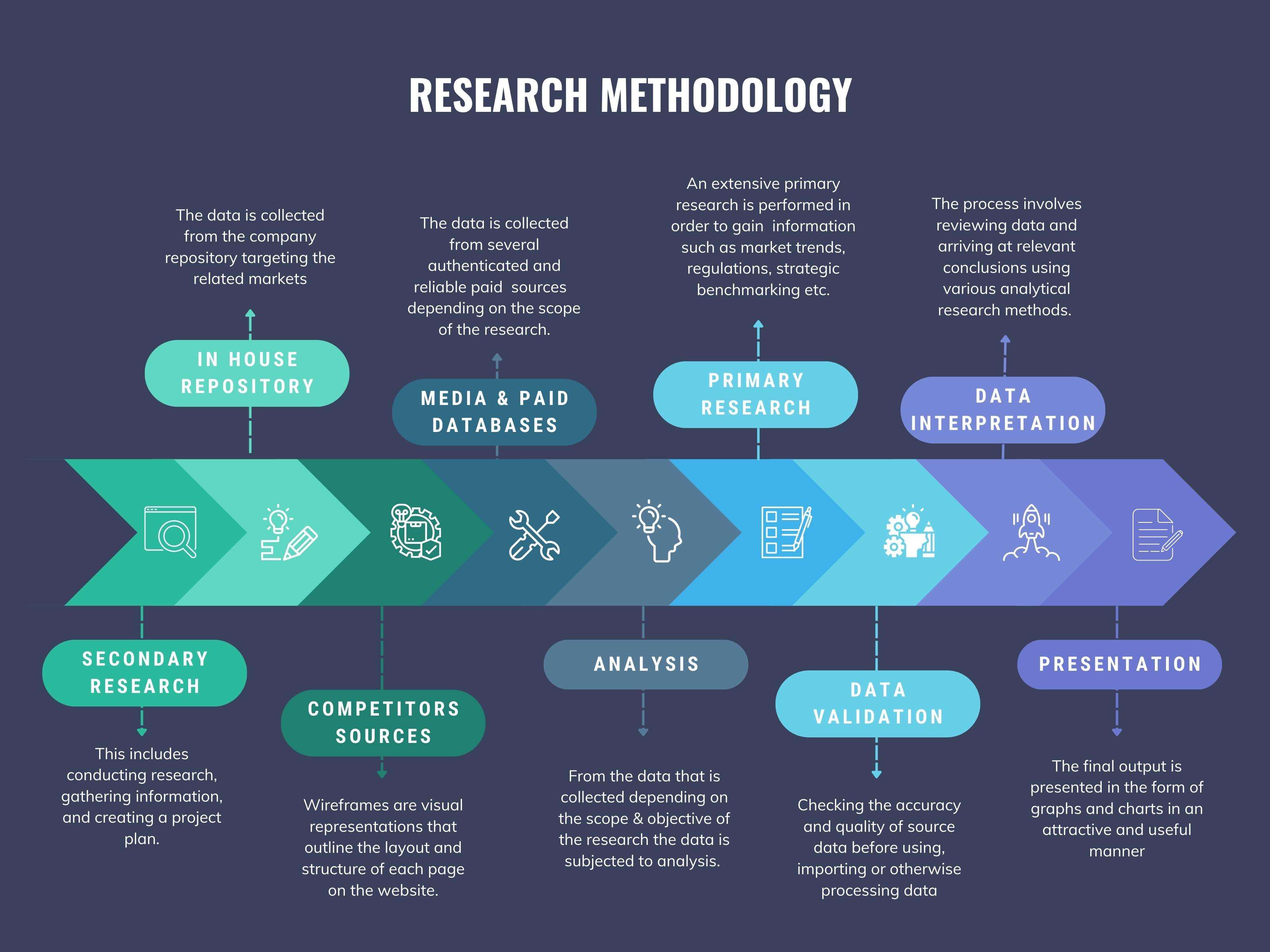
We at ‘Stratistics’ opt for an extensive research approach which involves data mining, data validation, and data analysis. The various research sources include in-house repository, secondary research, competitor’s sources, social media research, client internal data, and primary research.
Our team of analysts prefers the most reliable and authenticated data sources in order to perform the comprehensive literature search. With access to most of the authenticated data bases our team highly considers the best mix of information through various sources to obtain extensive and accurate analysis.
Each report takes an average time of a month and a team of 4 industry analysts. The time may vary depending on the scope and data availability of the desired market report. The various parameters used in the market assessment are standardized in order to enhance the data accuracy.
Data Mining
The data is collected from several authenticated, reliable, paid and unpaid sources and is filtered depending on the scope & objective of the research. Our reports repository acts as an added advantage in this procedure. Data gathering from the raw material suppliers, distributors and the manufacturers is performed on a regular basis, this helps in the comprehensive understanding of the products value chain. Apart from the above mentioned sources the data is also collected from the industry consultants to ensure the objective of the study is in the right direction.
Market trends such as technological advancements, regulatory affairs, market dynamics (Drivers, Restraints, Opportunities and Challenges) are obtained from scientific journals, market related national & international associations and organizations.
Data Analysis
From the data that is collected depending on the scope & objective of the research the data is subjected for the analysis. The critical steps that we follow for the data analysis include:
- Product Lifecycle Analysis
- Competitor analysis
- Risk analysis
- Porters Analysis
- PESTEL Analysis
- SWOT Analysis
The data engineering is performed by the core industry experts considering both the Marketing Mix Modeling and the Demand Forecasting. The marketing mix modeling makes use of multiple-regression techniques to predict the optimal mix of marketing variables. Regression factor is based on a number of variables and how they relate to an outcome such as sales or profits.
Data Validation
The data validation is performed by the exhaustive primary research from the expert interviews. This includes telephonic interviews, focus groups, face to face interviews, and questionnaires to validate our research from all aspects. The industry experts we approach come from the leading firms, involved in the supply chain ranging from the suppliers, distributors to the manufacturers and consumers so as to ensure an unbiased analysis.
We are in touch with more than 15,000 industry experts with the right mix of consultants, CEO's, presidents, vice presidents, managers, experts from both supply side and demand side, executives and so on.
The data validation involves the primary research from the industry experts belonging to:
- Leading Companies
- Suppliers & Distributors
- Manufacturers
- Consumers
- Industry/Strategic Consultants
Apart from the data validation the primary research also helps in performing the fill gap research, i.e. providing solutions for the unmet needs of the research which helps in enhancing the reports quality.
For more details about research methodology, kindly write to us at info@strategymrc.com
Frequently Asked Questions
In case of any queries regarding this report, you can contact the customer service by filing the “Inquiry Before Buy” form available on the right hand side. You may also contact us through email: info@strategymrc.com or phone: +1-301-202-5929
Yes, the samples are available for all the published reports. You can request them by filling the “Request Sample” option available in this page.
Yes, you can request a sample with your specific requirements. All the customized samples will be provided as per the requirement with the real data masked.
All our reports are available in Digital PDF format. In case if you require them in any other formats, such as PPT, Excel etc you can submit a request through “Inquiry Before Buy” form available on the right hand side. You may also contact us through email: info@strategymrc.com or phone: +1-301-202-5929
We offer a free 15% customization with every purchase. This requirement can be fulfilled for both pre and post sale. You may send your customization requirements through email at info@strategymrc.com or call us on +1-301-202-5929.
We have 3 different licensing options available in electronic format.
- Single User Licence: Allows one person, typically the buyer, to have access to the ordered product. The ordered product cannot be distributed to anyone else.
- 2-5 User Licence: Allows the ordered product to be shared among a maximum of 5 people within your organisation.
- Corporate License: Allows the product to be shared among all employees of your organisation regardless of their geographical location.
All our reports are typically be emailed to you as an attachment.
To order any available report you need to register on our website. The payment can be made either through CCAvenue or PayPal payments gateways which accept all international cards.
We extend our support to 6 months post sale. A post sale customization is also provided to cover your unmet needs in the report.
Request Customization
We offer complimentary customization of up to 15% with every purchase. To share your customization requirements, feel free to email us at info@strategymrc.com or call us on +1-301-202-5929. .
Please Note: Customization within the 15% threshold is entirely free of charge. If your request exceeds this limit, we will conduct a feasibility assessment. Following that, a detailed quote and timeline will be provided.
WHY CHOOSE US ?

Assured Quality
Best in class reports with high standard of research integrity

24X7 Research Support
Continuous support to ensure the best customer experience.

Free Customization
Adding more values to your product of interest.

Safe & Secure Access
Providing a secured environment for all online transactions.

Trusted by 600+ Brands
Serving the most reputed brands across the world.