
Machine Learning For Crop Yield Prediction Market
Machine Learning for Crop Yield Prediction Market Forecasts to 2032 - Global Analysis By Component (Software and Service), Deployment Model (Cloud-based and On-premises), Farm Size, End User and By Geography

|
Years Covered |
2024-2032 |
|
Estimated Year Value (2025) |
US $900.56 MN |
|
Projected Year Value (2032) |
US $4175.42 MN |
|
CAGR (2025 - 2032) |
24.5% |
|
Regions Covered |
North America, Europe, Asia Pacific, South America, and Middle East & Africa |
|
Countries Covered |
US, Canada, Mexico, Germany, UK, Italy, France, Spain, Japan, China, India, Australia, New Zealand, South Korea, Rest of Asia Pacific, South America, Argentina, Brazil, Chile, Middle East & Africa, Saudi Arabia, UAE, Qatar, and South Africa |
|
Largest Market |
North America |
|
Highest Growing Market |
Asia Pacific |
According to Stratistics MRC, the Global Machine Learning for Crop Yield Prediction Market is accounted for $900.56 million in 2025 and is expected to reach $4175.42 million by 2032 growing at a CAGR of 24.5% during the forecast period. Machine learning for crop yield prediction leverages advanced algorithms to analyze large volumes of agricultural data—such as weather patterns, soil properties, satellite imagery, and historical crop yields—to generate accurate forecasts of crop productivity. Moreover, farmers and agronomists can make data-driven decisions, maximize resource use, and improve the efficiency of food production by using machine learning to find intricate patterns and relationships that traditional models might miss. Despite climate variability and rising global demand, these predictive models can adjust over time, becoming more accurate as new data becomes available, and eventually support sustainable farming methods and food security.
According to the Indian Council of Agricultural Research (ICAR), hybrid machine learning models, such as LASSO-SVR, have demonstrated high accuracy in predicting wheat yields across various Indian regions, with normalized Root Mean Square Error (nRMSE) values as low as 0.6% in Patiala.

Market Dynamics:
Driver:
Increasing food demand as a result of population growth
The demand for food is expected to increase by 60–70% by 2050 as the world's population approaches 10 billion. The agricultural industry is under tremendous pressure to increase crop yields without increasing the amount of arable land. By precisely forecasting crop yields, machine learning can be extremely helpful in enabling farmers to take preventative action to maximize output and reduce losses. Additionally, stakeholders can improve food availability and price stability by planning for distribution, logistics, and storage with the help of timely predictions.
Restraint:
Restricted availability of localized and high-quality data
Large amounts of high-quality, varied, and localized data—such as soil composition, crop type, planting schedules, pest incidence, and current weather conditions—are necessary for accurate machine learning predictions. In many places, particularly developing nations, such detailed information is unobtainable, out-of-date, or inconsistently documented. Furthermore, the accuracy of the model may also be impacted by the lack of resolution or frequency of satellite and drone data in rural areas. ML algorithms cannot function at their best without trustworthy data inputs, which restricts their applicability in yield forecasting.
Opportunity:
Combining satellite and remote sensing technologies
The precision and frequency of crop monitoring has increased due to advances in remote sensing and satellite imaging, such as those from NASA, ESA (European Space Agency), and private companies like Planet and Airbus. ML algorithms can process these large datasets to identify crop stress, growth patterns, and early signs of pest or disease outbreaks. Moreover, accurate and scalable yield forecasts across large and diverse geographies are made possible by the integration of ML with satellite data, and the opportunities for ML in agricultural forecasting will only grow as access to high-resolution imagery continues to improve.
Threat:
Monopolization of data by tech companies
Smaller startups and local players who cannot afford costly data subscriptions or proprietary platforms are threatened by the increasing dominance of large multinational technology firms over access to key agricultural data, such as satellite imagery, weather feeds, and farm analytics. This leads to a monopolistic environment where innovation becomes dependent on a few gatekeepers, making it difficult for smaller or regional ML service providers to compete or even survive. Additionally, excessive control over agricultural data by a few corporations may limit open access, reduce transparency, and impede the equitable distribution of technological benefits to farmers and public institutions, ultimately slowing down the spread of ML for crop yield prediction.
Covid-19 Impact:
The COVID-19 pandemic significantly accelerated the adoption of machine learning for crop yield prediction as disruptions in supply chains and labor shortages highlighted the need for more precise and automated agricultural management tools. Amidst the heightened uncertainty in food production and restricted field access, farmers and agribusinesses resorted to data-driven technologies in order to maximize resource utilization and more accurately predict yields. But there were drawbacks as well, like slower technology adoption, less money for R&D in some areas, and disruptions in data collection procedures. Furthermore, the market was pushed toward greater digital transformation overall by COVID-19, which also highlighted the vital significance of resilient, technologically enabled agricultural systems.
The cloud-based segment is expected to be the largest during the forecast period
The cloud-based segment is expected to account for the largest market share during the forecast period. In contemporary agricultural technology landscapes, cloud-based solutions are the preferred option over traditional on-premises systems because they enable real-time data processing, remote monitoring, and integration with IoT devices, improving predictive accuracy and decision-making. Additionally, cloud services facilitate collaboration across various stakeholders and enable continuous updates and improvements. These platforms enable farmers and agribusinesses to access powerful analytics and machine learning models without the need for significant upfront infrastructure investment.
The research institutions segment is expected to have the highest CAGR during the forecast period
Over the forecast period, the research institutions segment is predicted to witness the highest growth rate. Governments and private organizations have made significant investments in agricultural research and development, which is driving this growth. For example, the National Mission on Interdisciplinary Cyber-Physical Systems, which focuses on AI and ML applications in agriculture, has received ?3,660 crore from the Indian government. In order to improve productivity and sustainability, partnerships between organizations like Punjab Agricultural University and BITS-Pilani also seek to incorporate robotics, AI, drones, and Internet of Things sensors into agriculture. Moreover, the importance of research institutions in developing machine learning applications for crop yield prediction is highlighted by these initiatives.
Region with largest share:
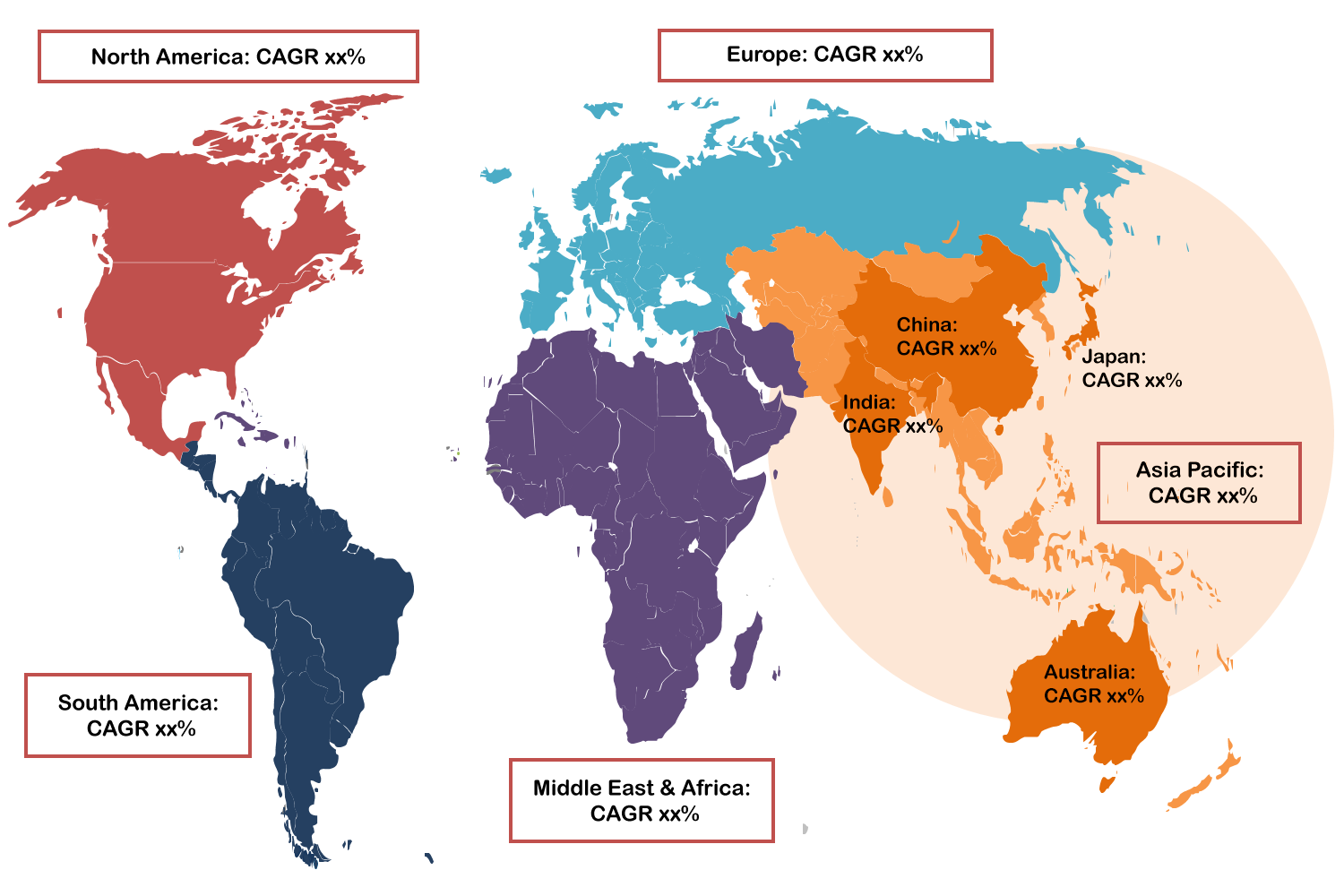
During the forecast period, the North America region is expected to hold the largest market share. This dominance is explained by the region's large-scale agricultural data collection from weather stations, IoT sensors, and satellite imagery, all of which greatly improve machine learning model accuracy. Furthermore, significant public and private sector investments—including a noteworthy $200 million investment by the US government in AI technology for agriculture—have accelerated the development of data-driven agricultural practices and precision farming. North America is positioned as a leader in the adoption and application of machine learning technologies for crop yield prediction due to these factors taken together.
Region with highest CAGR:
Over the forecast period, the Asia Pacific region is anticipated to exhibit the highest CAGR. Governments in nations like China and India are making large investments in agricultural technology in an effort to improve food security and sustainability, which is what is driving this growth. India's Digital Agriculture Mission and China's unveiling of a 20-story AI-powered vertical farm, for example, demonstrate the region's dedication to incorporating AI into agriculture. Moreover, these programs are promoting innovation, speeding up the region's adoption of machine learning technologies, and enhancing crop yield forecasts.
Key players in the market
Some of the key players in Machine Learning for Crop Yield Prediction Market include BASF SE, International Business Machines (IBM), Keymakr Inc., Microsoft Azure, Raven Industries Inc., FarmWise Labs Inc., Bayer AG, Agrograph Inc., Ceres Imaging Inc., Aerobotics Ltd., Cropin Technology Solutions Pvt. Ltd., Sentera Inc., Trace Genomics Inc., Xyonix Inc, Corteva Inc, AgriWebb Pty Ltd, CropX Inc., IUNU Inc. and Terramera Inc.
Key Developments:
In May 2025, Tech Company IBM and Deutsche Bank DB have expanded their long-term partnership with a new agreement that gives Deutsche Bank more access to IBM’s wide range of software tools. This includes IBM’s automation software, hybrid cloud services, and its watsonx artificial intelligence (AI) platform. Deutsche Bank will also get the latest version of IBM Storage Protect, which will improve how the bank protects and manages its data.
In April 2025, BASF and the University of Toronto have signed a Master Research Agreement (MRA) to streamline innovation projects and increase collaboration between BASF and Canadian researchers. This partnership is part of a regional strategy to extend BASF's collaboration with universities in North America into Canada. This is a great achievement for BASF, as it marks the company's first MRA with a Canadian university.
In September 2024, FarmWiseTM and RDO Equipment Co., a dealer of intelligently connected agriculture, construction, environmental, irrigation, positioning, and surveying equipment from leading manufacturers, including John Deere, announce an exclusive partnership to deliver FarmWise's Vulcan precision weeding and cultivation implement to vegetable growers in the Southwest regions of the United States.
Components Covered:
• Software
• Service
Deployment Models Covered:
• Cloud-based
• On-premises
Farm Sizes Covered:
• Small
• Medium
• Large
End Users Covered:
• Farmers
• Agricultural Cooperatives
• Research Institutions
• Government Agencies
• Other End Users
Regions Covered:
• North America
o US
o Canada
o Mexico
• Europe
o Germany
o UK
o Italy
o France
o Spain
o Rest of Europe
• Asia Pacific
o Japan
o China
o India
o Australia
o New Zealand
o South Korea
o Rest of Asia Pacific
• South America
o Argentina
o Brazil
o Chile
o Rest of South America
• Middle East & Africa
o Saudi Arabia
o UAE
o Qatar
o South Africa
o Rest of Middle East & Africa
What our report offers:
- Market share assessments for the regional and country-level segments
- Strategic recommendations for the new entrants
- Covers Market data for the years 2024, 2025, 2026, 2028, and 2032
- Market Trends (Drivers, Constraints, Opportunities, Threats, Challenges, Investment Opportunities, and recommendations)
- Strategic recommendations in key business segments based on the market estimations
- Competitive landscaping mapping the key common trends
- Company profiling with detailed strategies, financials, and recent developments
- Supply chain trends mapping the latest technological advancements
Free Customization Offerings:
All the customers of this report will be entitled to receive one of the following free customization options:
• Company Profiling
o Comprehensive profiling of additional market players (up to 3)
o SWOT Analysis of key players (up to 3)
• Regional Segmentation
o Market estimations, Forecasts and CAGR of any prominent country as per the client's interest (Note: Depends on feasibility check)
• Competitive Benchmarking
o Benchmarking of key players based on product portfolio, geographical presence, and strategic alliances
Table of Contents
1 Executive Summary
2 Preface
2.1 Abstract
2.2 Stake Holders
2.3 Research Scope
2.4 Research Methodology
2.4.1 Data Mining
2.4.2 Data Analysis
2.4.3 Data Validation
2.4.4 Research Approach
2.5 Research Sources
2.5.1 Primary Research Sources
2.5.2 Secondary Research Sources
2.5.3 Assumptions
3 Market Trend Analysis
3.1 Introduction
3.2 Drivers
3.3 Restraints
3.4 Opportunities
3.5 Threats
3.6 End User Analysis
3.7 Emerging Markets
3.8 Impact of Covid-19
4 Porters Five Force Analysis
4.1 Bargaining power of suppliers
4.2 Bargaining power of buyers
4.3 Threat of substitutes
4.4 Threat of new entrants
4.5 Competitive rivalry
5 Global Machine Learning for Crop Yield Prediction Market, By Component
5.1 Introduction
5.2 Software
5.2.1 Predictive Analytics Software
5.2.2 AI-Powered Crop Monitoring Software
5.2.3 Weather and Climate Data Analytics Software
5.2.4 Remote Sensing and Satellite Imaging Software
5.2.5 Farm Management Software
5.3 Service
5.3.1 Consulting and Advisory Services
5.3.2 Implementation and Integration Services
5.3.3 Training and Support Services
5.3.4 Data Analytics and Custom Modeling Services
5.3.5 Cloud-Based Agricultural AI Services
6 Global Machine Learning for Crop Yield Prediction Market, By Deployment Model
6.1 Introduction
6.2 Cloud-based
6.3 On-premises
7 Global Machine Learning for Crop Yield Prediction Market, By Farm Size
7.1 Introduction
7.2 Small
7.3 Medium
7.4 Large
8 Global Machine Learning for Crop Yield Prediction Market, By End User
8.1 Introduction
8.2 Farmers
8.3 Agricultural Cooperatives
8.4 Research Institutions
8.5 Government Agencies
8.6 Other End Users
9 Global Machine Learning for Crop Yield Prediction Market, By Geography
9.1 Introduction
9.2 North America
9.2.1 US
9.2.2 Canada
9.2.3 Mexico
9.3 Europe
9.3.1 Germany
9.3.2 UK
9.3.3 Italy
9.3.4 France
9.3.5 Spain
9.3.6 Rest of Europe
9.4 Asia Pacific
9.4.1 Japan
9.4.2 China
9.4.3 India
9.4.4 Australia
9.4.5 New Zealand
9.4.6 South Korea
9.4.7 Rest of Asia Pacific
9.5 South America
9.5.1 Argentina
9.5.2 Brazil
9.5.3 Chile
9.5.4 Rest of South America
9.6 Middle East & Africa
9.6.1 Saudi Arabia
9.6.2 UAE
9.6.3 Qatar
9.6.4 South Africa
9.6.5 Rest of Middle East & Africa
10 Key Developments
10.1 Agreements, Partnerships, Collaborations and Joint Ventures
10.2 Acquisitions & Mergers
10.3 New Product Launch
10.4 Expansions
10.5 Other Key Strategies
11 Company Profiling
11.1 BASF SE
11.2 International Business Machines (IBM)
11.3 Keymakr Inc.
11.4 Microsoft Azure
11.5 Raven Industries Inc.
11.6 FarmWise Labs Inc.
11.7 Bayer AG
11.8 Agrograph Inc.
11.9 Ceres Imaging Inc.
11.10 Aerobotics Ltd.
11.11 Cropin Technology Solutions Pvt. Ltd.
11.12 Sentera Inc.
11.13 Trace Genomics Inc.
11.14 Xyonix Inc
11.15 Corteva Inc
11.16 AgriWebb Pty Ltd
11.17 CropX Inc.
11.18 IUNU Inc.
11.19 Terramera Inc.
List of Tables
1 Global Machine Learning for Crop Yield Prediction Market Outlook, By Region (2024-2032) ($MN)
2 Global Machine Learning for Crop Yield Prediction Market Outlook, By Component (2024-2032) ($MN)
3 Global Machine Learning for Crop Yield Prediction Market Outlook, By Software (2024-2032) ($MN)
4 Global Machine Learning for Crop Yield Prediction Market Outlook, By Predictive Analytics Software (2024-2032) ($MN)
5 Global Machine Learning for Crop Yield Prediction Market Outlook, By AI-Powered Crop Monitoring Software (2024-2032) ($MN)
6 Global Machine Learning for Crop Yield Prediction Market Outlook, By Weather and Climate Data Analytics Software (2024-2032) ($MN)
7 Global Machine Learning for Crop Yield Prediction Market Outlook, By Remote Sensing and Satellite Imaging Software (2024-2032) ($MN)
8 Global Machine Learning for Crop Yield Prediction Market Outlook, By Farm Management Software (2024-2032) ($MN)
9 Global Machine Learning for Crop Yield Prediction Market Outlook, By Service (2024-2032) ($MN)
10 Global Machine Learning for Crop Yield Prediction Market Outlook, By Consulting and Advisory Services (2024-2032) ($MN)
11 Global Machine Learning for Crop Yield Prediction Market Outlook, By Implementation and Integration Services (2024-2032) ($MN)
12 Global Machine Learning for Crop Yield Prediction Market Outlook, By Training and Support Services (2024-2032) ($MN)
13 Global Machine Learning for Crop Yield Prediction Market Outlook, By Data Analytics and Custom Modeling Services (2024-2032) ($MN)
14 Global Machine Learning for Crop Yield Prediction Market Outlook, By Cloud-Based Agricultural AI Services (2024-2032) ($MN)
15 Global Machine Learning for Crop Yield Prediction Market Outlook, By Deployment Model (2024-2032) ($MN)
16 Global Machine Learning for Crop Yield Prediction Market Outlook, By Cloud-based (2024-2032) ($MN)
17 Global Machine Learning for Crop Yield Prediction Market Outlook, By On-premises (2024-2032) ($MN)
18 Global Machine Learning for Crop Yield Prediction Market Outlook, By Farm Size (2024-2032) ($MN)
19 Global Machine Learning for Crop Yield Prediction Market Outlook, By Small (2024-2032) ($MN)
20 Global Machine Learning for Crop Yield Prediction Market Outlook, By Medium (2024-2032) ($MN)
21 Global Machine Learning for Crop Yield Prediction Market Outlook, By Large (2024-2032) ($MN)
22 Global Machine Learning for Crop Yield Prediction Market Outlook, By End User (2024-2032) ($MN)
23 Global Machine Learning for Crop Yield Prediction Market Outlook, By Farmers (2024-2032) ($MN)
24 Global Machine Learning for Crop Yield Prediction Market Outlook, By Agricultural Cooperatives (2024-2032) ($MN)
25 Global Machine Learning for Crop Yield Prediction Market Outlook, By Research Institutions (2024-2032) ($MN)
26 Global Machine Learning for Crop Yield Prediction Market Outlook, By Government Agencies (2024-2032) ($MN)
27 Global Machine Learning for Crop Yield Prediction Market Outlook, By Other End Users (2024-2032) ($MN)
Note: Tables for North America, Europe, APAC, South America, and Middle East & Africa Regions are also represented in the same manner as above.
List of Figures
RESEARCH METHODOLOGY

We at ‘Stratistics’ opt for an extensive research approach which involves data mining, data validation, and data analysis. The various research sources include in-house repository, secondary research, competitor’s sources, social media research, client internal data, and primary research.
Our team of analysts prefers the most reliable and authenticated data sources in order to perform the comprehensive literature search. With access to most of the authenticated data bases our team highly considers the best mix of information through various sources to obtain extensive and accurate analysis.
Each report takes an average time of a month and a team of 4 industry analysts. The time may vary depending on the scope and data availability of the desired market report. The various parameters used in the market assessment are standardized in order to enhance the data accuracy.
Data Mining
The data is collected from several authenticated, reliable, paid and unpaid sources and is filtered depending on the scope & objective of the research. Our reports repository acts as an added advantage in this procedure. Data gathering from the raw material suppliers, distributors and the manufacturers is performed on a regular basis, this helps in the comprehensive understanding of the products value chain. Apart from the above mentioned sources the data is also collected from the industry consultants to ensure the objective of the study is in the right direction.
Market trends such as technological advancements, regulatory affairs, market dynamics (Drivers, Restraints, Opportunities and Challenges) are obtained from scientific journals, market related national & international associations and organizations.
Data Analysis
From the data that is collected depending on the scope & objective of the research the data is subjected for the analysis. The critical steps that we follow for the data analysis include:
- Product Lifecycle Analysis
- Competitor analysis
- Risk analysis
- Porters Analysis
- PESTEL Analysis
- SWOT Analysis
The data engineering is performed by the core industry experts considering both the Marketing Mix Modeling and the Demand Forecasting. The marketing mix modeling makes use of multiple-regression techniques to predict the optimal mix of marketing variables. Regression factor is based on a number of variables and how they relate to an outcome such as sales or profits.
Data Validation
The data validation is performed by the exhaustive primary research from the expert interviews. This includes telephonic interviews, focus groups, face to face interviews, and questionnaires to validate our research from all aspects. The industry experts we approach come from the leading firms, involved in the supply chain ranging from the suppliers, distributors to the manufacturers and consumers so as to ensure an unbiased analysis.
We are in touch with more than 15,000 industry experts with the right mix of consultants, CEO's, presidents, vice presidents, managers, experts from both supply side and demand side, executives and so on.
The data validation involves the primary research from the industry experts belonging to:
- Leading Companies
- Suppliers & Distributors
- Manufacturers
- Consumers
- Industry/Strategic Consultants
Apart from the data validation the primary research also helps in performing the fill gap research, i.e. providing solutions for the unmet needs of the research which helps in enhancing the reports quality.
For more details about research methodology, kindly write to us at info@strategymrc.com
Frequently Asked Questions
In case of any queries regarding this report, you can contact the customer service by filing the “Inquiry Before Buy” form available on the right hand side. You may also contact us through email: info@strategymrc.com or phone: +1-301-202-5929
Yes, the samples are available for all the published reports. You can request them by filling the “Request Sample” option available in this page.
Yes, you can request a sample with your specific requirements. All the customized samples will be provided as per the requirement with the real data masked.
All our reports are available in Digital PDF format. In case if you require them in any other formats, such as PPT, Excel etc you can submit a request through “Inquiry Before Buy” form available on the right hand side. You may also contact us through email: info@strategymrc.com or phone: +1-301-202-5929
We offer a free 15% customization with every purchase. This requirement can be fulfilled for both pre and post sale. You may send your customization requirements through email at info@strategymrc.com or call us on +1-301-202-5929.
We have 3 different licensing options available in electronic format.
- Single User Licence: Allows one person, typically the buyer, to have access to the ordered product. The ordered product cannot be distributed to anyone else.
- 2-5 User Licence: Allows the ordered product to be shared among a maximum of 5 people within your organisation.
- Corporate License: Allows the product to be shared among all employees of your organisation regardless of their geographical location.
All our reports are typically be emailed to you as an attachment.
To order any available report you need to register on our website. The payment can be made either through CCAvenue or PayPal payments gateways which accept all international cards.
We extend our support to 6 months post sale. A post sale customization is also provided to cover your unmet needs in the report.
Request Customization
We offer complimentary customization of up to 15% with every purchase. To share your customization requirements, feel free to email us at info@strategymrc.com or call us on +1-301-202-5929. .
Please Note: Customization within the 15% threshold is entirely free of charge. If your request exceeds this limit, we will conduct a feasibility assessment. Following that, a detailed quote and timeline will be provided.
WHY CHOOSE US ?

Assured Quality
Best in class reports with high standard of research integrity

24X7 Research Support
Continuous support to ensure the best customer experience.

Free Customization
Adding more values to your product of interest.

Safe & Secure Access
Providing a secured environment for all online transactions.

Trusted by 600+ Brands
Serving the most reputed brands across the world.
