Materials For Pem Fuel Cells Market
Materials for PEM Fuel Cells Market Forecasts to 2032 - Global Analysis By Material Type (Membrane Electrode Assemblies (MEA), Bipolar Plates, Gas Diffusion Layers (GDL), Catalysts, Ionomers, Gaskets and Seals, Coatings & Surface Treatments and Other Material Types), Power Output, Application, End User and By Geography

|
Years Covered |
2024-2032 |
|
Estimated Year Value (2025) |
US $2.04 BN |
|
Projected Year Value (2032) |
US $6.69 BN |
|
CAGR (2025 - 2032) |
18.5% |
|
Regions Covered |
North America, Europe, Asia Pacific, South America, and Middle East & Africa |
|
Countries Covered |
US, Canada, Mexico, Germany, UK, Italy, France, Spain, Japan, China, India, Australia, New Zealand, South Korea, Rest of Asia Pacific, South America, Argentina, Brazil, Chile, Middle East & Africa, Saudi Arabia, UAE, Qatar, and South Africa |
|
Largest Market |
Asia Pacific |
|
Highest Growing Market |
North America |
According to Stratistics MRC, the Global Materials for PEM Fuel Cells Market is accounted for $2.04 billion in 2025 and is expected to reach $6.69 billion by 2032 growing at a CAGR of 18.5% during the forecast period. Proton Exchange Membrane (PEM) fuel cell materials are carefully chosen to provide excellent performance, longevity, and efficiency. The proton exchange membrane, which carries protons while serving as a gas barrier, is one of the essential parts. It is usually composed of perfluorosulfonic acid polymers like Nafion. Both the anode and the cathode employ catalysts, most frequently based on platinum, to speed up electrochemical reactions. Typically composed of carbon fiber papers or cloths, gas diffusion layers (GDLs) guarantee uniform gas distribution and effective water control.
According to the U.S. DOE, platinum catalysts alone contribute approximately 41?% of the cost of a PEM fuel cell stack (based on a 2020 stack-cost breakdown targeting US?$40/kW). This aligns with the 41% figure you mentioned and reflects the significant cost burden of platinum in achieving DOE’s cost target of $40/kW for automotive fuel cell systems.

Market Dynamics:
Driver:
Increasing interest in zero-emission automobiles
The need for fuel cell electric vehicles (FCEVs) has grown dramatically as a result of the global shift to greener transportation, particularly in industries including public transportation, freight trucks, and municipal fleets. PEM fuel cell vehicles are perfect for long-distance and heavy-duty applications since they have greater ranges and quicker refueling periods than battery electric vehicles (BEVs). Additionally, the requirement for high-performance PEM fuel cell components, such as platinum-based catalysts, gas diffusion layers, and long-lasting membranes like Nafion, is directly increased by the rise in demand for FCEVs.
Restraint:
Expensive critical materials
The high cost of raw materials, especially platinum, which is frequently employed as a catalyst in PEM fuel cells, is one of the biggest obstacles. Due to its scarcity, high cost, and significant concentration in a small number of countries, likes South Africa and Russia, platinum supply is susceptible to market swings and geopolitical unrest. Perfluorosulfonic acid (PFSA)-based membranes, such as Nafion, is also expensive because of their intricate chemical makeup and production procedures. Furthermore, PEM fuel cells' overall cost is increased by these pricey components, which restricts their accessibility and widespread use, particularly in areas or industries where consumers are price-sensitive.
Opportunity:
Developments in material substitution and catalyst technology
An innovative chance to drastically lower fuel cell prices is presented by ongoing research into non-platinum group metal (non-PGM) catalysts, such as iron-nitrogen-carbon (Fe-N-C) or doped carbon-based catalysts. Comparably, hydrocarbon-based or composite membranes, which have better chemical durability and cheaper production costs, are being explored as substitutes for conventional Nafion membranes. Moreover, next-generation PEM materials, which are more affordable, more plentiful, and possibly more sustainable, are emerging as a result of these advancements. Businesses will have an advantage in the materials market if they can scale up and commercialize these alternatives.
Threat:
Limited storage and inadequate hydrogen infrastructure
The availability of dependable hydrogen infrastructure, including manufacturing, delivery, and filling stations, is crucial for the uptake of PEM fuel cells and, consequently, the materials utilized in them. Hydrogen infrastructure is either nonexistent or in its infancy in the majority of places, particularly in developing nations. Investing in PEM fuel cell materials may be jeopardized if infrastructure is not scaled up in tandem. Additionally, barriers that may indirectly jeopardize market expansion include issues with hydrogen storage, safety issues, and energy losses during compression or liquefaction.
Covid-19 Impact:
Due to lockdowns, labour shortages, and limited transportation, the COVID-19 pandemic first disrupted global supply chains and delayed production activities, this had a mixed effect on the materials market for PEM fuel cells. Project delays and cost changes resulted from procurement issues with essential raw materials, including platinum and PFSA membranes. But as part of post-COVID recovery efforts, the epidemic also heightened government attention to clean energy, leading to more funding for fuel cell and hydrogen technology. As a result, even if the market suffered brief setbacks, it quickly recovered owing to greater attention on energy resilience and decarbonisation, green stimulus packages, and hydrogen roadmaps.
The membrane electrode assemblies (MEA) segment is expected to be the largest during the forecast period
The membrane electrode assemblies (MEA) segment is expected to account for the largest market share during the forecast period. The electrochemical reactions that turn hydrogen and oxygen into electricity, water, and heat take place in MEAs, which are the central component of fuel cells. This component is the most valuable and complex portion of the fuel cell stack since it incorporates a number of essential components, such as the ionomers, catalyst layers, and membrane. Moreover, the dominance of this market is greatly increased by the growing demand for long-lasting, high-performance MEAs in stationary, portable, and automotive fuel cell applications, as well as by continuous research and development to increase efficiency and lower platinum content.
The automotive OEMs & tier-1 suppliers segment is expected to have the highest CAGR during the forecast period
Over the forecast period, the automotive OEMs & tier-1 suppliers segment is predicted to witness the highest growth rate. This expansion is fueled by the global movement toward zero-emission mobility and the growing usage of hydrogen fuel cell electric vehicles (FCEVs), particularly in commercial fleets, buses, and trucks. Fuel cell research and development is being heavily funded by major automakers and suppliers in order to meet strict emission regulations and increase driving range. Additionally, strong momentum for innovation and extensive material procurement throughout the automotive supply chain is being created by the segment's demand for high-performance materials, including robust MEAs, lightweight bipolar plates, and effective catalysts.
Region with largest share:
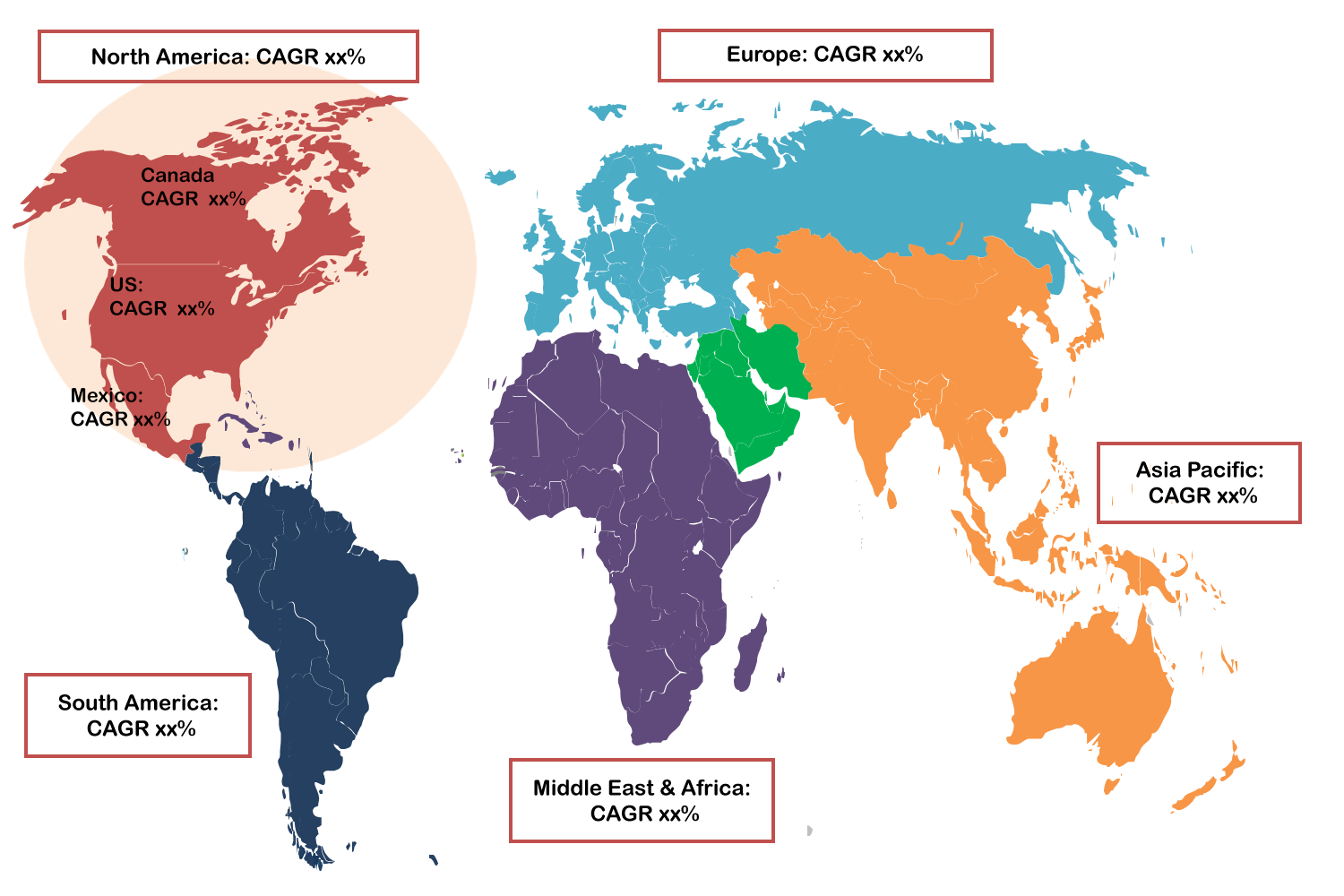
During the forecast period, the Asia Pacific region is expected to hold the largest market share fueled by aggressive hydrogen fuel cell technology deployment, fast industrialization, and robust government assistance, especially in nations like China, Japan, and South Korea. In order to encourage the use of fuel cell vehicles and the construction of infrastructure, several countries have established national hydrogen plans and provide sizeable subsidies. For example, South Korea and Japan are developing fuel cell applications for both cars and homes, while China is at the forefront of fuel cell bus deployment. Furthermore, the areas established supply chains for materials and manufacturing capabilities further contribute to its supremacy in the worldwide market.
Region with highest CAGR:
Over the forecast period, the North America region is anticipated to exhibit the highest CAGR, driven by rising investments in clean energy technologies, the expanding use of vehicles that run on hydrogen, and effective government programs like the Inflation Reduction Act and the Hydrogen Shot program of the U.S. Department of Energy. High-performance PEM materials are in high demand in the region because of growing applications in industrial decarburization, backup power, and transportation. Moreover, North America is positioned as a major growth hub in the years to come due to the presence of major automakers, research institutes, and advanced manufacturing capabilities that facilitate rapid innovation in catalysts, membranes, and bipolar plates.
Key players in the market
Some of the key players in Materials for PEM Fuel Cells Market include BASF SE, ITM Power PLC, PowerCell Sweden AB, Nuvera Fuel Cells, LLC, W.L. Gore & Associates Inc, Johnson Matthey, Plug Power Inc., Intelligent Energy Limited, Giner Inc., Ballard Power Systems, Shanghai Shenli Technology Co., Ltd., Pragma Industries Inc, Umicore, DuPont and ElringKlinger Inc.
Key Developments:
In May 2025, Johnson Matthey has reached an agreement to sell its Catalyst Technologies (CT) business to Honeywell International for £1.8bn. The cash and debt-free basis transaction is expected to deliver net sale proceeds of c.£1.6bn to the Group, subject to customary closing adjustments. JM will be repositioned as a highly streamlined group focused on Clean Air and PGMS, driving sustained strong cash generation to support attractive ongoing returns to shareholders.
In May 2025, ITM Power has signed an agreement confirming our selection as the supplier of over 300MW of electrolysers. ITM Power is pleased to announce that we have signed an agreement with a customer, who wishes to remain confidential at this stage, confirming our selection as the supplier of over 300MW of electrolysers to produce green hydrogen for use in a power plant in the Asia-Pacific (APAC) region, thereby avoiding carbon emissions.
In April 2025, BASF and the University of Toronto have signed a Master Research Agreement (MRA) to streamline innovation projects and increase collaboration between BASF and Canadian researchers. This partnership is part of a regional strategy to extend BASF's collaboration with universities in North America into Canada. This is a great achievement for BASF, as it marks the company's first MRA with a Canadian university.
Material Types Covered:
• Membrane Electrode Assemblies (MEA)
• Bipolar Plates
• Gas Diffusion Layers (GDL)
• Catalysts
• Ionomers
• Gaskets and Seals
• Coatings & Surface Treatments
• Other Material Types
Power Outputs Covered:
• Low Power (<1 kW)
• Medium Power (1-10 kW)
• High Power (>10 kW)
• Very High Power (>100 kW)
Applications Covered:
• Stationary Power
• Portable Power
• Transportation
• Other Applications
End Users Covered:
• Automotive OEMs & Tier-1 Suppliers
• Residential Energy Providers
• Commercial & Industrial Facilities
• Defense & Security Agencies
• Telecom Infrastructure Operators
• Utilities & Government Programs
• Aerospace & Marine Integrators
Regions Covered:
• North America
o US
o Canada
o Mexico
• Europe
o Germany
o UK
o Italy
o France
o Spain
o Rest of Europe
• Asia Pacific
o Japan
o China
o India
o Australia
o New Zealand
o South Korea
o Rest of Asia Pacific
• South America
o Argentina
o Brazil
o Chile
o Rest of South America
• Middle East & Africa
o Saudi Arabia
o UAE
o Qatar
o South Africa
o Rest of Middle East & Africa
What our report offers:
- Market share assessments for the regional and country-level segments
- Strategic recommendations for the new entrants
- Covers Market data for the years 2024, 2025, 2026, 2028, and 2032
- Market Trends (Drivers, Constraints, Opportunities, Threats, Challenges, Investment Opportunities, and recommendations)
- Strategic recommendations in key business segments based on the market estimations
- Competitive landscaping mapping the key common trends
- Company profiling with detailed strategies, financials, and recent developments
- Supply chain trends mapping the latest technological advancements
Free Customization Offerings:
All the customers of this report will be entitled to receive one of the following free customization options:
• Company Profiling
o Comprehensive profiling of additional market players (up to 3)
o SWOT Analysis of key players (up to 3)
• Regional Segmentation
o Market estimations, Forecasts and CAGR of any prominent country as per the client's interest (Note: Depends on feasibility check)
• Competitive Benchmarking
o Benchmarking of key players based on product portfolio, geographical presence, and strategic alliances
Table of Contents
1 Executive Summary
2 Preface
2.1 Abstract
2.2 Stake Holders
2.3 Research Scope
2.4 Research Methodology
2.4.1 Data Mining
2.4.2 Data Analysis
2.4.3 Data Validation
2.4.4 Research Approach
2.5 Research Sources
2.5.1 Primary Research Sources
2.5.2 Secondary Research Sources
2.5.3 Assumptions
3 Market Trend Analysis
3.1 Introduction
3.2 Drivers
3.3 Restraints
3.4 Opportunities
3.5 Threats
3.6 Application Analysis
3.7 End User Analysis
3.8 Emerging Markets
3.9 Impact of Covid-19
4 Porters Five Force Analysis
4.1 Bargaining power of suppliers
4.2 Bargaining power of buyers
4.3 Threat of substitutes
4.4 Threat of new entrants
4.5 Competitive rivalry
5 Global Materials for PEM Fuel Cells Market, By Material Type
5.1 Introduction
5.2 Membrane Electrode Assemblies (MEA)
5.3 Bipolar Plates
5.4 Gas Diffusion Layers (GDL)
5.5 Catalysts
5.6 Ionomers
5.7 Gaskets and Seals
5.8 Coatings & Surface Treatments
5.9 Other Material Types
6 Global Materials for PEM Fuel Cells Market, By Power Output
6.1 Introduction
6.2 Low Power (<1 kW)
6.3 Medium Power (1-10 kW)
6.4 High Power (>10 kW)
6.5 Very High Power (>100 kW)
7 Global Materials for PEM Fuel Cells Market, By Application
7.1 Introduction
7.2 Stationary Power
7.3 Portable Power
7.4 Transportation
7.5 Other Applications
8 Global Materials for PEM Fuel Cells Market, By End User
8.1 Introduction
8.2 Automotive OEMs & Tier-1 Suppliers
8.3 Residential Energy Providers
8.4 Commercial & Industrial Facilities
8.5 Defense & Security Agencies
8.6 Telecom Infrastructure Operators
8.7 Utilities & Government Programs
8.8 Aerospace & Marine Integrators
9 Global Materials for PEM Fuel Cells Market, By Geography
9.1 Introduction
9.2 North America
9.2.1 US
9.2.2 Canada
9.2.3 Mexico
9.3 Europe
9.3.1 Germany
9.3.2 UK
9.3.3 Italy
9.3.4 France
9.3.5 Spain
9.3.6 Rest of Europe
9.4 Asia Pacific
9.4.1 Japan
9.4.2 China
9.4.3 India
9.4.4 Australia
9.4.5 New Zealand
9.4.6 South Korea
9.4.7 Rest of Asia Pacific
9.5 South America
9.5.1 Argentina
9.5.2 Brazil
9.5.3 Chile
9.5.4 Rest of South America
9.6 Middle East & Africa
9.6.1 Saudi Arabia
9.6.2 UAE
9.6.3 Qatar
9.6.4 South Africa
9.6.5 Rest of Middle East & Africa
10 Key Developments
10.1 Agreements, Partnerships, Collaborations and Joint Ventures
10.2 Acquisitions & Mergers
10.3 New Product Launch
10.4 Expansions
10.5 Other Key Strategies
11 Company Profiling
11.1 BASF SE
11.2 ITM Power PLC
11.3 PowerCell Sweden AB
11.4 Nuvera Fuel Cells, LLC
11.5 W.L. Gore & Associates Inc
11.6 Johnson Matthey
11.7 Plug Power Inc.
11.8 Intelligent Energy Limited
11.9 Giner Inc.
11.10 Ballard Power Systems
11.11 Shanghai Shenli Technology Co., Ltd.
11.12 Pragma Industries Inc
11.13 Umicore
11.14 DuPont
11.15 ElringKlinger Inc
List of Tables
1 Global Materials for PEM Fuel Cells Market Outlook, By Region (2024-2032) ($MN)
2 Global Materials for PEM Fuel Cells Market Outlook, By Material Type (2024-2032) ($MN)
3 Global Materials for PEM Fuel Cells Market Outlook, By Membrane Electrode Assemblies (MEA) (2024-2032) ($MN)
4 Global Materials for PEM Fuel Cells Market Outlook, By Bipolar Plates (2024-2032) ($MN)
5 Global Materials for PEM Fuel Cells Market Outlook, By Gas Diffusion Layers (GDL) (2024-2032) ($MN)
6 Global Materials for PEM Fuel Cells Market Outlook, By Catalysts (2024-2032) ($MN)
7 Global Materials for PEM Fuel Cells Market Outlook, By Ionomers (2024-2032) ($MN)
8 Global Materials for PEM Fuel Cells Market Outlook, By Gaskets and Seals (2024-2032) ($MN)
9 Global Materials for PEM Fuel Cells Market Outlook, By Coatings & Surface Treatments (2024-2032) ($MN)
10 Global Materials for PEM Fuel Cells Market Outlook, By Other Material Types (2024-2032) ($MN)
11 Global Materials for PEM Fuel Cells Market Outlook, By Power Output (2024-2032) ($MN)
12 Global Materials for PEM Fuel Cells Market Outlook, By Low Power (<1 kW) (2024-2032) ($MN)
13 Global Materials for PEM Fuel Cells Market Outlook, By Medium Power (1-10 kW) (2024-2032) ($MN)
14 Global Materials for PEM Fuel Cells Market Outlook, By High Power (>10 kW) (2024-2032) ($MN)
15 Global Materials for PEM Fuel Cells Market Outlook, By Very High Power (>100 kW) (2024-2032) ($MN)
16 Global Materials for PEM Fuel Cells Market Outlook, By Application (2024-2032) ($MN)
17 Global Materials for PEM Fuel Cells Market Outlook, By Stationary Power (2024-2032) ($MN)
18 Global Materials for PEM Fuel Cells Market Outlook, By Portable Power (2024-2032) ($MN)
19 Global Materials for PEM Fuel Cells Market Outlook, By Transportation (2024-2032) ($MN)
20 Global Materials for PEM Fuel Cells Market Outlook, By Other Applications (2024-2032) ($MN)
21 Global Materials for PEM Fuel Cells Market Outlook, By End User (2024-2032) ($MN)
22 Global Materials for PEM Fuel Cells Market Outlook, By Automotive OEMs & Tier-1 Suppliers (2024-2032) ($MN)
23 Global Materials for PEM Fuel Cells Market Outlook, By Residential Energy Providers (2024-2032) ($MN)
24 Global Materials for PEM Fuel Cells Market Outlook, By Commercial & Industrial Facilities (2024-2032) ($MN)
25 Global Materials for PEM Fuel Cells Market Outlook, By Defense & Security Agencies (2024-2032) ($MN)
26 Global Materials for PEM Fuel Cells Market Outlook, By Telecom Infrastructure Operators (2024-2032) ($MN)
27 Global Materials for PEM Fuel Cells Market Outlook, By Utilities & Government Programs (2024-2032) ($MN)
28 Global Materials for PEM Fuel Cells Market Outlook, By Aerospace & Marine Integrators (2024-2032) ($MN)
Note: Tables for North America, Europe, APAC, South America, and Middle East & Africa Regions are also represented in the same manner as above.
List of Figures
RESEARCH METHODOLOGY
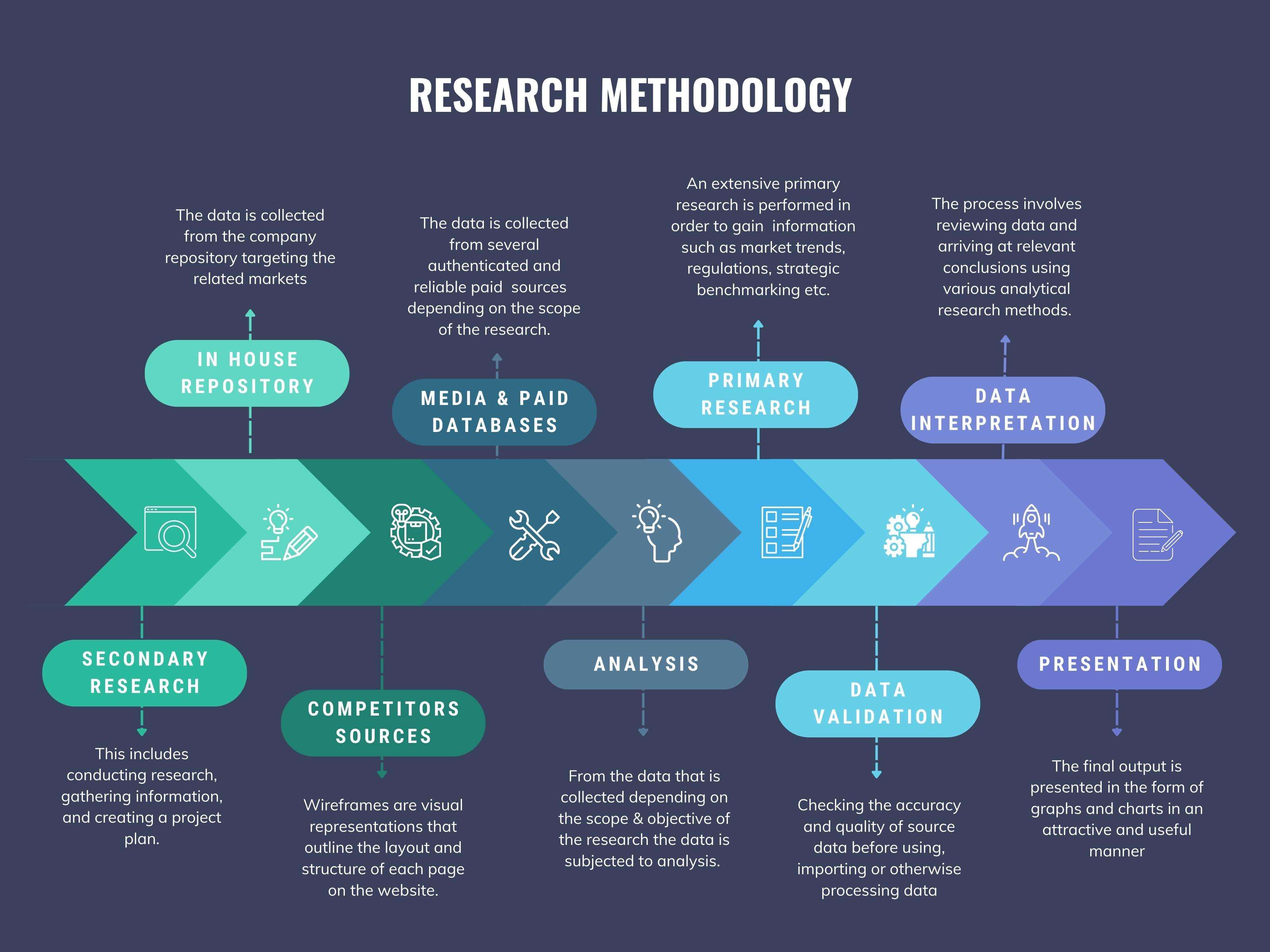
We at ‘Stratistics’ opt for an extensive research approach which involves data mining, data validation, and data analysis. The various research sources include in-house repository, secondary research, competitor’s sources, social media research, client internal data, and primary research.
Our team of analysts prefers the most reliable and authenticated data sources in order to perform the comprehensive literature search. With access to most of the authenticated data bases our team highly considers the best mix of information through various sources to obtain extensive and accurate analysis.
Each report takes an average time of a month and a team of 4 industry analysts. The time may vary depending on the scope and data availability of the desired market report. The various parameters used in the market assessment are standardized in order to enhance the data accuracy.
Data Mining
The data is collected from several authenticated, reliable, paid and unpaid sources and is filtered depending on the scope & objective of the research. Our reports repository acts as an added advantage in this procedure. Data gathering from the raw material suppliers, distributors and the manufacturers is performed on a regular basis, this helps in the comprehensive understanding of the products value chain. Apart from the above mentioned sources the data is also collected from the industry consultants to ensure the objective of the study is in the right direction.
Market trends such as technological advancements, regulatory affairs, market dynamics (Drivers, Restraints, Opportunities and Challenges) are obtained from scientific journals, market related national & international associations and organizations.
Data Analysis
From the data that is collected depending on the scope & objective of the research the data is subjected for the analysis. The critical steps that we follow for the data analysis include:
- Product Lifecycle Analysis
- Competitor analysis
- Risk analysis
- Porters Analysis
- PESTEL Analysis
- SWOT Analysis
The data engineering is performed by the core industry experts considering both the Marketing Mix Modeling and the Demand Forecasting. The marketing mix modeling makes use of multiple-regression techniques to predict the optimal mix of marketing variables. Regression factor is based on a number of variables and how they relate to an outcome such as sales or profits.
Data Validation
The data validation is performed by the exhaustive primary research from the expert interviews. This includes telephonic interviews, focus groups, face to face interviews, and questionnaires to validate our research from all aspects. The industry experts we approach come from the leading firms, involved in the supply chain ranging from the suppliers, distributors to the manufacturers and consumers so as to ensure an unbiased analysis.
We are in touch with more than 15,000 industry experts with the right mix of consultants, CEO's, presidents, vice presidents, managers, experts from both supply side and demand side, executives and so on.
The data validation involves the primary research from the industry experts belonging to:
- Leading Companies
- Suppliers & Distributors
- Manufacturers
- Consumers
- Industry/Strategic Consultants
Apart from the data validation the primary research also helps in performing the fill gap research, i.e. providing solutions for the unmet needs of the research which helps in enhancing the reports quality.
For more details about research methodology, kindly write to us at info@strategymrc.com
Frequently Asked Questions
In case of any queries regarding this report, you can contact the customer service by filing the “Inquiry Before Buy” form available on the right hand side. You may also contact us through email: info@strategymrc.com or phone: +1-301-202-5929
Yes, the samples are available for all the published reports. You can request them by filling the “Request Sample” option available in this page.
Yes, you can request a sample with your specific requirements. All the customized samples will be provided as per the requirement with the real data masked.
All our reports are available in Digital PDF format. In case if you require them in any other formats, such as PPT, Excel etc you can submit a request through “Inquiry Before Buy” form available on the right hand side. You may also contact us through email: info@strategymrc.com or phone: +1-301-202-5929
We offer a free 15% customization with every purchase. This requirement can be fulfilled for both pre and post sale. You may send your customization requirements through email at info@strategymrc.com or call us on +1-301-202-5929.
We have 3 different licensing options available in electronic format.
- Single User Licence: Allows one person, typically the buyer, to have access to the ordered product. The ordered product cannot be distributed to anyone else.
- 2-5 User Licence: Allows the ordered product to be shared among a maximum of 5 people within your organisation.
- Corporate License: Allows the product to be shared among all employees of your organisation regardless of their geographical location.
All our reports are typically be emailed to you as an attachment.
To order any available report you need to register on our website. The payment can be made either through CCAvenue or PayPal payments gateways which accept all international cards.
We extend our support to 6 months post sale. A post sale customization is also provided to cover your unmet needs in the report.
Request Customization
We offer complimentary customization of up to 15% with every purchase. To share your customization requirements, feel free to email us at info@strategymrc.com or call us on +1-301-202-5929. .
Please Note: Customization within the 15% threshold is entirely free of charge. If your request exceeds this limit, we will conduct a feasibility assessment. Following that, a detailed quote and timeline will be provided.
WHY CHOOSE US ?

Assured Quality
Best in class reports with high standard of research integrity

24X7 Research Support
Continuous support to ensure the best customer experience.

Free Customization
Adding more values to your product of interest.

Safe & Secure Access
Providing a secured environment for all online transactions.

Trusted by 600+ Brands
Serving the most reputed brands across the world.