
Mood Tracker App Market
Mood Tracker App Market Forecasts to 2032 – Global Analysis By Platform (iOS, Android and Web-based), Data Analysis, Tracking Mechanism, App Interface, Subscription Model, Application and By Geography

According to Stratistics MRC, the Global Mood Tracker Market is accounted for $2.74 billion in 2025 and is expected to reach $5.35 billion by 2032 growing at a CAGR of 10.0% during the forecast period. Mood Tracker App is a digital tool that enables users to log and monitor emotional states over time, often through customizable inputs like emojis, notes, or tags. It helps identify mood patterns, triggers, and behavioral correlations, supporting mental health awareness and self-regulation. Many apps offer analytics, journaling features, and reminders to encourage consistent use. By visualizing emotional trends, these apps assist users in recognizing stressors, enhancing self-reflection, and informing therapeutic or lifestyle adjustments for improved well-being
According to Journal of Positive Psychology, individuals who regularly used bullet journal mood trackers experienced a 25% improvement in emotional self-awareness, which correlated with enhanced emotional regulation and better mental health outcomes over time.
Market Dynamics:
Driver:
Growing mental health awareness and reduced stigma
Public health campaigns, workplace wellness initiatives, and educational outreach have contributed to destigmatizing mental health discussions, encouraging individuals to seek digital tools for emotional monitoring. These apps offer users a non-intrusive way to reflect on their psychological state, track emotional patterns, and identify triggers. The integration of mood tracking into broader wellness ecosystems such as fitness apps and teletherapy platforms has further expanded their reach.
Restraint:
Data privacy and security concerns
Many applications collect detailed emotional logs, behavioral patterns, and even biometric inputs, raising concerns about unauthorized access and data breaches. Regulatory compliance with frameworks like GDPR and HIPAA is essential, yet not uniformly enforced across all platforms. Users are increasingly cautious about sharing personal mental health information without clear transparency on data usage. The lack of standardized encryption protocols and third-party integrations further complicates privacy assurance, potentially hindering market expansion among privacy-conscious consumers.
Opportunity:
Gamification and personalized user experience
Gamified features such as mood streaks, achievement badges, and interactive journaling—are transforming user engagement in mood tracking apps. These elements foster consistent usage by making emotional self-monitoring feel rewarding and less clinical. Additionally, AI-driven personalization is enabling apps to deliver tailored insights, mood predictions, and coping strategies based on individual behavior. Integration with wearable devices and voice-based input is also enhancing accessibility.
Threat:
Competition from large technology companies
Giants like Apple, Google, and Meta are embedding mood-related features into their broader health ecosystems, leveraging vast user bases and advanced infrastructure. These companies benefit from cross-platform integration, superior data analytics, and brand trust, making it difficult for niche players to compete. Additionally, their ability to offer bundled services such as fitness tracking, sleep monitoring, and emotional health tools can dilute the market share of standalone mood tracking apps.
Covid-19 Impact:
The pandemic accelerated the adoption of mood tracker apps as individuals grappled with isolation, anxiety, and disrupted routines. Lockdowns and remote work environments heightened the need for self-guided mental health tools, prompting a surge in downloads and daily usage. Many apps introduced COVID-specific features, such as stress check-ins and virtual support communities, to address emerging emotional challenges. At the same time, the shift toward telehealth created opportunities for mood trackers to integrate with remote therapy platforms, enhancing continuity of care.
The iOS segment is expected to be the largest during the forecast period
The iOS segment is expected to account for the largest market share during the forecast period due to its strong user base in premium markets and higher app monetization rates. Apple’s ecosystem offers robust privacy controls and seamless integration with health-related APIs, making it a preferred platform for mental wellness applications. Developers often prioritize iOS for early releases and feature-rich versions, given its compatibility with advanced analytics and wearable devices contributing to higher adoption among users seeking secure and high-quality solutions.
The advanced analysis segment is expected to have the highest CAGR during the forecast period
Over the forecast period, the advanced analysis segment is predicted to witness the highest growth rate driven by rising demand for deeper emotional insights and predictive mental health tools. These applications leverage machine learning algorithms to detect mood trends, forecast emotional states, and recommend personalized interventions. Users are increasingly drawn to platforms that go beyond basic journaling, offering data-driven feedback and actionable strategies. Integration with biometric sensors and voice sentiment analysis is further enhancing the analytical capabilities of these apps.
Region with largest share:
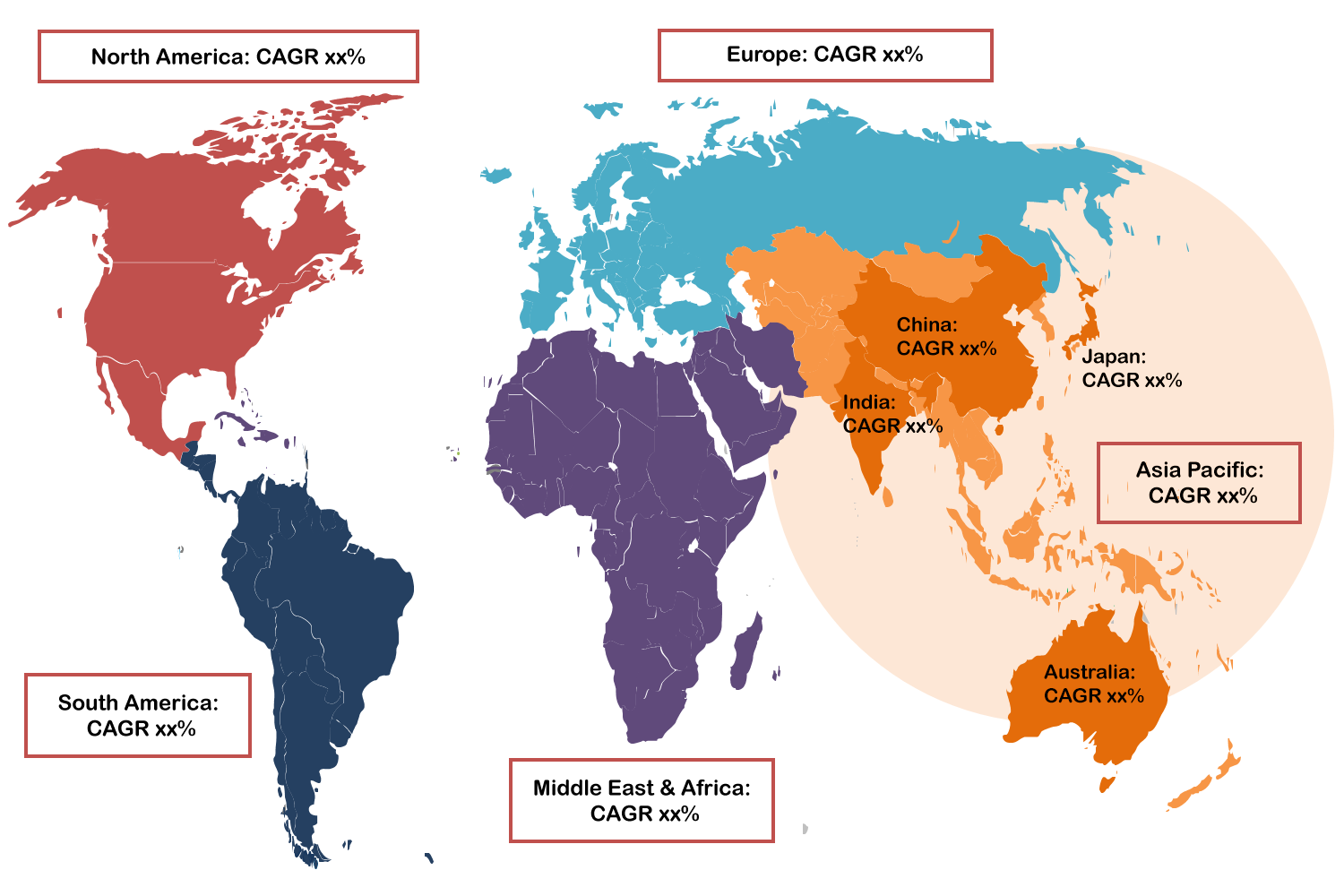
During the forecast period, the Asia Pacific region is expected to hold the largest market share attributed to massive smartphone user base and growing mental health awareness. Countries like India, China, and Japan are witnessing increased adoption of wellness technologies, fueled by urbanization, digital literacy, and government-led mental health initiatives. Local developers are launching culturally tailored apps that resonate with regional emotional norms and language preferences.
Region with highest CAGR:
Over the forecast period, the Asia Pacific region is anticipated to exhibit the highest CAGR driven by rapid digital transformation and expanding access to mental health resources. Emerging economies are investing in mobile health infrastructure, enabling broader reach of mood tracking applications even in semi-urban and rural areas. The popularity of mindfulness, yoga, and holistic wellness practices in Asia is synergizing with app-based emotional monitoring.
Key players in the market
Some of the key players in Mood Tracker Market include Daylio, Moodfit, Calm, Headspace, Sanvello, MoodKit, Worry Watch, eMoods Bipolar Mood Tracker, MoodTools - Depression Aid, Reflectly, MindShift CBT, MoodMission, Breathe2Relax, iMoodJournal, and Moodtrack Diary.
Key Developments:
In June 2025, Headspace announced a direct-to-consumer, insurance-covered therapy offering, making therapy accessible to ~90M Americans via its platform. The corporate press release / BusinessWire listing summarises scope, pricing context and national rollout.
In May 2025, Discover Puerto Rico announced a destination partnership with Calm to release immersive audio experiences and promoted limited free/discounted Calm Premium access. This collaboration was published as a May 22, 2025 press release and covered by PR Newswire / Discover Puerto Rico.
Platforms Covered:
• iOS
• Android
• Web-based
Data Analysis Covered:
• Basic Analysis
• Advanced Analysis
• Predictive Analysis
Tracking Mechanisms Covered:
• Self-Report
• Sensor-Based
App Interfaces Covered:
• Text-Based
• Visual-Based
• Gamified
Subscription Models Covered:
• Free
• Freemium
• Premium
Applications Covered:
• Depression & Anxiety Management
• Stress Management
• Wellness Management
• Bipolar Disorder Management
• Other Applications
Regions Covered:
• North America
o US
o Canada
o Mexico
• Europe
o Germany
o UK
o Italy
o France
o Spain
o Rest of Europe
• Asia Pacific
o Japan
o China
o India
o Australia
o New Zealand
o South Korea
o Rest of Asia Pacific
• South America
o Argentina
o Brazil
o Chile
o Rest of South America
• Middle East & Africa
o Saudi Arabia
o UAE
o Qatar
o South Africa
o Rest of Middle East & Africa
What our report offers:
- Market share assessments for the regional and country-level segments
- Strategic recommendations for the new entrants
- Covers Market data for the years 2024, 2025, 2026, 2028, and 2032
- Market Trends (Drivers, Constraints, Opportunities, Threats, Challenges, Investment Opportunities, and recommendations)
- Strategic recommendations in key business segments based on the market estimations
- Competitive landscaping mapping the key common trends
- Company profiling with detailed strategies, financials, and recent developments
- Supply chain trends mapping the latest technological advancements
Free Customization Offerings:
All the customers of this report will be entitled to receive one of the following free customization options:
• Company Profiling
o Comprehensive profiling of additional market players (up to 3)
o SWOT Analysis of key players (up to 3)
• Regional Segmentation
o Market estimations, Forecasts and CAGR of any prominent country as per the client's interest (Note: Depends on feasibility check)
• Competitive Benchmarking
o Benchmarking of key players based on product portfolio, geographical presence, and strategic alliances
Table of Contents
1 Executive Summary
2 Preface
2.1 Abstract
2.2 Stake Holders
2.3 Research Scope
2.4 Research Methodology
2.4.1 Data Mining
2.4.2 Data Analysis
2.4.3 Data Validation
2.4.4 Research Approach
2.5 Research Sources
2.5.1 Primary Research Sources
2.5.2 Secondary Research Sources
2.5.3 Assumptions
3 Market Trend Analysis
3.1 Introduction
3.2 Drivers
3.3 Restraints
3.4 Opportunities
3.5 Threats
3.6 Application Analysis
3.7 Emerging Markets
3.8 Impact of Covid-19
4 Porters Five Force Analysis
4.1 Bargaining power of suppliers
4.2 Bargaining power of buyers
4.3 Threat of substitutes
4.4 Threat of new entrants
4.5 Competitive rivalry
5 Global Mood Tracker App Market, By Platform
5.1 Introduction
5.2 iOS
5.3 Android
5.4 Web-based
6 Global Mood Tracker App Market, By Data Analysis
6.1 Introduction
6.2 Basic Analysis
6.3 Advanced Analysis
6.4 Predictive Analysis
7 Global Mood Tracker App Market, By Tracking Mechanism
7.1 Introduction
7.2 Self-Report
7.3 Sensor-Based
8 Global Mood Tracker App Market, By App Interface
8.1 Introduction
8.2 Text-Based
8.3 Visual-Based
8.4 Gamified
9 Global Mood Tracker App Market, By Subscription Model
9.1 Introduction
9.2 Free
9.3 Freemium
9.4 Premium
10 Global Mood Tracker App Market, By Application
10.1 Introduction
10.2 Depression & Anxiety Management
10.3 Stress Management
10.4 Wellness Management
10.5 Bipolar Disorder Management
10.6 Other Applications
11 Global Mood Tracker App Market, By Geography
11.1 Introduction
11.2 North America
11.2.1 US
11.2.2 Canada
11.2.3 Mexico
11.3 Europe
11.3.1 Germany
11.3.2 UK
11.3.3 Italy
11.3.4 France
11.3.5 Spain
11.3.6 Rest of Europe
11.4 Asia Pacific
11.4.1 Japan
11.4.2 China
11.4.3 India
11.4.4 Australia
11.4.5 New Zealand
11.4.6 South Korea
11.4.7 Rest of Asia Pacific
11.5 South America
11.5.1 Argentina
11.5.2 Brazil
11.5.3 Chile
11.5.4 Rest of South America
11.6 Middle East & Africa
11.6.1 Saudi Arabia
11.6.2 UAE
11.6.3 Qatar
11.6.4 South Africa
11.6.5 Rest of Middle East & Africa
12 Key Developments
12.1 Agreements, Partnerships, Collaborations and Joint Ventures
12.2 Acquisitions & Mergers
12.3 New Product Launch
12.4 Expansions
12.5 Other Key Strategies
13 Company Profiling
13.1 Daylio
13.2 Moodfit
13.3 Calm
13.4 Headspace
13.5 Sanvello
13.6 MoodKit
13.7 Worry Watch
13.8 eMoods Bipolar Mood Tracker
13.9 MoodTools - Depression Aid
13.10 Reflectly
13.11 MindShift CBT
13.12 MoodMission
13.13 Breathe2Relax
13.14 iMoodJournal
13.15 Moodtrack Diary
List of Tables
1 Global Mood Tracker App Market Outlook, By Region (2024-2032) ($MN)
2 Global Mood Tracker App Market Outlook, By Platform (2024-2032) ($MN)
3 Global Mood Tracker App Market Outlook, By iOS (2024-2032) ($MN)
4 Global Mood Tracker App Market Outlook, By Android (2024-2032) ($MN)
5 Global Mood Tracker App Market Outlook, By Web-based (2024-2032) ($MN)
6 Global Mood Tracker App Market Outlook, By Data Analysis (2024-2032) ($MN)
7 Global Mood Tracker App Market Outlook, By Basic Analysis (2024-2032) ($MN)
8 Global Mood Tracker App Market Outlook, By Advanced Analysis (2024-2032) ($MN)
9 Global Mood Tracker App Market Outlook, By Predictive Analysis (2024-2032) ($MN)
10 Global Mood Tracker App Market Outlook, By Tracking Mechanism (2024-2032) ($MN)
11 Global Mood Tracker App Market Outlook, By Self-Report (2024-2032) ($MN)
12 Global Mood Tracker App Market Outlook, By Sensor-Based (2024-2032) ($MN)
13 Global Mood Tracker App Market Outlook, By App Interface (2024-2032) ($MN)
14 Global Mood Tracker App Market Outlook, By Text-Based (2024-2032) ($MN)
15 Global Mood Tracker App Market Outlook, By Visual-Based (2024-2032) ($MN)
16 Global Mood Tracker App Market Outlook, By Gamified (2024-2032) ($MN)
17 Global Mood Tracker App Market Outlook, By Subscription Model (2024-2032) ($MN)
18 Global Mood Tracker App Market Outlook, By Free (2024-2032) ($MN)
19 Global Mood Tracker App Market Outlook, By Freemium (2024-2032) ($MN)
20 Global Mood Tracker App Market Outlook, By Premium (2024-2032) ($MN)
21 Global Mood Tracker App Market Outlook, By Application (2024-2032) ($MN)
22 Global Mood Tracker App Market Outlook, By Depression & Anxiety Management (2024-2032) ($MN)
23 Global Mood Tracker App Market Outlook, By Stress Management (2024-2032) ($MN)
24 Global Mood Tracker App Market Outlook, By Wellness Management (2024-2032) ($MN)
25 Global Mood Tracker App Market Outlook, By Bipolar Disorder Management (2024-2032) ($MN)
26 Global Mood Tracker App Market Outlook, By Other Applications (2024-2032) ($MN)
Note: Tables for North America, Europe, APAC, South America, and Middle East & Africa Regions are also represented in the same manner as above.
List of Figures
RESEARCH METHODOLOGY

We at ‘Stratistics’ opt for an extensive research approach which involves data mining, data validation, and data analysis. The various research sources include in-house repository, secondary research, competitor’s sources, social media research, client internal data, and primary research.
Our team of analysts prefers the most reliable and authenticated data sources in order to perform the comprehensive literature search. With access to most of the authenticated data bases our team highly considers the best mix of information through various sources to obtain extensive and accurate analysis.
Each report takes an average time of a month and a team of 4 industry analysts. The time may vary depending on the scope and data availability of the desired market report. The various parameters used in the market assessment are standardized in order to enhance the data accuracy.
Data Mining
The data is collected from several authenticated, reliable, paid and unpaid sources and is filtered depending on the scope & objective of the research. Our reports repository acts as an added advantage in this procedure. Data gathering from the raw material suppliers, distributors and the manufacturers is performed on a regular basis, this helps in the comprehensive understanding of the products value chain. Apart from the above mentioned sources the data is also collected from the industry consultants to ensure the objective of the study is in the right direction.
Market trends such as technological advancements, regulatory affairs, market dynamics (Drivers, Restraints, Opportunities and Challenges) are obtained from scientific journals, market related national & international associations and organizations.
Data Analysis
From the data that is collected depending on the scope & objective of the research the data is subjected for the analysis. The critical steps that we follow for the data analysis include:
- Product Lifecycle Analysis
- Competitor analysis
- Risk analysis
- Porters Analysis
- PESTEL Analysis
- SWOT Analysis
The data engineering is performed by the core industry experts considering both the Marketing Mix Modeling and the Demand Forecasting. The marketing mix modeling makes use of multiple-regression techniques to predict the optimal mix of marketing variables. Regression factor is based on a number of variables and how they relate to an outcome such as sales or profits.
Data Validation
The data validation is performed by the exhaustive primary research from the expert interviews. This includes telephonic interviews, focus groups, face to face interviews, and questionnaires to validate our research from all aspects. The industry experts we approach come from the leading firms, involved in the supply chain ranging from the suppliers, distributors to the manufacturers and consumers so as to ensure an unbiased analysis.
We are in touch with more than 15,000 industry experts with the right mix of consultants, CEO's, presidents, vice presidents, managers, experts from both supply side and demand side, executives and so on.
The data validation involves the primary research from the industry experts belonging to:
- Leading Companies
- Suppliers & Distributors
- Manufacturers
- Consumers
- Industry/Strategic Consultants
Apart from the data validation the primary research also helps in performing the fill gap research, i.e. providing solutions for the unmet needs of the research which helps in enhancing the reports quality.
For more details about research methodology, kindly write to us at info@strategymrc.com
Frequently Asked Questions
In case of any queries regarding this report, you can contact the customer service by filing the “Inquiry Before Buy” form available on the right hand side. You may also contact us through email: info@strategymrc.com or phone: +1-301-202-5929
Yes, the samples are available for all the published reports. You can request them by filling the “Request Sample” option available in this page.
Yes, you can request a sample with your specific requirements. All the customized samples will be provided as per the requirement with the real data masked.
All our reports are available in Digital PDF format. In case if you require them in any other formats, such as PPT, Excel etc you can submit a request through “Inquiry Before Buy” form available on the right hand side. You may also contact us through email: info@strategymrc.com or phone: +1-301-202-5929
We offer a free 15% customization with every purchase. This requirement can be fulfilled for both pre and post sale. You may send your customization requirements through email at info@strategymrc.com or call us on +1-301-202-5929.
We have 3 different licensing options available in electronic format.
- Single User Licence: Allows one person, typically the buyer, to have access to the ordered product. The ordered product cannot be distributed to anyone else.
- 2-5 User Licence: Allows the ordered product to be shared among a maximum of 5 people within your organisation.
- Corporate License: Allows the product to be shared among all employees of your organisation regardless of their geographical location.
All our reports are typically be emailed to you as an attachment.
To order any available report you need to register on our website. The payment can be made either through CCAvenue or PayPal payments gateways which accept all international cards.
We extend our support to 6 months post sale. A post sale customization is also provided to cover your unmet needs in the report.
Request Customization
We offer complimentary customization of up to 15% with every purchase. To share your customization requirements, feel free to email us at info@strategymrc.com or call us on +1-301-202-5929. .
Please Note: Customization within the 15% threshold is entirely free of charge. If your request exceeds this limit, we will conduct a feasibility assessment. Following that, a detailed quote and timeline will be provided.
WHY CHOOSE US ?

Assured Quality
Best in class reports with high standard of research integrity

24X7 Research Support
Continuous support to ensure the best customer experience.

Free Customization
Adding more values to your product of interest.

Safe & Secure Access
Providing a secured environment for all online transactions.

Trusted by 600+ Brands
Serving the most reputed brands across the world.
