
Neurodiverse Friendly Healthcare Design Market
Neurodiverse-Friendly Healthcare Design Market Forecasts to 2032 – Global Analysis By Design Type (Sensory-Friendly Design, Lighting and Visual Comfort Design, Wayfinding and Navigation Design, Acoustic Control Design and Social Interaction Spaces), Facility Type, Technology, End User and By Geography

According to Stratistics MRC, the Global Neurodiverse-Friendly Healthcare Design Market is accounted for $11.08 billion in 2025 and is expected to reach $26.2 billion by 2032 growing at a CAGR of 13.1% during the forecast period. Neurodiverse-friendly healthcare design refers to the intentional creation of medical environments that accommodate the sensory, cognitive, and emotional needs of individuals with neurological differences such as autism, ADHD, dyslexia, and Tourette syndrome. It emphasizes flexibility, choice, and comfort through calming color palettes, acoustic control, intuitive wayfinding, and sensory-friendly spaces. These designs reduce anxiety, promote autonomy, and foster dignity by allowing patients to personalize their experience and manage stimuli. By integrating neuro-inclusive principles into waiting areas, exam rooms, and care pathways, healthcare spaces become more empathetic, accessible, and supportive for all patients—especially those who process the world differently
Market Dynamics:
Driver:
Rising Neurodiverse Population
The increasing global awareness and diagnosis of neurodevelopmental conditions such as autism, ADHD, and dyslexia are driving demand for inclusive healthcare environments. As neurodiverse individuals represent a growing demographic, healthcare systems are under pressure to adapt spaces that reduce sensory overload and foster emotional safety. This shift is catalyzing investment in neurodiverse-friendly design principles, positioning them as essential—not optional—in modern care delivery. The trend reflects a broader societal commitment to equity, dignity, and personalized patient experiences.
Restraint:
High Retrofitting Costs
High retrofitting costs significantly hinder the adoption of neurodiverse-friendly healthcare design, especially in legacy facilities with rigid layouts and outdated infrastructure. These expenses deter smaller providers from upgrading spaces with sensory-friendly features, slowing market expansion. Budget constraints often lead to partial implementations, compromising design integrity and patient outcomes. Without scalable, cost-effective solutions, the market risks uneven accessibility, limiting the transformative potential of inclusive environments across diverse healthcare settings.
Opportunity:
Technological Advancements in Adaptive Design
Emerging technologies in adaptive architecture—such as dynamic lighting, AI-driven wayfinding, and modular sensory zones—are unlocking new possibilities for neurodiverse-friendly healthcare design. These innovations enable real-time customization of environments based on individual sensory profiles, enhancing comfort and autonomy. Integration of smart materials and responsive systems supports scalable, cost-effective solutions across diverse care settings. As tech-enabled design becomes more accessible, it offers a compelling pathway for providers to differentiate services and elevate patient-centered care.
Threat:
Operational Complexity
Operational complexity hinders scalability and consistency in neurodiverse-friendly healthcare design by fragmenting workflows, inflating costs, and slowing innovation. Disparate stakeholder priorities, rigid compliance layers, and siloed tech systems obstruct seamless integration of sensory-friendly environments and adaptive care protocols. This complexity dilutes user-centric design intent, making it harder to replicate inclusive models across facilities. As a result, neurodivergent patients face uneven access, reduced personalization, and diminished therapeutic outcomes.
Covid-19 Impact
The COVID-19 pandemic accelerated the need for flexible, low-stimulation healthcare environments that minimize stress and support mental well-being. For neurodiverse individuals, heightened anxiety and disrupted routines underscored the importance of sensory-friendly design. Post-pandemic recovery has prompted healthcare providers to reimagine spaces with greater emphasis on emotional safety, spatial autonomy, and digital integration. This shift has reinforced the relevance of neuro-inclusive principles, positioning them as foundational to resilient, future-ready healthcare infrastructure.
The acoustic control design segment is expected to be the largest during the forecast period
The acoustic control design segment is expected to account for the largest market share during the forecast period, due to its critical role in reducing auditory overstimulation—a common trigger for anxiety among neurodiverse individuals. Features such as sound-absorbing materials, quiet zones, and noise-buffering layouts enhance patient comfort and focus. These elements are increasingly prioritized in waiting areas, consultation rooms, and diagnostic spaces. As healthcare providers recognize the therapeutic value of controlled soundscapes, acoustic design emerges as a cornerstone of inclusive architecture.
The architects & designers segment is expected to have the highest CAGR during the forecast period
Over the forecast period, the architects & designers segment is predicted to witness the highest growth rate, due to growing demand for specialized expertise in neuro-inclusive environments. As healthcare systems seek to embed sensory-friendly principles into new builds and renovations, design professionals are expanding their portfolios to include adaptive layouts, intuitive wayfinding, and calming aesthetics. This surge reflects a paradigm shift in healthcare architecture—where empathy, personalization, and accessibility are integral to spatial planning. Design firms embracing this niche are poised for sustained growth.
Region with largest share:
During the forecast period, the Asia Pacific region is expected to hold the largest market share due to rapid urbanization, expanding healthcare infrastructure, and rising awareness of neurodiversity. Countries like Japan, South Korea, and Australia are investing in inclusive design standards, supported by progressive policy frameworks and public health initiatives. The region’s diverse population and evolving care models create fertile ground for neurodiverse-friendly innovation. Strategic collaborations between governments, architects, and healthcare providers are accelerating adoption across public and private sectors.
Region with highest CAGR:
Over the forecast period, the North America region is anticipated to exhibit the highest CAGR, owing to strong advocacy for neurodiversity, advanced design capabilities, and robust healthcare funding. The U.S. and Canada are witnessing increased integration of sensory-friendly features in hospitals, clinics, and behavioral health centers. Regulatory support, coupled with patient-centered care mandates, is propelling investment in adaptive design. The region’s emphasis on innovation and inclusivity positions it as a global leader in neurodiverse-friendly healthcare architecture.
Key players in the market
Some of the key players profiled in the Neurodiverse-Friendly Healthcare Design Market include Formica Group, Oswald Labs, Gensler, KultureCity, Gresham Smith, Auticon, Herman Miller, NBBJ, HGA, HKS Inc., HOK, Stance Healthcare, Perkins&Will, JLG Architects and TWB Design.
Key Developments:
In January 2025, Gresham Smith and Vanderbilt University have joined forces in a visionary collaboration aimed at pioneering the future of innovation and design. This partnership emphasizes research and development, fostering cutting-edge solutions that blend architectural excellence with technological advancements for tomorrow’s built environments.
In January 2025, Gresham Smith and Vanderbilt University have joined forces in a visionary collaboration aimed at pioneering the future of innovation and design. This partnership emphasizes research and development, fostering cutting-edge solutions that blend architectural excellence with technological advancements for tomorrow’s built environments.
Design Types Covered:
• Sensory-Friendly Design
• Lighting and Visual Comfort Design
• Wayfinding and Navigation Design
• Acoustic Control Design
• Private and Calming Spaces
• Acoustic Control Design
• Social Interaction Spaces
Facility Types Covered:
• Hospitals
• Clinics
• Mental Health Facilities
• Rehabilitation Centers
• Elderly Care Centers
• Outpatient Care Centers
Technologies Covered:
• Smart Lighting & Temperature Controls
• Interactive Displays
• Virtual Reality & Simulation Tools
• AI-Based Environmental Modulation
End Users Covered:
• Healthcare Providers
• Architects & Designers
• Facility Managers
• Patients & Caregivers
• Government & Public Sector
• Other End Users
Regions Covered:
• North America
o US
o Canada
o Mexico
• Europe
o Germany
o UK
o Italy
o France
o Spain
o Rest of Europe
• Asia Pacific
o Japan
o China
o India
o Australia
o New Zealand
o South Korea
o Rest of Asia Pacific
• South America
o Argentina
o Brazil
o Chile
o Rest of South America
• Middle East & Africa
o Saudi Arabia
o UAE
o Qatar
o South Africa
o Rest of Middle East & Africa
What our report offers:
- Market share assessments for the regional and country-level segments
- Strategic recommendations for the new entrants
- Covers Market data for the years 2024, 2025, 2026, 2028, and 2032
- Market Trends (Drivers, Constraints, Opportunities, Threats, Challenges, Investment Opportunities, and recommendations)
- Strategic recommendations in key business segments based on the market estimations
- Competitive landscaping mapping the key common trends
- Company profiling with detailed strategies, financials, and recent developments
- Supply chain trends mapping the latest technological advancements
Free Customization Offerings:
All the customers of this report will be entitled to receive one of the following free customization options:
• Company Profiling
o Comprehensive profiling of additional market players (up to 3)
o SWOT Analysis of key players (up to 3)
• Regional Segmentation
o Market estimations, Forecasts and CAGR of any prominent country as per the client's interest (Note: Depends on feasibility check)
• Competitive Benchmarking
o Benchmarking of key players based on product portfolio, geographical presence, and strategic alliances
Table of Contents
1 Executive Summary
2 Preface
2.1 Abstract
2.2 Stake Holders
2.3 Research Scope
2.4 Research Methodology
2.4.1 Data Mining
2.4.2 Data Analysis
2.4.3 Data Validation
2.4.4 Research Approach
2.5 Research Sources
2.5.1 Primary Research Sources
2.5.2 Secondary Research Sources
2.5.3 Assumptions
3 Market Trend Analysis
3.1 Introduction
3.2 Drivers
3.3 Restraints
3.4 Opportunities
3.5 Threats
3.6 Technology Analysis
3.7 End User Analysis
3.8 Emerging Markets
3.9 Impact of Covid-19
4 Porters Five Force Analysis
4.1 Bargaining power of suppliers
4.2 Bargaining power of buyers
4.3 Threat of substitutes
4.4 Threat of new entrants
4.5 Competitive rivalry
5 Global Neurodiverse-Friendly Healthcare Design Market, By Design Type
5.1 Introduction
5.2 Sensory-Friendly Design
5.3 Lighting and Visual Comfort Design
5.4 Wayfinding and Navigation Design
5.5 Acoustic Control Design
5.6 Private and Calming Spaces
5.7 Acoustic Control Design
5.8 Social Interaction Spaces
6 Global Neurodiverse-Friendly Healthcare Design Market, By Facility Type
6.1 Introduction
6.2 Hospitals
6.3 Clinics
6.4 Mental Health Facilities
6.5 Rehabilitation Centers
6.6 Elderly Care Centers
6.7 Outpatient Care Centers
7 Global Neurodiverse-Friendly Healthcare Design Market, By Technology
7.1 Introduction
7.2 Smart Lighting & Temperature Controls
7.3 Interactive Displays
7.4 Virtual Reality & Simulation Tools
7.5 AI-Based Environmental Modulation
8 Global Neurodiverse-Friendly Healthcare Design Market, By End User
8.1 Introduction
8.2 Healthcare Providers
8.3 Architects & Designers
8.4 Facility Managers
8.5 Patients & Caregivers
8.6 Government & Public Sector
8.7 Other End Users
9 Global Neurodiverse-Friendly Healthcare Design Market, By Geography
9.1 Introduction
9.2 North America
9.2.1 US
9.2.2 Canada
9.2.3 Mexico
9.3 Europe
9.3.1 Germany
9.3.2 UK
9.3.3 Italy
9.3.4 France
9.3.5 Spain
9.3.6 Rest of Europe
9.4 Asia Pacific
9.4.1 Japan
9.4.2 China
9.4.3 India
9.4.4 Australia
9.4.5 New Zealand
9.4.6 South Korea
9.4.7 Rest of Asia Pacific
9.5 South America
9.5.1 Argentina
9.5.2 Brazil
9.5.3 Chile
9.5.4 Rest of South America
9.6 Middle East & Africa
9.6.1 Saudi Arabia
9.6.2 UAE
9.6.3 Qatar
9.6.4 South Africa
9.6.5 Rest of Middle East & Africa
10 Key Developments
10.1 Agreements, Partnerships, Collaborations and Joint Ventures
10.2 Acquisitions & Mergers
10.3 New Product Launch
10.4 Expansions
10.5 Other Key Strategies
11 Company Profiling
11.1 Formica Group
11.2 Oswald Labs
11.3 Gensler
11.4 KultureCity
11.5 Gresham Smith
11.6 Auticon
11.7 Herman Miller
11.8 NBBJ
11.9 HGA
11.10 HKS Inc.
11.11 HOK
11.12 Stance Healthcare
11.13 Perkins&Will
11.14 JLG Architects
11.15 TWB Design
List of Tables
1 Global Neurodiverse-Friendly Healthcare Design Market Outlook, By Region (2024-2032) ($MN)
2 Global Neurodiverse-Friendly Healthcare Design Market Outlook, By Design Type (2024-2032) ($MN)
3 Global Neurodiverse-Friendly Healthcare Design Market Outlook, By Sensory-Friendly Design (2024-2032) ($MN)
4 Global Neurodiverse-Friendly Healthcare Design Market Outlook, By Lighting and Visual Comfort Design (2024-2032) ($MN)
5 Global Neurodiverse-Friendly Healthcare Design Market Outlook, By Wayfinding and Navigation Design (2024-2032) ($MN)
6 Global Neurodiverse-Friendly Healthcare Design Market Outlook, By Acoustic Control Design (2024-2032) ($MN)
7 Global Neurodiverse-Friendly Healthcare Design Market Outlook, By Private and Calming Spaces (2024-2032) ($MN)
8 Global Neurodiverse-Friendly Healthcare Design Market Outlook, By Acoustic Control Design (2024-2032) ($MN)
9 Global Neurodiverse-Friendly Healthcare Design Market Outlook, By Social Interaction Spaces (2024-2032) ($MN)
10 Global Neurodiverse-Friendly Healthcare Design Market Outlook, By Facility Type (2024-2032) ($MN)
11 Global Neurodiverse-Friendly Healthcare Design Market Outlook, By Hospitals (2024-2032) ($MN)
12 Global Neurodiverse-Friendly Healthcare Design Market Outlook, By Clinics (2024-2032) ($MN)
13 Global Neurodiverse-Friendly Healthcare Design Market Outlook, By Mental Health Facilities (2024-2032) ($MN)
14 Global Neurodiverse-Friendly Healthcare Design Market Outlook, By Rehabilitation Centers (2024-2032) ($MN)
15 Global Neurodiverse-Friendly Healthcare Design Market Outlook, By Elderly Care Centers (2024-2032) ($MN)
16 Global Neurodiverse-Friendly Healthcare Design Market Outlook, By Outpatient Care Centers (2024-2032) ($MN)
17 Global Neurodiverse-Friendly Healthcare Design Market Outlook, By Technology (2024-2032) ($MN)
18 Global Neurodiverse-Friendly Healthcare Design Market Outlook, By Smart Lighting & Temperature Controls (2024-2032) ($MN)
19 Global Neurodiverse-Friendly Healthcare Design Market Outlook, By Interactive Displays (2024-2032) ($MN)
20 Global Neurodiverse-Friendly Healthcare Design Market Outlook, By Virtual Reality & Simulation Tools (2024-2032) ($MN)
21 Global Neurodiverse-Friendly Healthcare Design Market Outlook, By AI-Based Environmental Modulation (2024-2032) ($MN)
22 Global Neurodiverse-Friendly Healthcare Design Market Outlook, By End User (2024-2032) ($MN)
23 Global Neurodiverse-Friendly Healthcare Design Market Outlook, By Healthcare Providers (2024-2032) ($MN)
24 Global Neurodiverse-Friendly Healthcare Design Market Outlook, By Architects & Designers (2024-2032) ($MN)
25 Global Neurodiverse-Friendly Healthcare Design Market Outlook, By Facility Managers (2024-2032) ($MN)
26 Global Neurodiverse-Friendly Healthcare Design Market Outlook, By Patients & Caregivers (2024-2032) ($MN)
27 Global Neurodiverse-Friendly Healthcare Design Market Outlook, By Government & Public Sector (2024-2032) ($MN)
28 Global Neurodiverse-Friendly Healthcare Design Market Outlook, By Other End Users (2024-2032) ($MN)
Note: Tables for North America, Europe, APAC, South America, and Middle East & Africa Regions are also represented in the same manner as above.
List of Figures
RESEARCH METHODOLOGY
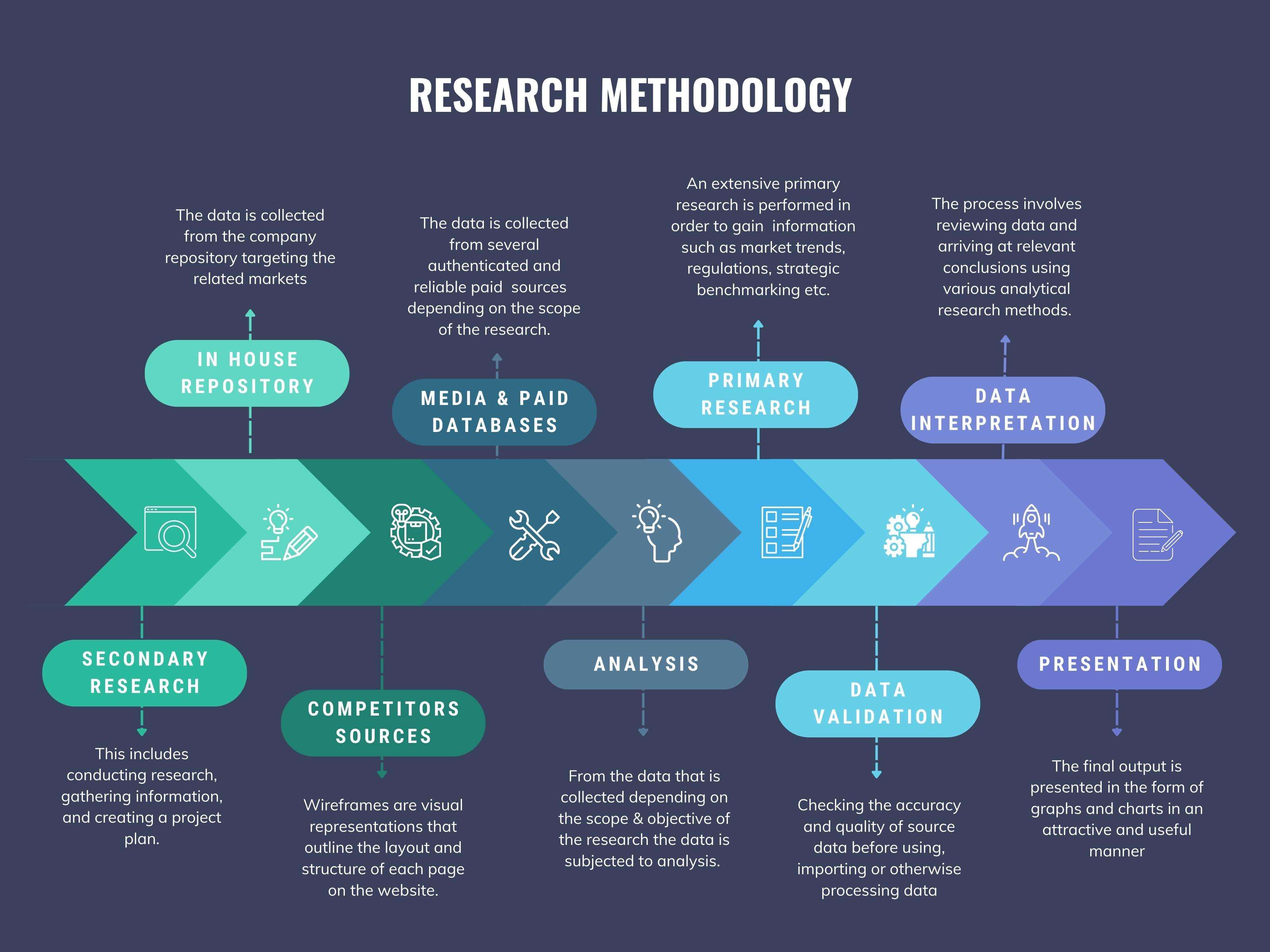
We at ‘Stratistics’ opt for an extensive research approach which involves data mining, data validation, and data analysis. The various research sources include in-house repository, secondary research, competitor’s sources, social media research, client internal data, and primary research.
Our team of analysts prefers the most reliable and authenticated data sources in order to perform the comprehensive literature search. With access to most of the authenticated data bases our team highly considers the best mix of information through various sources to obtain extensive and accurate analysis.
Each report takes an average time of a month and a team of 4 industry analysts. The time may vary depending on the scope and data availability of the desired market report. The various parameters used in the market assessment are standardized in order to enhance the data accuracy.
Data Mining
The data is collected from several authenticated, reliable, paid and unpaid sources and is filtered depending on the scope & objective of the research. Our reports repository acts as an added advantage in this procedure. Data gathering from the raw material suppliers, distributors and the manufacturers is performed on a regular basis, this helps in the comprehensive understanding of the products value chain. Apart from the above mentioned sources the data is also collected from the industry consultants to ensure the objective of the study is in the right direction.
Market trends such as technological advancements, regulatory affairs, market dynamics (Drivers, Restraints, Opportunities and Challenges) are obtained from scientific journals, market related national & international associations and organizations.
Data Analysis
From the data that is collected depending on the scope & objective of the research the data is subjected for the analysis. The critical steps that we follow for the data analysis include:
- Product Lifecycle Analysis
- Competitor analysis
- Risk analysis
- Porters Analysis
- PESTEL Analysis
- SWOT Analysis
The data engineering is performed by the core industry experts considering both the Marketing Mix Modeling and the Demand Forecasting. The marketing mix modeling makes use of multiple-regression techniques to predict the optimal mix of marketing variables. Regression factor is based on a number of variables and how they relate to an outcome such as sales or profits.
Data Validation
The data validation is performed by the exhaustive primary research from the expert interviews. This includes telephonic interviews, focus groups, face to face interviews, and questionnaires to validate our research from all aspects. The industry experts we approach come from the leading firms, involved in the supply chain ranging from the suppliers, distributors to the manufacturers and consumers so as to ensure an unbiased analysis.
We are in touch with more than 15,000 industry experts with the right mix of consultants, CEO's, presidents, vice presidents, managers, experts from both supply side and demand side, executives and so on.
The data validation involves the primary research from the industry experts belonging to:
- Leading Companies
- Suppliers & Distributors
- Manufacturers
- Consumers
- Industry/Strategic Consultants
Apart from the data validation the primary research also helps in performing the fill gap research, i.e. providing solutions for the unmet needs of the research which helps in enhancing the reports quality.
For more details about research methodology, kindly write to us at info@strategymrc.com
Frequently Asked Questions
In case of any queries regarding this report, you can contact the customer service by filing the “Inquiry Before Buy” form available on the right hand side. You may also contact us through email: info@strategymrc.com or phone: +1-301-202-5929
Yes, the samples are available for all the published reports. You can request them by filling the “Request Sample” option available in this page.
Yes, you can request a sample with your specific requirements. All the customized samples will be provided as per the requirement with the real data masked.
All our reports are available in Digital PDF format. In case if you require them in any other formats, such as PPT, Excel etc you can submit a request through “Inquiry Before Buy” form available on the right hand side. You may also contact us through email: info@strategymrc.com or phone: +1-301-202-5929
We offer a free 15% customization with every purchase. This requirement can be fulfilled for both pre and post sale. You may send your customization requirements through email at info@strategymrc.com or call us on +1-301-202-5929.
We have 3 different licensing options available in electronic format.
- Single User Licence: Allows one person, typically the buyer, to have access to the ordered product. The ordered product cannot be distributed to anyone else.
- 2-5 User Licence: Allows the ordered product to be shared among a maximum of 5 people within your organisation.
- Corporate License: Allows the product to be shared among all employees of your organisation regardless of their geographical location.
All our reports are typically be emailed to you as an attachment.
To order any available report you need to register on our website. The payment can be made either through CCAvenue or PayPal payments gateways which accept all international cards.
We extend our support to 6 months post sale. A post sale customization is also provided to cover your unmet needs in the report.
Request Customization
We offer complimentary customization of up to 15% with every purchase. To share your customization requirements, feel free to email us at info@strategymrc.com or call us on +1-301-202-5929. .
Please Note: Customization within the 15% threshold is entirely free of charge. If your request exceeds this limit, we will conduct a feasibility assessment. Following that, a detailed quote and timeline will be provided.
WHY CHOOSE US ?

Assured Quality
Best in class reports with high standard of research integrity

24X7 Research Support
Continuous support to ensure the best customer experience.

Free Customization
Adding more values to your product of interest.

Safe & Secure Access
Providing a secured environment for all online transactions.

Trusted by 600+ Brands
Serving the most reputed brands across the world.