
Non Alcoholic Drinks Market
Non-alcoholic Drinks Market Forecasts to 2032 – Global Analysis By Product (Soft Drinks, Bottled Water, Tea & Coffee, Juice, Dairy Drinks, Functional Drinks and Other Products), Price Point, Distribution Channel, End User, and By Geography

According to Stratistics MRC, the Global Non-alcoholic Drinks Market is accounted for $1367 billion in 2025 and is expected to reach $2172 billion by 2032 growing at a CAGR of 6.8% during the forecast period. Non-alcoholic drinks are beverages that contain little to no ethyl alcohol, typically less than 0.5% by volume. They include a wide range of products such as water, juices, soft drinks, teas, coffees, mocktails, and alcohol-free versions of beer and wine. These drinks are consumed for hydration, refreshment, or flavor without intoxicating effects. They cater to individuals who avoid alcohol for health, religious, or personal reasons and are enjoyed in both casual and formal settings globally.
Market Dynamics:
Driver:
Rising health consciousness and functional beverage demand
The growing consumer focus on wellness and fitness is significantly boosting demand for non-alcoholic beverages, particularly functional drinks such as fortified water, probiotic drinks, and low-calorie juices. Consumers are actively seeking beverages that offer hydration along with added health benefits such as immunity enhancement, energy boosting, and digestive support. This shift is reinforced by the global rise in lifestyle-related disorders, encouraging reduced consumption of sugar-laden or alcoholic drinks in favor of healthier alternatives.
Restraint:
High sugar content and artificial additives concerns
Despite their alcohol-free nature, many non-alcoholic drinks contain high levels of sugar, preservatives, and artificial ingredients, which deter health-conscious consumers. Growing awareness about obesity, diabetes, and heart diseases has made buyers more critical of beverage compositions. Regulatory bodies worldwide are also enforcing sugar taxes and labeling requirements, which may hinder the growth of traditional carbonated and energy drink categories, thereby restraining overall market expansion.
Opportunity:
Growth in plant-based and clean-label beverage trends
The increasing popularity of plant-based, organic, and clean-label beverages offers a lucrative opportunity for market players. Demand for products made with natural ingredients, free from artificial flavors, sweeteners, and preservatives, is rising across both developed and emerging markets. Additionally, the expansion of e-commerce platforms and D2C beverage brands is helping niche non-alcoholic drink manufacturers reach a broader audience, fostering product innovation in flavored water, kombucha, cold brew coffee, and herbal infusions.
Threat:
Intense market saturation and price-based competition
The non-alcoholic drinks market is highly fragmented, with numerous global, regional, and private-label players competing in overlapping segments. This saturation leads to aggressive pricing strategies, frequent promotional campaigns, and reduced brand loyalty. Smaller brands face barriers to shelf placement and marketing budgets, while larger players struggle with innovation speed. As consumers increasingly demand both affordability and quality, balancing cost control with innovation becomes a persistent threat to sustainable profitability.
Covid-19 Impact:
The COVID-19 pandemic had a mixed impact on the non-alcoholic drinks market. On one hand, on-premise consumption declined sharply due to lockdowns and closures of cafes and restaurants. On the other hand, off-trade sales through supermarkets and e-commerce surged. Consumers increasingly opted for functional drinks that offered immunity-boosting and stress-relieving benefits. Brands that pivoted to digital and direct-to-consumer channels recovered faster. The crisis ultimately accelerated health-oriented innovation and reshaped buying behavior across non-alcoholic beverage categories.
The soft drinks segment is expected to be the largest during the forecast period
The soft drinks segment is expected to account for the largest market share during the forecast period, owing to their widespread consumption, global availability, and strong brand loyalty. Carbonated beverages, flavored sodas, and energy drinks continue to dominate shelf space across retail outlets. Despite growing health concerns, demand persists due to innovative low-calorie variants and wide distribution networks. Global giants continue to expand portfolios with sugar-free and functional versions, ensuring relevance in both developed and emerging economies alike.
The standard segment is expected to have the highest CAGR during the forecast period
Over the forecast period, the standard segment is predicted to witness the highest growth rate, impelled by, rising consumer preference for affordable, widely available non-alcoholic beverages. Standard drinks such as traditional juices, soft drinks, and flavored waters are benefiting from higher consumption across urban and semi-urban populations. These beverages offer familiarity and value, especially in cost-sensitive markets. Increasing penetration through local retail chains and the emergence of regional brands are further accelerating volume sales in this segment globally.
Region with largest share:
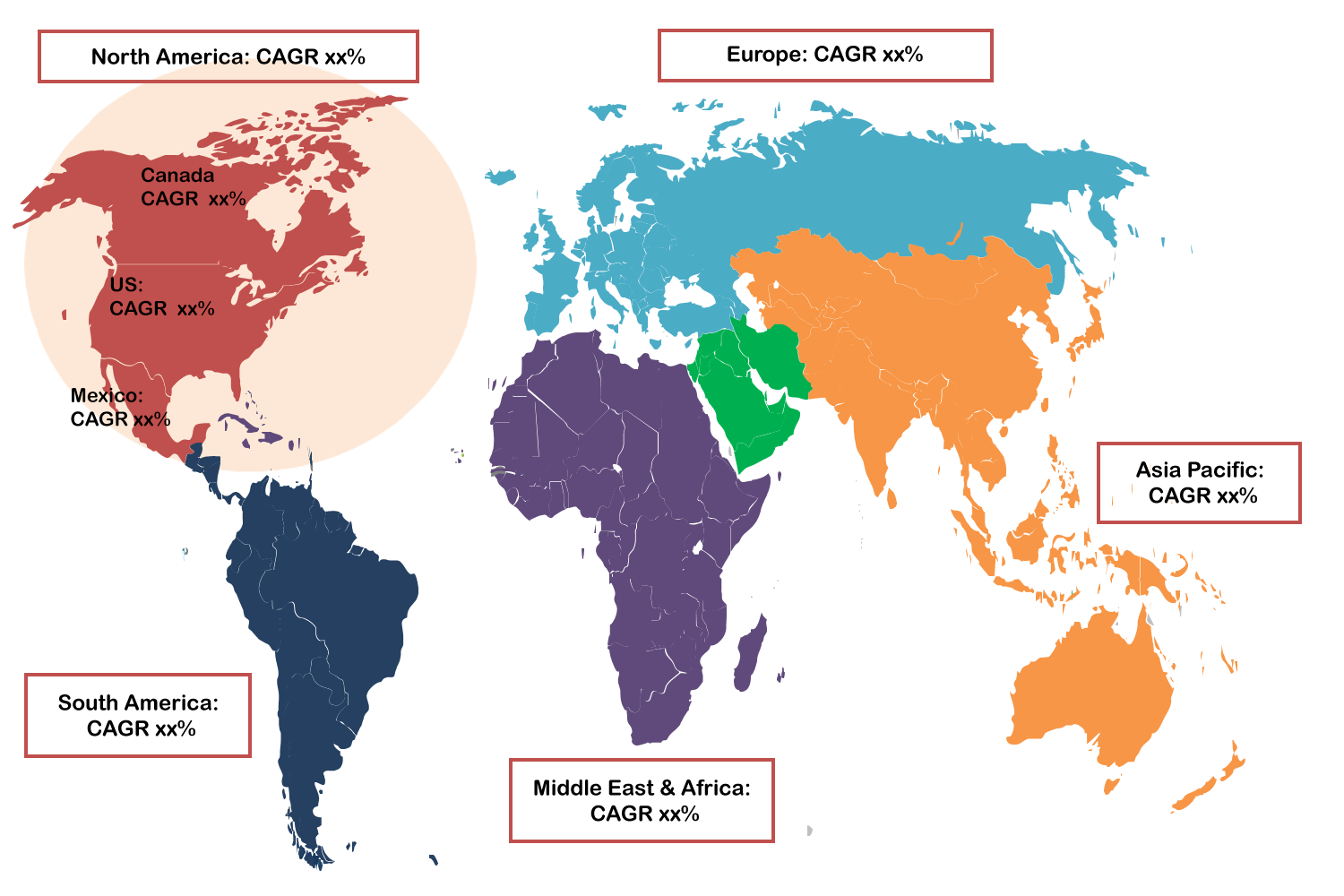
During the forecast period, the Asia Pacific region is expected to hold the largest market share, driven by its massive consumer base, rising urbanization, and growing disposable incomes. Countries such as China, India, and Indonesia are experiencing increased consumption of soft drinks, flavored waters, and ready-to-drink teas. Aggressive marketing strategies by global beverage players and the rising youth population also support market expansion. Moreover, shifting dietary preferences and growing demand for functional and healthy beverage options strengthen regional dominance.
Region with highest CAGR:
Over the forecast period, the North America region is anticipated to exhibit the highest CAGR attributed to, surging demand for functional beverages, clean-label products, and plant-based drinks. Consumers are increasingly replacing sugary sodas with healthier alternatives like kombucha, cold-pressed juices, and zero-calorie flavored waters. Strong innovation pipelines, supported by health-conscious startups and premium product launches, fuel category growth. Moreover, widespread adoption of e-commerce channels and health-centric branding continue to reshape the regional beverage landscape post-pandemic.
Key players in the market
Some of the key players in Non-alcoholic Drinks Market include Coca-Cola Company, PepsiCo, Inc., Nestlé S.A., Unilever, Keurig Dr Pepper Inc., Danone S.A., Red Bull GmbH, Suntory Beverage & Food Ltd., Asahi Group Holdings, Ltd., Monster Beverage Corp., Fomento Economico Mexicano SAB de CV (FEMSA), Parle Agro, A.G. Barr, Dr. Pepper Snapple Group, Dydo Drinco, Attitude Drinks, Co., Livewire Energy, Calcol, Inc., Kraft Foods Group, Inc., and Jacobs Douwe Egberts.
Key Developments:
In July 2025, PepsiCo, Inc. launched a new line of plant-based functional beverages under its Naked brand, enriched with adaptogens and vitamins to appeal to the growing health-conscious consumer segment.
In June 2025, The Coca-Cola Company unveiled a sugar-free reformulation of its Fanta and Sprite lines in select Asian markets, leveraging stevia-based sweeteners to meet regional dietary preferences and regulatory shifts.
In May 2025, Danone S.A. introduced its next-generation probiotic water under the Evian+ range, integrating gut-health-focused strains to cater to wellness-focused consumers across Europe.
In April 2025, Monster Beverage Corp. rolled out “Monster Nitro X,” a new energy drink infused with nitrogen microbubbles, designed to offer a smoother texture and extended energy release for fitness enthusiasts.
Products Covered:
• Soft Drinks
• Bottled Water
• Tea & Coffee
• Juice
• Dairy Drinks
• Functional Drinks
• Other Products
Price Points Covered:
• Standard
• Premium
• Luxury
Distribution Channels Covered:
• Supermarkets & Hypermarkets
• Convenience Stores
• Foodservice Outlets
• Online Retail
• Specialty Stores
• Other Distribution Channels
End Users Covered:
• General Consumers
• Fitness Enthusiasts
• Health-Conscious Individuals
• Athletes & Sports Professionals
• Children & Teens
• Pregnant Women
• Other End Users
Regions Covered:
• North America
o US
o Canada
o Mexico
• Europe
o Germany
o UK
o Italy
o France
o Spain
o Rest of Europe
• Asia Pacific
o Japan
o China
o India
o Australia
o New Zealand
o South Korea
o Rest of Asia Pacific
• South America
o Argentina
o Brazil
o Chile
o Rest of South America
• Middle East & Africa
o Saudi Arabia
o UAE
o Qatar
o South Africa
o Rest of Middle East & Africa
What our report offers:
- Market share assessments for the regional and country-level segments
- Strategic recommendations for the new entrants
- Covers Market data for the years 2024, 2025, 2026, 2028, and 2032
- Market Trends (Drivers, Constraints, Opportunities, Threats, Challenges, Investment Opportunities, and recommendations)
- Strategic recommendations in key business segments based on the market estimations
- Competitive landscaping mapping the key common trends
- Company profiling with detailed strategies, financials, and recent developments
- Supply chain trends mapping the latest technological advancements
Free Customization Offerings:
All the customers of this report will be entitled to receive one of the following free customization options:
• Company Profiling
o Comprehensive profiling of additional market players (up to 3)
o SWOT Analysis of key players (up to 3)
• Regional Segmentation
o Market estimations, Forecasts and CAGR of any prominent country as per the client's interest (Note: Depends on feasibility check)
• Competitive Benchmarking
o Benchmarking of key players based on product portfolio, geographical presence, and strategic alliances
Table of Contents
1 Executive Summary
2 Preface
2.1 Abstract
2.2 Stake Holders
2.3 Research Scope
2.4 Research Methodology
2.4.1 Data Mining
2.4.2 Data Analysis
2.4.3 Data Validation
2.4.4 Research Approach
2.5 Research Sources
2.5.1 Primary Research Sources
2.5.2 Secondary Research Sources
2.5.3 Assumptions
3 Market Trend Analysis
3.1 Introduction
3.2 Drivers
3.3 Restraints
3.4 Opportunities
3.5 Threats
3.6 Product Analysis
3.7 End User Analysis
3.8 Emerging Markets
3.9 Impact of Covid-19
4 Porters Five Force Analysis
4.1 Bargaining power of suppliers
4.2 Bargaining power of buyers
4.3 Threat of substitutes
4.4 Threat of new entrants
4.5 Competitive rivalry
5 Global Non-alcoholic Drinks Market, By Product
5.1 Introduction
5.2 Soft Drinks
5.3 Bottled Water
5.4 Tea & Coffee
5.5 Juice
5.6 Dairy Drinks
5.7 Functional Drinks
5.8 Other Products
6 Global Non-alcoholic Drinks Market, By Price Point
6.1 Introduction
6.2 Standard
6.3 Premium
6.4 Luxury
7 Global Non-alcoholic Drinks Market, By Distribution Channel
7.1 Introduction
7.2 Supermarkets & Hypermarkets
7.3 Convenience Stores
7.4 Foodservice Outlets
7.5 Online Retail
7.6 Specialty Stores
7.7 Other Distribution Channels
8 Global Non-alcoholic Drinks Market, By End User
8.1 Introduction
8.2 General Consumers
8.3 Fitness Enthusiasts
8.4 Health-Conscious Individuals
8.5 Athletes & Sports Professionals
8.6 Children & Teens
8.7 Pregnant Women
8.8 Other End Users
9 Global Non-alcoholic Drinks Market, By Geography
9.1 Introduction
9.2 North America
9.2.1 US
9.2.2 Canada
9.2.3 Mexico
9.3 Europe
9.3.1 Germany
9.3.2 UK
9.3.3 Italy
9.3.4 France
9.3.5 Spain
9.3.6 Rest of Europe
9.4 Asia Pacific
9.4.1 Japan
9.4.2 China
9.4.3 India
9.4.4 Australia
9.4.5 New Zealand
9.4.6 South Korea
9.4.7 Rest of Asia Pacific
9.5 South America
9.5.1 Argentina
9.5.2 Brazil
9.5.3 Chile
9.5.4 Rest of South America
9.6 Middle East & Africa
9.6.1 Saudi Arabia
9.6.2 UAE
9.6.3 Qatar
9.6.4 South Africa
9.6.5 Rest of Middle East & Africa
10 Key Developments
10.1 Agreements, Partnerships, Collaborations and Joint Ventures
10.2 Acquisitions & Mergers
10.3 New Product Launch
10.4 Expansions
10.5 Other Key Strategies
11 Company Profiling
11.1 The Coca-Cola Company
11.2 PepsiCo, Inc.
11.3 Nestlé S.A.
11.4 Unilever
11.5 Keurig Dr Pepper Inc.
11.6 Danone S.A.
11.7 Red Bull GmbH
11.8 Suntory Beverage & Food Ltd.
11.9 Asahi Group Holdings, Ltd.
11.10 Monster Beverage Corp.
11.11 Fomento Economico Mexicano SAB de CV (FEMSA)
11.12 Parle Agro
11.13 A.G. Barr
11.14 Dr. Pepper Snapple Group
11.15 Dydo Drinco
11.16 Attitude Drinks, Co.
11.17 Livewire Energy
11.18 Calcol, Inc.
11.19 Kraft Foods Group, Inc.
11.20 Jacobs Douwe Egberts
List of Tables
1 Global Non-alcoholic Drinks Market Outlook, By Region (2024-2032) ($MN)
2 Global Non-alcoholic Drinks Market Outlook, By Product (2024-2032) ($MN)
3 Global Non-alcoholic Drinks Market Outlook, By Soft Drinks (2024-2032) ($MN)
4 Global Non-alcoholic Drinks Market Outlook, By Bottled Water (2024-2032) ($MN)
5 Global Non-alcoholic Drinks Market Outlook, By Tea & Coffee (2024-2032) ($MN)
6 Global Non-alcoholic Drinks Market Outlook, By Juice (2024-2032) ($MN)
7 Global Non-alcoholic Drinks Market Outlook, By Dairy Drinks (2024-2032) ($MN)
8 Global Non-alcoholic Drinks Market Outlook, By Functional Drinks (2024-2032) ($MN)
9 Global Non-alcoholic Drinks Market Outlook, By Other Products (2024-2032) ($MN)
10 Global Non-alcoholic Drinks Market Outlook, By Price Point (2024-2032) ($MN)
11 Global Non-alcoholic Drinks Market Outlook, By Standard (2024-2032) ($MN)
12 Global Non-alcoholic Drinks Market Outlook, By Premium (2024-2032) ($MN)
13 Global Non-alcoholic Drinks Market Outlook, By Luxury (2024-2032) ($MN)
14 Global Non-alcoholic Drinks Market Outlook, By Distribution Channel (2024-2032) ($MN)
15 Global Non-alcoholic Drinks Market Outlook, By Supermarkets & Hypermarkets (2024-2032) ($MN)
16 Global Non-alcoholic Drinks Market Outlook, By Convenience Stores (2024-2032) ($MN)
17 Global Non-alcoholic Drinks Market Outlook, By Foodservice Outlets (2024-2032) ($MN)
18 Global Non-alcoholic Drinks Market Outlook, By Online Retail (2024-2032) ($MN)
19 Global Non-alcoholic Drinks Market Outlook, By Specialty Stores (2024-2032) ($MN)
20 Global Non-alcoholic Drinks Market Outlook, By Other Distribution Channels (2024-2032) ($MN)
21 Global Non-alcoholic Drinks Market Outlook, By End User (2024-2032) ($MN)
22 Global Non-alcoholic Drinks Market Outlook, By General Consumers (2024-2032) ($MN)
23 Global Non-alcoholic Drinks Market Outlook, By Fitness Enthusiasts (2024-2032) ($MN)
24 Global Non-alcoholic Drinks Market Outlook, By Health-Conscious Individuals (2024-2032) ($MN)
25 Global Non-alcoholic Drinks Market Outlook, By Athletes & Sports Professionals (2024-2032) ($MN)
26 Global Non-alcoholic Drinks Market Outlook, By Children & Teens (2024-2032) ($MN)
27 Global Non-alcoholic Drinks Market Outlook, By Pregnant Women (2024-2032) ($MN)
28 Global Non-alcoholic Drinks Market Outlook, By Other End Users (2024-2032) ($MN)
Note: Tables for North America, Europe, APAC, South America, and Middle East & Africa Regions are also represented in the same manner as above.
List of Figures
RESEARCH METHODOLOGY

We at ‘Stratistics’ opt for an extensive research approach which involves data mining, data validation, and data analysis. The various research sources include in-house repository, secondary research, competitor’s sources, social media research, client internal data, and primary research.
Our team of analysts prefers the most reliable and authenticated data sources in order to perform the comprehensive literature search. With access to most of the authenticated data bases our team highly considers the best mix of information through various sources to obtain extensive and accurate analysis.
Each report takes an average time of a month and a team of 4 industry analysts. The time may vary depending on the scope and data availability of the desired market report. The various parameters used in the market assessment are standardized in order to enhance the data accuracy.
Data Mining
The data is collected from several authenticated, reliable, paid and unpaid sources and is filtered depending on the scope & objective of the research. Our reports repository acts as an added advantage in this procedure. Data gathering from the raw material suppliers, distributors and the manufacturers is performed on a regular basis, this helps in the comprehensive understanding of the products value chain. Apart from the above mentioned sources the data is also collected from the industry consultants to ensure the objective of the study is in the right direction.
Market trends such as technological advancements, regulatory affairs, market dynamics (Drivers, Restraints, Opportunities and Challenges) are obtained from scientific journals, market related national & international associations and organizations.
Data Analysis
From the data that is collected depending on the scope & objective of the research the data is subjected for the analysis. The critical steps that we follow for the data analysis include:
- Product Lifecycle Analysis
- Competitor analysis
- Risk analysis
- Porters Analysis
- PESTEL Analysis
- SWOT Analysis
The data engineering is performed by the core industry experts considering both the Marketing Mix Modeling and the Demand Forecasting. The marketing mix modeling makes use of multiple-regression techniques to predict the optimal mix of marketing variables. Regression factor is based on a number of variables and how they relate to an outcome such as sales or profits.
Data Validation
The data validation is performed by the exhaustive primary research from the expert interviews. This includes telephonic interviews, focus groups, face to face interviews, and questionnaires to validate our research from all aspects. The industry experts we approach come from the leading firms, involved in the supply chain ranging from the suppliers, distributors to the manufacturers and consumers so as to ensure an unbiased analysis.
We are in touch with more than 15,000 industry experts with the right mix of consultants, CEO's, presidents, vice presidents, managers, experts from both supply side and demand side, executives and so on.
The data validation involves the primary research from the industry experts belonging to:
- Leading Companies
- Suppliers & Distributors
- Manufacturers
- Consumers
- Industry/Strategic Consultants
Apart from the data validation the primary research also helps in performing the fill gap research, i.e. providing solutions for the unmet needs of the research which helps in enhancing the reports quality.
For more details about research methodology, kindly write to us at info@strategymrc.com
Frequently Asked Questions
In case of any queries regarding this report, you can contact the customer service by filing the “Inquiry Before Buy” form available on the right hand side. You may also contact us through email: info@strategymrc.com or phone: +1-301-202-5929
Yes, the samples are available for all the published reports. You can request them by filling the “Request Sample” option available in this page.
Yes, you can request a sample with your specific requirements. All the customized samples will be provided as per the requirement with the real data masked.
All our reports are available in Digital PDF format. In case if you require them in any other formats, such as PPT, Excel etc you can submit a request through “Inquiry Before Buy” form available on the right hand side. You may also contact us through email: info@strategymrc.com or phone: +1-301-202-5929
We offer a free 15% customization with every purchase. This requirement can be fulfilled for both pre and post sale. You may send your customization requirements through email at info@strategymrc.com or call us on +1-301-202-5929.
We have 3 different licensing options available in electronic format.
- Single User Licence: Allows one person, typically the buyer, to have access to the ordered product. The ordered product cannot be distributed to anyone else.
- 2-5 User Licence: Allows the ordered product to be shared among a maximum of 5 people within your organisation.
- Corporate License: Allows the product to be shared among all employees of your organisation regardless of their geographical location.
All our reports are typically be emailed to you as an attachment.
To order any available report you need to register on our website. The payment can be made either through CCAvenue or PayPal payments gateways which accept all international cards.
We extend our support to 6 months post sale. A post sale customization is also provided to cover your unmet needs in the report.
Request Customization
We offer complimentary customization of up to 15% with every purchase. To share your customization requirements, feel free to email us at info@strategymrc.com or call us on +1-301-202-5929. .
Please Note: Customization within the 15% threshold is entirely free of charge. If your request exceeds this limit, we will conduct a feasibility assessment. Following that, a detailed quote and timeline will be provided.
WHY CHOOSE US ?

Assured Quality
Best in class reports with high standard of research integrity

24X7 Research Support
Continuous support to ensure the best customer experience.

Free Customization
Adding more values to your product of interest.

Safe & Secure Access
Providing a secured environment for all online transactions.

Trusted by 600+ Brands
Serving the most reputed brands across the world.
