
Non Emergency Medical Transportation Market
Non-Emergency Medical Transportation Market Forecasts to 2032 – Global Analysis By Service Type (Ambulatory Patient Transport, Wheelchair-bound Patient Transport, Stretcher-bound Patient Transport, Bariatric Patient Transport, Behavioral & Pediatric Transport and Chronic Care Transport), Transport Mode, Payment Type, Vehicle Type, End User and By Geography

According to Stratistics MRC, the Global Non-Emergency Medical Transportation Market is accounted for $11.80 billion in 2025 and is expected to reach $22.71 billion by 2032 growing at a CAGR of 9.81% during the forecast period. Non-Emergency Medical Transportation (NEMT) is an essential service designed to help people reach healthcare providers when emergency care is not required. It is particularly valuable for seniors, individuals with disabilities, and those lacking access to private vehicles who often struggle to attend regular medical checkups, therapy, or pharmacy visits. NEMT offers dependable, cost-effective, and secure transport that ensures timely access to medical care. By reducing missed appointments and supporting consistent treatment, these services improve overall patient well-being. Moreover, NEMT helps cut healthcare expenses by decreasing avoidable emergency room usage. In essence, it strengthens community healthcare by promoting accessibility.
According to the Medical Transportation Access Coalition (MTAC), NEMT services provide over 59 million rides annually to Medicaid beneficiaries who otherwise might not have access to healthcare. MTAC emphasizes that these services are critical for patients needing dialysis, chemotherapy, and other recurring treatments, especially in rural and underserved areas.
Market Dynamics:
Driver:
Growing elderly population
The rising number of senior citizens strongly influences the Non-Emergency Medical Transportation (NEMT) market. Elderly individuals frequently experience mobility limitations, chronic health problems, or disabilities that hinder their ability to reach clinics and hospitals independently. With global life expectancy on the rise, there is increasing demand for dependable transport to medical appointments, dialysis centers, pharmacies, and therapy sessions. NEMT provides accessible and secure travel solutions that directly address these needs. By reducing transportation barriers, these services promote regular medical visits, enhance treatment compliance, and support healthier lifestyles among older adults. Consequently, this demographic shift significantly contributes to sustained NEMT market growth.
Restraint:
High operational costs
The Non-Emergency Medical Transportation (NEMT) sector faces considerable challenges due to high operating expenses. Service providers must manage vehicle upkeep, regulatory compliance, driver training, and mandatory insurance, all of which increase costs substantially. Rising fuel prices, regular servicing, and administrative overheads make operations even more expensive. Smaller providers, in particular, find it difficult to achieve profitability, especially when reimbursement rates from insurers or government health programs are inadequate or delayed. These cost burdens often restrict investments in expanding fleets, adopting technology, or improving service quality. As a result, operational expenses remain a significant restraint limiting the overall scalability of NEMT services.
Opportunity:
Expansion in rural healthcare access
Improving healthcare accessibility in rural regions creates strong potential for the Non-Emergency Medical Transportation (NEMT) market. Many rural residents struggle to reach hospitals or clinics because of long distances, inadequate public transit, or the absence of personal vehicles. NEMT can help overcome these challenges by providing cost-effective and reliable transportation, ensuring patients can attend routine visits, preventive care, and post-treatment checkups. These services reduce health disparities, lower hospitalization rates, and support better long-term outcomes for underserved communities. With governments and healthcare organizations increasingly focusing on rural health, NEMT providers have a growing opportunity to expand services and strengthen their market presence.
Threat:
Competition from ride-sharing services
Ride-sharing platforms such as Uber and Lyft represent a growing threat to the Non-Emergency Medical Transportation (NEMT) sector. By offering affordable pricing, quick bookings, and broad availability, these companies are expanding into healthcare transport. Although they generally lack the specialized vehicles and trained staff required for medical transport, their cost-effectiveness and convenience appeal to both patients and medical institutions. This rising competition forces NEMT providers to adopt advanced technologies, streamline operations, and remain price-competitive. If ride-sharing firms continue forming strong collaborations with healthcare systems, they may secure a greater share of the market, thereby restricting the expansion of traditional NEMT operators.
Covid-19 Impact:
The outbreak of COVID-19 brought both challenges and opportunities to the Non-Emergency Medical Transportation (NEMT) industry. In the early stages, service demand dropped significantly due to lockdown restrictions, infection concerns, and widespread cancellation of non-urgent medical visits. This decline created revenue losses for many operators. Over time, however, NEMT services became vital for ensuring access to vaccination programs, COVID-19 testing, and critical treatments such as dialysis. Providers enhanced safety measures by implementing sanitization practices and adopting contactless booking systems. As restrictions eased, healthcare appointments surged back, fueling recovery in the sector. The pandemic ultimately reinforced NEMT’s essential role in healthcare accessibility.
The ambulatory patient transport segment is expected to be the largest during the forecast period
The ambulatory patient transport segment is expected to account for the largest market share during the forecast period because it serves the broadest patient group. These services are designed for individuals capable of walking independently or with minimal support but still requiring dependable transportation for healthcare access. The segment is frequently used for medical checkups, diagnostic imaging, rehabilitation, and regular follow-up care. Its widespread adoption is driven by the increasing need for consistent medical visits among patients who do not require specialized vehicles. Offering affordability, convenience, and broad availability, ambulatory transport remains the most prominent NEMT service segment and plays a key role in driving industry growth.
The privately insured transport segment is expected to have the highest CAGR during the forecast period
Over the forecast period, the privately insured transport segment is predicted to witness the highest growth rate. With healthcare expenses rising and chronic illnesses becoming more prevalent, private insurers are broadening their coverage of non-emergency medical trips to promote better health outcomes while reducing costly emergency visits. Collaborations between insurance companies and NEMT operators improve efficiency, speed up reimbursements, and deliver higher-quality services. This segment also appeals to patients outside government-funded programs due to the flexibility of private coverage. Increasing awareness of the importance of timely medical visits and preventive care strongly supports the segment’s accelerated growth trajectory in the NEMT industry.
Region with largest share:
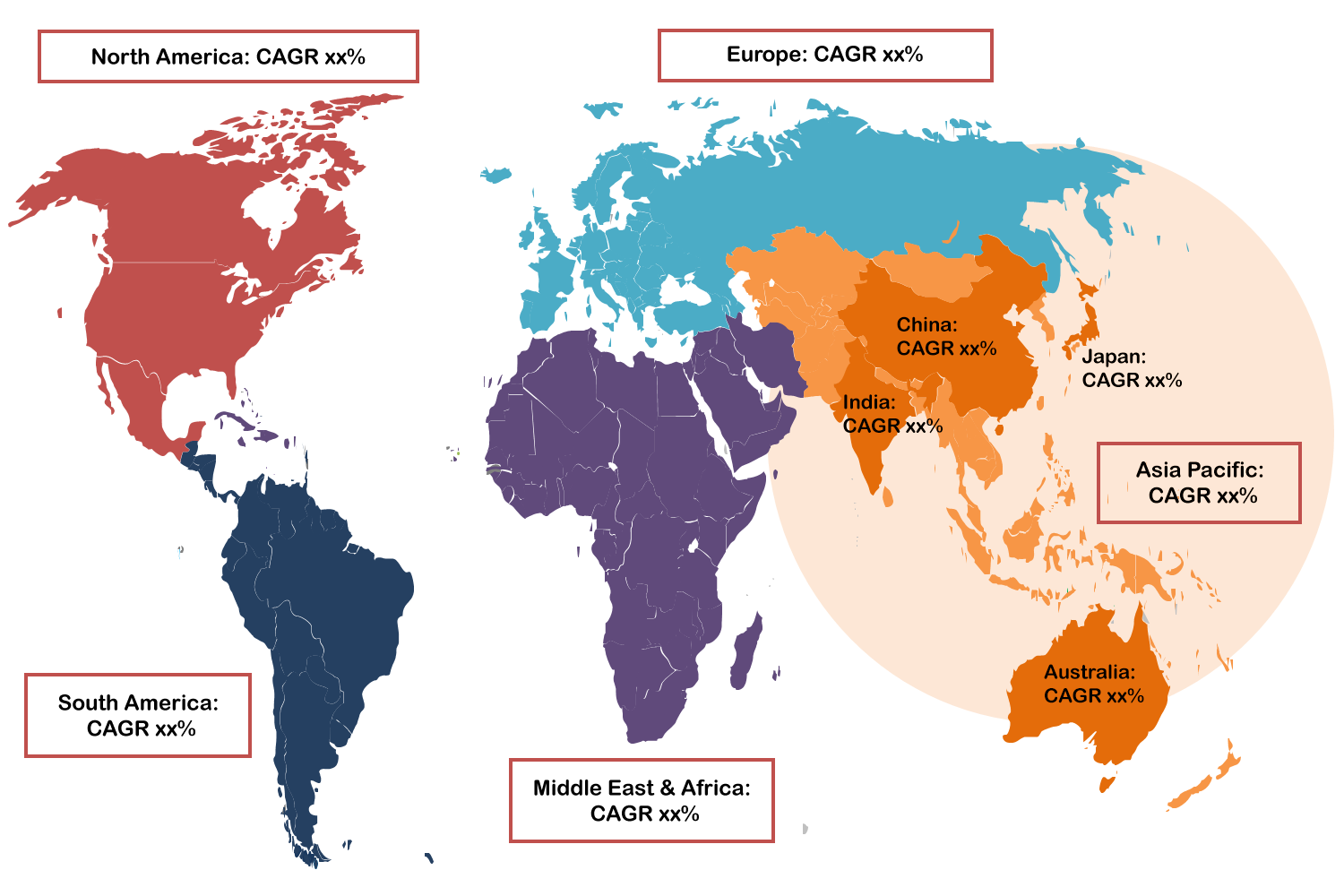
During the forecast period, the North America region is expected to hold the largest market share, supported by robust healthcare systems and favorable government programs. Medicaid and Medicare are central to covering transportation costs, enabling broad patient access to essential medical visits. Rising numbers of elderly individuals and patients with chronic illnesses continue to drive the need for dependable NEMT services. Furthermore, widespread use of digital innovations such as GPS-enabled monitoring, mobile scheduling, and automation has improved overall service delivery. Combined with strong participation from insurance providers and extensive availability of services, these factors make North America the leading market for NEMT.
Region with highest CAGR:
Over the forecast period, the Asia Pacific region is anticipated to exhibit the highest CAGR, supported by expanding healthcare systems and greater focus on patient accessibility. Rising numbers of elderly citizens and increasing cases of chronic illnesses, including heart disease, cancer, and diabetes, is driving steady demand for transport services. Regional governments are implementing reforms to strengthen medical infrastructure, broaden insurance coverage, and attract private investments. At the same time, rapid urbanization and the integration of digital solutions such as GPS navigation and app-based booking are enhancing efficiency. Together, these factors establish Asia-Pacific as the fastest-growing NEMT market worldwide.
Key players in the market
Some of the key players in Non-Emergency Medical Transportation Market include ModivCare, EgyCross, Lyft, Inc., Express Medical Transporters, MTM, Inc., Veyo, Southeastrans, Inc., ERS Medical (ERS Transition Ltd.), Falck, FirstGroup PLC, Global Medical Response Inc, Acadian Ambulance Service, Coastal Medical Transportation Systems, Transdev Group SA and Ride Health.
Key Developments:
In August 2025, Modivcare Enters into Comprehensive Restructuring Agreement to Strengthen its Future, Reduce Debt and Inject Capital. Modivcare Inc. announced that it has taken necessary and decisive action intended to strengthen its financial foundation while continuing to provide access to care, reduce costs, and improve outcomes for clients and members nationwide.
In April 2025, Lyft, Inc. announced it has entered into a definitive agreement to acquire FREENOW, a leading European multi-mobility app with a taxi offering at its core, from BMW Group and Mercedes-Benz Mobility for approximately €175 million or $197 million* in cash.
In August 2024, MTM is pleased to announce it has signed an agreement with Global Medical Response to acquire Access2Care, LLC. This strategic acquisition, expected to close this fall, will enhance MTM's market presence and increase total annual revenue by approximately 25%, marking a milestone in the company's growth trajectory.
Service Types Covered:
• Ambulatory Patient Transport
• Wheelchair-bound Patient Transport
• Stretcher-bound Patient Transport
• Bariatric Patient Transport
• Behavioral & Pediatric Transport
• Chronic Care Transport
Transport Modes Covered:
• Land-based Medical Transport
• Airborne Medical Transport
Payment Types Covered:
• Medicaid-funded Transport
• Medicare-supported Transport
• Privately Insured Transport
• Direct-pay (Self-funded) Transport
Vehicle Types Covered:
• Wheelchair-accessible Vans
• Ambulatory Passenger Vans
• Stretcher-equipped Vans
• Zero-emission Medical Vehicles
End Users Covered:
• Acute Care Hospitals
• Dialysis & Infusion Centers
• Behavioral Health Facilities
• Long-term Care Homes
• Physical Rehabilitation Clinics
Regions Covered:
• North America
o US
o Canada
o Mexico
• Europe
o Germany
o UK
o Italy
o France
o Spain
o Rest of Europe
• Asia Pacific
o Japan
o China
o India
o Australia
o New Zealand
o South Korea
o Rest of Asia Pacific
• South America
o Argentina
o Brazil
o Chile
o Rest of South America
• Middle East & Africa
o Saudi Arabia
o UAE
o Qatar
o South Africa
o Rest of Middle East & Africa
What our report offers:
- Market share assessments for the regional and country-level segments
- Strategic recommendations for the new entrants
- Covers Market data for the years 2024, 2025, 2026, 2028, and 2032
- Market Trends (Drivers, Constraints, Opportunities, Threats, Challenges, Investment Opportunities, and recommendations)
- Strategic recommendations in key business segments based on the market estimations
- Competitive landscaping mapping the key common trends
- Company profiling with detailed strategies, financials, and recent developments
- Supply chain trends mapping the latest technological advancements
Free Customization Offerings:
All the customers of this report will be entitled to receive one of the following free customization options:
• Company Profiling
o Comprehensive profiling of additional market players (up to 3)
o SWOT Analysis of key players (up to 3)
• Regional Segmentation
o Market estimations, Forecasts and CAGR of any prominent country as per the client's interest (Note: Depends on feasibility check)
• Competitive Benchmarking
o Benchmarking of key players based on product portfolio, geographical presence, and strategic alliances
Table of Contents
1 Executive Summary
2 Preface
2.1 Abstract
2.2 Stake Holders
2.3 Research Scope
2.4 Research Methodology
2.4.1 Data Mining
2.4.2 Data Analysis
2.4.3 Data Validation
2.4.4 Research Approach
2.5 Research Sources
2.5.1 Primary Research Sources
2.5.2 Secondary Research Sources
2.5.3 Assumptions
3 Market Trend Analysis
3.1 Introduction
3.2 Drivers
3.3 Restraints
3.4 Opportunities
3.5 Threats
3.6 End User Analysis
3.7 Emerging Markets
3.8 Impact of Covid-19
4 Porters Five Force Analysis
4.1 Bargaining power of suppliers
4.2 Bargaining power of buyers
4.3 Threat of substitutes
4.4 Threat of new entrants
4.5 Competitive rivalry
5 Global Non-Emergency Medical Transportation Market, By Service Type
5.1 Introduction
5.2 Ambulatory Patient Transport
5.3 Wheelchair-bound Patient Transport
5.4 Stretcher-bound Patient Transport
5.5 Bariatric Patient Transport
5.6 Behavioral & Pediatric Transport
5.7 Chronic Care Transport
6 Global Non-Emergency Medical Transportation Market, By Transport Mode
6.1 Introduction
6.2 Land-based Medical Transport
6.3 Airborne Medical Transport
7 Global Non-Emergency Medical Transportation Market, By Payment Type
7.1 Introduction
7.2 Medicaid-funded Transport
7.3 Medicare-supported Transport
7.4 Privately Insured Transport
7.5 Direct-pay (Self-funded) Transport
8 Global Non-Emergency Medical Transportation Market, By Vehicle Type
8.1 Introduction
8.2 Wheelchair-accessible Vans
8.3 Ambulatory Passenger Vans
8.4 Stretcher-equipped Vans
8.5 Zero-emission Medical Vehicles
9 Global Non-Emergency Medical Transportation Market, By End User
9.1 Introduction
9.2 Acute Care Hospitals
9.3 Dialysis & Infusion Centers
9.4 Behavioral Health Facilities
9.5 Long-term Care Homes
9.6 Physical Rehabilitation Clinics
10 Global Non-Emergency Medical Transportation Market, By Geography
10.1 Introduction
10.2 North America
10.2.1 US
10.2.2 Canada
10.2.3 Mexico
10.3 Europe
10.3.1 Germany
10.3.2 UK
10.3.3 Italy
10.3.4 France
10.3.5 Spain
10.3.6 Rest of Europe
10.4 Asia Pacific
10.4.1 Japan
10.4.2 China
10.4.3 India
10.4.4 Australia
10.4.5 New Zealand
10.4.6 South Korea
10.4.7 Rest of Asia Pacific
10.5 South America
10.5.1 Argentina
10.5.2 Brazil
10.5.3 Chile
10.5.4 Rest of South America
10.6 Middle East & Africa
10.6.1 Saudi Arabia
10.6.2 UAE
10.6.3 Qatar
10.6.4 South Africa
10.6.5 Rest of Middle East & Africa
11 Key Developments
11.1 Agreements, Partnerships, Collaborations and Joint Ventures
11.2 Acquisitions & Mergers
11.3 New Product Launch
11.4 Expansions
11.5 Other Key Strategies
12 Company Profiling
12.1 ModivCare
12.2 EgyCross
12.3 Lyft, Inc.
12.4 Express Medical Transporters
12.5 MTM, Inc.
12.6 Veyo
12.7 Southeastrans, Inc.
12.8 ERS Medical (ERS Transition Ltd.)
12.9 Falck
12.10 FirstGroup PLC
12.11 Global Medical Response Inc
12.12 Acadian Ambulance Service
12.13 Coastal Medical Transportation Systems
12.14 Transdev Group SA
12.15 Ride Health
List of Tables
1 Global Non-Emergency Medical Transportation Market Outlook, By Region (2024-2032) ($MN)
2 Global Non-Emergency Medical Transportation Market Outlook, By Service Type (2024-2032) ($MN)
3 Global Non-Emergency Medical Transportation Market Outlook, By Ambulatory Patient Transport (2024-2032) ($MN)
4 Global Non-Emergency Medical Transportation Market Outlook, By Wheelchair-bound Patient Transport (2024-2032) ($MN)
5 Global Non-Emergency Medical Transportation Market Outlook, By Stretcher-bound Patient Transport (2024-2032) ($MN)
6 Global Non-Emergency Medical Transportation Market Outlook, By Bariatric Patient Transport (2024-2032) ($MN)
7 Global Non-Emergency Medical Transportation Market Outlook, By Behavioral & Pediatric Transport (2024-2032) ($MN)
8 Global Non-Emergency Medical Transportation Market Outlook, By Chronic Care Transport (2024-2032) ($MN)
9 Global Non-Emergency Medical Transportation Market Outlook, By Transport Mode (2024-2032) ($MN)
10 Global Non-Emergency Medical Transportation Market Outlook, By Land-based Medical Transport (2024-2032) ($MN)
11 Global Non-Emergency Medical Transportation Market Outlook, By Airborne Medical Transport (2024-2032) ($MN)
12 Global Non-Emergency Medical Transportation Market Outlook, By Payment Type (2024-2032) ($MN)
13 Global Non-Emergency Medical Transportation Market Outlook, By Medicaid-funded Transport (2024-2032) ($MN)
14 Global Non-Emergency Medical Transportation Market Outlook, By Medicare-supported Transport (2024-2032) ($MN)
15 Global Non-Emergency Medical Transportation Market Outlook, By Privately Insured Transport (2024-2032) ($MN)
16 Global Non-Emergency Medical Transportation Market Outlook, By Direct-pay (Self-funded) Transport (2024-2032) ($MN)
17 Global Non-Emergency Medical Transportation Market Outlook, By Vehicle Type (2024-2032) ($MN)
18 Global Non-Emergency Medical Transportation Market Outlook, By Wheelchair-accessible Vans (2024-2032) ($MN)
19 Global Non-Emergency Medical Transportation Market Outlook, By Ambulatory Passenger Vans (2024-2032) ($MN)
20 Global Non-Emergency Medical Transportation Market Outlook, By Stretcher-equipped Vans (2024-2032) ($MN)
21 Global Non-Emergency Medical Transportation Market Outlook, By Zero-emission Medical Vehicles (2024-2032) ($MN)
22 Global Non-Emergency Medical Transportation Market Outlook, By End User (2024-2032) ($MN)
23 Global Non-Emergency Medical Transportation Market Outlook, By Acute Care Hospitals (2024-2032) ($MN)
24 Global Non-Emergency Medical Transportation Market Outlook, By Dialysis & Infusion Centers (2024-2032) ($MN)
25 Global Non-Emergency Medical Transportation Market Outlook, By Behavioral Health Facilities (2024-2032) ($MN)
26 Global Non-Emergency Medical Transportation Market Outlook, By Long-term Care Homes (2024-2032) ($MN)
27 Global Non-Emergency Medical Transportation Market Outlook, By Physical Rehabilitation Clinics (2024-2032) ($MN)
Note: Tables for North America, Europe, APAC, South America, and Middle East & Africa Regions are also represented in the same manner as above.
List of Figures
RESEARCH METHODOLOGY
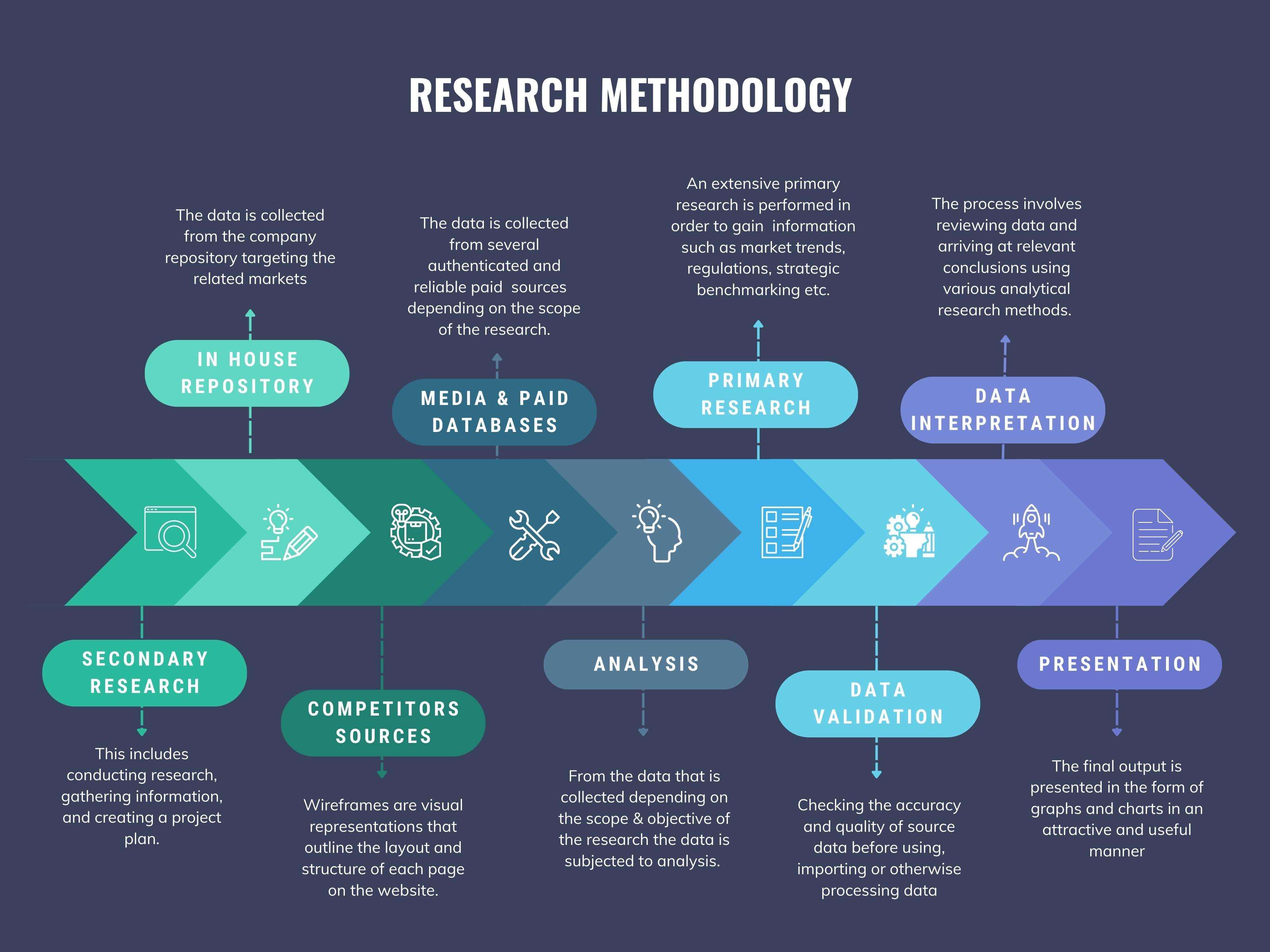
We at ‘Stratistics’ opt for an extensive research approach which involves data mining, data validation, and data analysis. The various research sources include in-house repository, secondary research, competitor’s sources, social media research, client internal data, and primary research.
Our team of analysts prefers the most reliable and authenticated data sources in order to perform the comprehensive literature search. With access to most of the authenticated data bases our team highly considers the best mix of information through various sources to obtain extensive and accurate analysis.
Each report takes an average time of a month and a team of 4 industry analysts. The time may vary depending on the scope and data availability of the desired market report. The various parameters used in the market assessment are standardized in order to enhance the data accuracy.
Data Mining
The data is collected from several authenticated, reliable, paid and unpaid sources and is filtered depending on the scope & objective of the research. Our reports repository acts as an added advantage in this procedure. Data gathering from the raw material suppliers, distributors and the manufacturers is performed on a regular basis, this helps in the comprehensive understanding of the products value chain. Apart from the above mentioned sources the data is also collected from the industry consultants to ensure the objective of the study is in the right direction.
Market trends such as technological advancements, regulatory affairs, market dynamics (Drivers, Restraints, Opportunities and Challenges) are obtained from scientific journals, market related national & international associations and organizations.
Data Analysis
From the data that is collected depending on the scope & objective of the research the data is subjected for the analysis. The critical steps that we follow for the data analysis include:
- Product Lifecycle Analysis
- Competitor analysis
- Risk analysis
- Porters Analysis
- PESTEL Analysis
- SWOT Analysis
The data engineering is performed by the core industry experts considering both the Marketing Mix Modeling and the Demand Forecasting. The marketing mix modeling makes use of multiple-regression techniques to predict the optimal mix of marketing variables. Regression factor is based on a number of variables and how they relate to an outcome such as sales or profits.
Data Validation
The data validation is performed by the exhaustive primary research from the expert interviews. This includes telephonic interviews, focus groups, face to face interviews, and questionnaires to validate our research from all aspects. The industry experts we approach come from the leading firms, involved in the supply chain ranging from the suppliers, distributors to the manufacturers and consumers so as to ensure an unbiased analysis.
We are in touch with more than 15,000 industry experts with the right mix of consultants, CEO's, presidents, vice presidents, managers, experts from both supply side and demand side, executives and so on.
The data validation involves the primary research from the industry experts belonging to:
- Leading Companies
- Suppliers & Distributors
- Manufacturers
- Consumers
- Industry/Strategic Consultants
Apart from the data validation the primary research also helps in performing the fill gap research, i.e. providing solutions for the unmet needs of the research which helps in enhancing the reports quality.
For more details about research methodology, kindly write to us at info@strategymrc.com
Frequently Asked Questions
In case of any queries regarding this report, you can contact the customer service by filing the “Inquiry Before Buy” form available on the right hand side. You may also contact us through email: info@strategymrc.com or phone: +1-301-202-5929
Yes, the samples are available for all the published reports. You can request them by filling the “Request Sample” option available in this page.
Yes, you can request a sample with your specific requirements. All the customized samples will be provided as per the requirement with the real data masked.
All our reports are available in Digital PDF format. In case if you require them in any other formats, such as PPT, Excel etc you can submit a request through “Inquiry Before Buy” form available on the right hand side. You may also contact us through email: info@strategymrc.com or phone: +1-301-202-5929
We offer a free 15% customization with every purchase. This requirement can be fulfilled for both pre and post sale. You may send your customization requirements through email at info@strategymrc.com or call us on +1-301-202-5929.
We have 3 different licensing options available in electronic format.
- Single User Licence: Allows one person, typically the buyer, to have access to the ordered product. The ordered product cannot be distributed to anyone else.
- 2-5 User Licence: Allows the ordered product to be shared among a maximum of 5 people within your organisation.
- Corporate License: Allows the product to be shared among all employees of your organisation regardless of their geographical location.
All our reports are typically be emailed to you as an attachment.
To order any available report you need to register on our website. The payment can be made either through CCAvenue or PayPal payments gateways which accept all international cards.
We extend our support to 6 months post sale. A post sale customization is also provided to cover your unmet needs in the report.
Request Customization
We offer complimentary customization of up to 15% with every purchase. To share your customization requirements, feel free to email us at info@strategymrc.com or call us on +1-301-202-5929. .
Please Note: Customization within the 15% threshold is entirely free of charge. If your request exceeds this limit, we will conduct a feasibility assessment. Following that, a detailed quote and timeline will be provided.
WHY CHOOSE US ?

Assured Quality
Best in class reports with high standard of research integrity

24X7 Research Support
Continuous support to ensure the best customer experience.

Free Customization
Adding more values to your product of interest.

Safe & Secure Access
Providing a secured environment for all online transactions.

Trusted by 600+ Brands
Serving the most reputed brands across the world.