
Online Thrifting Market
Online Thrifting Market Forecasts to 2032 – Global Analysis By Product Type (Clothing, Accessories, Footwear, Bags and Other Product Types), Platform Type (Online Thrift Platforms, Online Marketplaces and Social Media Platforms), User Type, End User and By Geography

According to Stratistics MRC, the Global Online Thrifting Market is accounted for $19.08 billion in 2025 and is expected to reach $46.59 billion by 2032 growing at a CAGR of 13.6% during the forecast period. Online thrifting refers to the digital buying and selling of secondhand clothing and accessories through web platforms or apps. It enables consumers to access affordable, sustainable fashion while extending product life cycles and reducing waste. Marketplaces connect individual sellers, thrift stores, and brands with buyers seeking unique, vintage, or discounted apparel. Online thrifting appeals to environmentally conscious consumers and budget shoppers, fostering a circular economy in the fashion industry.
According to Capital One Shopping Research, approximately 93% of Americans utilize online platforms for purchasing secondhand products. The research also shows that in 2023, the U.S. secondhand market generated an estimated $53 billion in revenue.
Market Dynamics:
Driver:
Growth in sustainable consumerism and Gen Z adoption
The primary market driver is the accelerating consumer shift towards sustainable fashion, fundamentally altering purchasing paradigms. Gen Z, as digital natives, are early adopters who champion circular economy principles, viewing thrifting as an ethical alternative to wasteful fast fashion. Their propensity for unique self-expression through vintage items, combined with the ubiquity of social media platforms that normalize and celebrate secondhand shopping, creates powerful demand-side growth. This demographic's values are seamlessly aligned with the core value proposition of online thrifting, making them a critical and enduring consumer base that actively fuels market expansion through advocacy and spending.
Restraint:
Inconsistent inventory quality and sizing
Unlike uniform new goods, secondhand items are singular, making accurate digital representation challenging. This inconsistency elevates perceived purchase risk, potentially leading to higher return rates and customer dissatisfaction. Moreover, managing and grading a vast, non-uniform inventory requires sophisticated logistics and expertise, increasing operational overhead for platforms. Overcoming this restraint is crucial for building consumer trust and achieving scalability in a market where product heterogeneity is a defining characteristic.
Opportunity:
Integration with influencer and social commerce
Influencers provide authentic storytelling and product validation, effectively curating selections for their vast followings and demystifying the thrifting process. Platforms can leverage this by facilitating seamless shopping experiences directly within social media apps, utilizing shoppable posts and live-streamed thrift hauls. This strategy taps into community-driven discovery and impulse purchasing, acquiring new customers at a lower cost. Additionally, it transforms the act of thrifting from a utilitarian task into an engaging, socially connected retail entertainment experience.
Threat:
Competition from fast fashion and discount retailers
The market faces a potent threat from fast fashion and discount retailers who are rapidly co-opting sustainability narratives. These established players possess significant advantages in supply chain speed, marketing budgets, and consistent sizing, allowing them to offer new, ultra-low-price goods that mimic vintage styles. Their embrace of clothing recycling programs, while often superficial, can create consumer confusion and dilute the unique value proposition of genuine thrift. Furthermore, their immense digital advertising power can overshadow smaller thrift platforms, threatening customer acquisition and retention in an increasingly crowded and competitive online retail landscape.
Covid-19 Impact:
The COVID-19 pandemic acted as a significant catalyst for the online thrifting market. Physical store closures forced a rapid consumer shift to e-commerce, introducing a new demographic to digital secondhand platforms. Heightened hygiene concerns initially posed a challenge, but enhanced sanitation protocols mitigated these apprehensions. Moreover, economic uncertainties increased demand for value-driven shopping, while lockdowns provided consumers more time to engage with online resale platforms. This period accelerated the adoption of online thrifting by an estimated three to five years, permanently altering consumer behavior and solidifying its position as a mainstream retail channel.
The clothing segment is expected to be the largest during the forecast period
The clothing segment is expected to account for the largest market share during the forecast period due to its fundamental position as a high-frequency consumption category within the thrifting ecosystem. It encompasses a vast and continuous inflow of product, from everyday wear to high-end vintage and designer pieces, ensuring a diverse and replenishable inventory that appeal to a broad audience. The segment benefits from high turnover rates and the universal need for apparel, making it the core offering of most platforms. Additionally, clothing is a primary vector for self-expression and fashion experimentation, driving consistent and repeat engagement from consumers seeking unique, affordable, and sustainable wardrobe options.
The Generation Z segment is expected to have the highest CAGR during the forecast period
Over the forecast period, the Generation Z segment is predicted to witness the highest growth rate, as they are the demographic cohort most intrinsically aligned with the values of online thrifting. Their digital nativity makes them adept at navigating resale platforms, while their strong advocacy for sustainability overshadows the stigma historically associated with secondhand goods. Moreover, they prioritize individuality and experiential spending over brand-new ownership, viewing thrifting as a form of curation and self-expression. This group's increasing purchasing power and influence on market trends will drive exponential growth, making them the most critical and dynamic consumer segment for future expansion.
Region with largest share:
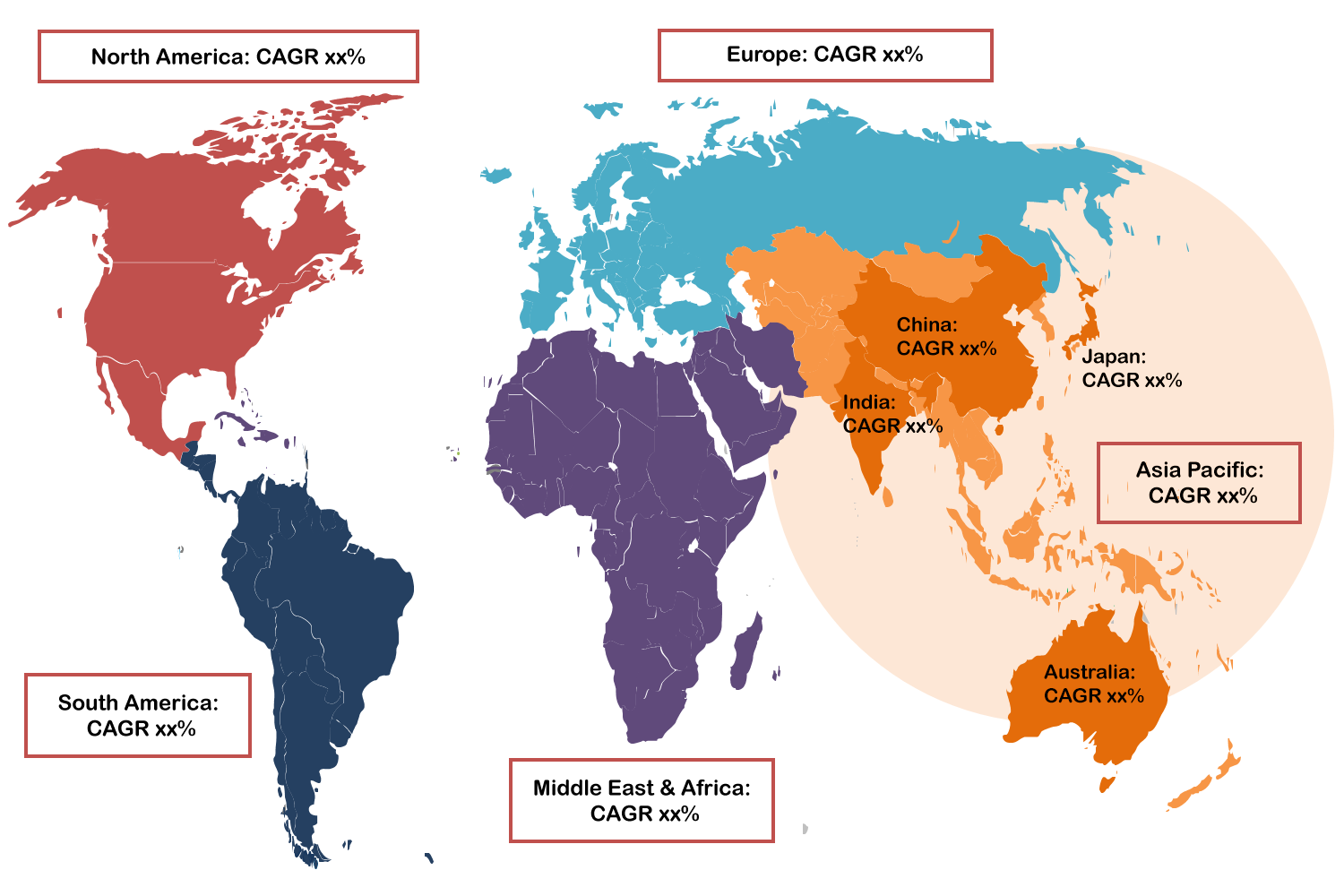
During the forecast period, the North America region is expected to hold the largest market share. This dominance is attributed to well-established marketplaces like ThredUp and The RealReal, which have cultivated widespread consumer trust and brand recognition. The region exhibits high e-commerce penetration and a mature logistics infrastructure, enabling seamless consignment and delivery. A strong cultural emphasis on sustainability and a robust fashion resale culture further drive adoption. Additionally, high disposable incomes allow for frequent purchases of both affordable secondhand items and luxury consignment, solidifying North America's position as the revenue leader in the global online thrifting market.
Region with highest CAGR:
Over the forecast period, the Asia Pacific region is anticipated to exhibit the highest CAGR. This explosive growth is fueled by rapid digitalization, a massive and growing youth population, and the proliferation of mobile commerce. Increasing urbanization and environmental awareness are shifting consumer attitudes towards circular fashion. The market is being propelled by local platform innovation, such as social-first resale apps and live streaming thrift events, which resonate deeply with regional shopping preferences. Moreover, a growing middle class seeking value and brand diversity presents a vast, untapped opportunity, positioning APAC as the fastest-growing thrifting market globally.
Key players in the market
Some of the key players in Online Thrifting Market include Poshmark, ThredUp, The RealReal, Depop, Vinted, Vestiaire Collective, eBay, Mercari, Rebag, Fashionphile, Beyond Retro, Grailed, Swap.com, and Tradesy.
Key Developments:
In January 2025, Poshmark announced collaboration with Klarna to enable shoppers to list past Klarna purchases on Poshmark, facilitating seamless resale opportunities.
In April 2024, ThredUp introduced a program where customers can earn Goldie shopping credit by sending in gently-worn items, promoting sustainable fashion practices.
Product Types Covered:
• Clothing
• Accessories
• Footwear
• Bags
• Other Product Types
Platform Types:
• Online Thrift Platforms
• Online Marketplaces
• Social Media Platforms
User Types Covered:
• Individual Sellers
• Small Businesses/Thrift Stores
• Large Resellers
End Users Covered:
• Generation Z
• Millennials
• Other Age Groups
Regions Covered:
• North America
o US
o Canada
o Mexico
• Europe
o Germany
o UK
o Italy
o France
o Spain
o Rest of Europe
• Asia Pacific
o Japan
o China
o India
o Australia
o New Zealand
o South Korea
o Rest of Asia Pacific
• South America
o Argentina
o Brazil
o Chile
o Rest of South America
• Middle East & Africa
o Saudi Arabia
o UAE
o Qatar
o South Africa
o Rest of Middle East & Africa
What our report offers:
- Market share assessments for the regional and country-level segments
- Strategic recommendations for the new entrants
- Covers Market data for the years 2024, 2025, 2026, 2028, and 2032
- Market Trends (Drivers, Constraints, Opportunities, Threats, Challenges, Investment Opportunities, and recommendations)
- Strategic recommendations in key business segments based on the market estimations
- Competitive landscaping mapping the key common trends
- Company profiling with detailed strategies, financials, and recent developments
- Supply chain trends mapping the latest technological advancements
Free Customization Offerings:
All the customers of this report will be entitled to receive one of the following free customization options:
• Company Profiling
o Comprehensive profiling of additional market players (up to 3)
o SWOT Analysis of key players (up to 3)
• Regional Segmentation
o Market estimations, Forecasts and CAGR of any prominent country as per the client's interest (Note: Depends on feasibility check)
• Competitive Benchmarking
o Benchmarking of key players based on product portfolio, geographical presence, and strategic alliances
Table of Contents
1 Executive Summary
2 Preface
2.1 Abstract
2.2 Stake Holders
2.3 Research Scope
2.4 Research Methodology
2.4.1 Data Mining
2.4.2 Data Analysis
2.4.3 Data Validation
2.4.4 Research Approach
2.5 Research Sources
2.5.1 Primary Research Sources
2.5.2 Secondary Research Sources
2.5.3 Assumptions
3 Market Trend Analysis
3.1 Introduction
3.2 Drivers
3.3 Restraints
3.4 Opportunities
3.5 Threats
3.6 Product Analysis
3.7 End User Analysis
3.8 Emerging Markets
3.9 Impact of Covid-19
4 Porters Five Force Analysis
4.1 Bargaining power of suppliers
4.2 Bargaining power of buyers
4.3 Threat of substitutes
4.4 Threat of new entrants
4.5 Competitive rivalry
5 Global Online Thrifting Market, By Product Type
5.1 Introduction
5.2 Clothing
5.3 Accessories
5.4 Footwear
5.5 Bags
5.6 Other Product Types
6 Global Online Thrifting Market, By Platform Type
6.1 Introduction
6.2 Online Thrift Platforms
6.3 Online Marketplaces
6.4 Social Media Platforms
7 Global Online Thrifting Market, By User Type
7.1 Introduction
7.2 Individual Sellers
7.3 Small Businesses/Thrift Stores
7.4 Large Resellers
8 Global Online Thrifting Market, By End User
8.1 Introduction
8.2 Generation Z
8.3 Millennials
8.4 Other Age Groups
9 Global Online Thrifting Market, By Geography
9.1 Introduction
9.2 North America
9.2.1 US
9.2.2 Canada
9.2.3 Mexico
9.3 Europe
9.3.1 Germany
9.3.2 UK
9.3.3 Italy
9.3.4 France
9.3.5 Spain
9.3.6 Rest of Europe
9.4 Asia Pacific
9.4.1 Japan
9.4.2 China
9.4.3 India
9.4.4 Australia
9.4.5 New Zealand
9.4.6 South Korea
9.4.7 Rest of Asia Pacific
9.5 South America
9.5.1 Argentina
9.5.2 Brazil
9.5.3 Chile
9.5.4 Rest of South America
9.6 Middle East & Africa
9.6.1 Saudi Arabia
9.6.2 UAE
9.6.3 Qatar
9.6.4 South Africa
9.6.5 Rest of Middle East & Africa
10 Key Developments
10.1 Agreements, Partnerships, Collaborations and Joint Ventures
10.2 Acquisitions & Mergers
10.3 New Product Launch
10.4 Expansions
10.5 Other Key Strategies
11 Company Profiling
11.1 Poshmark
11.2 ThredUp
11.3 The RealReal
11.4 Depop
11.5 Vinted
11.6 Vestiaire Collective
11.7 eBay
11.8 Mercari
11.9 Rebag
11.10 Fashionphile
11.11 Beyond Retro
11.12 Grailed
11.13 Swap.com
11.14 Tradesy
List of Tables
1 Global Online Thrifting Market Outlook, By Region (2024-2032) ($MN)
2 Global Online Thrifting Market Outlook, By Product Type (2024-2032) ($MN)
3 Global Online Thrifting Market Outlook, By Clothing (2024-2032) ($MN)
4 Global Online Thrifting Market Outlook, By Accessories (2024-2032) ($MN)
5 Global Online Thrifting Market Outlook, By Footwear (2024-2032) ($MN)
6 Global Online Thrifting Market Outlook, By Bags (2024-2032) ($MN)
7 Global Online Thrifting Market Outlook, By Other Product Types (2024-2032) ($MN)
8 Global Online Thrifting Market Outlook, By Platform Type (2024-2032) ($MN)
9 Global Online Thrifting Market Outlook, By Online Thrift Platforms (2024-2032) ($MN)
10 Global Online Thrifting Market Outlook, By Online Marketplaces (2024-2032) ($MN)
11 Global Online Thrifting Market Outlook, By Social Media Platforms (2024-2032) ($MN)
12 Global Online Thrifting Market Outlook, By User Type (2024-2032) ($MN)
13 Global Online Thrifting Market Outlook, By Individual Sellers (2024-2032) ($MN)
14 Global Online Thrifting Market Outlook, By Small Businesses/Thrift Stores (2024-2032) ($MN)
15 Global Online Thrifting Market Outlook, By Large Resellers (2024-2032) ($MN)
16 Global Online Thrifting Market Outlook, By End User (2024-2032) ($MN)
17 Global Online Thrifting Market Outlook, By Generation Z (2024-2032) ($MN)
18 Global Online Thrifting Market Outlook, By Millennials (2024-2032) ($MN)
19 Global Online Thrifting Market Outlook, By Other Age Groups (2024-2032) ($MN)
Note: Tables for North America, Europe, APAC, South America, and Middle East & Africa Regions are also represented in the same manner as above.
List of Figures
RESEARCH METHODOLOGY

We at ‘Stratistics’ opt for an extensive research approach which involves data mining, data validation, and data analysis. The various research sources include in-house repository, secondary research, competitor’s sources, social media research, client internal data, and primary research.
Our team of analysts prefers the most reliable and authenticated data sources in order to perform the comprehensive literature search. With access to most of the authenticated data bases our team highly considers the best mix of information through various sources to obtain extensive and accurate analysis.
Each report takes an average time of a month and a team of 4 industry analysts. The time may vary depending on the scope and data availability of the desired market report. The various parameters used in the market assessment are standardized in order to enhance the data accuracy.
Data Mining
The data is collected from several authenticated, reliable, paid and unpaid sources and is filtered depending on the scope & objective of the research. Our reports repository acts as an added advantage in this procedure. Data gathering from the raw material suppliers, distributors and the manufacturers is performed on a regular basis, this helps in the comprehensive understanding of the products value chain. Apart from the above mentioned sources the data is also collected from the industry consultants to ensure the objective of the study is in the right direction.
Market trends such as technological advancements, regulatory affairs, market dynamics (Drivers, Restraints, Opportunities and Challenges) are obtained from scientific journals, market related national & international associations and organizations.
Data Analysis
From the data that is collected depending on the scope & objective of the research the data is subjected for the analysis. The critical steps that we follow for the data analysis include:
- Product Lifecycle Analysis
- Competitor analysis
- Risk analysis
- Porters Analysis
- PESTEL Analysis
- SWOT Analysis
The data engineering is performed by the core industry experts considering both the Marketing Mix Modeling and the Demand Forecasting. The marketing mix modeling makes use of multiple-regression techniques to predict the optimal mix of marketing variables. Regression factor is based on a number of variables and how they relate to an outcome such as sales or profits.
Data Validation
The data validation is performed by the exhaustive primary research from the expert interviews. This includes telephonic interviews, focus groups, face to face interviews, and questionnaires to validate our research from all aspects. The industry experts we approach come from the leading firms, involved in the supply chain ranging from the suppliers, distributors to the manufacturers and consumers so as to ensure an unbiased analysis.
We are in touch with more than 15,000 industry experts with the right mix of consultants, CEO's, presidents, vice presidents, managers, experts from both supply side and demand side, executives and so on.
The data validation involves the primary research from the industry experts belonging to:
- Leading Companies
- Suppliers & Distributors
- Manufacturers
- Consumers
- Industry/Strategic Consultants
Apart from the data validation the primary research also helps in performing the fill gap research, i.e. providing solutions for the unmet needs of the research which helps in enhancing the reports quality.
For more details about research methodology, kindly write to us at info@strategymrc.com
Frequently Asked Questions
In case of any queries regarding this report, you can contact the customer service by filing the “Inquiry Before Buy” form available on the right hand side. You may also contact us through email: info@strategymrc.com or phone: +1-301-202-5929
Yes, the samples are available for all the published reports. You can request them by filling the “Request Sample” option available in this page.
Yes, you can request a sample with your specific requirements. All the customized samples will be provided as per the requirement with the real data masked.
All our reports are available in Digital PDF format. In case if you require them in any other formats, such as PPT, Excel etc you can submit a request through “Inquiry Before Buy” form available on the right hand side. You may also contact us through email: info@strategymrc.com or phone: +1-301-202-5929
We offer a free 15% customization with every purchase. This requirement can be fulfilled for both pre and post sale. You may send your customization requirements through email at info@strategymrc.com or call us on +1-301-202-5929.
We have 3 different licensing options available in electronic format.
- Single User Licence: Allows one person, typically the buyer, to have access to the ordered product. The ordered product cannot be distributed to anyone else.
- 2-5 User Licence: Allows the ordered product to be shared among a maximum of 5 people within your organisation.
- Corporate License: Allows the product to be shared among all employees of your organisation regardless of their geographical location.
All our reports are typically be emailed to you as an attachment.
To order any available report you need to register on our website. The payment can be made either through CCAvenue or PayPal payments gateways which accept all international cards.
We extend our support to 6 months post sale. A post sale customization is also provided to cover your unmet needs in the report.
Request Customization
We offer complimentary customization of up to 15% with every purchase. To share your customization requirements, feel free to email us at info@strategymrc.com or call us on +1-301-202-5929. .
Please Note: Customization within the 15% threshold is entirely free of charge. If your request exceeds this limit, we will conduct a feasibility assessment. Following that, a detailed quote and timeline will be provided.
WHY CHOOSE US ?

Assured Quality
Best in class reports with high standard of research integrity

24X7 Research Support
Continuous support to ensure the best customer experience.

Free Customization
Adding more values to your product of interest.

Safe & Secure Access
Providing a secured environment for all online transactions.

Trusted by 600+ Brands
Serving the most reputed brands across the world.
