
Plant Breeding And Crispr Plants Market
Plant Breeding and CRISPR Plants Market Forecasts to 2032 – Global Analysis By Trait (Herbicide Tolerance, Stress Tolerance, Disease Resistance, Drought Resistance, Yield Improvement, Nutritional Enhancement, Grain Size Enhancement, and Temperature Tolerance), Crop Type, Breeding Method, Technology, End User and By Geography

According to Stratistics MRC, the Global Plant Breeding and CRISPR Plants Market is accounted for $18.76 billion in 2025 and is expected to reach $58.01 billion by 2032 growing at a CAGR of 17.5% during the forecast period. Plant breeding and CRISPR technology focus on enhancing crops with better yield, resilience, and adaptability to environmental conditions. Conventional breeding depends on selective crossing, whereas CRISPR-Cas9 offers accurate genetic editing by modifying chosen DNA regions. By combining these approaches, crop development becomes faster, reduces chemical inputs, and strengthens food security. This innovation fosters sustainable agriculture, helping meet growing nutritional needs while tackling challenges of pests, diseases, and climate change.
According to a NASA study published in Nature Food, maize production could decline by 24% as early as 2030 under high greenhouse gas emissions.
Market Dynamics:
Driver:
Rising global demand for high-yield and nutritious crops
Global food systems are under mounting pressure as populations grow, prompting a surge in demand for crops that deliver both high productivity and improved nutrition. Agricultural stakeholders are increasingly turning to resilient crop varieties that can withstand environmental stressors and pests. Advanced breeding tools like CRISPR are accelerating the development of such traits, enabling more precise and efficient crop improvement. These technologies shorten breeding timelines and enhance genetic accuracy, making them attractive for large-scale deployment. Consumer interest in healthier food options is also fueling momentum for nutrient-rich crop varieties. As food security becomes a top priority, investment in next-gen plant genetics is gaining traction worldwide.
Restraint:
Limited awareness and adoption among small-scale farmers
Many farmers lack access to reliable information, training, and extension services that could demystify advanced genetic technologies. This knowledge gap is compounded by low digital literacy, language barriers, and scepticism toward biotech innovations. Additionally, the perceived complexity and cost of CRISPR-based solutions deter uptake, especially in regions where traditional farming practices dominate. Without targeted outreach, inclusive policy frameworks, and localized demonstration projects, the transformative potential of CRISPR in enhancing crop resilience and productivity remains underutilized.
Opportunity:
Rising demand for biofortified crops
Biofortified crops are gaining global attention as a strategic solution to combat micronutrient deficiencies and improve public health. CRISPR enables precise enhancement of nutritional content in staple foods, such as boosting iron, zinc, and vitamin levels. These innovations are being integrated into food aid programs, school meals, and health-focused agricultural policies. Advances in metabolic engineering are making it easier to enrich crops without compromising yield or taste. As awareness of “hidden hunger” grows, biofortification is emerging as a key pillar of sustainable nutrition strategies. The alignment of biotech innovation with health outcomes is opening new growth opportunities in this space.
Threat:
Stringent global regulations and approval delays
The regulatory landscape for gene-edited crops remains fragmented, creating uncertainty for developers and slowing market entry. Approval processes are often lengthy and inconsistent, especially across international borders. Public concerns and ethical debates around genetic technologies continue to influence policy decisions. In many regions, the absence of harmonized standards complicates commercialization and trade. These regulatory bottlenecks increase costs and delay innovation, particularly for smaller biotech firms. Without clearer and more efficient approval pathways, the pace of global adoption may be significantly hindered.
Covid-19 Impact
The pandemic disrupted agricultural research and supply chains, delaying trials and regulatory reviews for CRISPR-based crops. Restrictions on movement and in-person training limited farmers’ exposure to new technologies, especially in developing regions. At the same time, the crisis underscored the need for resilient crops that can stabilize food systems under stress. Remote collaboration tools and digital agronomy platforms helped sustain research and outreach efforts. Demand for nutrient-dense, shelf-stable crops rose as food insecurity became more widespread.
The herbicide tolerance segment is expected to be the largest during the forecast period
The herbicide tolerance segment is expected to account for the largest market share during the forecast period, due to their widespread use in commercial agriculture. These varieties simplify weed control, reduce labor demands, and enhance overall productivity. CRISPR is improving the precision of herbicide resistance traits, minimizing unintended effects and environmental risks. Farmers are increasingly adopting these crops to streamline operations and boost profitability. Innovations such as multi-resistance traits and integration with smart spraying systems are gaining traction. The economic and operational advantages of herbicide tolerance make it a leading trait in modern crop development.
The biotech firms segment is expected to have the highest CAGR during the forecast period
Over the forecast period, the biotech firms segment is predicted to witness the highest growth rate, driven by their ability to rapidly innovate and deploy advanced gene-editing solutions. These firms are at the forefront of developing complex traits through genome mapping and synthetic biology. Collaborations with academic institutions and agribusiness leaders are accelerating product development and market access. Strong investment flows and favourable intellectual property environments are supporting expansion. Biotech players are also leading efforts to engage regulators and educate the public on CRISPR safety. Their agility and technical expertise position them for sustained growth in a competitive landscape.
Region with largest share:
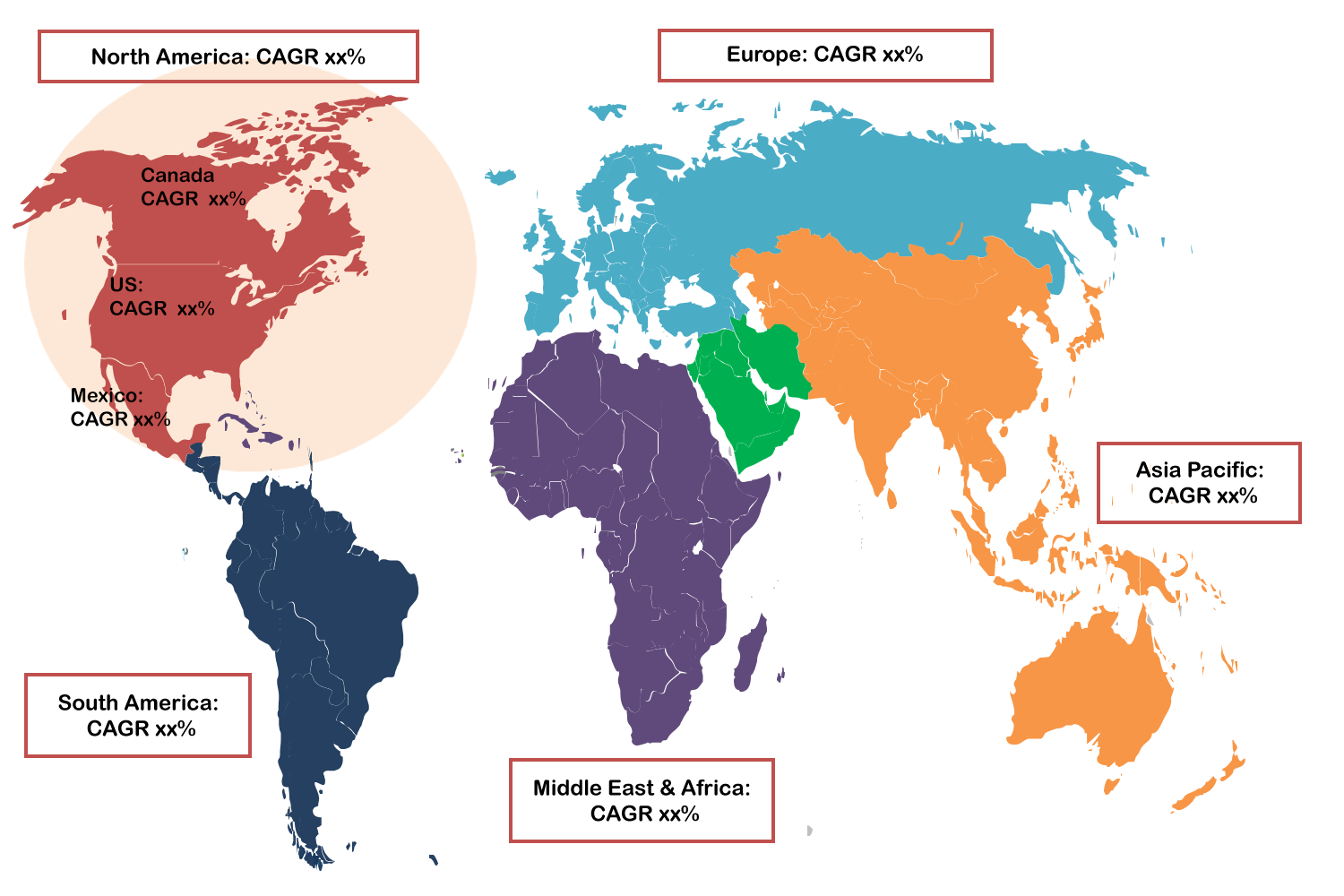
During the forecast period, the Asia Pacific region is expected to hold the largest market share fuelled by rising food demand and government support for agricultural biotechnology. Major economies like China and India are investing heavily in CRISPR research and crop modernization. The region’s diverse agricultural needs are driving adoption of gene-edited varieties across grains, vegetables, and pulses. Public-private partnerships and policy reforms are helping accelerate deployment. Localization of breeding programs and farmer outreach in native languages are improving engagement.
Region with highest CAGR:
Over the forecast period, the North America region is anticipated to exhibit the highest CAGR, owing to its strong research ecosystem and progressive regulatory stance. The region is home to leading biotech firms and universities driving agricultural innovation. CRISPR adoption is expanding across both commodity and specialty crops, supported by digital farming platforms. Trends like AI-powered trait selection and precision phenotyping are reshaping crop development. Partnerships with food companies and sports nutrition brands are boosting demand for enhanced varieties.
Key players in the market
Some of the key players profiled in the Plant Breeding and CRISPR Plants Market include Bayer CropScience, Tropic Biosciences, Corteva Agriscience, Pairwise, Syngenta Group, Inari Agriculture, BASF Agricultural Solutions, Benson Hill, KWS SAAT SE & Co. KGaA, Enko Chem, Limagrain, DLF Seeds, Rijk Zwaan, Takii & Co., Ltd., and Sakata Seed Corporation.
Key Developments:
In February 2025, KWS SAAT SE & Co. KGaA (Germany) introduced new combination varieties that combined the CONVISO SMART system with high Cercospora protection (CR+), solidifying its market position in the sugarbeet seed industry. These varieties were introduced in several European
markets, with further expansion planned.
In January 2025, Syngenta Vegetable Seeds, part of Syngenta Group (Switzerland) signed a global licensing partnership deal with Apricus Seeds (US), that gives Syngenta exclusive access to Apricus' melon, squash, and watermelon germplasm. This partnership enhanced Syngenta’s cucurbits portfolio.
Traits Covered:
• Herbicide Tolerance
• Stress Tolerance
• Disease Resistance
• Drought Resistance
• Yield Improvement
• Nutritional Enhancement
• Grain Size Enhancement
• Temperature Tolerance
Crop Types Covered:
• Cereals & Grains
• Oilseeds & Pulses
• Fruits & Vegetables
• Turf & Ornamentals
• Medicinal Crops
• Cash Crops
• Herbs & Microgreens
Breeding Methods Covered:
• Marker-Assisted Selection (MAS)
• Hybrid Breeding
• Genomic Selection
• Speed Breeding
• Molecular Breeding
Technologies Covered:
• Conventional Breeding
• Biotechnological Methods
• CRISPR-Cas Systems
• Genetic Engineering
• Other Technologies
End Users Covered:
• Commercial Agriculture
• Biotech Firms
• Research Institutions
• Seed Companies
• Other End Users
Regions Covered:
• North America
o US
o Canada
o Mexico
• Europe
o Germany
o UK
o Italy
o France
o Spain
o Rest of Europe
• Asia Pacific
o Japan
o China
o India
o Australia
o New Zealand
o South Korea
o Rest of Asia Pacific
• South America
o Argentina
o Brazil
o Chile
o Rest of South America
• Middle East & Africa
o Saudi Arabia
o UAE
o Qatar
o South Africa
o Rest of Middle East & Africa
What our report offers:
- Market share assessments for the regional and country-level segments
- Strategic recommendations for the new entrants
- Covers Market data for the years 2024, 2025, 2026, 2028, and 2032
- Market Trends (Drivers, Constraints, Opportunities, Threats, Challenges, Investment Opportunities, and recommendations)
- Strategic recommendations in key business segments based on the market estimations
- Competitive landscaping mapping the key common trends
- Company profiling with detailed strategies, financials, and recent developments
- Supply chain trends mapping the latest technological advancements
Free Customization Offerings:
All the customers of this report will be entitled to receive one of the following free customization options:
• Company Profiling
o Comprehensive profiling of additional market players (up to 3)
o SWOT Analysis of key players (up to 3)
• Regional Segmentation
o Market estimations, Forecasts and CAGR of any prominent country as per the client's interest (Note: Depends on feasibility check)
• Competitive Benchmarking
o Benchmarking of key players based on product portfolio, geographical presence, and strategic alliances
Table of Contents
1 Executive Summary
2 Preface
2.1 Abstract
2.2 Stake Holders
2.3 Research Scope
2.4 Research Methodology
2.4.1 Data Mining
2.4.2 Data Analysis
2.4.3 Data Validation
2.4.4 Research Approach
2.5 Research Sources
2.5.1 Primary Research Sources
2.5.2 Secondary Research Sources
2.5.3 Assumptions
3 Market Trend Analysis
3.1 Introduction
3.2 Drivers
3.3 Restraints
3.4 Opportunities
3.5 Threats
3.6 Technology Analysis
3.7 End User Analysis
3.8 Emerging Markets
3.9 Impact of Covid-19
4 Porters Five Force Analysis
4.1 Bargaining power of suppliers
4.2 Bargaining power of buyers
4.3 Threat of substitutes
4.4 Threat of new entrants
4.5 Competitive rivalry
5 Global Plant Breeding and CRISPR Plants Market, By Trait
5.1 Introduction
5.2 Herbicide Tolerance
5.3 Stress Tolerance
5.4 Disease Resistance
5.5 Drought Resistance
5.6 Yield Improvement
5.7 Nutritional Enhancement
5.8 Grain Size Enhancement
5.9 Temperature Tolerance
6 Global Plant Breeding and CRISPR Plants Market, By Crop Type
6.1 Introduction
6.2 Cereals & Grains
6.2.1 Corn
6.2.2 Wheat
6.2.3 Rice
6.3 Oilseeds & Pulses
6.3.1 Soybean
6.3.2 Cotton
6.3.3 Canola
6.4 Fruits & Vegetables
6.5 Turf & Ornamentals
6.6 Medicinal Crops
6.7 Cash Crops
6.8 Herbs & Microgreens
7 Global Plant Breeding and CRISPR Plants Market, By Breeding Method
7.1 Introduction
7.2 Marker-Assisted Selection (MAS)
7.3 Hybrid Breeding
7.4 Genomic Selection
7.5 Speed Breeding
7.6 Molecular Breeding
8 Global Plant Breeding and CRISPR Plants Market, By Technology
8.1 Introduction
8.2 Conventional Breeding
8.3 Biotechnological Methods
8.4 CRISPR-Cas Systems
8.5 Genetic Engineering
8.6 Other Technologies
9 Global Plant Breeding and CRISPR Plants Market, By End User
9.1 Introduction
9.2 Commercial Agriculture
9.3 Biotech Firms
9.4 Research Institutions
9.5 Seed Companies
9.6 Other End Users
10 Global Plant Breeding and CRISPR Plants Market, By Geography
10.1 Introduction
10.2 North America
10.2.1 US
10.2.2 Canada
10.2.3 Mexico
10.3 Europe
10.3.1 Germany
10.3.2 UK
10.3.3 Italy
10.3.4 France
10.3.5 Spain
10.3.6 Rest of Europe
10.4 Asia Pacific
10.4.1 Japan
10.4.2 China
10.4.3 India
10.4.4 Australia
10.4.5 New Zealand
10.4.6 South Korea
10.4.7 Rest of Asia Pacific
10.5 South America
10.5.1 Argentina
10.5.2 Brazil
10.5.3 Chile
10.5.4 Rest of South America
10.6 Middle East & Africa
10.6.1 Saudi Arabia
10.6.2 UAE
10.6.3 Qatar
10.6.4 South Africa
10.6.5 Rest of Middle East & Africa
11 Key Developments
11.1 Agreements, Partnerships, Collaborations and Joint Ventures
11.2 Acquisitions & Mergers
11.3 New Product Launch
11.4 Expansions
11.5 Other Key Strategies
12 Company Profiling
12.1 Bayer CropScience
12.2 Tropic Biosciences
12.3 Corteva Agriscience
12.4 Pairwise
12.5 Syngenta Group
12.6 Inari Agriculture
12.7 BASF Agricultural Solutions
12.8 Benson Hill
12.9 KWS SAAT SE & Co. KGaA
12.10 Enko Chem
12.11 Limagrain
12.12 DLF Seeds
12.13 Rijk Zwaan
12.14 Takii & Co., Ltd.
12.15 Sakata Seed Corporation
List of Tables
1 Global Plant Breeding and CRISPR Plants Market Outlook, By Region (2024-2032) ($MN)
2 Global Plant Breeding and CRISPR Plants Market Outlook, By Trait (2024-2032) ($MN)
3 Global Plant Breeding and CRISPR Plants Market Outlook, By Herbicide Tolerance (2024-2032) ($MN)
4 Global Plant Breeding and CRISPR Plants Market Outlook, By Stress Tolerance (2024-2032) ($MN)
5 Global Plant Breeding and CRISPR Plants Market Outlook, By Disease Resistance (2024-2032) ($MN)
6 Global Plant Breeding and CRISPR Plants Market Outlook, By Drought Resistance (2024-2032) ($MN)
7 Global Plant Breeding and CRISPR Plants Market Outlook, By Yield Improvement (2024-2032) ($MN)
8 Global Plant Breeding and CRISPR Plants Market Outlook, By Nutritional Enhancement (2024-2032) ($MN)
9 Global Plant Breeding and CRISPR Plants Market Outlook, By Grain Size Enhancement (2024-2032) ($MN)
10 Global Plant Breeding and CRISPR Plants Market Outlook, By Temperature Tolerance (2024-2032) ($MN)
11 Global Plant Breeding and CRISPR Plants Market Outlook, By Crop Type (2024-2032) ($MN)
12 Global Plant Breeding and CRISPR Plants Market Outlook, By Cereals & Grains (2024-2032) ($MN)
13 Global Plant Breeding and CRISPR Plants Market Outlook, By Corn (2024-2032) ($MN)
14 Global Plant Breeding and CRISPR Plants Market Outlook, By Wheat (2024-2032) ($MN)
15 Global Plant Breeding and CRISPR Plants Market Outlook, By Rice (2024-2032) ($MN)
16 Global Plant Breeding and CRISPR Plants Market Outlook, By Oilseeds & Pulses (2024-2032) ($MN)
17 Global Plant Breeding and CRISPR Plants Market Outlook, By Soybean (2024-2032) ($MN)
18 Global Plant Breeding and CRISPR Plants Market Outlook, By Cotton (2024-2032) ($MN)
19 Global Plant Breeding and CRISPR Plants Market Outlook, By Canola (2024-2032) ($MN)
20 Global Plant Breeding and CRISPR Plants Market Outlook, By Fruits & Vegetables (2024-2032) ($MN)
21 Global Plant Breeding and CRISPR Plants Market Outlook, By Turf & Ornamentals (2024-2032) ($MN)
22 Global Plant Breeding and CRISPR Plants Market Outlook, By Medicinal Crops (2024-2032) ($MN)
23 Global Plant Breeding and CRISPR Plants Market Outlook, By Cash Crops (2024-2032) ($MN)
24 Global Plant Breeding and CRISPR Plants Market Outlook, By Herbs & Microgreens (2024-2032) ($MN)
25 Global Plant Breeding and CRISPR Plants Market Outlook, By Breeding Method (2024-2032) ($MN)
26 Global Plant Breeding and CRISPR Plants Market Outlook, By Marker-Assisted Selection (MAS) (2024-2032) ($MN)
27 Global Plant Breeding and CRISPR Plants Market Outlook, By Hybrid Breeding (2024-2032) ($MN)
28 Global Plant Breeding and CRISPR Plants Market Outlook, By Genomic Selection (2024-2032) ($MN)
29 Global Plant Breeding and CRISPR Plants Market Outlook, By Speed Breeding (2024-2032) ($MN)
30 Global Plant Breeding and CRISPR Plants Market Outlook, By Molecular Breeding (2024-2032) ($MN)
31 Global Plant Breeding and CRISPR Plants Market Outlook, By Technology (2024-2032) ($MN)
32 Global Plant Breeding and CRISPR Plants Market Outlook, By Conventional Breeding (2024-2032) ($MN)
33 Global Plant Breeding and CRISPR Plants Market Outlook, By Biotechnological Methods (2024-2032) ($MN)
34 Global Plant Breeding and CRISPR Plants Market Outlook, By CRISPR-Cas Systems (2024-2032) ($MN)
35 Global Plant Breeding and CRISPR Plants Market Outlook, By Genetic Engineering (2024-2032) ($MN)
36 Global Plant Breeding and CRISPR Plants Market Outlook, By Other Technologies (2024-2032) ($MN)
37 Global Plant Breeding and CRISPR Plants Market Outlook, By End User (2024-2032) ($MN)
38 Global Plant Breeding and CRISPR Plants Market Outlook, By Commercial Agriculture (2024-2032) ($MN)
39 Global Plant Breeding and CRISPR Plants Market Outlook, By Biotech Firms (2024-2032) ($MN)
40 Global Plant Breeding and CRISPR Plants Market Outlook, By Research Institutions (2024-2032) ($MN)
41 Global Plant Breeding and CRISPR Plants Market Outlook, By Seed Companies (2024-2032) ($MN)
42 Global Plant Breeding and CRISPR Plants Market Outlook, By Other End Users (2024-2032) ($MN)
Note: Tables for North America, Europe, APAC, South America, and Middle East & Africa Regions are also represented in the same manner as above.
List of Figures
RESEARCH METHODOLOGY

We at ‘Stratistics’ opt for an extensive research approach which involves data mining, data validation, and data analysis. The various research sources include in-house repository, secondary research, competitor’s sources, social media research, client internal data, and primary research.
Our team of analysts prefers the most reliable and authenticated data sources in order to perform the comprehensive literature search. With access to most of the authenticated data bases our team highly considers the best mix of information through various sources to obtain extensive and accurate analysis.
Each report takes an average time of a month and a team of 4 industry analysts. The time may vary depending on the scope and data availability of the desired market report. The various parameters used in the market assessment are standardized in order to enhance the data accuracy.
Data Mining
The data is collected from several authenticated, reliable, paid and unpaid sources and is filtered depending on the scope & objective of the research. Our reports repository acts as an added advantage in this procedure. Data gathering from the raw material suppliers, distributors and the manufacturers is performed on a regular basis, this helps in the comprehensive understanding of the products value chain. Apart from the above mentioned sources the data is also collected from the industry consultants to ensure the objective of the study is in the right direction.
Market trends such as technological advancements, regulatory affairs, market dynamics (Drivers, Restraints, Opportunities and Challenges) are obtained from scientific journals, market related national & international associations and organizations.
Data Analysis
From the data that is collected depending on the scope & objective of the research the data is subjected for the analysis. The critical steps that we follow for the data analysis include:
- Product Lifecycle Analysis
- Competitor analysis
- Risk analysis
- Porters Analysis
- PESTEL Analysis
- SWOT Analysis
The data engineering is performed by the core industry experts considering both the Marketing Mix Modeling and the Demand Forecasting. The marketing mix modeling makes use of multiple-regression techniques to predict the optimal mix of marketing variables. Regression factor is based on a number of variables and how they relate to an outcome such as sales or profits.
Data Validation
The data validation is performed by the exhaustive primary research from the expert interviews. This includes telephonic interviews, focus groups, face to face interviews, and questionnaires to validate our research from all aspects. The industry experts we approach come from the leading firms, involved in the supply chain ranging from the suppliers, distributors to the manufacturers and consumers so as to ensure an unbiased analysis.
We are in touch with more than 15,000 industry experts with the right mix of consultants, CEO's, presidents, vice presidents, managers, experts from both supply side and demand side, executives and so on.
The data validation involves the primary research from the industry experts belonging to:
- Leading Companies
- Suppliers & Distributors
- Manufacturers
- Consumers
- Industry/Strategic Consultants
Apart from the data validation the primary research also helps in performing the fill gap research, i.e. providing solutions for the unmet needs of the research which helps in enhancing the reports quality.
For more details about research methodology, kindly write to us at info@strategymrc.com
Frequently Asked Questions
In case of any queries regarding this report, you can contact the customer service by filing the “Inquiry Before Buy” form available on the right hand side. You may also contact us through email: info@strategymrc.com or phone: +1-301-202-5929
Yes, the samples are available for all the published reports. You can request them by filling the “Request Sample” option available in this page.
Yes, you can request a sample with your specific requirements. All the customized samples will be provided as per the requirement with the real data masked.
All our reports are available in Digital PDF format. In case if you require them in any other formats, such as PPT, Excel etc you can submit a request through “Inquiry Before Buy” form available on the right hand side. You may also contact us through email: info@strategymrc.com or phone: +1-301-202-5929
We offer a free 15% customization with every purchase. This requirement can be fulfilled for both pre and post sale. You may send your customization requirements through email at info@strategymrc.com or call us on +1-301-202-5929.
We have 3 different licensing options available in electronic format.
- Single User Licence: Allows one person, typically the buyer, to have access to the ordered product. The ordered product cannot be distributed to anyone else.
- 2-5 User Licence: Allows the ordered product to be shared among a maximum of 5 people within your organisation.
- Corporate License: Allows the product to be shared among all employees of your organisation regardless of their geographical location.
All our reports are typically be emailed to you as an attachment.
To order any available report you need to register on our website. The payment can be made either through CCAvenue or PayPal payments gateways which accept all international cards.
We extend our support to 6 months post sale. A post sale customization is also provided to cover your unmet needs in the report.
Request Customization
We offer complimentary customization of up to 15% with every purchase. To share your customization requirements, feel free to email us at info@strategymrc.com or call us on +1-301-202-5929. .
Please Note: Customization within the 15% threshold is entirely free of charge. If your request exceeds this limit, we will conduct a feasibility assessment. Following that, a detailed quote and timeline will be provided.
WHY CHOOSE US ?

Assured Quality
Best in class reports with high standard of research integrity

24X7 Research Support
Continuous support to ensure the best customer experience.

Free Customization
Adding more values to your product of interest.

Safe & Secure Access
Providing a secured environment for all online transactions.

Trusted by 600+ Brands
Serving the most reputed brands across the world.
