
Rural And Suburban Shared Mobility Market
Rural and Sub-Urban Shared Mobility Market Forecasts to 2034 - Global Analysis By Transport Mode (Ride-hailing, Micro-mobility, Demand-responsive Transit, Carpooling & Vanpooling and Shared Autonomous Shuttles), User Demographics, Operator Type, Pricing Model, Service Type and By Geography

|
Years Covered |
2023-2034 |
|
Estimated Year Value (2026) |
US $32.00 BN |
|
Projected Year Value (2034) |
US $112.36 BN |
|
CAGR (2026-2034) |
17.0% |
|
Regions Covered |
North America, Europe, Asia Pacific, South America, and Rest of the World (RoW) |
|
Countries Covered |
United States, Canada, Mexico, United Kingdom, Germany, France, Italy, Spain, Netherlands, Belgium, Sweden, Switzerland, Poland, Rest of Europe, China, Japan, India, South Korea, Australia, Indonesia, Thailand, Malaysia, Singapore, Vietnam, Rest of Asia Pacific, Brazil, Argentina, Colombia, Chile, Peru, Rest of South America, Saudi Arabia, United Arab Emirates, Qatar, Israel, Rest of Middle East, South Africa, Egypt, Morocco, and Rest of Africa. |
|
Largest Market |
Asia Pacific |
|
Highest Growing Market |
North America |
According to Stratistics MRC, the Global Rural and Sub‑Urban Shared Mobility Market is accounted for $32.00 billion in 2026 and is expected to reach $112.36 billion by 2034 growing at a CAGR of 17.0% during the forecast period. Rural and sub-urban shared mobility encompasses collaborative transport services like pooled vehicles, app-based rides, and on-demand shuttles designed for areas outside major cities. With sparse transit networks and extended commuting distances, these regions benefit from adaptable and affordable mobility alternatives. Digital tools facilitate scheduling, passenger matching, and efficient routing, making transportation more reliable and convenient. Such systems decrease reliance on personal cars, promote environmental sustainability, and expand access to jobs, healthcare, and education. Backed by partnerships between governments and private operators, along with growing adoption of electric fleets, these solutions strengthen regional connectivity and close transportation accessibility gaps.
According to NITI Aayog & Rocky Mountain Institute (India, 2018) Shared mobility could reduce private vehicle demand by up to 35% by 2030 in India, cutting congestion and emissions. The report emphasizes that shared mobility is not just an urban phenomenon but can extend to peri‑urban and rural regions where affordability and accessibility are critical.
Market Dynamics:
Driver:
Growing transportation gaps in low-density areas
Limited transit networks in sparsely populated regions are accelerating demand for shared mobility services. Rural and sub-urban communities often struggle with inadequate bus frequency, absence of rail links, and extended distances to employment centers, healthcare facilities, and educational institutions. Flexible transport models such as pooled rides and on-demand shuttles address these shortcomings efficiently. They provide affordable alternatives to private car ownership while improving connectivity. Rising inter-town commuting patterns and economic activities increase the need for dependable transportation. Consequently, shared mobility is emerging as a viable approach to expand access and strengthen regional transport infrastructure sustainably.
Restraint:
Low population density and demand uncertainty
Dispersed settlements and inconsistent travel demand in rural and semi-urban locations hinder shared mobility development. Compared to cities with dense commuter traffic, these areas generate unpredictable passenger volumes, complicating financial planning and service optimization. Lower ridership levels and extended routes reduce fleet efficiency and increase per-trip costs. Variable commuting schedules make it difficult to maintain regular service frequency without incurring losses. Such economic uncertainty can deter investors and operators from entering these markets. Consequently, limited and unstable demand remains a critical barrier to scaling shared mobility services sustainably in sparsely populated regions.
Opportunity:
Expansion of demand-responsive transit models
Flexible transport systems that respond to real-time passenger requests present promising prospects in sparsely populated areas. Unlike traditional fixed schedules, adaptive transit models adjust routes and pickup points according to demand patterns. Digital platforms assist in optimizing trips and reducing unnecessary mileage. Such services can effectively cater to diverse user groups, including commuters, seniors, and students. Partnerships between governments and mobility providers can accelerate implementation. By enhancing efficiency and broadening access without excessive costs, demand-responsive solutions open new avenues for scalable and customer-focused mobility expansion in rural and sub-urban regions.
Threat:
Intense competition from informal and local transport operators
Strong competition from unorganized and locally entrenched transport services challenges the expansion of structured shared mobility platforms. Traditional taxi drivers, shared jeeps, and community-based operators often maintain long-standing relationships with residents and offer adaptable pricing structures. Their familiarity with regional travel patterns gives them a practical advantage. Operating outside strict regulatory frameworks may also lower their expenses, allowing cheaper fares. As a result, new digital mobility providers struggle to attract consistent users. Established trust and habitual reliance on local operators create entry barriers, potentially restricting revenue growth and long-term scalability in rural and sub-urban markets.
Covid-19 Impact:
The outbreak of COVID-19 had a profound effect on shared mobility services across rural and sub-urban areas. Movement restrictions, remote working trends, and suspension of schools and businesses led to a steep decline in passenger demand. Fear of virus transmission in pooled transport reduced user confidence and revenue streams for operators. Several companies experienced temporary service suspensions and financial challenges. Nevertheless, the crisis underscored the need for adaptable local transportation for essential workers and critical travel. During the recovery phase, enhanced sanitation measures, contactless booking systems, and revised operational frameworks helped restore trust and gradually stabilize the market.
The ride-hailing segment is expected to be the largest during the forecast period
The ride-hailing segment is expected to account for the largest market share during the forecast period because of its adaptable and user-friendly structure. It does not rely on extensive infrastructure like rail systems or specialized vehicles, enabling easier deployment across low-density areas. App-based platforms provide seamless booking and payment options, enhancing convenience for passengers. Drivers benefit from flexible participation models, supporting service availability. The segment effectively addresses longer commuting routes and fluctuating travel needs typical of non-urban regions. Strong consumer awareness and operational scalability further reinforce ride-hailing’s position as the most prominent shared mobility category in these markets.
The elderly & accessibility-focused users segment is expected to have the highest CAGR during the forecast period
Over the forecast period, the elderly & accessibility-focused users segment is predicted to witness the highest growth rate, driven by demographic shifts and greater focus on inclusive transport solutions. A significant share of residents in these regions is older adults who depend on dependable travel options for medical appointments and essential errands. Inadequate conventional transit services heighten the need for adaptable and accessible shared mobility offerings. Policy measures encouraging universal access and barrier-free transport further stimulate adoption. With tailored vehicle designs and improved service reliability, this user group is likely to witness accelerated expansion in the coming years.
Region with largest share:
During the forecast period, the Asia Pacific region is expected to hold the largest market share, supported by its large population and evolving transportation landscape. Numerous nations within the region have extensive non-urban communities that lack comprehensive public transit networks, encouraging reliance on adaptable shared mobility models. Growth in mobile internet access and digital payment systems enhances service accessibility. Public policies promoting connectivity and infrastructure upgrades further stimulate market development. Rising commuting flows between towns and cities, along with higher vehicle ownership costs, strengthen demand. Collectively, these factors position Asia-Pacific as the foremost regional contributor to market growth.

Region with highest CAGR:
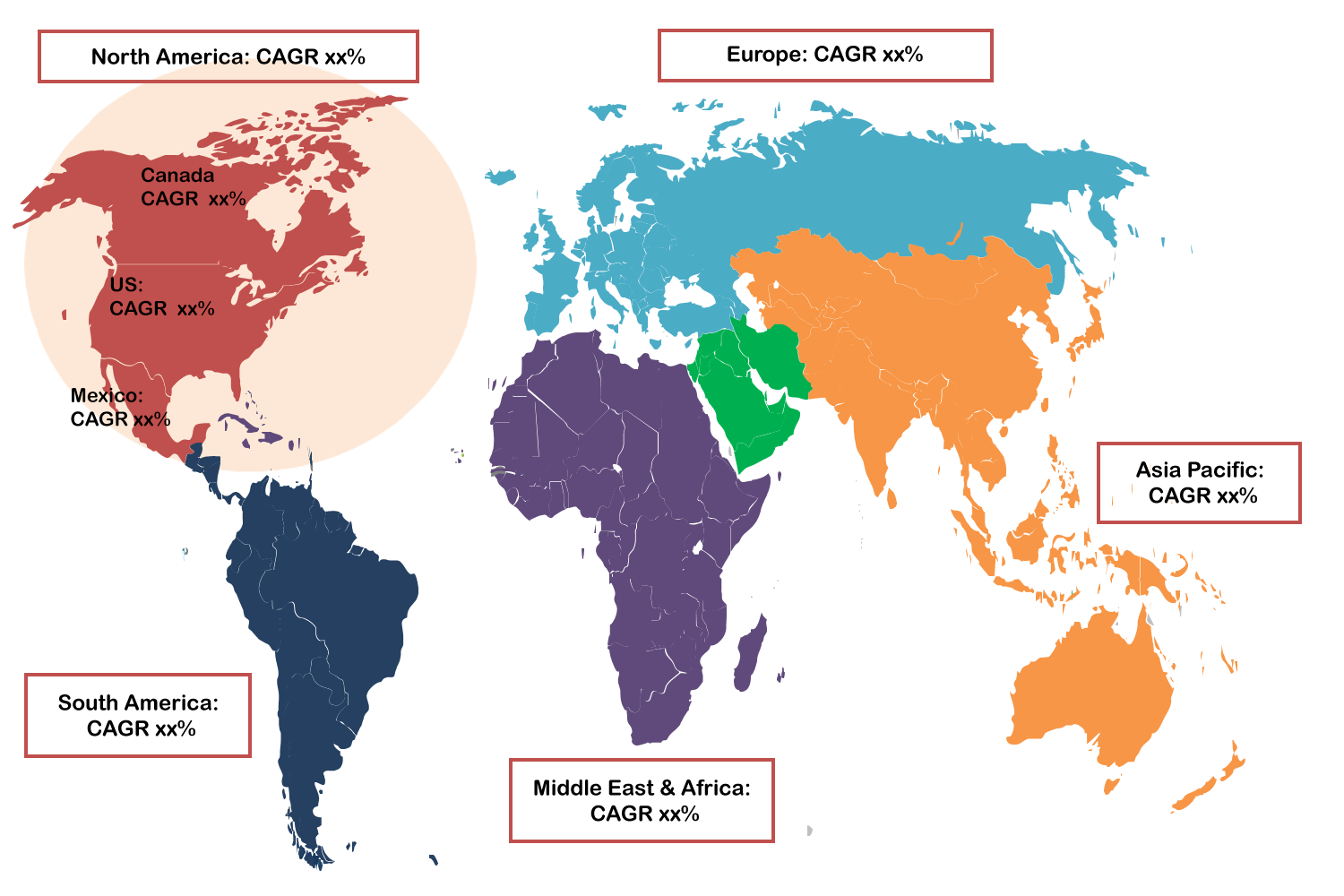
Over the forecast period, the North America region is anticipated to exhibit the highest CAGR, driven by expanding microtransit deployments and innovation in digital transport solutions. Suburbanization trends and the need for adaptable commuting alternatives encourage service uptake. Advanced technology integration improves reliability, scheduling accuracy, and user experience. Public sector support through grants and collaborative initiatives strengthens market development. Heightened focus on sustainability and reducing private vehicle dependence also fuels demand. With evolving mobility preferences and supportive infrastructure, the region is positioned for strong and sustained growth in shared transportation services.
Key players in the market
Some of the key players in Rural and Sub‑Urban Shared Mobility Market include BlaBlaCar, Liftango, Padam Mobility, Liberty Mobility, Moovmo, Ring a Link, Agilauto Partage, Vallibús Connecta't, RezoPouce, RideSharing/Rural Rides, Kisio, IZI Connect, Hi-Reach Project Partners, MAMBA Project Operators, MELINDA Initiative, Castilla y Leon DRT, AREP Mobility Station and FlixBus Rural.
Key Developments:
In January 2025, BlaBlaCar has completed the acquisition of Obilet, a leading Turkish bus transportation service. The company's press office shared the news with AIN. The acquisition of Obilet is part of BlaBlaCar's strategy to create the world's leading platform for sustainable ground transportation. The company already combines car and bus ridesharing, and is also collaborating with rail companies Renfe and Iryo to integrate rail transportation.
In November 2023, Liftango and May Mobility have announced a partnership to create new demand-responsive transportation through AV micro-transit. The two companies will collaborate on demand-responsive scheduling and routing optimisation for autonomous fleets as part of the partnership, which will see vehicles equipped with May Mobility’s autonomous driving technology provided through Liftango’s technology platform.
Transport Modes Covered:
• Ride-hailing
• Micro-mobility
• Demand-responsive Transit
• Carpooling & Vanpooling
• Shared Autonomous Shuttles
User Demographics Covered:
• Commuters
• Students
• Elderly & Accessibility-focused Users
• Tourists & Seasonal Demand
Operator Types Covered:
• Public-private Partnerships
• Community Cooperatives
• Commercial Operators
Pricing Models Covered:
• Subscription
• Pay-per-use
Service Types Covered:
• First/last-mile Connectivity
• Regional Feeder Services
• Intra-community Mobility
• Seasonal/Tourism-focused Services
Regions Covered:
• North America
o United States
o Canada
o Mexico
• Europe
o United Kingdom
o Germany
o France
o Italy
o Spain
o Netherlands
o Belgium
o Sweden
o Switzerland
o Poland
o Rest of Europe
• Asia Pacific
o China
o Japan
o India
o South Korea
o Australia
o Indonesia
o Thailand
o Malaysia
o Singapore
o Vietnam
o Rest of Asia Pacific
• South America
o Brazil
o Argentina
o Colombia
o Chile
o Peru
o Rest of South America
• Rest of the World (RoW)
o Middle East
§ Saudi Arabia
§ United Arab Emirates
§ Qatar
§ Israel
§ Rest of Middle East
o Africa
§ South Africa
§ Egypt
§ Morocco
§ Rest of Africa
What our report offers:
- Market share assessments for the regional and country-level segments
- Strategic recommendations for the new entrants
- Covers Market data for the years 2023, 2024, 2025, 2026, 2027, 2028, 2030, 2032 and 2034
- Market Trends (Drivers, Constraints, Opportunities, Threats, Challenges, Investment Opportunities, and recommendations)
- Strategic recommendations in key business segments based on the market estimations
- Competitive landscaping mapping the key common trends
- Company profiling with detailed strategies, financials, and recent developments
- Supply chain trends mapping the latest technological advancements
Free Customization Offerings:
All the customers of this report will be entitled to receive one of the following free customization options:
• Company Profiling
o Comprehensive profiling of additional market players (up to 3)
o SWOT Analysis of key players (up to 3)
• Regional Segmentation
o Market estimations, Forecasts and CAGR of any prominent country as per the client's interest (Note: Depends on feasibility check)
• Competitive Benchmarking
o Benchmarking of key players based on product portfolio, geographical presence, and strategic alliances
Table of Contents
1 Executive Summary
1.1 Market Snapshot and Key Highlights
1.2 Growth Drivers, Challenges, and Opportunities
1.3 Competitive Landscape Overview
1.4 Strategic Insights and Recommendations
2 Research Framework
2.1 Study Objectives and Scope
2.2 Stakeholder Analysis
2.3 Research Assumptions and Limitations
2.4 Research Methodology
2.4.1 Data Collection (Primary and Secondary)
2.4.2 Data Modeling and Estimation Techniques
2.4.3 Data Validation and Triangulation
2.4.4 Analytical and Forecasting Approach
3 Market Dynamics and Trend Analysis
3.1 Market Definition and Structure
3.2 Key Market Drivers
3.3 Market Restraints and Challenges
3.4 Growth Opportunities and Investment Hotspots
3.5 Industry Threats and Risk Assessment
3.6 Technology and Innovation Landscape
3.7 Emerging and High-Growth Markets
3.8 Regulatory and Policy Environment
3.9 Impact of COVID-19 and Recovery Outlook
4 Competitive and Strategic Assessment
4.1 Porter's Five Forces Analysis
4.1.1 Supplier Bargaining Power
4.1.2 Buyer Bargaining Power
4.1.3 Threat of Substitutes
4.1.4 Threat of New Entrants
4.1.5 Competitive Rivalry
4.2 Market Share Analysis of Key Players
4.3 Product Benchmarking and Performance Comparison
5 Global Rural and Sub‑Urban Shared Mobility Market, By Transport Mode
5.1 Ride-hailing
5.2 Micro-mobility
5.3 Demand-responsive Transit
5.4 Carpooling & Vanpooling
5.5 Shared Autonomous Shuttles
6 Global Rural and Sub‑Urban Shared Mobility Market, By User Demographics
6.1 Commuters
6.2 Students
6.3 Elderly & Accessibility-focused Users
6.4 Tourists & Seasonal Demand
7 Global Rural and Sub‑Urban Shared Mobility Market, By Operator Type
7.1 Public-private Partnerships
7.2 Community Cooperatives
7.3 Commercial Operators
8 Global Rural and Sub‑Urban Shared Mobility Market, By Pricing Model
8.1 Subscription
8.2 Pay-per-use
9 Global Rural and Sub‑Urban Shared Mobility Market, By Service Type
9.1 First/last-mile Connectivity
9.2 Regional Feeder Services
9.3 Intra-community Mobility
9.4 Seasonal/Tourism-focused Services
10 Global Rural and Sub‑Urban Shared Mobility Market, By Geography
10.1 North America
10.1.1 United States
10.1.2 Canada
10.1.3 Mexico
10.2 Europe
10.2.1 United Kingdom
10.2.2 Germany
10.2.3 France
10.2.4 Italy
10.2.5 Spain
10.2.6 Netherlands
10.2.7 Belgium
10.2.8 Sweden
10.2.9 Switzerland
10.2.10 Poland
10.2.11 Rest of Europe
10.3 Asia Pacific
10.3.1 China
10.3.2 Japan
10.3.3 India
10.3.4 South Korea
10.3.5 Australia
10.3.6 Indonesia
10.3.7 Thailand
10.3.8 Malaysia
10.3.9 Singapore
10.3.10 Vietnam
10.3.11 Rest of Asia Pacific
10.4 South America
10.4.1 Brazil
10.4.2 Argentina
10.4.3 Colombia
10.4.4 Chile
10.4.5 Peru
10.4.6 Rest of South America
10.5 Rest of the World (RoW)
10.5.1 Middle East
10.5.1.1 Saudi Arabia
10.5.1.2 United Arab Emirates
10.5.1.3 Qatar
10.5.1.4 Israel
10.5.1.5 Rest of Middle East
10.5.2 Africa
10.5.2.1 South Africa
10.5.2.2 Egypt
10.5.2.3 Morocco
10.5.2.4 Rest of Africa
11 Strategic Market Intelligence
11.1 Industry Value Network and Supply Chain Assessment
11.2 White-Space and Opportunity Mapping
11.3 Product Evolution and Market Life Cycle Analysis
11.4 Channel, Distributor, and Go-to-Market Assessment
12 Industry Developments and Strategic Initiatives
12.1 Mergers and Acquisitions
12.2 Partnerships, Alliances, and Joint Ventures
12.3 New Product Launches and Certifications
12.4 Capacity Expansion and Investments
12.5 Other Strategic Initiatives
13 Company Profiles
13.1 BlaBlaCar
13.2 Liftango
13.3 Padam Mobility
13.4 Liberty Mobility
13.5 Moovmo
13.6 Ring a Link
13.7 Agilauto Partage
13.8 Vallibús Connecta't
13.9 RezoPouce
13.10 RideSharing/Rural Rides
13.11 Kisio
13.12 IZI Connect
13.13 Hi-Reach Project Partners
13.14 MAMBA Project Operators
13.15 MELINDA Initiative
13.16 Castilla y Leon DRT
13.17 AREP Mobility Station
13.18 FlixBus Rural
List of Tables
1 Global Rural and Sub‑Urban Shared Mobility Market Outlook, By Region (2023-2034) ($MN)
2 Global Rural and Sub‑Urban Shared Mobility Market Outlook, By Transport Mode (2023-2034) ($MN)
3 Global Rural and Sub‑Urban Shared Mobility Market Outlook, By Ride-hailing (2023-2034) ($MN)
4 Global Rural and Sub‑Urban Shared Mobility Market Outlook, By Micro-mobility (2023-2034) ($MN)
5 Global Rural and Sub‑Urban Shared Mobility Market Outlook, By Demand-responsive Transit (2023-2034) ($MN)
6 Global Rural and Sub‑Urban Shared Mobility Market Outlook, By Carpooling & Vanpooling (2023-2034) ($MN)
7 Global Rural and Sub‑Urban Shared Mobility Market Outlook, By Shared Autonomous Shuttles (2023-2034) ($MN)
8 Global Rural and Sub‑Urban Shared Mobility Market Outlook, By User Demographics (2023-2034) ($MN)
9 Global Rural and Sub‑Urban Shared Mobility Market Outlook, By Commuters (2023-2034) ($MN)
10 Global Rural and Sub‑Urban Shared Mobility Market Outlook, By Students (2023-2034) ($MN)
11 Global Rural and Sub‑Urban Shared Mobility Market Outlook, By Elderly & Accessibility-focused Users (2023-2034) ($MN)
12 Global Rural and Sub‑Urban Shared Mobility Market Outlook, By Tourists & Seasonal Demand (2023-2034) ($MN)
13 Global Rural and Sub‑Urban Shared Mobility Market Outlook, By Operator Type (2023-2034) ($MN)
14 Global Rural and Sub‑Urban Shared Mobility Market Outlook, By Public-private Partnerships (2023-2034) ($MN)
15 Global Rural and Sub‑Urban Shared Mobility Market Outlook, By Community Cooperatives (2023-2034) ($MN)
16 Global Rural and Sub‑Urban Shared Mobility Market Outlook, By Commercial Operators (2023-2034) ($MN)
17 Global Rural and Sub‑Urban Shared Mobility Market Outlook, By Pricing Model (2023-2034) ($MN)
18 Global Rural and Sub‑Urban Shared Mobility Market Outlook, By Subscription (2023-2034) ($MN)
19 Global Rural and Sub‑Urban Shared Mobility Market Outlook, By Pay-per-use (2023-2034) ($MN)
20 Global Rural and Sub‑Urban Shared Mobility Market Outlook, By Service Type (2023-2034) ($MN)
21 Global Rural and Sub‑Urban Shared Mobility Market Outlook, By First/last-mile Connectivity (2023-2034) ($MN)
22 Global Rural and Sub‑Urban Shared Mobility Market Outlook, By Regional Feeder Services (2023-2034) ($MN)
23 Global Rural and Sub‑Urban Shared Mobility Market Outlook, By Intra-community Mobility (2023-2034) ($MN)
24 Global Rural and Sub‑Urban Shared Mobility Market Outlook, By Seasonal/Tourism-focused Services (2023-2034) ($MN)
Note: Tables for North America, Europe, APAC, South America, and Rest of the World (RoW) Regions are also represented in the same manner as above.
List of Figures
RESEARCH METHODOLOGY

We at ‘Stratistics’ opt for an extensive research approach which involves data mining, data validation, and data analysis. The various research sources include in-house repository, secondary research, competitor’s sources, social media research, client internal data, and primary research.
Our team of analysts prefers the most reliable and authenticated data sources in order to perform the comprehensive literature search. With access to most of the authenticated data bases our team highly considers the best mix of information through various sources to obtain extensive and accurate analysis.
Each report takes an average time of a month and a team of 4 industry analysts. The time may vary depending on the scope and data availability of the desired market report. The various parameters used in the market assessment are standardized in order to enhance the data accuracy.
Data Mining
The data is collected from several authenticated, reliable, paid and unpaid sources and is filtered depending on the scope & objective of the research. Our reports repository acts as an added advantage in this procedure. Data gathering from the raw material suppliers, distributors and the manufacturers is performed on a regular basis, this helps in the comprehensive understanding of the products value chain. Apart from the above mentioned sources the data is also collected from the industry consultants to ensure the objective of the study is in the right direction.
Market trends such as technological advancements, regulatory affairs, market dynamics (Drivers, Restraints, Opportunities and Challenges) are obtained from scientific journals, market related national & international associations and organizations.
Data Analysis
From the data that is collected depending on the scope & objective of the research the data is subjected for the analysis. The critical steps that we follow for the data analysis include:
- Product Lifecycle Analysis
- Competitor analysis
- Risk analysis
- Porters Analysis
- PESTEL Analysis
- SWOT Analysis
The data engineering is performed by the core industry experts considering both the Marketing Mix Modeling and the Demand Forecasting. The marketing mix modeling makes use of multiple-regression techniques to predict the optimal mix of marketing variables. Regression factor is based on a number of variables and how they relate to an outcome such as sales or profits.
Data Validation
The data validation is performed by the exhaustive primary research from the expert interviews. This includes telephonic interviews, focus groups, face to face interviews, and questionnaires to validate our research from all aspects. The industry experts we approach come from the leading firms, involved in the supply chain ranging from the suppliers, distributors to the manufacturers and consumers so as to ensure an unbiased analysis.
We are in touch with more than 15,000 industry experts with the right mix of consultants, CEO's, presidents, vice presidents, managers, experts from both supply side and demand side, executives and so on.
The data validation involves the primary research from the industry experts belonging to:
- Leading Companies
- Suppliers & Distributors
- Manufacturers
- Consumers
- Industry/Strategic Consultants
Apart from the data validation the primary research also helps in performing the fill gap research, i.e. providing solutions for the unmet needs of the research which helps in enhancing the reports quality.
For more details about research methodology, kindly write to us at info@strategymrc.com
Frequently Asked Questions
In case of any queries regarding this report, you can contact the customer service by filing the “Inquiry Before Buy” form available on the right hand side. You may also contact us through email: info@strategymrc.com or phone: +1-301-202-5929
Yes, the samples are available for all the published reports. You can request them by filling the “Request Sample” option available in this page.
Yes, you can request a sample with your specific requirements. All the customized samples will be provided as per the requirement with the real data masked.
All our reports are available in Digital PDF format. In case if you require them in any other formats, such as PPT, Excel etc you can submit a request through “Inquiry Before Buy” form available on the right hand side. You may also contact us through email: info@strategymrc.com or phone: +1-301-202-5929
We offer a free 15% customization with every purchase. This requirement can be fulfilled for both pre and post sale. You may send your customization requirements through email at info@strategymrc.com or call us on +1-301-202-5929.
We have 3 different licensing options available in electronic format.
- Single User Licence: Allows one person, typically the buyer, to have access to the ordered product. The ordered product cannot be distributed to anyone else.
- 2-5 User Licence: Allows the ordered product to be shared among a maximum of 5 people within your organisation.
- Corporate License: Allows the product to be shared among all employees of your organisation regardless of their geographical location.
All our reports are typically be emailed to you as an attachment.
To order any available report you need to register on our website. The payment can be made either through CCAvenue or PayPal payments gateways which accept all international cards.
We extend our support to 6 months post sale. A post sale customization is also provided to cover your unmet needs in the report.
Request Customization
We offer complimentary customization of up to 15% with every purchase. To share your customization requirements, feel free to email us at info@strategymrc.com or call us on +1-301-202-5929. .
Please Note: Customization within the 15% threshold is entirely free of charge. If your request exceeds this limit, we will conduct a feasibility assessment. Following that, a detailed quote and timeline will be provided.
WHY CHOOSE US ?

Assured Quality
Best in class reports with high standard of research integrity

24X7 Research Support
Continuous support to ensure the best customer experience.

Free Customization
Adding more values to your product of interest.

Safe & Secure Access
Providing a secured environment for all online transactions.

Trusted by 600+ Brands
Serving the most reputed brands across the world.
