
Smart Home Security Market
Smart Home Security Market Forecasts to 2034 – Analysis By Product (Smart Alarms, Smart Cameras and Monitoring Systems, Smart Locks and Sensors, and Smart Detectors), Connectivity, Application, and By Geography

According to Stratistics MRC, the Global Smart Home Security Market is accounted for $45.9 billion in 2026 and is expected to reach $105.0 billion by 2034 growing at a CAGR of 10.9% during the forecast period. Smart home security refers to interconnected devices and systems that protect homes through monitoring, detection, and alerting capabilities, including smart alarms, cameras and monitoring systems, smart locks and sensors, and smart detectors. These products utilize Wi-Fi, Bluetooth, Zigbee, Z-Wave, and cellular connectivity technologies to enable remote monitoring and control. The market serves independent homes, apartments, and condominiums. Growing urbanization, increasing concerns about home safety, rising adoption of smart home technology, and expanding internet connectivity are key drivers of market expansion across all regions.
Market Dynamics:
Driver:
Increasing concerns about home safety and security
The growing awareness of home security risks and rising concern about property protection are primary drivers for the smart home security market. Homeowners are increasingly investing in security systems to protect families and property from burglary, intrusion, and environmental hazards including fire and carbon monoxide. The ability to monitor homes remotely through smartphone apps provides peace of mind. Rising urbanization and density in cities may increase security concerns. As awareness of security solutions grows and technology becomes more accessible, demand for smart home security products expands across all homeowner segments, supporting sustained market growth.
Restraint:
High installation and subscription costs
The significant costs associated with smart home security system installation, equipment, and ongoing monitoring subscriptions represent a major restraint for the market. Professional installation adds significant upfront cost. Monthly monitoring fees for professional security services can be substantial. Consumers may opt for lower-cost alternatives or self-monitoring. Price sensitivity among homeowners may limit adoption. These cost barriers may constrain market growth, particularly among budget-conscious consumers and in rental properties where owner investment may be limited.
Opportunity:
Integration with AI and smart home ecosystems
The growing adoption of artificial intelligence and integration with broader smart home ecosystems presents significant opportunities for smart home security market expansion. AI-powered cameras enable intelligent motion detection, facial recognition, and behavioral analysis, reducing false alarms and enhancing security. Integration with voice assistants and smart displays enables convenient control. AI-based analytics can distinguish between people, animals, vehicles, and other objects. As AI capabilities advance and smart home adoption grows, security systems with integrated intelligence capture growing market share, enabling enhanced security and convenience.
Threat:
Data privacy and security concerns
Growing concerns about data privacy and cybersecurity vulnerabilities associated with smart home security devices pose significant threats to market growth. Smart cameras and sensors collect video footage and personal data, creating privacy implications. Cybersecurity breaches may expose sensitive information. Regulatory compliance for data protection adds operational burden. Consumer trust in security product security is essential. These concerns may slow adoption and affect consumer confidence.
Covid-19 Impact:
The COVID-19 pandemic accelerated smart home security adoption as homeowners spent more time at home and prioritized safety and convenience. Remote work increased awareness of home environments and security needs. E-commerce sales of smart home devices increased dramatically. DIY security systems gained popularity during lockdowns. Post-pandemic, sustained remote work and interest in home improvement have supported continued adoption, with smart home security becoming standard in many homes.
The Smart Alarms segment is expected to be the largest during the forecast period
The Smart Alarms segment is expected to account for the largest market share during the forecast period, driven by their essential role in home security systems and broad consumer adoption across all housing types. Smart alarms include motion sensors, door and window sensors, smart sirens, and smart alert systems that detect intrusions and environmental hazards. The segment benefits from established consumer awareness, affordable entry points, and integration with broader security systems. Smart alarms are often the first security investment for homeowners. As home security adoption continues growing, smart alarms maintain the largest product segment share.
The Zigbee segment is expected to have the highest CAGR during the forecast period
Over the forecast period, the Zigbee segment is predicted to witness the highest growth rate, fueled by its low power consumption, mesh networking capabilities, and widespread adoption in smart home ecosystems. Zigbee provides reliable, low-power connectivity for security sensors and devices, enabling extended battery life and robust communication. The segment benefits from increasing adoption in smart home devices and growing consumer awareness of Zigbee-enabled ecosystems. As smart home standardization progresses, Zigbee delivers the fastest connectivity segment growth.
Region with largest share:
During the forecast period, the North America region is expected to hold the largest market share, supported by high home ownership rates, strong consumer spending on home improvement, and early adoption of smart home technology. The United States leads regional growth with substantial consumer investment in home security. High awareness of security solutions and established retail and e-commerce infrastructure support product accessibility. Strong presence of security brands and technology companies drives innovation. With high adoption and market maturity, North America maintains its dominant market position.
Region with highest CAGR:
Over the forecast period, the Asia-Pacific region is anticipated to exhibit the highest CAGR, driven by rapid urbanization, rising disposable incomes, and increasing adoption of smart home technology across China, India, and Southeast Asia. The region's large and growing urban population creates substantial demand for home security solutions. Rising middle-class consumers are investing in smart home technology. E-commerce expansion is increasing product accessibility. As urbanization and technology adoption accelerate, Asia Pacific delivers the fastest smart home security market growth globally.
Key players in the market
Some of the key players in Smart Home Security Market include ADT Inc., Resideo Technologies, Inc., Alarm.com Incorporated, Vivint Smart Home, Inc., SimpliSafe, Inc., Ring LLC, Arlo Technologies, Inc., Google LLC, Amazon.com, Inc., Johnson Controls International plc, Honeywell International Inc., ASSA ABLOY AB, Hangzhou Hikvision Digital Technology Co., Ltd., Hangzhou Dahua Technology Co., Ltd., Robert Bosch GmbH, and Schneider Electric SE.
Key Developments:
In June 2026, Alarm.com launched a premium indoor security camera equipped with an automated physical privacy shutter, on-device AI event filtering, and full-color night vision.
In May 2026, ADT launched ADT Blu, a modular, contract-free DIY smart home security system integrating self-installation with optional 24/7 professional monitoring and AI video capabilities managed via the ADT+ app.
In April 2026, Vivint released the Outdoor Camera Pro (Gen 3), integrating dual radar and computer vision AI to enhance intruder detection and reduce false alarms around the home perimeter.
In February 2026, Resideo announced strategic plans to separate its Products & Solutions and ADI Global Distribution businesses into two independent public companies while rolling out its First Alert SC5 connected smoke and carbon monoxide detectors.
Products Covered:
• Smart Alarms
• Smart Cameras and Monitoring Systems
• Smart Locks and Sensors
• Smart Detectors
Connectivity Types Covered:
• Wi-Fi
• Bluetooth
• Zigbee
• Z-Wave
• Cellular
• Other Connectivity Technologies
Applications Covered:
• Independent Homes
• Apartments
• Condominiums
Regions Covered:
• North America
o United States
o Canada
o Mexico
• Europe
o United Kingdom
o Germany
o France
o Italy
o Spain
o Netherlands
o Belgium
o Sweden
o Switzerland
o Poland
o Rest of Europe
• Asia Pacific
o China
o Japan
o India
o South Korea
o Australia
o Indonesia
o Thailand
o Malaysia
o Singapore
o Vietnam
o Rest of Asia Pacific
• South America
o Brazil
o Argentina
o Colombia
o Chile
o Peru
o Rest of South America
• Rest of the World (RoW)
o Middle East
§ Saudi Arabia
§ United Arab Emirates
§ Qatar
§ Israel
§ Rest of Middle East
o Africa
§ South Africa
§ Egypt
§ Morocco
§ Rest of Africa
What our report offers:
- Market share assessments for the regional and country-level segments
- Strategic recommendations for the new entrants
- Covers Market data for the years 2023, 2024, 2025, 2026, 2027, 2028, 2030, 2032 and 2034
- Market Trends (Drivers, Constraints, Opportunities, Threats, Challenges, Investment Opportunities, and recommendations)
- Strategic recommendations in key business segments based on the market estimations
- Competitive landscaping mapping the key common trends
- Company profiling with detailed strategies, financials, and recent developments
- Supply chain trends mapping the latest technological advancements
Free Customization Offerings:
All the customers of this report will be entitled to receive one of the following free customization options:
• Company Profiling
o Comprehensive profiling of additional market players (up to 3)
o SWOT Analysis of key players (up to 3)
• Regional Segmentation
o Market estimations, Forecasts and CAGR of any prominent country as per the client's interest (Note: Depends on feasibility check)
• Competitive Benchmarking
o Benchmarking of key players based on product portfolio, geographical presence, and strategic alliances
Table of Contents
1 Executive Summary
1.1 Market Snapshot and Key Highlights
1.2 Growth Drivers, Challenges, and Opportunities
1.3 Competitive Landscape Overview
1.4 Strategic Insights and Recommendations
2 Research Framework
2.1 Study Objectives and Scope
2.2 Stakeholder Analysis
2.3 Research Assumptions and Limitations
2.4 Research Methodology
2.4.1 Data Collection (Primary and Secondary)
2.4.2 Data Modeling and Estimation Techniques
2.4.3 Data Validation and Triangulation
2.4.4 Analytical and Forecasting Approach
3 Market Dynamics and Trend Analysis
3.1 Market Definition and Structure
3.2 Key Market Drivers
3.3 Market Restraints and Challenges
3.4 Growth Opportunities and Investment Hotspots
3.5 Industry Threats and Risk Assessment
3.6 Technology and Innovation Landscape
3.7 Emerging and High-Growth Markets
3.8 Regulatory and Policy Environment
3.9 Impact of COVID-19 and Recovery Outlook
4 Competitive and Strategic Assessment
4.1 Porter's Five Forces Analysis
4.1.1 Supplier Bargaining Power
4.1.2 Buyer Bargaining Power
4.1.3 Threat of Substitutes
4.1.4 Threat of New Entrants
4.1.5 Competitive Rivalry
4.2 Market Share Analysis of Key Players
4.3 Product Benchmarking and Performance Comparison
5 Global Smart Home Security Market, By Product
5.1 Smart Alarms
5.1.1 Motion Sensors
5.1.2 Door and Window Sensors
5.1.3 Smart Sirens
5.1.4 Smart Alert Systems
5.2 Smart Cameras and Monitoring Systems
5.2.1 Indoor Security Cameras
5.2.2 Outdoor Security Cameras
5.2.3 Video Doorbells
5.2.4 Smart Surveillance Systems
5.3 Smart Locks and Sensors
5.3.1 Smart Deadbolts
5.3.2 Keyless Entry Systems
5.3.3 Smart Door Sensors
5.3.4 Smart Padlocks
5.4 Smart Detectors
5.4.1 Smoke Detectors
5.4.2 Carbon Monoxide Detectors
5.4.3 Water Leak Detectors
5.4.4 Glass Break Sensors
6 Global Smart Home Security Market, By Connectivity
6.1 Wi-Fi
6.2 Bluetooth
6.3 Zigbee
6.4 Z-Wave
6.5 Cellular
6.6 Other Connectivity Technologies
7 Global Smart Home Security Market, By Application
7.1 Independent Homes
7.2 Apartments
7.3 Condominiums
8 Global Smart Home Security Market, By Geography
8.1 North America
8.1.1 United States
8.1.2 Canada
8.1.3 Mexico
8.2 Europe
8.2.1 United Kingdom
8.2.2 Germany
8.2.3 France
8.2.4 Italy
8.2.5 Spain
8.2.6 Netherlands
8.2.7 Belgium
8.2.8 Sweden
8.2.9 Switzerland
8.2.10 Poland
8.2.11 Rest of Europe
8.3 Asia Pacific
8.3.1 China
8.3.2 Japan
8.3.3 India
8.3.4 South Korea
8.3.5 Australia
8.3.6 Indonesia
8.3.7 Thailand
8.3.8 Malaysia
8.3.9 Singapore
8.3.10 Vietnam
8.3.11 Rest of Asia Pacific
8.4 South America
8.4.1 Brazil
8.4.2 Argentina
8.4.3 Colombia
8.4.4 Chile
8.4.5 Peru
8.4.6 Rest of South America
8.5 Rest of the World (RoW)
8.5.1 Middle East
8.5.1.1 Saudi Arabia
8.5.1.2 United Arab Emirates
8.5.1.3 Qatar
8.5.1.4 Israel
8.5.1.5 Rest of Middle East
8.5.2 Africa
8.5.2.1 South Africa
8.5.2.2 Egypt
8.5.2.3 Morocco
8.5.2.4 Rest of Africa
9 Strategic Market Intelligence
9.1 Industry Value Network and Supply Chain Assessment
9.2 White-Space and Opportunity Mapping
9.3 Product Evolution and Market Life Cycle Analysis
9.4 Channel, Distributor, and Go-to-Market Assessment
10 Industry Developments and Strategic Initiatives
10.1 Mergers and Acquisitions
10.2 Partnerships, Alliances, and Joint Ventures
10.3 New Product Launches and Certifications
10.4 Capacity Expansion and Investments
10.5 Other Strategic Initiatives
11 Company Profiles
11.1 ADT Inc.
11.2 Resideo Technologies, Inc.
11.3 Alarm.com Incorporated
11.4 Vivint Smart Home, Inc.
11.5 SimpliSafe, Inc.
11.6 Ring LLC
11.7 Arlo Technologies, Inc.
11.8 Google LLC
11.9 Amazon.com, Inc.
11.10 Johnson Controls International plc
11.11 Honeywell International Inc.
11.12 ASSA ABLOY AB
11.13 Hangzhou Hikvision Digital Technology Co., Ltd.
11.14 Hangzhou Dahua Technology Co., Ltd.
11.15 Robert Bosch GmbH
11.16 Schneider Electric SE
List of Tables
1 Global Smart Home Security Market Outlook, By Region (2023–2034) ($MN)
2 Global Smart Home Security Market Outlook, By Product (2023–2034) ($MN)
3 Global Smart Home Security Market Outlook, By Smart Alarms (2023–2034) ($MN)
4 Global Smart Home Security Market Outlook, By Motion Sensors (2023–2034) ($MN)
5 Global Smart Home Security Market Outlook, By Door and Window Sensors (2023–2034) ($MN)
6 Global Smart Home Security Market Outlook, By Smart Sirens (2023–2034) ($MN)
7 Global Smart Home Security Market Outlook, By Smart Alert Systems (2023–2034) ($MN)
8 Global Smart Home Security Market Outlook, By Smart Cameras and Monitoring Systems (2023–2034) ($MN)
9 Global Smart Home Security Market Outlook, By Indoor Security Cameras (2023–2034) ($MN)
10 Global Smart Home Security Market Outlook, By Outdoor Security Cameras (2023–2034) ($MN)
11 Global Smart Home Security Market Outlook, By Video Doorbells (2023–2034) ($MN)
12 Global Smart Home Security Market Outlook, By Smart Surveillance Systems (2023–2034) ($MN)
13 Global Smart Home Security Market Outlook, By Smart Locks and Sensors (2023–2034) ($MN)
14 Global Smart Home Security Market Outlook, By Smart Deadbolts (2023–2034) ($MN)
15 Global Smart Home Security Market Outlook, By Keyless Entry Systems (2023–2034) ($MN)
16 Global Smart Home Security Market Outlook, By Smart Door Sensors (2023–2034) ($MN)
17 Global Smart Home Security Market Outlook, By Smart Padlocks (2023–2034) ($MN)
18 Global Smart Home Security Market Outlook, By Smart Detectors (2023–2034) ($MN)
19 Global Smart Home Security Market Outlook, By Smoke Detectors (2023–2034) ($MN)
20 Global Smart Home Security Market Outlook, By Carbon Monoxide Detectors (2023–2034) ($MN)
21 Global Smart Home Security Market Outlook, By Water Leak Detectors (2023–2034) ($MN)
22 Global Smart Home Security Market Outlook, By Glass Break Sensors (2023–2034) ($MN)
23 Global Smart Home Security Market Outlook, By Connectivity (2023–2034) ($MN)
24 Global Smart Home Security Market Outlook, By Wi-Fi (2023–2034) ($MN)
25 Global Smart Home Security Market Outlook, By Bluetooth (2023–2034) ($MN)
26 Global Smart Home Security Market Outlook, By Zigbee (2023–2034) ($MN)
27 Global Smart Home Security Market Outlook, By Z-Wave (2023–2034) ($MN)
28 Global Smart Home Security Market Outlook, By Cellular (2023–2034) ($MN)
29 Global Smart Home Security Market Outlook, By Other Connectivity Technologies (2023–2034) ($MN)
30 Global Smart Home Security Market Outlook, By Application (2023–2034) ($MN)
31 Global Smart Home Security Market Outlook, By Independent Homes (2023–2034) ($MN)
32 Global Smart Home Security Market Outlook, By Apartments (2023–2034) ($MN)
33 Global Smart Home Security Market Outlook, By Condominiums (2023–2034) ($MN)
Note: Tables for North America, Europe, APAC, South America, and Rest of the World (RoW) Regions are also represented in the same manner as above.
List of Figures
RESEARCH METHODOLOGY
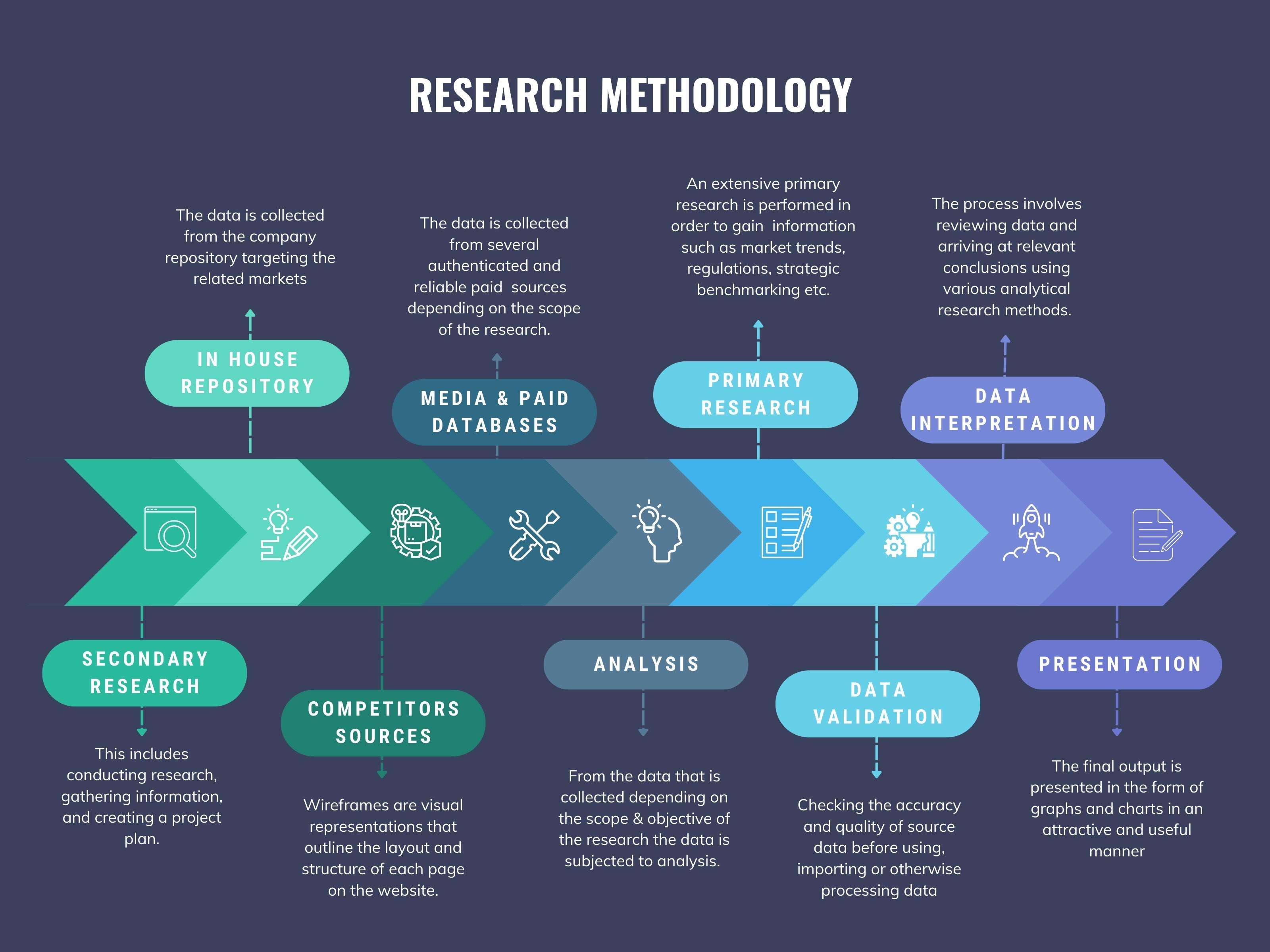
We at ‘Stratistics’ opt for an extensive research approach which involves data mining, data validation, and data analysis. The various research sources include in-house repository, secondary research, competitor’s sources, social media research, client internal data, and primary research.
Our team of analysts prefers the most reliable and authenticated data sources in order to perform the comprehensive literature search. With access to most of the authenticated data bases our team highly considers the best mix of information through various sources to obtain extensive and accurate analysis.
Each report takes an average time of a month and a team of 4 industry analysts. The time may vary depending on the scope and data availability of the desired market report. The various parameters used in the market assessment are standardized in order to enhance the data accuracy.
Data Mining
The data is collected from several authenticated, reliable, paid and unpaid sources and is filtered depending on the scope & objective of the research. Our reports repository acts as an added advantage in this procedure. Data gathering from the raw material suppliers, distributors and the manufacturers is performed on a regular basis, this helps in the comprehensive understanding of the products value chain. Apart from the above mentioned sources the data is also collected from the industry consultants to ensure the objective of the study is in the right direction.
Market trends such as technological advancements, regulatory affairs, market dynamics (Drivers, Restraints, Opportunities and Challenges) are obtained from scientific journals, market related national & international associations and organizations.
Data Analysis
From the data that is collected depending on the scope & objective of the research the data is subjected for the analysis. The critical steps that we follow for the data analysis include:
- Product Lifecycle Analysis
- Competitor analysis
- Risk analysis
- Porters Analysis
- PESTEL Analysis
- SWOT Analysis
The data engineering is performed by the core industry experts considering both the Marketing Mix Modeling and the Demand Forecasting. The marketing mix modeling makes use of multiple-regression techniques to predict the optimal mix of marketing variables. Regression factor is based on a number of variables and how they relate to an outcome such as sales or profits.
Data Validation
The data validation is performed by the exhaustive primary research from the expert interviews. This includes telephonic interviews, focus groups, face to face interviews, and questionnaires to validate our research from all aspects. The industry experts we approach come from the leading firms, involved in the supply chain ranging from the suppliers, distributors to the manufacturers and consumers so as to ensure an unbiased analysis.
We are in touch with more than 15,000 industry experts with the right mix of consultants, CEO's, presidents, vice presidents, managers, experts from both supply side and demand side, executives and so on.
The data validation involves the primary research from the industry experts belonging to:
- Leading Companies
- Suppliers & Distributors
- Manufacturers
- Consumers
- Industry/Strategic Consultants
Apart from the data validation the primary research also helps in performing the fill gap research, i.e. providing solutions for the unmet needs of the research which helps in enhancing the reports quality.
For more details about research methodology, kindly write to us at info@strategymrc.com
Frequently Asked Questions
In case of any queries regarding this report, you can contact the customer service by filing the “Inquiry Before Buy” form available on the right hand side. You may also contact us through email: info@strategymrc.com or phone: +1-301-202-5929
Yes, the samples are available for all the published reports. You can request them by filling the “Request Sample” option available in this page.
Yes, you can request a sample with your specific requirements. All the customized samples will be provided as per the requirement with the real data masked.
All our reports are available in Digital PDF format. In case if you require them in any other formats, such as PPT, Excel etc you can submit a request through “Inquiry Before Buy” form available on the right hand side. You may also contact us through email: info@strategymrc.com or phone: +1-301-202-5929
We offer a free 15% customization with every purchase. This requirement can be fulfilled for both pre and post sale. You may send your customization requirements through email at info@strategymrc.com or call us on +1-301-202-5929.
We have 3 different licensing options available in electronic format.
- Single User Licence: Allows one person, typically the buyer, to have access to the ordered product. The ordered product cannot be distributed to anyone else.
- 2-5 User Licence: Allows the ordered product to be shared among a maximum of 5 people within your organisation.
- Corporate License: Allows the product to be shared among all employees of your organisation regardless of their geographical location.
All our reports are typically be emailed to you as an attachment.
To order any available report you need to register on our website. The payment can be made either through CCAvenue or PayPal payments gateways which accept all international cards.
We extend our support to 6 months post sale. A post sale customization is also provided to cover your unmet needs in the report.
Request Customization
We offer complimentary customization of up to 15% with every purchase. To share your customization requirements, feel free to email us at info@strategymrc.com or call us on +1-301-202-5929. .
Please Note: Customization within the 15% threshold is entirely free of charge. If your request exceeds this limit, we will conduct a feasibility assessment. Following that, a detailed quote and timeline will be provided.
WHY CHOOSE US ?

Assured Quality
Best in class reports with high standard of research integrity

24X7 Research Support
Continuous support to ensure the best customer experience.

Free Customization
Adding more values to your product of interest.

Safe & Secure Access
Providing a secured environment for all online transactions.

Trusted by 600+ Brands
Serving the most reputed brands across the world.