
Sodium Sulfur Battery Market
Sodium Sulfur Battery Market Forecasts to 2030 - Global Analysis By Application (Transport & Heavy Machinery, Grid and Standalone Systems, Back-Up Power, Load Levelling, Renewable Energy Stabilization and Other Applications) and By Geography

|
Years Covered |
2022-2030 |
|
Estimated Year Value (2024) |
US $0.61 BN |
|
Projected Year Value (2030) |
US $3.18 BN |
|
CAGR (2024 - 2030) |
31.8% |
|
Regions Covered |
North America, Europe, Asia Pacific, South America, and Middle East & Africa |
|
Countries Covered |
US, Canada, Mexico, Germany, UK, Italy, France, Spain, Japan, China, India, Australia, New Zealand, South Korea, Rest of Asia Pacific, South America, Argentina, Brazil, Chile, Middle East & Africa, Saudi Arabia, UAE, Qatar, and South Africa |
|
Largest Market |
Asia Pacific |
|
Highest Growing Market |
Europe |
According to Stratistics MRC, the Global Sodium Sulfur Battery Market is accounted for $0.61 billion in 2024 and is expected to reach $3.18 billion by 2030 growing at a CAGR of 31.8% during the forecast period. Sodium-sulfur (NaS) batteries are high-temperature energy storage systems that utilize sodium as the anode and sulfur as the cathode. Operating typically at around 300°C (572°F), these batteries leverage the electrochemical reaction between sodium ions and sulfur to generate electricity. NaS batteries are notable for their high energy density, making them suitable for large-scale applications like grid storage and renewable energy integration. Their ability to store and discharge energy efficiently makes them a promising alternative to lithium-ion batteries, especially in situations where high energy capacity and cost-effectiveness are critical.
According to the BP Statistical Review of World Energy, renewable power generation stood at 3147TWh in 2020, which was an uptrend from the 2019 figures, which was around 2789.2TWh.

Market Dynamics:
Driver:
Growing need for large-scale energy storage solutions
The increasing demand for large-scale energy storage solutions, driven by the rise of renewable energy sources like solar and wind, is revitalizing interest in sodium-sulfur (NaS) batteries. These batteries offer a high energy density and are capable of storing substantial amounts of electricity, making them ideal for grid applications and managing intermittent power generation. Unlike traditional lithium-ion batteries, sodium-sulfur batteries utilize abundant and low-cost materials, addressing concerns over resource scarcity and supply chain issues. Their high operating temperatures, typically around 300-350°C, enable efficient energy conversion and longer cycle life.
Restraint:
Market fragmentation
Market fragmentation significantly hampers the growth and adoption of sodium sulfur (NaS) batteries. This fragmentation arises from the presence of various stakeholders, including diverse manufacturers, research institutions, and end-users, each with different standards, requirements, and expectations. The lack of a unified market approach complicates the development of standardized technologies, leading to inconsistencies in product performance and quality. However, fragmented regulations and policies across regions hinder collaboration and investment, making it challenging for companies to scale production efficiently.
Opportunity:
Demand for electricity is on the rise
As global demand for electricity surges, driven by increased consumption in sectors like electric vehicles and renewable energy integration, Sodium Sulfur (NaS) batteries are gaining significant attention as a viable energy storage solution. These batteries offer high energy density and long discharge times, making them particularly suited for large-scale applications. With the ability to efficiently store excess energy generated by solar and wind sources, NaS batteries play a crucial role in balancing supply and demand, enhancing grid stability. Their relatively low cost and abundant raw materials, like sodium, further bolster their appeal compared to traditional lithium-ion batteries.
Threat:
Investment risks
Investment risks significantly hinder the growth of sodium-sulfur (NaS) batteries, primarily due to concerns over their commercialization and long-term viability. Despite their advantages, such as high energy density and cost-effectiveness, the technology faces challenges including performance issues at low temperatures and relatively short cycle life compared to alternatives like lithium-ion batteries. Investors are wary of the significant upfront costs associated with research, development, and large-scale production, coupled with uncertain returns as the market evolves. The competitive landscape, dominated by established lithium-ion technology, raises doubts about the potential for NaS batteries to capture market share.
Covid-19 Impact:
The COVID-19 pandemic significantly impacted the sodium-sulfur battery industry, disrupting supply chains and halting production in key manufacturing regions. Lockdowns and health protocols limited workforce availability, delaying research and development efforts. As demand for renewable energy storage surged during the pandemic, the sodium-sulfur battery's potential for large-scale energy applications faced challenges in scaling up production. The pandemic accelerated the need for sustainable energy solutions, prompting increased investment in alternative battery technologies.
The Grid and Standalone Systems segment is expected to be the largest during the forecast period
Grid and Standalone Systems segment is expected to be the largest during the forecast period. NaS batteries offer high energy density, long cycle life, and the ability to operate at elevated temperatures, making them ideal for large-scale energy storage applications. Enhancements in this technology focus on improving efficiency, cycle stability, and safety, as well as reducing costs through innovative materials and manufacturing processes. By optimizing the battery design and integrating advanced monitoring systems, these developments aim to enhance performance in grid stabilization, renewable energy integration, and emergency backup power solutions.
The Load Levelling segment is expected to have the highest CAGR during the forecast period
Load Levelling segment is expected to have the highest CAGR during the forecast period. By effectively managing the demand and supply of electricity, load leveling helps stabilize the grid during peak consumption periods. NaS batteries, known for their high energy density and efficiency, can absorb excess energy during low-demand times, storing it for later use. This capability mitigates the risk of energy shortages and reduces reliance on fossil fuels, contributing to a cleaner energy landscape. Additionally, by smoothing out fluctuations in energy supply and demand, load leveling improves the longevity and reliability of NaS batteries.
Region with largest share:
Asia Pacific region commanded the largest share of the market over the extrapolated period. With rising energy demands and the push for sustainable solutions, industries are increasingly turning to NaS batteries for their high energy density and efficiency in large-scale energy storage. These batteries are particularly suited for renewable energy integration, allowing for effective storage and management of solar and wind power. As governments in countries like Japan, China, and India invest in energy transition strategies and infrastructure development, NaS technology is gaining traction for applications such as grid stabilization, peak shaving, and renewable energy support.
Region with highest CAGR:
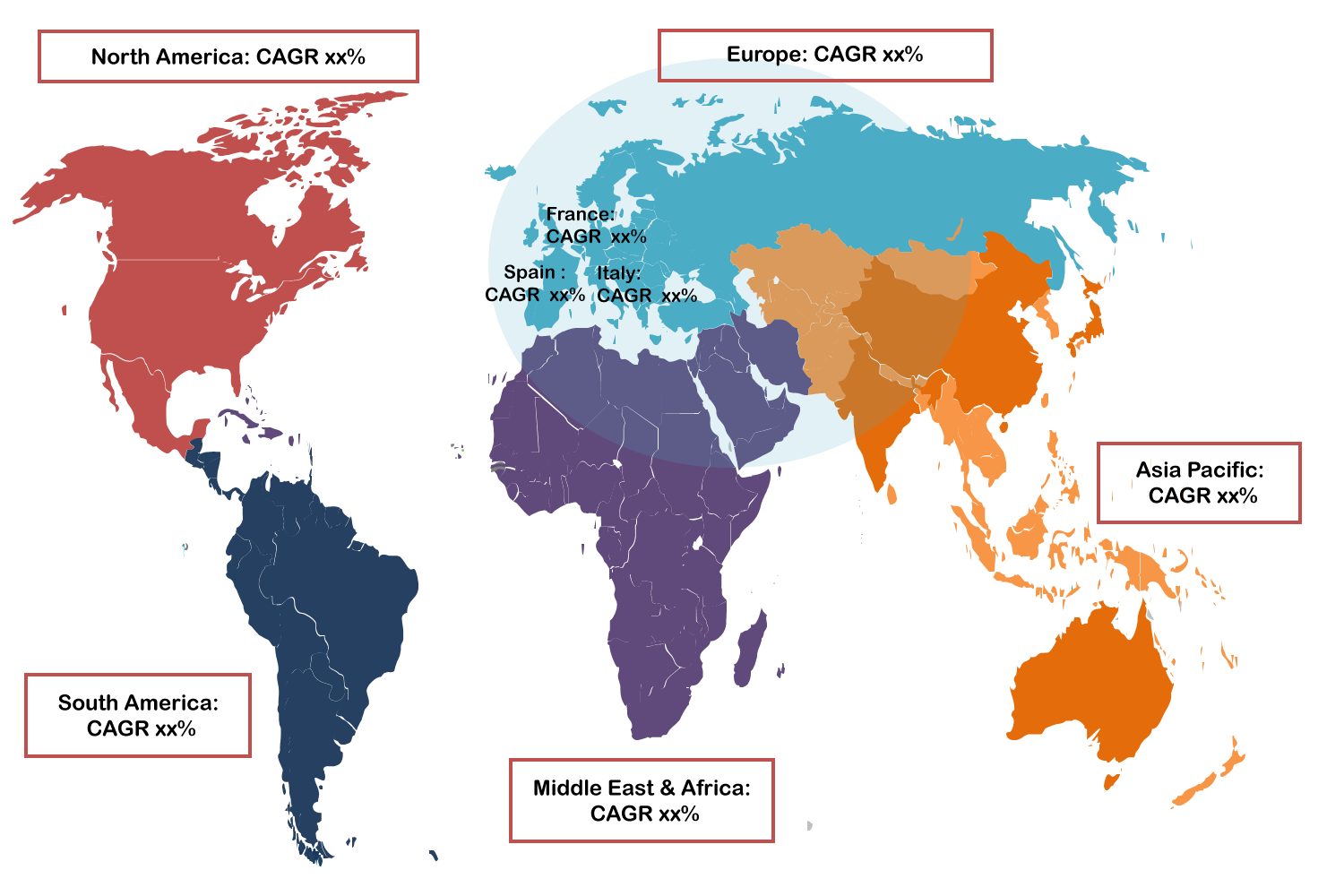
Europe region is estimated to witness profitable growth during the projected period of time. As countries aim to reduce carbon emissions and enhance energy security, policies promoting renewable energy sources are becoming more prevalent. Sodium sulfur batteries, known for their high energy density and long cycle life, are increasingly favored for large-scale energy storage solutions, particularly in integrating intermittent renewable sources like wind and solar. Regulatory incentives, such as subsidies and grants for research and development, are facilitating innovation and commercialization in this technology. Furthermore, stringent environmental standards are pushing manufacturers to adopt cleaner, more efficient battery technologies, positioning sodium sulfur batteries as a viable alternative to traditional lithium-ion systems.
Key players in the market
Some of the key players in Sodium Sulfur Battery market include Amperex Technology Co., Limited, BASF SE, EaglePicher Technologies, Exide Technologies, Mitsubishi Electric Corporation, Nexterra Systems Corp, NGK Insulators, Ltd, Panasonic Corporation, Samsung SDI Co., Ltd, Sion Power Corporation and Toshiba Corporation.
Key Developments:
In January 2024, Stellantis Ventures, Stellantis N.V.'s corporate venture fund, announced its strategic investment in Tiamat, a France-based business developing and commercializing sodium-ion battery technology.
In May 2022, GE Electric launched Lifespan, a new renewable energy digital suite that enables consumers to optimize the performance and operations of renewable assets across the region. It will also assist operators in engaging with the valuable insights needed to effectively take action across all elements of their enterprise.
Applications Covered:
• Transport & Heavy Machinery
• Grid and Standalone Systems
• Back-Up Power
• Load Levelling
• Renewable Energy Stabilization
• Other Applications
Regions Covered:
• North America
o US
o Canada
o Mexico
• Europe
o Germany
o UK
o Italy
o France
o Spain
o Rest of Europe
• Asia Pacific
o Japan
o China
o India
o Australia
o New Zealand
o South Korea
o Rest of Asia Pacific
• South America
o Argentina
o Brazil
o Chile
o Rest of South America
• Middle East & Africa
o Saudi Arabia
o UAE
o Qatar
o South Africa
o Rest of Middle East & Africa
What our report offers:
- Market share assessments for the regional and country-level segments
- Strategic recommendations for the new entrants
- Covers Market data for the years 2022, 2023, 2024, 2026, and 2030
- Market Trends (Drivers, Constraints, Opportunities, Threats, Challenges, Investment Opportunities, and recommendations)
- Strategic recommendations in key business segments based on the market estimations
- Competitive landscaping mapping the key common trends
- Company profiling with detailed strategies, financials, and recent developments
- Supply chain trends mapping the latest technological advancements
Free Customization Offerings:
All the customers of this report will be entitled to receive one of the following free customization options:
• Company Profiling
o Comprehensive profiling of additional market players (up to 3)
o SWOT Analysis of key players (up to 3)
• Regional Segmentation
o Market estimations, Forecasts and CAGR of any prominent country as per the client's interest (Note: Depends on feasibility check)
• Competitive Benchmarking
Benchmarking of key players based on product portfolio, geographical presence, and strategic alliances
Table of Contents
1 Executive Summary
2 Preface
2.1 Abstract
2.2 Stake Holders
2.3 Research Scope
2.4 Research Methodology
2.4.1 Data Mining
2.4.2 Data Analysis
2.4.3 Data Validation
2.4.4 Research Approach
2.5 Research Sources
2.5.1 Primary Research Sources
2.5.2 Secondary Research Sources
2.5.3 Assumptions
3 Market Trend Analysis
3.1 Introduction
3.2 Drivers
3.3 Restraints
3.4 Opportunities
3.5 Threats
3.6 Application Analysis
3.7 Emerging Markets
3.8 Impact of Covid-19
4 Porters Five Force Analysis
4.1 Bargaining power of suppliers
4.2 Bargaining power of buyers
4.3 Threat of substitutes
4.4 Threat of new entrants
4.5 Competitive rivalry
5 Global Sodium Sulfur Battery Market, By Application
5.1 Introduction
5.2 Transport & Heavy Machinery
5.3 Grid and Standalone Systems
5.4 Back-Up Power
5.5 Load Levelling
5.6 Renewable Energy Stabilization
5.7 Other Applications
6 Global Sodium Sulfur Battery Market, By Geography
6.1 Introduction
6.2 North America
6.2.1 US
6.2.2 Canada
6.2.3 Mexico
6.3 Europe
6.3.1 Germany
6.3.2 UK
6.3.3 Italy
6.3.4 France
6.3.5 Spain
6.3.6 Rest of Europe
6.4 Asia Pacific
6.4.1 Japan
6.4.2 China
6.4.3 India
6.4.4 Australia
6.4.5 New Zealand
6.4.6 South Korea
6.4.7 Rest of Asia Pacific
6.5 South America
6.5.1 Argentina
6.5.2 Brazil
6.5.3 Chile
6.5.4 Rest of South America
6.6 Middle East & Africa
6.6.1 Saudi Arabia
6.6.2 UAE
6.6.3 Qatar
6.6.4 South Africa
6.6.5 Rest of Middle East & Africa
7 Key Developments
7.1 Agreements, Partnerships, Collaborations and Joint Ventures
7.2 Acquisitions & Mergers
7.3 New Product Launch
7.4 Expansions
7.5 Other Key Strategies
8 Company Profiling
8.1 Amperex Technology Co., Limited
8.2 BASF SE
8.3 EaglePicher Technologies
8.4 Exide Technologies
8.5 Mitsubishi Electric Corporation
8.6 Nexterra Systems Corp
8.7 NGK Insulators, Ltd
8.8 Panasonic Corporation
8.9 Samsung SDI Co., Ltd
8.10 Sion Power Corporation
8.11 Toshiba Corporation
List of Tables
1 Global Sodium Sulfur Battery Market Outlook, By Region (2022-2030) ($MN)
2 Global Sodium Sulfur Battery Market Outlook, By Application (2022-2030) ($MN)
3 Global Sodium Sulfur Battery Market Outlook, By Transport & Heavy Machinery (2022-2030) ($MN)
4 Global Sodium Sulfur Battery Market Outlook, By Grid and Standalone Systems (2022-2030) ($MN)
5 Global Sodium Sulfur Battery Market Outlook, By Back-Up Power (2022-2030) ($MN)
6 Global Sodium Sulfur Battery Market Outlook, By Load Levelling (2022-2030) ($MN)
7 Global Sodium Sulfur Battery Market Outlook, By Renewable Energy Stabilization (2022-2030) ($MN)
8 Global Sodium Sulfur Battery Market Outlook, By Other Applications (2022-2030) ($MN)
9 North America Sodium Sulfur Battery Market Outlook, By Country (2022-2030) ($MN)
10 North America Sodium Sulfur Battery Market Outlook, By Application (2022-2030) ($MN)
11 North America Sodium Sulfur Battery Market Outlook, By Transport & Heavy Machinery (2022-2030) ($MN)
12 North America Sodium Sulfur Battery Market Outlook, By Grid and Standalone Systems (2022-2030) ($MN)
13 North America Sodium Sulfur Battery Market Outlook, By Back-Up Power (2022-2030) ($MN)
14 North America Sodium Sulfur Battery Market Outlook, By Load Levelling (2022-2030) ($MN)
15 North America Sodium Sulfur Battery Market Outlook, By Renewable Energy Stabilization (2022-2030) ($MN)
16 North America Sodium Sulfur Battery Market Outlook, By Other Applications (2022-2030) ($MN)
17 Europe Sodium Sulfur Battery Market Outlook, By Country (2022-2030) ($MN)
18 Europe Sodium Sulfur Battery Market Outlook, By Application (2022-2030) ($MN)
19 Europe Sodium Sulfur Battery Market Outlook, By Transport & Heavy Machinery (2022-2030) ($MN)
20 Europe Sodium Sulfur Battery Market Outlook, By Grid and Standalone Systems (2022-2030) ($MN)
21 Europe Sodium Sulfur Battery Market Outlook, By Back-Up Power (2022-2030) ($MN)
22 Europe Sodium Sulfur Battery Market Outlook, By Load Levelling (2022-2030) ($MN)
23 Europe Sodium Sulfur Battery Market Outlook, By Renewable Energy Stabilization (2022-2030) ($MN)
24 Europe Sodium Sulfur Battery Market Outlook, By Other Applications (2022-2030) ($MN)
25 Asia Pacific Sodium Sulfur Battery Market Outlook, By Country (2022-2030) ($MN)
26 Asia Pacific Sodium Sulfur Battery Market Outlook, By Application (2022-2030) ($MN)
27 Asia Pacific Sodium Sulfur Battery Market Outlook, By Transport & Heavy Machinery (2022-2030) ($MN)
28 Asia Pacific Sodium Sulfur Battery Market Outlook, By Grid and Standalone Systems (2022-2030) ($MN)
29 Asia Pacific Sodium Sulfur Battery Market Outlook, By Back-Up Power (2022-2030) ($MN)
30 Asia Pacific Sodium Sulfur Battery Market Outlook, By Load Levelling (2022-2030) ($MN)
31 Asia Pacific Sodium Sulfur Battery Market Outlook, By Renewable Energy Stabilization (2022-2030) ($MN)
32 Asia Pacific Sodium Sulfur Battery Market Outlook, By Other Applications (2022-2030) ($MN)
33 South America Sodium Sulfur Battery Market Outlook, By Country (2022-2030) ($MN)
34 South America Sodium Sulfur Battery Market Outlook, By Application (2022-2030) ($MN)
35 South America Sodium Sulfur Battery Market Outlook, By Transport & Heavy Machinery (2022-2030) ($MN)
36 South America Sodium Sulfur Battery Market Outlook, By Grid and Standalone Systems (2022-2030) ($MN)
37 South America Sodium Sulfur Battery Market Outlook, By Back-Up Power (2022-2030) ($MN)
38 South America Sodium Sulfur Battery Market Outlook, By Load Levelling (2022-2030) ($MN)
39 South America Sodium Sulfur Battery Market Outlook, By Renewable Energy Stabilization (2022-2030) ($MN)
40 South America Sodium Sulfur Battery Market Outlook, By Other Applications (2022-2030) ($MN)
41 Middle East & Africa Sodium Sulfur Battery Market Outlook, By Country (2022-2030) ($MN)
42 Middle East & Africa Sodium Sulfur Battery Market Outlook, By Application (2022-2030) ($MN)
43 Middle East & Africa Sodium Sulfur Battery Market Outlook, By Transport & Heavy Machinery (2022-2030) ($MN)
44 Middle East & Africa Sodium Sulfur Battery Market Outlook, By Grid and Standalone Systems (2022-2030) ($MN)
45 Middle East & Africa Sodium Sulfur Battery Market Outlook, By Back-Up Power (2022-2030) ($MN)
46 Middle East & Africa Sodium Sulfur Battery Market Outlook, By Load Levelling (2022-2030) ($MN)
47 Middle East & Africa Sodium Sulfur Battery Market Outlook, By Renewable Energy Stabilization (2022-2030) ($MN)
48 Middle East & Africa Sodium Sulfur Battery Market Outlook, By Other Applications (2022-2030) ($MN)
List of Figures
RESEARCH METHODOLOGY

We at ‘Stratistics’ opt for an extensive research approach which involves data mining, data validation, and data analysis. The various research sources include in-house repository, secondary research, competitor’s sources, social media research, client internal data, and primary research.
Our team of analysts prefers the most reliable and authenticated data sources in order to perform the comprehensive literature search. With access to most of the authenticated data bases our team highly considers the best mix of information through various sources to obtain extensive and accurate analysis.
Each report takes an average time of a month and a team of 4 industry analysts. The time may vary depending on the scope and data availability of the desired market report. The various parameters used in the market assessment are standardized in order to enhance the data accuracy.
Data Mining
The data is collected from several authenticated, reliable, paid and unpaid sources and is filtered depending on the scope & objective of the research. Our reports repository acts as an added advantage in this procedure. Data gathering from the raw material suppliers, distributors and the manufacturers is performed on a regular basis, this helps in the comprehensive understanding of the products value chain. Apart from the above mentioned sources the data is also collected from the industry consultants to ensure the objective of the study is in the right direction.
Market trends such as technological advancements, regulatory affairs, market dynamics (Drivers, Restraints, Opportunities and Challenges) are obtained from scientific journals, market related national & international associations and organizations.
Data Analysis
From the data that is collected depending on the scope & objective of the research the data is subjected for the analysis. The critical steps that we follow for the data analysis include:
- Product Lifecycle Analysis
- Competitor analysis
- Risk analysis
- Porters Analysis
- PESTEL Analysis
- SWOT Analysis
The data engineering is performed by the core industry experts considering both the Marketing Mix Modeling and the Demand Forecasting. The marketing mix modeling makes use of multiple-regression techniques to predict the optimal mix of marketing variables. Regression factor is based on a number of variables and how they relate to an outcome such as sales or profits.
Data Validation
The data validation is performed by the exhaustive primary research from the expert interviews. This includes telephonic interviews, focus groups, face to face interviews, and questionnaires to validate our research from all aspects. The industry experts we approach come from the leading firms, involved in the supply chain ranging from the suppliers, distributors to the manufacturers and consumers so as to ensure an unbiased analysis.
We are in touch with more than 15,000 industry experts with the right mix of consultants, CEO's, presidents, vice presidents, managers, experts from both supply side and demand side, executives and so on.
The data validation involves the primary research from the industry experts belonging to:
- Leading Companies
- Suppliers & Distributors
- Manufacturers
- Consumers
- Industry/Strategic Consultants
Apart from the data validation the primary research also helps in performing the fill gap research, i.e. providing solutions for the unmet needs of the research which helps in enhancing the reports quality.
For more details about research methodology, kindly write to us at info@strategymrc.com
Frequently Asked Questions
In case of any queries regarding this report, you can contact the customer service by filing the “Inquiry Before Buy” form available on the right hand side. You may also contact us through email: info@strategymrc.com or phone: +1-301-202-5929
Yes, the samples are available for all the published reports. You can request them by filling the “Request Sample” option available in this page.
Yes, you can request a sample with your specific requirements. All the customized samples will be provided as per the requirement with the real data masked.
All our reports are available in Digital PDF format. In case if you require them in any other formats, such as PPT, Excel etc you can submit a request through “Inquiry Before Buy” form available on the right hand side. You may also contact us through email: info@strategymrc.com or phone: +1-301-202-5929
We offer a free 15% customization with every purchase. This requirement can be fulfilled for both pre and post sale. You may send your customization requirements through email at info@strategymrc.com or call us on +1-301-202-5929.
We have 3 different licensing options available in electronic format.
- Single User Licence: Allows one person, typically the buyer, to have access to the ordered product. The ordered product cannot be distributed to anyone else.
- 2-5 User Licence: Allows the ordered product to be shared among a maximum of 5 people within your organisation.
- Corporate License: Allows the product to be shared among all employees of your organisation regardless of their geographical location.
All our reports are typically be emailed to you as an attachment.
To order any available report you need to register on our website. The payment can be made either through CCAvenue or PayPal payments gateways which accept all international cards.
We extend our support to 6 months post sale. A post sale customization is also provided to cover your unmet needs in the report.
Request Customization
We offer complimentary customization of up to 15% with every purchase. To share your customization requirements, feel free to email us at info@strategymrc.com or call us on +1-301-202-5929. .
Please Note: Customization within the 15% threshold is entirely free of charge. If your request exceeds this limit, we will conduct a feasibility assessment. Following that, a detailed quote and timeline will be provided.
WHY CHOOSE US ?

Assured Quality
Best in class reports with high standard of research integrity

24X7 Research Support
Continuous support to ensure the best customer experience.

Free Customization
Adding more values to your product of interest.

Safe & Secure Access
Providing a secured environment for all online transactions.

Trusted by 600+ Brands
Serving the most reputed brands across the world.
