
Sustainable Aquaculture In Regenerative Systems Market
Sustainable Aquaculture In Regenerative Systems Market Forecasts to 2032 – Global Analysis By Product Type (New Production Methods, Sustainable and Alternative Feeds and Fish Health Products & Services), Ingredient, Species, Environment and By Geography

According to Stratistics MRC, the Global Sustainable Aquaculture in Regenerative Systems Market is accounted for $902.39 million in 2025 and is expected to reach $2096.82 million by 2032 growing at a CAGR of 12.8% during the forecast period. Sustainable aquaculture in regenerative systems is a progressive method that actively improves ecosystem health while reducing environmental harm. Regenerative systems incorporate concepts like water recirculation, polyculture, and nutrient recycling to restore biodiversity and enhance soil and water quality, in contrast to traditional aquaculture, which can contribute to pollution and habitat degradation. These systems frequently integrate aquaculture and agriculture, as in aquaponics, which creates a closed-loop, zero-waste model by using fish waste to support plant growth. Moreover, sustainable aquaculture in regenerative systems provides a robust way to satisfy the world's demand for seafood while promoting environmental restoration and climate resilience by coordinating food production with ecological balance.
According to the World Wildlife Fund (WWF), seaweed farming—an integral part of regenerative aquaculture—can produce 100–200 tons of biomass per hectare without using arable land, freshwater, or fertilizers; as it grows, it absorbs excess carbon and nutrients, reduces eutrophication, and enhances marine biodiversity.
Market Dynamics:
Driver:
Growing protein demand worldwide
The need for sustainable and reasonably priced protein sources will rise dramatically as the world's population is expected to surpass 9.7 billion people by 2050. Approximately 17% of the world's animal protein intake already comes from aquatic foods, especially fish and seafood, according to the FAO. In many areas, traditional capture fisheries have reached or surpassed sustainable limits, so aquaculture will need to be the source of future growth. Additionally, fish also have a higher feed conversion ratio (FCR) than cattle or poultry, which makes aquaculture a viable way to promote food security in both developed and developing countries.
Restraint:
Absence of skilled workers and technical expertise
The technical complexity of regenerative aquaculture systems necessitates specific expertise in fields like engineering, nutrient cycling, water chemistry, microbiology, and multispecies farming. There is limited access to educated professionals and educational programs in many places, particularly in developing nations. This lack of technical capability raises the risk of operational failures by making it challenging for newcomers to successfully adopt and manage regenerative systems. Furthermore, many aquaculture workers may be reluctant or unprepared to embrace these more integrated and scientifically driven approaches because they are used to monoculture or traditional methods.
Opportunity:
Growth of vertical and urban aquaponics systems
Growing interest in local food production is being fueled by urbanization, and regenerative aquaculture systems, like aquaponics, are perfect for urban settings. These water-efficient, stacked systems, which can be run on rooftops, in basements, or inside vertical farms, enable the simultaneous cultivation of fish and vegetables. Urban aquaponics systems can now be automated, remotely monitored, and customized for microclimates owing to the growing availability of smart technologies and Internet of Things solutions. Moreover, this presents a significant chance for developers, municipalities, and entrepreneurs to incorporate food production into corporate sustainability initiatives, urban renewal projects, or smart city designs.
Threat:
Competition from industrial and conventional aquaculture
Even though people are becoming more conscious of sustainability, traditional aquaculture systems—particularly intensive monocultures of tilapia, salmon, and shrimp—continue to rule the market because of their established infrastructure, economies of scale, and lower short-term production costs. These systems frequently function in supply chains that prioritize volume over ecological value and are heavily subsidized. However, regenerative aquaculture usually produces smaller volumes in the beginning and has not yet fully monetized its advantages, such as improving water quality or restoring biodiversity. Because of this, regenerative producers have to contend with fierce competition in terms of pricing and market access, especially in areas where sustainability premiums are absent or very low.
Covid-19 Impact:
The market for sustainable aquaculture in regenerative systems was significantly impacted by the COVID-19 pandemic, albeit in a mixed way. On the one hand, aquaculture operations, especially small and medium-sized businesses that depend on fresh, short-cycle sales, were negatively impacted by labor shortages, global supply chain disruptions, and restricted market access. During lockdowns, many regenerative aquaculture producers encountered difficulties sourcing inputs such as feed and fingerlings, transporting goods, and keeping their systems operating. However, the pandemic brought attention to weaknesses in the world's food systems and heightened consumer interest in locally produced, resilient, and sustainable food, which raised awareness of and demand for regenerative aquaculture models like integrated systems and aquaponics.
The amino acids segment is expected to be the largest during the forecast period
The amino acids segment is expected to account for the largest market share during the forecast period. Aquatic farmed species depend on amino acids, which are necessary building blocks of protein, for healthy growth, muscle development, and immunological function. In regenerative systems, the use of synthetic or crystalline amino acids such as lysine, methionine, and threonine is essential to make up for nutrient deficiencies as feed formulations move toward plant-based and sustainable options. These additives support animal health without the need for antibiotics by lowering nitrogen excretion, increasing feed conversion ratios, and more. Moreover, they are the most widely used functional feed additives in modern sustainable aquaculture due to their biological necessity, adaptability to low-fishmeal diets, and widespread use.
The seaweed & algae segment is expected to have the highest CAGR during the forecast period
Over the forecast period, the seaweed & algae segment is predicted to witness the highest growth rate. Seaweed farming is expanding quickly due to the rising demand for plant-based protein, functional foods, biofuels, and natural additives worldwide. Seaweed farming is one of the most environmentally friendly and regenerative types of aquaculture because it doesn't require feed, fertilizer, or freshwater like animal aquaculture does. It directly supports the objectives of regenerative ecosystems by absorbing carbon dioxide and excess nutrients, improving water quality, and boosting marine biodiversity. Its adaptability to a variety of sectors, including food, cosmetics, agriculture, and pharmaceuticals, makes this market a sustainable powerhouse that promotes both financial and environmental advantages in regenerative aquaculture systems.
Region with largest share:
During the forecast period, the Asia-Pacific region is expected to hold the largest market share, driven by its abundance of coastline, favorable climate, dominance in the world's aquaculture production, and growing emphasis on sustainable food systems. More than half of the world's production comes from China alone, where important regenerative techniques like seaweed farming, recirculating aquaculture systems, and integrated multi-trophic aquaculture (IMTA) are becoming more and more popular. Additionally, the region's leadership is further reinforced by government assistance, low labor costs, technological advancements, and growing domestic consumption of sustainably produced seafood.
Region with highest CAGR:
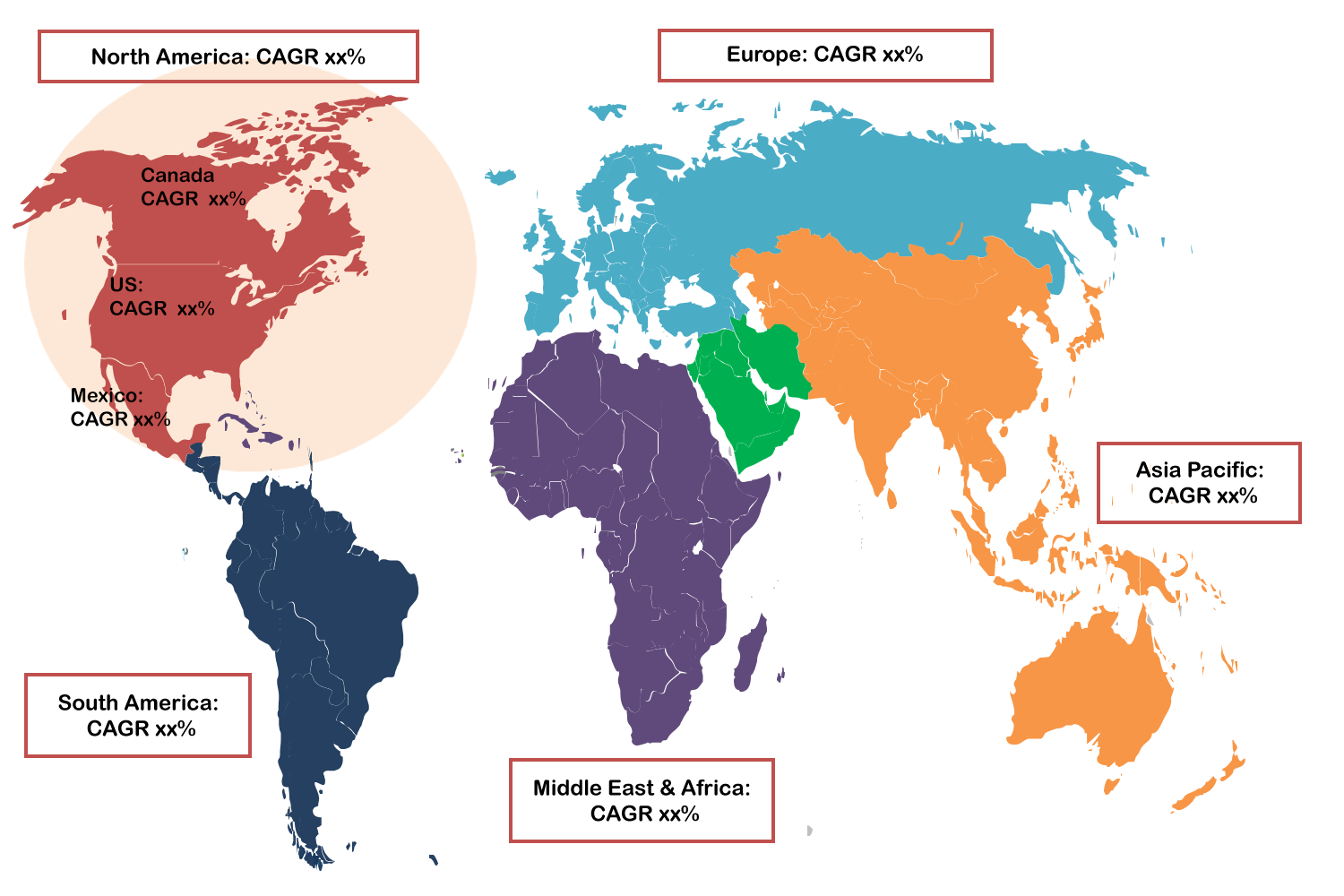
Over the forecast period, the North America region is anticipated to exhibit the highest CAGR. Strong public and private investments in cutting-edge aquaculture technologies, rising consumer demand for seafood sourced sustainably, and the quick uptake of land-based systems like aquaponics and recirculating aquaculture systems (RAS) are all contributing factors to this growth. Leading initiatives to improve food security and environmental stewardship while lessening the strain on wild fisheries are being undertaken by the United States and Canada. Furthermore, market expansion is also being accelerated by policies that support climate-resilient food systems and a move toward low-impact, regenerative practices like integrated multi-trophic aquaculture (IMTA).
Key players in the market
Some of the key players in Sustainable Aquaculture In Regenerative Systems Market include Aquaculture Technologies Asia Limited, Triton Anchor, Ynsect, Aquapulse Inc, Manjeera Aqua Technologies Pvt Ltd, Leroy Seafood Group ASA, NovoNutrients Inc, Cooke Aquaculture, InnovaFeed, Alpha Group, Nippon Suisan Kaisha Ltd., Cermaq Group AS, Ace Aquatec Inc, Marine Harvest ASA and Kampachi Farms.
Key Developments:
In March 2025, Cooke Aquaculture has agreed to buy the Canadian subsidiary of former land-based salmon producer AquaBounty. The CAD 3 million deal, worth approximately CAD 1.58 million to AquaBounty after its debts to Cooke subsidiary Kelly Cove Salmon are taken into account, includes AquaBounty Canada’s physical property and a transfer to KCS of all of AQB’s Corporate registered intellectual property.
In January 2025, Innovafeed and Agryco have entered into a commercial partnership to distribute Hilucia™ Frass. This agreement enables Innovafeed to expand access to its organic fertilizer, while Agryco integrates Hilucia™ Frass into its agricultural product offerings. This partnership with Agryco reflects our commitment to delivering practical and sustainable solutions to the agricultural sector.
In April 2023, NovoNutrients has signed a Technology Development Agreement (TDA) with global energy major Woodside Energy under which Woodside will fund up to USD 3 million, contingent on NovoNutrients meeting key development milestones. The funding supports the design and operation of a larger pilot-scale system, advancing the transition from lab-scale trials to commercial-grade plant infrastructure.
Product Types Covered:
• New Production Methods
• Sustainable and Alternative Feeds
• Fish Health Products & Services
Ingredients Covered:
• Amino Acids
• Phosphates
• Vitamins
• Acidifiers
• Carotenoids
• Enzymes
• Mycotoxin Detoxifiers
• Probiotics
• Minerals
• Antioxidants
• GRAS (Generally Recognized As Safe) Substances
• Non-antibiotic Immunostimulants
Species Covered:
• Salmon and Trout
• Tilapia
• Carp
• Catfish
• Crustaceans
• Mollusks
• Seaweed & Algae
• Other Species
Environments Covered:
• Freshwater
• Marine (Saltwater)
• Brackish Water
Regions Covered:
• North America
o US
o Canada
o Mexico
• Europe
o Germany
o UK
o Italy
o France
o Spain
o Rest of Europe
• Asia Pacific
o Japan
o China
o India
o Australia
o New Zealand
o South Korea
o Rest of Asia Pacific
• South America
o Argentina
o Brazil
o Chile
o Rest of South America
• Middle East & Africa
o Saudi Arabia
o UAE
o Qatar
o South Africa
o Rest of Middle East & Africa
What our report offers:
- Market share assessments for the regional and country-level segments
- Strategic recommendations for the new entrants
- Covers Market data for the years 2024, 2025, 2026, 2028, and 2032
- Market Trends (Drivers, Constraints, Opportunities, Threats, Challenges, Investment Opportunities, and recommendations)
- Strategic recommendations in key business segments based on the market estimations
- Competitive landscaping mapping the key common trends
- Company profiling with detailed strategies, financials, and recent developments
- Supply chain trends mapping the latest technological advancements
Free Customization Offerings:
All the customers of this report will be entitled to receive one of the following free customization options:
• Company Profiling
o Comprehensive profiling of additional market players (up to 3)
o SWOT Analysis of key players (up to 3)
• Regional Segmentation
o Market estimations, Forecasts and CAGR of any prominent country as per the client's interest (Note: Depends on feasibility check)
• Competitive Benchmarking
o Benchmarking of key players based on product portfolio, geographical presence, and strategic alliances
Table of Contents
1 Executive Summary
2 Preface
2.1 Abstract
2.2 Stake Holders
2.3 Research Scope
2.4 Research Methodology
2.4.1 Data Mining
2.4.2 Data Analysis
2.4.3 Data Validation
2.4.4 Research Approach
2.5 Research Sources
2.5.1 Primary Research Sources
2.5.2 Secondary Research Sources
2.5.3 Assumptions
3 Market Trend Analysis
3.1 Introduction
3.2 Drivers
3.3 Restraints
3.4 Opportunities
3.5 Threats
3.6 Product Analysis
3.7 Emerging Markets
3.8 Impact of Covid-19
4 Porters Five Force Analysis
4.1 Bargaining power of suppliers
4.2 Bargaining power of buyers
4.3 Threat of substitutes
4.4 Threat of new entrants
4.5 Competitive rivalry
5 Global Sustainable Aquaculture In Regenerative Systems Market, By Product Type
5.1 Introduction
5.2 New Production Methods
5.2.1 Land-based Systems
5.2.2 Closed Recirculating Aquaculture Systems
5.2.3 Offshore and Marine Aquaculture Technologies
5.2.4 Integrated Multi-trophic Aquaculture
5.2.5 Precision Aquaculture Technologies
5.3 Sustainable and Alternative Feeds
5.3.1 Algae-based Feeds
5.3.2 Insect protein Feeds
5.3.3 Single-cell protein Feeds
5.3.4 Plant-based/novel Ingredient Feeds
5.3.5 Functional Additives
5.4 Fish Health Products & Services
5.4.1 Disease Control
5.4.2 Health Monitoring and Diagnostics
5.4.3 Water Quality Management Solutions
6 Global Sustainable Aquaculture In Regenerative Systems Market, By Ingredient
6.1 Introduction
6.2 Amino Acids
6.3 Phosphates
6.4 Vitamins
6.5 Acidifiers
6.6 Carotenoids
6.7 Enzymes
6.8 Mycotoxin Detoxifiers
6.9 Probiotics
6.10 Minerals
6.11 Antioxidants
6.12 GRAS (Generally Recognized As Safe) Substances
6.13 Non-antibiotic Immunostimulants
7 Global Sustainable Aquaculture In Regenerative Systems Market, By Species
7.1 Introduction
7.2 Salmon and Trout
7.3 Tilapia
7.4 Carp
7.5 Catfish
7.6 Crustaceans
7.7 Mollusks
7.8 Seaweed & Algae
7.9 Other Species
8 Global Sustainable Aquaculture In Regenerative Systems Market, By Environment
8.1 Introduction
8.2 Freshwater
8.3 Marine (Saltwater)
8.4 Brackish Water
9 Global Sustainable Aquaculture In Regenerative Systems Market, By Geography
9.1 Introduction
9.2 North America
9.2.1 US
9.2.2 Canada
9.2.3 Mexico
9.3 Europe
9.3.1 Germany
9.3.2 UK
9.3.3 Italy
9.3.4 France
9.3.5 Spain
9.3.6 Rest of Europe
9.4 Asia Pacific
9.4.1 Japan
9.4.2 China
9.4.3 India
9.4.4 Australia
9.4.5 New Zealand
9.4.6 South Korea
9.4.7 Rest of Asia Pacific
9.5 South America
9.5.1 Argentina
9.5.2 Brazil
9.5.3 Chile
9.5.4 Rest of South America
9.6 Middle East & Africa
9.6.1 Saudi Arabia
9.6.2 UAE
9.6.3 Qatar
9.6.4 South Africa
9.6.5 Rest of Middle East & Africa
10 Key Developments
10.1 Agreements, Partnerships, Collaborations and Joint Ventures
10.2 Acquisitions & Mergers
10.3 New Product Launch
10.4 Expansions
10.5 Other Key Strategies
11 Company Profiling
11.1 Aquaculture Technologies Asia Limited
11.2 Triton Anchor
11.3 Ynsect
11.4 Aquapulse Inc
11.5 Manjeera Aqua Technologies Pvt Ltd
11.6 Leroy Seafood Group ASA
11.7 NovoNutrients Inc
11.8 Cooke Aquaculture
11.9 InnovaFeed
11.10 Alpha Group
11.11 Nippon Suisan Kaisha Ltd.
11.12 Cermaq Group AS
11.13 Ace Aquatec Inc
11.14 Marine Harvest ASA
11.15 Kampachi Farms
List of Tables
1 Global Sustainable Aquaculture In Regenerative Systems Market Outlook, By Region (2024-2032) ($MN)
2 Global Sustainable Aquaculture In Regenerative Systems Market Outlook, By Product Type (2024-2032) ($MN)
3 Global Sustainable Aquaculture In Regenerative Systems Market Outlook, By New Production Methods (2024-2032) ($MN)
4 Global Sustainable Aquaculture In Regenerative Systems Market Outlook, By Land-based Systems (2024-2032) ($MN)
5 Global Sustainable Aquaculture In Regenerative Systems Market Outlook, By Closed Recirculating Aquaculture Systems (2024-2032) ($MN)
6 Global Sustainable Aquaculture In Regenerative Systems Market Outlook, By Offshore and Marine Aquaculture Technologies (2024-2032) ($MN)
7 Global Sustainable Aquaculture In Regenerative Systems Market Outlook, By Integrated Multi-trophic Aquaculture (2024-2032) ($MN)
8 Global Sustainable Aquaculture In Regenerative Systems Market Outlook, By Precision Aquaculture Technologies (2024-2032) ($MN)
9 Global Sustainable Aquaculture In Regenerative Systems Market Outlook, By Sustainable and Alternative Feeds (2024-2032) ($MN)
10 Global Sustainable Aquaculture In Regenerative Systems Market Outlook, By Algae-based Feeds (2024-2032) ($MN)
11 Global Sustainable Aquaculture In Regenerative Systems Market Outlook, By Insect protein Feeds (2024-2032) ($MN)
12 Global Sustainable Aquaculture In Regenerative Systems Market Outlook, By Single-cell protein Feeds (2024-2032) ($MN)
13 Global Sustainable Aquaculture In Regenerative Systems Market Outlook, By Plant-based/novel Ingredient Feeds (2024-2032) ($MN)
14 Global Sustainable Aquaculture In Regenerative Systems Market Outlook, By Functional Additives (2024-2032) ($MN)
15 Global Sustainable Aquaculture In Regenerative Systems Market Outlook, By Fish Health Products & Services (2024-2032) ($MN)
16 Global Sustainable Aquaculture In Regenerative Systems Market Outlook, By Disease Control (2024-2032) ($MN)
17 Global Sustainable Aquaculture In Regenerative Systems Market Outlook, By Health Monitoring and Diagnostics (2024-2032) ($MN)
18 Global Sustainable Aquaculture In Regenerative Systems Market Outlook, By Water Quality Management Solutions (2024-2032) ($MN)
19 Global Sustainable Aquaculture In Regenerative Systems Market Outlook, By Ingredient (2024-2032) ($MN)
20 Global Sustainable Aquaculture In Regenerative Systems Market Outlook, By Amino Acids (2024-2032) ($MN)
21 Global Sustainable Aquaculture In Regenerative Systems Market Outlook, By Phosphates (2024-2032) ($MN)
22 Global Sustainable Aquaculture In Regenerative Systems Market Outlook, By Vitamins (2024-2032) ($MN)
23 Global Sustainable Aquaculture In Regenerative Systems Market Outlook, By Acidifiers (2024-2032) ($MN)
24 Global Sustainable Aquaculture In Regenerative Systems Market Outlook, By Carotenoids (2024-2032) ($MN)
25 Global Sustainable Aquaculture In Regenerative Systems Market Outlook, By Enzymes (2024-2032) ($MN)
26 Global Sustainable Aquaculture In Regenerative Systems Market Outlook, By Mycotoxin Detoxifiers (2024-2032) ($MN)
27 Global Sustainable Aquaculture In Regenerative Systems Market Outlook, By Probiotics (2024-2032) ($MN)
28 Global Sustainable Aquaculture In Regenerative Systems Market Outlook, By Minerals (2024-2032) ($MN)
29 Global Sustainable Aquaculture In Regenerative Systems Market Outlook, By Antioxidants (2024-2032) ($MN)
30 Global Sustainable Aquaculture In Regenerative Systems Market Outlook, By GRAS (Generally Recognized As Safe) Substances (2024-2032) ($MN)
31 Global Sustainable Aquaculture In Regenerative Systems Market Outlook, By Non-antibiotic Immunostimulants (2024-2032) ($MN)
32 Global Sustainable Aquaculture In Regenerative Systems Market Outlook, By Species (2024-2032) ($MN)
33 Global Sustainable Aquaculture In Regenerative Systems Market Outlook, By Salmon and Trout (2024-2032) ($MN)
34 Global Sustainable Aquaculture In Regenerative Systems Market Outlook, By Tilapia (2024-2032) ($MN)
35 Global Sustainable Aquaculture In Regenerative Systems Market Outlook, By Carp (2024-2032) ($MN)
36 Global Sustainable Aquaculture In Regenerative Systems Market Outlook, By Catfish (2024-2032) ($MN)
37 Global Sustainable Aquaculture In Regenerative Systems Market Outlook, By Crustaceans (2024-2032) ($MN)
38 Global Sustainable Aquaculture In Regenerative Systems Market Outlook, By Mollusks (2024-2032) ($MN)
39 Global Sustainable Aquaculture In Regenerative Systems Market Outlook, By Seaweed & Algae (2024-2032) ($MN)
40 Global Sustainable Aquaculture In Regenerative Systems Market Outlook, By Other Species (2024-2032) ($MN)
41 Global Sustainable Aquaculture In Regenerative Systems Market Outlook, By Environment (2024-2032) ($MN)
42 Global Sustainable Aquaculture In Regenerative Systems Market Outlook, By Freshwater (2024-2032) ($MN)
43 Global Sustainable Aquaculture In Regenerative Systems Market Outlook, By Marine (Saltwater) (2024-2032) ($MN)
44 Global Sustainable Aquaculture In Regenerative Systems Market Outlook, By Brackish Water (2024-2032) ($MN)
Note: Tables for North America, Europe, APAC, South America, and Middle East & Africa Regions are also represented in the same manner as above.
List of Figures
RESEARCH METHODOLOGY

We at ‘Stratistics’ opt for an extensive research approach which involves data mining, data validation, and data analysis. The various research sources include in-house repository, secondary research, competitor’s sources, social media research, client internal data, and primary research.
Our team of analysts prefers the most reliable and authenticated data sources in order to perform the comprehensive literature search. With access to most of the authenticated data bases our team highly considers the best mix of information through various sources to obtain extensive and accurate analysis.
Each report takes an average time of a month and a team of 4 industry analysts. The time may vary depending on the scope and data availability of the desired market report. The various parameters used in the market assessment are standardized in order to enhance the data accuracy.
Data Mining
The data is collected from several authenticated, reliable, paid and unpaid sources and is filtered depending on the scope & objective of the research. Our reports repository acts as an added advantage in this procedure. Data gathering from the raw material suppliers, distributors and the manufacturers is performed on a regular basis, this helps in the comprehensive understanding of the products value chain. Apart from the above mentioned sources the data is also collected from the industry consultants to ensure the objective of the study is in the right direction.
Market trends such as technological advancements, regulatory affairs, market dynamics (Drivers, Restraints, Opportunities and Challenges) are obtained from scientific journals, market related national & international associations and organizations.
Data Analysis
From the data that is collected depending on the scope & objective of the research the data is subjected for the analysis. The critical steps that we follow for the data analysis include:
- Product Lifecycle Analysis
- Competitor analysis
- Risk analysis
- Porters Analysis
- PESTEL Analysis
- SWOT Analysis
The data engineering is performed by the core industry experts considering both the Marketing Mix Modeling and the Demand Forecasting. The marketing mix modeling makes use of multiple-regression techniques to predict the optimal mix of marketing variables. Regression factor is based on a number of variables and how they relate to an outcome such as sales or profits.
Data Validation
The data validation is performed by the exhaustive primary research from the expert interviews. This includes telephonic interviews, focus groups, face to face interviews, and questionnaires to validate our research from all aspects. The industry experts we approach come from the leading firms, involved in the supply chain ranging from the suppliers, distributors to the manufacturers and consumers so as to ensure an unbiased analysis.
We are in touch with more than 15,000 industry experts with the right mix of consultants, CEO's, presidents, vice presidents, managers, experts from both supply side and demand side, executives and so on.
The data validation involves the primary research from the industry experts belonging to:
- Leading Companies
- Suppliers & Distributors
- Manufacturers
- Consumers
- Industry/Strategic Consultants
Apart from the data validation the primary research also helps in performing the fill gap research, i.e. providing solutions for the unmet needs of the research which helps in enhancing the reports quality.
For more details about research methodology, kindly write to us at info@strategymrc.com
Frequently Asked Questions
In case of any queries regarding this report, you can contact the customer service by filing the “Inquiry Before Buy” form available on the right hand side. You may also contact us through email: info@strategymrc.com or phone: +1-301-202-5929
Yes, the samples are available for all the published reports. You can request them by filling the “Request Sample” option available in this page.
Yes, you can request a sample with your specific requirements. All the customized samples will be provided as per the requirement with the real data masked.
All our reports are available in Digital PDF format. In case if you require them in any other formats, such as PPT, Excel etc you can submit a request through “Inquiry Before Buy” form available on the right hand side. You may also contact us through email: info@strategymrc.com or phone: +1-301-202-5929
We offer a free 15% customization with every purchase. This requirement can be fulfilled for both pre and post sale. You may send your customization requirements through email at info@strategymrc.com or call us on +1-301-202-5929.
We have 3 different licensing options available in electronic format.
- Single User Licence: Allows one person, typically the buyer, to have access to the ordered product. The ordered product cannot be distributed to anyone else.
- 2-5 User Licence: Allows the ordered product to be shared among a maximum of 5 people within your organisation.
- Corporate License: Allows the product to be shared among all employees of your organisation regardless of their geographical location.
All our reports are typically be emailed to you as an attachment.
To order any available report you need to register on our website. The payment can be made either through CCAvenue or PayPal payments gateways which accept all international cards.
We extend our support to 6 months post sale. A post sale customization is also provided to cover your unmet needs in the report.
Request Customization
We offer complimentary customization of up to 15% with every purchase. To share your customization requirements, feel free to email us at info@strategymrc.com or call us on +1-301-202-5929. .
Please Note: Customization within the 15% threshold is entirely free of charge. If your request exceeds this limit, we will conduct a feasibility assessment. Following that, a detailed quote and timeline will be provided.
WHY CHOOSE US ?

Assured Quality
Best in class reports with high standard of research integrity

24X7 Research Support
Continuous support to ensure the best customer experience.

Free Customization
Adding more values to your product of interest.

Safe & Secure Access
Providing a secured environment for all online transactions.

Trusted by 600+ Brands
Serving the most reputed brands across the world.
