
Sustainable Beet Pulp Fiber Market
Sustainable Beet Pulp Fiber Market Forecasts to 2032 – Global Analysis By Product Type (Conventional Beet Pulp Fiber and Organic Beet Pulp Fiber), Form (Pellets, Shreds and Crumbles), Category, Physical Form, Livestock Type, Distribution Channel, Application and By Geography

According to Stratistics MRC, the Global Sustainable Beet Pulp Fiber Market is accounted for $1.60 billion in 2025 and is expected to reach $2.87 billion by 2032 growing at a CAGR of 8.7% during the forecast period. Sustainable beet pulp fiber is an eco-friendly byproduct derived from the sugar extraction process of sugar beets. It is highly valued for its high dietary fiber content and minimal environmental impact, making it a great addition to animal feed and environmentally friendly food packaging. Because it uses agricultural waste that would otherwise go unused, its production adheres to the principles of the circular economy. Rich in insoluble fiber, beet pulp fiber promotes healthy digestion in pets and cattle and is being investigated as a biodegradable addition to compostable materials. Moreover, it is becoming a more and more appealing choice for a variety of industries aiming to lessen their carbon footprint and encourage waste valorization because of its renewable nature, adaptability, and sustainable sourcing.
According to the University of Nebraska–Lincoln Extension, sugar beet pulp typically contains 24 % dry matter, 10 % crude protein, 44 % neutral detergent fiber, and 80–90 % total digestible nutrients (TDN), making it “an excellent energy source” that delivers energy through highly digestible fiber rather than starch.
Market Dynamics:
Driver:
Development of applications for plant-based and functional foods
Functional ingredients such as beet pulp fiber have gained attention due to the growing trend of plant-based and health-conscious diets. With a dietary fiber content of almost 70% and other bioactive substances like polyphenols, beet pulp provides both functional and nutritional benefits for food applications. It encourages the reduction of sugar in food formulations, improves digestive health, and increases satiety. Beet pulp is being investigated by food manufacturers more and more as a natural ingredient for snacks, meat substitutes, bakery goods, and supplements. Its potential to enhance food products' texture and stability makes it appealing for clean-label development.
Restraint:
Low industry-wide awareness and adoption
Due to a lack of knowledge about its full potential, beet pulp fiber is still underutilized in a number of industries despite its sustainable benefits. Its physicochemical qualities, uses, and sustainability advantages are unknown to many manufacturers in the food, packaging, and textile industries. Although beet pulp has been used for decades in the feed industry, other industries frequently ignore it in favor of more well-known bio-based fibers like bagasse, hemp, or bamboo. Additionally, beet pulp fiber is therefore frequently limited to specialized uses, and its potential for advancement in packaging, biodegradable composites, and functional foods are still mainly unrealized.
Opportunity:
Growth into compostable and biodegradable packaging options
Beet pulp fiber is becoming a more viable option for biodegradable and compostable packaging due to increased worldwide prohibitions on single-use plastics and more stringent environmental laws. Because it is lignocellulosic, it can be processed, molded, or mixed with biopolymers to make environmentally friendly trays, containers, or cushioning materials. Beet pulp fiber can be positioned as affordable, locally accessible filler that provides strength and biodegradability as industries look for renewable packaging materials that satisfy both functional and environmental requirements. Furthermore, the aggressive zero-waste targets set by governments and multinational firms are making room for novel materials like beet pulp fiber to take the place of packaging made of petroleum-based plastic and foam.
Threat:
Danger of residues and contaminants from sugar processing
The use of beet pulp, a byproduct of industrial sugar extraction, in food and packaging may give rise to questions regarding the presence of heavy metals, chemical residues, or processing aids. Certain batches might not meet safety or regulatory standards if they are not sufficiently purified or standardized, particularly when used in biodegradable consumer goods or human food. This may result in product recalls, shipment rejections, or heightened scrutiny from environmental and food safety authorities. This threat poses a significant quality control challenge for businesses looking to expand the use of beet pulp fiber beyond animal feed into food-grade or pharmaceutical applications.
Covid-19 Impact:
The COVID-19 pandemic had a mixed effect on the market for sustainable beet pulp fiber. Lockdowns and labour shortages, particularly in major sugar beet-producing regions like Europe and North America, disrupted supply chains, processing operations, and logistics. Beet pulp production and availability decreased as a result of the temporary closure of sugar mills and a decrease in industrial activity. But the crisis also sped up interest in locally produced and sustainable materials, which led to more research into using agricultural waste products like beet pulp in circular economy models. Despite early setbacks, the pandemic's increased consumer awareness of nutrition and health also increased demand for dietary fiber in both animal and human food applications, opening up new markets for value-added beet pulp products.
The conventional beet pulp fiber segment is expected to be the largest during the forecast period
The conventional beet pulp fiber segment is expected to account for the largest market share during the forecast period. Its extensive availability, affordability, and solid integration into the animal feed sector are the main reasons for its dominance. The high global production of sugar beets, especially in nations like the U.S., Russia, Germany, and France, benefits this segment, which is derived from sugar beets grown using conventional agricultural practices. Large-scale purchasers favor it because of its reliable supply chain, affordable price, and acceptance in mass-market applications like industrial fiber fillers and animal feed. The scalability and economic advantages of conventional beet pulp fiber ensure its continued market dominance, despite the fact that consumers who prioritize quality and the environment are increasingly selecting organic alternatives.
The pellets segment is expected to have the highest CAGR during the forecast period
Over the forecast period, the pellets segment is predicted to witness the highest growth rate. The need for convenient, shelf-stable, and space-efficient fiber sources for industrial and animal nutrition applications is what is driving this growth. Pellets are especially appealing to commercial livestock operations and pet food manufacturers because of their improved transportability, extended storage life, and simplicity in combining with other feed ingredients. They are also appropriate for automated feeding systems due to their consistent size and minimal dust production. Moreover, the use of pelletized beet pulp is growing quickly as sustainability becomes a higher priority in the livestock and equine industries, which is helping to fuel the market's robust momentum and high anticipated growth rate.
Region with largest share:
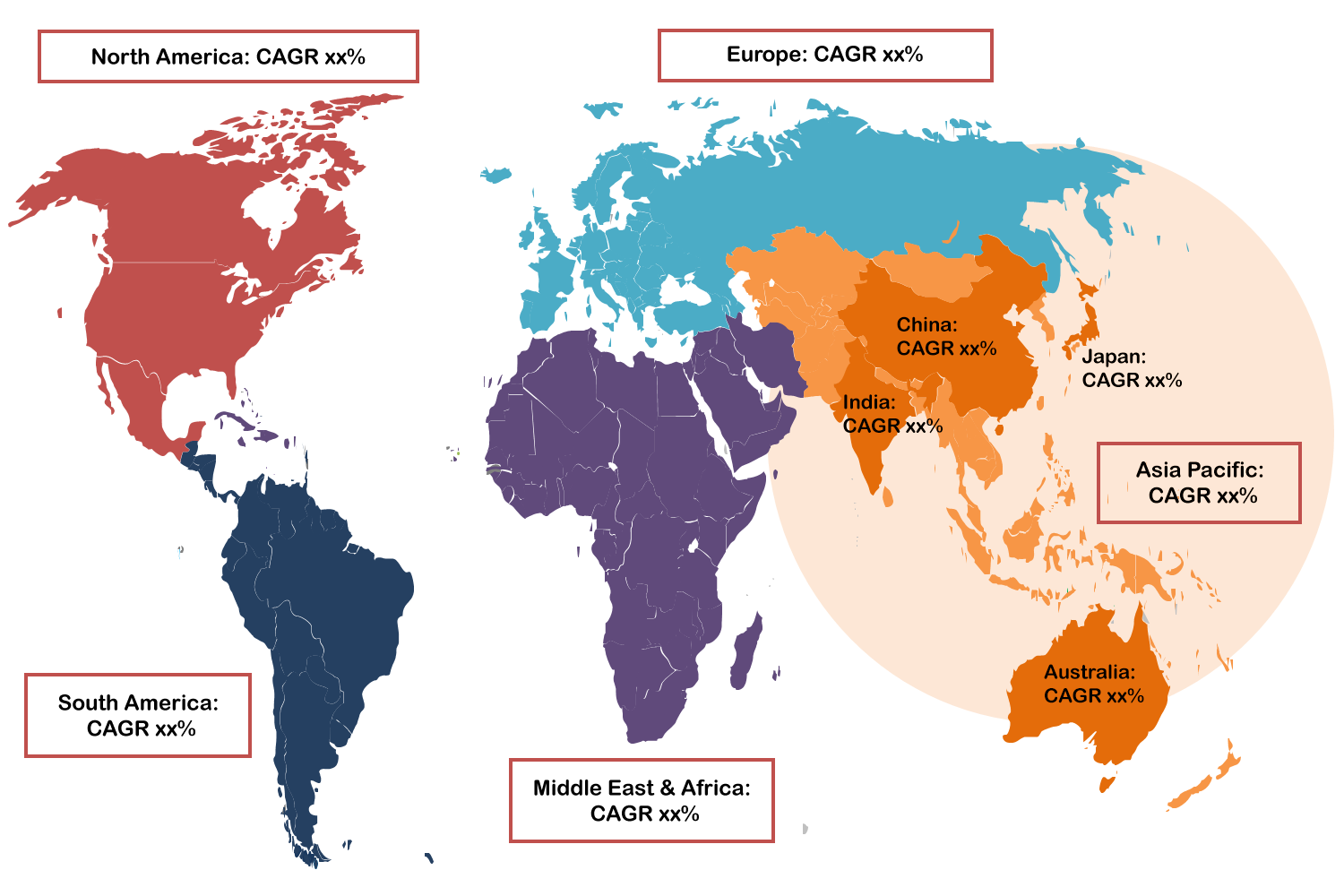
During the forecast period, the Europe region is expected to hold the largest market share because of its status as a major producer of sugar beets and its commitment to sustainability, the circular economy, and the use of agricultural byproducts. The well-established sugar processing industries in nations like France, Germany, Poland, and the Netherlands produce large amounts of beet pulp, much of which is recycled for use in organic soil amendments, animal feed, and biodegradable packaging. The use of beet pulp fiber is further increased by favorable EU laws and programs like the European Green Deal, which promote the value-adding of agro-industrial waste. Additionally, Europe leads the world market owing to its sophisticated infrastructure, rising demand for environmentally friendly products, and robust regulatory support.
Region with highest CAGR:
Over the forecast period, the Asia Pacific region is anticipated to exhibit the highest CAGR, driven by the need for affordable fiber sources in animal feed, growing awareness of sustainable agricultural practices, and fast industrialization. To meet domestic feed demand and lessen reliance on imported feed materials, nations such as China and India are increasing their capacity for sugar beet cultivation and processing. Furthermore, the region's expanding middle class, shifting dietary habits, and government programs supporting the circular economy are all driving the use of agricultural waste products like beet pulp across a range of industries. Furthermore, Asia-Pacific is the fastest-growing region in this field due to its comparatively unexplored market potential, rising investments in agri-waste valorization, and sustainable food systems.
Key players in the market
Some of the key players in Sustainable Beet Pulp Fiber Market include Cosun Beet Company, British Sugar plc, Duynie Group, Nordic Sugar A/S, American Crystal Sugar Company, Cargill, Incorporated, Michigan Sugar Company, Delta Sugar Company, Nordzucker AG, Amalgamated Sugar Company, Südzucker AG, Tereos Group, Nippon Beet Sugar Manufacturing Inc, Louis Dreyfus Company and ED&F Man Holdings Limited.
Key Developments:
In July 2025, Tereos is planning a major expansion of its power contract sales in Brazil, aiming to grow its client base tenfold and reach more than 1,000 corporate customers within the next two years, as per the media report. Tereos, the second-largest sugar producer in Brazil, also generates electricity from sugarcane residue at several of its plants. While the power division makes up a small part of its overall business in the country, it provides a steady source of revenue.
In May 2025, Südzucker AG and AFYREN have committed to extend their long-term partnership to advance sustainable, biobased and circular chemical production aligned with the EU’s green transition goals. The partnership, central to the EU’s AFTER-BIOCHEM initiative led by AFYREN, was solidified in a 2021 multi-year contract.
In May 2025, Cargill Inc reached a settlement with fast-food giant McDonald’s Corp. over its antitrust claims, which alleged price fixing by beef suppliers. The announcement stems from a lawsuit McDonald’s filed in October 2024 against leading meatpackers Cargill, JBS, Swift Beef Co., National Beef Packing Co. and Tyson Foods claiming that they conspired to fix beef prices at artificially high levels by limiting beef supplies starting as early as 2015 through the time of the filing, in violation of the Sherman Act.
Product Types Covered:
• Conventional Beet Pulp Fiber
• Organic Beet Pulp Fiber
Forms Covered:
• Pellets
• Shreds
• Crumbles
Categories Covered:
• Molassed
• Unmolassed
Physical Forms Covered:
• Wet
• Pressed
• Dried
• Ensiled
Livestock Types Covered:
• Cow (Cattle)
• Horse (Equine)
• Sheep
• Goat
• Pig (Swine)
• Buffaloes
• Pet Food
Distribution Channels Covered:
• Online Retail
• Specialty Stores
• Modern Trade
• Departmental Stores
• Convenience Stores
• Direct Sales
• Other Distribution Channels
Applications Covered:
• Animal Feed
• Agriculture
• Bioenergy
• Other Applications
Regions Covered:
• North America
o US
o Canada
o Mexico
• Europe
o Germany
o UK
o Italy
o France
o Spain
o Rest of Europe
• Asia Pacific
o Japan
o China
o India
o Australia
o New Zealand
o South Korea
o Rest of Asia Pacific
• South America
o Argentina
o Brazil
o Chile
o Rest of South America
• Middle East & Africa
o Saudi Arabia
o UAE
o Qatar
o South Africa
o Rest of Middle East & Africa
What our report offers:
- Market share assessments for the regional and country-level segments
- Strategic recommendations for the new entrants
- Covers Market data for the years 2024, 2025, 2026, 2028, and 2032
- Market Trends (Drivers, Constraints, Opportunities, Threats, Challenges, Investment Opportunities, and recommendations)
- Strategic recommendations in key business segments based on the market estimations
- Competitive landscaping mapping the key common trends
- Company profiling with detailed strategies, financials, and recent developments
- Supply chain trends mapping the latest technological advancements
Free Customization Offerings:
All the customers of this report will be entitled to receive one of the following free customization options:
• Company Profiling
o Comprehensive profiling of additional market players (up to 3)
o SWOT Analysis of key players (up to 3)
• Regional Segmentation
o Market estimations, Forecasts and CAGR of any prominent country as per the client's interest (Note: Depends on feasibility check)
• Competitive Benchmarking
o Benchmarking of key players based on product portfolio, geographical presence, and strategic alliances
Table of Contents
1 Executive Summary
2 Preface
2.1 Abstract
2.2 Stake Holders
2.3 Research Scope
2.4 Research Methodology
2.4.1 Data Mining
2.4.2 Data Analysis
2.4.3 Data Validation
2.4.4 Research Approach
2.5 Research Sources
2.5.1 Primary Research Sources
2.5.2 Secondary Research Sources
2.5.3 Assumptions
3 Market Trend Analysis
3.1 Introduction
3.2 Drivers
3.3 Restraints
3.4 Opportunities
3.5 Threats
3.6 Product Analysis
3.7 Application Analysis
3.8 Emerging Markets
3.9 Impact of Covid-19
4 Porters Five Force Analysis
4.1 Bargaining power of suppliers
4.2 Bargaining power of buyers
4.3 Threat of substitutes
4.4 Threat of new entrants
4.5 Competitive rivalry
5 Global Sustainable Beet Pulp Fiber Market, By Product Type
5.1 Introduction
5.2 Conventional Beet Pulp Fiber
5.3 Organic Beet Pulp Fiber
6 Global Sustainable Beet Pulp Fiber Market, By Form
6.1 Introduction
6.2 Pellets
6.3 Shreds
6.4 Crumbles
7 Global Sustainable Beet Pulp Fiber Market, By Category
7.1 Introduction
7.2 Molassed
7.3 Unmolassed
8 Global Sustainable Beet Pulp Fiber Market, By Physical Form
8.1 Introduction
8.2 Wet
8.3 Pressed
8.4 Dried
8.5 Ensiled
9 Global Sustainable Beet Pulp Fiber Market, By Livestock Type
9.1 Introduction
9.2 Cow (Cattle)
9.3 Horse (Equine)
9.4 Sheep
9.5 Goat
9.6 Pig (Swine)
9.7 Buffaloes
9.8 Pet Food
10 Global Sustainable Beet Pulp Fiber Market, By Distribution Channel
10.1 Introduction
10.2 Online Retail
10.3 Specialty Stores
10.4 Modern Trade
10.5 Departmental Stores
10.6 Convenience Stores
10.7 Direct Sales
10.8 Other Distribution Channels
11 Global Sustainable Beet Pulp Fiber Market, By Application
11.1 Introduction
11.2 Animal Feed
11.3 Agriculture
11.4 Bioenergy
11.5 Other Applications
12 Global Sustainable Beet Pulp Fiber Market, By Geography
12.1 Introduction
12.2 North America
12.2.1 US
12.2.2 Canada
12.2.3 Mexico
12.3 Europe
12.3.1 Germany
12.3.2 UK
12.3.3 Italy
12.3.4 France
12.3.5 Spain
12.3.6 Rest of Europe
12.4 Asia Pacific
12.4.1 Japan
12.4.2 China
12.4.3 India
12.4.4 Australia
12.4.5 New Zealand
12.4.6 South Korea
12.4.7 Rest of Asia Pacific
12.5 South America
12.5.1 Argentina
12.5.2 Brazil
12.5.3 Chile
12.5.4 Rest of South America
12.6 Middle East & Africa
12.6.1 Saudi Arabia
12.6.2 UAE
12.6.3 Qatar
12.6.4 South Africa
12.6.5 Rest of Middle East & Africa
13 Key Developments
13.1 Agreements, Partnerships, Collaborations and Joint Ventures
13.2 Acquisitions & Mergers
13.3 New Product Launch
13.4 Expansions
13.5 Other Key Strategies
14 Company Profiling
14.1 Cosun Beet Company
14.2 British Sugar plc
14.3 Duynie Group
14.4 Nordic Sugar A/S
14.5 American Crystal Sugar Company
14.6 Cargill, Incorporated
14.7 Michigan Sugar Company
14.8 Delta Sugar Company
14.9 Nordzucker AG
14.10 Amalgamated Sugar Company
14.11 Südzucker AG
14.12 Tereos Group
14.13 Nippon Beet Sugar Manufacturing Inc
14.14 Louis Dreyfus Company
14.15 ED&F Man Holdings Limited
List of Tables
1 Global Sustainable Beet Pulp Fiber Market Outlook, By Region (2024-2032) ($MN)
2 Global Sustainable Beet Pulp Fiber Market Outlook, By Product Type (2024-2032) ($MN)
3 Global Sustainable Beet Pulp Fiber Market Outlook, By Conventional Beet Pulp Fiber (2024-2032) ($MN)
4 Global Sustainable Beet Pulp Fiber Market Outlook, By Organic Beet Pulp Fiber (2024-2032) ($MN)
5 Global Sustainable Beet Pulp Fiber Market Outlook, By Form (2024-2032) ($MN)
6 Global Sustainable Beet Pulp Fiber Market Outlook, By Pellets (2024-2032) ($MN)
7 Global Sustainable Beet Pulp Fiber Market Outlook, By Shreds (2024-2032) ($MN)
8 Global Sustainable Beet Pulp Fiber Market Outlook, By Crumbles (2024-2032) ($MN)
9 Global Sustainable Beet Pulp Fiber Market Outlook, By Category (2024-2032) ($MN)
10 Global Sustainable Beet Pulp Fiber Market Outlook, By Molassed (2024-2032) ($MN)
11 Global Sustainable Beet Pulp Fiber Market Outlook, By Unmolassed (2024-2032) ($MN)
12 Global Sustainable Beet Pulp Fiber Market Outlook, By Physical Form (2024-2032) ($MN)
13 Global Sustainable Beet Pulp Fiber Market Outlook, By Wet (2024-2032) ($MN)
14 Global Sustainable Beet Pulp Fiber Market Outlook, By Pressed (2024-2032) ($MN)
15 Global Sustainable Beet Pulp Fiber Market Outlook, By Dried (2024-2032) ($MN)
16 Global Sustainable Beet Pulp Fiber Market Outlook, By Ensiled (2024-2032) ($MN)
17 Global Sustainable Beet Pulp Fiber Market Outlook, By Livestock Type (2024-2032) ($MN)
18 Global Sustainable Beet Pulp Fiber Market Outlook, By Cow (Cattle) (2024-2032) ($MN)
19 Global Sustainable Beet Pulp Fiber Market Outlook, By Horse (Equine) (2024-2032) ($MN)
20 Global Sustainable Beet Pulp Fiber Market Outlook, By Sheep (2024-2032) ($MN)
21 Global Sustainable Beet Pulp Fiber Market Outlook, By Goat (2024-2032) ($MN)
22 Global Sustainable Beet Pulp Fiber Market Outlook, By Pig (Swine) (2024-2032) ($MN)
23 Global Sustainable Beet Pulp Fiber Market Outlook, By Buffaloes (2024-2032) ($MN)
24 Global Sustainable Beet Pulp Fiber Market Outlook, By Pet Food (2024-2032) ($MN)
25 Global Sustainable Beet Pulp Fiber Market Outlook, By Distribution Channel (2024-2032) ($MN)
26 Global Sustainable Beet Pulp Fiber Market Outlook, By Online Retail (2024-2032) ($MN)
27 Global Sustainable Beet Pulp Fiber Market Outlook, By Specialty Stores (2024-2032) ($MN)
28 Global Sustainable Beet Pulp Fiber Market Outlook, By Modern Trade (2024-2032) ($MN)
29 Global Sustainable Beet Pulp Fiber Market Outlook, By Departmental Stores (2024-2032) ($MN)
30 Global Sustainable Beet Pulp Fiber Market Outlook, By Convenience Stores (2024-2032) ($MN)
31 Global Sustainable Beet Pulp Fiber Market Outlook, By Direct Sales (2024-2032) ($MN)
32 Global Sustainable Beet Pulp Fiber Market Outlook, By Other Distribution Channels (2024-2032) ($MN)
33 Global Sustainable Beet Pulp Fiber Market Outlook, By Application (2024-2032) ($MN)
34 Global Sustainable Beet Pulp Fiber Market Outlook, By Animal Feed (2024-2032) ($MN)
35 Global Sustainable Beet Pulp Fiber Market Outlook, By Agriculture (2024-2032) ($MN)
36 Global Sustainable Beet Pulp Fiber Market Outlook, By Bioenergy (2024-2032) ($MN)
37 Global Sustainable Beet Pulp Fiber Market Outlook, By Other Applications (2024-2032) ($MN)
Note: Tables for North America, Europe, APAC, South America, and Middle East & Africa Regions are also represented in the same manner as above.
List of Figures
RESEARCH METHODOLOGY
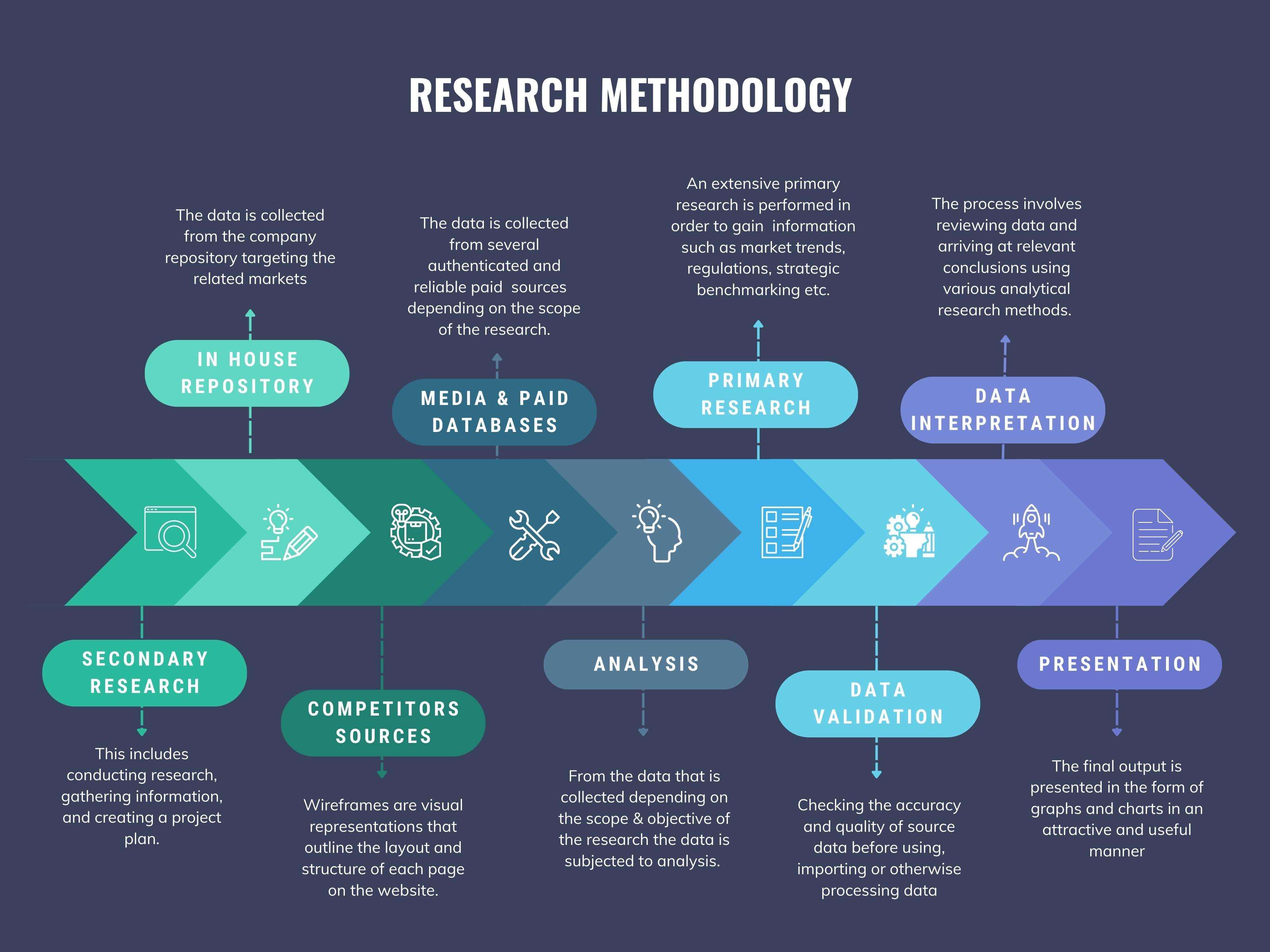
We at ‘Stratistics’ opt for an extensive research approach which involves data mining, data validation, and data analysis. The various research sources include in-house repository, secondary research, competitor’s sources, social media research, client internal data, and primary research.
Our team of analysts prefers the most reliable and authenticated data sources in order to perform the comprehensive literature search. With access to most of the authenticated data bases our team highly considers the best mix of information through various sources to obtain extensive and accurate analysis.
Each report takes an average time of a month and a team of 4 industry analysts. The time may vary depending on the scope and data availability of the desired market report. The various parameters used in the market assessment are standardized in order to enhance the data accuracy.
Data Mining
The data is collected from several authenticated, reliable, paid and unpaid sources and is filtered depending on the scope & objective of the research. Our reports repository acts as an added advantage in this procedure. Data gathering from the raw material suppliers, distributors and the manufacturers is performed on a regular basis, this helps in the comprehensive understanding of the products value chain. Apart from the above mentioned sources the data is also collected from the industry consultants to ensure the objective of the study is in the right direction.
Market trends such as technological advancements, regulatory affairs, market dynamics (Drivers, Restraints, Opportunities and Challenges) are obtained from scientific journals, market related national & international associations and organizations.
Data Analysis
From the data that is collected depending on the scope & objective of the research the data is subjected for the analysis. The critical steps that we follow for the data analysis include:
- Product Lifecycle Analysis
- Competitor analysis
- Risk analysis
- Porters Analysis
- PESTEL Analysis
- SWOT Analysis
The data engineering is performed by the core industry experts considering both the Marketing Mix Modeling and the Demand Forecasting. The marketing mix modeling makes use of multiple-regression techniques to predict the optimal mix of marketing variables. Regression factor is based on a number of variables and how they relate to an outcome such as sales or profits.
Data Validation
The data validation is performed by the exhaustive primary research from the expert interviews. This includes telephonic interviews, focus groups, face to face interviews, and questionnaires to validate our research from all aspects. The industry experts we approach come from the leading firms, involved in the supply chain ranging from the suppliers, distributors to the manufacturers and consumers so as to ensure an unbiased analysis.
We are in touch with more than 15,000 industry experts with the right mix of consultants, CEO's, presidents, vice presidents, managers, experts from both supply side and demand side, executives and so on.
The data validation involves the primary research from the industry experts belonging to:
- Leading Companies
- Suppliers & Distributors
- Manufacturers
- Consumers
- Industry/Strategic Consultants
Apart from the data validation the primary research also helps in performing the fill gap research, i.e. providing solutions for the unmet needs of the research which helps in enhancing the reports quality.
For more details about research methodology, kindly write to us at info@strategymrc.com
Frequently Asked Questions
In case of any queries regarding this report, you can contact the customer service by filing the “Inquiry Before Buy” form available on the right hand side. You may also contact us through email: info@strategymrc.com or phone: +1-301-202-5929
Yes, the samples are available for all the published reports. You can request them by filling the “Request Sample” option available in this page.
Yes, you can request a sample with your specific requirements. All the customized samples will be provided as per the requirement with the real data masked.
All our reports are available in Digital PDF format. In case if you require them in any other formats, such as PPT, Excel etc you can submit a request through “Inquiry Before Buy” form available on the right hand side. You may also contact us through email: info@strategymrc.com or phone: +1-301-202-5929
We offer a free 15% customization with every purchase. This requirement can be fulfilled for both pre and post sale. You may send your customization requirements through email at info@strategymrc.com or call us on +1-301-202-5929.
We have 3 different licensing options available in electronic format.
- Single User Licence: Allows one person, typically the buyer, to have access to the ordered product. The ordered product cannot be distributed to anyone else.
- 2-5 User Licence: Allows the ordered product to be shared among a maximum of 5 people within your organisation.
- Corporate License: Allows the product to be shared among all employees of your organisation regardless of their geographical location.
All our reports are typically be emailed to you as an attachment.
To order any available report you need to register on our website. The payment can be made either through CCAvenue or PayPal payments gateways which accept all international cards.
We extend our support to 6 months post sale. A post sale customization is also provided to cover your unmet needs in the report.
Request Customization
We offer complimentary customization of up to 15% with every purchase. To share your customization requirements, feel free to email us at info@strategymrc.com or call us on +1-301-202-5929. .
Please Note: Customization within the 15% threshold is entirely free of charge. If your request exceeds this limit, we will conduct a feasibility assessment. Following that, a detailed quote and timeline will be provided.
WHY CHOOSE US ?

Assured Quality
Best in class reports with high standard of research integrity

24X7 Research Support
Continuous support to ensure the best customer experience.

Free Customization
Adding more values to your product of interest.

Safe & Secure Access
Providing a secured environment for all online transactions.

Trusted by 600+ Brands
Serving the most reputed brands across the world.