
Textile Waste Management Market
Textile Waste Management Market Forecasts to 2032 – Global Analysis By Waste Type (Post-Consumer Waste, Post-Industrial Waste, Pre-Consumer Waste, Unsold Goods and Non-Hazardous Technical Textiles), Material Type (Natural Fibers, Synthetic Fibers, Blended Fabrics and Cellulosic & Regenerated Fibers), Service, End User and By Geography

According to Stratistics MRC, the Global Textile Waste Management Market is accounted for $11.58 billion in 2025 and is expected to reach $23.00 billion by 2032 growing at a CAGR of 10.3% during the forecast period. The methods and techniques used to minimize, recycle, and appropriately dispose of textile waste produced by homes and the fashion and textile industries are collectively referred to as textile waste management. Fast fashion has made textile waste a major environmental issue, causing landfills to overflow and pollution to rise. Reusing clothing, recycling fibers, upcycling old fabrics into new products, and encouraging sustainable production methods are all examples of effective textile waste management techniques. Additionally, reducing textile waste and its negative effects on the environment depends heavily on promoting consumer awareness and ethical buying practices.
According to the U.S. Environmental Protection Agency (EPA), in 2018 the United States generated 17 million tons of textile municipal solid waste. Of that, 11.3 million tons (≈ 66%) were landfilled, 3.2 million tons were incinerated (≈ 19%), and only 2.5 million tons (≈ 14.7%) were recycled.
Market Dynamics:
Driver:
Fashion industry initiatives and circular economy
A circular economy model is being adopted by the textile industry in an effort to address waste, conserve resources, and lessen its impact on the environment. In order to prolong product life cycles, fashion brands are progressively implementing circular practices such as clothing rental, resale platforms, repair services, and take-back programs. A number of businesses, such as Patagonia, Levi's, and H&M, have pledged to introduce clothing return policies and increase the amount of recycled materials in their collections. Moreover, these initiatives are increasing the textile waste management sector's potential for long-term growth by not only decreasing reliance on landfills but also establishing new value chains focused on recycling and reuse.
Restraint:
Expensive advanced recycling technologies
The high initial cost of sophisticated recycling technologies is one of the largest barriers to textile waste management. Chemical recycling procedures, such as depolymerization, are more costly than conventional disposal techniques because they require sophisticated infrastructure, specialized enzymes or solvents, and a large amount of energy. Furthermore, automated sorting technologies like AI-based systems and near-infrared spectroscopy need to be deployed on a large scale and maintained by skilled workers. Adoption is constrained by these high costs in small and medium-sized businesses (SMEs) and low- and middle-income nations.
Opportunity:
Growth of eco-conscious consumers and circular fashion
One of the biggest opportunities in textile waste management is the move toward circular fashion. Growing environmental consciousness among consumers, particularly among younger generations, has led to a demand for sustainable products and ethical business practices from companies. As a result, upcycling brands, rental services, and resale platforms have grown in popularity. Repair services and clothing return programs are becoming more and more seen as value-added services. Moreover, businesses have a rare opportunity to build closed-loop supply chains, innovate with recyclable materials, and build collection infrastructure as consumer awareness rises. This growing preference for circularity creates new revenue streams that support brand loyalty and lessen the impact on the environment.
Threat:
Demand variability for recycled fibers
The demand and cost of recycled fibers, which frequently find it difficult to compete with less expensive virgin alternatives, particularly during recessions or times of low oil prices, have a significant impact on the textile waste management market. For instance, virgin polyester becomes more attractive, and the market for recycled polyester (rPET) contracts when oil prices fall. Additionally, manufacturers are concerned about quality due to limited availability in some areas and inconsistent performance in recycled fibers. Brands may switch back to traditional materials if they are unable to rely on reliable, high-quality supply chains for recycled inputs. The profitability and long-term investment in textile recycling infrastructure and innovation are seriously threatened by these market swings.
Covid-19 Impact:
The market for textile waste management was affected by the COVID-19 pandemic in a variety of ways, but mostly negatively. Global supply chains were upset during lockdowns, and factory closures, decreased consumer demand, and store closures caused a dramatic drop in textile production. This led to a brief decrease in the production of pre-consumer textile waste, such as production scraps. However, post-consumer textile waste—a large portion of which was non-recyclable—rose as a result of the rise in online shopping, fast fashion clearances, and disposable personal protective equipment (PPE) like masks. Workforce limitations and safety concerns also caused waste collection and recycling activities to slow down.
The post-consumer waste segment is expected to be the largest during the forecast period
The post-consumer waste segment is expected to account for the largest market share during the forecast period. Home textiles, used clothing, and other fabric-based products that customers throw away after using them are included in this category. According to the Ellen MacArthur Foundation, the rise in fast fashion, short product lifecycles, and increased consumerism has led to a massive global textile waste problem, with over 90 million tonnes produced each year. With recycling programs, secondhand markets, and take-back programs, governments and industry stakeholders are paying more attention to this market. Moreover, post-consumer waste continues to be the largest and most important segment due to its volume, environmental impact, and crucial role in completing the textile circular economy loop, despite obstacles like contamination and material complexity.
The retailers segment is expected to have the highest CAGR during the forecast period
Over the forecast period, the retailers segment is predicted to witness the highest growth rate. The Retailers segment—which includes department stores, shops, online marketplaces, and fashion brands—is anticipated to expand at the fastest rate. The growing use of clothing return programs, circular business models (such as renting and reselling), and corporate sustainability initiatives are the main drivers of this expansion. Retailers are being forced by global Extended Producer Responsibility (EPR) laws to gather and recycle post-consumer textiles, and consumers' increasing desire for circularity is rewarding companies with strong reuse programs. Additionally, fast collection program scaling is made possible by retailers' strong logistics networks, marketing channels, and direct consumer reach.
Region with largest share:
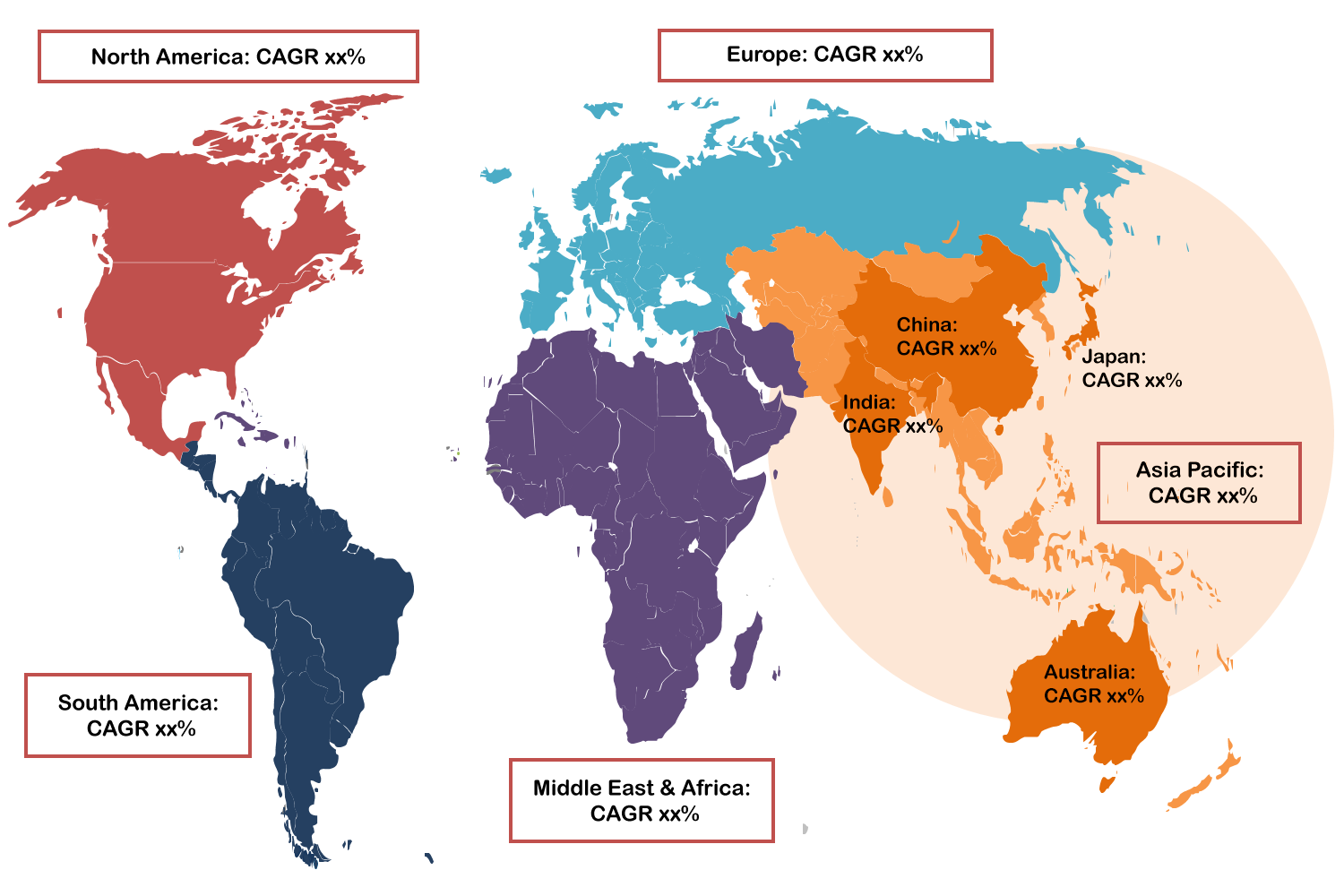
During the forecast period, the Europe region is expected to hold the largest market share, driven by its extensive adoption of sustainable practices, sophisticated recycling infrastructure, and strict environmental regulations. With the help of robust policies like the EU Strategy for Sustainable and Circular Textiles and Extended Producer Responsibility (EPR) laws that require textile collection and recycling, the region is leading the way in circular economy initiatives. Furthermore, Europe is the most developed and dominant region in terms of market size and system efficiency because nations like Germany, France, and the Netherlands are at the forefront of developing textile sorting and recycling technologies.
Region with highest CAGR:
Over the forecast period, the Asia-Pacific region is anticipated to exhibit the highest CAGR, driven by rising environmental consciousness, growing textile production, and fast urbanization. In addition to being significant textile producers, nations like Bangladesh, Vietnam, China, and India also produce a lot of textile waste. To combat the region's growing waste problems, governments are enacting stronger environmental laws, boosting recycling expenditures, and advocating for circular economy principles. Moreover, Asia-Pacific is the region with the fastest rate of growth for organized textile waste management solutions due to factors like growing middle-class populations, rising fast fashion consumption, and local and international brands implementing sustainability frameworks.
Key players in the market
Some of the key players in Textile Waste Management Market include Infinited Fiber Company, Aquafil S.p.A., Patagonia Inc., Suez SA, TOMRA Sorting Solutions, Lenzing AG, Fabscrap Inc., Hyosung TNC Corporation, Indorama Ventures PLC, Renewcell AB, Boer Group, RETEXTIL Deutschland GmbH, Textile Recycling International, Veolia Environnement S.A., Le Relais Group, SOEX Group and Worn Again Technologies.
Key Developments:
In December 2024, Hyosung TNC Corp said it will acquire the specialty gas division of Hyosung Chemical Corp. for 920 billion won ($642 million). The textile subsidiary of Hyosung Group approved the plan at its board meeting earlier in the day. Hyosung TNC, the world’s largest spandex manufacturer, received a letter of intent for the acquisition from Hyosung Chemical and has reviewed the takeover.
In November 2024, Tomra Recycling and Redwave have announced an agreement that will see the two firms offer each other’s complementary metal sorting technologies directly to their respective customers. The alliance focuses specifically on the X-ray fluorescence (XRF) sorting devices made by Redwave and X-ray transmission (XRT) technology in which Tomra specializes.
In October 2024, Aquafil and Asahi Kasei collaborate on cellulose nanofiber and regenerated ECONYL® Polymer for 3D printing applications. The two companies agreed to develop a novel material for 3D printing (3DP) applications utilizing Aquafil’s ECONYL® Polymer chemically recycled PA6 and Asahi Kasei’s cellulose nanofiber (CNF), with the support of ITOCHU Corporation, which has made a capital investment in Aquafil.
Waste Types Covered:
• Post-Consumer Waste
• Post-Industrial Waste
• Pre-Consumer Waste
• Unsold Goods
• Non-Hazardous Technical Textiles
Material Types Covered:
• Natural Fibers
• Synthetic Fibers
• Blended Fabrics
• Cellulosic & Regenerated Fibers
Services Covered:
• Collection & Logistics
• Sorting & Grading
• Composting
• Recycling
End Users Covered:
• Residential/Household
• Commercial & Institutional
• Industrial Manufacturing
• Textile manufacturers
• Retailers
• Recyclers
• Other End Users
Regions Covered:
• North America
o US
o Canada
o Mexico
• Europe
o Germany
o UK
o Italy
o France
o Spain
o Rest of Europe
• Asia Pacific
o Japan
o China
o India
o Australia
o New Zealand
o South Korea
o Rest of Asia Pacific
• South America
o Argentina
o Brazil
o Chile
o Rest of South America
• Middle East & Africa
o Saudi Arabia
o UAE
o Qatar
o South Africa
o Rest of Middle East & Africa
What our report offers:
- Market share assessments for the regional and country-level segments
- Strategic recommendations for the new entrants
- Covers Market data for the years 2024, 2025, 2026, 2028, and 2032
- Market Trends (Drivers, Constraints, Opportunities, Threats, Challenges, Investment Opportunities, and recommendations)
- Strategic recommendations in key business segments based on the market estimations
- Competitive landscaping mapping the key common trends
- Company profiling with detailed strategies, financials, and recent developments
- Supply chain trends mapping the latest technological advancements
Free Customization Offerings:
All the customers of this report will be entitled to receive one of the following free customization options:
• Company Profiling
o Comprehensive profiling of additional market players (up to 3)
o SWOT Analysis of key players (up to 3)
• Regional Segmentation
o Market estimations, Forecasts and CAGR of any prominent country as per the client's interest (Note: Depends on feasibility check)
• Competitive Benchmarking
o Benchmarking of key players based on product portfolio, geographical presence, and strategic alliances
Table of Contents
1 Executive Summary
2 Preface
2.1 Abstract
2.2 Stake Holders
2.3 Research Scope
2.4 Research Methodology
2.4.1 Data Mining
2.4.2 Data Analysis
2.4.3 Data Validation
2.4.4 Research Approach
2.5 Research Sources
2.5.1 Primary Research Sources
2.5.2 Secondary Research Sources
2.5.3 Assumptions
3 Market Trend Analysis
3.1 Introduction
3.2 Drivers
3.3 Restraints
3.4 Opportunities
3.5 Threats
3.6 End User Analysis
3.7 Emerging Markets
3.8 Impact of Covid-19
4 Porters Five Force Analysis
4.1 Bargaining power of suppliers
4.2 Bargaining power of buyers
4.3 Threat of substitutes
4.4 Threat of new entrants
4.5 Competitive rivalry
5 Global Textile Waste Management Market, By Waste Type
5.1 Introduction
5.2 Post-Consumer Waste
5.3 Post-Industrial Waste
5.4 Pre-Consumer Waste
5.5 Unsold Goods
5.6 Non-Hazardous Technical Textiles
6 Global Textile Waste Management Market, By Material Type
6.1 Introduction
6.2 Natural Fibers
6.2.1 Cotton
6.2.2 Wool
6.2.3 Silk
6.2.4 Jute
6.2.5 Animal Fibre
6.3 Synthetic Fibers
6.3.1 Polyester
6.3.2 Nylon
6.3.3 Acrylic
6.4 Blended Fabrics
6.5 Cellulosic & Regenerated Fibers
6.5.1 Viscose
6.5.2 Lyocell
6.5.3 Modal
7 Global Textile Waste Management Market, By Service
7.1 Introduction
7.2 Collection & Logistics
7.3 Sorting & Grading
7.4 Composting
7.5 Recycling
7.5.1 Mechanical Recycling
7.5.2 Chemical/Enzymatic Recycling
7.5.3 Reuse/Refurbishment
8 Global Textile Waste Management Market, By End User
8.1 Introduction
8.2 Residential/Household
8.3 Commercial & Institutional
8.4 Industrial Manufacturing
8.5 Textile manufacturers
8.6 Retailers
8.7 Recyclers
8.8 Other End Users
9 Global Textile Waste Management Market, By Geography
9.1 Introduction
9.2 North America
9.2.1 US
9.2.2 Canada
9.2.3 Mexico
9.3 Europe
9.3.1 Germany
9.3.2 UK
9.3.3 Italy
9.3.4 France
9.3.5 Spain
9.3.6 Rest of Europe
9.4 Asia Pacific
9.4.1 Japan
9.4.2 China
9.4.3 India
9.4.4 Australia
9.4.5 New Zealand
9.4.6 South Korea
9.4.7 Rest of Asia Pacific
9.5 South America
9.5.1 Argentina
9.5.2 Brazil
9.5.3 Chile
9.5.4 Rest of South America
9.6 Middle East & Africa
9.6.1 Saudi Arabia
9.6.2 UAE
9.6.3 Qatar
9.6.4 South Africa
9.6.5 Rest of Middle East & Africa
10 Key Developments
10.1 Agreements, Partnerships, Collaborations and Joint Ventures
10.2 Acquisitions & Mergers
10.3 New Product Launch
10.4 Expansions
10.5 Other Key Strategies
11 Company Profiling
11.1 Infinited Fiber Company
11.2 Aquafil S.p.A.
11.3 Patagonia Inc.
11.4 Suez SA
11.5 TOMRA Sorting Solutions
11.6 Lenzing AG
11.7 Fabscrap Inc.
11.8 Hyosung TNC Corporation
11.9 Indorama Ventures PLC
11.10 Renewcell AB
11.11 Boer Group
11.12 RETEXTIL Deutschland GmbH
11.13 Textile Recycling International
11.14 Veolia Environnement S.A.
11.15 Le Relais Group
11.16 SOEX Group
11.17 Worn Again Technologies
List of Tables
1 Global Textile Waste Management Market Outlook, By Region (2024-2032) ($MN)
2 Global Textile Waste Management Market Outlook, By Waste Type (2024-2032) ($MN)
3 Global Textile Waste Management Market Outlook, By Post-Consumer Waste (2024-2032) ($MN)
4 Global Textile Waste Management Market Outlook, By Post-Industrial Waste (2024-2032) ($MN)
5 Global Textile Waste Management Market Outlook, By Pre-Consumer Waste (2024-2032) ($MN)
6 Global Textile Waste Management Market Outlook, By Unsold Goods (2024-2032) ($MN)
7 Global Textile Waste Management Market Outlook, By Non-Hazardous Technical Textiles (2024-2032) ($MN)
8 Global Textile Waste Management Market Outlook, By Material Type (2024-2032) ($MN)
9 Global Textile Waste Management Market Outlook, By Natural Fibers (2024-2032) ($MN)
10 Global Textile Waste Management Market Outlook, By Cotton (2024-2032) ($MN)
11 Global Textile Waste Management Market Outlook, By Wool (2024-2032) ($MN)
12 Global Textile Waste Management Market Outlook, By Silk (2024-2032) ($MN)
13 Global Textile Waste Management Market Outlook, By Jute (2024-2032) ($MN)
14 Global Textile Waste Management Market Outlook, By Animal Fibre (2024-2032) ($MN)
15 Global Textile Waste Management Market Outlook, By Synthetic Fibers (2024-2032) ($MN)
16 Global Textile Waste Management Market Outlook, By Polyester (2024-2032) ($MN)
17 Global Textile Waste Management Market Outlook, By Nylon (2024-2032) ($MN)
18 Global Textile Waste Management Market Outlook, By Acrylic (2024-2032) ($MN)
19 Global Textile Waste Management Market Outlook, By Blended Fabrics (2024-2032) ($MN)
20 Global Textile Waste Management Market Outlook, By Cellulosic & Regenerated Fibers (2024-2032) ($MN)
21 Global Textile Waste Management Market Outlook, By Viscose (2024-2032) ($MN)
22 Global Textile Waste Management Market Outlook, By Lyocell (2024-2032) ($MN)
23 Global Textile Waste Management Market Outlook, By Modal (2024-2032) ($MN)
24 Global Textile Waste Management Market Outlook, By Service (2024-2032) ($MN)
25 Global Textile Waste Management Market Outlook, By Collection & Logistics (2024-2032) ($MN)
26 Global Textile Waste Management Market Outlook, By Sorting & Grading (2024-2032) ($MN)
27 Global Textile Waste Management Market Outlook, By Composting (2024-2032) ($MN)
28 Global Textile Waste Management Market Outlook, By Recycling (2024-2032) ($MN)
29 Global Textile Waste Management Market Outlook, By Mechanical Recycling (2024-2032) ($MN)
30 Global Textile Waste Management Market Outlook, By Chemical/Enzymatic Recycling (2024-2032) ($MN)
31 Global Textile Waste Management Market Outlook, By Reuse/Refurbishment (2024-2032) ($MN)
32 Global Textile Waste Management Market Outlook, By End User (2024-2032) ($MN)
33 Global Textile Waste Management Market Outlook, By Residential/Household (2024-2032) ($MN)
34 Global Textile Waste Management Market Outlook, By Commercial & Institutional (2024-2032) ($MN)
35 Global Textile Waste Management Market Outlook, By Industrial Manufacturing (2024-2032) ($MN)
36 Global Textile Waste Management Market Outlook, By Textile manufacturers (2024-2032) ($MN)
37 Global Textile Waste Management Market Outlook, By Retailers (2024-2032) ($MN)
38 Global Textile Waste Management Market Outlook, By Recyclers (2024-2032) ($MN)
39 Global Textile Waste Management Market Outlook, By Other End Users (2024-2032) ($MN)
Note: Tables for North America, Europe, APAC, South America, and Middle East & Africa Regions are also represented in the same manner as above.
List of Figures
RESEARCH METHODOLOGY

We at ‘Stratistics’ opt for an extensive research approach which involves data mining, data validation, and data analysis. The various research sources include in-house repository, secondary research, competitor’s sources, social media research, client internal data, and primary research.
Our team of analysts prefers the most reliable and authenticated data sources in order to perform the comprehensive literature search. With access to most of the authenticated data bases our team highly considers the best mix of information through various sources to obtain extensive and accurate analysis.
Each report takes an average time of a month and a team of 4 industry analysts. The time may vary depending on the scope and data availability of the desired market report. The various parameters used in the market assessment are standardized in order to enhance the data accuracy.
Data Mining
The data is collected from several authenticated, reliable, paid and unpaid sources and is filtered depending on the scope & objective of the research. Our reports repository acts as an added advantage in this procedure. Data gathering from the raw material suppliers, distributors and the manufacturers is performed on a regular basis, this helps in the comprehensive understanding of the products value chain. Apart from the above mentioned sources the data is also collected from the industry consultants to ensure the objective of the study is in the right direction.
Market trends such as technological advancements, regulatory affairs, market dynamics (Drivers, Restraints, Opportunities and Challenges) are obtained from scientific journals, market related national & international associations and organizations.
Data Analysis
From the data that is collected depending on the scope & objective of the research the data is subjected for the analysis. The critical steps that we follow for the data analysis include:
- Product Lifecycle Analysis
- Competitor analysis
- Risk analysis
- Porters Analysis
- PESTEL Analysis
- SWOT Analysis
The data engineering is performed by the core industry experts considering both the Marketing Mix Modeling and the Demand Forecasting. The marketing mix modeling makes use of multiple-regression techniques to predict the optimal mix of marketing variables. Regression factor is based on a number of variables and how they relate to an outcome such as sales or profits.
Data Validation
The data validation is performed by the exhaustive primary research from the expert interviews. This includes telephonic interviews, focus groups, face to face interviews, and questionnaires to validate our research from all aspects. The industry experts we approach come from the leading firms, involved in the supply chain ranging from the suppliers, distributors to the manufacturers and consumers so as to ensure an unbiased analysis.
We are in touch with more than 15,000 industry experts with the right mix of consultants, CEO's, presidents, vice presidents, managers, experts from both supply side and demand side, executives and so on.
The data validation involves the primary research from the industry experts belonging to:
- Leading Companies
- Suppliers & Distributors
- Manufacturers
- Consumers
- Industry/Strategic Consultants
Apart from the data validation the primary research also helps in performing the fill gap research, i.e. providing solutions for the unmet needs of the research which helps in enhancing the reports quality.
For more details about research methodology, kindly write to us at info@strategymrc.com
Frequently Asked Questions
In case of any queries regarding this report, you can contact the customer service by filing the “Inquiry Before Buy” form available on the right hand side. You may also contact us through email: info@strategymrc.com or phone: +1-301-202-5929
Yes, the samples are available for all the published reports. You can request them by filling the “Request Sample” option available in this page.
Yes, you can request a sample with your specific requirements. All the customized samples will be provided as per the requirement with the real data masked.
All our reports are available in Digital PDF format. In case if you require them in any other formats, such as PPT, Excel etc you can submit a request through “Inquiry Before Buy” form available on the right hand side. You may also contact us through email: info@strategymrc.com or phone: +1-301-202-5929
We offer a free 15% customization with every purchase. This requirement can be fulfilled for both pre and post sale. You may send your customization requirements through email at info@strategymrc.com or call us on +1-301-202-5929.
We have 3 different licensing options available in electronic format.
- Single User Licence: Allows one person, typically the buyer, to have access to the ordered product. The ordered product cannot be distributed to anyone else.
- 2-5 User Licence: Allows the ordered product to be shared among a maximum of 5 people within your organisation.
- Corporate License: Allows the product to be shared among all employees of your organisation regardless of their geographical location.
All our reports are typically be emailed to you as an attachment.
To order any available report you need to register on our website. The payment can be made either through CCAvenue or PayPal payments gateways which accept all international cards.
We extend our support to 6 months post sale. A post sale customization is also provided to cover your unmet needs in the report.
Request Customization
We offer complimentary customization of up to 15% with every purchase. To share your customization requirements, feel free to email us at info@strategymrc.com or call us on +1-301-202-5929. .
Please Note: Customization within the 15% threshold is entirely free of charge. If your request exceeds this limit, we will conduct a feasibility assessment. Following that, a detailed quote and timeline will be provided.
WHY CHOOSE US ?

Assured Quality
Best in class reports with high standard of research integrity

24X7 Research Support
Continuous support to ensure the best customer experience.

Free Customization
Adding more values to your product of interest.

Safe & Secure Access
Providing a secured environment for all online transactions.

Trusted by 600+ Brands
Serving the most reputed brands across the world.
