
Toiletries Market
Toiletries Market Forecasts to 2032 – Global Analysis By Product Type (Soaps & Body Wash, Shampoos & Conditioners, Oral Care, Deodorants & Antiperspirants, Shaving & Hair Removal and Skin Care), Category, Packaging Format, Distribution Channel, End User and By Geography

According to Stratistics MRC, the Global Toiletries Market is accounted for $184.49 billion in 2025 and is expected to reach $285.57 billion by 2032 growing at a CAGR of 6.44% during the forecast period. Toiletries are daily-use personal care items that help maintain hygiene, health, and grooming standards. Common products include soaps, shampoos, toothpaste, deodorants, and shaving essentials. Apart from promoting cleanliness, toiletries enhance comfort, protection, and overall well-being. The worldwide toiletries market is expanding due to increased hygiene awareness, higher disposable income, and social media’s impact on beauty and grooming preferences. Consumers are increasingly seeking natural and organic options, while innovative packaging, portability, and environmentally friendly products are influencing buying choices. Toiletries remain a crucial part of everyday life, addressing both practical and aesthetic requirements, and their development continues to reflect evolving consumer demands and lifestyle trends.
According to the Government of Ghana, GH₵292.4 million has been allocated in the 2025 national budget for the distribution of free sanitary pads to female students in primary and secondary schools.
Market Dynamics:
Driver:
Rising hygiene awareness
Growing consumer awareness regarding personal cleanliness is fueling the expansion of the toiletries market. People increasingly recognize the importance of hygiene in preventing illnesses, boosting the consumption of soaps, body washes, oral care items, and sanitizers. Public health campaigns, digital platforms, and educational programs have played a pivotal role in promoting hygiene routines. This behavioral change has resulted in both higher product demand and innovation, as manufacturers develop specialized formulations, including antibacterial and germ-protective products. Consequently, the toiletries sector is witnessing robust growth worldwide, driven by the continual emphasis on maintaining health and cleanliness among diverse consumer groups.
Restraint:
High product prices
Premium toiletries and specialized personal care items often carry high prices, which can restrain market growth. Consumers in cost-sensitive areas may find luxury or innovative products financially inaccessible, limiting their usage. Despite offering enhanced quality, natural ingredients, or unique features, these products remain out of reach for a broad audience. This creates a barrier to market expansion in developing regions and among lower-income consumers. Companies must carefully manage the balance between maintaining quality and keeping products affordable while protecting profit margins. Therefore, while affluent segments drive growth through premium purchases, elevated price points restrict widespread adoption, slowing market development and revenue potential in certain markets.
Opportunity:
Growing demand for natural and organic products
Rising consumer interest in organic and natural personal care products offers substantial growth potential in the toiletries market. Health-conscious and environmentally aware buyers increasingly seek items made from herbal extracts, essential oils, and free from harmful chemicals. This trend encourages companies to develop eco-friendly, sustainable product lines catering to green-minded consumers. Moreover, organic and natural toiletries typically allow higher pricing, boosting profitability. By embracing this demand, brands can stand out in a competitive market, attract a broader audience, and enhance customer loyalty, all while promoting sustainable and responsible personal care practices. This represents a promising avenue for innovation and long-term market growth worldwide.
Threat:
Counterfeit and low-quality products
The presence of counterfeit and poor-quality toiletries represents a major threat to the industry’s growth and brand credibility. Fake or substandard products endanger consumer safety and erode trust in authentic brands. In regions with weak regulatory oversight, counterfeit items often proliferate, affecting genuine product sales. Companies are compelled to invest in anti-counterfeit measures, strict quality assurance, and consumer education campaigns. Negative experiences with low-quality products can tarnish the overall perception of the market. Consequently, counterfeit and inferior products weaken consumer confidence, reduce brand loyalty, and create challenges for both established companies and new entrants, hindering sustainable growth and market stability in the toiletries sector.
Covid-19 Impact:
The COVID-19 outbreak had a major effect on the toiletries market worldwide. Rising health and hygiene awareness caused a surge in demand for essential items such as soaps, hand sanitizers, and disinfectants. Consumers focused on personal cleanliness, boosting the sales of daily-care toiletries. Lockdowns and restrictions disrupted supply chains, creating temporary shortages and operational challenges for manufacturers and retailers. E-commerce platforms saw rapid adoption as shoppers preferred safe, online purchasing options. The pandemic also prompted innovation, with companies launching antibacterial, eco-friendly, and travel-sized products to align with evolving consumer needs. Overall, COVID-19 transformed buying habits, highlighting hygiene, safety, and convenience, which significantly influenced market trends.
The soaps & body wash segment is expected to be the largest during the forecast period
The soaps & body wash segment is expected to account for the largest market share during the forecast period. Its widespread adoption stems from its vital role in maintaining hygiene and cleanliness in everyday life. Growing health awareness, regular hand washing practices, and emphasis on skincare routines have driven demand for this segment. Innovations such as natural, antibacterial, and moisturizing formulas have further increased its appeal among consumers. With frequent repeat purchases and a diverse user base spanning various age groups and regions, soaps and body wash maintain a dominant position in the market. This segment continues to reflect both essential personal care needs and shifting consumer trends toward enhanced hygiene.
The travel-size segment is expected to have the highest CAGR during the forecast period
Over the forecast period, the travel-size segment is predicted to witness the highest growth rate. Rising travel frequency for work, leisure, and short trips has made portable toiletries increasingly popular. Consumers prefer compact products that are easy to carry, and trial-sized options allow them to test new brands before buying larger versions. Online retail platforms have further boosted the availability and adoption of travel-size items. Convenience, portability, and adaptability in daily personal care routines are key factors driving the expansion of this segment. As a result, travel-size toiletries are emerging as the most rapidly growing category in the market.
Region with largest share:
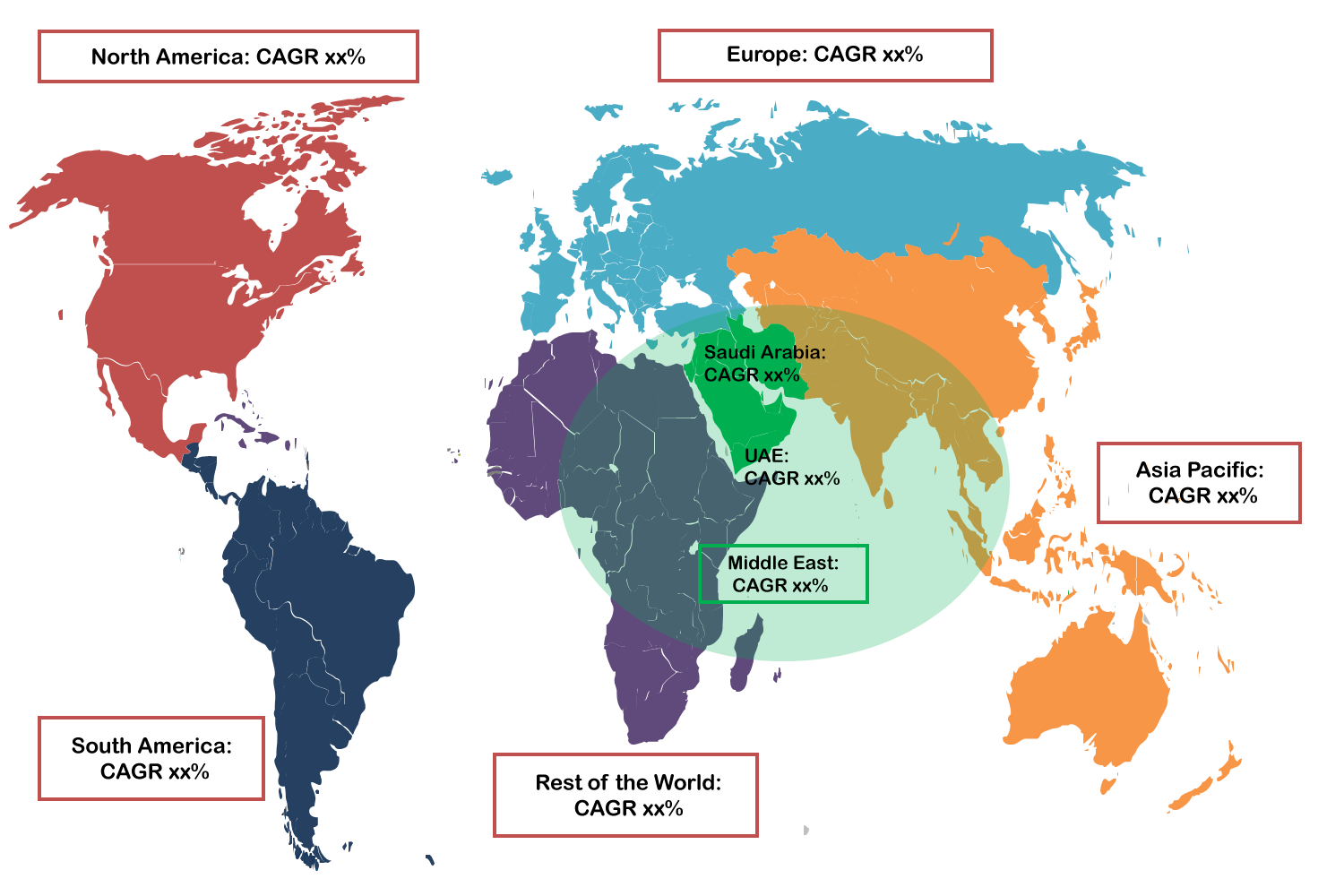
During the forecast period, the Asia Pacific region is expected to hold the largest market share, largely due to its growing population, rising disposable incomes, and heightened focus on personal hygiene. Expanding middle-class demographics and evolving lifestyle habits are driving the consumption of diverse toiletries, including soaps, body washes, shampoos, oral care, and skincare products. Factors such as rapid urban development and the influence of digital platforms on beauty and wellness trends have further accelerated market growth. The region benefits from the presence of both global and local brands introducing innovative, affordable products, strengthening consumer engagement. Consequently, Asia-Pacific continues to dominate the toiletries market, showcasing strong demand, widespread adoption, and significant growth opportunities.
Region with highest CAGR:
Over the forecast period, the Middle East & Africa region is anticipated to exhibit the highest CAGR. This growth is fueled by heightened awareness of personal care, increasing disposable incomes, and the adoption of Western grooming and beauty trends. The proliferation of modern retail channels, such as supermarkets, hypermarkets, and online stores, has improved product availability and convenience. Moreover, there is a rising preference for premium, natural, and organic toiletries, prompting both local and international brands to launch innovative solutions. As a result, the Middle East & Africa is becoming one of the most dynamic and rapidly expanding regions in the toiletries sector.
Key players in the market
Some of the key players in Toiletries Market include Procter & Gamble Co., Unilever PLC, Johnson & Johnson Services, Inc., L'Oréal S.A., Colgate-Palmolive Company, Reckitt Benckiser Group, Kimberly-Clark Corporation, Beiersdorf AG, Estée Lauder Companies, Inc., Shiseido Co., Ltd., Kao Corporation, Himalaya Wellness Limited, Natura & Co Holding S.A., Henkel AG & Co. KGaA and LG Household & Health Care Ltd.
Key Developments:
In March 2025, Johnson & Johnson has announced plans to invest over $55 billion to expand its manufacturing, research and development, and technology capabilities in the United States. The company, which produces a broad range of healthcare solutions, will invest in three new manufacturing facilities and expand several existing sites across the company’s Innovative Medicine and MedTech businesses, creating many new jobs.
In September 2024, Procter & Gamble (P&G) has announced plans to expand its manufacturing facility in Rapides Parish, Louisiana. The company, which specializes in household products, will invest $96.7 million into the project, generating 15 new jobs for the surrounding area. As part of the expansion, P&G will install new advanced production lines, increasing production capacity at the plant.
In August 2024, Unilever International is set to expand its product offerings worldwide, starting on Korean beauty products, sustainable home care innovations, and foods tailored for diaspora communities, according to its CEO, Aseem Puri. Unilever International is a special business which we started 10 years ago, and our motto is to serve the underserved.
Product Types Covered:
• Soaps & Body Wash
• Shampoos & Conditioners
• Oral Care
• Deodorants & Antiperspirants
• Shaving & Hair Removal
• Skin Care
Categories Covered:
• Mass-market
• Premium
• Natural/Organic
• Medicated/Functional
Packaging Formats Covered:
• Single-use
• Refillable
• Bulk/Family Packs
• Travel-size
Distribution Channels Covered:
• Supermarkets & Hypermarkets
• Pharmacies & Drugstores
• Online Retail
• Convenience Stores
• Specialty Beauty Stores
End Users Covered:
• Men
• Women
• Unisex
• Children
Regions Covered:
• North America
o US
o Canada
o Mexico
• Europe
o Germany
o UK
o Italy
o France
o Spain
o Rest of Europe
• Asia Pacific
o Japan
o China
o India
o Australia
o New Zealand
o South Korea
o Rest of Asia Pacific
• South America
o Argentina
o Brazil
o Chile
o Rest of South America
• Middle East & Africa
o Saudi Arabia
o UAE
o Qatar
o South Africa
o Rest of Middle East & Africa
What our report offers:
- Market share assessments for the regional and country-level segments
- Strategic recommendations for the new entrants
- Covers Market data for the years 2024, 2025, 2026, 2028, and 2032
- Market Trends (Drivers, Constraints, Opportunities, Threats, Challenges, Investment Opportunities, and recommendations)
- Strategic recommendations in key business segments based on the market estimations
- Competitive landscaping mapping the key common trends
- Company profiling with detailed strategies, financials, and recent developments
- Supply chain trends mapping the latest technological advancements
Free Customization Offerings:
All the customers of this report will be entitled to receive one of the following free customization options:
• Company Profiling
o Comprehensive profiling of additional market players (up to 3)
o SWOT Analysis of key players (up to 3)
• Regional Segmentation
o Market estimations, Forecasts and CAGR of any prominent country as per the client's interest (Note: Depends on feasibility check)
• Competitive Benchmarking
o Benchmarking of key players based on product portfolio, geographical presence, and strategic alliances
Table of Contents
1 Executive Summary
2 Preface
2.1 Abstract
2.2 Stake Holders
2.3 Research Scope
2.4 Research Methodology
2.4.1 Data Mining
2.4.2 Data Analysis
2.4.3 Data Validation
2.4.4 Research Approach
2.5 Research Sources
2.5.1 Primary Research Sources
2.5.2 Secondary Research Sources
2.5.3 Assumptions
3 Market Trend Analysis
3.1 Introduction
3.2 Drivers
3.3 Restraints
3.4 Opportunities
3.5 Threats
3.6 Product Analysis
3.7 End User Analysis
3.8 Emerging Markets
3.10 Impact of Covid-19
4 Porters Five Force Analysis
4.1 Bargaining power of suppliers
4.2 Bargaining power of buyers
4.3 Threat of substitutes
4.4 Threat of new entrants
4.5 Competitive rivalry
5 Global Toiletries Market, By Product Type
5.1 Introduction
5.2 Soaps & Body Wash
5.3 Shampoos & Conditioners
5.4 Oral Care
5.5 Deodorants & Antiperspirants
5.6 Shaving & Hair Removal
5.7 Skin Care
6 Global Toiletries Market, By Category
6.1 Introduction
6.2 Mass-market
6.3 Premium
6.4 Natural/Organic
6.5 Medicated/Functional
7 Global Toiletries Market, By Packaging Format
7.1 Introduction
7.2 Single-use
7.3 Refillable
7.4 Bulk/Family Packs
7.5 Travel-size
8 Global Toiletries Market, By Distribution Channel
8.1 Introduction
8.2 Supermarkets & Hypermarkets
8.3 Pharmacies & Drugstores
8.4 Online Retail
8.5 Convenience Stores
8.6 Specialty Beauty Stores
9 Global Toiletries Market, By End User
9.1 Introduction
9.2 Men
9.3 Women
9.4 Unisex
9.5 Children
10 Global Toiletries Market, By Geography
10.1 Introduction
10.2 North America
10.2.1 US
10.2.2 Canada
10.2.3 Mexico
10.3 Europe
10.3.1 Germany
10.3.2 UK
10.3.3 Italy
10.3.4 France
10.3.5 Spain
10.3.6 Rest of Europe
10.4 Asia Pacific
10.4.1 Japan
10.4.2 China
10.4.3 India
10.4.4 Australia
10.4.5 New Zealand
10.4.6 South Korea
10.4.7 Rest of Asia Pacific
10.5 South America
10.5.1 Argentina
10.5.2 Brazil
10.5.3 Chile
10.5.4 Rest of South America
10.6 Middle East & Africa
10.6.1 Saudi Arabia
10.6.2 UAE
10.6.3 Qatar
10.6.4 South Africa
10.6.5 Rest of Middle East & Africa
11 Key Developments
11.1 Agreements, Partnerships, Collaborations and Joint Ventures
11.2 Acquisitions & Mergers
11.3 New Product Launch
11.4 Expansions
11.5 Other Key Strategies
12 Company Profiling
12.1 Procter & Gamble Co.
12.2 Unilever PLC
12.3 Johnson & Johnson Services, Inc.
12.4 L'Oréal S.A.
12.5 Colgate-Palmolive Company
12.6 Reckitt Benckiser Group
12.7 Kimberly-Clark Corporation
12.8 Beiersdorf AG
12.9 Estée Lauder Companies, Inc.
12.10 Shiseido Co., Ltd.
12.11 Kao Corporation
12.12 Himalaya Wellness Limited
12.13 Natura & Co Holding S.A.
12.14 Henkel AG & Co. KGaA
12.15 LG Household & Health Care Ltd
List of Tables
1 Global Toiletries Market Outlook, By Region (2024-2032) ($MN)
2 Global Toiletries Market Outlook, By Product Type (2024-2032) ($MN)
3 Global Toiletries Market Outlook, By Soaps & Body Wash (2024-2032) ($MN)
4 Global Toiletries Market Outlook, By Shampoos & Conditioners (2024-2032) ($MN)
5 Global Toiletries Market Outlook, By Oral Care (2024-2032) ($MN)
6 Global Toiletries Market Outlook, By Deodorants & Antiperspirants (2024-2032) ($MN)
7 Global Toiletries Market Outlook, By Shaving & Hair Removal (2024-2032) ($MN)
8 Global Toiletries Market Outlook, By Skin Care (2024-2032) ($MN)
9 Global Toiletries Market Outlook, By Category (2024-2032) ($MN)
10 Global Toiletries Market Outlook, By Mass-market (2024-2032) ($MN)
11 Global Toiletries Market Outlook, By Premium (2024-2032) ($MN)
12 Global Toiletries Market Outlook, By Natural/Organic (2024-2032) ($MN)
13 Global Toiletries Market Outlook, By Medicated/Functional (2024-2032) ($MN)
14 Global Toiletries Market Outlook, By Packaging Format (2024-2032) ($MN)
15 Global Toiletries Market Outlook, By Single-use (2024-2032) ($MN)
16 Global Toiletries Market Outlook, By Refillable (2024-2032) ($MN)
17 Global Toiletries Market Outlook, By Bulk/Family Packs (2024-2032) ($MN)
18 Global Toiletries Market Outlook, By Travel-size (2024-2032) ($MN)
19 Global Toiletries Market Outlook, By Distribution Channel (2024-2032) ($MN)
20 Global Toiletries Market Outlook, By Supermarkets & Hypermarkets (2024-2032) ($MN)
21 Global Toiletries Market Outlook, By Pharmacies & Drugstores (2024-2032) ($MN)
22 Global Toiletries Market Outlook, By Online Retail (2024-2032) ($MN)
23 Global Toiletries Market Outlook, By Convenience Stores (2024-2032) ($MN)
24 Global Toiletries Market Outlook, By Specialty Beauty Stores (2024-2032) ($MN)
25 Global Toiletries Market Outlook, By End User (2024-2032) ($MN)
26 Global Toiletries Market Outlook, By Men (2024-2032) ($MN)
27 Global Toiletries Market Outlook, By Women (2024-2032) ($MN)
28 Global Toiletries Market Outlook, By Unisex (2024-2032) ($MN)
29 Global Toiletries Market Outlook, By Children (2024-2032) ($MN)
Note: Tables for North America, Europe, APAC, South America, and Middle East & Africa Regions are also represented in the same manner as above. .
List of Figures
RESEARCH METHODOLOGY

We at ‘Stratistics’ opt for an extensive research approach which involves data mining, data validation, and data analysis. The various research sources include in-house repository, secondary research, competitor’s sources, social media research, client internal data, and primary research.
Our team of analysts prefers the most reliable and authenticated data sources in order to perform the comprehensive literature search. With access to most of the authenticated data bases our team highly considers the best mix of information through various sources to obtain extensive and accurate analysis.
Each report takes an average time of a month and a team of 4 industry analysts. The time may vary depending on the scope and data availability of the desired market report. The various parameters used in the market assessment are standardized in order to enhance the data accuracy.
Data Mining
The data is collected from several authenticated, reliable, paid and unpaid sources and is filtered depending on the scope & objective of the research. Our reports repository acts as an added advantage in this procedure. Data gathering from the raw material suppliers, distributors and the manufacturers is performed on a regular basis, this helps in the comprehensive understanding of the products value chain. Apart from the above mentioned sources the data is also collected from the industry consultants to ensure the objective of the study is in the right direction.
Market trends such as technological advancements, regulatory affairs, market dynamics (Drivers, Restraints, Opportunities and Challenges) are obtained from scientific journals, market related national & international associations and organizations.
Data Analysis
From the data that is collected depending on the scope & objective of the research the data is subjected for the analysis. The critical steps that we follow for the data analysis include:
- Product Lifecycle Analysis
- Competitor analysis
- Risk analysis
- Porters Analysis
- PESTEL Analysis
- SWOT Analysis
The data engineering is performed by the core industry experts considering both the Marketing Mix Modeling and the Demand Forecasting. The marketing mix modeling makes use of multiple-regression techniques to predict the optimal mix of marketing variables. Regression factor is based on a number of variables and how they relate to an outcome such as sales or profits.
Data Validation
The data validation is performed by the exhaustive primary research from the expert interviews. This includes telephonic interviews, focus groups, face to face interviews, and questionnaires to validate our research from all aspects. The industry experts we approach come from the leading firms, involved in the supply chain ranging from the suppliers, distributors to the manufacturers and consumers so as to ensure an unbiased analysis.
We are in touch with more than 15,000 industry experts with the right mix of consultants, CEO's, presidents, vice presidents, managers, experts from both supply side and demand side, executives and so on.
The data validation involves the primary research from the industry experts belonging to:
- Leading Companies
- Suppliers & Distributors
- Manufacturers
- Consumers
- Industry/Strategic Consultants
Apart from the data validation the primary research also helps in performing the fill gap research, i.e. providing solutions for the unmet needs of the research which helps in enhancing the reports quality.
For more details about research methodology, kindly write to us at info@strategymrc.com
Frequently Asked Questions
In case of any queries regarding this report, you can contact the customer service by filing the “Inquiry Before Buy” form available on the right hand side. You may also contact us through email: info@strategymrc.com or phone: +1-301-202-5929
Yes, the samples are available for all the published reports. You can request them by filling the “Request Sample” option available in this page.
Yes, you can request a sample with your specific requirements. All the customized samples will be provided as per the requirement with the real data masked.
All our reports are available in Digital PDF format. In case if you require them in any other formats, such as PPT, Excel etc you can submit a request through “Inquiry Before Buy” form available on the right hand side. You may also contact us through email: info@strategymrc.com or phone: +1-301-202-5929
We offer a free 15% customization with every purchase. This requirement can be fulfilled for both pre and post sale. You may send your customization requirements through email at info@strategymrc.com or call us on +1-301-202-5929.
We have 3 different licensing options available in electronic format.
- Single User Licence: Allows one person, typically the buyer, to have access to the ordered product. The ordered product cannot be distributed to anyone else.
- 2-5 User Licence: Allows the ordered product to be shared among a maximum of 5 people within your organisation.
- Corporate License: Allows the product to be shared among all employees of your organisation regardless of their geographical location.
All our reports are typically be emailed to you as an attachment.
To order any available report you need to register on our website. The payment can be made either through CCAvenue or PayPal payments gateways which accept all international cards.
We extend our support to 6 months post sale. A post sale customization is also provided to cover your unmet needs in the report.
Request Customization
We offer complimentary customization of up to 15% with every purchase. To share your customization requirements, feel free to email us at info@strategymrc.com or call us on +1-301-202-5929. .
Please Note: Customization within the 15% threshold is entirely free of charge. If your request exceeds this limit, we will conduct a feasibility assessment. Following that, a detailed quote and timeline will be provided.
WHY CHOOSE US ?

Assured Quality
Best in class reports with high standard of research integrity

24X7 Research Support
Continuous support to ensure the best customer experience.

Free Customization
Adding more values to your product of interest.

Safe & Secure Access
Providing a secured environment for all online transactions.

Trusted by 600+ Brands
Serving the most reputed brands across the world.
