Upcycled Flours And Grains Market
Upcycled Flours & Grains Market Forecasts to 2032 – Global Analysis By Product Type (High-fiber Flours, High-protein Flours, Gluten-free Specialty Flours, Functional Blends, Animal Feed Ingredients and Other Product Types), Processing Method (Drying & Milling, Extrusion & Texturization, Fermentation-based Processing, Enzymatic Treatment, Cold-press and Other Processing Methods), Distribution Channel, End User and By Geography

According to Stratistics MRC, the Global Upcycled Flours & Grains Market is accounted for $1.21 billion in 2025 and is expected to reach $2.06 billion by 2032 growing at a CAGR of 7.8% during the forecast period. Upcycled flours and grains are derived from nutrient-rich byproducts of food processing such as spent grains, fruit pomace, or pulp that would otherwise be discarded. These ingredients are repurposed through sustainable methods to create high-fiber, protein-rich flours and grain blends suitable for human consumption. By transforming food waste into value-added products, upcycled flours and grains support circular economy principles, reduce environmental impact, and enhance the nutritional profile of baked goods, snacks, and other food applications across the supply chain.
According to recent MDPI publication highlights that upcycled flours derived from agri-food waste such as fruit pomace and vegetable pulp can retain up to 80% of original dietary fiber and 70% of antioxidant capacity, making them viable for nutritional enrichment in food formulations.
Market Dynamics:
Driver:
Rising demand for sustainable food solutions
Upcycled ingredients, derived from by-products of food processing, offer a viable solution to reduce waste and enhance nutritional value. This shift is supported by growing environmental awareness and regulatory encouragement for circular food systems. Innovations in milling and fermentation technologies are enabling the transformation of spent grains, pulp, and peels into high-quality flours. These products appeal to eco-conscious consumers seeking transparency and ethical sourcing in their food choices.
Restraint:
Limited consumer awareness and education
Despite the ecological and nutritional benefits of upcycled flours, market penetration remains constrained by low consumer familiarity and misconceptions about food waste-derived ingredients. Many buyers are unaware of the safety, quality, and versatility of these products, which hinders adoption. The lack of standardized labeling and certification further complicates consumer trust. Additionally, limited marketing efforts and fragmented messaging across regions have slowed the pace of mainstream acceptance.
Opportunity:
Partnerships with breweries, distilleries, and food processors
Breweries and distilleries generate large volumes of spent grains and mash, which can be repurposed into nutrient-rich baking ingredients. Similarly, fruit and vegetable processors offer access to pulp and peels ideal for flour production. These partnerships not only ensure a steady supply of raw materials but also foster innovation in product development. Joint ventures and co-branding initiatives can enhance visibility and credibility, accelerating market expansion across retail and foodservice channels.
Threat:
Competition from conventional and alternative flours
Upcycled flours face stiff competition from well-established conventional flours and emerging alternatives such as almond, coconut, and chickpea flours. These substitutes often benefit from stronger consumer recognition, established supply chains, and broader culinary applications. Price sensitivity and taste preferences also influence purchasing decisions, with upcycled variants sometimes perceived as niche or experimental. Moreover, regulatory hurdles and inconsistent quality across batches can deter large-scale adoption.
Covid-19 Impact:
The COVID-19 pandemic had a dual impact on the upcycled flours and grains market. On one hand, supply chain disruptions and labor shortages affected the collection and processing of food by-products, leading to temporary production slowdowns. On the other hand, heightened consumer interest in sustainable and home-based cooking solutions boosted demand for innovative baking ingredients. The crisis underscored the importance of resilient food systems and waste reduction, prompting manufacturers to invest in automation and decentralized sourcing.
The gluten-free specialty flours segment is expected to be the largest during the forecast period
The gluten-free specialty flours segment is expected to account for the largest market share during the forecast period propelled by, rising health consciousness and dietary restrictions. These flours, often derived from oats, rice, or legumes, cater to consumers with celiac disease or gluten sensitivity. Their nutritional profile, including high fiber and protein content, makes them attractive for functional food applications. The segment benefits from growing demand in bakery, snack, and pasta categories, especially among wellness-focused buyers.
The artisanal & small-scale bakers segment is expected to have the highest CAGR during the forecast period
Over the forecast period, the artisanal & small-scale bakers segment is predicted to witness the highest growth rate, influenced by, their emphasis on authenticity, sustainability, and ingredient innovation. These bakers are more willing to experiment with upcycled flours to create unique textures and flavors. The segment thrives on local sourcing, storytelling, and community engagement, aligning well with the ethos of upcycled food. As consumer interest in craft baking and farm-to-table experiences grows, this segment is likely to expand rapidly.
Region with largest share:
During the forecast period, the Asia Pacific region is expected to hold the largest market share, fuelled by, its vast agricultural base and growing food processing industry. Countries like India, China, and Japan are witnessing increased adoption of sustainable food practices, driven by urbanization and environmental concerns. Government initiatives promoting food waste reduction and circular economy models are further propelling market growth. The region’s diverse culinary traditions and openness to alternative ingredients make it a fertile ground for upcycled flour innovation.
Region with highest CAGR:
Over the forecast period, the Asia Pacific region is anticipated to exhibit the highest CAGR, driven by, rising disposable incomes, expanding health-conscious consumer base, and rapid digitization of food retail are key contributors. Local startups and multinational players are investing in R&D and capacity building to meet evolving demand. Educational campaigns and influencer-led promotions are helping reshape consumer perceptions. As infrastructure and logistics improve, the region is poised to become a global hub for sustainable grain and flour innovation.
Key players in the market
Some of the key players in Upcycled Flours & Grains Market include ReGrained, Planetarians, NETZRO, Renewal Mill, Outcast Foods, Cirkulär, WISErg, Barnana, Upcycled Food Association, Spent Goods, Toast Ale, Aqua Cultured Foods, Blue Circle Foods, Matriark Foods, Rubies in the Rubble, The Ugly Company, and Forager Project.
Key Developments:
In October 2025, Barnana expanded its retail footprint with new plantain chip varieties and national distribution. The company continues to lead in organic, upcycled snacks, emphasizing sustainability from farm to shelf. Its Series C growth supports further innovation and market reach.
In July 2025, lanetarians revealed plans to auction its intellectual property and assets on August 7, 2025, seeking acquirers to further develop its alt-protein technology. The company emphasized this is not a liquidation but a strategic shift to ensure continued innovation.
In March 2025, ReGrained announced a strategic expansion of its upcycled ingredient line, partnering with Future Food Fund LLP to scale malt-based flour production. The collaboration aims to commercialize high-fiber, protein-rich flour derived from brewing byproducts.
Product Types Covered:
• High-fiber Flours
• High-protein Flours
• Gluten-free Specialty Flours
• Functional Blends
• Animal Feed Ingredients
• Other Product Types
Processing Methods Covered:
• Drying & Milling
• Extrusion & Texturization
• Fermentation-based Processing
• Enzymatic Treatment
• Cold-press
• Other Processing Methods
Distribution Channels Covered:
• Supermarkets/Hypermarkets
• Online Stores
• Specialty Stores
• Other Distribution Channels
End Users Covered:
• Food Manufacturers
• Artisanal & Small-scale Bakers
• Snack & Cereal Producers
• Pet Food Manufacturers
• Foodservice & HORECA
• Retail & Private Label Brands
• Ingredient Distributors
• Other End Users
Regions Covered:
• North America
o US
o Canada
o Mexico
• Europe
o Germany
o UK
o Italy
o France
o Spain
o Rest of Europe
• Asia Pacific
o Japan
o China
o India
o Australia
o New Zealand
o South Korea
o Rest of Asia Pacific
• South America
o Argentina
o Brazil
o Chile
o Rest of South America
• Middle East & Africa
o Saudi Arabia
o UAE
o Qatar
o South Africa
o Rest of Middle East & Africa
What our report offers:
- Market share assessments for the regional and country-level segments
- Strategic recommendations for the new entrants
- Covers Market data for the years 2024, 2025, 2026, 2028, and 2032
- Market Trends (Drivers, Constraints, Opportunities, Threats, Challenges, Investment Opportunities, and recommendations)
- Strategic recommendations in key business segments based on the market estimations
- Competitive landscaping mapping the key common trends
- Company profiling with detailed strategies, financials, and recent developments
- Supply chain trends mapping the latest technological advancements
Free Customization Offerings:
All the customers of this report will be entitled to receive one of the following free customization options:
• Company Profiling
o Comprehensive profiling of additional market players (up to 3)
o SWOT Analysis of key players (up to 3)
• Regional Segmentation
o Market estimations, Forecasts and CAGR of any prominent country as per the client's interest (Note: Depends on feasibility check)
• Competitive Benchmarking
o Benchmarking of key players based on product portfolio, geographical presence, and strategic alliances
Table of Contents
1 Executive Summary
2 Preface
2.1 Abstract
2.2 Stake Holders
2.3 Research Scope
2.4 Research Methodology
2.4.1 Data Mining
2.4.2 Data Analysis
2.4.3 Data Validation
2.4.4 Research Approach
2.5 Research Sources
2.5.1 Primary Research Sources
2.5.2 Secondary Research Sources
2.5.3 Assumptions
3 Market Trend Analysis
3.1 Introduction
3.2 Drivers
3.3 Restraints
3.4 Opportunities
3.5 Threats
3.6 Product Analysis
3.7 End User Analysis
3.8 Emerging Markets
3.9 Impact of Covid-19
4 Porters Five Force Analysis
4.1 Bargaining power of suppliers
4.2 Bargaining power of buyers
4.3 Threat of substitutes
4.4 Threat of new entrants
4.5 Competitive rivalry
5 Global Upcycled Flours & Grains Market, By Product Type
5.1 Introduction
5.2 High-fiber Flours
5.3 High-protein Flours
5.4 Gluten-free Specialty Flours
5.5 Functional Blends
5.6 Animal Feed Ingredients
5.7 Other Product Types
6 Global Upcycled Flours & Grains Market, By Processing Method
6.1 Introduction
6.2 Drying & Milling
6.3 Extrusion & Texturization
6.4 Fermentation-based Processing
6.5 Enzymatic Treatment
6.6 Cold-press
6.7 Other Processing Methods
7 Global Upcycled Flours & Grains Market, By Distribution Channel
7.1 Introduction
7.2 Supermarkets/Hypermarkets
7.3 Online Stores
7.4 Specialty Stores
7.5 Other Distribution Channels
8 Global Upcycled Flours & Grains Market, By End User
8.1 Introduction
8.2 Food Manufacturers
8.3 Artisanal & Small-scale Bakers
8.4 Snack & Cereal Producers
8.5 Pet Food Manufacturers
8.6 Foodservice & HORECA
8.7 Retail & Private Label Brands
8.8 Ingredient Distributors
8.9 Other End Users
9 Global Upcycled Flours & Grains Market, By Geography
9.1 Introduction
9.2 North America
9.2.1 US
9.2.2 Canada
9.2.3 Mexico
9.3 Europe
9.3.1 Germany
9.3.2 UK
9.3.3 Italy
9.3.4 France
9.3.5 Spain
9.3.6 Rest of Europe
9.4 Asia Pacific
9.4.1 Japan
9.4.2 China
9.4.3 India
9.4.4 Australia
9.4.5 New Zealand
9.4.6 South Korea
9.4.7 Rest of Asia Pacific
9.5 South America
9.5.1 Argentina
9.5.2 Brazil
9.5.3 Chile
9.5.4 Rest of South America
9.6 Middle East & Africa
9.6.1 Saudi Arabia
9.6.2 UAE
9.6.3 Qatar
9.6.4 South Africa
9.6.5 Rest of Middle East & Africa
10 Key Developments
10.1 Agreements, Partnerships, Collaborations and Joint Ventures
10.2 Acquisitions & Mergers
10.3 New Product Launch
10.4 Expansions
10.5 Other Key Strategies
11 Company Profiling
11.1 ReGrained
11.2 Planetarians
11.3 NETZRO
11.4 Renewal Mill
11.5 Outcast Foods
11.6 Cirkulär
11.7 WISErg
11.8 Barnana
11.9 Upcycled Food Association
11.10 Spent Goods
11.11 Toast Ale
11.12 Aqua Cultured Foods
11.13 Blue Circle Foods
11.14 Matriark Foods
11.15 Rubies in the Rubble
11.16 The Ugly Company
11.17 Forager Project
List of Tables
1 Global Upcycled Flours & Grains Market Outlook, By Region (2024-2032) ($MN)
2 Global Upcycled Flours & Grains Market Outlook, By Product Type (2024-2032) ($MN)
3 Global Upcycled Flours & Grains Market Outlook, By High-fiber Flours (2024-2032) ($MN)
4 Global Upcycled Flours & Grains Market Outlook, By High-protein Flours (2024-2032) ($MN)
5 Global Upcycled Flours & Grains Market Outlook, By Gluten-free Specialty Flours (2024-2032) ($MN)
6 Global Upcycled Flours & Grains Market Outlook, By Functional Blends (2024-2032) ($MN)
7 Global Upcycled Flours & Grains Market Outlook, By Animal Feed Ingredients (2024-2032) ($MN)
8 Global Upcycled Flours & Grains Market Outlook, By Other Product Types (2024-2032) ($MN)
9 Global Upcycled Flours & Grains Market Outlook, By Processing Method (2024-2032) ($MN)
10 Global Upcycled Flours & Grains Market Outlook, By Drying & Milling (2024-2032) ($MN)
11 Global Upcycled Flours & Grains Market Outlook, By Extrusion & Texturization (2024-2032) ($MN)
12 Global Upcycled Flours & Grains Market Outlook, By Fermentation-based Processing (2024-2032) ($MN)
13 Global Upcycled Flours & Grains Market Outlook, By Enzymatic Treatment (2024-2032) ($MN)
14 Global Upcycled Flours & Grains Market Outlook, By Cold-press (2024-2032) ($MN)
15 Global Upcycled Flours & Grains Market Outlook, By Other Processing Methods (2024-2032) ($MN)
16 Global Upcycled Flours & Grains Market Outlook, By Distribution Channel (2024-2032) ($MN)
17 Global Upcycled Flours & Grains Market Outlook, By Supermarkets/Hypermarkets (2024-2032) ($MN)
18 Global Upcycled Flours & Grains Market Outlook, By Online Stores (2024-2032) ($MN)
19 Global Upcycled Flours & Grains Market Outlook, By Specialty Stores (2024-2032) ($MN)
20 Global Upcycled Flours & Grains Market Outlook, By Other Distribution Channels (2024-2032) ($MN)
21 Global Upcycled Flours & Grains Market Outlook, By End User (2024-2032) ($MN)
22 Global Upcycled Flours & Grains Market Outlook, By Food Manufacturers (2024-2032) ($MN)
23 Global Upcycled Flours & Grains Market Outlook, By Artisanal & Small-scale Bakers (2024-2032) ($MN)
24 Global Upcycled Flours & Grains Market Outlook, By Snack & Cereal Producers (2024-2032) ($MN)
25 Global Upcycled Flours & Grains Market Outlook, By Pet Food Manufacturers (2024-2032) ($MN)
26 Global Upcycled Flours & Grains Market Outlook, By Foodservice & HORECA (2024-2032) ($MN)
27 Global Upcycled Flours & Grains Market Outlook, By Retail & Private Label Brands (2024-2032) ($MN)
28 Global Upcycled Flours & Grains Market Outlook, By Ingredient Distributors (2024-2032) ($MN)
29 Global Upcycled Flours & Grains Market Outlook, By Other End Users (2024-2032) ($MN)
Note: Tables for North America, Europe, APAC, South America, and Middle East & Africa Regions are also represented in the same manner as above.
List of Figures
RESEARCH METHODOLOGY
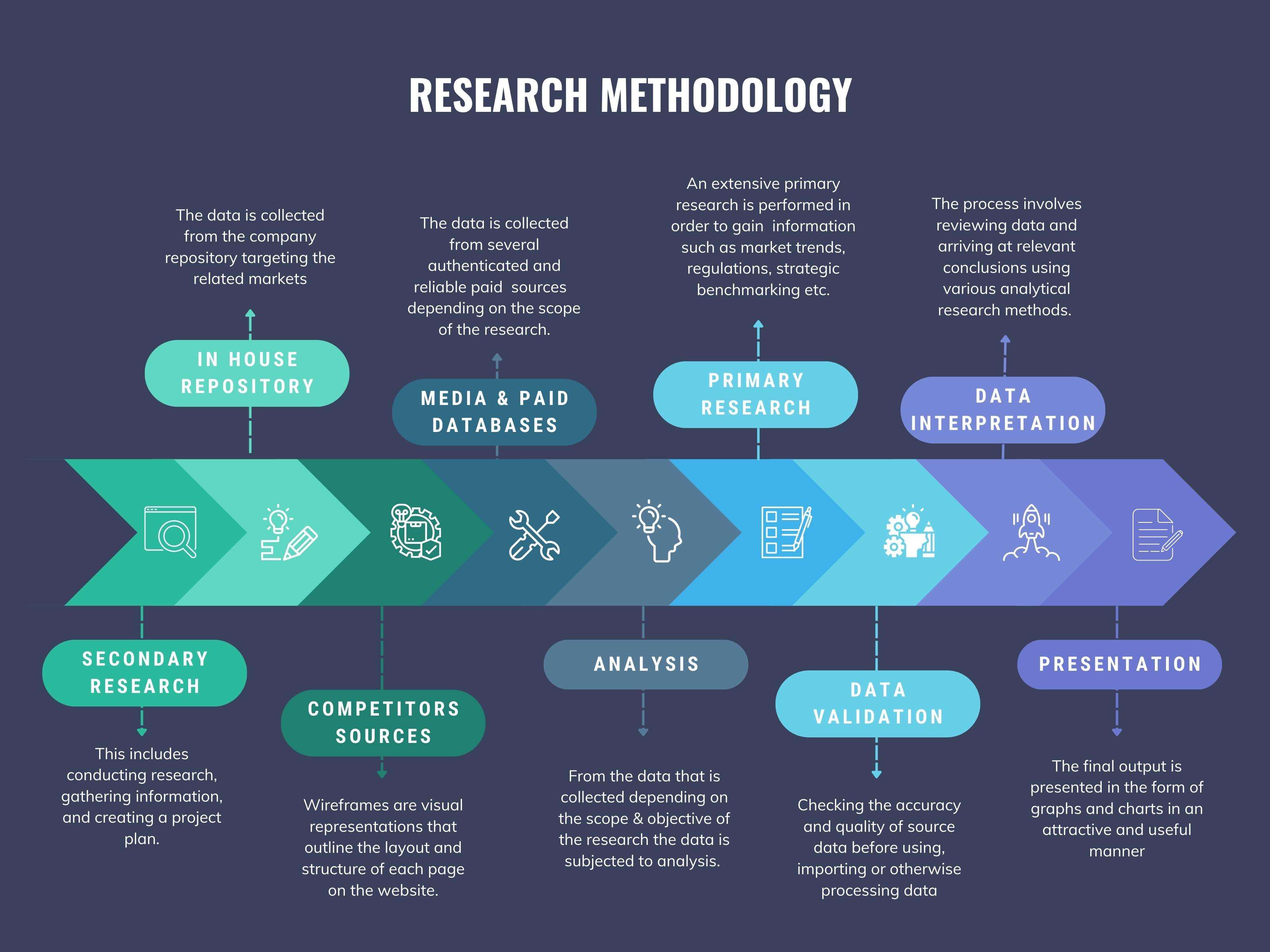
We at ‘Stratistics’ opt for an extensive research approach which involves data mining, data validation, and data analysis. The various research sources include in-house repository, secondary research, competitor’s sources, social media research, client internal data, and primary research.
Our team of analysts prefers the most reliable and authenticated data sources in order to perform the comprehensive literature search. With access to most of the authenticated data bases our team highly considers the best mix of information through various sources to obtain extensive and accurate analysis.
Each report takes an average time of a month and a team of 4 industry analysts. The time may vary depending on the scope and data availability of the desired market report. The various parameters used in the market assessment are standardized in order to enhance the data accuracy.
Data Mining
The data is collected from several authenticated, reliable, paid and unpaid sources and is filtered depending on the scope & objective of the research. Our reports repository acts as an added advantage in this procedure. Data gathering from the raw material suppliers, distributors and the manufacturers is performed on a regular basis, this helps in the comprehensive understanding of the products value chain. Apart from the above mentioned sources the data is also collected from the industry consultants to ensure the objective of the study is in the right direction.
Market trends such as technological advancements, regulatory affairs, market dynamics (Drivers, Restraints, Opportunities and Challenges) are obtained from scientific journals, market related national & international associations and organizations.
Data Analysis
From the data that is collected depending on the scope & objective of the research the data is subjected for the analysis. The critical steps that we follow for the data analysis include:
- Product Lifecycle Analysis
- Competitor analysis
- Risk analysis
- Porters Analysis
- PESTEL Analysis
- SWOT Analysis
The data engineering is performed by the core industry experts considering both the Marketing Mix Modeling and the Demand Forecasting. The marketing mix modeling makes use of multiple-regression techniques to predict the optimal mix of marketing variables. Regression factor is based on a number of variables and how they relate to an outcome such as sales or profits.
Data Validation
The data validation is performed by the exhaustive primary research from the expert interviews. This includes telephonic interviews, focus groups, face to face interviews, and questionnaires to validate our research from all aspects. The industry experts we approach come from the leading firms, involved in the supply chain ranging from the suppliers, distributors to the manufacturers and consumers so as to ensure an unbiased analysis.
We are in touch with more than 15,000 industry experts with the right mix of consultants, CEO's, presidents, vice presidents, managers, experts from both supply side and demand side, executives and so on.
The data validation involves the primary research from the industry experts belonging to:
- Leading Companies
- Suppliers & Distributors
- Manufacturers
- Consumers
- Industry/Strategic Consultants
Apart from the data validation the primary research also helps in performing the fill gap research, i.e. providing solutions for the unmet needs of the research which helps in enhancing the reports quality.
For more details about research methodology, kindly write to us at info@strategymrc.com
Frequently Asked Questions
In case of any queries regarding this report, you can contact the customer service by filing the “Inquiry Before Buy” form available on the right hand side. You may also contact us through email: info@strategymrc.com or phone: +1-301-202-5929
Yes, the samples are available for all the published reports. You can request them by filling the “Request Sample” option available in this page.
Yes, you can request a sample with your specific requirements. All the customized samples will be provided as per the requirement with the real data masked.
All our reports are available in Digital PDF format. In case if you require them in any other formats, such as PPT, Excel etc you can submit a request through “Inquiry Before Buy” form available on the right hand side. You may also contact us through email: info@strategymrc.com or phone: +1-301-202-5929
We offer a free 15% customization with every purchase. This requirement can be fulfilled for both pre and post sale. You may send your customization requirements through email at info@strategymrc.com or call us on +1-301-202-5929.
We have 3 different licensing options available in electronic format.
- Single User Licence: Allows one person, typically the buyer, to have access to the ordered product. The ordered product cannot be distributed to anyone else.
- 2-5 User Licence: Allows the ordered product to be shared among a maximum of 5 people within your organisation.
- Corporate License: Allows the product to be shared among all employees of your organisation regardless of their geographical location.
All our reports are typically be emailed to you as an attachment.
To order any available report you need to register on our website. The payment can be made either through CCAvenue or PayPal payments gateways which accept all international cards.
We extend our support to 6 months post sale. A post sale customization is also provided to cover your unmet needs in the report.
Request Customization
We offer complimentary customization of up to 15% with every purchase. To share your customization requirements, feel free to email us at info@strategymrc.com or call us on +1-301-202-5929. .
Please Note: Customization within the 15% threshold is entirely free of charge. If your request exceeds this limit, we will conduct a feasibility assessment. Following that, a detailed quote and timeline will be provided.
WHY CHOOSE US ?

Assured Quality
Best in class reports with high standard of research integrity

24X7 Research Support
Continuous support to ensure the best customer experience.

Free Customization
Adding more values to your product of interest.

Safe & Secure Access
Providing a secured environment for all online transactions.

Trusted by 600+ Brands
Serving the most reputed brands across the world.