
Virtual Reality Therapy For Ptsd Market
Virtual Reality Therapy for PTSD Market Forecasts to 2032 – Global Analysis By Component (Hardware, Software and Service), Therapy Type, Application, End User and By Geography

According to Stratistics MRC, the Global Virtual Reality Therapy for PTSD Market is accounted for $1.59 billion in 2025 and is expected to reach $5.94 billion by 2032 growing at a CAGR of 20.7% during the forecast period. A new, evidence-based treatment for PTSD called virtual reality therapy (VRT) uses immersive virtual worlds to help people face and process traumatic memories in a safe and regulated environment. Under the supervision of a qualified therapist, patients are gradually exposed to upsetting stimuli by simulating situations that closely resemble the traumatic event. This helps with emotional processing and lessens the severity of PTSD symptoms. This method offers a customized and frequently more entertaining substitute for conventional talk therapy by fusing the ideas of exposure therapy with the effectiveness of virtual immersion.
According to a systematic review published in PLOS ONE, Virtual Reality Exposure Therapy (VRET) showed statistically significant improvements in PTSD symptoms compared to waitlist controls in 7 out of 10 studies reviewed. The review concluded that VRET is as effective as traditional exposure therapy and may be especially beneficial for patients resistant to conventional methods.
Market Dynamics:
Driver:
Growing knowledge and adoption of mental health treatments
Growing awareness of mental health issues, such as PTSD, around the world is fueling the need for cutting-edge, easily accessible treatment approaches like virtual reality therapy. Individuals are more willing to seek therapy as the stigma associated with mental illness gradually diminishes and psychological assistance becomes more commonplace in public discourse. Once underdiagnosed, PTSD is now commonly acknowledged in both civilian and military populations, and there has never been a more pressing need for effective, scalable treatment models. Additionally, this trend is supported by VR therapy, which provides a high-tech, non-invasive solution that appeals to both younger generations who are accustomed to using technology and older adults looking for alternatives to medicine.
Restraint:
Absence of clinical protocols and standardization
There aren't any widely recognized clinical guidelines, protocols, or standards for treating PTSD that apply to VR therapy. Although many clinical trials and pilot programs yield encouraging results, it is challenging to compare outcomes or replicate results on a large scale due to the variation in study designs, therapeutic content, treatment duration, and therapist involvement. Regulatory bodies, insurers, and medical professionals all lose faith in this unpredictability. Furthermore, lack of standardization makes it challenging to maintain quality control across various VR therapy platforms, which may jeopardize patient safety and therapeutic efficacy. This is particularly troubling when working with high-risk groups like trauma survivors or veterans, who might need regular, research-based interventions.
Opportunity:
Extension to civilian trauma and PTSD treatment environments
Although the first focus has been on PTSD related to the military, there is a lot of unrealized potential in the civilian market. Millions of people worldwide suffer from PTSD brought on by violent crimes, natural disasters, sexual assault, accidents, or childhood trauma, but many do not receive proper or specialized treatment. By simulating particular trauma-related settings that are pertinent to civilian populations, virtual reality therapy can be customized to provide targeted treatment. Moreover, VR therapy platforms have a great chance to broaden their applications and reach more people outside of the military as criminal justice, education, and community health settings become more conscious of and accepting of trauma-informed care.
Threat:
Regional differences in regulatory and approval complexities
Digital therapies and VR-based interventions continue to face a fragmented and uneven regulatory environment across various nations and regions. The majority of regulatory bodies lack clear frameworks for assessing and certifying these technologies, even though organizations like the U.S. FDA are starting to approve some VR therapy applications. Businesses that want to expand into foreign markets frequently have to deal with onerous and drawn-out approval a procedure, which adds to expenses and raises legal questions. Furthermore, it is more difficult for platforms to expand internationally or be incorporated into government-funded mental health programs when there are no international clinical standards for the use of VR therapy in the treatment of PTSD.
Covid-19 Impact:
The market for virtual reality therapy for PTSD was greatly accelerated by the COVID-19 pandemic, which brought attention to the pressing need for scalable, technology-driven, remote mental health solutions. VR therapy became a feasible substitute for in-person therapy sessions during lockdowns, providing stress-reduction techniques and immersive exposure therapy that could be administered remotely via portable headsets or even in clinical settings. PTSD cases among healthcare workers, survivors of severe illness, and people who have experienced prolonged isolation or trauma have increased as a result of the pandemic's escalation of psychological distress. Moreover, the increased demand for mental health services gave VR therapy providers the chance to broaden their services, establish new alliances with telehealth platforms, and secure more funding.
The exposure therapy segment is expected to be the largest during the forecast period
The exposure therapy segment is expected to account for the largest market share during the forecast period. This dominance is a result of its solid clinical basis and compatibility with immersive virtual reality environments, which enable patients to safely process and confront traumatic memories through repeatable, controlled simulations. People with PTSD that is phobia- or trauma-related, combat veterans and survivors of natural disasters all benefit greatly from exposure therapy. By making traditional exposure more realistic and personalized, virtual reality (VR) improves patient engagement and treatment results. Within the PTSD market for virtual reality therapy, VR-based exposure therapy has emerged as the most well-established and validated therapeutic use case, supported by a wealth of clinical research and widely embraced by mental health practitioners.
The civilian trauma segment is expected to have the highest CAGR during the forecast period
Over the forecast period, the civilian trauma segment is predicted to witness the highest growth rate. Rising awareness of mental health concerns among non-military populations and an increase in PTSD diagnoses connected to sexual assault, domestic abuse, accidents, and natural disasters are driving this growth. Children, women, and frontline workers impacted by post-pandemic stressors are among the larger demographics affected by civilian trauma, in contrast to military PTSD. Virtual reality is ideally suited for treating civilian PTSD due to its ability to replicate a variety of trauma scenarios in a controlled environment. Moreover, VR-based PTSD treatment is becoming increasingly popular among civilians, which is propelling significant market growth as mental health stigma decreases and access to therapy increases through telehealth and mobile VR platforms.
Region with largest share:
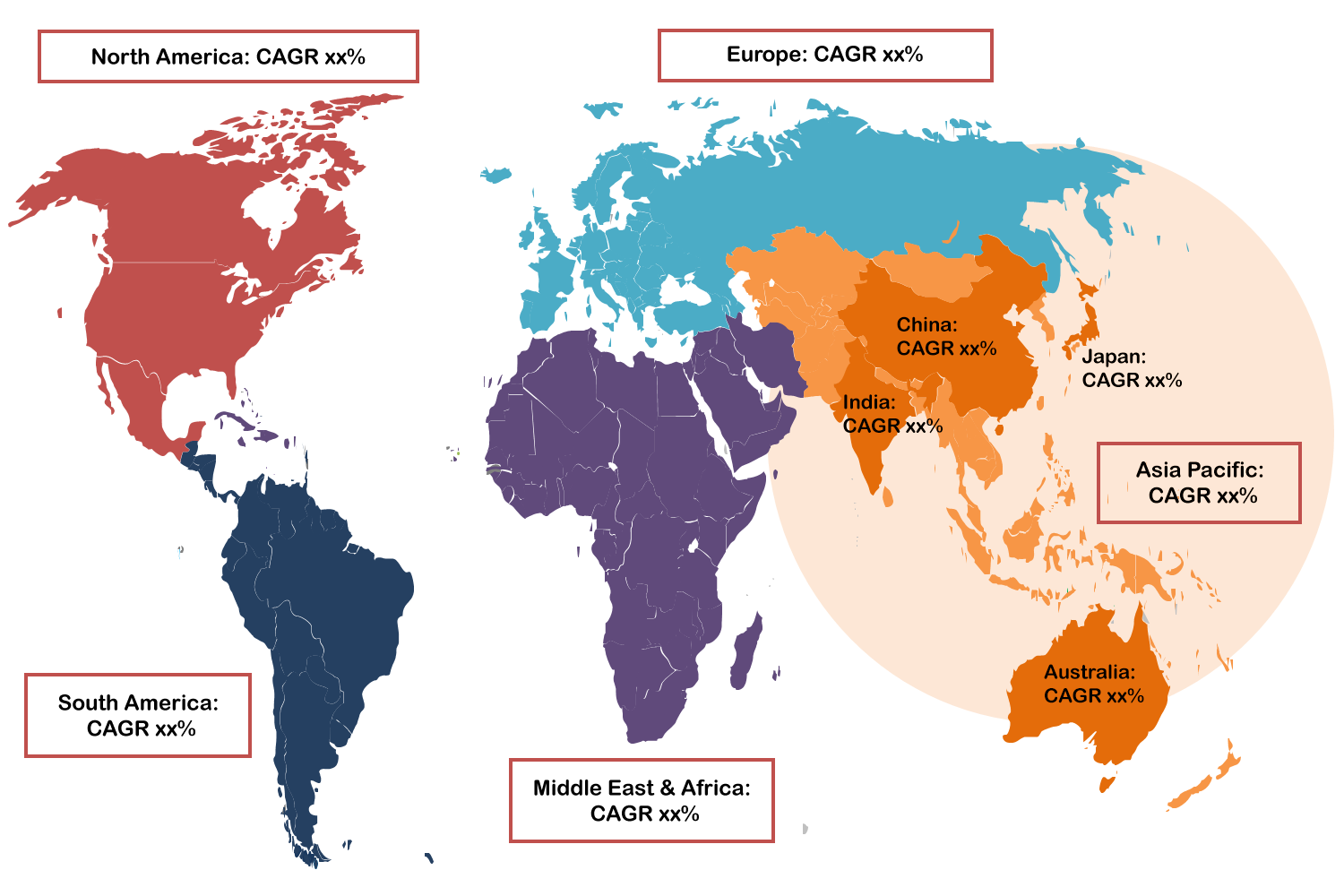
During the forecast period, the North America region is expected to hold the largest market share, mainly because of its sophisticated healthcare system, high PTSD rate, and robust use of digital health tools. Due to large investments in veteran healthcare, mental health awareness initiatives, and the incorporation of virtual reality therapy into military and clinical settings, the United States is the region leader. The validation and implementation of VR-based PTSD treatments have been greatly aided by organizations like the U.S. Department of Veterans Affairs and top research universities. Additionally, North America's position as the leading market for VR therapy aimed at PTSD is further reinforced by the existence of significant VR therapy developers and advantageous reimbursement structures.
Region with highest CAGR:
Over the forecast period, the Asia-Pacific region is anticipated to exhibit the highest CAGR, driven by a rise in the prevalence of trauma-related disorders, a rapid adoption of technology, and a growing awareness of mental health issues. While government programs and public-private partnerships are increasing access to psychological services, nations such as China, Japan, South Korea, and India are making significant investments in digital healthcare infrastructure. The surge is also attributed to the region's large population, increasing use of smartphones and virtual reality devices, and receptiveness to telemedicine solutions. Furthermore, VR is being promoted as a scalable and affordable PTSD treatment option throughout Asia-Pacific due to the post-pandemic emphasis on mental wellness and the difficulty of accessing therapy in rural areas.
Key players in the market
Some of the key players in Virtual Reality Therapy for PTSD Market include Psious Inc, AppliedVR Inc., XRHealth Inc., Oxford VR, Pear Therapeutics, Virtually Better, Inc., BehaVR, MindMaze Inc, Cognihab, Realiteer, Limbix, Emteq Labs and ImmersiveTouch Inc.
Key Developments:
In February 2025, XRHealth, a provider of therapeutic virtual reality (VR), mixed reality (MR), and extended reality (XR) solutions, has this week announced that it has acquired digital therapeutics company RealizedCare. Outcome Capital served as strategic and financial advisor for the acquisition. The RealizedCare platform of immersive digital therapeutics addresses chronic pain and mental health challenges through evidence-based CBT and biopsychosocial protocols.
In July 2024, ImmersiveTouch Inc announced that its groundbreaking augmented reality (AR) technology platform, ImmersiveAR, has received 510(k) clearance for clinical use in the operating room by the U.S. Food and Drug Administration (FDA). The Chicago-based company will commence immediate commercialization of the platform in the United States.
In November 2023, BehaVR and Fern Health announced the signing of an agreement to merge their businesses and create a new digital care management solution for chronic pain. The new offering will be branded as RealizedCare, and strives to meet the increased demand for evidence-based, more scalable, impactful and economically viable solutions for a range of mental and behavioral health burdens, beginning with chronic pain.
Components Covered:
• Hardware
• Software
• Service
Therapy Types Covered:
• Exposure Therapy
• Cognitive Behavioral Therapy (CBT)
• Stress Inoculation Training
• EMDR (Eye Movement Desensitization and Reprocessing)
• Mindfulness-Based VR Therapy
• Biofeedback Integration
• Other Threapy Types
Applications Covered:
• Military Trauma
• Civilian Trauma
• Phobias
• Depression & Stress Management
• Other Applications
End Users Covered:
• Hospitals & Clinics
• Military & Defense
• Mental Health Centers
• Rehabilitation Centers
• Research Institutes
• Home-Based Therapy
Regions Covered:
• North America
o US
o Canada
o Mexico
• Europe
o Germany
o UK
o Italy
o France
o Spain
o Rest of Europe
• Asia Pacific
o Japan
o China
o India
o Australia
o New Zealand
o South Korea
o Rest of Asia Pacific
• South America
o Argentina
o Brazil
o Chile
o Rest of South America
• Middle East & Africa
o Saudi Arabia
o UAE
o Qatar
o South Africa
o Rest of Middle East & Africa
What our report offers:
- Market share assessments for the regional and country-level segments
- Strategic recommendations for the new entrants
- Covers Market data for the years 2024, 2025, 2026, 2028, and 2032
- Market Trends (Drivers, Constraints, Opportunities, Threats, Challenges, Investment Opportunities, and recommendations)
- Strategic recommendations in key business segments based on the market estimations
- Competitive landscaping mapping the key common trends
- Company profiling with detailed strategies, financials, and recent developments
- Supply chain trends mapping the latest technological advancements
Free Customization Offerings:
All the customers of this report will be entitled to receive one of the following free customization options:
• Company Profiling
o Comprehensive profiling of additional market players (up to 3)
o SWOT Analysis of key players (up to 3)
• Regional Segmentation
o Market estimations, Forecasts and CAGR of any prominent country as per the client's interest (Note: Depends on feasibility check)
• Competitive Benchmarking
o Benchmarking of key players based on product portfolio, geographical presence, and strategic alliances
Table of Contents
1 Executive Summary
2 Preface
2.1 Abstract
2.2 Stake Holders
2.3 Research Scope
2.4 Research Methodology
2.4.1 Data Mining
2.4.2 Data Analysis
2.4.3 Data Validation
2.4.4 Research Approach
2.5 Research Sources
2.5.1 Primary Research Sources
2.5.2 Secondary Research Sources
2.5.3 Assumptions
3 Market Trend Analysis
3.1 Introduction
3.2 Drivers
3.3 Restraints
3.4 Opportunities
3.5 Threats
3.6 Application Analysis
3.7 End User Analysis
3.8 Emerging Markets
3.9 Impact of Covid-19
4 Porters Five Force Analysis
4.1 Bargaining power of suppliers
4.2 Bargaining power of buyers
4.3 Threat of substitutes
4.4 Threat of new entrants
4.5 Competitive rivalry
5 Global Virtual Reality Therapy for PTSD Market, By Component
5.1 Introduction
5.2 Hardware
5.2.1 VR Headsets (HMDs)
5.2.2 Haptic Feedback Devices
5.2.3 Motion Tracking Systems
5.3 Software
5.3.1 Therapy Simulation Platforms
5.3.2 AI-Powered Personalization Engines
5.3.3 Cloud-Based Monitoring & Data Analytics Tools
5.4 Service
5.4.1 Remote Therapy Delivery
5.4.2 Technical Support & Maintenance
5.4.3 Data Analytics & Reporting
6 Global Virtual Reality Therapy for PTSD Market, By Therapy Type
6.1 Introduction
6.2 Exposure Therapy
6.3 Cognitive Behavioral Therapy (CBT)
6.4 Stress Inoculation Training
6.5 EMDR (Eye Movement Desensitization and Reprocessing)
6.6 Mindfulness-Based VR Therapy
6.7 Biofeedback Integration
6.8 Other Threapy Types
7 Global Virtual Reality Therapy for PTSD Market, By Application
7.1 Introduction
7.2 Military Trauma
7.3 Civilian Trauma
7.4 Phobias
7.5 Depression & Stress Management
7.6 Other Applications
8 Global Virtual Reality Therapy for PTSD Market, By End User
8.1 Introduction
8.2 Hospitals & Clinics
8.3 Military & Defense
8.4 Mental Health Centers
8.5 Rehabilitation Centers
8.6 Research Institutes
8.7 Home-Based Therapy
9 Global Virtual Reality Therapy for PTSD Market, By Geography
9.1 Introduction
9.2 North America
9.2.1 US
9.2.2 Canada
9.2.3 Mexico
9.3 Europe
9.3.1 Germany
9.3.2 UK
9.3.3 Italy
9.3.4 France
9.3.5 Spain
9.3.6 Rest of Europe
9.4 Asia Pacific
9.4.1 Japan
9.4.2 China
9.4.3 India
9.4.4 Australia
9.4.5 New Zealand
9.4.6 South Korea
9.4.7 Rest of Asia Pacific
9.5 South America
9.5.1 Argentina
9.5.2 Brazil
9.5.3 Chile
9.5.4 Rest of South America
9.6 Middle East & Africa
9.6.1 Saudi Arabia
9.6.2 UAE
9.6.3 Qatar
9.6.4 South Africa
9.6.5 Rest of Middle East & Africa
10 Key Developments
10.1 Agreements, Partnerships, Collaborations and Joint Ventures
10.2 Acquisitions & Mergers
10.3 New Product Launch
10.4 Expansions
10.5 Other Key Strategies
11 Company Profiling
11.1 Psious Inc
11.2 AppliedVR Inc.
11.3 XRHealth Inc.
11.4 Oxford VR
11.5 Pear Therapeutics
11.6 Virtually Better, Inc.
11.7 BehaVR
11.8 MindMaze Inc
11.9 Cognihab
11.10 Realiteer
11.11 Limbix
11.12 Emteq Labs
11.13 ImmersiveTouch Inc
List of Tables
1 Global Virtual Reality Therapy for PTSD Market Outlook, By Region (2024-2032) ($MN)
2 Global Virtual Reality Therapy for PTSD Market Outlook, By Component (2024-2032) ($MN)
3 Global Virtual Reality Therapy for PTSD Market Outlook, By Hardware (2024-2032) ($MN)
4 Global Virtual Reality Therapy for PTSD Market Outlook, By VR Headsets (HMDs) (2024-2032) ($MN)
5 Global Virtual Reality Therapy for PTSD Market Outlook, By Haptic Feedback Devices (2024-2032) ($MN)
6 Global Virtual Reality Therapy for PTSD Market Outlook, By Motion Tracking Systems (2024-2032) ($MN)
7 Global Virtual Reality Therapy for PTSD Market Outlook, By Software (2024-2032) ($MN)
8 Global Virtual Reality Therapy for PTSD Market Outlook, By Therapy Simulation Platforms (2024-2032) ($MN)
9 Global Virtual Reality Therapy for PTSD Market Outlook, By AI-Powered Personalization Engines (2024-2032) ($MN)
10 Global Virtual Reality Therapy for PTSD Market Outlook, By Cloud-Based Monitoring & Data Analytics Tools (2024-2032) ($MN)
11 Global Virtual Reality Therapy for PTSD Market Outlook, By Service (2024-2032) ($MN)
12 Global Virtual Reality Therapy for PTSD Market Outlook, By Remote Therapy Delivery (2024-2032) ($MN)
13 Global Virtual Reality Therapy for PTSD Market Outlook, By Technical Support & Maintenance (2024-2032) ($MN)
14 Global Virtual Reality Therapy for PTSD Market Outlook, By Data Analytics & Reporting (2024-2032) ($MN)
15 Global Virtual Reality Therapy for PTSD Market Outlook, By Therapy Type (2024-2032) ($MN)
16 Global Virtual Reality Therapy for PTSD Market Outlook, By Exposure Therapy (2024-2032) ($MN)
17 Global Virtual Reality Therapy for PTSD Market Outlook, By Cognitive Behavioral Therapy (CBT) (2024-2032) ($MN)
18 Global Virtual Reality Therapy for PTSD Market Outlook, By Stress Inoculation Training (2024-2032) ($MN)
19 Global Virtual Reality Therapy for PTSD Market Outlook, By EMDR (Eye Movement Desensitization and Reprocessing) (2024-2032) ($MN)
20 Global Virtual Reality Therapy for PTSD Market Outlook, By Mindfulness-Based VR Therapy (2024-2032) ($MN)
21 Global Virtual Reality Therapy for PTSD Market Outlook, By Biofeedback Integration (2024-2032) ($MN)
22 Global Virtual Reality Therapy for PTSD Market Outlook, By Other Threapy Types (2024-2032) ($MN)
23 Global Virtual Reality Therapy for PTSD Market Outlook, By Application (2024-2032) ($MN)
24 Global Virtual Reality Therapy for PTSD Market Outlook, By Military Trauma (2024-2032) ($MN)
25 Global Virtual Reality Therapy for PTSD Market Outlook, By Civilian Trauma (2024-2032) ($MN)
26 Global Virtual Reality Therapy for PTSD Market Outlook, By Phobias (2024-2032) ($MN)
27 Global Virtual Reality Therapy for PTSD Market Outlook, By Depression & Stress Management (2024-2032) ($MN)
28 Global Virtual Reality Therapy for PTSD Market Outlook, By Other Applications (2024-2032) ($MN)
29 Global Virtual Reality Therapy for PTSD Market Outlook, By End User (2024-2032) ($MN)
30 Global Virtual Reality Therapy for PTSD Market Outlook, By Hospitals & Clinics (2024-2032) ($MN)
31 Global Virtual Reality Therapy for PTSD Market Outlook, By Military & Defense (2024-2032) ($MN)
32 Global Virtual Reality Therapy for PTSD Market Outlook, By Mental Health Centers (2024-2032) ($MN)
33 Global Virtual Reality Therapy for PTSD Market Outlook, By Rehabilitation Centers (2024-2032) ($MN)
34 Global Virtual Reality Therapy for PTSD Market Outlook, By Research Institutes (2024-2032) ($MN)
35 Global Virtual Reality Therapy for PTSD Market Outlook, By Home-Based Therapy (2024-2032) ($MN)
Note: Tables for North America, Europe, APAC, South America, and Middle East & Africa Regions are also represented in the same manner as above.
List of Figures
RESEARCH METHODOLOGY

We at ‘Stratistics’ opt for an extensive research approach which involves data mining, data validation, and data analysis. The various research sources include in-house repository, secondary research, competitor’s sources, social media research, client internal data, and primary research.
Our team of analysts prefers the most reliable and authenticated data sources in order to perform the comprehensive literature search. With access to most of the authenticated data bases our team highly considers the best mix of information through various sources to obtain extensive and accurate analysis.
Each report takes an average time of a month and a team of 4 industry analysts. The time may vary depending on the scope and data availability of the desired market report. The various parameters used in the market assessment are standardized in order to enhance the data accuracy.
Data Mining
The data is collected from several authenticated, reliable, paid and unpaid sources and is filtered depending on the scope & objective of the research. Our reports repository acts as an added advantage in this procedure. Data gathering from the raw material suppliers, distributors and the manufacturers is performed on a regular basis, this helps in the comprehensive understanding of the products value chain. Apart from the above mentioned sources the data is also collected from the industry consultants to ensure the objective of the study is in the right direction.
Market trends such as technological advancements, regulatory affairs, market dynamics (Drivers, Restraints, Opportunities and Challenges) are obtained from scientific journals, market related national & international associations and organizations.
Data Analysis
From the data that is collected depending on the scope & objective of the research the data is subjected for the analysis. The critical steps that we follow for the data analysis include:
- Product Lifecycle Analysis
- Competitor analysis
- Risk analysis
- Porters Analysis
- PESTEL Analysis
- SWOT Analysis
The data engineering is performed by the core industry experts considering both the Marketing Mix Modeling and the Demand Forecasting. The marketing mix modeling makes use of multiple-regression techniques to predict the optimal mix of marketing variables. Regression factor is based on a number of variables and how they relate to an outcome such as sales or profits.
Data Validation
The data validation is performed by the exhaustive primary research from the expert interviews. This includes telephonic interviews, focus groups, face to face interviews, and questionnaires to validate our research from all aspects. The industry experts we approach come from the leading firms, involved in the supply chain ranging from the suppliers, distributors to the manufacturers and consumers so as to ensure an unbiased analysis.
We are in touch with more than 15,000 industry experts with the right mix of consultants, CEO's, presidents, vice presidents, managers, experts from both supply side and demand side, executives and so on.
The data validation involves the primary research from the industry experts belonging to:
- Leading Companies
- Suppliers & Distributors
- Manufacturers
- Consumers
- Industry/Strategic Consultants
Apart from the data validation the primary research also helps in performing the fill gap research, i.e. providing solutions for the unmet needs of the research which helps in enhancing the reports quality.
For more details about research methodology, kindly write to us at info@strategymrc.com
Frequently Asked Questions
In case of any queries regarding this report, you can contact the customer service by filing the “Inquiry Before Buy” form available on the right hand side. You may also contact us through email: info@strategymrc.com or phone: +1-301-202-5929
Yes, the samples are available for all the published reports. You can request them by filling the “Request Sample” option available in this page.
Yes, you can request a sample with your specific requirements. All the customized samples will be provided as per the requirement with the real data masked.
All our reports are available in Digital PDF format. In case if you require them in any other formats, such as PPT, Excel etc you can submit a request through “Inquiry Before Buy” form available on the right hand side. You may also contact us through email: info@strategymrc.com or phone: +1-301-202-5929
We offer a free 15% customization with every purchase. This requirement can be fulfilled for both pre and post sale. You may send your customization requirements through email at info@strategymrc.com or call us on +1-301-202-5929.
We have 3 different licensing options available in electronic format.
- Single User Licence: Allows one person, typically the buyer, to have access to the ordered product. The ordered product cannot be distributed to anyone else.
- 2-5 User Licence: Allows the ordered product to be shared among a maximum of 5 people within your organisation.
- Corporate License: Allows the product to be shared among all employees of your organisation regardless of their geographical location.
All our reports are typically be emailed to you as an attachment.
To order any available report you need to register on our website. The payment can be made either through CCAvenue or PayPal payments gateways which accept all international cards.
We extend our support to 6 months post sale. A post sale customization is also provided to cover your unmet needs in the report.
Request Customization
We offer complimentary customization of up to 15% with every purchase. To share your customization requirements, feel free to email us at info@strategymrc.com or call us on +1-301-202-5929. .
Please Note: Customization within the 15% threshold is entirely free of charge. If your request exceeds this limit, we will conduct a feasibility assessment. Following that, a detailed quote and timeline will be provided.
WHY CHOOSE US ?

Assured Quality
Best in class reports with high standard of research integrity

24X7 Research Support
Continuous support to ensure the best customer experience.

Free Customization
Adding more values to your product of interest.

Safe & Secure Access
Providing a secured environment for all online transactions.

Trusted by 600+ Brands
Serving the most reputed brands across the world.
