
White Biotechnology Market
White Biotechnology Market Forecasts to 2032 - Global Analysis By Product (Biofuels, Biomaterials, Biochemicals and Industrial Enzymes), Source Material, Organism Types, Technologies, End User and By Geography

|
Years Covered |
2024-2032 |
|
Estimated Year Value (2025) |
US $382.40 BN |
|
Projected Year Value (2032) |
US $6.10 BN |
|
CAGR (2025-2032) |
11.56% |
|
Regions Covered |
North America, Europe, Asia Pacific, South America, and Middle East & Africa |
|
Countries Covered |
US, Canada, Mexico, Germany, UK, Italy, France, Spain, Japan, China, India, Australia, New Zealand, South Korea, Rest of Asia Pacific, South America, Argentina, Brazil, Chile, Middle East & Africa, Saudi Arabia, UAE, Qatar, and South Africa |
|
Largest Market |
Asia Pacific |
|
Highest Growing Market |
North America |
According to Stratistics MRC, the Global White Biotechnology Market is accounted for $382.40 billion in 2025 and is expected to reach $822.40 billion by 2032 growing at a CAGR of 11.56% during the forecast period. White biotechnology, sometimes referred to as industrial biotechnology, is the process of creating sustainable products and industrial processes using live cells and enzymes. It emphasises the replacement of traditional petroleum-based procedures with bio-based processes for the production of chemicals, minerals, and fuels. White biotechnology improves process efficiency, lowers energy consumption, and lessens its impact on the environment by utilising renewable resources like biomass. It is essential to industries including bioenergy, textiles, agriculture, and pharmaceuticals. This environmentally beneficial strategy encourages waste reduction, biodegradability, and a smaller carbon footprint during manufacturing, all of which contribute to the circular economy.
According to the International Energy Agency (IEA), Modern bioenergy constitutes 50% of all renewable energy used in the world today and is?expected to grow 3% per year through 2025.

Market Dynamics:
Driver:
Rising demand for sustainable and eco-friendly production
White biotechnology is becoming more and more popular among industries as a way to meet strict environmental laws and lower carbon footprints. It reduces long-term ecological harm by making it possible to produce biodegradable materials. The market for bio-manufactured items is being driven by consumers' preference for green products. Governments and organisations are sponsoring biotech research and infrastructure, as well as eco-innovations. White biotechnology is therefore emerging as a key component of sustainable industrial change.
Restraint:
High R&D costs and regulatory hurdles
Innovative biotechnological process development calls for specialised staff, sophisticated machinery, and extensive testing stages. By requiring stringent adherence to safety and environmental regulations, regulatory barriers make market entry even more difficult. Getting agency clearances can be expensive and time-consuming. These obstacles restrict the involvement of small and medium-sized businesses and postpone the commercialisation of products. Innovation may consequently stall, which would limit market expansion as a whole.
Opportunity:
Advancements in synthetic biology and enzyme engineering
Advancements in synthetic biology and enzyme engineering enable the development of specialised microbes capable of more sustainably producing bio-based products, fuels, and chemicals. Improved enzyme engineering lowers expenses and has a less negative effect on the environment by increasing reaction selectivity and yield. Additionally, strain optimisation and metabolic pathway design are accelerated by synthetic biology, increasing the scalability of commercial bioprocesses. In line with the objectives of global sustainability, these technologies facilitate the transition from petrochemical to renewable resources. Because white biotechnology offers more cost-effective and environmentally friendly manufacturing processes, companies are adopting it more and more.
Threat:
Competition from conventional chemical processes
Decades of optimisation have made these conventional techniques more cost-effective for large-scale manufacturing. Their extensive infrastructure eliminates the need for more funding. The uncertainty surrounding regulatory approvals for biotechnology products is another reason why many industries are reluctant to make the shift. Chemical processes' quicker output rates give them a competitive advantage as well. White biotechnology hence has difficulties expanding its market share and garnering broader acceptance.
Covid-19 Impact
The COVID-19 pandemic had a mixed impact on the White Biotechnology Market. While supply chain disruptions and workforce shortages initially hindered production and research activities, the demand for sustainable and locally produced bio-based products surged. Increased focus on health, hygiene, and sustainability accelerated the adoption of white biotechnology in pharmaceuticals, food, and cleaning products. Governments and industries invested more in bio-based innovations to ensure resilience, ultimately fostering long-term growth and driving advancements in green bioprocessing technologies.
The biomaterials segment is expected to be the largest during the forecast period
The biomaterials segment is expected to account for the largest market share during the forecast period by offering sustainable alternatives to petroleum-based materials. It drives innovation in biodegradable plastics, medical implants, and packaging solutions, aligning with global environmental regulations. Advancements in fermentation and enzymatic processes enhance the efficiency and scalability of biomaterial production. Increasing demand from industries such as healthcare, agriculture, and consumer goods boosts market expansion. As companies prioritize eco-friendly and renewable solutions, biomaterials continue to fuel growth in white biotechnology applications.
The industrial manufacturing segment is expected to have the highest CAGR during the forecast period
Over the forecast period, the industrial manufacturing segment is predicted to witness the highest growth rate, due to enhanced production efficiency through bio-based processes. It reduces reliance on fossil fuels by utilizing renewable raw materials, leading to sustainable manufacturing practices. Enzymes and microbes developed through white biotechnology streamline chemical reactions, cutting down energy consumption and waste generation. This segment also supports the development of biodegradable plastics and eco-friendly chemicals, aligning with global environmental goals. Increasing demand for green industrial solutions continues to drive innovations and investments in this sector.
Region with largest share:
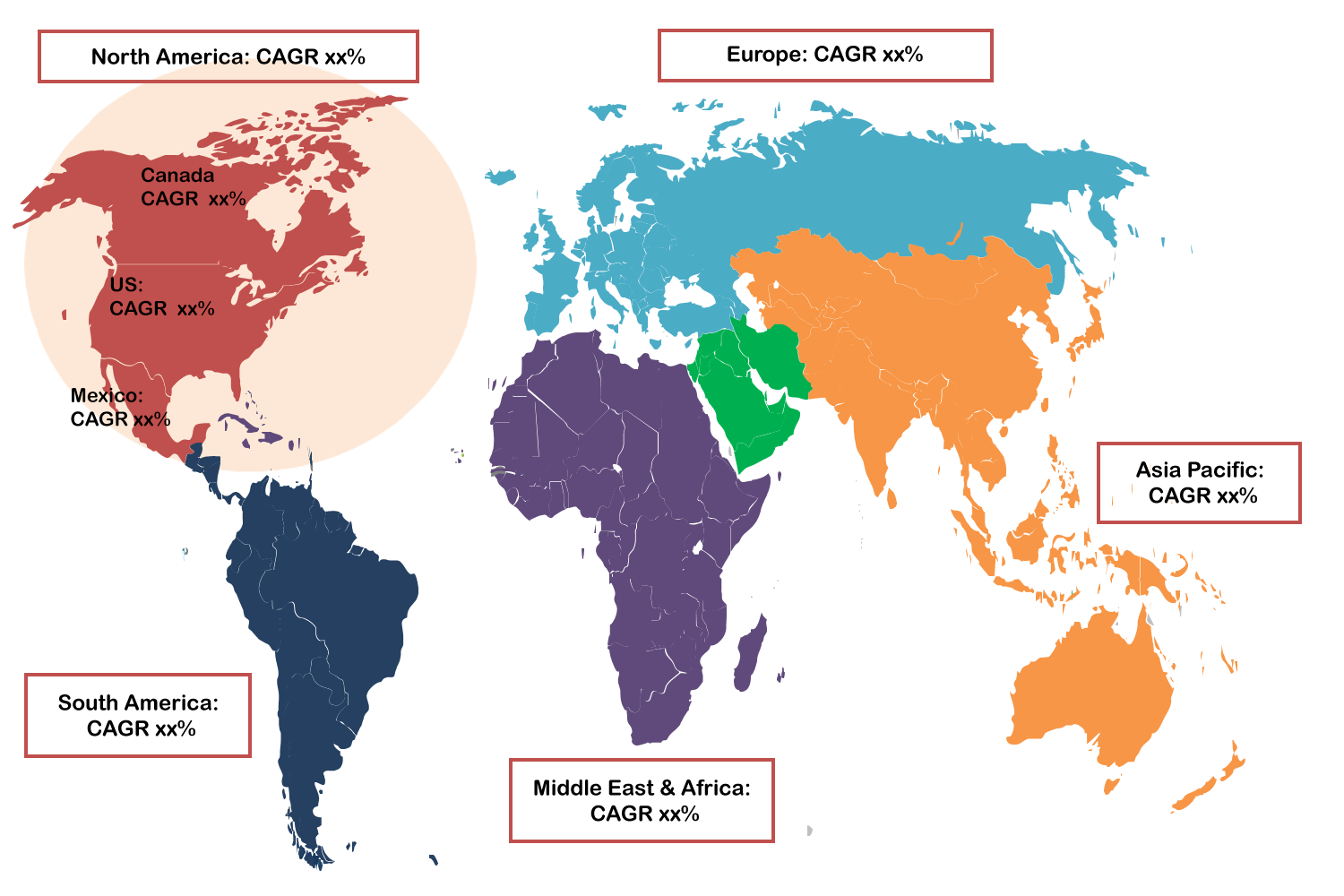
During the forecast period, the Asia Pacific region is expected to hold the largest market share due to increasing industrial demand, government incentives for sustainable production, and a large bio-based feedstock supply. Countries like China, India, and Japan are investing heavily in R&D and bio-refinery infrastructure. The market benefits from rising environmental concerns and the need to reduce reliance on petrochemicals. Rapid urbanization and strong industrial output further fuel demand, particularly in pharmaceuticals, food, and bio-plastics, positioning Asia Pacific as a key hub for future white biotech expansion.
Region with highest CAGR:
Over the forecast period, the North America region is anticipated to exhibit the highest CAGR, owing to strong contributions from the United States and Canada. The region leads in advanced bioprocess technologies, patent filings, and biotech startups. Regulatory support and funding for sustainable biomanufacturing, especially in biofuels, specialty enzymes, and industrial chemicals, propel market development. However, high production costs and strict compliance requirements may hinder rapid scalability. While growth continues, it is more stable and research-intensive, making North America a leader in white biotechnology innovation rather than volume-driven expansion.
Key players in the market
Some of the key players profiled in the White Biotechnology Market include Koninklijke DSM N.V., DuPont de Nemours, Inc., BASF SE, Evonik Industries AG, Novozymes A/S, Corbion N.V., Lonza Group Ltd, Amyris, Inc., Ginkgo Bioworks, Kaneka Corporation, Akzo Nobel N.V., Henkel AG & Co. KGaA, Mitsubishi Corporation, Cargill, Inc., Archer Daniels Midland Company (ADM), Fujifilm Holdings Corporation, BioAmber and Codexis, Inc.
Key Developments:
In April 2025, DSM partnered with Inscripta to co-develop innovative well-aging skincare ingredients. Leveraging Inscripta’s GenoScaler™ platform, the collaboration aims to engineer microbial strains for sustainable production of bio-based cosmetic actives. This partnership enhances dsm firmenich’s biotech capabilities in personal care through precision strain development and green manufacturing.
In September 2024, DuPont and Royal DSM established a 50/50 joint venture named Actamax Surgical Materials LLC to develop and commercialize innovative biodegradable hydrogel-based biomedical materials. These include surgical sealants, tissue adhesives, and adhesion barriers aimed at enhancing patient outcomes, minimizing surgical complications, and supporting advanced wound management solutions.
In June 2024, BASF and Saarland, Marburg & Kaiserslautern Universities launched a joint research project using Basfia succiniciproducens to convert sugar and CO? into bio-based fumaric acid—an important intermediate in the chemical industry.
Products Covered:
• Biofuels
• Biomaterials
• Biochemicals
• Industrial Enzymes
• Other Products
Source Materials Covered:
• Agricultural Feedstock
• Forest Biomass
• Industrial Waste
• Marine Biomass
• Other Source Materials
Organism Types Covered:
• Bacteria
• Yeast
• Fungi
• Microalgae
• Other Organism Types
Technologies Covered:
• Biocatalysis
• Bioprocessing
• Biosynthesis
• Other Technologies
End Users Covered:
• Agriculture
• Food & Beverage
• Industrial Manufacturing
• Personal Care
• Other End Users
Regions Covered:
• North America
o US
o Canada
o Mexico
• Europe
o Germany
o UK
o Italy
o France
o Spain
o Rest of Europe
• Asia Pacific
o Japan
o China
o India
o Australia
o New Zealand
o South Korea
o Rest of Asia Pacific
• South America
o Argentina
o Brazil
o Chile
o Rest of South America
• Middle East & Africa
o Saudi Arabia
o UAE
o Qatar
o South Africa
o Rest of Middle East & Africa
What our report offers:
- Market share assessments for the regional and country-level segments
- Strategic recommendations for the new entrants
- Covers Market data for the years 2024, 2025, 2026, 2028, and 2032
- Market Trends (Drivers, Constraints, Opportunities, Threats, Challenges, Investment Opportunities, and recommendations)
- Strategic recommendations in key business segments based on the market estimations
- Competitive landscaping mapping the key common trends
- Company profiling with detailed strategies, financials, and recent developments
- Supply chain trends mapping the latest technological advancements
Free Customization Offerings:
All the customers of this report will be entitled to receive one of the following free customization options:
• Company Profiling
o Comprehensive profiling of additional market players (up to 3)
o SWOT Analysis of key players (up to 3)
• Regional Segmentation
o Market estimations, Forecasts and CAGR of any prominent country as per the client's interest (Note: Depends on feasibility check)
• Competitive Benchmarking
o Benchmarking of key players based on product portfolio, geographical presence, and strategic alliances
Table of Contents
1 Executive Summary
2 Preface
2.1 Abstract
2.2 Stake Holders
2.3 Research Scope
2.4 Research Methodology
2.4.1 Data Mining
2.4.2 Data Analysis
2.4.3 Data Validation
2.4.4 Research Approach
2.5 Research Sources
2.5.1 Primary Research Sources
2.5.2 Secondary Research Sources
2.5.3 Assumptions
3 Market Trend Analysis
3.1 Introduction
3.2 Drivers
3.3 Restraints
3.4 Opportunities
3.5 Threats
3.6 Product Analysis
3.7 Technology Analysis
3.8 End User Analysis
3.9 Emerging Markets
3.10 Impact of Covid-19
4 Porters Five Force Analysis
4.1 Bargaining power of suppliers
4.2 Bargaining power of buyers
4.3 Threat of substitutes
4.4 Threat of new entrants
4.5 Competitive rivalry
5 Global White Biotechnology Market, By Product
5.1 Introduction
5.2 Biofuels
5.3 Biomaterials
5.4 Biochemicals
5.5 Industrial Enzymes
6 Global White Biotechnology Market, By Source Material
6.1 Introduction
6.2 Agricultural Feedstock
6.3 Forest Biomass
6.4 Industrial Waste
6.5 Marine Biomass
6.6 Other Source Materials
7 Global White Biotechnology Market, By Organism Types
7.1 Introduction
7.2 Bacteria
7.3 Yeast
7.4 Fungi
7.5 Microalgae
7.6 Other Organism Types
8 Global White Biotechnology Market, By Technologies
8.1 Introduction
8.2 Biocatalysis
8.3 Bioprocessing
8.4 Biosynthesis
8.5 Other Technologies
9 Global White Biotechnology Market, By End User
9.1 Introduction
9.2 Agriculture
9.3 Food & Beverage
9.4 Industrial Manufacturing
9.5 Personal Care
9.6 Other End Users
10 Global White Biotechnology Market, By Geography
10.1 Introduction
10.2 North America
10.2.1 US
10.2.2 Canada
10.2.3 Mexico
10.3 Europe
10.3.1 Germany
10.3.2 UK
10.3.3 Italy
10.3.4 France
10.3.5 Spain
10.3.6 Rest of Europe
10.4 Asia Pacific
10.4.1 Japan
10.4.2 China
10.4.3 India
10.4.4 Australia
10.4.5 New Zealand
10.4.6 South Korea
10.4.7 Rest of Asia Pacific
10.5 South America
10.5.1 Argentina
10.5.2 Brazil
10.5.3 Chile
10.5.4 Rest of South America
10.6 Middle East & Africa
10.6.1 Saudi Arabia
10.6.2 UAE
10.6.3 Qatar
10.6.4 South Africa
10.6.5 Rest of Middle East & Africa
11 Key Developments
11.1 Agreements, Partnerships, Collaborations and Joint Ventures
11.2 Acquisitions & Mergers
11.3 New Product Launch
11.4 Expansions
11.5 Other Key Strategies
12 Company Profiling
12.1 Koninklijke DSM N.V.
12.2 DuPont de Nemours, Inc.
12.3 BASF SE
12.4 Evonik Industries AG
12.5 Novozymes A/S
12.6 Corbion N.V.
12.7 Lonza Group Ltd
12.8 Amyris, Inc.
12.9 Ginkgo Bioworks
12.10 Kaneka Corporation
12.11 Akzo Nobel N.V.
12.12 Henkel AG & Co. KGaA
12.13 Mitsubishi Corporation
12.14 Cargill, Inc.
12.15 Archer Daniels Midland Company (ADM)
12.16 Fujifilm Holdings Corporation
12.17 BioAmber
12.18 Codexis, Inc.
List of Tables
1 Global White Biotechnology Market Outlook, By Region (2024-2032) ($MN)
2 Global White Biotechnology Market Outlook, By Product (2024-2032) ($MN)
3 Global White Biotechnology Market Outlook, By Biofuels (2024-2032) ($MN)
4 Global White Biotechnology Market Outlook, By Biomaterials (2024-2032) ($MN)
5 Global White Biotechnology Market Outlook, By Biochemicals (2024-2032) ($MN)
6 Global White Biotechnology Market Outlook, By Industrial Enzymes (2024-2032) ($MN)
7 Global White Biotechnology Market Outlook, By Other Products (2024-2032) ($MN)
8 Global White Biotechnology Market Outlook, By Source Material (2024-2032) ($MN)
9 Global White Biotechnology Market Outlook, By Agricultural Feedstock (2024-2032) ($MN)
10 Global White Biotechnology Market Outlook, By Forest Biomass (2024-2032) ($MN)
11 Global White Biotechnology Market Outlook, By Industrial Waste (2024-2032) ($MN)
12 Global White Biotechnology Market Outlook, By Marine Biomass (2024-2032) ($MN)
13 Global White Biotechnology Market Outlook, By Other Source Materials (2024-2032) ($MN)
14 Global White Biotechnology Market Outlook, By Organism Type (2024-2032) ($MN)
15 Global White Biotechnology Market Outlook, By Bacteria (2024-2032) ($MN)
16 Global White Biotechnology Market Outlook, By Yeast (2024-2032) ($MN)
17 Global White Biotechnology Market Outlook, By Fungi (2024-2032) ($MN)
18 Global White Biotechnology Market Outlook, By Microalgae (2024-2032) ($MN)
19 Global White Biotechnology Market Outlook, By Other Organism Types (2024-2032) ($MN)
20 Global White Biotechnology Market Outlook, By Technology (2024-2032) ($MN)
21 Global White Biotechnology Market Outlook, By Biocatalysis (2024-2032) ($MN)
22 Global White Biotechnology Market Outlook, By Bioprocessing (2024-2032) ($MN)
23 Global White Biotechnology Market Outlook, By Biosynthesis (2024-2032) ($MN)
24 Global White Biotechnology Market Outlook, By Other Technologies (2024-2032) ($MN)
25 Global White Biotechnology Market Outlook, By End User (2024-2032) ($MN)
26 Global White Biotechnology Market Outlook, By Agriculture (2024-2032) ($MN)
27 Global White Biotechnology Market Outlook, By Food & Beverage (2024-2032) ($MN)
28 Global White Biotechnology Market Outlook, By Industrial Manufacturing (2024-2032) ($MN)
29 Global White Biotechnology Market Outlook, By Personal Care (2024-2032) ($MN)
30 Global White Biotechnology Market Outlook, By Other End Users (2024-2032) ($MN)
Note: Tables for North America, Europe, APAC, South America, and Middle East & Africa Regions are also represented in the same manner as above.
List of Figures
RESEARCH METHODOLOGY

We at ‘Stratistics’ opt for an extensive research approach which involves data mining, data validation, and data analysis. The various research sources include in-house repository, secondary research, competitor’s sources, social media research, client internal data, and primary research.
Our team of analysts prefers the most reliable and authenticated data sources in order to perform the comprehensive literature search. With access to most of the authenticated data bases our team highly considers the best mix of information through various sources to obtain extensive and accurate analysis.
Each report takes an average time of a month and a team of 4 industry analysts. The time may vary depending on the scope and data availability of the desired market report. The various parameters used in the market assessment are standardized in order to enhance the data accuracy.
Data Mining
The data is collected from several authenticated, reliable, paid and unpaid sources and is filtered depending on the scope & objective of the research. Our reports repository acts as an added advantage in this procedure. Data gathering from the raw material suppliers, distributors and the manufacturers is performed on a regular basis, this helps in the comprehensive understanding of the products value chain. Apart from the above mentioned sources the data is also collected from the industry consultants to ensure the objective of the study is in the right direction.
Market trends such as technological advancements, regulatory affairs, market dynamics (Drivers, Restraints, Opportunities and Challenges) are obtained from scientific journals, market related national & international associations and organizations.
Data Analysis
From the data that is collected depending on the scope & objective of the research the data is subjected for the analysis. The critical steps that we follow for the data analysis include:
- Product Lifecycle Analysis
- Competitor analysis
- Risk analysis
- Porters Analysis
- PESTEL Analysis
- SWOT Analysis
The data engineering is performed by the core industry experts considering both the Marketing Mix Modeling and the Demand Forecasting. The marketing mix modeling makes use of multiple-regression techniques to predict the optimal mix of marketing variables. Regression factor is based on a number of variables and how they relate to an outcome such as sales or profits.
Data Validation
The data validation is performed by the exhaustive primary research from the expert interviews. This includes telephonic interviews, focus groups, face to face interviews, and questionnaires to validate our research from all aspects. The industry experts we approach come from the leading firms, involved in the supply chain ranging from the suppliers, distributors to the manufacturers and consumers so as to ensure an unbiased analysis.
We are in touch with more than 15,000 industry experts with the right mix of consultants, CEO's, presidents, vice presidents, managers, experts from both supply side and demand side, executives and so on.
The data validation involves the primary research from the industry experts belonging to:
- Leading Companies
- Suppliers & Distributors
- Manufacturers
- Consumers
- Industry/Strategic Consultants
Apart from the data validation the primary research also helps in performing the fill gap research, i.e. providing solutions for the unmet needs of the research which helps in enhancing the reports quality.
For more details about research methodology, kindly write to us at info@strategymrc.com
Frequently Asked Questions
In case of any queries regarding this report, you can contact the customer service by filing the “Inquiry Before Buy” form available on the right hand side. You may also contact us through email: info@strategymrc.com or phone: +1-301-202-5929
Yes, the samples are available for all the published reports. You can request them by filling the “Request Sample” option available in this page.
Yes, you can request a sample with your specific requirements. All the customized samples will be provided as per the requirement with the real data masked.
All our reports are available in Digital PDF format. In case if you require them in any other formats, such as PPT, Excel etc you can submit a request through “Inquiry Before Buy” form available on the right hand side. You may also contact us through email: info@strategymrc.com or phone: +1-301-202-5929
We offer a free 15% customization with every purchase. This requirement can be fulfilled for both pre and post sale. You may send your customization requirements through email at info@strategymrc.com or call us on +1-301-202-5929.
We have 3 different licensing options available in electronic format.
- Single User Licence: Allows one person, typically the buyer, to have access to the ordered product. The ordered product cannot be distributed to anyone else.
- 2-5 User Licence: Allows the ordered product to be shared among a maximum of 5 people within your organisation.
- Corporate License: Allows the product to be shared among all employees of your organisation regardless of their geographical location.
All our reports are typically be emailed to you as an attachment.
To order any available report you need to register on our website. The payment can be made either through CCAvenue or PayPal payments gateways which accept all international cards.
We extend our support to 6 months post sale. A post sale customization is also provided to cover your unmet needs in the report.
Request Customization
We offer complimentary customization of up to 15% with every purchase. To share your customization requirements, feel free to email us at info@strategymrc.com or call us on +1-301-202-5929. .
Please Note: Customization within the 15% threshold is entirely free of charge. If your request exceeds this limit, we will conduct a feasibility assessment. Following that, a detailed quote and timeline will be provided.
WHY CHOOSE US ?

Assured Quality
Best in class reports with high standard of research integrity

24X7 Research Support
Continuous support to ensure the best customer experience.

Free Customization
Adding more values to your product of interest.

Safe & Secure Access
Providing a secured environment for all online transactions.

Trusted by 600+ Brands
Serving the most reputed brands across the world.
