
Widefield Imaging Systems Market
Widefield Imaging Systems Market Forecasts to 2032 - Global Analysis By Component (Instruments and Software), Modality, Technology, Application, End User, and By Geography

|
Years Covered |
2024-2032 |
|
Estimated Year Value (2025) |
US $1.06 BN |
|
Projected Year Value (2032) |
US $2.70 BN |
|
CAGR (2025-2032) |
14.3% |
|
Regions Covered |
North America, Europe, Asia Pacific, South America, and Middle East & Africa |
|
Countries Covered |
US, Canada, Mexico, Germany, UK, Italy, France, Spain, Japan, China, India, Australia, New Zealand, South Korea, Rest of Asia Pacific, South America, Argentina, Brazil, Chile, Middle East & Africa, Saudi Arabia, UAE, Qatar, and South Africa |
|
Largest Market |
Asia Pacific |
|
Highest Growing Market |
North America |
According to Stratistics MRC, the Global Widefield Imaging Systems Market is accounted for $1.06 billion in 2025 and is expected to reach $2.70 billion by 2032 growing at a CAGR of 14.3% during the forecast period. Widefield imaging systems are optical devices used to capture large areas of a sample or scene in a single image, offering a broad field of view. Commonly used in medical imaging, astronomy, and microscopy, they allow for detailed observation of structures or regions without the need for scanning. These systems enhance diagnostic accuracy, improve workflow efficiency, and are essential for applications requiring comprehensive spatial coverage in real-time or static imaging.
According to the Centers for Disease Control and Prevention (CDC), approximately 29.7 million individuals in the U.S. were diagnosed with diabetes in 2021.

Market Dynamics:
Driver:
Rising prevalence of eye diseases
The increasing global incidence of ophthalmic conditions like diabetic retinopathy, age-related macular degeneration, and glaucoma is significantly boosting demand for widefield imaging systems. Early and accurate diagnosis is crucial for effective disease management, leading to growing reliance on advanced retinal imaging technologies. These systems offer detailed views of the peripheral retina, facilitating the detection of pathologies often missed by traditional imaging methods. Growing awareness among patients and healthcare professionals is further contributing to market expansion. As a result, the adoption of widefield imaging systems is expected to rise steadily in ophthalmology clinics and hospitals worldwide.
Restraint:
Lack of skilled professionals
Despite their clinical utility, widefield imaging systems require trained professionals for accurate image acquisition and interpretation. In many developing regions, there is a shortage of ophthalmic technicians and specialists who can effectively operate these devices. The steep learning curve for handling sophisticated imaging equipment further limits widespread adoption. Without adequate training, misinterpretation of retinal images can lead to diagnostic errors. Consequently, the lack of skilled personnel remains a key barrier to market growth.
Opportunity:
Growth in research and development activities
The widefield imaging systems market is poised to benefit from escalating investment in ophthalmic research and innovation. Collaborations between academic institutions, research labs, and industry players are driving the development of high-resolution and multimodal imaging technologies. Emerging applications in teleophthalmology and AI-enabled diagnostics are expanding the potential use cases for these devices. Government and private grants for vision research are also fueling new product development. This surge in R&D activities is expected to create lucrative opportunities for manufacturers and technology providers in the near future.
Threat:
Data management and storage issues
The high-resolution images generated by widefield imaging systems require substantial data storage capacity. Managing, storing, and securing this volume of information presents technical and logistical challenges for healthcare institutions. Data privacy concerns are heightened, particularly in regions with stringent health information regulations. Integration with electronic health records (EHR) systems is not always seamless, causing inefficiencies in clinical workflows. Moreover, inadequate cybersecurity measures can expose sensitive patient data to potential breaches.
Covid-19 Impact
The COVID-19 pandemic disrupted routine ophthalmic care and delayed non-urgent diagnostic procedures, impacting the demand for imaging devices. However, it also highlighted the need for contactless and efficient diagnostic tools, accelerating the adoption of advanced imaging technologies. Post-pandemic recovery is seeing renewed investments in healthcare infrastructure and ophthalmic diagnostics. The shift toward digital health solutions and remote consultations further supports the use of widefield imaging in teleophthalmology.
The software segment is expected to be the largest during the forecast period
The software segment is expected to account for the largest market share during the forecast period, driven by advancements in digital imaging technology, increasing demand for early disease detection, and the rising prevalence of chronic eye conditions. Integration of artificial intelligence enhances diagnostic accuracy, while growing investments in healthcare infrastructure support market expansion. These drivers collectively fuel innovation and the global uptake of widefield imaging systems across clinical settings.
The hospitals segment is expected to have the highest CAGR during the forecast period
Over the forecast period, the hospitals segment is predicted to witness the highest growth rate, due to the rising global prevalence of retinal diseases, particularly diabetic retinopathy and age-related macular degeneration, necessitates early and comprehensive diagnosis. Technological advancements, including higher resolution, faster imaging, and AI integration for enhanced diagnostics, significantly improve clinical workflows. Additionally, the growing emphasis on preventive healthcare, coupled with the systems' ability to provide wide retinal views in a single capture, drives their adoption for efficient patient screening and improved outcomes.
Region with largest share:
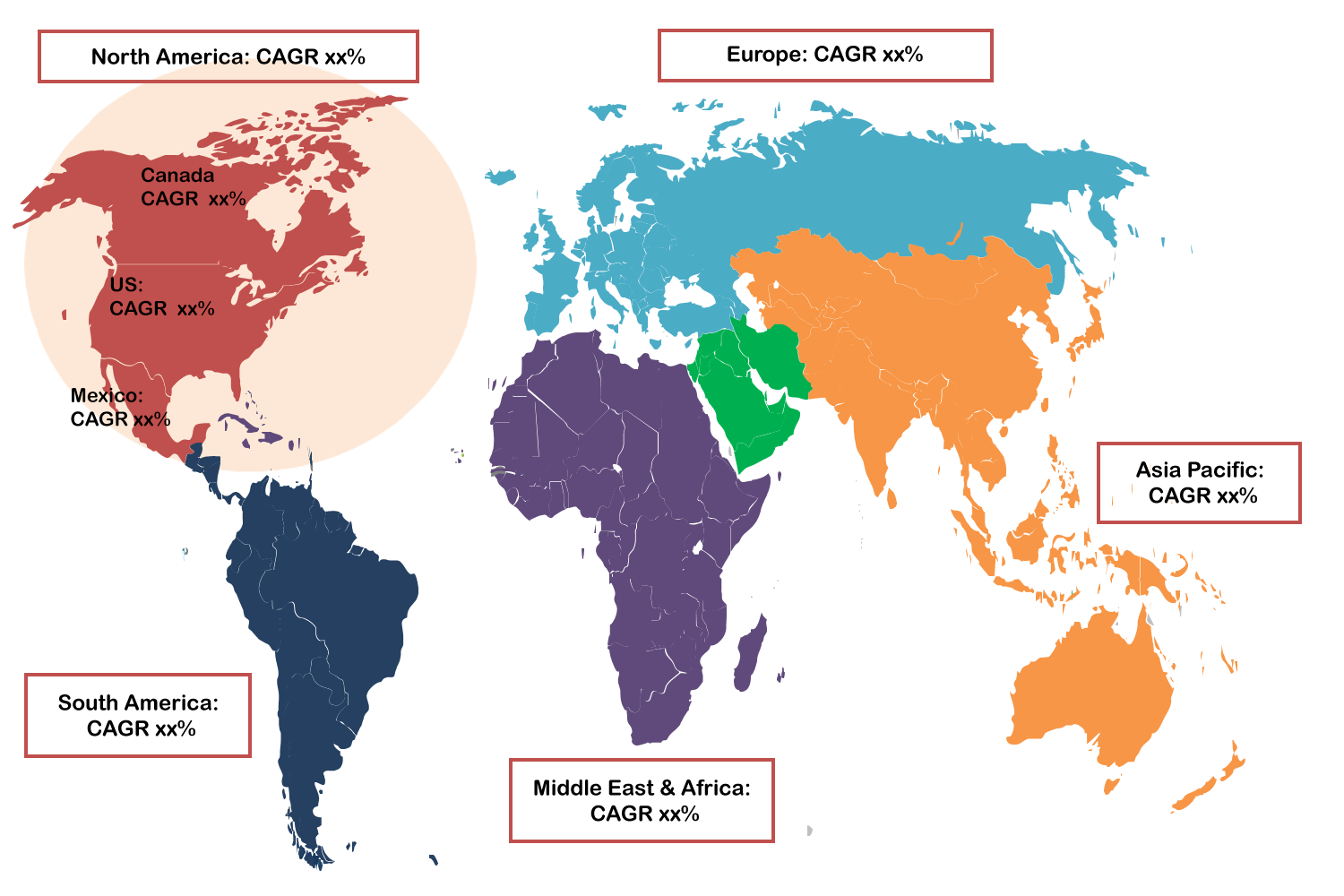
During the forecast period, the Asia Pacific region is expected to hold the largest market share due to the region's large and aging population contributes to a higher incidence of retinal diseases like diabetic retinopathy. Rapidly improving healthcare infrastructure, especially in emerging economies like India and China, increases accessibility to advanced diagnostic tools. Furthermore, growing awareness about eye health and significant technological advancements in widefield imaging, including AI integration, are propelling market expansion.
Region with highest CAGR:
Over the forecast period, the North America region is anticipated to exhibit the highest CAGR, owing to high prevalence of retinal diseases, particularly diabetic retinopathy and age-related macular degeneration, fuelled by an aging population and increasing diabetes rates. The region also benefits from advanced healthcare infrastructure, robust reimbursement policies, and a strong emphasis on early disease detection and preventive care. Furthermore, rapid technological innovations, including AI integration and improved image quality, are accelerating adoption.
Key players in the market
Some of the key players profiled in the Widefield Imaging Systems Market include Optos, Carl Zeiss Meditec AG, Heidelberg Engineering GmbH, Topcon Corporation, NIDEK Co., Ltd., Canon Inc., Clarity Medical Systems, Inc., Centervue SpA, Forus Health Pvt Ltd., Optomed Oy Ltd., Epipole Ltd., Remidio Innovative Solutions Pvt Ltd., Phoenix Technology Group, LLC., Kowa Company Ltd., and Visunex Medical Systems Inc.
Key Developments:
In May 2025, Topcon Healthcare, Inc., announced the acquisition of RetInSight GmbH renowned for its innovation in retinal imaging AI solutions. The move advances Topcon Healthcare’s vision of Healthcare from the Eye™, enhancing access to intelligent diagnostics that increase access to high-quality eye care, reduce healthcare costs, and improve clinical outcomes.
In April 2025, Canon announced the resolution of patent infringement disputes against Shanghai Sinocopy Industrial Co., Ltd. and Zhongshan Sinocopy Electronic Co., Ltd. Shanghai Sinocopy Industrial Co., Ltd. and Zhongshan Sinocopy Electronic Co., Ltd. are hereinafter collectively referred to as Sinocopy) in Shanghai Intellectual Property Court of China, concerning certain toner cartridges sold for use in various models of HP laser beam printers.
Components Covered:
• Instruments
• Software
Modality Covered:
• Standalone Systems
• Portable Systems
Technologies Covered:
• Fundus Cameras
• Scanning Laser Ophthalmoscope (SLO)-based systems
• Optical Coherence Tomography (OCT)
• Ultrasound Biomicroscopy (UBM)
• Other Technologies
Applications Covered:
• Diabetic Retinopathy
• Retinopathy of Prematurity (ROP)
• Pediatric Retinal Diseases
• Retinal Vein Occlusion
• Ocular Oncology
• Uveitis
• Chorioretinal Disease
• Glaucoma
• Age-related Macular Degeneration (AMD)
• Retinal Detachment
• Vascular Pathologies
• Other Applications
End Users Covered:
• Hospitals
• Ophthalmic Clinics
• Diagnostic Imaging Centers
• Ambulatory Surgical Centers (ASCs)
• Academic & Research Institutes
• Other End Users
Regions Covered:
• North America
o US
o Canada
o Mexico
• Europe
o Germany
o UK
o Italy
o France
o Spain
o Rest of Europe
• Asia Pacific
o Japan
o China
o India
o Australia
o New Zealand
o South Korea
o Rest of Asia Pacific
• South America
o Argentina
o Brazil
o Chile
o Rest of South America
• Middle East & Africa
o Saudi Arabia
o UAE
o Qatar
o South Africa
o Rest of Middle East & Africa
What our report offers:
- Market share assessments for the regional and country-level segments
- Strategic recommendations for the new entrants
- Covers Market data for the years 2024, 2025, 2026, 2028, and 2032
- Market Trends (Drivers, Constraints, Opportunities, Threats, Challenges, Investment Opportunities, and recommendations)
- Strategic recommendations in key business segments based on the market estimations
- Competitive landscaping mapping the key common trends
- Company profiling with detailed strategies, financials, and recent developments
- Supply chain trends mapping the latest technological advancements
Free Customization Offerings:
All the customers of this report will be entitled to receive one of the following free customization options:
• Company Profiling
o Comprehensive profiling of additional market players (up to 3)
o SWOT Analysis of key players (up to 3)
• Regional Segmentation
o Market estimations, Forecasts and CAGR of any prominent country as per the client's interest (Note: Depends on feasibility check)
• Competitive Benchmarking
o Benchmarking of key players based on product portfolio, geographical presence, and strategic alliances
Table of Contents
1 Executive Summary
2 Preface
2.1 Abstract
2.2 Stake Holders
2.3 Research Scope
2.4 Research Methodology
2.4.1 Data Mining
2.4.2 Data Analysis
2.4.3 Data Validation
2.4.4 Research Approach
2.5 Research Sources
2.5.1 Primary Research Sources
2.5.2 Secondary Research Sources
2.5.3 Assumptions
3 Market Trend Analysis
3.1 Introduction
3.2 Drivers
3.3 Restraints
3.4 Opportunities
3.5 Threats
3.6 Technology Analysis
3.7 Application Analysis
3.8 End User Analysis
3.9 Emerging Markets
3.10 Impact of Covid-19
4 Porters Five Force Analysis
4.1 Bargaining power of suppliers
4.2 Bargaining power of buyers
4.3 Threat of substitutes
4.4 Threat of new entrants
4.5 Competitive rivalry
5 Global Widefield Imaging Systems Market, By Component
5.1 Introduction
5.2 Instruments
5.3 Software
6 Global Widefield Imaging Systems Market, By Modality
6.1 Introduction
6.2 Standalone Systems
6.3 Portable Systems
7 Global Widefield Imaging Systems Market, By Technology
7.1 Introduction
7.2 Fundus Cameras
7.3 Scanning Laser Ophthalmoscope (SLO)-based systems
7.4 Optical Coherence Tomography (OCT)
7.5 Ultrasound Biomicroscopy (UBM)
7.6 Other Technologies
8 Global Widefield Imaging Systems Market, By Application
8.1 Introduction
8.2 Diabetic Retinopathy
8.3 Retinopathy of Prematurity (ROP)
8.4 Pediatric Retinal Diseases
8.5 Retinal Vein Occlusion
8.6 Ocular Oncology
8.7 Uveitis
8.8 Chorioretinal Disease
8.9 Glaucoma
8.10 Age-related Macular Degeneration (AMD)
8.11 Retinal Detachment
8.12 Vascular Pathologies
8.13 Other Applications
9 Global Widefield Imaging Systems Market, By End User
9.1 Introduction
9.2 Hospitals
9.3 Ophthalmic Clinics
9.4 Diagnostic Imaging Centers
9.5 Ambulatory Surgical Centers (ASCs)
9.6 Academic & Research Institutes
9.7 Other End Users
10 Global Widefield Imaging Systems Market, By Geography
10.1 Introduction
10.2 North America
10.2.1 US
10.2.2 Canada
10.2.3 Mexico
10.3 Europe
10.3.1 Germany
10.3.2 UK
10.3.3 Italy
10.3.4 France
10.3.5 Spain
10.3.6 Rest of Europe
10.4 Asia Pacific
10.4.1 Japan
10.4.2 China
10.4.3 India
10.4.4 Australia
10.4.5 New Zealand
10.4.6 South Korea
10.4.7 Rest of Asia Pacific
10.5 South America
10.5.1 Argentina
10.5.2 Brazil
10.5.3 Chile
10.5.4 Rest of South America
10.6 Middle East & Africa
10.6.1 Saudi Arabia
10.6.2 UAE
10.6.3 Qatar
10.6.4 South Africa
10.6.5 Rest of Middle East & Africa
11 Key Developments
11.1 Agreements, Partnerships, Collaborations and Joint Ventures
11.2 Acquisitions & Mergers
11.3 New Product Launch
11.4 Expansions
11.5 Other Key Strategies
12 Company Profiling
12.1 Optos
12.2 Carl Zeiss Meditec AG
12.3 Heidelberg Engineering GmbH
12.4 Topcon Corporation
12.5 NIDEK Co., Ltd.
12.6 Canon Inc.
12.7 Clarity Medical Systems, Inc.
12.8 Centervue SpA
12.9 Forus Health Pvt Ltd.
12.10 Optomed Oy Ltd.
12.11 Epipole Ltd.
12.12 Remidio Innovative Solutions Pvt Ltd.
12.13 Phoenix Technology Group, LLC.
12.14 Kowa Company Ltd.
12.15 Visunex Medical Systems Inc.
List of Tables
1 Global Widefield Imaging Systems Market Outlook, By Region (2024-2032) ($MN)
2 Global Widefield Imaging Systems Market Outlook, By Component (2024-2032) ($MN)
3 Global Widefield Imaging Systems Market Outlook, By Instruments (2024-2032) ($MN)
4 Global Widefield Imaging Systems Market Outlook, By Software (2024-2032) ($MN)
5 Global Widefield Imaging Systems Market Outlook, By Modality (2024-2032) ($MN)
6 Global Widefield Imaging Systems Market Outlook, By Standalone Systems (2024-2032) ($MN)
7 Global Widefield Imaging Systems Market Outlook, By Portable Systems (2024-2032) ($MN)
8 Global Widefield Imaging Systems Market Outlook, By Technology (2024-2032) ($MN)
9 Global Widefield Imaging Systems Market Outlook, By Fundus Cameras (2024-2032) ($MN)
10 Global Widefield Imaging Systems Market Outlook, By Scanning Laser Ophthalmoscope (SLO)-based systems (2024-2032) ($MN)
11 Global Widefield Imaging Systems Market Outlook, By Optical Coherence Tomography (OCT) (2024-2032) ($MN)
12 Global Widefield Imaging Systems Market Outlook, By Ultrasound Biomicroscopy (UBM) (2024-2032) ($MN)
13 Global Widefield Imaging Systems Market Outlook, By Other Technologies (2024-2032) ($MN)
14 Global Widefield Imaging Systems Market Outlook, By Application (2024-2032) ($MN)
15 Global Widefield Imaging Systems Market Outlook, By Diabetic Retinopathy (2024-2032) ($MN)
16 Global Widefield Imaging Systems Market Outlook, By Retinopathy of Prematurity (ROP) (2024-2032) ($MN)
17 Global Widefield Imaging Systems Market Outlook, By Pediatric Retinal Diseases (2024-2032) ($MN)
18 Global Widefield Imaging Systems Market Outlook, By Retinal Vein Occlusion (2024-2032) ($MN)
19 Global Widefield Imaging Systems Market Outlook, By Ocular Oncology (2024-2032) ($MN)
20 Global Widefield Imaging Systems Market Outlook, By Uveitis (2024-2032) ($MN)
21 Global Widefield Imaging Systems Market Outlook, By Chorioretinal Disease (2024-2032) ($MN)
22 Global Widefield Imaging Systems Market Outlook, By Glaucoma (2024-2032) ($MN)
23 Global Widefield Imaging Systems Market Outlook, By Age-related Macular Degeneration (AMD) (2024-2032) ($MN)
24 Global Widefield Imaging Systems Market Outlook, By Retinal Detachment (2024-2032) ($MN)
25 Global Widefield Imaging Systems Market Outlook, By Vascular Pathologies (2024-2032) ($MN)
26 Global Widefield Imaging Systems Market Outlook, By Other Applications (2024-2032) ($MN)
27 Global Widefield Imaging Systems Market Outlook, By End User (2024-2032) ($MN)
28 Global Widefield Imaging Systems Market Outlook, By Hospitals (2024-2032) ($MN)
29 Global Widefield Imaging Systems Market Outlook, By Ophthalmic Clinics (2024-2032) ($MN)
30 Global Widefield Imaging Systems Market Outlook, By Diagnostic Imaging Centers (2024-2032) ($MN)
31 Global Widefield Imaging Systems Market Outlook, By Ambulatory Surgical Centers (ASCs) (2024-2032) ($MN)
32 Global Widefield Imaging Systems Market Outlook, By Academic & Research Institutes (2024-2032) ($MN)
33 Global Widefield Imaging Systems Market Outlook, By Other End Users (2024-2032) ($MN)
Note: Tables for North America, Europe, APAC, South America, and Middle East & Africa Regions are also represented in the same manner as above.
List of Figures
RESEARCH METHODOLOGY

We at ‘Stratistics’ opt for an extensive research approach which involves data mining, data validation, and data analysis. The various research sources include in-house repository, secondary research, competitor’s sources, social media research, client internal data, and primary research.
Our team of analysts prefers the most reliable and authenticated data sources in order to perform the comprehensive literature search. With access to most of the authenticated data bases our team highly considers the best mix of information through various sources to obtain extensive and accurate analysis.
Each report takes an average time of a month and a team of 4 industry analysts. The time may vary depending on the scope and data availability of the desired market report. The various parameters used in the market assessment are standardized in order to enhance the data accuracy.
Data Mining
The data is collected from several authenticated, reliable, paid and unpaid sources and is filtered depending on the scope & objective of the research. Our reports repository acts as an added advantage in this procedure. Data gathering from the raw material suppliers, distributors and the manufacturers is performed on a regular basis, this helps in the comprehensive understanding of the products value chain. Apart from the above mentioned sources the data is also collected from the industry consultants to ensure the objective of the study is in the right direction.
Market trends such as technological advancements, regulatory affairs, market dynamics (Drivers, Restraints, Opportunities and Challenges) are obtained from scientific journals, market related national & international associations and organizations.
Data Analysis
From the data that is collected depending on the scope & objective of the research the data is subjected for the analysis. The critical steps that we follow for the data analysis include:
- Product Lifecycle Analysis
- Competitor analysis
- Risk analysis
- Porters Analysis
- PESTEL Analysis
- SWOT Analysis
The data engineering is performed by the core industry experts considering both the Marketing Mix Modeling and the Demand Forecasting. The marketing mix modeling makes use of multiple-regression techniques to predict the optimal mix of marketing variables. Regression factor is based on a number of variables and how they relate to an outcome such as sales or profits.
Data Validation
The data validation is performed by the exhaustive primary research from the expert interviews. This includes telephonic interviews, focus groups, face to face interviews, and questionnaires to validate our research from all aspects. The industry experts we approach come from the leading firms, involved in the supply chain ranging from the suppliers, distributors to the manufacturers and consumers so as to ensure an unbiased analysis.
We are in touch with more than 15,000 industry experts with the right mix of consultants, CEO's, presidents, vice presidents, managers, experts from both supply side and demand side, executives and so on.
The data validation involves the primary research from the industry experts belonging to:
- Leading Companies
- Suppliers & Distributors
- Manufacturers
- Consumers
- Industry/Strategic Consultants
Apart from the data validation the primary research also helps in performing the fill gap research, i.e. providing solutions for the unmet needs of the research which helps in enhancing the reports quality.
For more details about research methodology, kindly write to us at info@strategymrc.com
Frequently Asked Questions
In case of any queries regarding this report, you can contact the customer service by filing the “Inquiry Before Buy” form available on the right hand side. You may also contact us through email: info@strategymrc.com or phone: +1-301-202-5929
Yes, the samples are available for all the published reports. You can request them by filling the “Request Sample” option available in this page.
Yes, you can request a sample with your specific requirements. All the customized samples will be provided as per the requirement with the real data masked.
All our reports are available in Digital PDF format. In case if you require them in any other formats, such as PPT, Excel etc you can submit a request through “Inquiry Before Buy” form available on the right hand side. You may also contact us through email: info@strategymrc.com or phone: +1-301-202-5929
We offer a free 15% customization with every purchase. This requirement can be fulfilled for both pre and post sale. You may send your customization requirements through email at info@strategymrc.com or call us on +1-301-202-5929.
We have 3 different licensing options available in electronic format.
- Single User Licence: Allows one person, typically the buyer, to have access to the ordered product. The ordered product cannot be distributed to anyone else.
- 2-5 User Licence: Allows the ordered product to be shared among a maximum of 5 people within your organisation.
- Corporate License: Allows the product to be shared among all employees of your organisation regardless of their geographical location.
All our reports are typically be emailed to you as an attachment.
To order any available report you need to register on our website. The payment can be made either through CCAvenue or PayPal payments gateways which accept all international cards.
We extend our support to 6 months post sale. A post sale customization is also provided to cover your unmet needs in the report.
Request Customization
We offer complimentary customization of up to 15% with every purchase. To share your customization requirements, feel free to email us at info@strategymrc.com or call us on +1-301-202-5929. .
Please Note: Customization within the 15% threshold is entirely free of charge. If your request exceeds this limit, we will conduct a feasibility assessment. Following that, a detailed quote and timeline will be provided.
WHY CHOOSE US ?

Assured Quality
Best in class reports with high standard of research integrity

24X7 Research Support
Continuous support to ensure the best customer experience.

Free Customization
Adding more values to your product of interest.

Safe & Secure Access
Providing a secured environment for all online transactions.

Trusted by 600+ Brands
Serving the most reputed brands across the world.
