
Wood Gas Generator Market
Wood Gas Generator Market Forecasts to 2032 – Global Analysis By Feedstock Type (Wood Chips, Wood Pellets, Timber, Charcoal, Sawdust, Agricultural Residue, Urban Biomass Waste and Dedicated Energy Crops), Capacity, Technology Type, Application, End User and By Geography

According to Stratistics MRC, the Global Wood Gas Generator Market is accounted for $1.37 billion in 2025 and is expected to reach $2.53 billion by 2032 growing at a CAGR of 9.2% during the forecast period. A wood gas generator is an apparatus that uses a process called gasification to transform solid biomass, mostly wood or charcoal, into producer gas, a mixture of flammable gases. Composed primarily of hydrogen, methane, and carbon monoxide, this gas can be used to power internal combustion engines, produce electricity, or supply heat for industrial uses. Fuel shortages made wood gas generators popular, especially during World War II, when thousands of vehicles were converted to run on wood gas. In rural or off-grid areas, they are valuable because they provide a renewable substitute for fossil fuels.
According to the International Energy Agency (IEA), modern bioenergy (which includes solid biofuels like wood pellets and agricultural residues, but excludes traditional biomass use such as open-fire cooking) accounted for almost 55% of global renewable energy consumption in 2022.
Market Dynamics:
Driver:
Growing interest in environmental sustainability and renewable energy
One of the main factors propelling the wood gas generator market is the worldwide transition to renewable energy sources. Governments and businesses are aggressively pushing sustainable and environmentally friendly alternatives as worries about climate change, greenhouse gas emissions, and the depletion of fossil fuels grow. By turning locally accessible biomass into clean syngas, wood gas generators offer a renewable alternative that produces an energy cycle that is almost carbon neutral. Moreover, this method reduces net CO₂ emissions, which makes it appealing to nations trying to reach their climate targets in contrast to fossil fuels. It is anticipated that the growing demand for biomass energy will greatly accelerate adoption in both developed and developing nations.
Restraint:
Exorbitant initial capital expenses
The high initial cost of installation is one of the main factors limiting the market for wood gas generators. Although the availability of biomass fuel results in relatively low operating costs, these systems are more expensive than traditional diesel or natural gas generators because of the equipment, gasification units, cleaning systems, and sophisticated controls that must be purchased. Without outside subsidies or incentives, financing such technology becomes difficult for small businesses and rural communities. Additionally, because of fluctuating biomass quality and maintenance expenses, the payback period might be longer than anticipated. Widespread adoption is slowed by this cost barrier, especially in developing nations with tight energy budgets.
Opportunity:
Technological developments and integration of hybrid systems
Opportunities to increase the reach of wood gas generators are being created by ongoing innovation in gasification technologies. They are now more dependable and competitive with traditional power sources owing to advancements in tar reduction, gas cleaning, automation, and efficiency. Furthermore, combining wood gas generators with other renewable energy sources, like wind or solar, creates hybrid solutions that balance sustainability and dependability. These hybrid systems can balance intermittent renewable energy sources with biomass-based backup to deliver power continuously. Furthermore, wood gas generators can also assist distributed energy systems and demand-response programs as smart grid technologies advance. In the energy landscapes of the future, this integration potential offers a substantial chance for wider adoption.
Threat:
Rivalry with other renewable technologies
The quick development of other renewable energy technologies like solar photovoltaics, wind energy, and battery storage is one of the main challenges facing the wood gas generator market. Compared to biomass-based systems, these alternatives are becoming more and more appealing due to their easy scalability, declining costs, and robust policy support. For instance, solar mini-grids are becoming more and more popular in rural electrification projects due to their low maintenance requirements. Additionally, hybrid systems that combine battery and solar power provide dependability with less complexity. Wood gas generators run the risk of losing market share as these technologies take the lead in renewable investments, particularly in areas where cost-effectiveness, ease of use, and low maintenance are valued highly.
Covid-19 Impact:
The market for wood gas generators was affected by the COVID-19 pandemic in a variety of ways. At first, installations were slowed down and demand was constrained by global supply chain disruptions, decreased industrial activity, and restrictions on construction projects. Financial limitations prevented many small and medium-sized businesses, particularly those in rural areas, from investing in renewable technologies like biomass systems. But the crisis also brought to light the significance of resilient and decentralized power solutions, especially in off-grid locations where local industries and healthcare facilities depended on energy access. Furthermore, wood gas generators are now positioned as a component of sustainable recovery strategies owing to post-pandemic recovery programs that prioritize green energy and independence.
The wood chips segment is expected to be the largest during the forecast period
The wood chips segment is expected to account for the largest market share during the forecast period because they are widely accessible, reasonably priced, and suitable for gasification. In comparison to raw timber or sawdust, wood chips, which are usually made from forestry residues, sawmill byproducts, or waste from timber processing, are a perfect feedstock due to their uniform size and relatively low moisture content. They offer consistent fuel quality, which lowers operational problems like tar formation and increases gasification efficiency. Additionally, their supply chain is well-established in many areas, especially in forestry-heavy regions like Europe, North America, and Asia-Pacific. Wood chips are the dominant segment driving the market's overall growth because of their consistent availability and dependability.
The fluidized bed gasifiers segment is expected to have the highest CAGR during the forecast period
Over the forecast period, the fluidized bed gasifiers segment is predicted to witness the highest growth rate. Their exceptional scalability, efficiency, and capacity to process a broad range of biomass feedstocks—such as wood chips, pellets, agricultural residues, and urban waste—are the main drivers of this expansion. In comparison to conventional gasifiers, fluidized bed technology guarantees better mixing of biomass with air or steam, which leads to a uniform temperature distribution, enhanced gas quality, and less tar formation. Their versatility makes them very appealing for waste-to-energy projects, combined heat and power (CHP) systems, and industrial-scale applications. Furthermore, fluidized bed gasifiers are anticipated to drive market expansion in the upcoming years as industries place a higher priority on efficiency and adaptability.
Region with largest share:
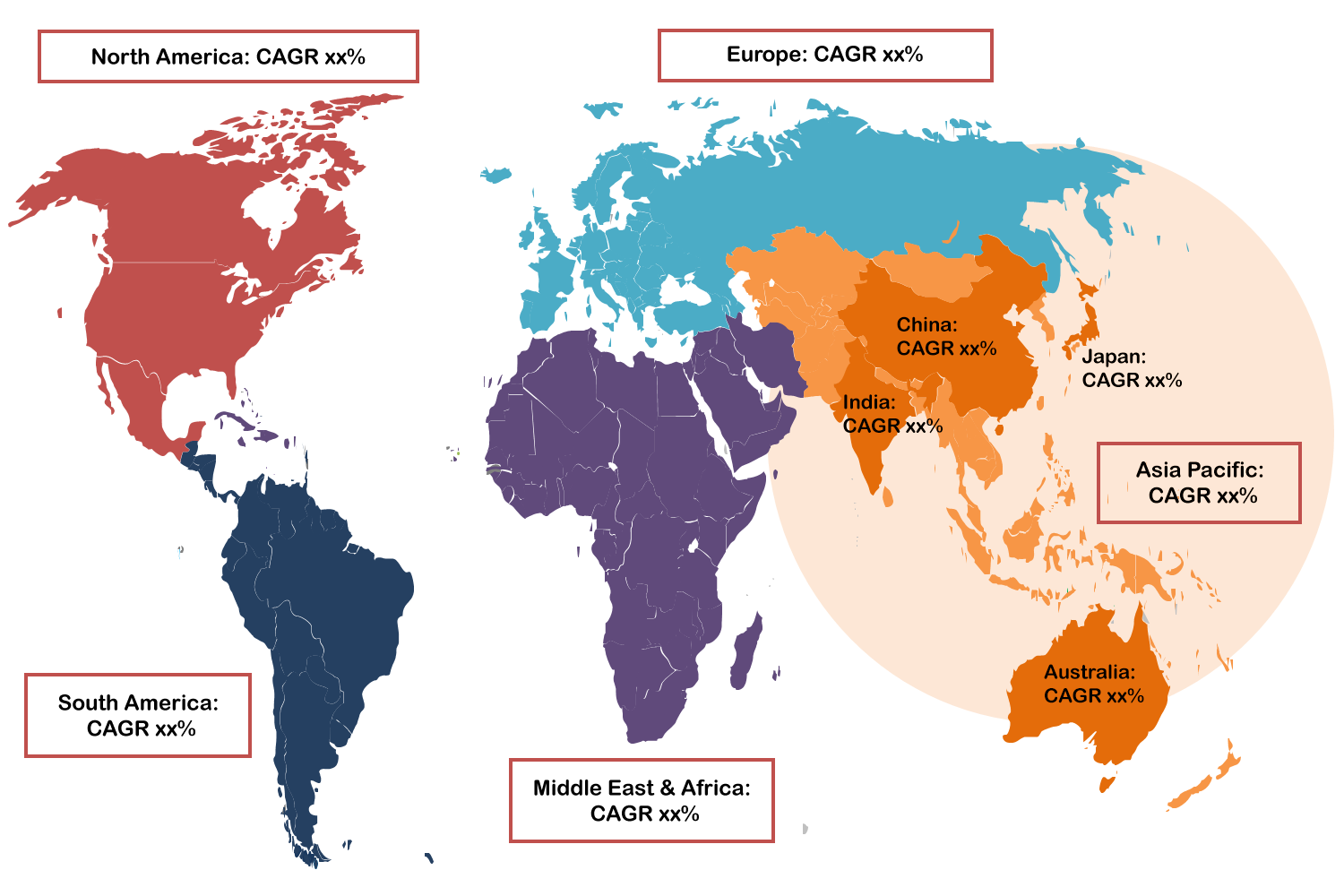
During the forecast period, the Europe region is expected to hold the largest market share, backed by its robust forestry sector, strict carbon reduction regulations, and cutting-edge renewable energy infrastructure. As part of their sustainable energy transition, nations like Sweden, Finland, and Germany have long supported biomass-based energy, developing a developed ecosystem for wood gasification technologies. The area benefits from a wealth of wood resources, well-established biomass supply chains, and large R&D expenditures. Additionally, communities and industries are encouraged to use wood gas generators by the European Union's stringent emission regulations and renewable energy targets. Technology development, policy support, and resource availability all work together to guarantee Europe's leading position in the market.
Region with highest CAGR:
Over the forecast period, the Asia-Pacific region is anticipated to exhibit the highest CAGR, driven by a strong focus on rural electrification, increased energy demand, and fast industrialization. Because of the abundance of biomass resources in nations like China, India, and Indonesia—including forestry byproducts and agricultural residues—wood gas generators are an affordable energy option. To cut emissions and lessen dependency on fossil fuels, governments in the area are pushing the use of renewable energy more and more, which is opening up investment opportunities and advantageous policies. Asia-Pacific is also the region with the fastest-growing market for wood gas generators due to the need for decentralized power in rural areas and rising awareness of sustainable energy.
Key players in the market
Some of the key players in Wood Gas Generator Market include GASEK, ALL Power Labs, Biomass Energy Systems Inc., GreenVinci Biomass Energy Co. Ltd., Volter, Gasification Australia Pty Ltd, Trillion Gasifiers, Tactical Wood Gas Inc, SynCraft Engineering GmbH, Burkhardt GmbH, Spanner Re² GmbH, Holzenergie Wegscheid GmbH, Ankur Scientific Energy Technologies, Zhengzhou Fubang Machinery Co. Ltd., Community Power Corporation and Vulcan Gasifier LLC.
Key Developments:
In November 2024, Burckhardt Compression has won a contract to supply boil-off gas (BOG) and pipeline injection compressors (MSO) for a new liquefied natural gas (LNG) regasification terminal in Brunsbüttel, Germany. Set to begin operations in 2027, the terminal will utilise Burckhardt’s BOG and pipeline injection compressors for safe and efficient LNG handling and injection into Germany’s national gas network.
In April 2023, BioEnergie Wegscheid and SymEnergy signed a contract for the purchase of a wood gasification combined heat and power (CHP) plant and associated peripheral equipment. It covers the construction of the turnkey biomass power plant Ikuno-Ginzan, which is planned near the city of Asago, Hyogo Prefecture/Japan.
Feedstock Types Covered:
• Wood Chips
• Wood Pellets
• Timber
• Charcoal
• Sawdust
• Agricultural Residue
• Urban Biomass Waste
• Dedicated Energy Crops
Capacities Covered:
• Micro Scale (<50 kW)
• Small Scale (50-100 kW)
• Medium Scale (100-500 kW)
• Large Scale (>500 kW)
Technology Types Covered:
• Downdraft Gasifier
• Updraft Gasifier
• Crossdraft Gasifier
• Fluidized Bed Gasifier
• Hybrid Systems
Applications Covered:
• Power Generation
• Industrial Heating
• Residential & Commercial Use
• Emergency & Mobile Units
• Waste-to-Energy Systems
End Users Covered:
• Agriculture
• Forestry
• Utilities
• Commercial Enterprises
• NGOs & Government Programs
Regions Covered:
• North America
o US
o Canada
o Mexico
• Europe
o Germany
o UK
o Italy
o France
o Spain
o Rest of Europe
• Asia Pacific
o Japan
o China
o India
o Australia
o New Zealand
o South Korea
o Rest of Asia Pacific
• South America
o Argentina
o Brazil
o Chile
o Rest of South America
• Middle East & Africa
o Saudi Arabia
o UAE
o Qatar
o South Africa
o Rest of Middle East & Africa
What our report offers:
- Market share assessments for the regional and country-level segments
- Strategic recommendations for the new entrants
- Covers Market data for the years 2024, 2025, 2026, 2028, and 2032
- Market Trends (Drivers, Constraints, Opportunities, Threats, Challenges, Investment Opportunities, and recommendations)
- Strategic recommendations in key business segments based on the market estimations
- Competitive landscaping mapping the key common trends
- Company profiling with detailed strategies, financials, and recent developments
- Supply chain trends mapping the latest technological advancements
Free Customization Offerings:
All the customers of this report will be entitled to receive one of the following free customization options:
• Company Profiling
o Comprehensive profiling of additional market players (up to 3)
o SWOT Analysis of key players (up to 3)
• Regional Segmentation
o Market estimations, Forecasts and CAGR of any prominent country as per the client's interest (Note: Depends on feasibility check)
• Competitive Benchmarking
o Benchmarking of key players based on product portfolio, geographical presence, and strategic alliances
Table of Contents
1 Executive Summary
2 Preface
2.1 Abstract
2.2 Stake Holders
2.3 Research Scope
2.4 Research Methodology
2.4.1 Data Mining
2.4.2 Data Analysis
2.4.3 Data Validation
2.4.4 Research Approach
2.5 Research Sources
2.5.1 Primary Research Sources
2.5.2 Secondary Research Sources
2.5.3 Assumptions
3 Market Trend Analysis
3.1 Introduction
3.2 Drivers
3.3 Restraints
3.4 Opportunities
3.5 Threats
3.6 Technology Analysis
3.7 Application Analysis
3.8 End User Analysis
3.9 Emerging Markets
3.10 Impact of Covid-19
4 Porters Five Force Analysis
4.1 Bargaining power of suppliers
4.2 Bargaining power of buyers
4.3 Threat of substitutes
4.4 Threat of new entrants
4.5 Competitive rivalry
5 Global Wood Gas Generator Market, By Feedstock Type
5.1 Introduction
5.2 Wood Chips
5.3 Wood Pellets
5.4 Timber
5.5 Charcoal
5.6 Sawdust
5.7 Agricultural Residue
5.8 Urban Biomass Waste
5.9 Dedicated Energy Crops
6 Global Wood Gas Generator Market, By Capacity
6.1 Introduction
6.2 Micro Scale (<50 kW)
6.3 Small Scale (50-100 kW)
6.4 Medium Scale (100-500 kW)
6.5 Large Scale (>500 kW)
7 Global Wood Gas Generator Market, By Technology Type
7.1 Introduction
7.2 Downdraft Gasifier
7.3 Updraft Gasifier
7.4 Crossdraft Gasifier
7.5 Fluidized Bed Gasifier
7.6 Hybrid Systems
8 Global Wood Gas Generator Market, By Application
8.1 Introduction
8.2 Power Generation
8.3 Industrial Heating
8.4 Residential & Commercial Use
8.5 Emergency & Mobile Units
8.6 Waste-to-Energy Systems
9 Global Wood Gas Generator Market, By End User
9.1 Introduction
9.2 Agriculture
9.3 Forestry
9.4 Utilities
9.5 Commercial Enterprises
9.6 NGOs & Government Programs
10 Global Wood Gas Generator Market, By Geography
10.1 Introduction
10.2 North America
10.2.1 US
10.2.2 Canada
10.2.3 Mexico
10.3 Europe
10.3.1 Germany
10.3.2 UK
10.3.3 Italy
10.3.4 France
10.3.5 Spain
10.3.6 Rest of Europe
10.4 Asia Pacific
10.4.1 Japan
10.4.2 China
10.4.3 India
10.4.4 Australia
10.4.5 New Zealand
10.4.6 South Korea
10.4.7 Rest of Asia Pacific
10.5 South America
10.5.1 Argentina
10.5.2 Brazil
10.5.3 Chile
10.5.4 Rest of South America
10.6 Middle East & Africa
10.6.1 Saudi Arabia
10.6.2 UAE
10.6.3 Qatar
10.6.4 South Africa
10.6.5 Rest of Middle East & Africa
11 Key Developments
11.1 Agreements, Partnerships, Collaborations and Joint Ventures
11.2 Acquisitions & Mergers
11.3 New Product Launch
11.4 Expansions
11.5 Other Key Strategies
12 Company Profiling
12.1 GASEK
12.2 ALL Power Labs
12.3 Biomass Energy Systems Inc.
12.4 GreenVinci Biomass Energy Co. Ltd.
12.5 Volter
12.6 Gasification Australia Pty Ltd
12.7 Trillion Gasifiers
12.8 Tactical Wood Gas Inc
12.9 SynCraft Engineering GmbH
12.10 Burkhardt GmbH
12.11 Spanner Re² GmbH
12.12 Holzenergie Wegscheid GmbH
12.13 Ankur Scientific Energy Technologies
12.14 Zhengzhou Fubang Machinery Co. Ltd.
12.15 Community Power Corporation
12.16 Vulcan Gasifier LLC
List of Tables
1 Global Wood Gas Generator Market Outlook, By Region (2024-2032) ($MN)
2 Global Wood Gas Generator Market Outlook, By Feedstock Type (2024-2032) ($MN)
3 Global Wood Gas Generator Market Outlook, By Wood Chips (2024-2032) ($MN)
4 Global Wood Gas Generator Market Outlook, By Wood Pellets (2024-2032) ($MN)
5 Global Wood Gas Generator Market Outlook, By Timber (2024-2032) ($MN)
6 Global Wood Gas Generator Market Outlook, By Charcoal (2024-2032) ($MN)
7 Global Wood Gas Generator Market Outlook, By Sawdust (2024-2032) ($MN)
8 Global Wood Gas Generator Market Outlook, By Agricultural Residue (2024-2032) ($MN)
9 Global Wood Gas Generator Market Outlook, By Urban Biomass Waste (2024-2032) ($MN)
10 Global Wood Gas Generator Market Outlook, By Dedicated Energy Crops (2024-2032) ($MN)
11 Global Wood Gas Generator Market Outlook, By Capacity (2024-2032) ($MN)
12 Global Wood Gas Generator Market Outlook, By Micro Scale (<50 kW) (2024-2032) ($MN)
13 Global Wood Gas Generator Market Outlook, By Small Scale (50-100 kW) (2024-2032) ($MN)
14 Global Wood Gas Generator Market Outlook, By Medium Scale (100-500 kW) (2024-2032) ($MN)
15 Global Wood Gas Generator Market Outlook, By Large Scale (>500 kW) (2024-2032) ($MN)
16 Global Wood Gas Generator Market Outlook, By Technology Type (2024-2032) ($MN)
17 Global Wood Gas Generator Market Outlook, By Downdraft Gasifier (2024-2032) ($MN)
18 Global Wood Gas Generator Market Outlook, By Updraft Gasifier (2024-2032) ($MN)
19 Global Wood Gas Generator Market Outlook, By Crossdraft Gasifier (2024-2032) ($MN)
20 Global Wood Gas Generator Market Outlook, By Fluidized Bed Gasifier (2024-2032) ($MN)
21 Global Wood Gas Generator Market Outlook, By Hybrid Systems (2024-2032) ($MN)
22 Global Wood Gas Generator Market Outlook, By Application (2024-2032) ($MN)
23 Global Wood Gas Generator Market Outlook, By Power Generation (2024-2032) ($MN)
24 Global Wood Gas Generator Market Outlook, By Industrial Heating (2024-2032) ($MN)
25 Global Wood Gas Generator Market Outlook, By Residential & Commercial Use (2024-2032) ($MN)
26 Global Wood Gas Generator Market Outlook, By Emergency & Mobile Units (2024-2032) ($MN)
27 Global Wood Gas Generator Market Outlook, By Waste-to-Energy Systems (2024-2032) ($MN)
28 Global Wood Gas Generator Market Outlook, By End User (2024-2032) ($MN)
29 Global Wood Gas Generator Market Outlook, By Agriculture (2024-2032) ($MN)
30 Global Wood Gas Generator Market Outlook, By Forestry (2024-2032) ($MN)
31 Global Wood Gas Generator Market Outlook, By Utilities (2024-2032) ($MN)
32 Global Wood Gas Generator Market Outlook, By Commercial Enterprises (2024-2032) ($MN)
33 Global Wood Gas Generator Market Outlook, By NGOs & Government Programs (2024-2032) ($MN)
Note: Tables for North America, Europe, APAC, South America, and Middle East & Africa Regions are also represented in the same manner as above.
List of Figures
RESEARCH METHODOLOGY

We at ‘Stratistics’ opt for an extensive research approach which involves data mining, data validation, and data analysis. The various research sources include in-house repository, secondary research, competitor’s sources, social media research, client internal data, and primary research.
Our team of analysts prefers the most reliable and authenticated data sources in order to perform the comprehensive literature search. With access to most of the authenticated data bases our team highly considers the best mix of information through various sources to obtain extensive and accurate analysis.
Each report takes an average time of a month and a team of 4 industry analysts. The time may vary depending on the scope and data availability of the desired market report. The various parameters used in the market assessment are standardized in order to enhance the data accuracy.
Data Mining
The data is collected from several authenticated, reliable, paid and unpaid sources and is filtered depending on the scope & objective of the research. Our reports repository acts as an added advantage in this procedure. Data gathering from the raw material suppliers, distributors and the manufacturers is performed on a regular basis, this helps in the comprehensive understanding of the products value chain. Apart from the above mentioned sources the data is also collected from the industry consultants to ensure the objective of the study is in the right direction.
Market trends such as technological advancements, regulatory affairs, market dynamics (Drivers, Restraints, Opportunities and Challenges) are obtained from scientific journals, market related national & international associations and organizations.
Data Analysis
From the data that is collected depending on the scope & objective of the research the data is subjected for the analysis. The critical steps that we follow for the data analysis include:
- Product Lifecycle Analysis
- Competitor analysis
- Risk analysis
- Porters Analysis
- PESTEL Analysis
- SWOT Analysis
The data engineering is performed by the core industry experts considering both the Marketing Mix Modeling and the Demand Forecasting. The marketing mix modeling makes use of multiple-regression techniques to predict the optimal mix of marketing variables. Regression factor is based on a number of variables and how they relate to an outcome such as sales or profits.
Data Validation
The data validation is performed by the exhaustive primary research from the expert interviews. This includes telephonic interviews, focus groups, face to face interviews, and questionnaires to validate our research from all aspects. The industry experts we approach come from the leading firms, involved in the supply chain ranging from the suppliers, distributors to the manufacturers and consumers so as to ensure an unbiased analysis.
We are in touch with more than 15,000 industry experts with the right mix of consultants, CEO's, presidents, vice presidents, managers, experts from both supply side and demand side, executives and so on.
The data validation involves the primary research from the industry experts belonging to:
- Leading Companies
- Suppliers & Distributors
- Manufacturers
- Consumers
- Industry/Strategic Consultants
Apart from the data validation the primary research also helps in performing the fill gap research, i.e. providing solutions for the unmet needs of the research which helps in enhancing the reports quality.
For more details about research methodology, kindly write to us at info@strategymrc.com
Frequently Asked Questions
In case of any queries regarding this report, you can contact the customer service by filing the “Inquiry Before Buy” form available on the right hand side. You may also contact us through email: info@strategymrc.com or phone: +1-301-202-5929
Yes, the samples are available for all the published reports. You can request them by filling the “Request Sample” option available in this page.
Yes, you can request a sample with your specific requirements. All the customized samples will be provided as per the requirement with the real data masked.
All our reports are available in Digital PDF format. In case if you require them in any other formats, such as PPT, Excel etc you can submit a request through “Inquiry Before Buy” form available on the right hand side. You may also contact us through email: info@strategymrc.com or phone: +1-301-202-5929
We offer a free 15% customization with every purchase. This requirement can be fulfilled for both pre and post sale. You may send your customization requirements through email at info@strategymrc.com or call us on +1-301-202-5929.
We have 3 different licensing options available in electronic format.
- Single User Licence: Allows one person, typically the buyer, to have access to the ordered product. The ordered product cannot be distributed to anyone else.
- 2-5 User Licence: Allows the ordered product to be shared among a maximum of 5 people within your organisation.
- Corporate License: Allows the product to be shared among all employees of your organisation regardless of their geographical location.
All our reports are typically be emailed to you as an attachment.
To order any available report you need to register on our website. The payment can be made either through CCAvenue or PayPal payments gateways which accept all international cards.
We extend our support to 6 months post sale. A post sale customization is also provided to cover your unmet needs in the report.
Request Customization
We offer complimentary customization of up to 15% with every purchase. To share your customization requirements, feel free to email us at info@strategymrc.com or call us on +1-301-202-5929. .
Please Note: Customization within the 15% threshold is entirely free of charge. If your request exceeds this limit, we will conduct a feasibility assessment. Following that, a detailed quote and timeline will be provided.
WHY CHOOSE US ?

Assured Quality
Best in class reports with high standard of research integrity

24X7 Research Support
Continuous support to ensure the best customer experience.

Free Customization
Adding more values to your product of interest.

Safe & Secure Access
Providing a secured environment for all online transactions.

Trusted by 600+ Brands
Serving the most reputed brands across the world.
