
3d Food Printing Market
3D Food Printing Market Forecasts to 2032 – Global Analysis By Component (Hardware and Software), Ingredient, Technology, End User and By Geography

According to Stratistics MRC, the Global 3D Food Printing Market is accounted for $518.53 million in 2025 and is expected to reach $3659.32 million by 2032 growing at a CAGR of 32.2% during the forecast period. 3D food printing is a cutting-edge innovation that converts digital models into edible items through controlled, layer-by-layer deposition of ingredients. This technique empowers culinary professionals, manufacturers, and scientists to craft intricate shapes, unique textures, and nutrient-optimized recipes unattainable with conventional methods. It enhances personalization by producing meals suited to individual diets, health considerations, and taste preferences. Sustainability is supported through its ability to use alternative protein sources and reduce waste by dispensing precise quantities. With growing automation, 3D food printing is poised to transform workflows in restaurants, medical facilities, and even space travel, offering a faster, more creative approach to food production.
According to the University of Arkansas (2025), data highlights that 30–40% of food produced in the U.S. is lost annually through overproduction, surplus, and waste, and 3D food printing is being explored as a solution to improve distribution, nutrition, and reduce food deserts.
Market Dynamics:
Driver:
Rising demand for personalized nutrition
Personalized nutrition trends significantly fuel the growth of the 3D food printing market as people increasingly look for meals designed around their health requirements, dietary restrictions, and flavor choices. With accurate ingredient deposition, 3D printers can adjust nutrient levels, calorie counts, and textures, creating foods ideal for individuals managing allergies, chronic illnesses, or performance-based diets. This capability is especially beneficial for elderly patients who require visually engaging, soft-textured meals. As the global shift toward tailored wellness and health-centric lifestyles accelerates, sectors such as hospitals, sports nutrition providers, and premium restaurants are adopting 3D printing to offer highly individualized and nutritionally optimized food options.
Restraint:
High equipment costs and limited affordability
The high cost of 3D food printing systems significantly restricts their broader market penetration. Professional-grade printers, consumable components, and approved food-grade materials demand heavy upfront spending, making adoption difficult for small food enterprises and home users. Added expenses for upkeep, technical training, and routine adjustments increase financial pressure. Many businesses hesitate to invest because profitability is uncertain and demand remains limited. As long as prices stay elevated and cost-efficient solutions are scarce, the technology will struggle to scale. This barrier slows market growth and limits the shift of 3D food printing from a specialized tool to a widely used food production method.
Opportunity:
Expansion of customized and functional foods
The surge in demand for functional, nutrient-enriched, and personalized foods creates a significant opportunity for the 3D food printing industry. Using controlled deposition, manufacturers can incorporate vitamins, proteins, fiber, and bioactive compounds into precisely formulated meals. This enables the creation of customized nutritional solutions for groups such as athletes, patients, seniors, and children with specific dietary needs. As interest grows in foods supporting immunity, metabolism, and chronic disease management, 3D printing offers a scalable way to develop targeted dietary products. This positions the technology as a valuable tool for health-driven food brands and medical institutions looking to enhance nutrition personalization and compliance.
Threat:
Regulatory and food safety concerns
Food safety regulations and compliance issues are major threats to the growth of the 3D food printing industry. Because this technology introduces innovative processes, unconventional ingredients, and automated production, regulatory authorities impose strict oversight. Manufacturers must adhere to diverse international rules concerning labeling, hygiene, and quality assurance, making cross-border adoption complicated. Any safety incidents or regulatory breaches could result in recalls, fines, or reputational harm, discouraging adoption. Concerns about the long-term health effects of printed foods further amplify consumer hesitation. These factors increase operational costs, slow market penetration, and pose challenges for scaling 3D food printing globally.
Covid-19 Impact:
The COVID-19 outbreak had a dual impact on the 3D food printing industry. Disruptions in supply chains and lockdown measures slowed market growth by restricting ingredient availability and reducing foodservice operations. Conversely, the pandemic emphasized the importance of automation and contactless meal preparation, boosting interest in 3D printing as a hygienic, low-contact solution. Hospitals, remote facilities, and even home users began exploring the technology for safe, on-demand meal production. Additionally, growing demand for immune-supportive and personalized diets increased attention toward customizable food solutions. In summary, COVID-19 highlighted both operational obstacles and the strategic advantages of 3D food printing in enhancing food safety, efficiency, and adaptability.
The hardware segment is expected to be the largest during the forecast period
The hardware segment is expected to account for the largest market share during the forecast period, as it forms the foundation for all printing operations. Essential components like printers, extruders, nozzles, and supporting machinery are critical for transforming digital recipes into actual food items. Rising demand for high-performance, versatile, and multi-material printing solutions in restaurants, hospitals, and research labs fuels this segment’s dominance. Innovations in hardware, including automated feeding systems and multi-head printing capabilities, improve speed, precision, and creative possibilities. As adoption grows, investments in durable and user-friendly devices continue to rise. Therefore, hardware maintains the largest market share, driving the core functionality and expansion of 3D food printing.
The residential segment is expected to have the highest CAGR during the forecast period
Over the forecast period, the residential segment is predicted to witness the highest growth rate, driven by increasing consumer demand for personalized, convenient, and health-focused home meals. Awareness of nutrition, diet-specific requirements, and functional foods is motivating households to adopt 3D food printers. Compact and easy-to-use models make it possible for individuals to create customized flavors, textures, and nutrient profiles in their own kitchens. The rising popularity of smart kitchen technologies, DIY cooking experiences, and hygienic, contactless meal preparation is further boosting adoption. With improving affordability and functionality, the residential segment is positioned for accelerated growth, presenting lucrative opportunities for manufacturers targeting home-based culinary innovation.
Region with largest share:
During the forecast period, the North America region is expected to hold the largest market share, attributed to advanced technological infrastructure, mature food and healthcare sectors, and strong R&D capabilities. The region sees significant investments in food technology ventures, state-of-the-art printing equipment, and automation solutions. Rising consumer interest in personalized meals, convenient cooking and creative culinary experiences drives further market adoption. Favorable government regulations, skilled talent availability, and focus on sustainable food initiatives also support growth. Continuous advancements in printing hardware, software, and compatible ingredients strengthen the region’s leadership. North America provides a conducive environment for expanding commercial, residential, and healthcare applications of 3D food printing, sustaining its position as the market leader globally.
Region with highest CAGR:
Over the forecast period, the Asia Pacific region is anticipated to exhibit the highest CAGR, fueled by rising urbanization, higher disposable incomes, and increasing interest in personalized and health-oriented meals. Leading countries such as China, Japan, and South Korea are making significant investments in innovation, R&D, and advanced kitchen technologies, which enhance adoption rates. The region’s growing demand for convenience foods, nutrient-rich diets, and sustainable protein options further supports market expansion. Government support, a robust foodservice sector, and tech-savvy consumers also contribute to accelerated growth. With improving accessibility and awareness, Asia-Pacific is positioned as the fastest-growing hub for 3D food printing applications worldwide.
Key players in the market
Some of the key players in 3D Food Printing Market include BeeHex, byFlow, Natural Machines, TNO, Systems And Materials Research Corporation, Choc Edge, 3D Systems, Inc., Procusini, Revo Foods, Redefine Meat Ltd., Cocuus, Lasercook, Biokraft Foods, Ediform and Gastronology.
Key Developments:
In July 2025, Revo Foods has expanded its portfolio with the launch of Minced Fungi Protein, made from fermented mycoprotein and containing just four natural ingredients. With demand for protein-packed food and beverage products higher than ever – ‘high-protein’ claims are now seen across everything from yogurts to frozen meals and baked goods – Revo is aiming to provide a new, nutrient-dense and clean label offering that can align with consumers’ health goals.
In August 2024, Redefine Meat has expanded its reach into the EU market after securing listings with retailers across Europe. The plant-based meat firm’s products are now available in the Coop in Switzerland, Dutch retailer Jumbo, Velivery – Germany's largest online vegan shop – and the French retail chain Monoprix.
In January 2024, Cocuus set a goal to produce as much as 1,000 tonnes of 3D-printed plant-based bacon in 2024 at a recently opened industrial facility in Northern Spain. The facility will manufacture alternative proteins at an industrial scale for sale in supermarkets and other channels.
Components Covered:
• Hardware
• Software
Ingredients Covered:
• Carbohydrate Bases
• Dough Formulations
• Confectionery
• Fruits & Vegetables
• Protein Sources
• Dairy-Based Ingredients
• Sauces & Liquids
• Other Ingredients
Technologies Covered:
• Extrusion-based Printing
• Binder Jetting
• Selective Laser Sintering
• Inkjet Printing
End Users Covered:
• Commercial
• Residential
• Government
Regions Covered:
• North America
o US
o Canada
o Mexico
• Europe
o Germany
o UK
o Italy
o France
o Spain
o Rest of Europe
• Asia Pacific
o Japan
o China
o India
o Australia
o New Zealand
o South Korea
o Rest of Asia Pacific
• South America
o Argentina
o Brazil
o Chile
o Rest of South America
• Middle East & Africa
o Saudi Arabia
o UAE
o Qatar
o South Africa
o Rest of Middle East & Africa
What our report offers:
- Market share assessments for the regional and country-level segments
- Strategic recommendations for the new entrants
- Covers Market data for the years 2024, 2025, 2026, 2028, and 2032
- Market Trends (Drivers, Constraints, Opportunities, Threats, Challenges, Investment Opportunities, and recommendations)
- Strategic recommendations in key business segments based on the market estimations
- Competitive landscaping mapping the key common trends
- Company profiling with detailed strategies, financials, and recent developments
- Supply chain trends mapping the latest technological advancements
Free Customization Offerings:
All the customers of this report will be entitled to receive one of the following free customization options:
• Company Profiling
o Comprehensive profiling of additional market players (up to 3)
o SWOT Analysis of key players (up to 3)
• Regional Segmentation
o Market estimations, Forecasts and CAGR of any prominent country as per the client's interest (Note: Depends on feasibility check)
• Competitive Benchmarking
o Benchmarking of key players based on product portfolio, geographical presence, and strategic alliances
Table of Contents
1 Executive Summary
2 Preface
2.1 Abstract
2.2 Stake Holders
2.3 Research Scope
2.4 Research Methodology
2.4.1 Data Mining
2.4.2 Data Analysis
2.4.3 Data Validation
2.4.4 Research Approach
2.5 Research Sources
2.5.1 Primary Research Sources
2.5.2 Secondary Research Sources
2.5.3 Assumptions
3 Market Trend Analysis
3.1 Introduction
3.2 Drivers
3.3 Restraints
3.4 Opportunities
3.5 Threats
3.6 Technology Analysis
3.7 End User Analysis
3.8 Emerging Markets
3.9 Impact of Covid-19
4 Porters Five Force Analysis
4.1 Bargaining power of suppliers
4.2 Bargaining power of buyers
4.3 Threat of substitutes
4.4 Threat of new entrants
4.5 Competitive rivalry
5 Global 3D Food Printing Market, By Component
5.1 Introduction
5.2 Hardware
5.3 Software
6 Global 3D Food Printing Market, By Ingredient
6.1 Introduction
6.2 Carbohydrate Bases
6.3 Dough Formulations
6.4 Confectionery
6.5 Fruits & Vegetables
6.6 Protein Sources
6.7 Dairy-Based Ingredients
6.8 Sauces & Liquids
6.9 Other Ingredients
7 Global 3D Food Printing Market, By Technology
7.1 Introduction
7.2 Extrusion-based Printing
7.3 Binder Jetting
7.4 Selective Laser Sintering
7.5 Inkjet Printing
8 Global 3D Food Printing Market, By End User
8.1 Introduction
8.2 Commercial
8.3 Residential
8.4 Government
9 Global 3D Food Printing Market, By Geography
9.1 Introduction
9.2 North America
9.2.1 US
9.2.2 Canada
9.2.3 Mexico
9.3 Europe
9.3.1 Germany
9.3.2 UK
9.3.3 Italy
9.3.4 France
9.3.5 Spain
9.3.6 Rest of Europe
9.4 Asia Pacific
9.4.1 Japan
9.4.2 China
9.4.3 India
9.4.4 Australia
9.4.5 New Zealand
9.4.6 South Korea
9.4.7 Rest of Asia Pacific
9.5 South America
9.5.1 Argentina
9.5.2 Brazil
9.5.3 Chile
9.5.4 Rest of South America
9.6 Middle East & Africa
9.6.1 Saudi Arabia
9.6.2 UAE
9.6.3 Qatar
9.6.4 South Africa
9.6.5 Rest of Middle East & Africa
10 Key Developments
10.1 Agreements, Partnerships, Collaborations and Joint Ventures
10.2 Acquisitions & Mergers
10.3 New Product Launch
10.4 Expansions
10.5 Other Key Strategies
11 Company Profiling
11.1 BeeHex
11.2 byFlow
11.3 Natural Machines
11.4 TNO
11.5 Systems And Materials Research Corporation
11.6 Choc Edge
11.7 3D Systems, Inc.
11.8 Procusini
11.9 Revo Foods
11.10 Redefine Meat Ltd.
11.11 Cocuus
11.12 Lasercook
11.13 Biokraft Foods
11.14 Ediform
11.15 Gastronology
List of Tables
1 Global 3D Food Printing Market Outlook, By Region (2024-2032) ($MN)
2 Global 3D Food Printing Market Outlook, By Component (2024-2032) ($MN)
3 Global 3D Food Printing Market Outlook, By Hardware (2024-2032) ($MN)
4 Global 3D Food Printing Market Outlook, By Software (2024-2032) ($MN)
5 Global 3D Food Printing Market Outlook, By Ingredient (2024-2032) ($MN)
6 Global 3D Food Printing Market Outlook, By Carbohydrate Bases (2024-2032) ($MN)
7 Global 3D Food Printing Market Outlook, By Dough Formulations (2024-2032) ($MN)
8 Global 3D Food Printing Market Outlook, By Confectionery (2024-2032) ($MN)
9 Global 3D Food Printing Market Outlook, By Fruits & Vegetables (2024-2032) ($MN)
10 Global 3D Food Printing Market Outlook, By Protein Sources (2024-2032) ($MN)
11 Global 3D Food Printing Market Outlook, By Dairy-Based Ingredients (2024-2032) ($MN)
12 Global 3D Food Printing Market Outlook, By Sauces & Liquids (2024-2032) ($MN)
13 Global 3D Food Printing Market Outlook, By Other Ingredients (2024-2032) ($MN)
14 Global 3D Food Printing Market Outlook, By Technology (2024-2032) ($MN)
15 Global 3D Food Printing Market Outlook, By Extrusion-based Printing (2024-2032) ($MN)
16 Global 3D Food Printing Market Outlook, By Binder Jetting (2024-2032) ($MN)
17 Global 3D Food Printing Market Outlook, By Selective Laser Sintering (2024-2032) ($MN)
18 Global 3D Food Printing Market Outlook, By Inkjet Printing (2024-2032) ($MN)
19 Global 3D Food Printing Market Outlook, By End User (2024-2032) ($MN)
20 Global 3D Food Printing Market Outlook, By Commercial (2024-2032) ($MN)
21 Global 3D Food Printing Market Outlook, By Residential (2024-2032) ($MN)
22 Global 3D Food Printing Market Outlook, By Government (2024-2032) ($MN)
Note: Tables for North America, Europe, APAC, South America, and Middle East & Africa Regions are also represented in the same manner as above.
List of Figures
RESEARCH METHODOLOGY
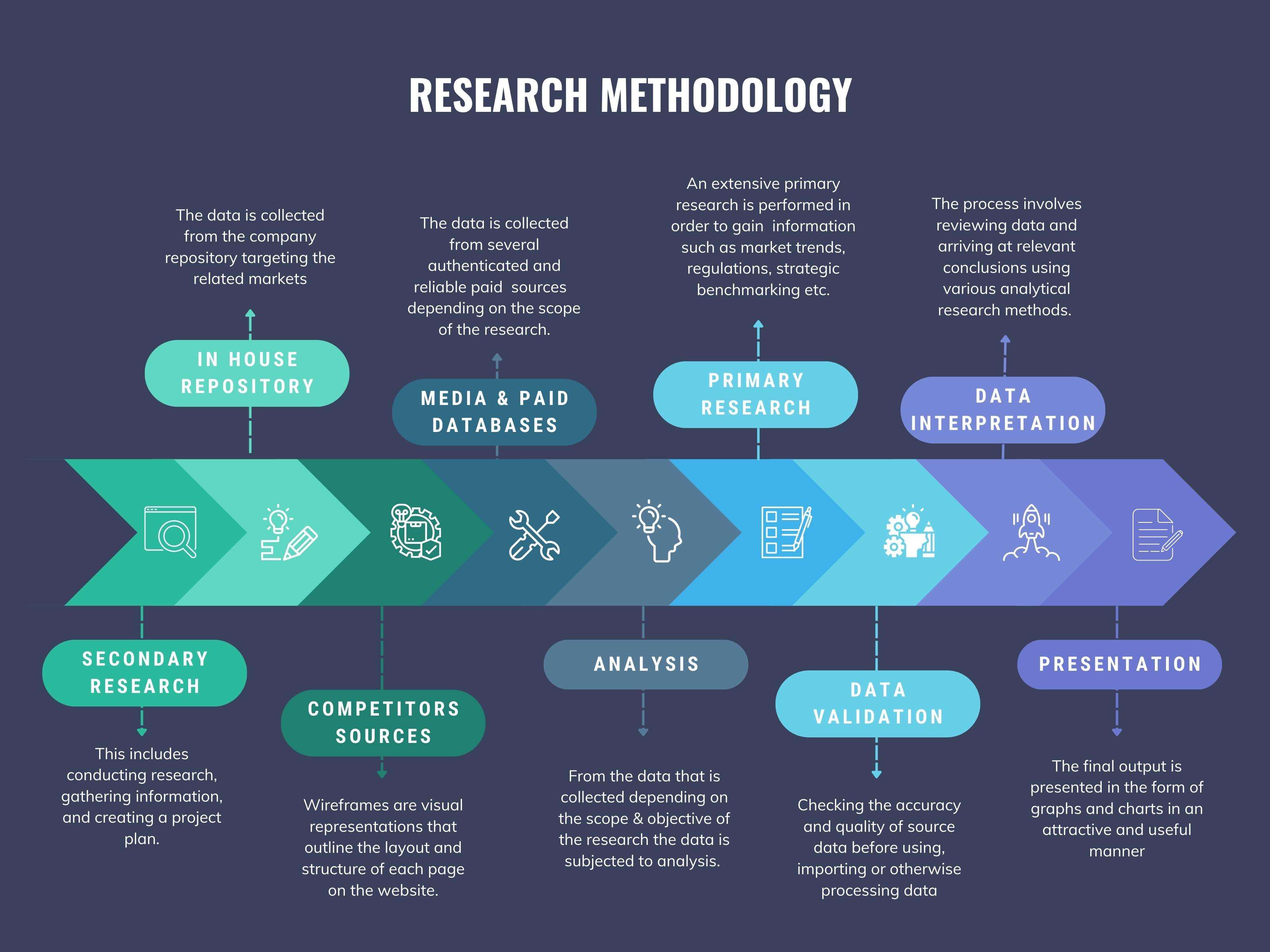
We at ‘Stratistics’ opt for an extensive research approach which involves data mining, data validation, and data analysis. The various research sources include in-house repository, secondary research, competitor’s sources, social media research, client internal data, and primary research.
Our team of analysts prefers the most reliable and authenticated data sources in order to perform the comprehensive literature search. With access to most of the authenticated data bases our team highly considers the best mix of information through various sources to obtain extensive and accurate analysis.
Each report takes an average time of a month and a team of 4 industry analysts. The time may vary depending on the scope and data availability of the desired market report. The various parameters used in the market assessment are standardized in order to enhance the data accuracy.
Data Mining
The data is collected from several authenticated, reliable, paid and unpaid sources and is filtered depending on the scope & objective of the research. Our reports repository acts as an added advantage in this procedure. Data gathering from the raw material suppliers, distributors and the manufacturers is performed on a regular basis, this helps in the comprehensive understanding of the products value chain. Apart from the above mentioned sources the data is also collected from the industry consultants to ensure the objective of the study is in the right direction.
Market trends such as technological advancements, regulatory affairs, market dynamics (Drivers, Restraints, Opportunities and Challenges) are obtained from scientific journals, market related national & international associations and organizations.
Data Analysis
From the data that is collected depending on the scope & objective of the research the data is subjected for the analysis. The critical steps that we follow for the data analysis include:
- Product Lifecycle Analysis
- Competitor analysis
- Risk analysis
- Porters Analysis
- PESTEL Analysis
- SWOT Analysis
The data engineering is performed by the core industry experts considering both the Marketing Mix Modeling and the Demand Forecasting. The marketing mix modeling makes use of multiple-regression techniques to predict the optimal mix of marketing variables. Regression factor is based on a number of variables and how they relate to an outcome such as sales or profits.
Data Validation
The data validation is performed by the exhaustive primary research from the expert interviews. This includes telephonic interviews, focus groups, face to face interviews, and questionnaires to validate our research from all aspects. The industry experts we approach come from the leading firms, involved in the supply chain ranging from the suppliers, distributors to the manufacturers and consumers so as to ensure an unbiased analysis.
We are in touch with more than 15,000 industry experts with the right mix of consultants, CEO's, presidents, vice presidents, managers, experts from both supply side and demand side, executives and so on.
The data validation involves the primary research from the industry experts belonging to:
- Leading Companies
- Suppliers & Distributors
- Manufacturers
- Consumers
- Industry/Strategic Consultants
Apart from the data validation the primary research also helps in performing the fill gap research, i.e. providing solutions for the unmet needs of the research which helps in enhancing the reports quality.
For more details about research methodology, kindly write to us at info@strategymrc.com
Frequently Asked Questions
In case of any queries regarding this report, you can contact the customer service by filing the “Inquiry Before Buy” form available on the right hand side. You may also contact us through email: info@strategymrc.com or phone: +1-301-202-5929
Yes, the samples are available for all the published reports. You can request them by filling the “Request Sample” option available in this page.
Yes, you can request a sample with your specific requirements. All the customized samples will be provided as per the requirement with the real data masked.
All our reports are available in Digital PDF format. In case if you require them in any other formats, such as PPT, Excel etc you can submit a request through “Inquiry Before Buy” form available on the right hand side. You may also contact us through email: info@strategymrc.com or phone: +1-301-202-5929
We offer a free 15% customization with every purchase. This requirement can be fulfilled for both pre and post sale. You may send your customization requirements through email at info@strategymrc.com or call us on +1-301-202-5929.
We have 3 different licensing options available in electronic format.
- Single User Licence: Allows one person, typically the buyer, to have access to the ordered product. The ordered product cannot be distributed to anyone else.
- 2-5 User Licence: Allows the ordered product to be shared among a maximum of 5 people within your organisation.
- Corporate License: Allows the product to be shared among all employees of your organisation regardless of their geographical location.
All our reports are typically be emailed to you as an attachment.
To order any available report you need to register on our website. The payment can be made either through CCAvenue or PayPal payments gateways which accept all international cards.
We extend our support to 6 months post sale. A post sale customization is also provided to cover your unmet needs in the report.
Request Customization
We offer complimentary customization of up to 15% with every purchase. To share your customization requirements, feel free to email us at info@strategymrc.com or call us on +1-301-202-5929. .
Please Note: Customization within the 15% threshold is entirely free of charge. If your request exceeds this limit, we will conduct a feasibility assessment. Following that, a detailed quote and timeline will be provided.
WHY CHOOSE US ?

Assured Quality
Best in class reports with high standard of research integrity

24X7 Research Support
Continuous support to ensure the best customer experience.

Free Customization
Adding more values to your product of interest.

Safe & Secure Access
Providing a secured environment for all online transactions.

Trusted by 600+ Brands
Serving the most reputed brands across the world.